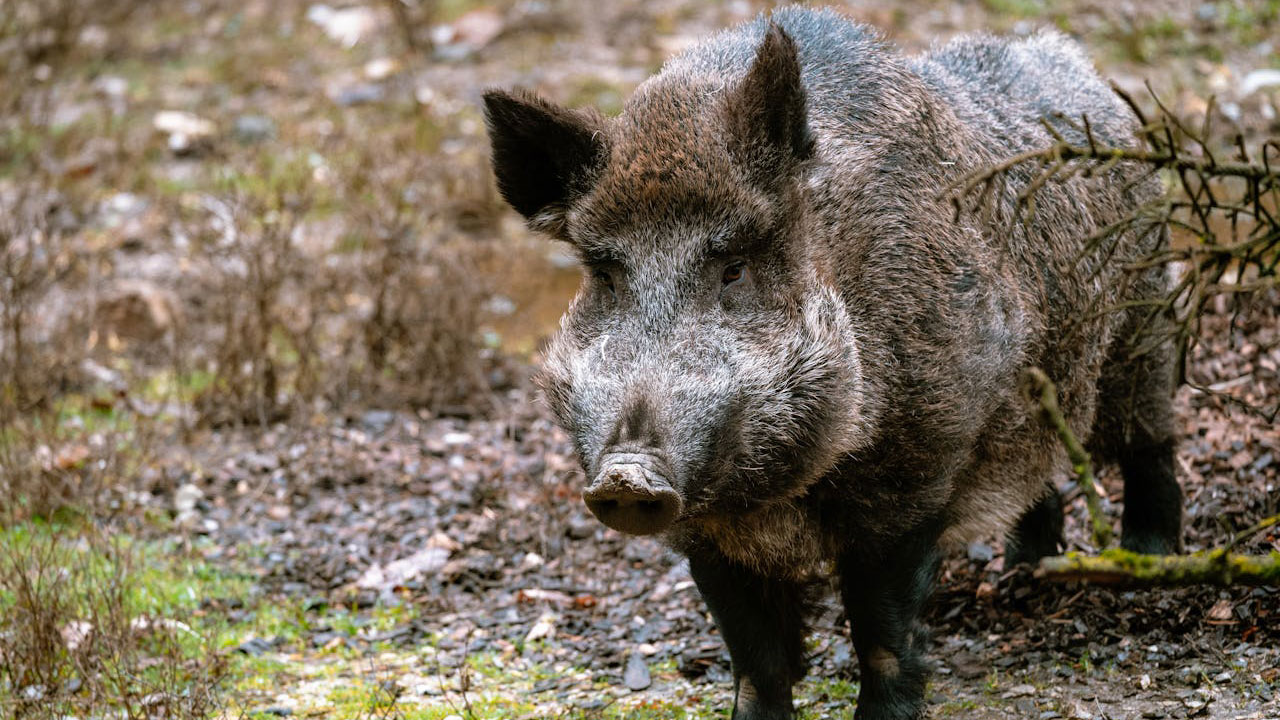
Photo credit: Doğan Alpaslan Demir/Pexels.com
Wild hogs are one of those problems people tend to underestimate until they see a pasture rooted up overnight, a creek bank torn apart, or a food plot hit so hard it looks like somebody ran equipment through it. This is not just a Texas issue anymore, and it is not just about a few hogs showing up on trail cam. State wildlife agencies, agriculture offices, and USDA partners across the country keep pointing to the same thing: feral swine are expensive, destructive, adaptable, and hard to wipe out once they get established. Nationally, USDA APHIS says feral swine cause an estimated $2.5 billion in annual damage and control costs in the U.S. agricultural sector alone, and the agency still runs active management work in most states where hogs are present.
A big part of what makes the problem worse is that hogs do not stay put, they reproduce fast, and half-measures usually do not work. A state does not need to have the biggest hog population in America to be in real trouble. In a lot of places, what matters is that the animals are spreading, agencies are changing rules, landowners are spending more money fighting them, or damage is showing up in more counties than it used to. These are 15 states where the wild hog problem is either deeply entrenched, expanding, or proving a lot tougher to control than many people expected.
Texas
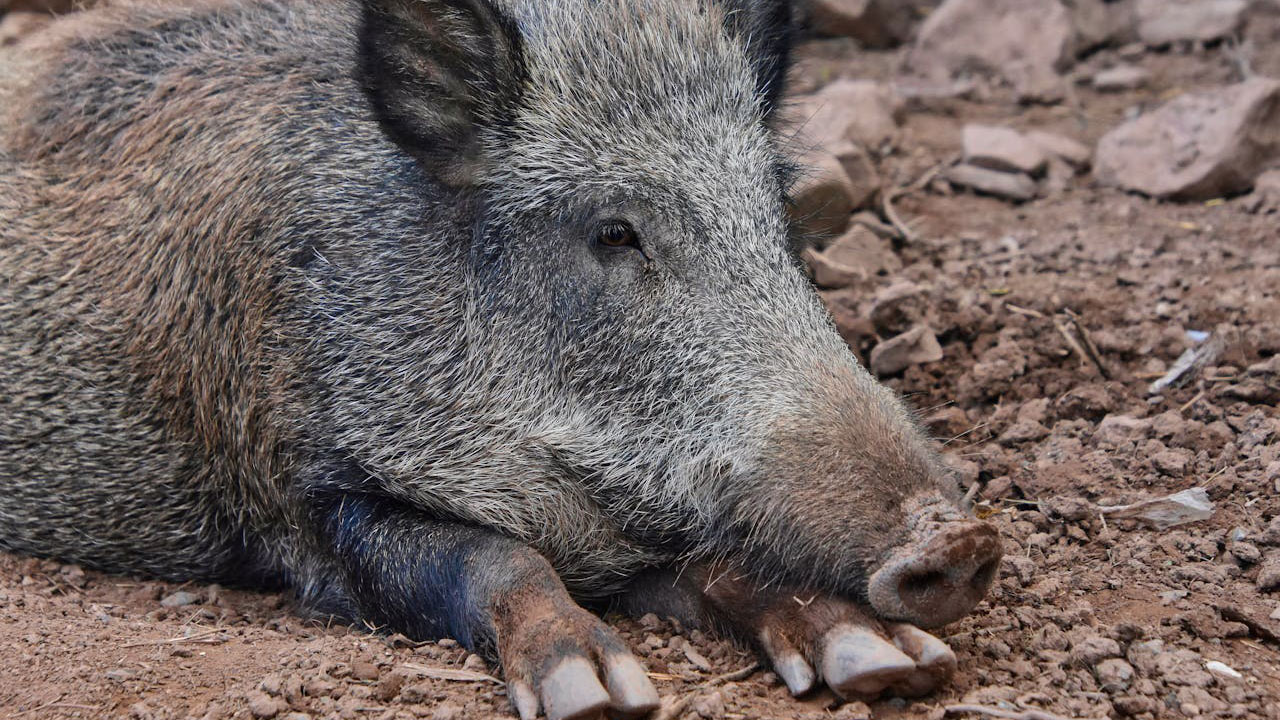
Texas still sits at the center of this fight, and it is hard to overstate how baked-in the problem has become there. Texas Parks and Wildlife says wild pigs occupy every county in the state except El Paso County, which tells you right away this is not a regional nuisance anymore. The agency also points to more recent studies estimating roughly $118.8 million in annual agricultural losses in Texas, and that does not even cover every indirect hit to habitat, fencing, water quality, and hunting ground.
What makes Texas especially rough is that hogs have been around long enough to get established in every kind of country the state has. Bottomland, farm ground, ranch country, thick river systems, and brush all give them room to spread. TPWD has also highlighted bounty efforts in some counties, which tells you local governments and landowners still see enough pressure to put cash behind removal. When a state has nearly wall-to-wall distribution and still needs constant control pressure, that is not a problem getting easier.
Florida
Florida has wild hogs in all 67 counties, according to the Florida Fish and Wildlife Conservation Commission, and that kind of statewide spread makes control a whole lot harder than people assume. FWC describes them as a nonnative invasive species that roots up land so aggressively it can leave areas looking plowed. On top of the habitat and property damage, Florida also flags disease concerns, including swine brucellosis, which can affect dogs and potentially people exposed through infected animals.
Florida’s rules also show how serious the state is about managing hogs. On private land, with landowner permission, trapping and taking wild hogs is broadly allowed year-round, and transporting or holding live feral swine is regulated by the state agriculture department. That is not how a state treats a minor game opportunity. That is how a state responds to an invasive animal that has already spread everywhere and keeps creating problems in farms, marshes, woods, and semi-rural neighborhoods alike.
Georgia

Georgia is another state where the problem is not theoretical at all. The Georgia Department of Natural Resources says feral hogs cause extensive damage to native flora and fauna, agricultural crops, livestock, forest regeneration, and the environment. The state has also been blunt that recreational hunting alone rarely works as a management tool, which is one of the clearest signs that the problem is bigger than a few hunters taking a shot at whatever crosses a field edge.
Georgia has even rolled out the Hog Down Awards Program, which gives residents a reason to document lawful hog kills, because the state wants more participation in removal efforts. Agencies do not build programs like that unless they are trying to widen the fight. Between crop damage, habitat destruction, and the reality that trapping whole groups works better than casual hunting, Georgia looks like one of those states where the hog issue is staying stubborn and expensive.
Louisiana

Louisiana belongs high on this list because the state’s own wildlife department says feral hogs heavily impact agriculture, uprooting planted seeds, destroying mature crops, and tearing up hayfields. LDWF cites LSU AgCenter estimates putting agricultural damage in Louisiana at $76 million annually, which is a huge number for a problem many people still like to talk about as if it is mostly just an after-dark hunting target.
The other issue in Louisiana is reach. The state has documented feral hogs in all 64 parishes, which means managers are not dealing with a localized pocket they can isolate and crush. They are dealing with a broad, established invasive population that also affects land and water resources. LDWF has also tied feral hogs to severe crop and land damage statewide, and prior agency-backed research noted water-quality impacts in some affected areas. That is the kind of long-term pressure that makes control harder the longer it drags on.
Oklahoma

Oklahoma’s wildlife department says feral swine have become a concern across the state because of expanding numbers and landscape damage, and it reports hogs have been detected in 70 of 77 counties. Even if they are more concentrated in the southern part of the state, that is still a huge footprint. Once an invasive species is already that widely distributed, control stops being simple and starts becoming a permanent campaign.
Oklahoma is also a good example of why access and human behavior matter. The state has said a pilot project removed about 11,000 feral swine since 2019 and averted an estimated $4.3 million in agricultural damage, but it also identified landowner nonparticipation as a major obstacle because some people wanted hogs around for hunting leases. That is a real-world reminder that in some states, the hog problem is not only biological. It is also tied up in incentives, land access, and whether people are willing to help eliminate the whole sounder instead of keeping a few pigs around.
Arkansas

Arkansas has been pretty direct about how ugly this can get. The Arkansas Game and Fish Commission described feral hogs as the state’s worst invasive pest and said they cause roughly $30 million to $41 million in damage annually in Arkansas in a 2025 review of eradication efforts. That tells you right away this is not an old estimate sitting untouched on a forgotten webpage. The state is still talking about the problem in present-tense terms because it is still very much active.
Arkansas also treats hogs as a statewide nuisance issue tied to agriculture, disease, and habitat damage, not as some fringe problem for a few counties. When a state keeps publishing guidance, task-force material, nuisance resources, and updated eradication messaging over multiple years, it usually means managers are still fighting spread, new damage, or both. Arkansas may not get the same national attention as Texas, but it looks every bit like one of the states where hog control remains a hard, expensive grind.
Mississippi

Mississippi has long been in the thick of this problem, and the damage numbers tied to it are hard to ignore. Mississippi State research cited by the state wildlife department found wild hogs cause about $60 million to $70 million in agricultural damage annually in the state. Even older statewide guidance still frames wild hogs as a major nuisance species problem, and current MDWFP material continues treating them as a serious landowner issue.
What pushes Mississippi into this list is the combination of agriculture, habitat, and the practical reality of rural land damage. Hogs do not just eat. They root, wallow, break up soil, raid feed, and stress landowners who are already dealing with enough. Mississippi’s wildlife materials still highlight hog impacts on habitat and competition with native wildlife, which says the damage is not staying contained to row crops or pasture. When a state keeps having to explain why these animals are so disruptive, it usually means the disruption has not slowed down much.
Alabama

Alabama has been sounding the alarm on feral swine for years, and it is still doing it. Outdoor Alabama reported in 2024 that feral hogs cause an estimated $50 million in damage annually in Alabama, while older state material cited even higher figures from Auburn research. The exact estimate can vary by study and year, but the main point does not move much: Alabama is dealing with a very real and expensive hog problem that affects agricultural operations, wildlife habitat, and recreational land.
Another sign the issue is getting harder to control is that Alabama agencies are still meeting and coordinating specifically on feral swine solutions. States do not keep spending time on interagency work unless the problem keeps demanding it. Alabama’s material also points to persistent ground disturbance and habitat damage that is difficult to reverse because hog pressure is ongoing. That is the exact kind of language you see when land managers know they are not dealing with a short-term outbreak.
South Carolina

South Carolina has had a hog problem long enough that the state documented wild pigs in all 46 counties by 2008, and SCDNR estimated a 2010 population of 150,000 animals with nearly 36,888 harvested in 2009. Those are older figures, but they still show how broadly established the species became. What matters for this list is that South Carolina continues to maintain substantial guidance on damage, ecological harm, and control, which tells you the issue never really left.
SCDNR says wild hogs damage crops, pasture, fences, roads, and dikes, and can prey on lambs, goats, newborn cattle, poultry, and exotic game. The agency also highlights ecological damage such as erosion, wetland impacts, degraded water quality, and even depredation on loggerhead sea turtle nests in parts of the state. When a species is causing trouble in agriculture, wetlands, rare plant communities, and coastal wildlife areas, you are looking at a problem that is spread across way too many environments to be easy to knock back.
Tennessee

Tennessee makes this list because the state has put real numbers on the cost. TWRA says landowners spent nearly $2 million controlling wild hogs and absorbed total damage and control costs valued at $28.31 million. That is a strong sign the problem is not just measured in sightings or complaints. It is measured in actual money coming off the land.
There is also a broader habitat and health angle in Tennessee that matters. TWRA’s more recent wildlife planning documents continue to describe feral swine as prolific reproducers that do massive damage through feeding and wallowing, while noting disease and water-quality concerns. Tennessee is one of those states where earlier policy choices around treating hogs more like a hunting opportunity helped them spread, and once that happened, the cleanup became much tougher. That history matters because it shows how fast hog problems can get out of hand when removal is not aggressive enough early.
California

A lot of hunters back east do not immediately think of California when wild pigs come up, but they should. California Department of Fish and Wildlife says wild pigs currently exist in 56 of the state’s 58 counties. That is a massive footprint in a huge state with agriculture, sensitive habitat, vineyards, rangeland, and heavy human development all mixed together. Once a species is spread that broadly, every control decision becomes more complicated.
California also has to manage hogs under multiple legal pathways, including sport hunting, depredation permits, and immediate depredation authority in certain livestock-injury situations. The state keeps specific guidance on wild pig hunting and depredation because these animals continue to create enough damage to require clear legal options. California may not use the same language as some Southern states, but a hog population spread across 56 counties is not something any agency would call easy to handle.
Missouri

Missouri is a good example of a state where the response itself tells you how serious the problem is. The Missouri Department of Conservation strongly discourages hunting feral hogs on many lands it manages and instead tells people to report sightings while state and federal partners work to eradicate them. That is a very different posture from states that still treat hogs more casually. Missouri is trying to kill the problem at the population level, not create more scattered pressure that teaches hogs to avoid traps.
The Missouri Feral Hog Elimination Partnership’s public updates also show the scale of work involved. In 2021, the partnership reported removing 9,857 hogs, assisting more than 1,300 landowners, and scouting more than 3.2 million acres. If you have to run that kind of coordinated effort year after year, you are clearly dealing with an invasive animal that is difficult to finish off. Missouri may not have the raw hog numbers of Texas, but it absolutely has the kind of entrenched, management-heavy problem that earns a place on this list.
North Carolina

North Carolina’s feral swine issue does not always get the same attention as states farther south and west, but the state wildlife commission still describes them as invasive animals that cause extensive damage and makes clear that lethal control is preferred because of that damage. The state also encourages reporting of sightings, kills, and damage, which is usually a sign managers are watching spread closely and trying to stay ahead of new pockets before they get worse.
North Carolina matters here because it shows how a state can be under real pressure without always leading the national conversation. Once feral swine get into agricultural ground, wet areas, and places where they can move without much attention, they become a tougher problem than many casual observers expect. If a state is still stressing damage reporting and year-round hunting frameworks while describing the animals as invasive and damaging, that usually means the control battle is still very live.
Virginia

Virginia is a little different from some of the states above because it is not framed as a giant established hog state in the same way Texas or Florida is. What makes Virginia worth watching is the state’s warning language. Virginia DWR says feral hogs are detrimental to natural habitats and endangered native species and that, once established, they are nearly impossible to eradicate. That is exactly the kind of sentence you see when a state is trying hard not to let an emerging problem become a permanent one.
The state also distributes material stressing property damage, agricultural losses, fence destruction, water-quality impacts, and disease risks from feral swine. In other words, Virginia is not brushing this off as an occasional escaped farm animal issue. It is treating hogs as a real invasive threat with the potential to get much worse if populations establish and spread. That makes Virginia one of those places where the problem may be smaller than in the Deep South, but the urgency is high precisely because managers know how ugly it gets once the window closes.
Hawaii
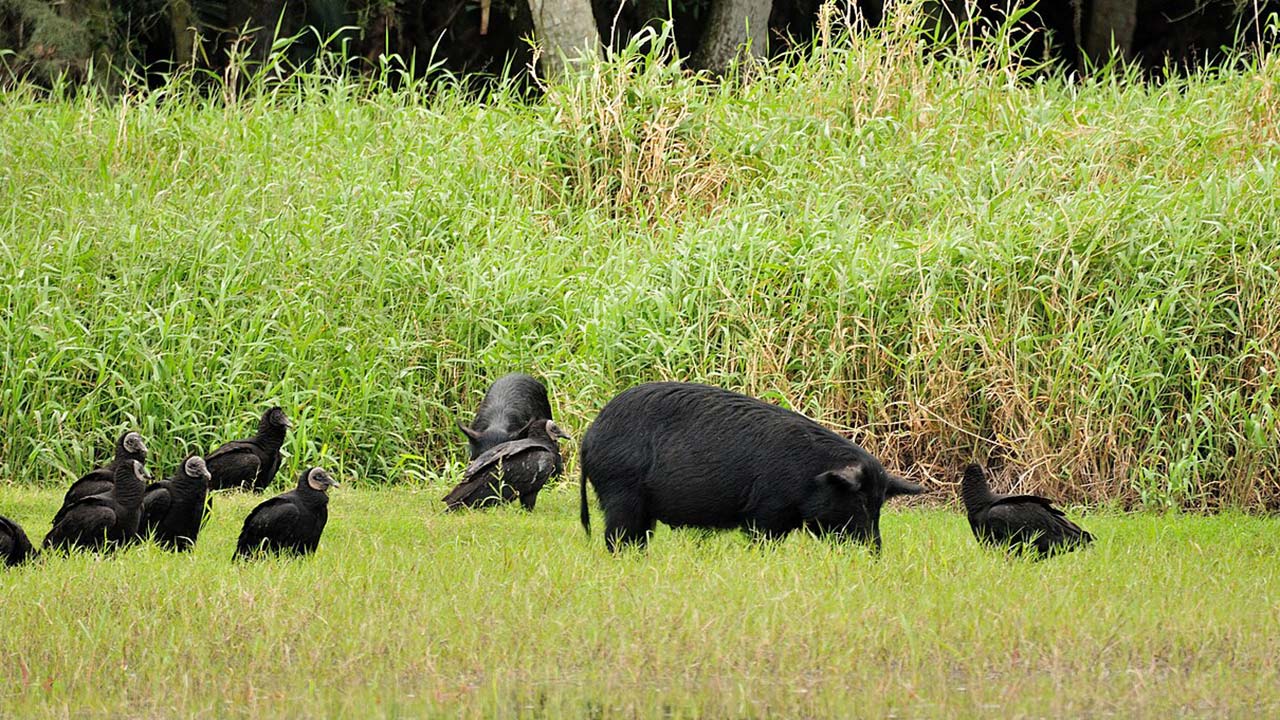
Hawaii belongs in this article even though its hog problem looks different from the mainland version. In Hawaii, feral pigs are a major watershed and native-ecosystem problem, and state land managers repeatedly describe the need for pig control to protect biological resources, endangered plants and animals, and water resources. DLNR’s reserve management material says ungulate management for feral pigs, goats, and deer is needed to limit damage to native Hawaiian ecosystems, which is a huge deal in a place where unique habitat is already under pressure.
This is also one of the clearest cases where “harder to control” does not just mean crop loss. It means fencing, strategic removal, and long-term habitat protection projects. Hawaii has tied feral pig damage to forest decline and broader watershed concerns, and the state has pointed to major investments aimed at protecting vulnerable landscapes from hog and invasive-weed pressure. That is a different flavor of hog problem than what you see in Texas hayfields, but it is still a nasty one, and it is absolutely not an easy fix.
Like The Avid Outdoorsman’s content? Subscribe to our newsletter so you never miss an article.
Here’s more from us: