Photo credit: Smith & Wesson/YouTube
A gun can seem like the smart choice when you first buy it. Maybe the price is right, the brand has a decent name, the features look good, or the internet keeps telling you it is underrated. At first, you tell yourself the rough edges are normal. Every gun has quirks, right?
Then the little problems start adding up. The magazines are weird. The trigger takes too much work. The optic mounting is annoying. The finish wears fast. The gun runs fine with one load and acts up with another. None of it may be enough to make the gun completely useless, but after a while, you stop calling it a bargain.
SIG Sauer P322

The SIG P322 looks like a great buy if you want a modern .22 pistol with capacity, a threaded barrel, and optics-ready features. On paper, it checks a lot of boxes that older rimfire pistols never tried to touch. It feels like the kind of range gun that should be cheap to shoot and easy to enjoy.
Then rimfire reality starts showing up. Some shooters run into ammo sensitivity, magazine loading quirks, light strikes, or feeding issues that make range trips feel less casual than expected. A .22 pistol is supposed to be the gun you bring out for easy practice. When it needs too much sorting, the smart-buy shine fades.
Ruger Security-380

The Ruger Security-380 makes sense at first glance. It is easier to rack than many compact pistols, has better capacity than old pocket .380s, and gives recoil-sensitive shooters something less harsh than a tiny 9mm. For a newer shooter, that sounds like a practical choice.
The problems start when you compare size, power, and purpose. It is bigger than many people expect for a .380, and the cartridge is not exactly cheap for high-volume practice. Some shooters eventually realize a soft-shooting compact 9mm gives them more capability with similar effort. The Ruger is useful, but it can leave buyers wondering what lane it really owns.
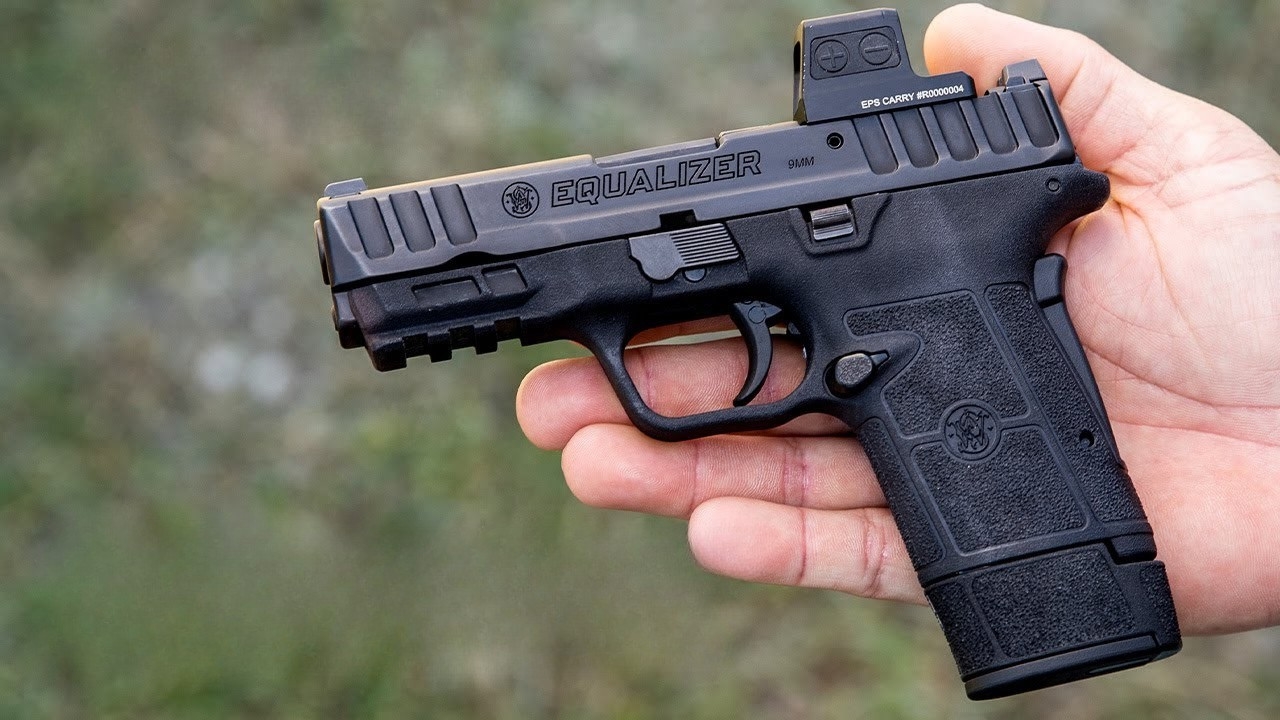
Smith & Wesson Equalizer
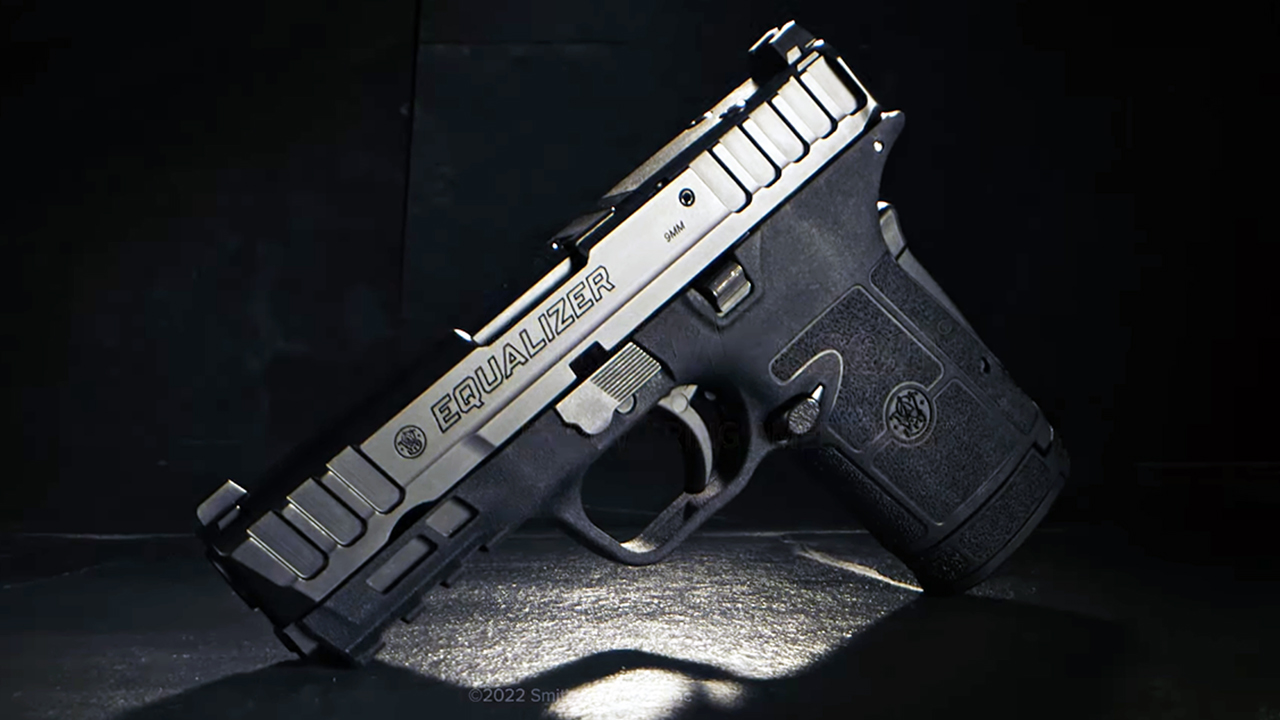
The Equalizer looks like Smith & Wesson fixed several carry-gun complaints at once. It has an easy-racking slide, good capacity, familiar Shield-style handling, and a grip safety that appeals to some cautious buyers. It is easy to see why someone would call it a smart defensive pistol.
Then the details start mattering. The grip safety is not loved by everyone, the trigger feel can be divisive, and the overall shape does not carry as cleanly as smaller micro-compacts. It works for the right shooter, but it is not automatically better than a Shield Plus or M&P Compact. After a few range trips, some owners feel like they bought a compromise.
Savage Stance
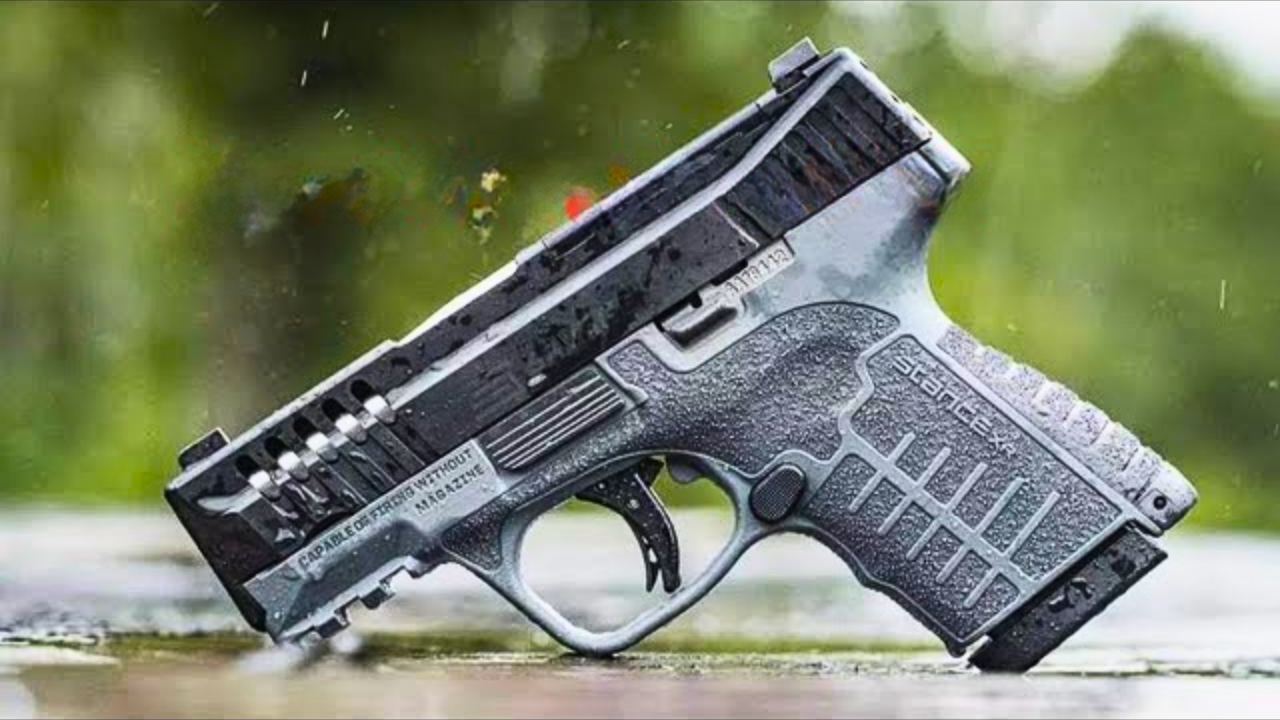
The Savage Stance looked interesting because Savage was stepping into the micro-compact carry market with something different. It had aggressive styling, decent capacity, and a brand name hunters already knew. For someone wanting a carry pistol outside the usual Glock, SIG, and Smith crowd, it had some appeal.
The trouble is that micro-compacts are already a tough category. If the trigger, recoil feel, controls, or reliability confidence are not right, shooters notice fast. The Stance did not give many buyers a strong reason to leave proven options behind. Once small complaints stack up, “different” stops feeling like an advantage and starts feeling like a gamble.
Stoeger STR-9

The Stoeger STR-9 seems like a smart buy because it offers a full-size striker-fired 9mm for budget money. It has familiar controls, decent ergonomics, and enough brand connection through the Beretta family to make buyers feel better about taking a chance.
Then the ownership side gets less exciting. The aftermarket is thinner, holster choices can be more limited, and resale value is not strong compared with bigger names. Even if the pistol runs fine, shooters may realize they saved money up front but lost flexibility later. A Glock, M&P, or CZ might cost more, but the support network matters once you start training seriously.
Winchester Wildcat

The Winchester Wildcat looks like a clever modern .22 rifle. It is lightweight, affordable, uses common 10/22-style magazines, and has easy takedown features that sound great for cleaning. For a plinking rifle, it checks a lot of boxes.
The issues show up when shooters compare it to the rifles it is trying to beat. The lightweight feel can come across as cheap, accuracy can vary by ammo, and the whole package may not feel as durable as a basic 10/22. The Wildcat is not a bad idea, but every little compromise makes buyers question why they did not stick with the proven rimfire everyone already knows.
Rossi Gallery Gun
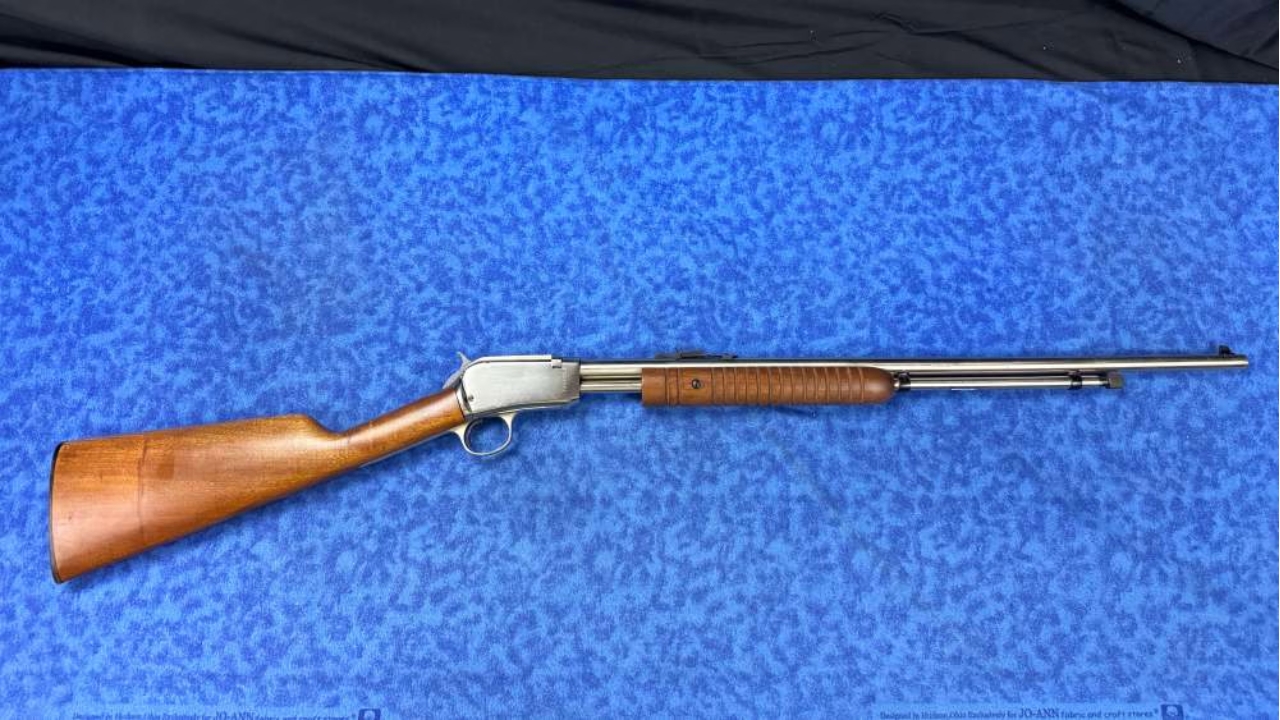
The Rossi Gallery Gun pulls people in with nostalgia. A pump-action .22 that looks like something from an old fairground shooting gallery is hard not to like. It feels fun before you even load it, and the price usually makes the decision easier.
Then shooters start noticing the rough spots. The action may not feel as slick as the old rifles it reminds you of, the sights are basic, and the overall fit can feel more budget than charming. It can still be fun, but the more you shoot it, the more you realize nostalgia was doing a lot of the selling.
Rock Island Armory STK100
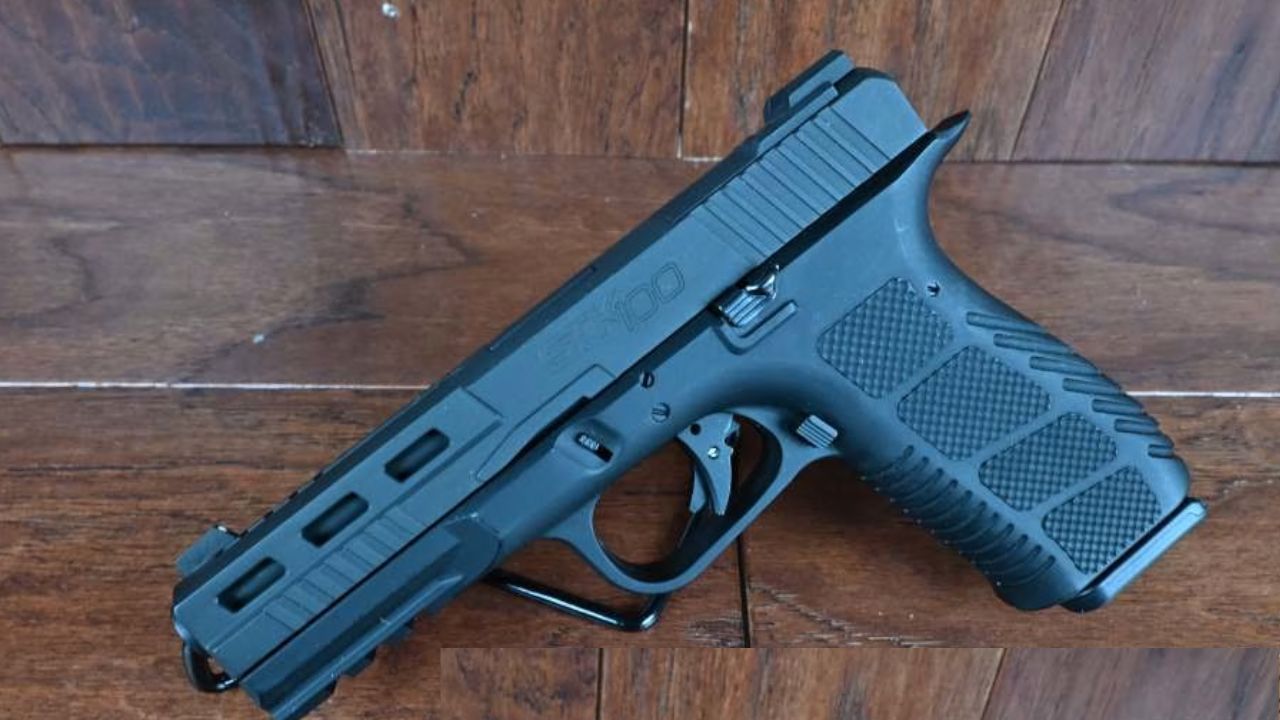
The Rock Island STK100 seems smart because it gives you a metal-framed, Glock-pattern-style pistol for less money than many premium options. The idea is easy to understand: familiar magazine compatibility, more weight, and a different feel than another polymer striker gun.
The problems start when the gun does not fully deliver the polished experience people expect from that concept. Weight alone does not fix trigger feel, parts support, holster fit, or long-term confidence. Some shooters like the idea more than the actual pistol. Once you start chasing small fixes, the bargain metal frame starts feeling less like a win.
Citadel Boss-25
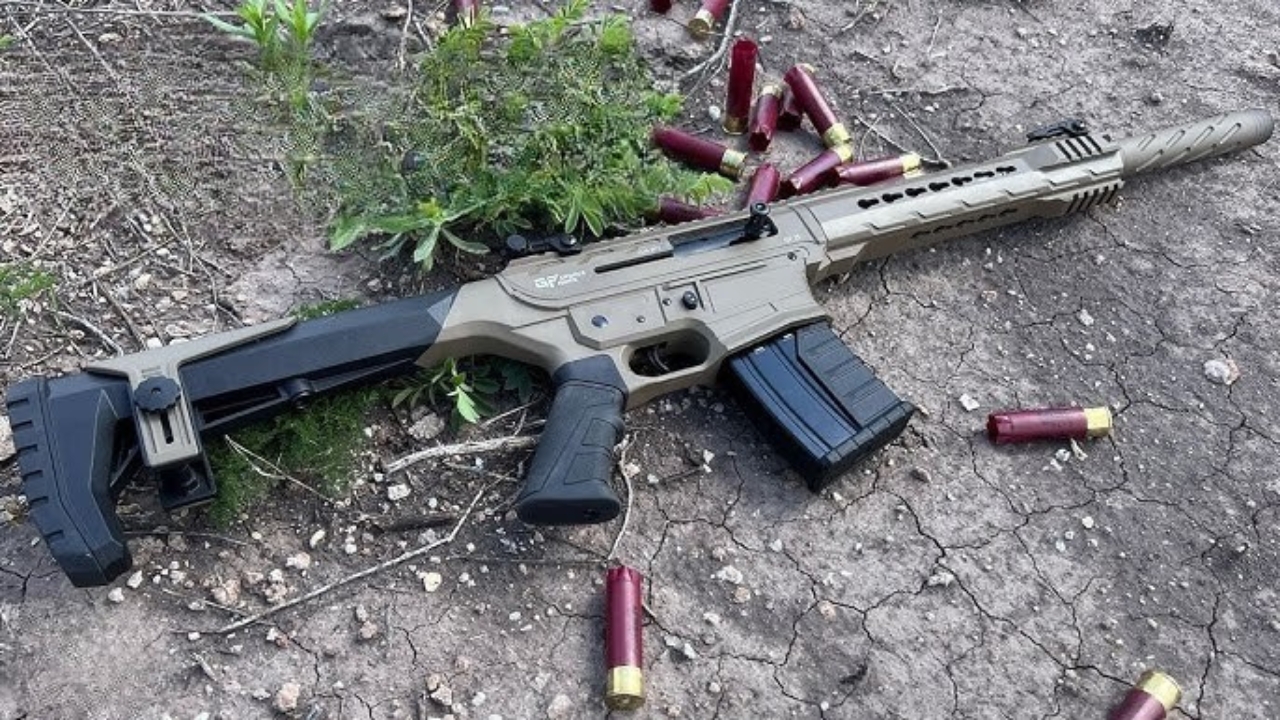
The Citadel Boss-25 looks like a lot of gun for the money. A magazine-fed, AR-style 12-gauge shotgun sounds like range fun, home-defense attitude, and tactical cool all rolled into one package. It is the kind of firearm that sells itself on appearance.
Then the problems start stacking up around ammo choice, magazines, bulk, and break-in. These shotguns often need heavier loads to run well, and they are not always as simple as a pump gun. If you spend range time figuring out what it likes instead of just shooting, the smart-buy feeling disappears. A plain 12-gauge suddenly looks better.
Taurus TX22 Competition
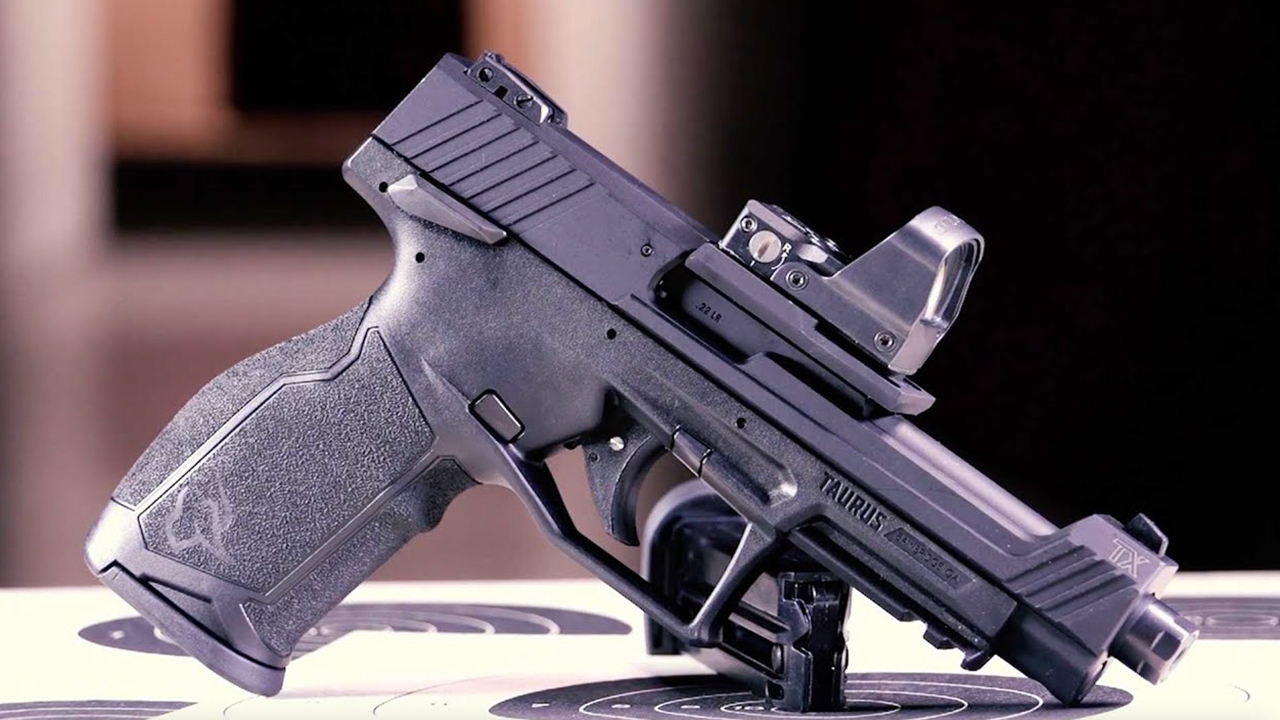
The Taurus TX22 Competition sounds like an easy yes if you want a rimfire trainer with modern features. It has good capacity, an optics-ready setup, and a reputation built from the standard TX22 being one of Taurus’s better recent pistols. For cheap practice, it looks strong.
The catch is that the Competition model adds cost and complexity to a gun many people loved because it was simple and affordable. Optic mounting, ammo preference, cleaning needs, and rimfire quirks can turn it into more of a tinkering gun than expected. Some shooters end up wishing they had just bought the basic TX22 and spent the rest on ammo.
Charles Daly 601 DPS
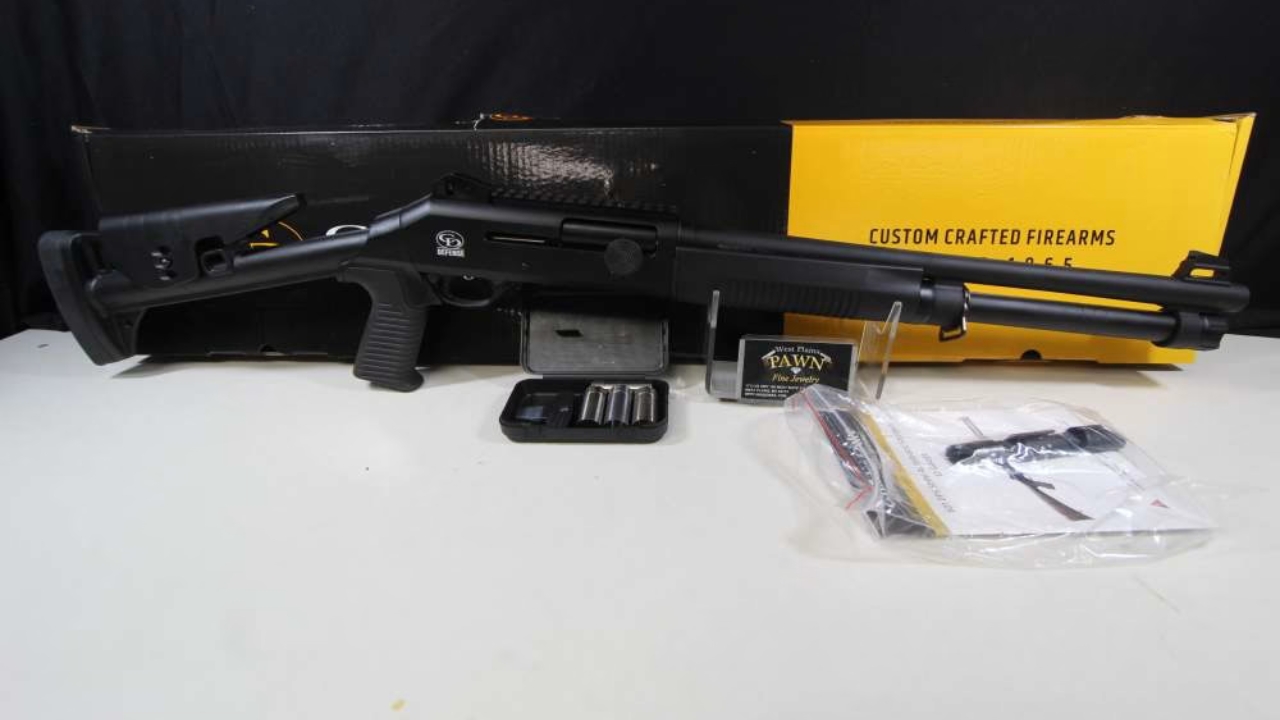
The Charles Daly 601 DPS can look like a smart way into a defensive-style semi-auto shotgun without paying Benelli or Beretta money. It has the black furniture, short barrel feel, and price tag that makes it tempting for someone building a home-defense setup.
Then the usual budget semi-auto shotgun questions show up. Does it run light loads? How easy are parts to get? Are the controls, finish, and long-term durability where they need to be? A shotgun kept for serious use has to be boringly dependable. If reliability depends too much on load choice and break-in, the savings stop feeling so smart.
Mossberg MC2sc
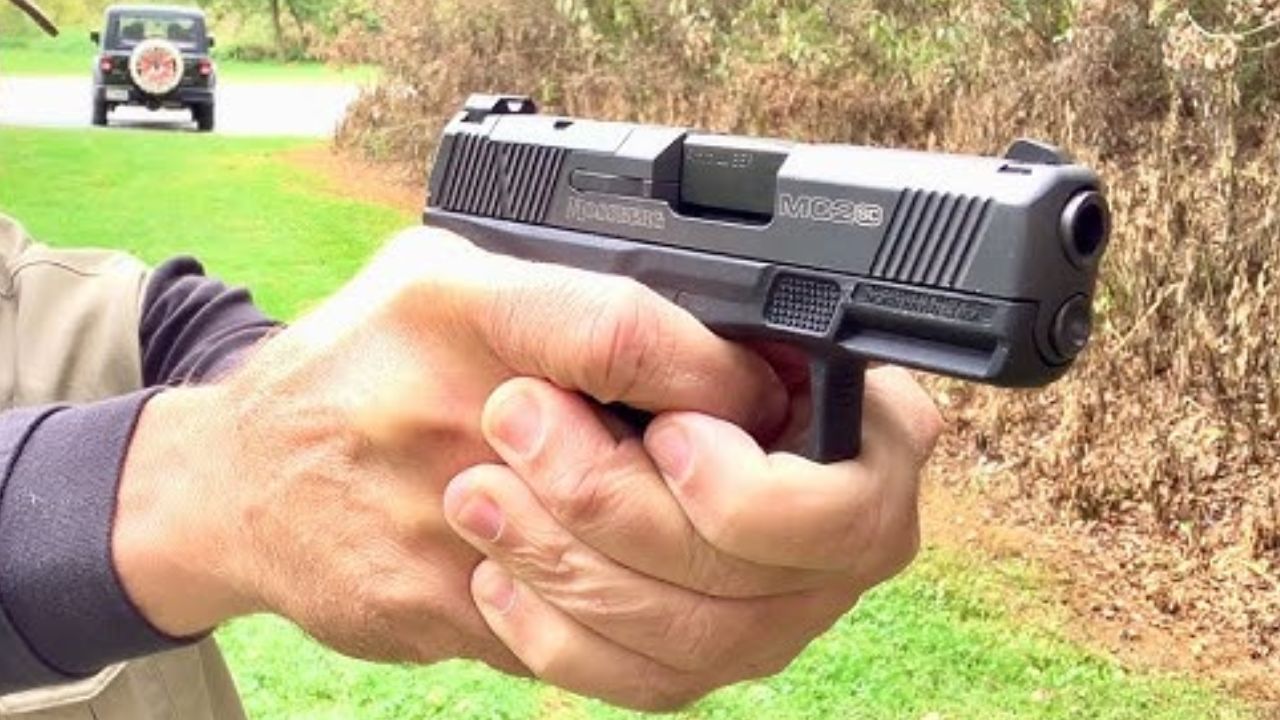
The Mossberg MC2sc looks like a better follow-up to Mossberg’s earlier carry pistols. It gives you solid capacity, a slim profile, and a brand name many shooters trust from the shotgun world. It also avoids being another exact copy of the most popular micro-compacts.
The issue is not that it is useless. The issue is that it lives in a brutal market. Holsters, magazines, optics compatibility, and resale all matter, and the MC2sc has to compete with guns that already dominate those areas. Even if it shoots well, the small ownership headaches can make buyers drift back toward the safer choices.
Savage Renegauge
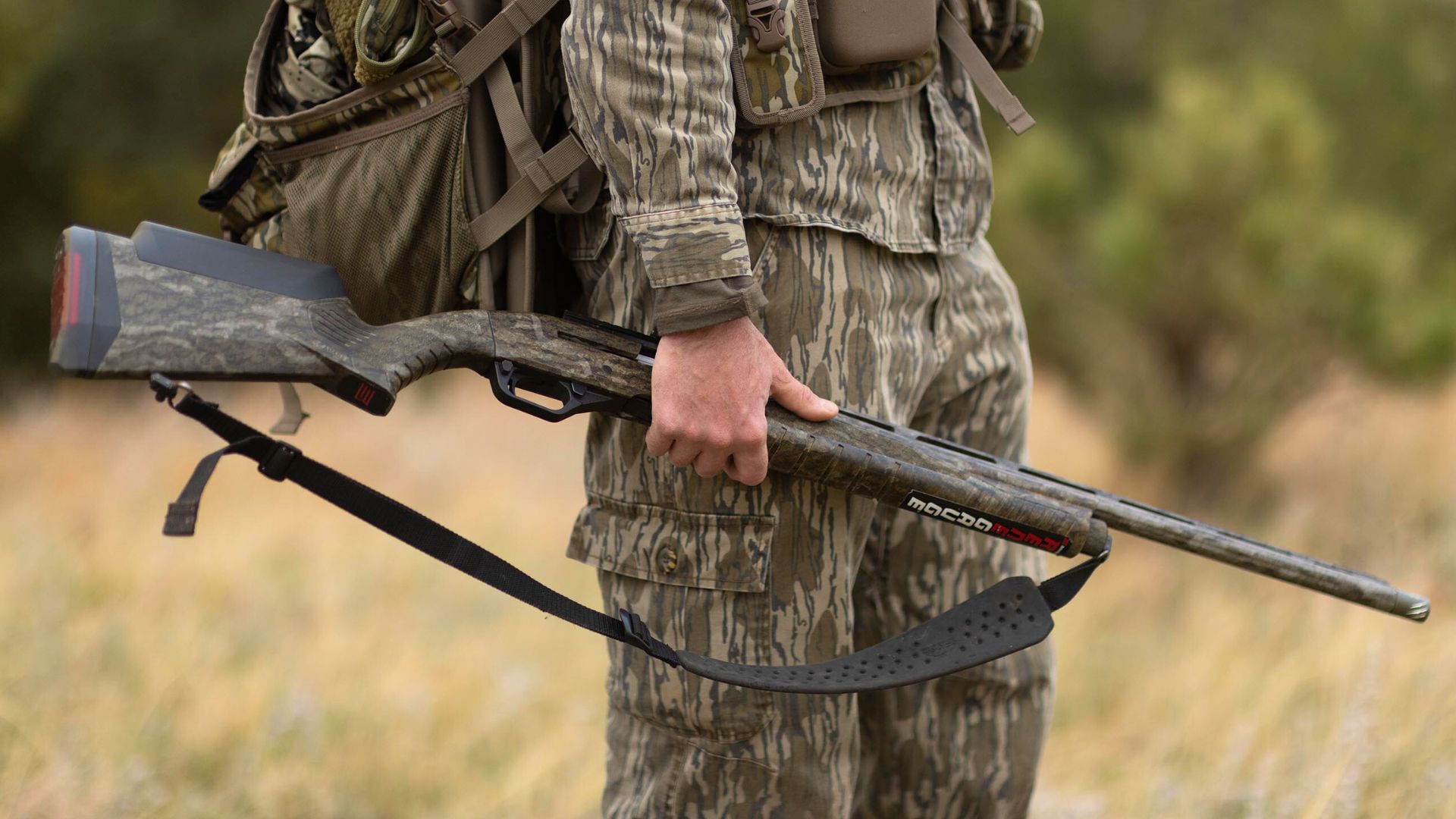
The Savage Renegauge looks serious on paper. It has a self-regulating gas system, adjustable fit, and the kind of feature list that makes it seem ready to challenge more established semi-auto shotguns. For a hunter wanting something different, it can feel like a clever buy.
Then you pick apart the total package. It is not cheap, it is not light, and it does not have the long field reputation of Beretta, Benelli, or Browning. If the fit is not perfect or the handling feels bulky, the feature list stops mattering. A shotgun can be technically interesting and still not be the one you reach for.
Springfield Armory Hellion
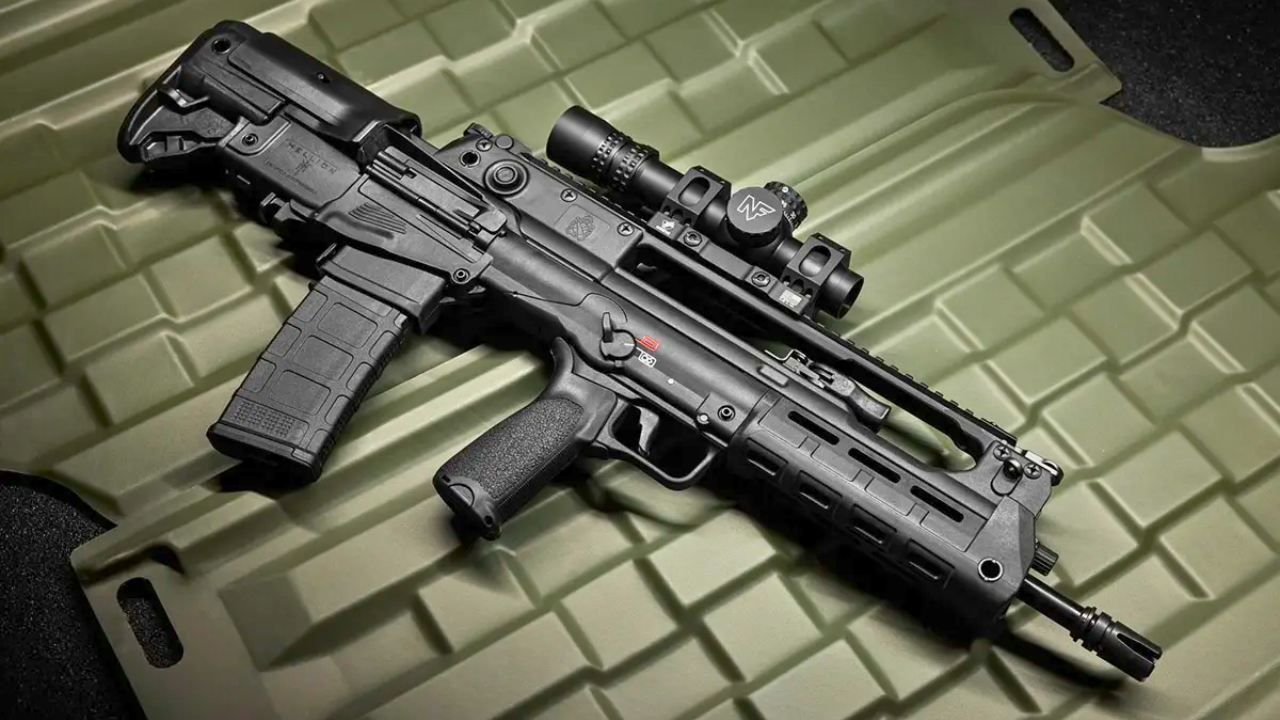
The Springfield Hellion seems smart if you want a modern bullpup that is not another AR. It is compact for its barrel length, has serious military roots through the VHS-2 design, and brings a different flavor to a rifle market full of sameness. On paper, it makes sense.
The problems are the usual bullpup tradeoffs. The trigger does not feel like a good AR trigger, reloads take practice, parts and accessories are more specific, and the layout is not natural for everyone. It can be a solid rifle, but after the newness wears off, some shooters realize a regular AR is cheaper, easier, and better supported.
Kimber R7 Mako

The Kimber R7 Mako looked like Kimber was finally taking a modern swing at the micro-compact 9mm market. It had an enclosed-style optic-ready slide design, good capacity, and a very different look from the usual tiny carry guns. For Kimber fans, it seemed like a fresh start.
Then it had to live against the P365, Hellcat, Shield Plus, and Glock 43X. That is a rough crowd. The Mako’s looks, trigger feel, holster support, and general market trust all became sticking points for some buyers. Even if the gun worked, it did not always give shooters a reason to choose it over the proven names.
Like The Avid Outdoorsman’s content? Subscribe to our newsletter so you never miss an article.
Here’s more from us: