Photo credit: James Case – CC BY 2.0/Wiki Commons
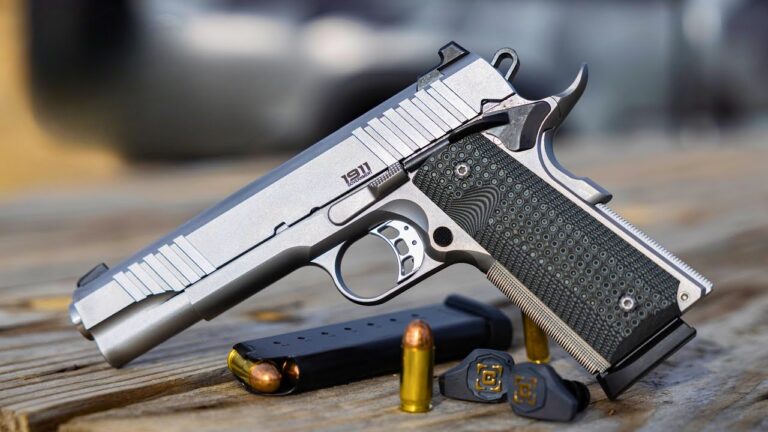
The ’90s were a weird sweet spot for guns. You still had old-school steel pistols in glass cases, but polymer was taking over. Imports were flowing, then getting choked off. The AWB era pushed certain models into the spotlight, and then the market moved again and left a bunch of “everywhere” guns behind. If you were around gun shops back then, you remember seeing the same names over and over—until one day you didn’t.
A lot of these didn’t vanish because they were junk. Some got replaced by lighter polymer guns. Some were victims of import bans, parts support, or changing tastes. Some simply got outcompeted by newer designs that were cheaper to build. Here are gun models that felt common in the ’90s and then faded hard.
Ruger P89

In the ’90s, the Ruger P89 was the working man’s 9mm: big, durable, and priced where normal people could buy one without taking out a loan. You saw them in glove boxes, range bags, and nightstands because they ran and they didn’t mind rough treatment.
Then polymer pistols took over, and “thick, heavy, and overbuilt” stopped being a selling point for most buyers. The P89 didn’t disappear overnight, but the market moved away from it fast. Once Ruger shifted its lineup and the used market got flooded with newer, lighter options, the P89 became one of those guns you still spot at pawn shops—rarely as someone’s first choice anymore.
Ruger P95

The P95 was everywhere in the late ’90s because it offered a lot of pistol for the money, and it had that Ruger reputation for surviving abuse. It wasn’t trying to be sleek. It was trying to be dependable, and that’s exactly what a lot of buyers wanted.
The problem is the same thing that killed many ’90s pistols: the market learned to expect lighter weight, better ergonomics, and easier accessory support. The P95 kept doing its job, but it started feeling dated next to modern striker guns. Once Ruger pivoted and the industry standardized around newer designs, the P95 became a classic “used bargain” gun instead of a current staple.
Smith & Wesson 5906

If you spent time around cops or police trade-ins in the ’90s, you saw the 5906 constantly. Stainless, heavy, and built to handle serious use, it was a real duty pistol with a serious following. It felt like a forever gun, and plenty of them basically were.
Then agencies transitioned hard to polymer striker pistols, and the big third-gen S&Ws got pushed out. The 5906 didn’t stop being reliable—it stopped being what departments wanted to buy in volume. Once Smith & Wesson moved away from that era of metal-framed autos, the 5906 became a nostalgia piece and a collector-ish buy, not a new-gun default the way it used to be.
Smith & Wesson 3913

The 3913 was a true carry pistol before “micro-compact” became a category. It was slim, practical, and it had a loyal following among people who actually carried every day. In the ’90s, it was a very common answer for concealed carry with real-world manners.
As polymer got thinner and capacity got better, the 3913 started fading. The market didn’t just want slim—it wanted slim with more rounds and less weight. Once the third-gen Smith autos were discontinued, the 3913 became one of those “they don’t make them like that anymore” guns that people hunt on the used market. It didn’t vanish because it failed. It vanished because the world moved on and S&W moved with it.
Smith & Wesson 4006
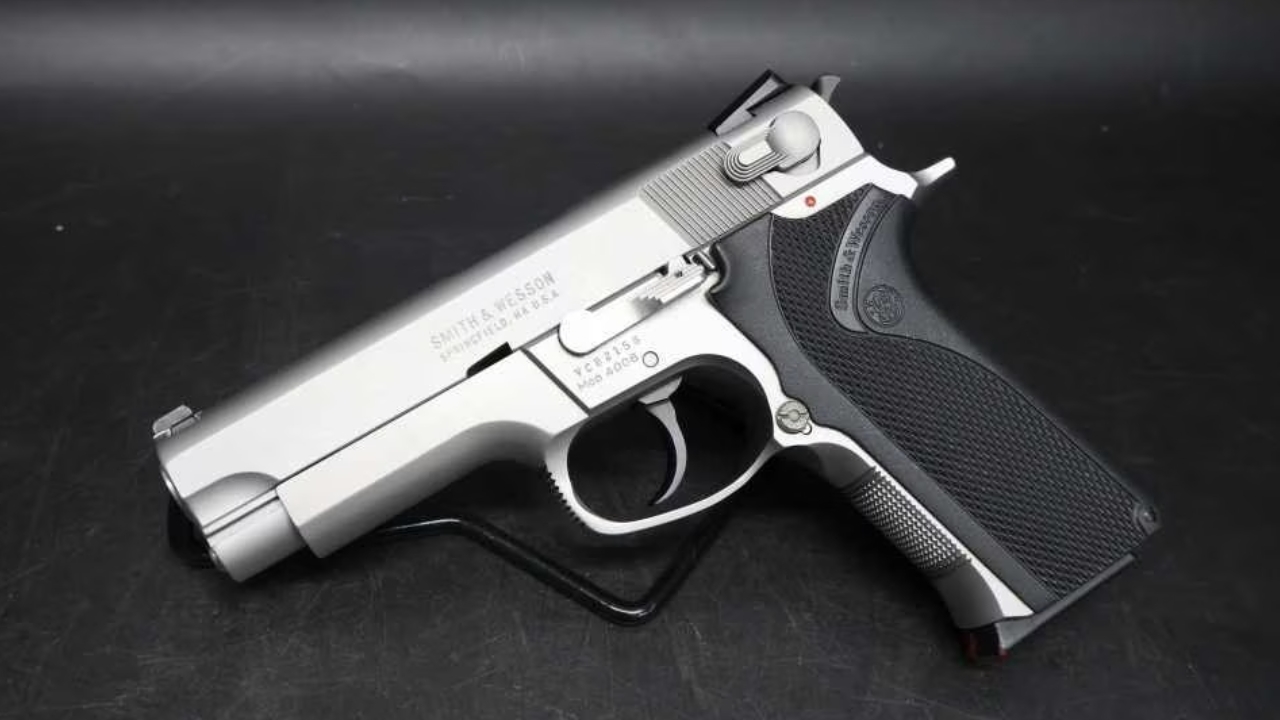
The 4006 is pure ’90s .40 S&W energy. Big stainless duty gun, serious recoil, serious presence. When .40 was the hot answer for law enforcement, the 4006 felt like it was everywhere, especially in service holsters and agency inventories.
Then the .40 wave crested and agencies moved back toward 9mm for cost, shootability, and modern bullet performance. With that shift, the heavy metal .40 duty pistols got left behind. The 4006 is still a tough pistol, but it’s not what most people want to carry or train with now. It went from “common duty gun” to “cool trade-in find” almost entirely because the caliber trend changed underneath it.
Beretta 9000S

The Beretta 9000 series showed up as a “modern carry” idea in the late ’90s and early 2000s, and for a while it felt like Beretta’s next big thing. The design had that space-age look, and you’d see them in shops as an alternative to the usual compact pistols.
But the market didn’t adopt it the way Beretta probably hoped. Ergonomics were polarizing, and the pistol got overshadowed by more straightforward compacts that were easier to shoot and easier to support with holsters and parts. Once the industry settled into a few dominant patterns, the 9000S quietly slipped away. You still spot them used, but the “everyone has one” moment never lasted long.
Colt Double Eagle

The Colt Double Eagle is one of those pistols that made sense on paper in the ’90s: a Colt-branded DA/SA .45 meant to compete with modern service pistols. For a while you’d see them in cases because people wanted a Colt that wasn’t strictly a traditional 1911.
The issue was timing and identity. Colt’s brand was tied tightly to the 1911, and the Double Eagle didn’t win the hearts of shooters the way the classic single-action did. Once the polymer boom hit and the market consolidated around simpler systems, the Double Eagle had nowhere to stand. It didn’t become a mainstream duty gun, and it didn’t become a cult carry gun either. It ended up a snapshot of Colt trying to keep up with the era.
Colt All American 2000

If you were around gun counters in the early ’90s, the All American 2000 was hard to miss because it had “next generation” written all over the marketing. It was Colt trying to jump into a modern, high-capacity 9mm world with a very different design approach.
The problem is it never became the reliable, widely loved pistol people expected. The reputation took a hit early, and once a gun gets labeled as problematic, it’s hard to recover—especially in a crowded market. As newer designs proved themselves and the striker-fired wave kept rolling, the All American faded fast. Today it’s more of a curiosity than a common shooter, but in its moment it was a gun you saw and heard about constantly.
Browning BDM

The Browning BDM was a very ’90s pistol in the sense that it tried to be clever and modern at the same time. You’d see them in shops as a sleek 9mm option with a distinctive look, and the Browning name alone made people pay attention.
But it never became a dominant choice for carry or duty, and once the market standardized around more common platforms, support dried up. Fewer holsters, fewer parts, fewer people who knew the gun well. That’s often what kills a model more than anything. The BDM didn’t vanish because it couldn’t shoot. It vanished because it didn’t build the ecosystem around it that keeps a pistol alive for decades.
Intratec TEC-9 / DC9

In the ’90s, the TEC-9 style pistol was a pop-culture object as much as it was a firearm. You saw them in magazines, music videos, and gun-shop conversations, and they became infamous in a way few guns ever do. For a stretch, they were everywhere in the public imagination.
Then laws and market pressure changed everything. Variants got redesigned, rebranded, and restricted, and the platform became more trouble than it was worth for mainstream buyers. You still see them in “remember when” discussions, but you don’t see them as a common shelf item the way you did during their peak notoriety. It’s a classic example of a model getting pushed out by regulation, reputation, and shifting demand all at once.
Norinco 1911A1

Norinco 1911s were a quiet phenomenon: affordable, tough, and often a surprisingly good base gun. In the ’90s you could run into them as a budget 1911 option that people actually shot and modified without fear.
Then the import situation changed and they stopped being a regular sight in gun cases. When supply gets cut and a model becomes “can’t get them like you used to,” it disappears from everyday life even if it remains popular among the people who already own one. That’s what happened here. Norinco 1911A1s didn’t vanish because shooters stopped liking them. They vanished because you stopped seeing fresh ones coming in the way you used to.
Remington 7400

The Remington 7400 was a very common deer rifle in the ’90s, especially for hunters who wanted a semi-auto that felt familiar and fast. It rode in a lot of pickup trucks and sat in a lot of closets because it was an easy “one rifle for deer season” solution.
Over time, the platform’s reputation became mixed, and the market drifted toward bolt guns and newer semi-auto options. When reliability stories start traveling camp to camp, a model’s popularity can fade even if many examples work fine. Add in discontinuation and the fact that parts support becomes more complicated, and the 7400 becomes less of a default choice. You still see them used, but you don’t see them getting recommended like they once were.
Winchester 1300

The Winchester 1300 pump was a real staple in the ’90s. It was fast, smooth, and it showed up everywhere from duck blinds to home-defense corners because it did what a pump gun is supposed to do without fuss. A lot of shooters preferred how it ran compared to other pumps of the era.
Then the model got replaced in the lineup, and the market consolidated around a few pump-gun standards that never stopped being produced. Once a model isn’t on shelves new, it fades from everyday conversation quickly, even if it’s still a great shotgun. The 1300 didn’t become “bad.” It became “used only,” and that changes visibility. It’s one of those guns you remember seeing constantly—until you realize you haven’t seen a new one in a long time.
Ruger 10/22 Magnum
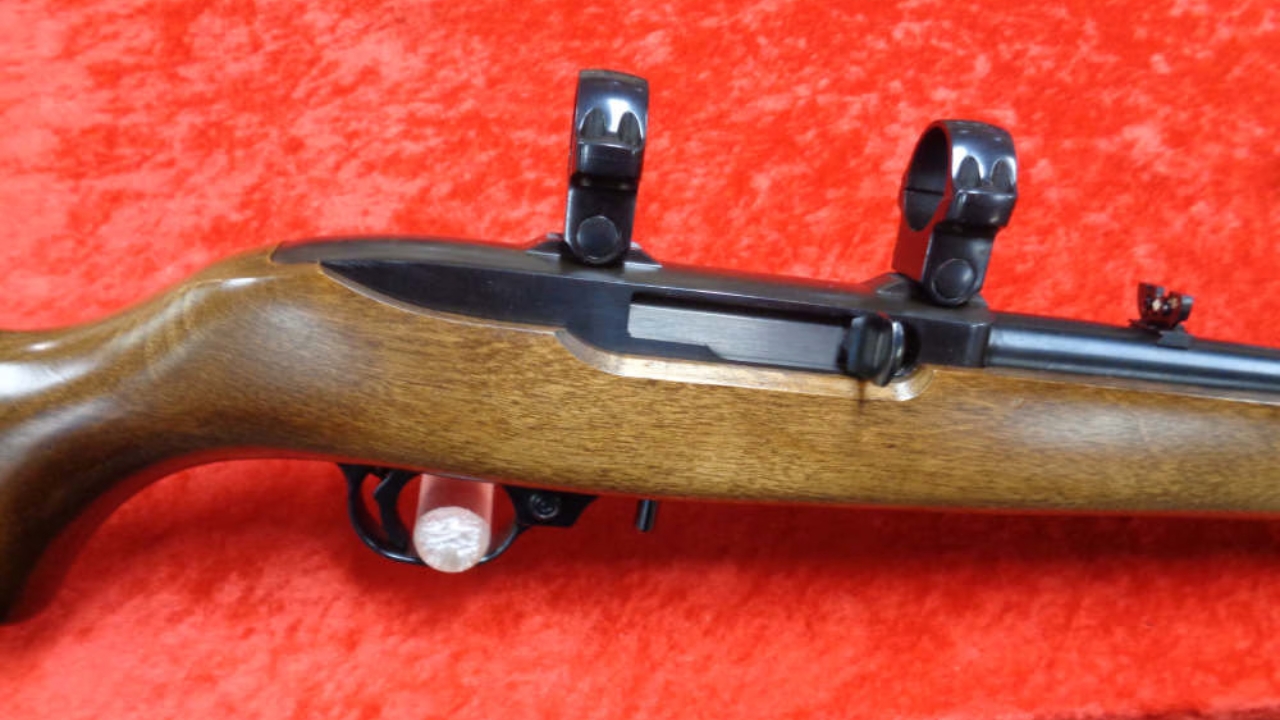
The 10/22 Magnum is a great example of a model that felt like it should’ve stayed forever. In the ’90s, rimfire magnums had a real moment, and a 10/22-style gun in .22 WMR sounded like the perfect step up for small game and pest work.
Then it was discontinued, and that was that. Once it’s gone, you stop seeing it in the wild, and the used market turns it into a “grab it if you find one” rifle instead of a casual shelf purchase. The standard 10/22 never left, so the Magnum version became the odd cousin people talk about, not the rifle new shooters actually buy. It’s a reminder that popularity doesn’t always guarantee permanence.
Remington Nylon 66

The Nylon 66 was still a common sight through the ’90s because so many were out there, and people kept handing them down. Light, reliable, and weirdly durable, it was one of those .22s you’d find in farm trucks and cabins because it simply kept going.
But once production stopped and newer .22s became the standard recommendation, the Nylon 66 slowly faded from “everywhere” status to “cool old rimfire you used to see.” It didn’t vanish overnight—it aged out of the everyday rotation as the people who owned them stopped bringing them to the range and stores stopped seeing them come through the door. If you grew up in that era, you remember them. If you didn’t, you might only see one when somebody’s cleaning out a closet.
Like The Avid Outdoorsman’s content? Subscribe to our newsletter so you never miss an article.
Here’s more from us: