
Photo credit: Olde English Outfitters/YouTube
Some guns seem like smart buys at first. They have the right name on the slide, the right price tag, the right reputation, or the kind of spec sheet that makes a buyer feel like they found the shortcut. Then ownership gets real. Ammo costs more than expected. The recoil is worse than advertised. Parts are a pain. Magazines cost too much. The trigger never gets better. The gun that looked like a practical purchase starts feeling like something you have to explain.
That does not always mean the gun is junk. Some of these still have real fans, and a few can be great in the right hands. But plenty of buyers have learned that a “smart” gun purchase has to survive more than the first range trip. These are the specific models that often made sense at the counter until reality started picking at the details.
Taurus Judge

The Taurus Judge has sold a lot of people on the idea of versatility. A revolver that can fire .45 Colt and .410 shotshells sounds useful, especially for people thinking about snakes, close-range defense, or a truck gun that can handle a little bit of everything. It has that “one gun for multiple problems” appeal, and that is exactly why so many buyers gave it a serious look.
Then reality catches up. The Judge is bulky for what it does, .410 defensive loads are not the magic some people expect, and .45 Colt is not always cheap to shoot. The pattern from a short barrel can be disappointing, and the gun is not exactly easy to conceal or carry comfortably. For some farm or pest-control use, it can still make sense. But a lot of buyers eventually realize they bought an idea more than a truly practical handgun.
Smith & Wesson 340PD

The Smith & Wesson 340PD looks like a brilliant carry revolver at first glance. It is extremely light, easy to carry, and chambered in .357 Magnum. That combination sounds almost perfect for someone who wants serious power in a pocketable revolver. The problem is that the same light weight that makes it disappear on the belt also makes it one of the least pleasant revolvers many shooters will ever fire with full-power loads.
At the range, the 340PD can be a harsh teacher. Recoil is sharp, muzzle blast is nasty, and follow-up shots take real concentration. Many owners eventually load it with .38 Special or mild .38 +P because .357 Magnum is too punishing for regular practice. That is not automatically wrong, but it changes the whole value equation. Buyers who thought they were getting a lightweight magnum powerhouse often end up with an expensive revolver they rarely enjoy shooting.
Kimber Micro 9

The Kimber Micro 9 has a lot going for it when someone first handles one. It is small, attractive, metal-framed, and styled in a way that appeals to people who like 1911-type controls but want something easier to carry. Compared with blockier pocket pistols, it feels more refined. That makes it easy for buyers to convince themselves they found a classy little carry gun with familiar handling.
The catch is that tiny 9mm pistols with 1911-style controls are not always as forgiving as people hope. The Micro 9 can be snappy, and some owners run into picky behavior with ammo or magazines. The small grip also makes it harder to shoot well under speed, especially for people who bought it mainly because it felt nice at the counter. It may work fine for some shooters, but plenty of buyers discover that looking sharp and carrying easily do not automatically make a pistol easy to train with.
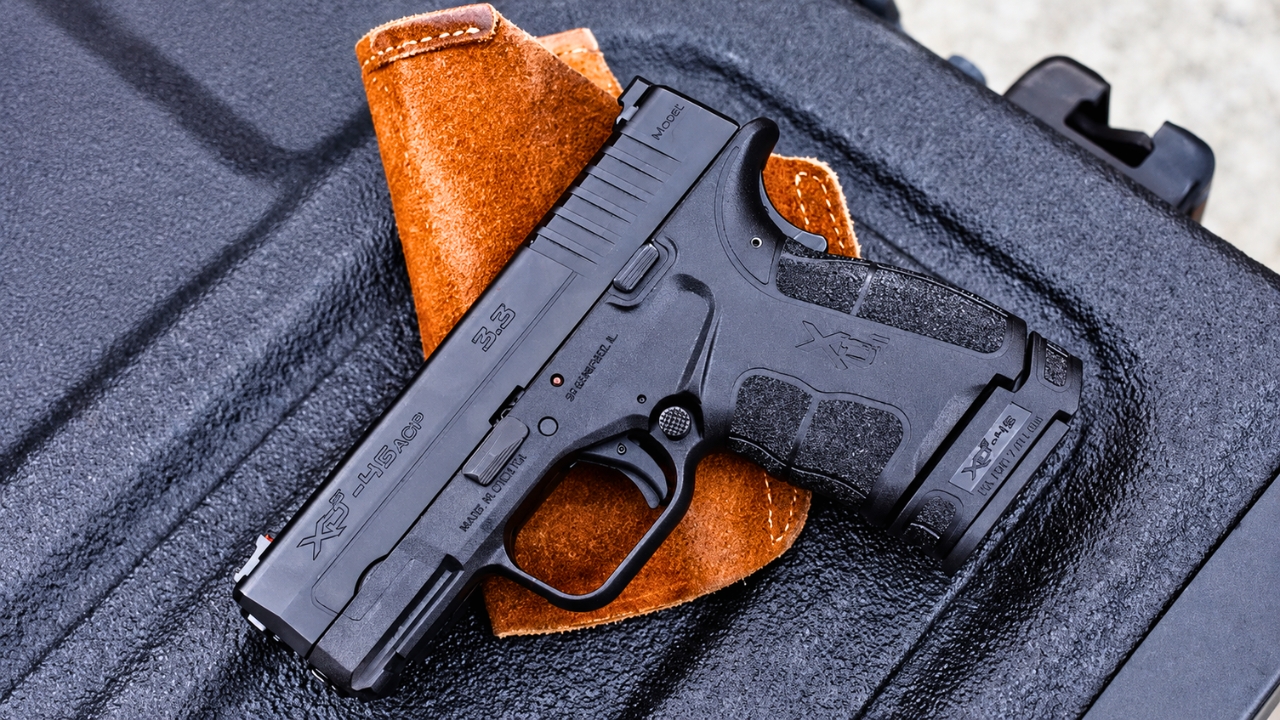
Springfield Armory XD-S Mod.2

The Springfield XD-S Mod.2 seemed like a smart carry choice for buyers who wanted a slim pistol from a familiar brand. It had the single-stack profile people wanted before higher-capacity micro-compacts took over, and it came from a line that already had a loyal following. For someone shopping a few years back, it looked like a sensible concealed-carry option without going into tiny pocket-gun territory.
Reality got tougher once the market moved. Pistols like the SIG P365, Springfield Hellcat, and Shield Plus made the XD-S feel dated in capacity and overall value. The XD-S Mod.2 can still shoot fine, but buyers who paid for one expecting a long-term carry solution often watched newer guns offer more rounds in similar or smaller packages. That does not make it useless. It just means a purchase that felt smart at the time started feeling old faster than many owners expected.
Remington R51

The Remington R51 looked like it could be a clever defensive pistol when it came back onto the market. It had an unusual action, a slim profile, and a name tied to an older Remington design. The idea was appealing: a compact 9mm that did things differently and gave buyers something besides another striker-fired pistol. On paper, that sounded interesting enough to pull in shooters who wanted something fresh.
Then the real-world problems arrived. Early R51 pistols developed a rough reputation for reliability issues, poor execution, and frustrating range experiences. Even after Remington tried to address the problems, the damage was hard to undo. Buyers who thought they were getting a clever alternative to mainstream carry pistols ended up dealing with one of the more infamous modern handgun disappointments. It is a good example of a gun that sounded smart because it was different, then proved that different only matters when the gun actually works well.
SIG Sauer Mosquito

The SIG Sauer Mosquito seemed like a smart buy for anyone who wanted a rimfire trainer with the SIG name on the slide. It looked like a useful practice pistol, especially for cheaper shooting and new shooters. The idea made sense: buy a .22 pistol with familiar controls, practice more often, spend less on ammo, and enjoy the feel of a recognizable brand.
Reality was not as kind. The Mosquito developed a reputation for being picky with ammunition and less reliable than buyers expected from the SIG name. A .22 pistol can be ammo-sensitive, but when a gun is bought specifically for cheap, easy practice, constant failures get old fast. Many buyers learned that a rimfire trainer needs to run well above all else. The Mosquito had the right concept, but enough owners found the execution frustrating that it became one of those purchases people warn others about.
KelTec PF9
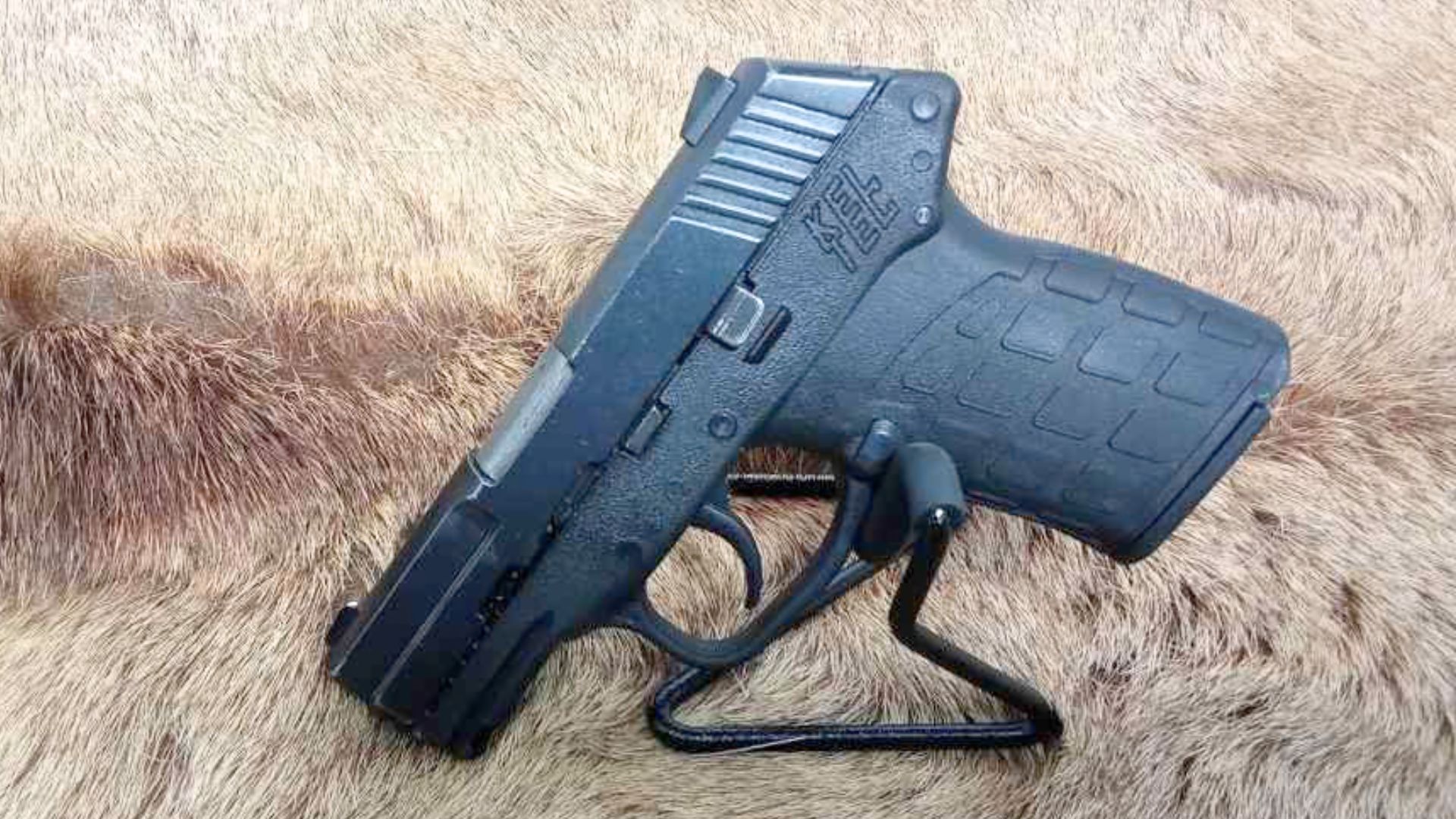
The KelTec PF9 looked smart because it was slim, lightweight, inexpensive, and chambered in 9mm at a time when deep-concealment 9mm pistols were a bigger deal. For buyers on a budget, it checked a lot of boxes. It was easy to carry, simple to operate, and much cheaper than many other concealed-carry options. That made it tempting for people who wanted protection without spending much.
The problem is that the PF9 often reminded owners that low weight and low price come with tradeoffs. Recoil can be unpleasant, the trigger is not exactly refined, and extended range sessions are not fun for most shooters. Some run fine and serve their purpose, but many buyers eventually realize they bought a gun they can carry easily but do not enjoy practicing with. For a defensive pistol, that matters. A carry gun that discourages training has a way of becoming less smart over time.
SCCY CPX-2

The SCCY CPX-2 has appealed to a lot of buyers because it puts a 9mm defensive pistol into a very affordable package. For someone walking into a store with a tight budget, it can look like a practical answer. It is compact, simple, and usually priced low enough to make other handguns look expensive. That can make it feel like a smart first carry gun.
Range time tends to expose the compromises. The long double-action trigger is hard for some shooters to manage well, recoil can feel snappier than expected, and the overall shooting experience is not especially forgiving. Some owners are happy with theirs, but many buyers find out that a defensive pistol needs more than a low price and basic function. When better-shooting budget pistols are available, the CPX-2 can start feeling like the gun someone bought before they knew what they actually valued.
Glock 36

The Glock 36 made sense to buyers who wanted Glock reliability in a slim .45 ACP carry pistol. That was a strong pitch for a long time. It offered a thinner profile than many double-stack .45s, kept the familiar Glock simplicity, and gave .45 fans a carry option that did not feel as bulky as a full-size pistol. For the right buyer, that sounded practical.
The issue is that the Glock 36 lives in a narrow lane. Capacity is limited, recoil is more noticeable than many 9mm carry pistols, and .45 ACP costs more to train with than 9mm. As modern compact 9mms improved, the Glock 36 started feeling harder to justify for many shooters. It still has loyal fans, and it can be a solid pistol. But plenty of buyers eventually ask why they are carrying fewer rounds, spending more on ammo, and getting more recoil when newer options shoot easier and carry just as well.
Remington RP9
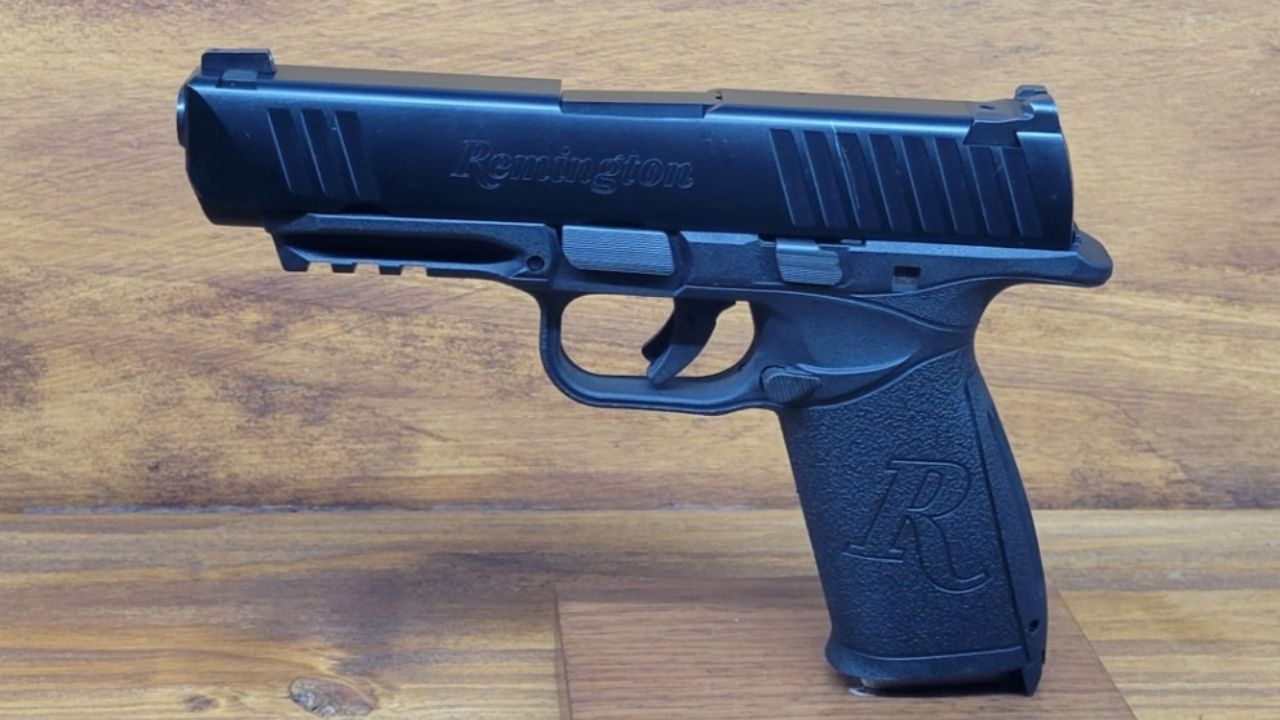
The Remington RP9 looked like a smart move for buyers who wanted a full-size striker-fired 9mm at a reasonable price. It offered capacity, a recognizable brand name, and the kind of general-purpose setup that should have appealed to a wide range of shooters. On paper, it seemed like Remington was stepping into a crowded market with a practical pistol.
Then shooters started comparing it with everything else in that crowded market. The RP9 felt bulky to many, the trigger did not impress, and the overall execution failed to pull buyers away from stronger options. When a gun enters the striker-fired 9mm world, it has to compete with Glock, Smith & Wesson, Walther, CZ, SIG, Canik, and plenty of others. The RP9 never gave enough people a reason to choose it. Buyers who thought they were getting a value pistol often ended up with a gun that felt behind before it ever really caught on.
Diamondback DB9

The Diamondback DB9 has always had a certain appeal because it is extremely small for a 9mm. For buyers who want the most power they can fit into the smallest pocket-friendly package, that sounds smart. It is light, flat, and easy to carry when larger pistols feel like too much. That kind of convenience can sell a gun quickly.
The range tells a different story. Very small 9mm pistols can be rough, and the DB9 is no exception. Recoil is sharp, the grip gives you very little to work with, and fast shooting takes effort. Early models also carried a reputation for being less forgiving than buyers wanted. Even when the gun works, many owners find that they simply do not want to shoot it much. That is the reality with ultra-small defensive pistols: the easier they are to carry, the more they can punish you during practice.
Rock Island Armory GI Standard FS 1911
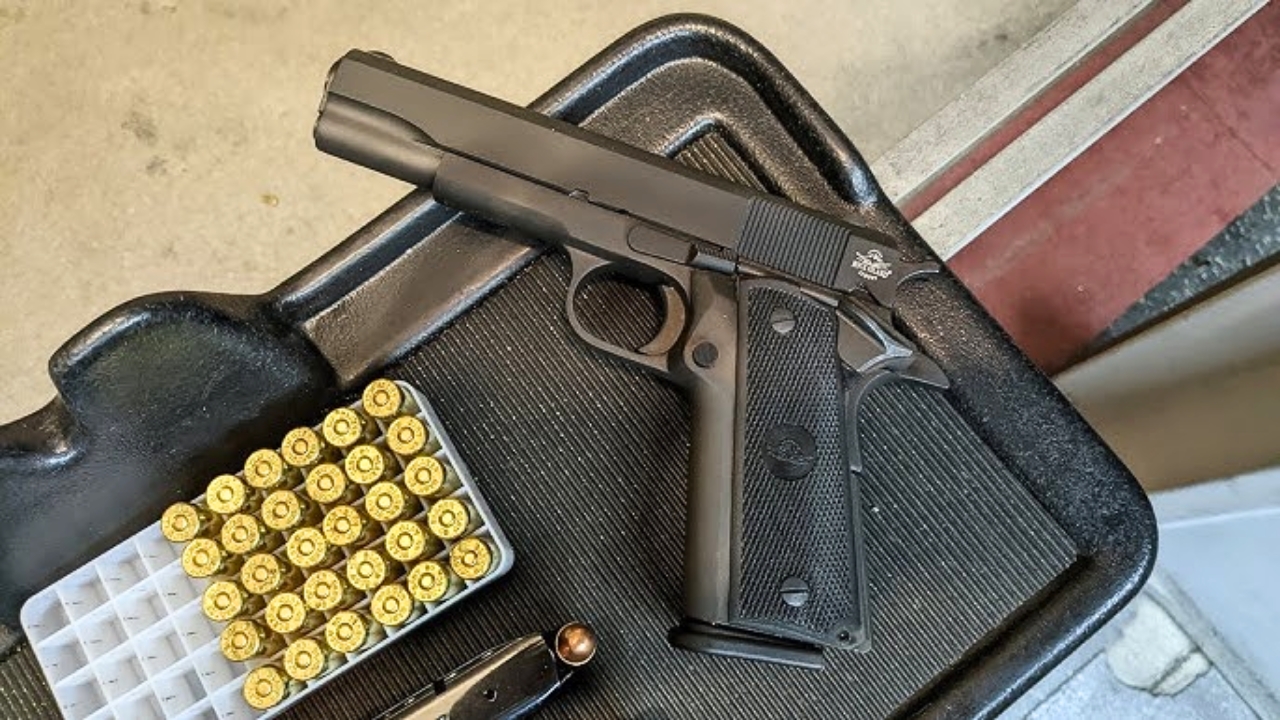
The Rock Island Armory GI Standard FS 1911 often looks like the smart way into the 1911 world. It is affordable, traditional-looking, and gives buyers that classic full-size .45 ACP experience without the painful price tag. For someone who wants a basic 1911, it can seem like a practical first step before spending more money later.
The problem is that basic GI-style features wear thin once range use gets serious. The small sights are not great, the trigger may not feel as clean as buyers expect from a 1911, and the plain controls can feel dated fast. Some owners love them for what they are, especially as affordable entry-level guns. But others quickly start adding better sights, grips, magazines, and internal work. Once that starts, the bargain becomes less of a bargain. A cheap 1911 can be fun, but it can also become a money pit with a parkerized finish.
SIG Sauer P250

The SIG Sauer P250 seemed clever because of its modular design and hammer-fired system. The idea of swapping grip frames, slides, and calibers around one fire-control unit was ahead of its time in some ways. Buyers who liked the concept saw it as a practical, flexible pistol that could be configured for different roles without buying a completely different gun.
Reality was tougher. The long double-action-only trigger made the P250 harder for many shooters to like, especially when compared with striker-fired pistols that were easier to shoot well right away. The modular concept was interesting, but the shooting experience did not win enough people over. SIG later found far more success with the P320, which proved that the modular idea had merit. The P250 mostly became the gun that showed a good concept still needs the right trigger and timing to survive.
Beretta Nano

The Beretta Nano looked like a smart concealed-carry pistol when slim single-stack 9mms were hot. It was small, snag-free, and backed by the Beretta name. The clean exterior made sense for carry, and the pistol had a sturdy, simple feel. Buyers who wanted a serious little 9mm from a respected company had plenty of reasons to consider it.
The trouble is that the Nano never felt as easy to love once shooters put it beside stronger options. The trigger was not a big selling point, the grip felt awkward to some, and the lack of traditional slide stop lever bothered buyers who wanted familiar controls. As the carry market improved, the Nano started feeling less competitive. It was not some total failure, but many owners eventually realized they had bought into a compact carry idea that other pistols executed better.
Colt All American 2000
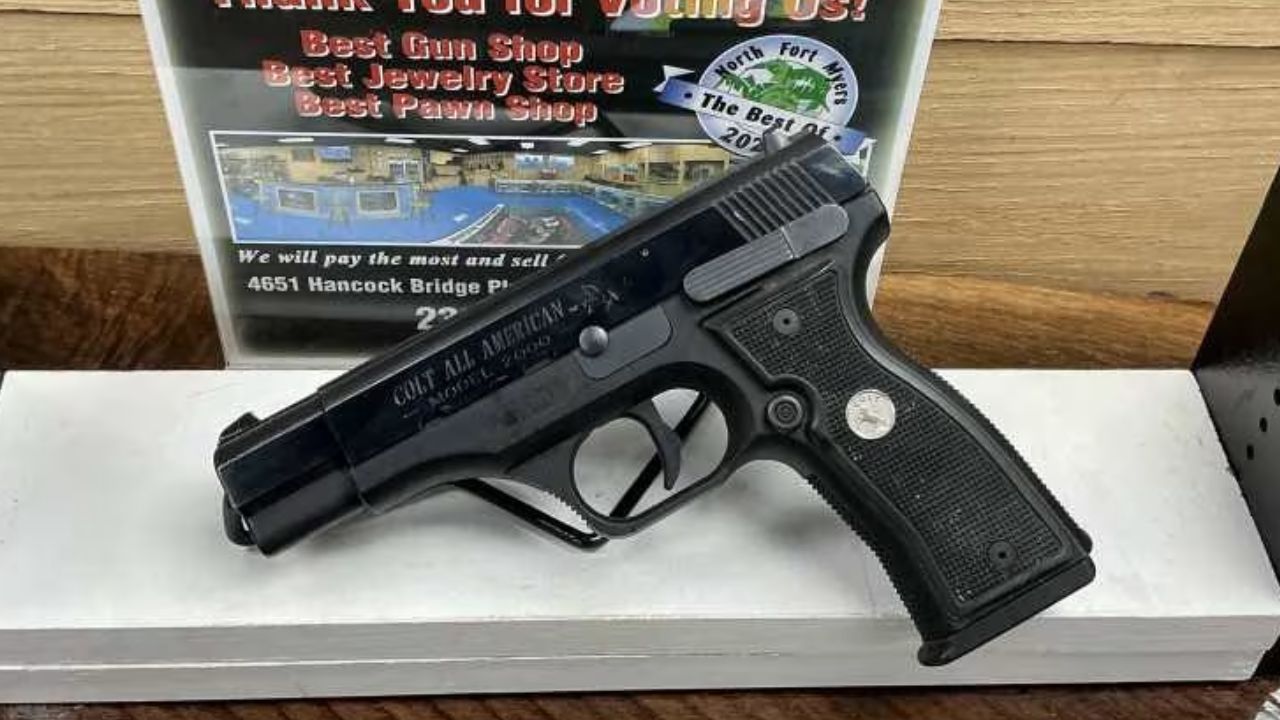
The Colt All American 2000 is one of those guns that looked smart mostly because of the name behind it. Colt entering the modern polymer-framed 9mm market should have been a big deal. Buyers could reasonably expect a serious American pistol from a company with deep history. At the time, the idea of Colt building a modern service-style handgun had real promise.
Reality was ugly. The All American 2000 developed a reputation for poor trigger feel, uneven quality, and disappointing performance. It never became the modern Colt pistol many people hoped for, and its short production life tells the story. Today, some collectors may find it interesting because of its failure and odd place in handgun history. But for buyers who thought they were getting Colt’s smart answer to the future of handguns, it became a lesson in how a famous name cannot save a poorly received design.
Like The Avid Outdoorsman’s content? Subscribe to our newsletter so you never miss an article.
Here’s more from us:


