Photo credit: sootch00/Youtube
Living off-grid changes what matters in a firearm. I would care a lot less about what is trendy and a lot more about whether the gun can handle bad weather, rough storage, limited maintenance, and the kinds of practical jobs that come with living far from town. A useful off-grid firearm should earn its space by doing something important, whether that means putting meat in the freezer, dealing with predators, controlling pests, or simply giving you a dependable option when help is a long way away.
That is also why I would not want a safe full of highly specialized guns that all require different ammunition and accessories. I would rather have a small group of proven firearms covering different roles, with common cartridges and straightforward designs. These are the guns I would seriously want around if I knew I was going to be living miles from the nearest store, gunsmith, or neighbor.
Ruger American Ranch .350 Legend
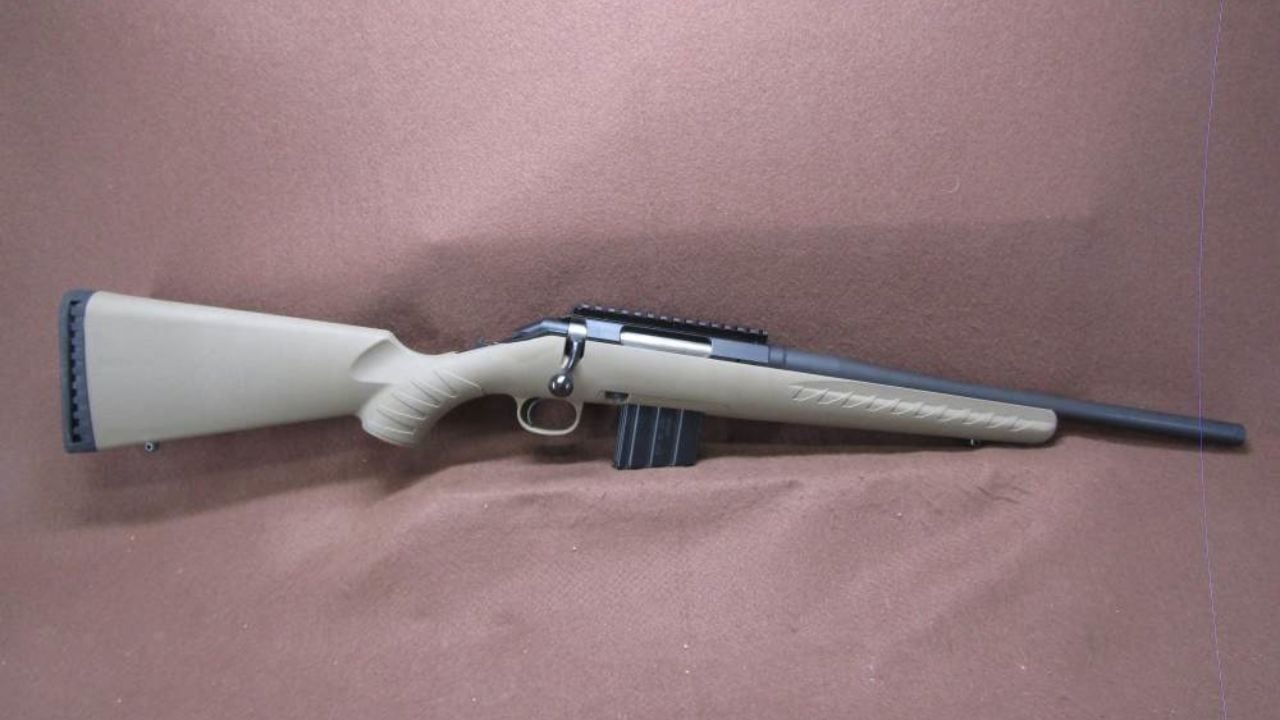
If I lived somewhere with deer, hogs, and other medium-sized game around the property, a compact bolt rifle like the Ruger American Ranch in .350 Legend would make a lot of sense. The rifle is short, easy to carry through brush, and powerful enough for close-to-moderate-range hunting without beating you up every time you pull the trigger. The synthetic stock also makes more sense than pretty walnut if the gun is going to live around mud, rain, tractors, trucks, and rough storage. I would want something I could wipe down, load up, and take back outside without worrying about babying it.
The .350 Legend chambering also gives it a practical hunting role without requiring magnum recoil. It is not a long-range rifle, but off-grid living rarely requires a 600-yard hunting gun. For woods and property distances, it fits.
Marlin 1894 .357 Magnum
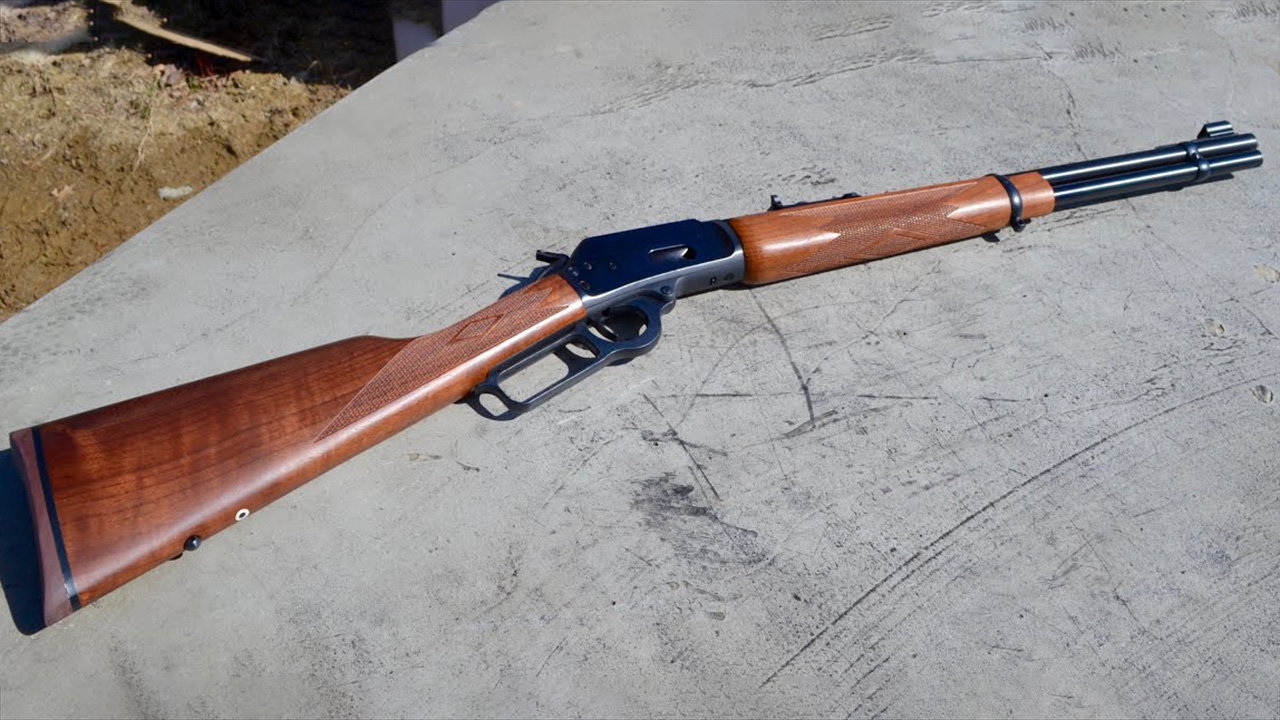
A .357 Magnum lever rifle would be high on my list because it can cover a surprising amount of ground without being complicated. The cartridge gains useful velocity from a rifle barrel, recoil remains mild, and the rifle can also handle .38 Special ammunition in many loads and configurations. That means one gun can go from inexpensive practice to small-game or predator duty and still have enough power for larger animals at sensible distances. If I already owned a .357 revolver, the ability to keep one type of ammunition around for two guns would make the setup even more attractive.
The Marlin 1894 is also compact and easy to carry around a property. There are no detachable magazines to lose, the action is straightforward, and the rifle works well with either iron sights or a modest optic.
Henry Big Boy Steel .44 Magnum
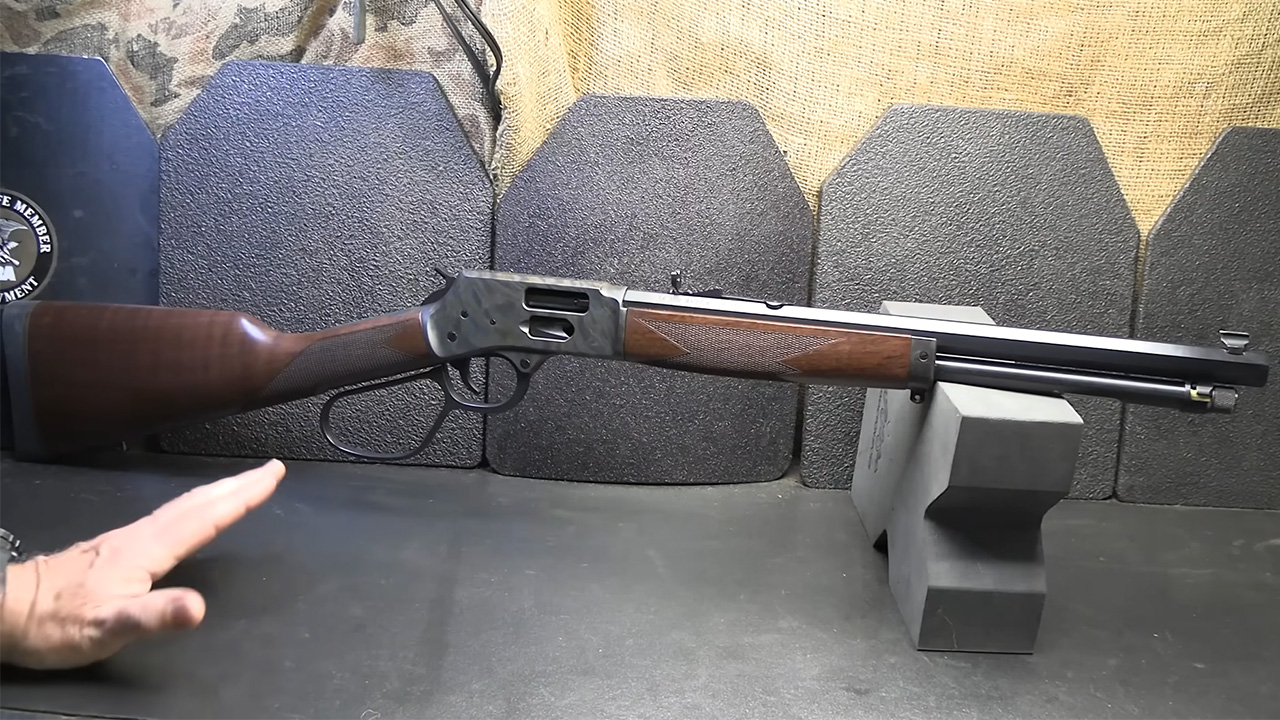
The .44 Magnum version of the Big Boy gives you a noticeable step up in power while keeping the same handy lever-action format. On an isolated property, I would want a rifle that could handle deer, hogs, and other close-range problems without forcing me to carry a full-size .308 everywhere. A .44 Magnum carbine fills that role surprisingly well. The steel receiver also makes more sense to me for hard use than buying the gun purely because it looks pretty.
Another advantage is ammunition flexibility. .44 Special can make the rifle much more pleasant for light practice or lower-recoil use, while .44 Magnum gives it considerably more authority. It is not the gun I would choose for open-country shooting, but around woods, barns, and trails, it is extremely practical.
Winchester Model 70 Alaskan

If I lived in country where larger animals were a legitimate concern, I would want at least one serious bolt rifle that I knew could handle both hunting and rough field conditions. The Model 70 Alaskan fits that role because it combines controlled-round feeding, a sturdy action, useful iron sights, and cartridges with enough power for large game. The rifle is heavier than something built strictly for mountain hunting, but on an off-grid property I would gladly accept that weight for the confidence and durability.
This is the sort of rifle I would keep for situations where a smaller deer rifle starts feeling marginal. You may not carry it every day, but when you need real penetration and power, having one dependable heavy rifle around makes a lot of sense.
Ruger Hawkeye Guide Gun
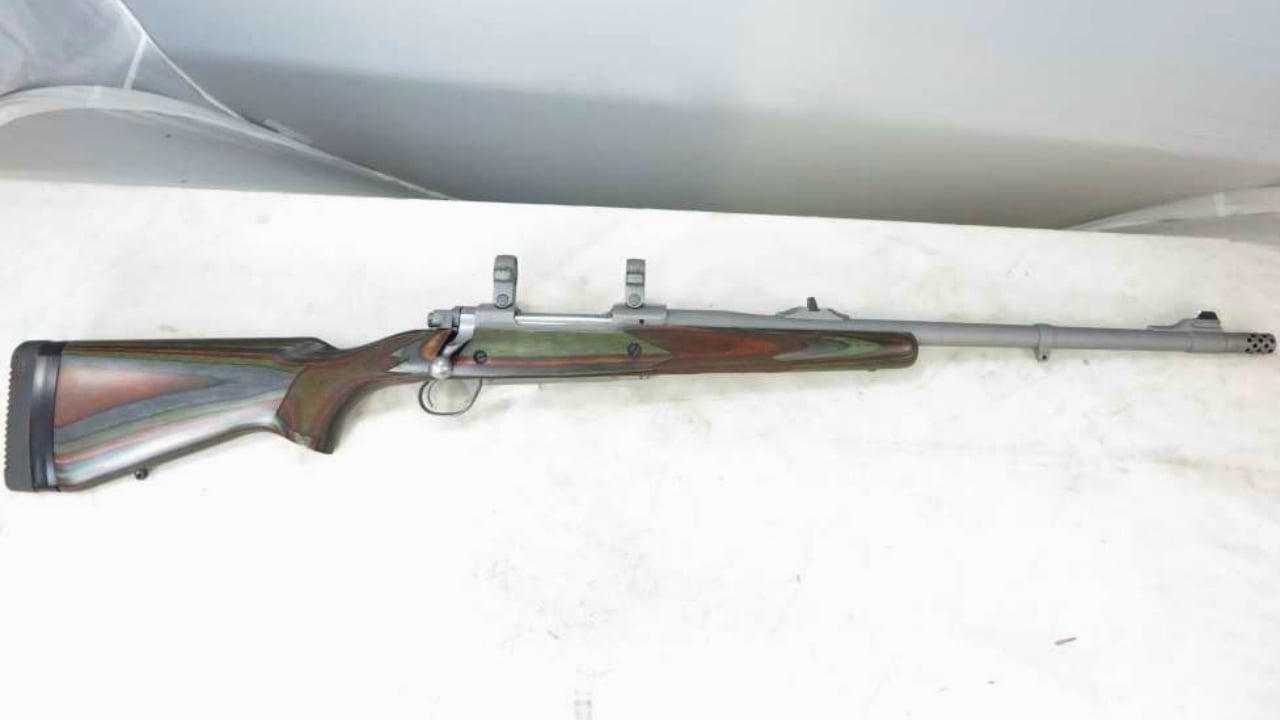
The Hawkeye Guide Gun is another rifle I would seriously consider for remote living because it is clearly designed around hard use rather than showroom appeal. The stock, action, sights, and short barrel all make sense for somebody moving through brush or working around a property where the gun may see rain, scratches, and constant handling. Ruger’s controlled-round-feed action also gives the rifle an old-fashioned mechanical confidence that still matters when reliability is more important than saving a few ounces.
The biggest cartridges offered in this platform are probably unnecessary for most of the country, but that is exactly the point. Off-grid setups should match the animals and terrain around you. In serious bear country, I would rather have more rifle than I need than discover the opposite.
Browning BLR .308 Winchester

The BLR gives you one of the best combinations of traditional handling and modern cartridge capability. I like the idea of a lever rifle that can use .308 Winchester because that cartridge is common, powerful, and versatile enough for an enormous range of North American game. The detachable magazine also lets the BLR use pointed bullets without the limitations associated with traditional tubular-magazine lever guns. For someone who prefers a lever action but still wants real rifle performance, it is a very smart middle ground.
A .308 BLR could easily become the primary hunting rifle on an off-grid property. It carries naturally, handles well in woods, and still gives you considerably more reach than pistol-caliber lever guns.
Mossberg 500 Field/Security Combo
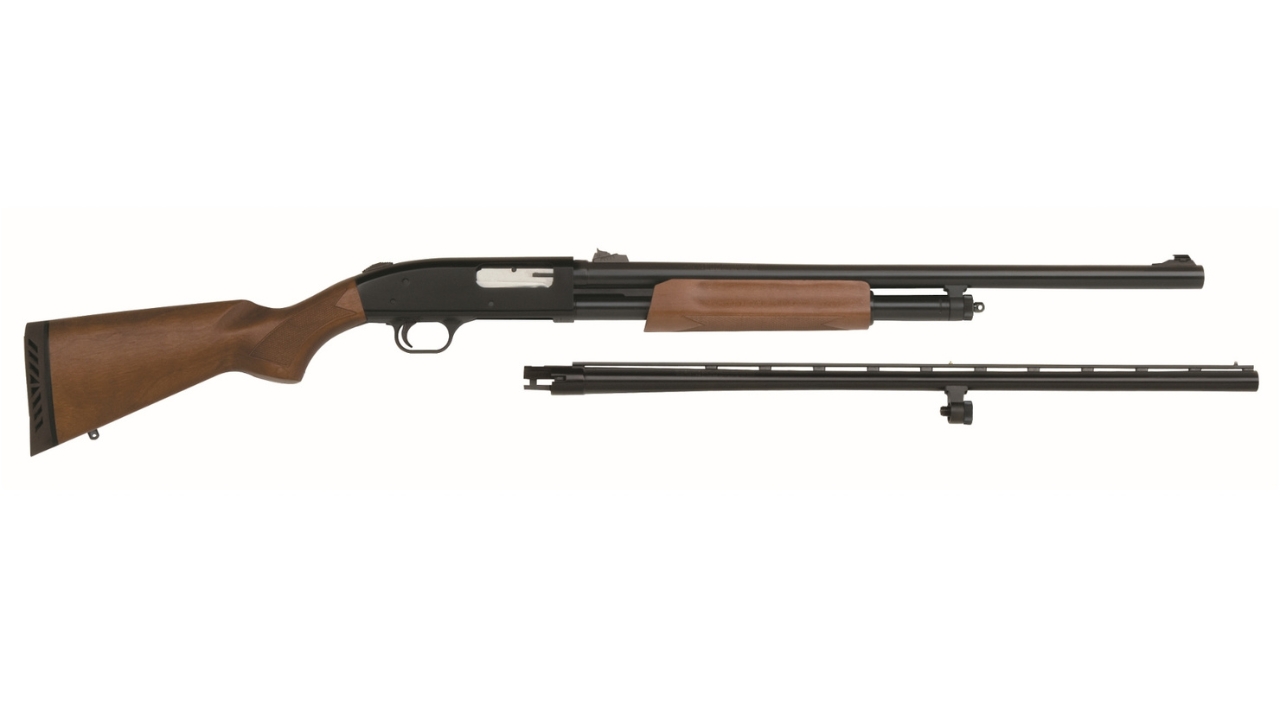
A pump shotgun may be the single hardest firearm to leave out of an off-grid battery, and the Mossberg 500 makes a lot of sense because of how adaptable it is. With a longer field barrel, it can handle birds, rabbits, and other small game. Swap to a shorter barrel and the same basic shotgun becomes much handier around buildings and property. The design is mature, parts are common, and the tang-mounted safety is easy to use regardless of which shoulder you shoot from.
The biggest advantage is ammunition variety. Birdshot, buckshot, and slugs let one shotgun cover dramatically different jobs. I would still rather have dedicated rifles for some tasks, but if space and money were limited, a 12-gauge pump would earn its place quickly.
Remington 870 Police Magnum

The 870 Police Magnum is one of those guns I would want precisely because it is not trying to be clever. A steel receiver, proven pump action, and enormous parts availability are exactly what I would look for in a shotgun expected to spend years on a remote property. Thousands of law-enforcement and sporting 870s have already demonstrated how long the basic design can survive, and that matters far more to me than having the newest shotgun action.
A rugged 870 can handle game, pests, and general property use depending on barrel and ammunition. It is heavier than some newer pumps, but I would consider that a minor complaint compared with the confidence of having a shotgun that nearly every gunsmith in America understands.
Benelli Nova
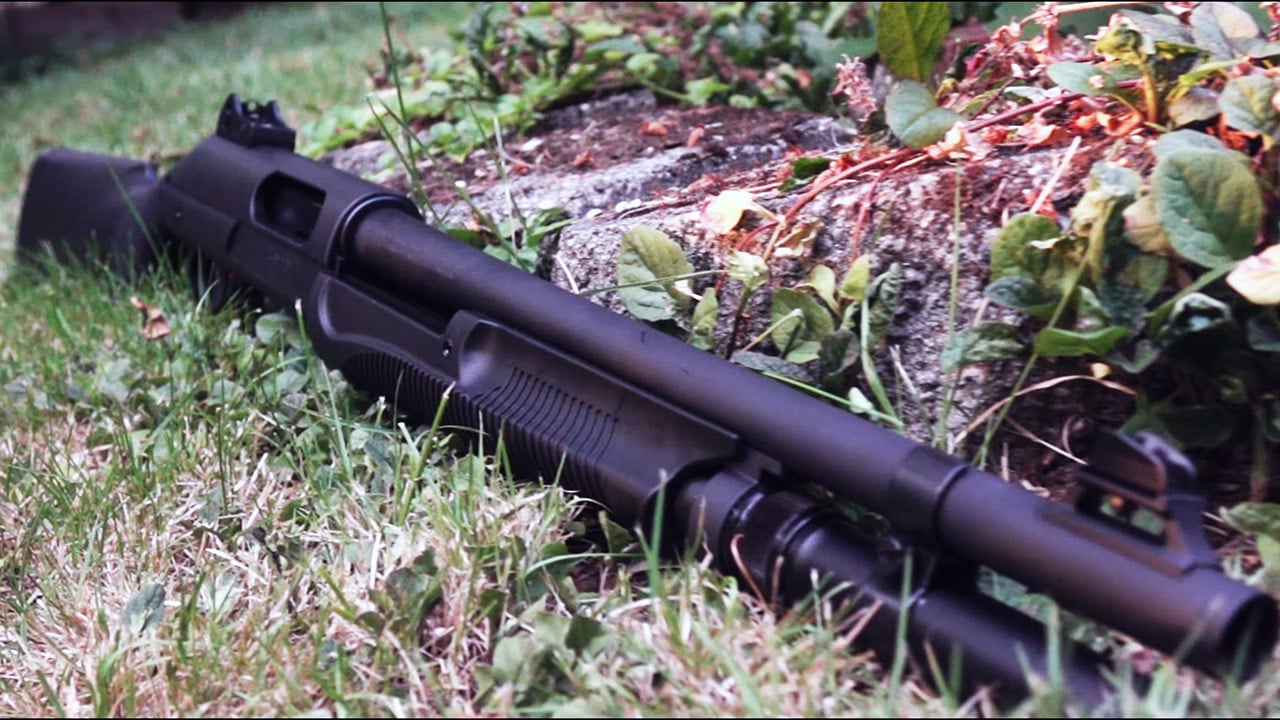
The Nova is ugly enough that I would never worry about scratching it, which is almost an advantage in this situation. The polymer-covered receiver and stock are extremely resistant to weather, and the pump action has a reputation for tolerating the sort of treatment that would make you nervous with a nicer field gun. If the shotgun were going to ride in a truck, sit near the mudroom, or spend time around wet hunting gear, the Nova would make a lot of sense.
It also handles everything from ordinary field loads to heavier 12-gauge ammunition depending on configuration. The gun is not elegant, but elegance would be near the bottom of my priorities if I lived off-grid.
Beretta 1301 Comp Pro
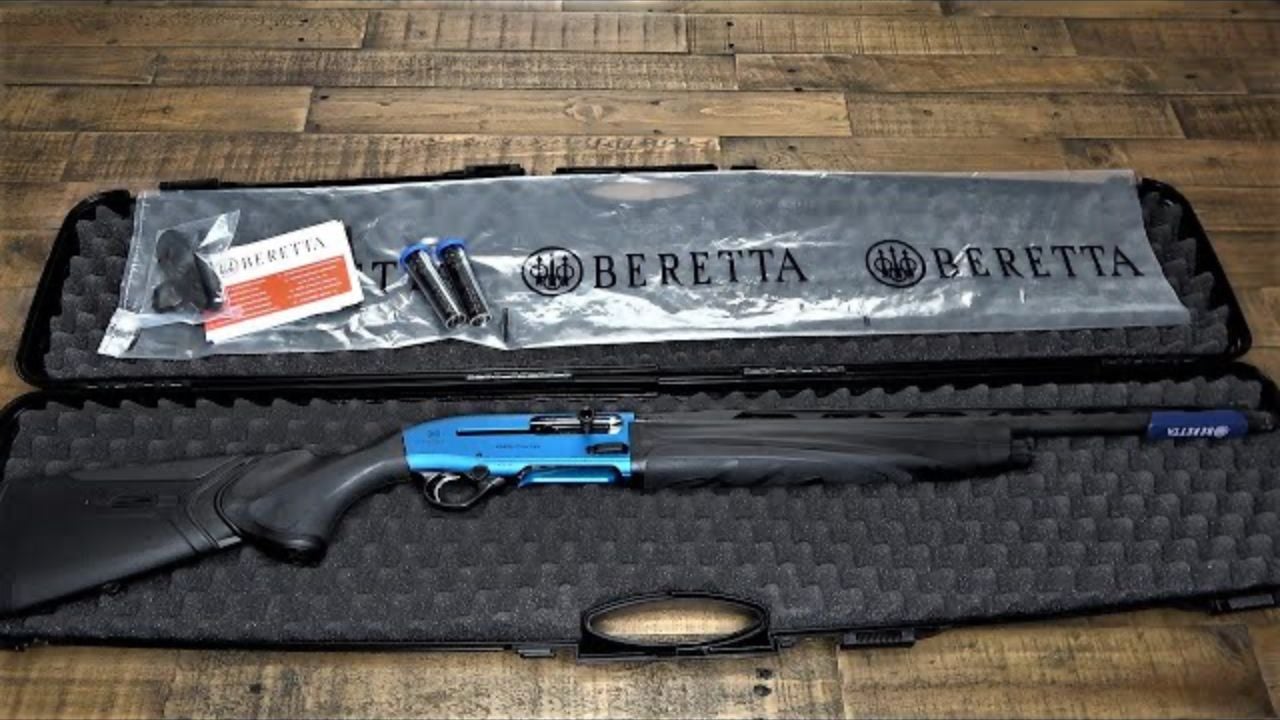
I would still want at least one semiautomatic shotgun because there are times when quick follow-up shots matter, especially around moving game. The 1301 family has earned a strong reputation for speed and reliability, and the Comp Pro configuration gives you a shotgun capable of hunting, training, and high-volume use without feeling fragile. The gas system also makes extended shooting noticeably more comfortable than many hard-kicking pumps.
This would not replace the pump shotgun for me. It would complement it. If I were living far from town, redundancy would matter, and I would rather have two mechanically different shotguns than depend entirely on one.
Ruger 10/22 Stainless

A .22 rifle would probably get more actual use than almost anything else I owned. Small pests, informal practice, teaching new shooters, and taking small game all become easier when ammunition is light, recoil is almost nonexistent, and the rifle is easy to carry. The stainless 10/22 makes even more sense for off-grid use because it tolerates moisture and neglect better than a traditional blued rifle.
The other reason I would choose the 10/22 is support. Magazines, replacement parts, and accessories are everywhere. A gun that has been in production for decades is much easier to keep running than some obscure rimfire that disappears from the market after a few years.
CZ 457 American .22 LR

I would want a bolt-action .22 alongside the semiautomatic because it fills a slightly different role. The CZ 457 is accurate enough for serious small-game hunting and quiet enough in operation that it works well when you want deliberate shots rather than volume. The trigger and action are also good enough that the rifle can serve as a genuine training tool instead of feeling like a cheap rimfire.
A quality bolt .22 can last for generations with basic care. If ammunition conservation became important, I would trust a rifle like this to make every shot count rather than burning through magazines just because I could.
Ruger American Rimfire .22 WMR
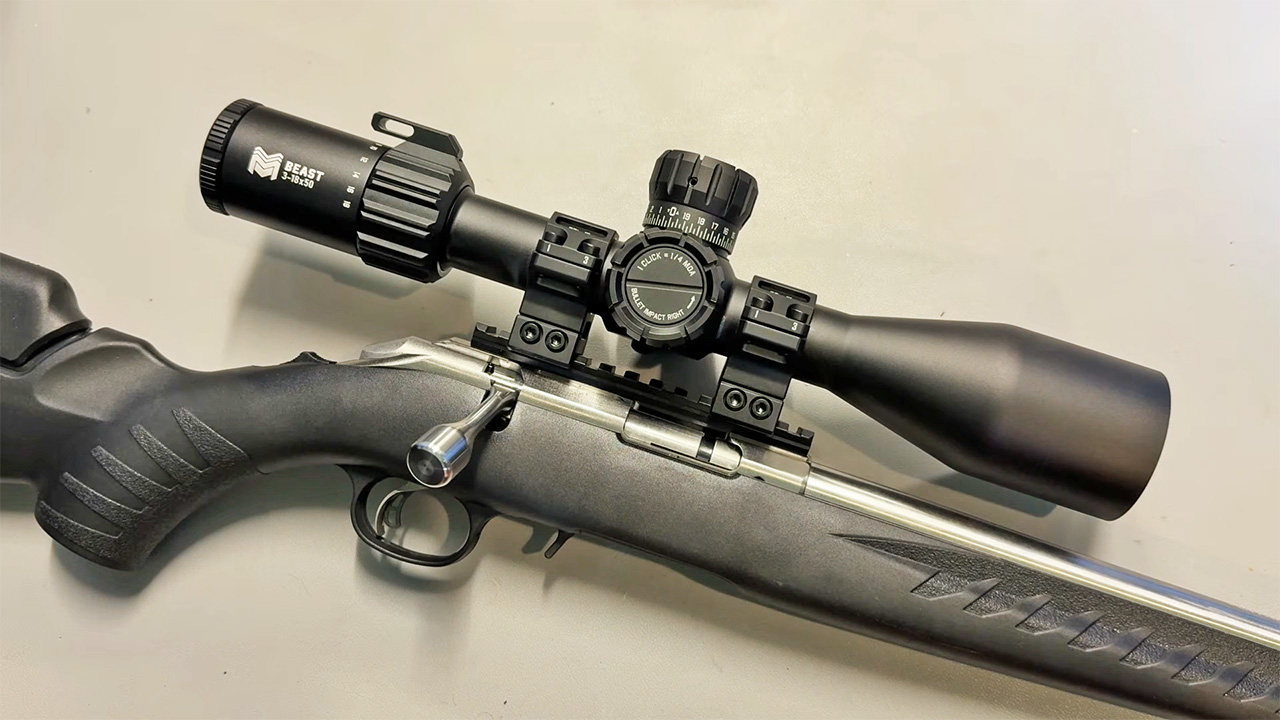
A .22 Magnum sits in an extremely useful gap between .22 LR and centerfire cartridges. It gives you more reach and considerably more energy than ordinary rimfire ammunition while keeping recoil and ammunition weight low. On a rural property, that can make it excellent for predators, pests, and small game when a centerfire rifle would be unnecessary.
The Ruger American Rimfire is also uncomplicated and inexpensive enough that I would not hesitate to use it hard. A stainless or weather-resistant configuration would be even better. I would not treat .22 WMR as a substitute for a real deer rifle, but it can solve a surprising number of everyday property problems.
Savage 93R17 .17 HMR
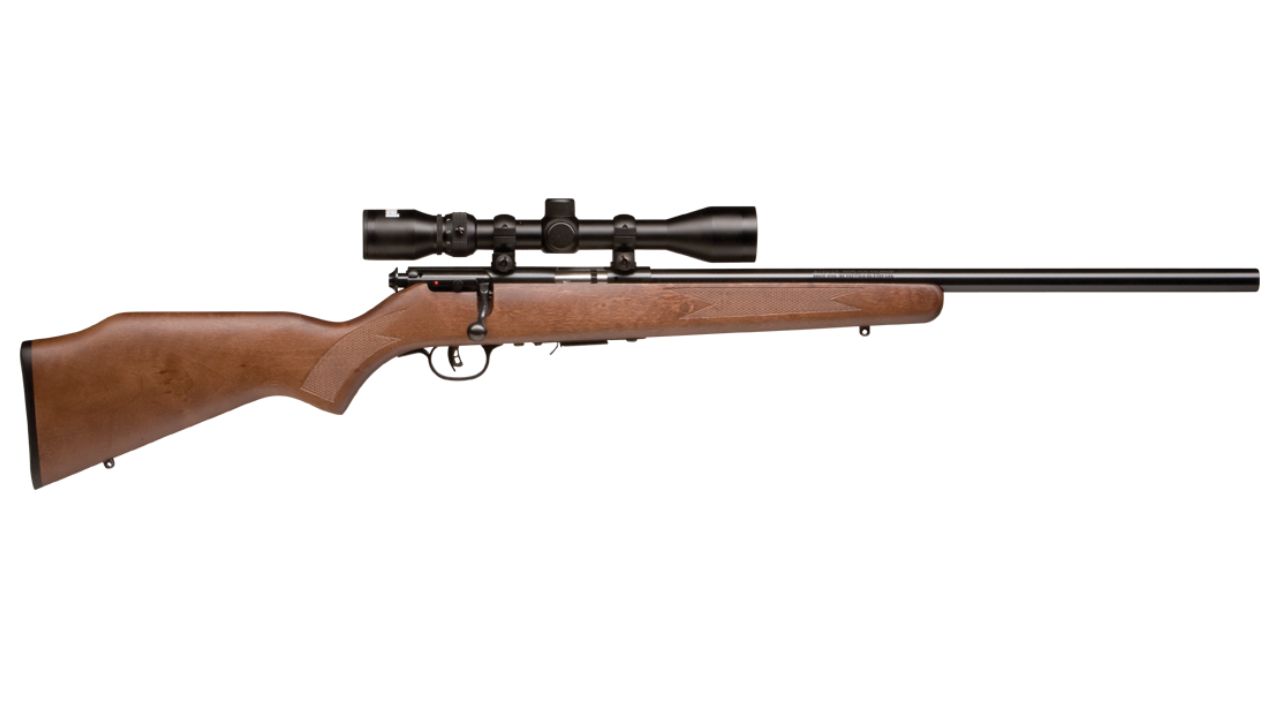
If the property had open fields, prairie dogs, ground squirrels, or other small targets at longer distances, I would want a .17 HMR. The cartridge shoots noticeably flatter than .22 LR and makes precise hits on small targets much easier as distance increases. The Savage 93R17 is not fancy, but it has built a strong reputation as an accurate rimfire without requiring premium-rifle money.
This is more specialized than the .22 LR guns, so I would not make it my first purchase. Once the basics were covered, though, a good .17 HMR would be extremely useful for keeping small pests under control around acreage.
Glock 20 Gen5 MOS

If I were living off-grid, I would want a handgun that could handle more than ordinary concealed-carry duty. The Glock 20 gives you 10mm Auto in a platform that is widely supported, durable, and straightforward to maintain. That combination makes it attractive for woods carry where animals may be more of a concern than they would be around town. The MOS version also gives you the option of adding an optic without turning the pistol into a custom project.
The 10mm cartridge produces significantly more recoil than 9mm, so this is not the pistol I would hand to every shooter. But for somebody who can shoot it well, it offers a useful combination of capacity, power, and portability.
HK45 Tactical
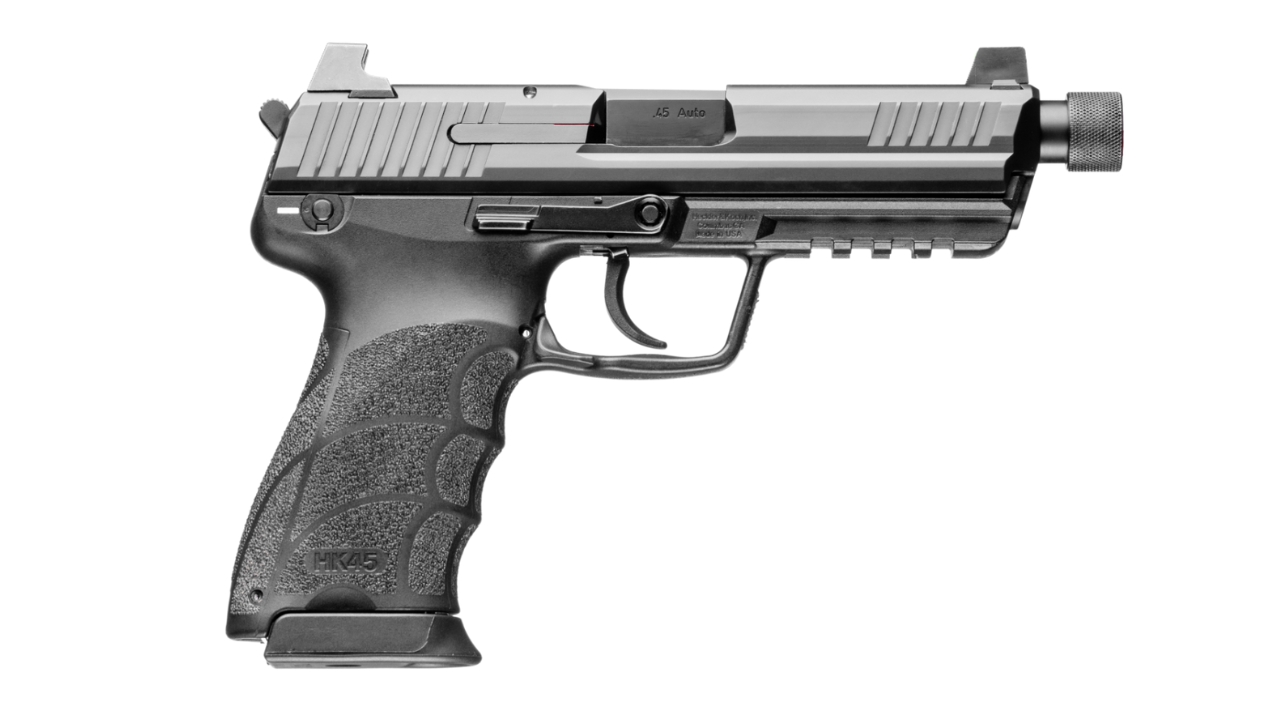
The HK45 Tactical would be my heavy-duty .45 if I wanted a semiautomatic handgun that could spend years being treated more like equipment than a collectible. The pistol is large, but that size makes it comfortable to shoot, and the threaded-barrel configuration adds flexibility without fundamentally changing the gun. HK’s reputation for durability is exactly what I would want if replacing broken parts required a long drive.
Capacity is lower than many current pistols, but that would bother me less in this role. I would be choosing it for reliability, shootability, and long service life rather than trying to squeeze the most rounds possible into the grip.
Ruger GP100 4-Inch .357 Magnum
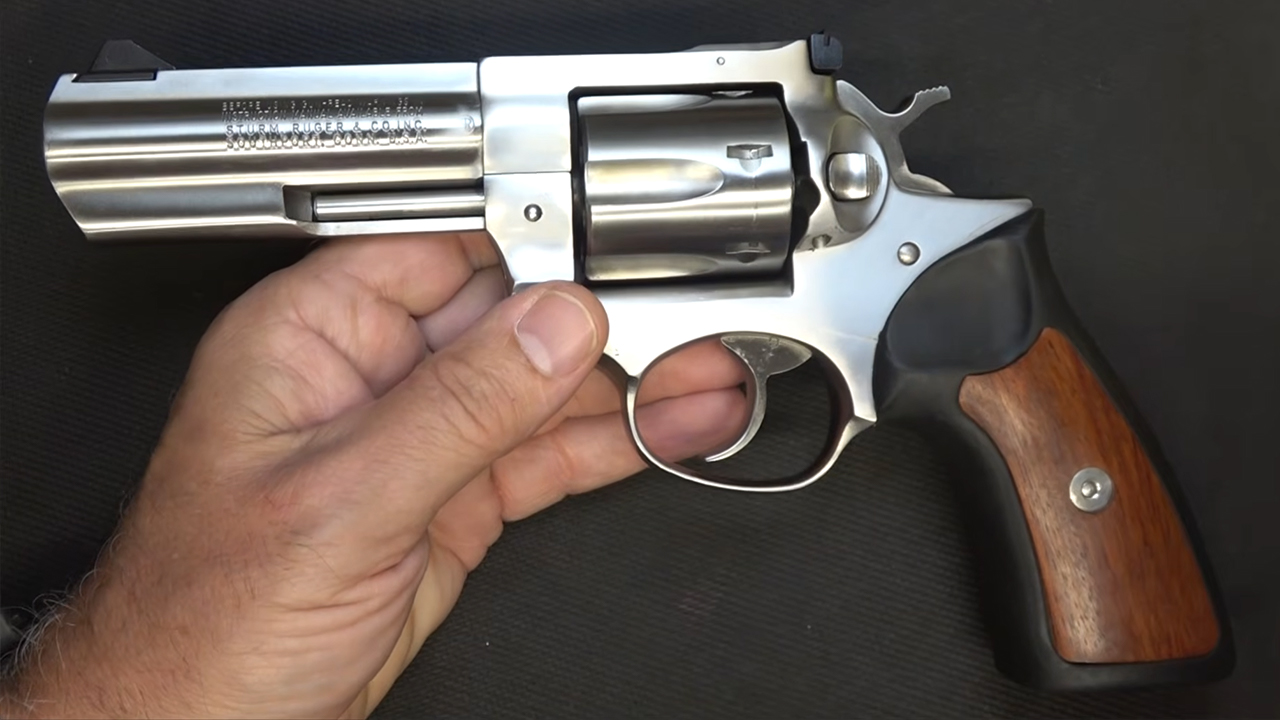
A sturdy .357 revolver would absolutely have a place in my off-grid setup. The GP100 is heavy enough to absorb recoil, strong enough for regular magnum use, and straightforward enough that it can sit loaded for long periods without much attention. It can also fire .38 Special, which gives you a huge range of ammunition choices for everything from practice to more demanding field use.
I would choose the 4-inch barrel because it is the sweet spot between shootability and portability. A longer gun starts feeling cumbersome around chores, while a snubnose gives up too much ease of shooting. The GP100 is not exciting, but dependable equipment usually is not.
Ruger Blackhawk Convertible .357/9mm
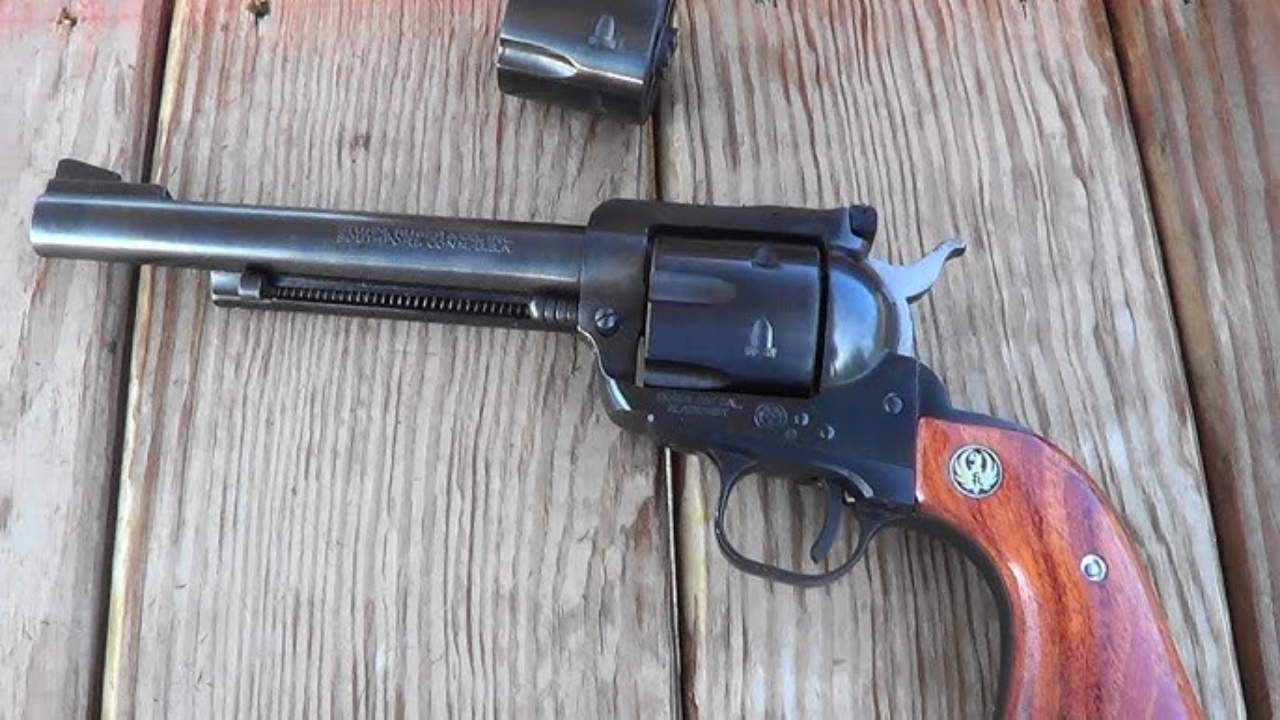
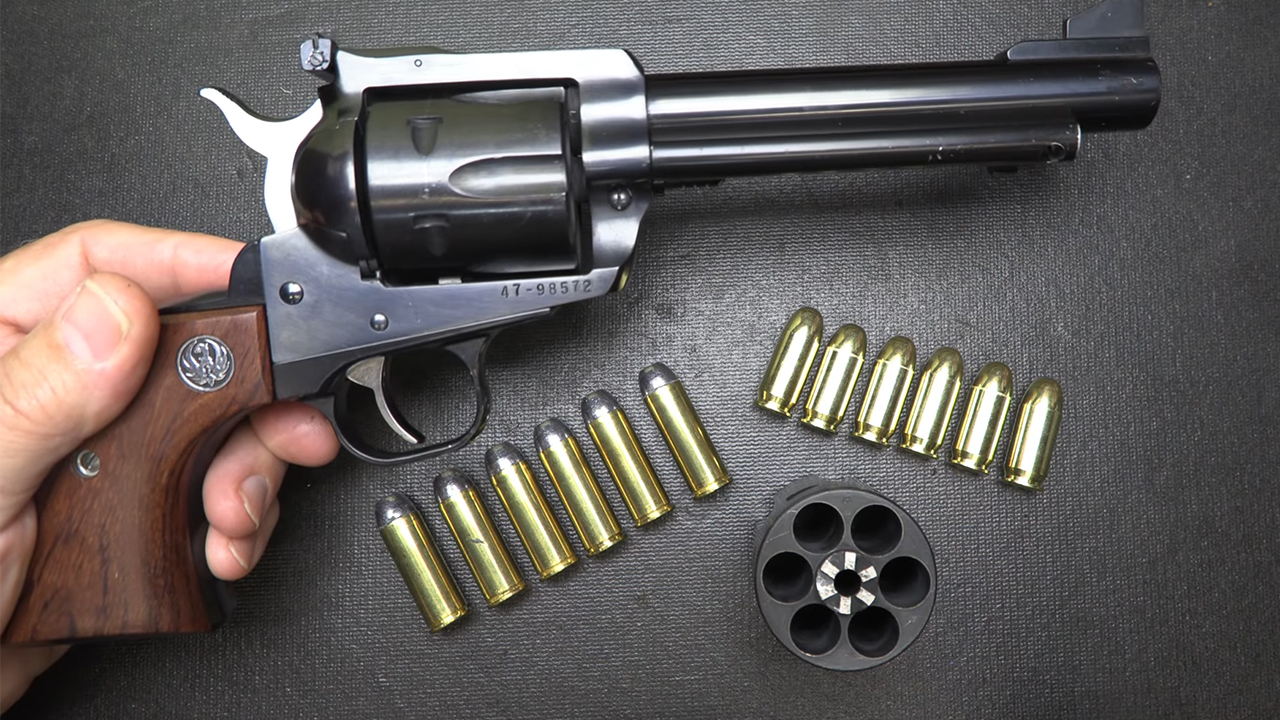
A convertible Blackhawk is one of those guns that becomes more attractive the farther you get from a sporting-goods store. The ability to use .357 Magnum and .38 Special in one cylinder and 9mm with another gives you tremendous ammunition flexibility. When supply matters, being able to feed the same revolver three extremely common cartridges is genuinely useful.
The single-action design is also mechanically straightforward and exceptionally strong. It would not be my first choice for everyday concealed carry, but as a property, hunting, and backup handgun, the Blackhawk makes a lot of sense. It is the kind of gun that could still be working decades after newer pistols have gone through several generations.
Smith & Wesson Model 60 3-Inch
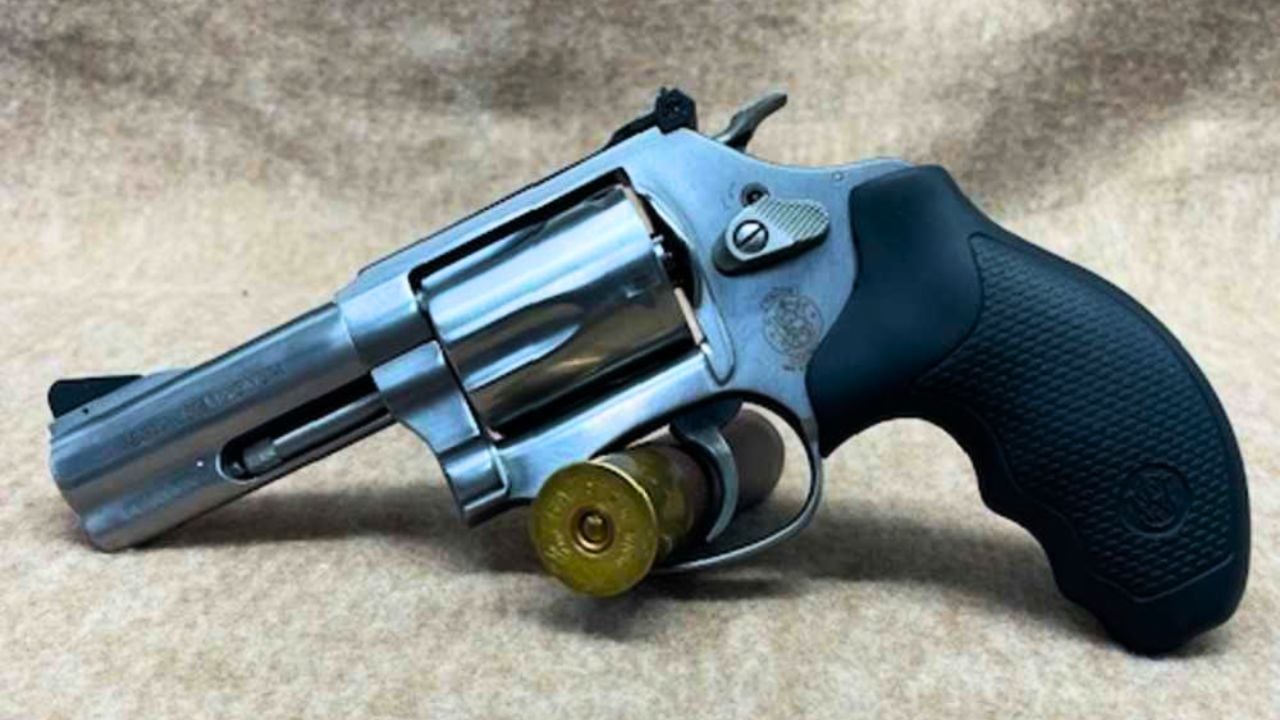
A smaller revolver would fill the role of a gun that is easy to keep with you while doing chores, checking fences, or walking the property. The 3-inch Model 60 gives you more shootability than the typical short-barreled snubnose while staying compact enough to carry without much thought. Stainless construction also makes sense when sweat, rain, and outdoor work are part of daily life.
The .357 chambering gives you options, but I would probably use .38 Special much of the time because it is easier to shoot well in a small revolver. The important thing is having a compact handgun that is straightforward, durable, and easy to keep available.
Glock 19 Gen5

Even with all the specialized guns above, I would still want one completely ordinary 9mm pistol. The Glock 19 is hard to beat for that role because ammunition, magazines, holsters, sights, and replacement parts are everywhere. It is large enough to shoot well but compact enough to carry all day, and the design has accumulated decades of real-world use.
There are plenty of newer pistols with better factory triggers or more features, but off-grid living would make commonality more valuable than novelty. If I needed a replacement magazine or part years down the road, I would rather own something millions of other people already use. Sometimes the boring choice really is the smartest one.
Like The Avid Outdoorsman’s content? Subscribe to our newsletter so you never miss an article.
Here’s more from us: