Photo credit: tnoutdoors9/Youtube
A rifle starts to look very different when there is nobody else around to solve the problem for you. In that situation, reliability matters more than appearance, ammunition availability matters more than novelty, and a rifle that is easy to maintain starts looking a lot smarter than one that depends on specialized parts or constant tuning.
That does not mean the answer is always the most expensive tactical rifle on the rack. In a lot of cases, the better choice is something boring, common, durable, and easy to keep running. These rifles make sense because they combine practical accuracy, manageable weight, widely available ammunition, straightforward controls, and a track record that does not require much imagination.
Colt LE6920

The LE6920 is about as close as you can get to the definition of an ordinary AR-15, and that is exactly why it makes so much sense. There is nothing exotic about the operating system, magazines, parts, controls, or ammunition. If something breaks, replacements are easy to understand and widely available. If you need another magazine, sling, optic mount, bolt component, or basic accessory, you are not hunting through a catalog for something proprietary. The rifle also comes from a design with decades of military and law-enforcement use behind it, which matters when you are choosing something you may need to depend on without much backup.
The 16-inch configuration is short enough to handle easily while still giving 5.56 enough velocity for general-purpose use. It is not the lightest or fanciest AR available, but that almost helps its case.
BCM RECCE-16
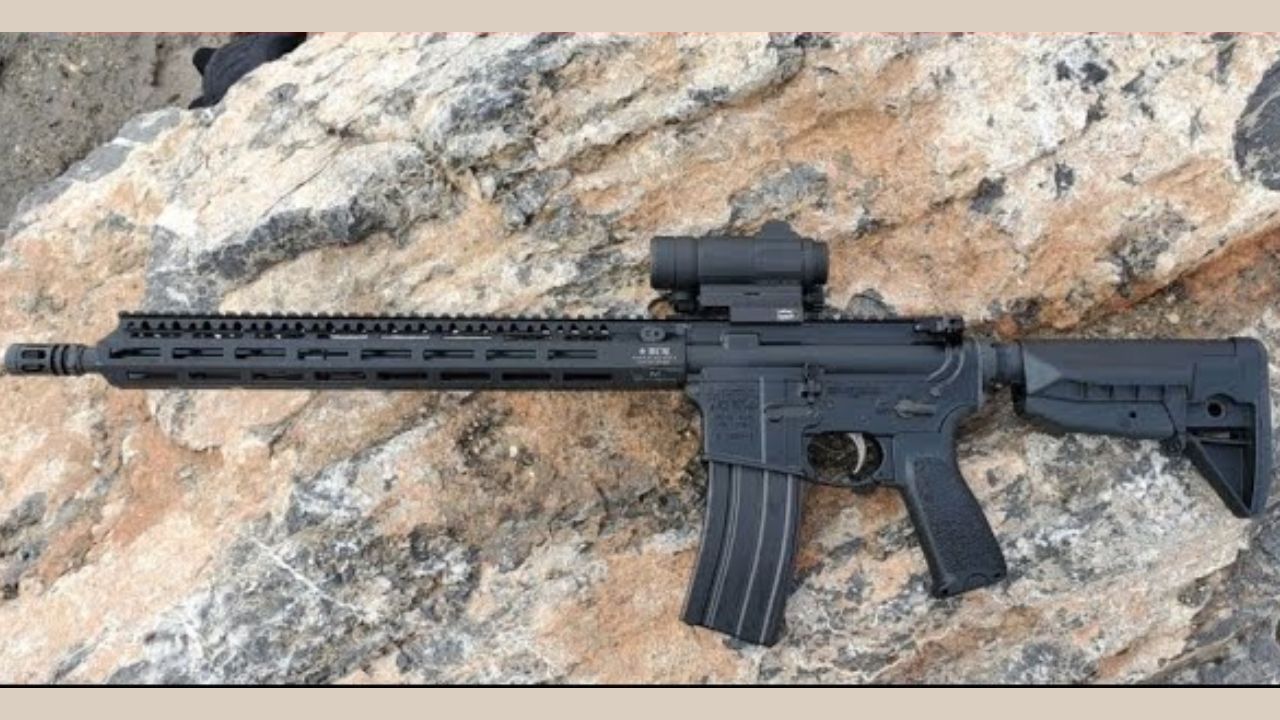
The BCM RECCE-16 looks like a fairly conventional AR until you start paying attention to how the rifle is put together. BCM built its reputation around producing guns meant to survive hard use, and that philosophy shows in the details that matter more than cosmetic upgrades. The controls are familiar, the magazines are standard, the operating system is easy to service, and the rifle does not rely on some unusual proprietary feature to justify its existence. A shooter who already understands an AR can pick one up and immediately know how everything works.
It also lands in a useful middle ground between lightweight carbines and heavier precision-oriented rifles. You can carry it for a long time, mount a practical optic, and still have enough accuracy for much more than short-range shooting.
Daniel Defense DDM4 V7
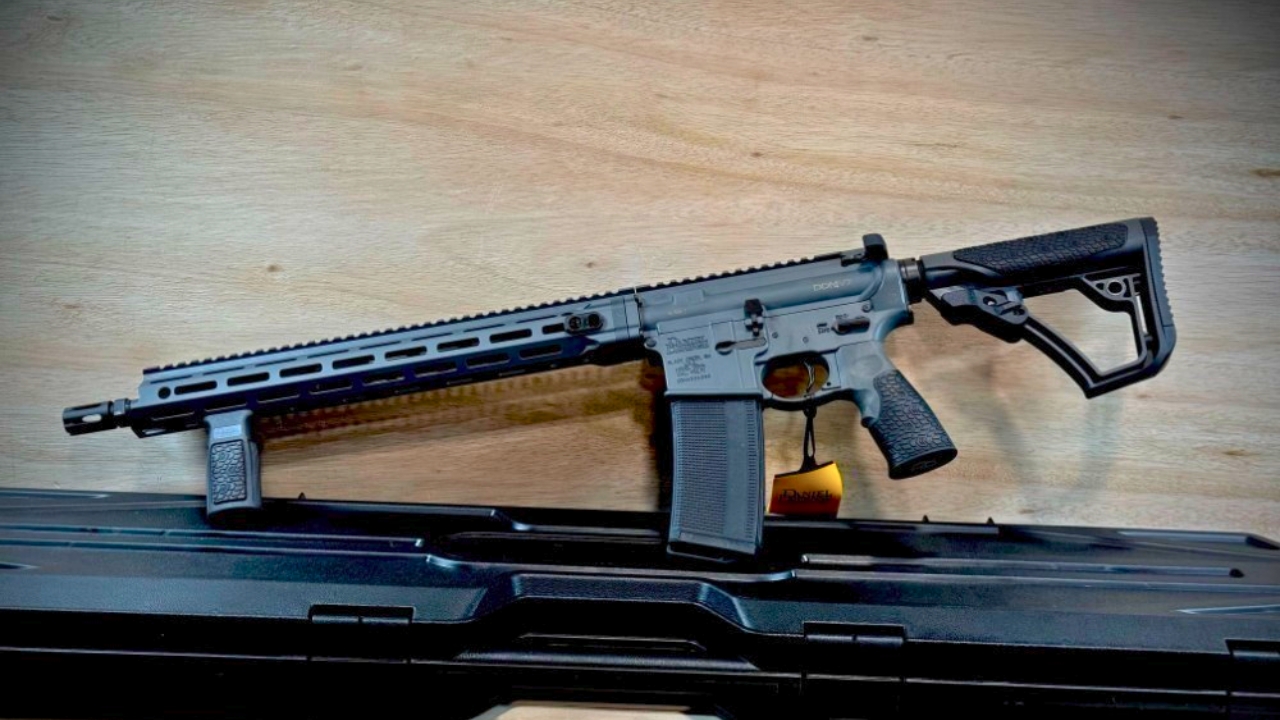
The DDM4 V7 is expensive enough that nobody should call it a bargain, but it makes a lot more sense once durability becomes the priority. Daniel Defense builds its own cold-hammer-forged barrels and has spent years refining the basic AR platform instead of reinventing it. The result is a rifle that feels familiar but extremely well sorted. The handguard is slim, the controls are conventional, and the rifle accepts the same magazines and most of the same support gear as any other common AR.
That matters when you are thinking beyond a casual range trip. A rifle that works with widely available parts is easier to keep in service. The DDM4 V7 also gives you enough accuracy to cover hunting, property use, and general rifle duties without turning into a heavy bench gun.
FN 15 Guardian
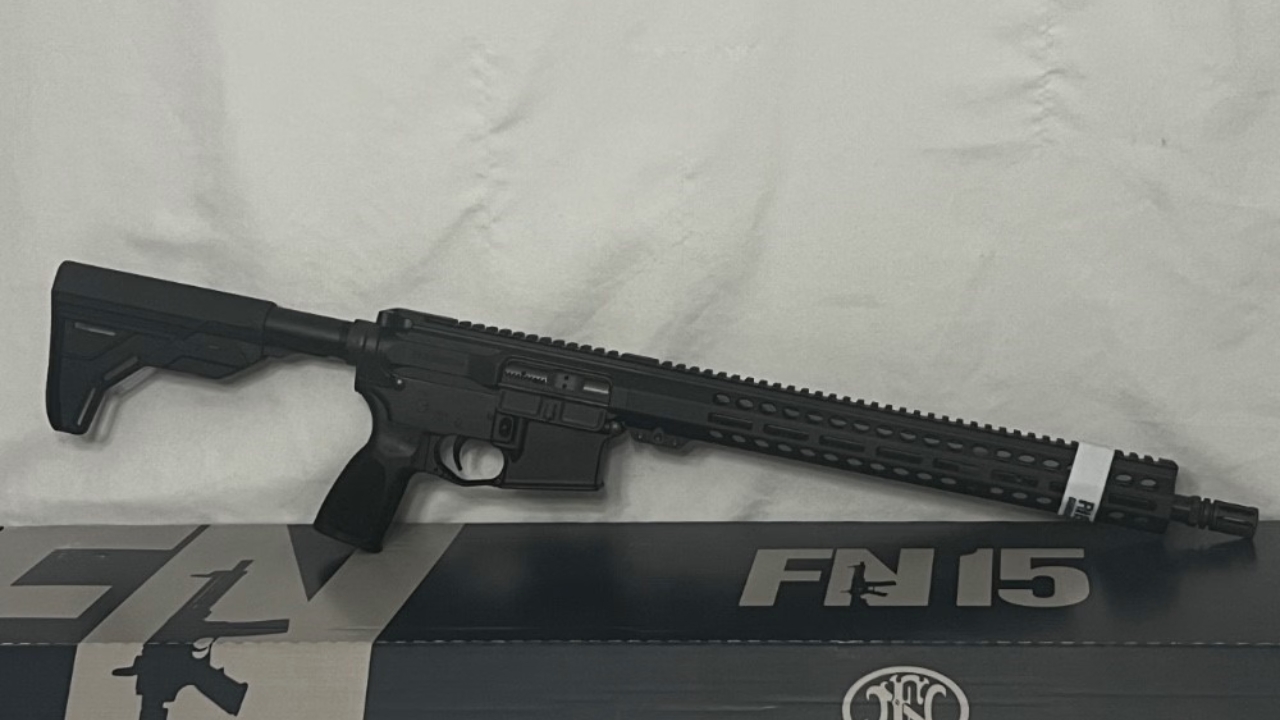
The FN 15 Guardian is one of those rifles that makes more sense the longer you think about what you actually need. It is not trying to be a clone-correct military rifle or a competition gun. It is a straightforward 5.56 carbine built around the same basic architecture that dominates the American rifle market. That means standard magazines, familiar controls, common ammunition, and a huge parts ecosystem. There is a lot to be said for owning a rifle that almost any competent gunsmith already understands.
FN also knows how to build service rifles, and that experience gives the Guardian more credibility than its plain appearance suggests. It is the kind of rifle you can configure with a simple optic, light, and sling and then stop thinking about upgrades.
Smith & Wesson M&P15 Sport III

The M&P15 Sport III is one of the better arguments against spending more money than necessary. Smith & Wesson took one of the most common entry-level AR lines in the country and updated it with the features modern shooters actually want, including a free-float handguard and practical mounting space. The rifle still uses the standard AR layout, so nothing about it requires retraining or unusual support equipment.
That makes it attractive for someone who values practicality over status. You can find magazines everywhere, replacement parts are common, and 5.56 remains one of the easiest centerfire rifle cartridges to source. The Sport III may not impress somebody who judges rifles by price, but it covers an enormous number of real-world needs without creating extra problems.
IWI Zion-15
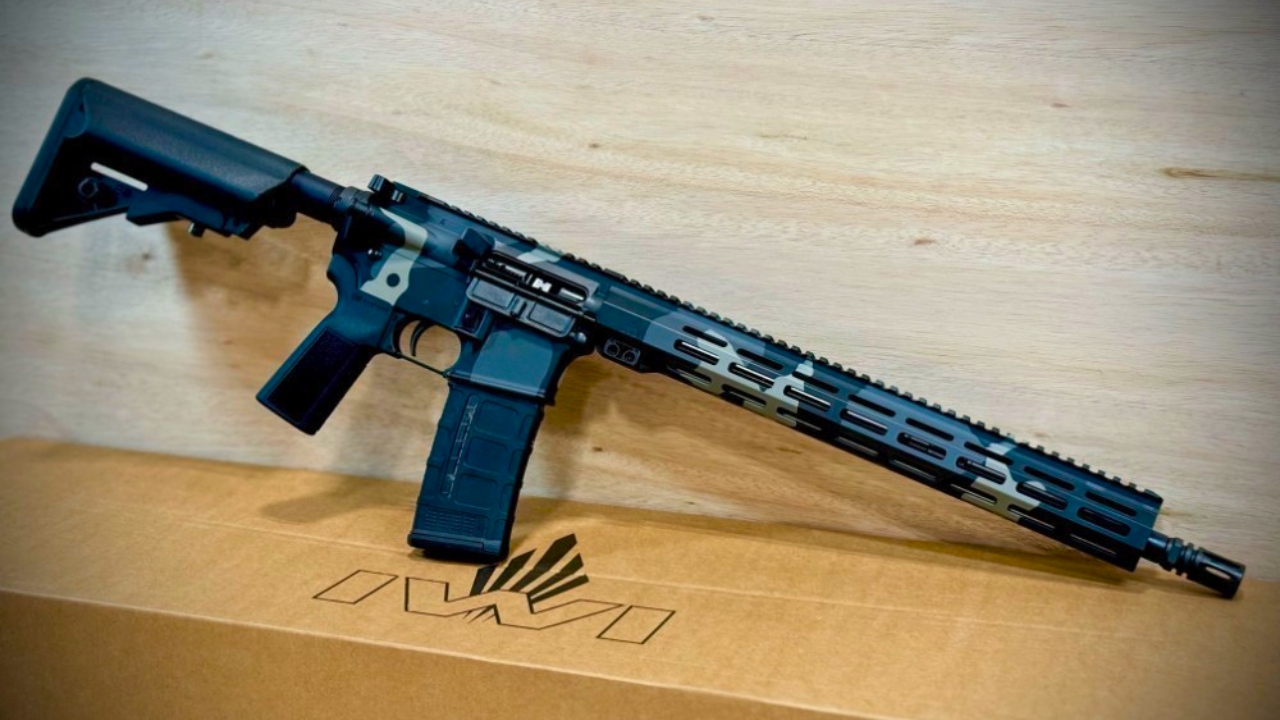
The Zion-15 earned a strong following because it delivers the basic AR formula without much nonsense. It has a useful handguard, a proven gas system, and controls that feel exactly where an AR shooter expects them to be. More importantly, it does not force the owner into proprietary magazines, unusual accessories, or a specialized maintenance routine. Everything about the rifle encourages standardization, and standardization becomes more valuable the farther you get from immediate support.
The rifle is also easy to configure around your actual needs. A red dot keeps it light, while a low-power variable optic gives it more reach without turning the gun into a dedicated precision rifle. That flexibility makes the Zion-15 a very practical general-purpose option.
Ruger AR-556 MPR
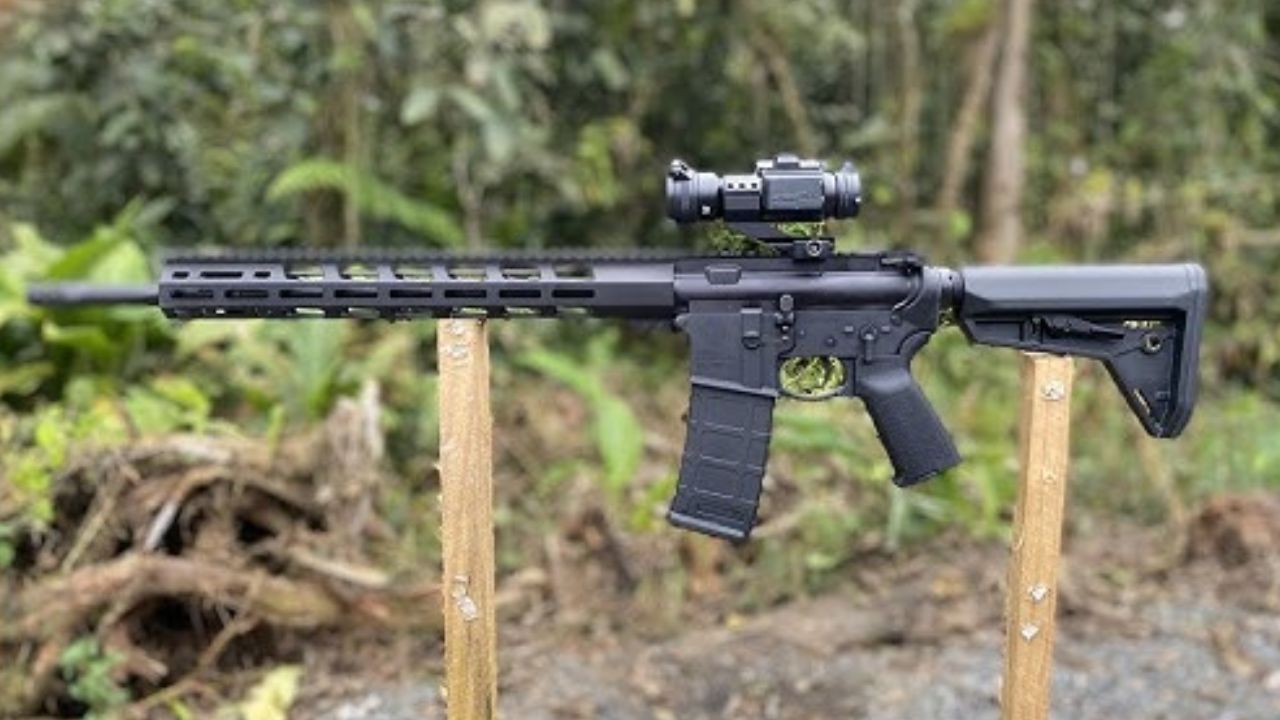
The MPR takes the basic AR-556 concept and gives it enough improvements to make it far more useful than the entry-level version. You get a free-float handguard, a better trigger than most basic carbines, and a configuration that works well for both close and moderate-distance shooting. None of those features change the most important part, though. It is still an AR-15 that uses standard magazines, common ammunition, and widely available replacement parts.
That combination matters when you want one rifle to handle several jobs. The MPR can serve as a range rifle, ranch rifle, or general property gun without needing a complete rebuild. It is not flashy enough to become anybody’s status symbol, but it gives you a lot of useful capability in one familiar package.
Springfield Saint Victor 5.56
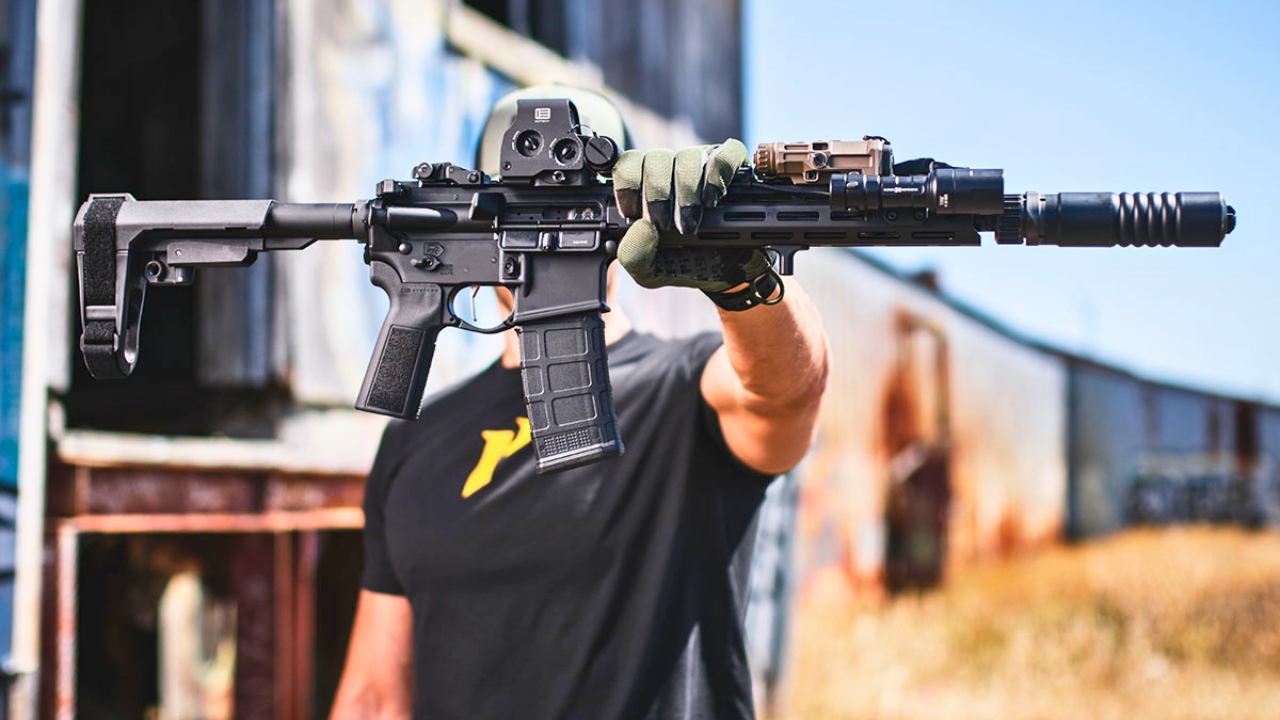
The Saint Victor looks more modern than a basic AR, but underneath the styling it remains a straightforward carbine built around common parts and ammunition. Springfield gives it a free-float handguard, upgraded furniture, and practical controls without turning it into something difficult to service. That balance is important because the best rifle for a self-reliant situation should not become useless simply because one proprietary component disappears.
The 5.56 chambering also keeps ammunition weight manageable. That matters more than many shooters realize when you start carrying magazines, water, tools, and other equipment at the same time. The Saint Victor gives you a capable rifle without saddling you with the bulk of a larger-caliber platform.
SIG Sauer M400 TREAD
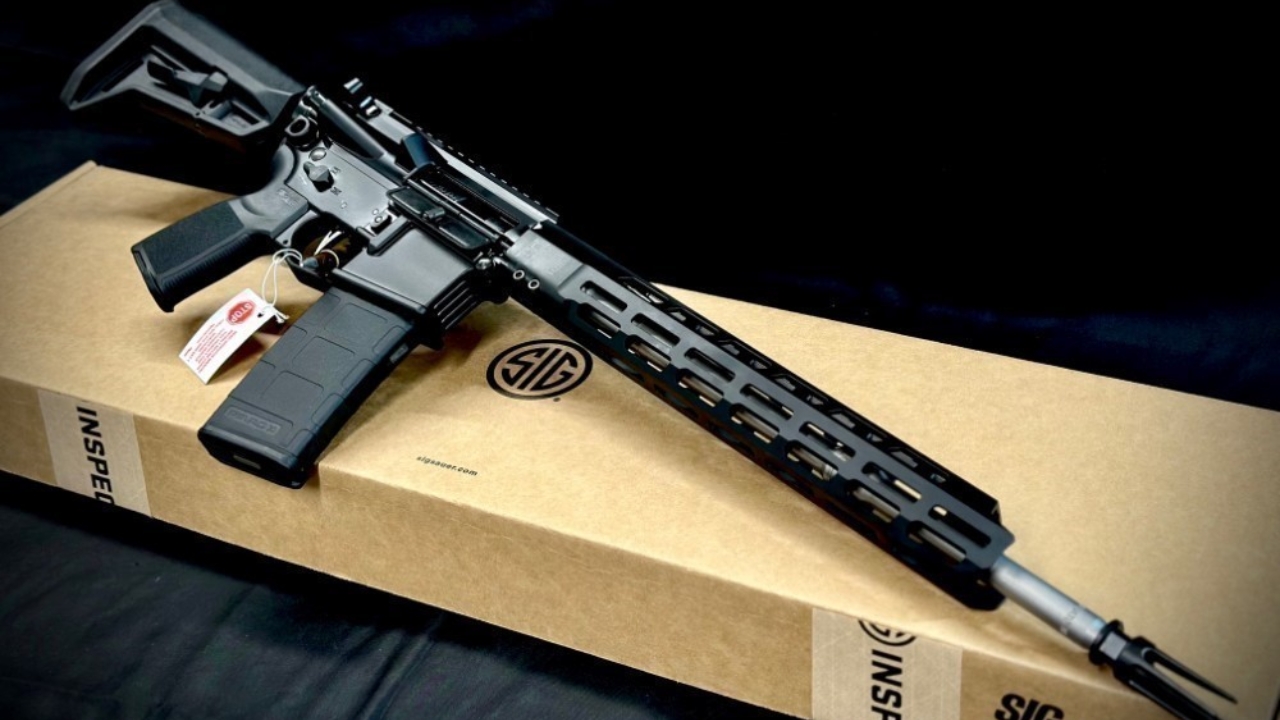
The M400 TREAD has never been the most exciting rifle in SIG’s lineup, but that is part of what makes it useful. The basic rifle remains familiar to anyone who has used an AR, and the design accepts standard magazines and common parts. SIG added enough modern features to make the rifle easy to configure without turning it into a proprietary system that locks the owner into one ecosystem.
The barrel length and overall weight keep it in the general-purpose category rather than pushing it toward either extreme. That means it can handle property use, training, or hunting where legal and appropriate without feeling specialized. A rifle that does several things competently can be more valuable than one that does a single thing brilliantly.
Aero Precision M4E1 Complete Rifle

Aero Precision built its reputation first around components, and that is exactly why its complete rifles make sense for someone thinking about long-term support. The M4E1 platform stays close enough to the standard AR design that parts, magazines, triggers, stocks, grips, and handguards are easy to replace. Even the enhanced receiver features are straightforward rather than exotic. That means an owner can understand the rifle without needing specialized factory service for every little issue.
The M4E1 also has a strong reputation as a base rifle because it is easy to leave alone or upgrade gradually. You can keep the configuration basic and dependable, or add better optics and accessories later without replacing the entire gun.
Ruger Mini-14 Tactical
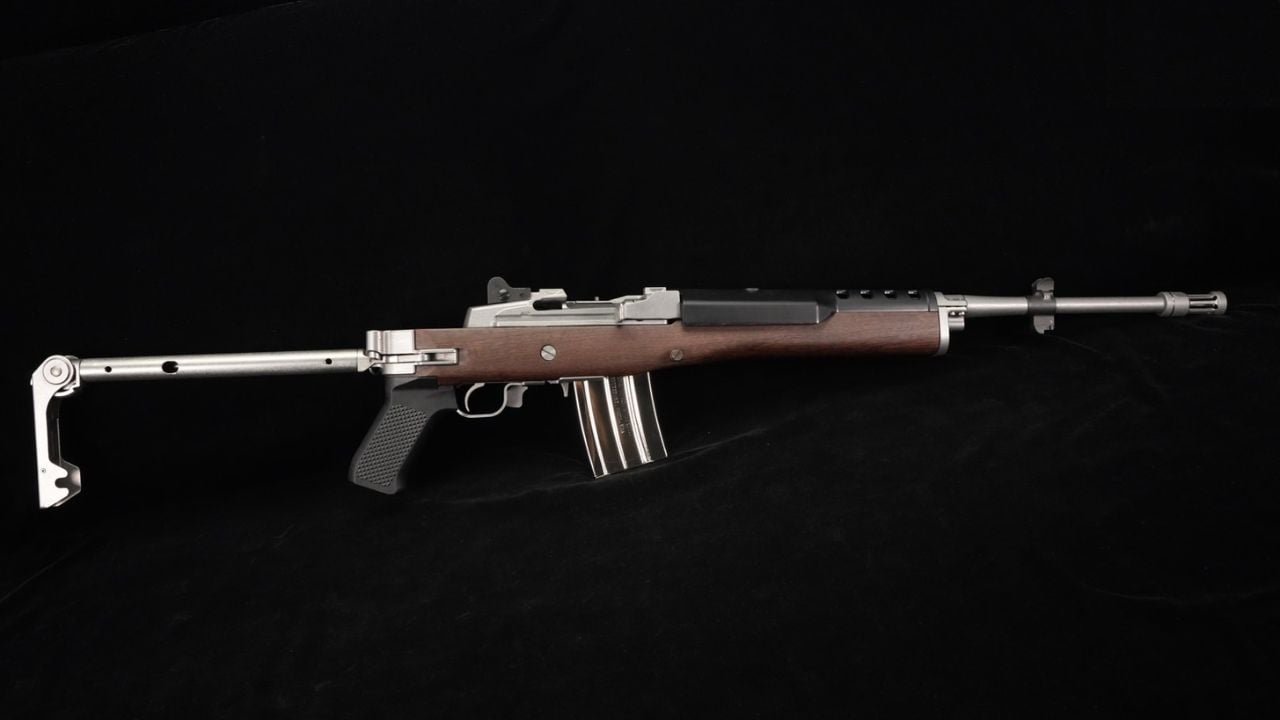
The Mini-14 is not as modular as an AR, but it has a different kind of appeal for someone who values mechanical simplicity and a traditional rifle feel. The action is rugged, the controls are straightforward, and the rifle has been around long enough that most of its weaknesses and strengths are well understood. It also uses the same widely available 5.56 ammunition that makes AR-platform rifles so practical.
The downside is magazine cost and a smaller parts ecosystem, but the Mini still makes sense for shooters who prefer a conventional stock and do not care about mounting a dozen accessories. It is compact, easy to carry, and far more capable than its old ranch-rifle image suggests.
Henry Homesteader 9mm
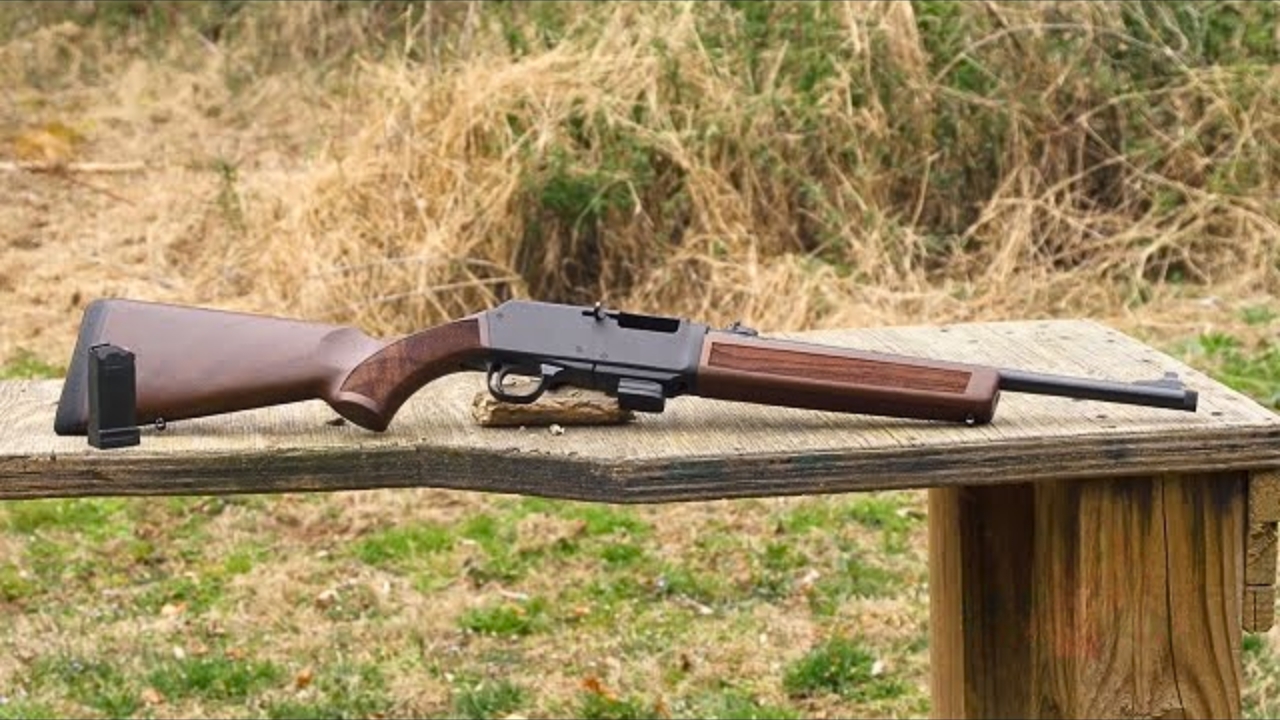
The Homesteader takes a completely different approach by giving you a traditional-looking semiautomatic rifle chambered in 9mm. That matters because 9mm is one of the most common centerfire cartridges in the country, and the rifle is easier to handle and feed than many larger-caliber options. Recoil is mild, the controls are straightforward, and the rifle does not look or feel like a full tactical platform.
Its biggest advantage is logistical simplicity if you already own a 9mm handgun. Sharing ammunition between platforms can make a lot of sense when storage and supply matter. The Homesteader is not a replacement for a full-power rifle, but as a lightweight general-purpose carbine, it has a lot more utility than its appearance suggests.
Ruger PC Carbine
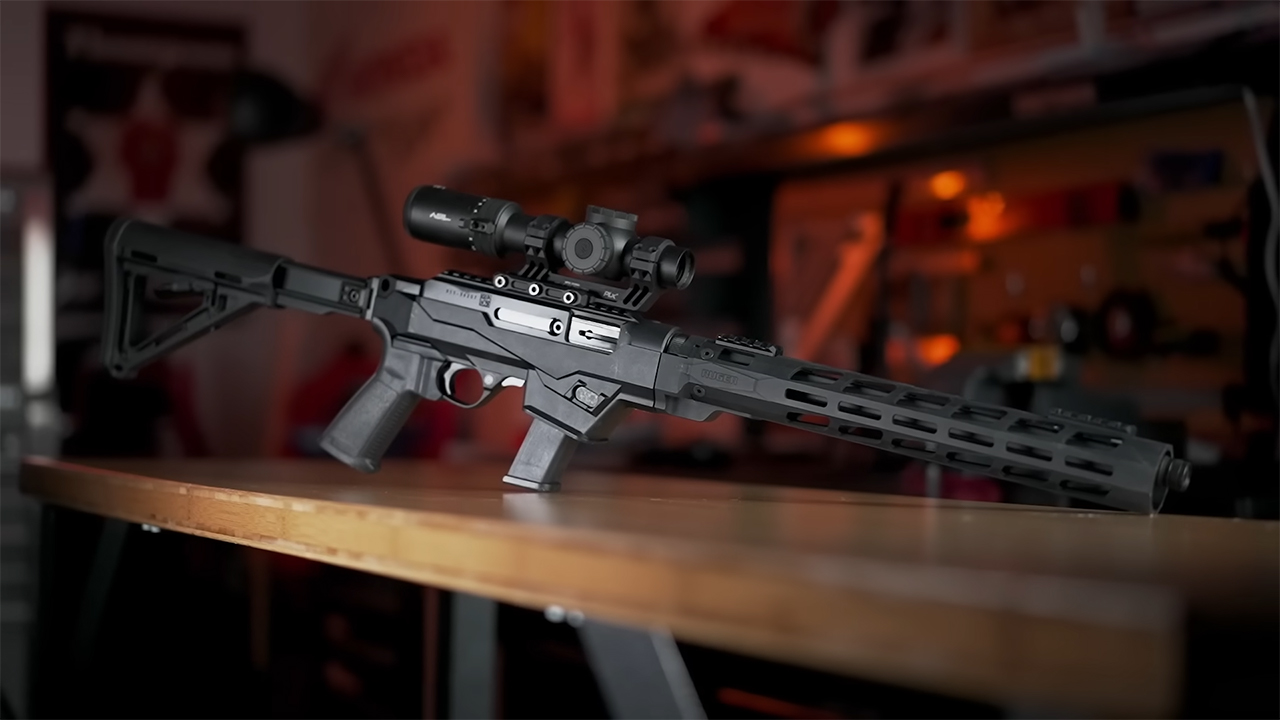
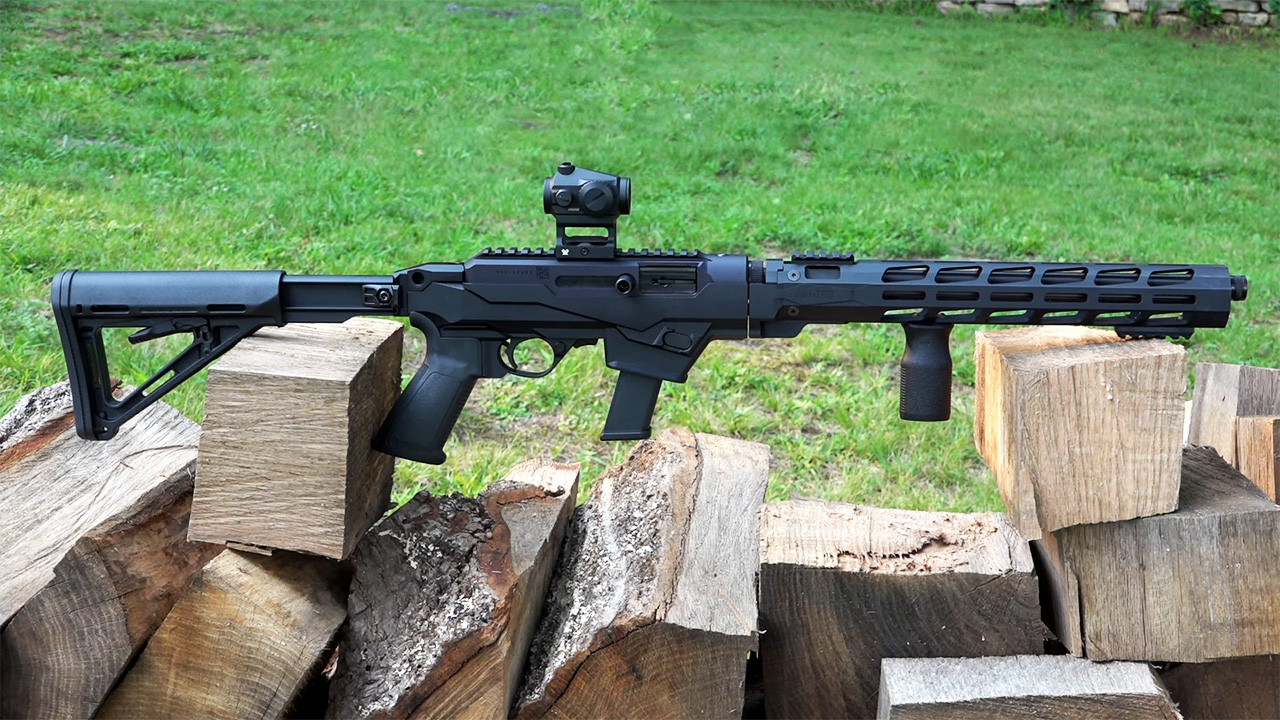
The PC Carbine is one of the easiest rifles to underestimate because it looks like a practical range gun rather than something built around serious utility. The 9mm chambering keeps recoil low, ammunition is easy to find, and many versions can use common pistol magazines with the correct adapter. The takedown design also makes the rifle easier to store and transport than a conventional full-length carbine.
It does not give you rifle-cartridge performance, and that limitation matters. But for property use, training, pest control where legal, and situations where ammunition commonality is valuable, the PC Carbine makes a lot of sense. Sometimes the smartest rifle is the one you can actually keep fed and shoot well.
Marlin 336 Classic
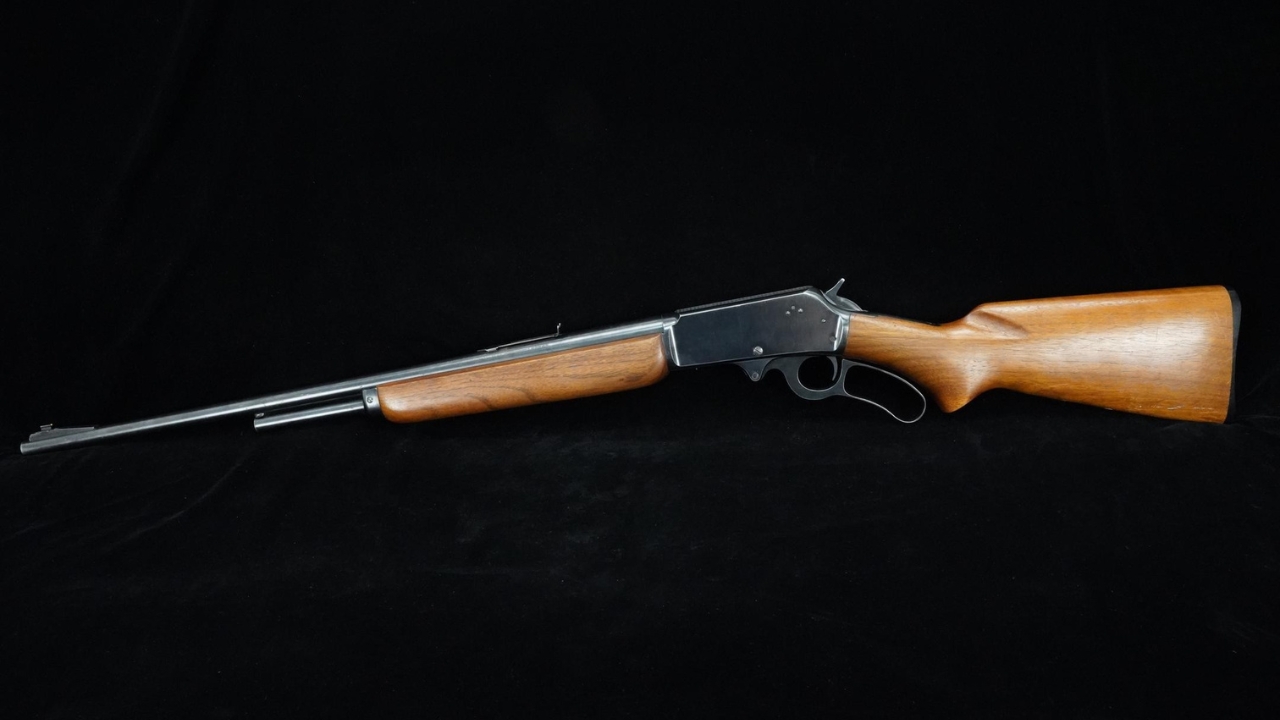
The 336 Classic proves that a practical rifle does not have to be semiautomatic. The .30-30 chambering has been solving deer-sized game problems for generations, and ammunition remains widely available across rural America. The rifle is short, easy to carry, and does not require detachable magazines or much equipment beyond a sling and perhaps a low-powered optic.
A lever action also makes sense for someone who values mechanical independence. There are fewer accessories and fewer parts to worry about losing. The capacity is limited, but the rifle is extremely useful for hunting and property work. A good 336 can spend decades doing its job without becoming outdated.
Henry All-Weather .45-70

The All-Weather .45-70 makes sense when raw power and durability matter more than ammunition weight or recoil. The weather-resistant finish and tough furniture are built around actual outdoor use, which is important for a rifle that may live in a truck, tractor, or hunting camp. The .45-70 cartridge is excessive for many jobs, but it becomes attractive when large animals are part of the equation.
The rifle is also straightforward to understand and maintain. There is no gas system, detachable magazine, or battery-dependent component required for basic operation. It is not the rifle you choose when you need to carry hundreds of rounds. It is the rifle you choose when a handful of powerful shots are more important than volume.
Winchester Model 1892 .357 Magnum
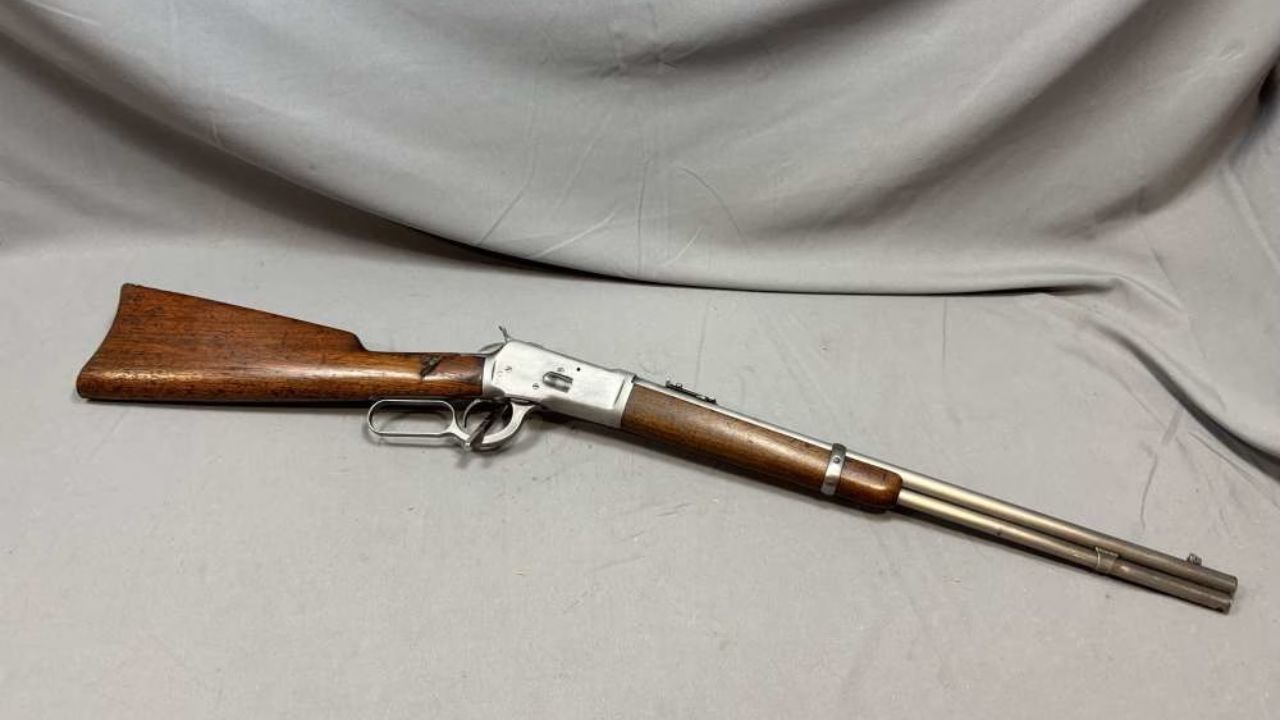
A .357 lever rifle is one of the most practical combinations a lot of shooters overlook. The cartridge becomes noticeably more useful from a rifle-length barrel, recoil stays mild, and the gun can also fire .38 Special in many configurations. That gives you a broad range of ammunition choices for practice, small-game use, and general property work.
The Model 1892 action is also compact and mechanically proven. The rifle carries easily and does not require magazines or complicated accessories. If you already own a .357 revolver, ammunition commonality becomes another advantage. It is not a long-range rifle, but within its realistic envelope, it is difficult to argue with.
Tikka T3x Arctic
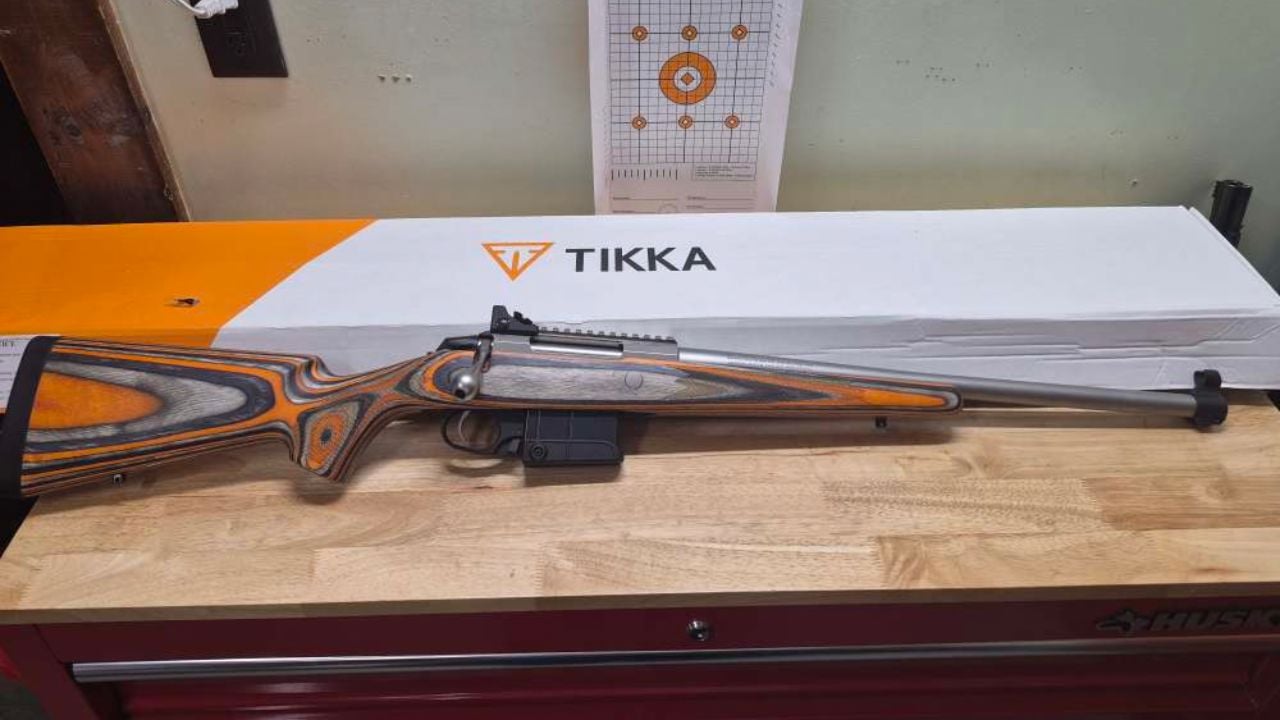
The T3x Arctic is built around the idea that a rifle may need to keep working in ugly conditions. The laminate stock, stainless construction, iron sights, and detachable magazine give it a more utilitarian personality than the average hunting rifle. It is also based on Tikka’s extremely smooth action, which keeps the gun pleasant to operate even when everything else about the environment is miserable.
A bolt rifle does not give you the volume of fire of a semiautomatic, but it does give you mechanical simplicity and excellent accuracy. In a remote setting where hunting and long-term durability matter, that trade can make a lot of sense.
Ruger Gunsite Scout
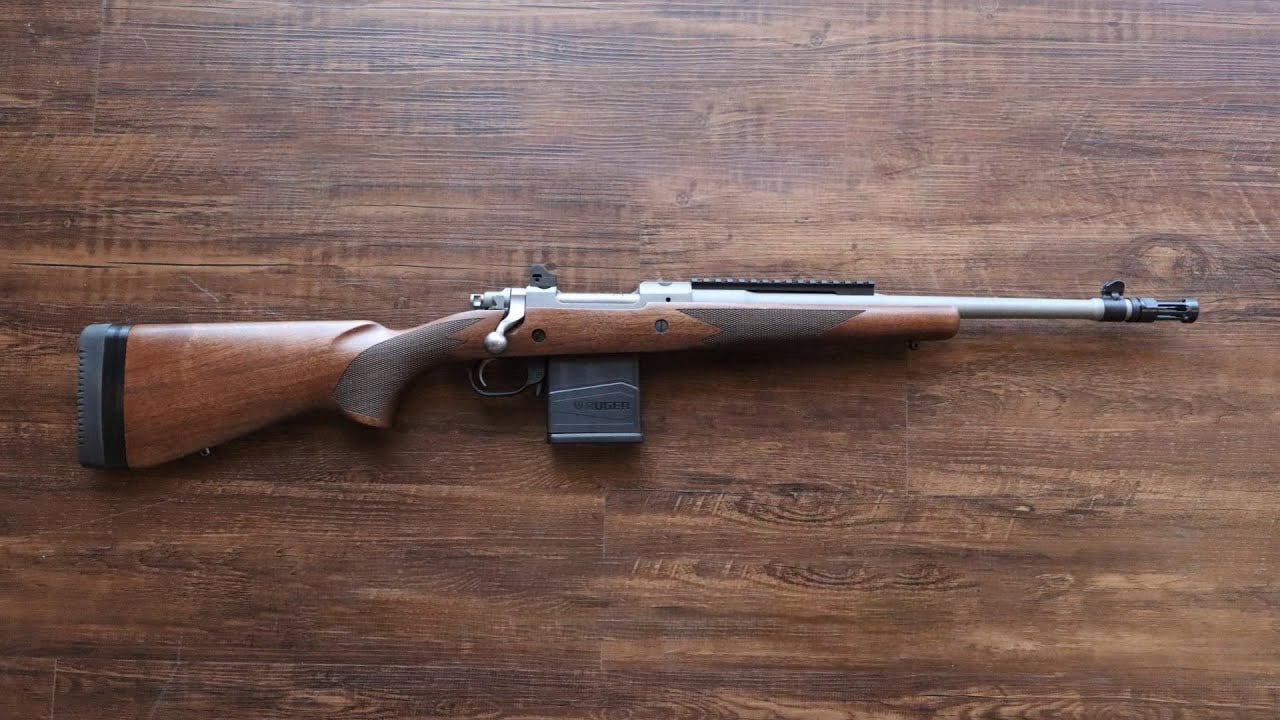
The Gunsite Scout was designed around the concept of a rifle that could handle more than one role, and that philosophy still holds up. The .308 chambering gives it enough power for most North American game, while the shorter barrel keeps the rifle manageable. It also has detachable magazines, usable iron sights, and mounting options that allow the owner to keep the setup basic or add an optic.
The rifle is heavier than some modern hunting guns, but that weight contributes to durability and shootability. It is not specialized enough to dominate any one category, yet that is exactly why it works. When you only have one rifle available, versatility matters more than perfection.
Savage 110 Hog Hunter
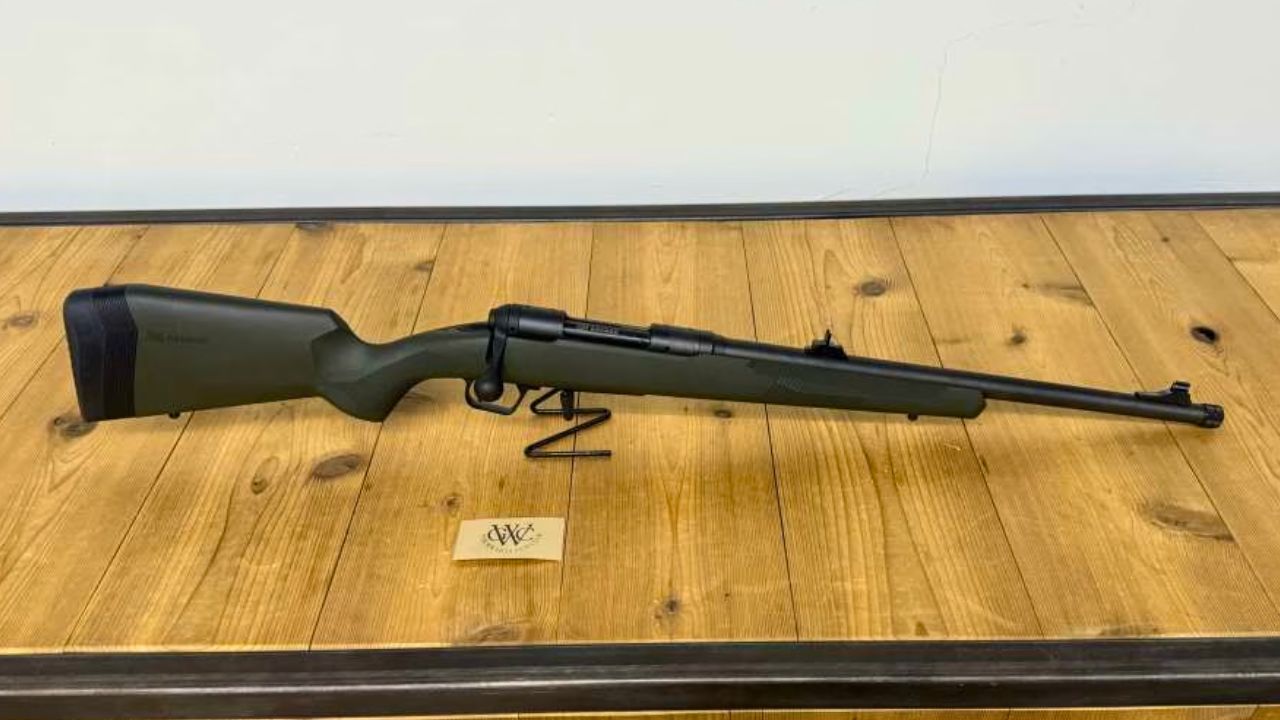
The Hog Hunter looks like a plain bolt-action rifle because Savage built it around function rather than appearance. The heavy barrel, iron sights, threaded muzzle, and proven 110 action make it unusually useful for a rifle that rarely gets much attention. It is available in cartridges that provide real hunting power, and the AccuTrigger gives the rifle better shootability than its basic exterior suggests.
This is the kind of gun that can live on a rural property and handle a wide range of jobs without needing much modification. It is not light enough for mountain hunting and not refined enough to impress a collector, but it is dependable, accurate, and straightforward.
CZ 600 Trail

The CZ 600 Trail is one of the more modern rifles on this list, but it earns a spot because it combines compact handling with a manually operated action. The folding or adjustable-style configuration keeps the rifle easy to store and transport, while the bolt-action design reduces mechanical complexity compared with a semiautomatic. Chamberings such as 5.56 also keep ammunition common and manageable.
It makes particular sense for someone who wants a compact rifle without relying on a gas system or traditional full-length stock. The Trail is not the answer for every shooter, but it fills a useful gap between a conventional hunting rifle and a full tactical carbine.
Mossberg MVP Patrol

The MVP Patrol has always looked a little unusual, but its underlying idea is extremely practical. In 5.56 configurations, the rifle can use common AR-pattern magazines, which immediately solves one of the biggest logistical weaknesses of many bolt guns. You get the simplicity of a bolt action with the magazine availability of the most common semiautomatic rifle platform in the country.
The rifle is compact, easy to carry, and accurate enough for realistic field use. It will never shoot as fast as an AR, but that is not the point. If you value common ammunition, common magazines, and a straightforward manually operated action, the MVP Patrol deserves more attention than it usually gets.
Like The Avid Outdoorsman’s content? Subscribe to our newsletter so you never miss an article.
Here’s more from us: