Photo credit: LIPSEY'S/YouTube
Some guns tell you a lot about the buyer standing at the counter. A smart buyer slows down, checks condition, compares price, thinks about actual use, and asks whether the gun still makes sense once the excitement wears off. An emotional buyer does the opposite. They fall for the name, the story, the finish, the rarity talk, or the fear that if they do not grab it now, they will regret it forever. That is how ordinary purchases turn into expensive lessons.
These are the guns that tend to expose that difference fast. Most of them are not bad firearms. Some are excellent in the right context. But they also attract enough hype, nostalgia, or status-chasing energy that buyers often stop thinking clearly around them. That is why they make such a clean divide. A smart buyer sees the whole picture. An emotional one sees the dream first and starts explaining the numbers later.
Colt Python

The Colt Python is one of the clearest tests in the gun world. A smart buyer looks closely at originality, timing, finish, box, price, and whether the gun actually fits his goals. An emotional buyer sees “Python” on the tag and starts mentally spending the money before the revolver is even out of the case. That name has a way of overriding discipline fast.
The problem is not that the Python lacks merit. The problem is that the reputation is so large that it encourages sloppy buying. People ignore refinishing, overpay for ordinary examples, and tell themselves they are buying into greatness no matter what condition the gun is in. That is where the split shows. Smart buyers buy the actual revolver. Emotional buyers buy the word stamped on the barrel.
Browning Hi-Power

The Browning Hi-Power has enough history and charm to make even disciplined buyers lean forward a little too quickly. It feels like the kind of pistol a serious person ought to own at least once, and that idea alone can loosen people up at the worst possible moment. A smart buyer checks details, origin, condition, parts, and whether the asking price actually matches the market.
An emotional buyer, on the other hand, starts hearing the old stories in his head and decides this is one of those guns you simply do not walk away from. That is how mismatched parts, weak finish, or inflated pricing suddenly stop mattering. The Hi-Power rewards patience, but it also punishes buyers who get hypnotized by the idea of owning a classic before they study the gun they are actually holding.
Winchester Model 94

The Winchester Model 94 separates buyers because nostalgia gets involved so quickly. A smart buyer knows that not every Model 94 is rare, valuable, or even especially desirable. He looks at year, condition, chambering, and whether the price reflects the real rifle in front of him. He understands that “old Winchester” is not the same thing as “automatic good deal.”
An emotional buyer sees camp memories, old family stories, and the idea of owning a real American lever gun. That mood does the rest. Suddenly a very average rifle starts feeling priceless, and the buyer begins excusing every flaw because the name feels right. That is how common 94s keep bringing uncommon money. Smart buyers stay in the facts. Emotional buyers start buying the atmosphere.
HK P7

The HK P7 is one of those pistols that instantly flatters the buyer’s taste, and that can be dangerous. A smart buyer admires the design but still asks the hard questions about price, parts support, magazines, heat, and whether the gun fits into any practical role he actually has. He separates admiration from ownership value, which is exactly what this pistol demands.
An emotional buyer gets wrapped up in the squeeze-cocker mystique and starts acting like he found a secret only serious gun people understand. That feeling can justify almost anything. Suddenly the price seems acceptable, the drawbacks seem charming, and the scarcity feels like urgency. The P7 is not a bad pistol. It is simply one of those guns where smart buyers stay analytical and emotional buyers start calling inconvenience genius.
Marlin 1895 Guide Gun

The Marlin 1895 Guide Gun is where usefulness and collector-style panic collide. A smart buyer checks production era, condition, modifications, bore, and whether the price reflects current lever-gun madness or actual value. He knows a good Guide Gun is worth having, but he also knows there is a point where enthusiasm starts doing stupid things to the math.
An emotional buyer imagines bear country, hard use, and lever-gun authority the second he sees one. Then he starts paying for that image instead of the rifle. Worn examples get excused, inflated prices get rationalized, and every listing starts to feel like the last chance on earth. That is the split. Smart buyers still want the rifle, but they want it on sane terms. Emotional buyers just want it now.
Colt Single Action Army

The Colt Single Action Army separates buyers faster than almost any revolver because the legend is so much bigger than the object itself. A smart buyer looks at provenance, originality, finish, timing, generation, configuration, and whether the price is supported by something real. He understands that the name alone is not enough, no matter how much mythology comes with it.
An emotional buyer hears “Single Action Army” and starts acting like he is holding a piece of destiny. That is when all discipline disappears. Weak history becomes “good enough,” altered condition becomes “still collectible,” and the buyer starts negotiating against himself because he wants the legend more than the revolver. Smart buyers respect the myth without paying blindly for it. Emotional buyers let the myth write the check.
Smith & Wesson Model 19
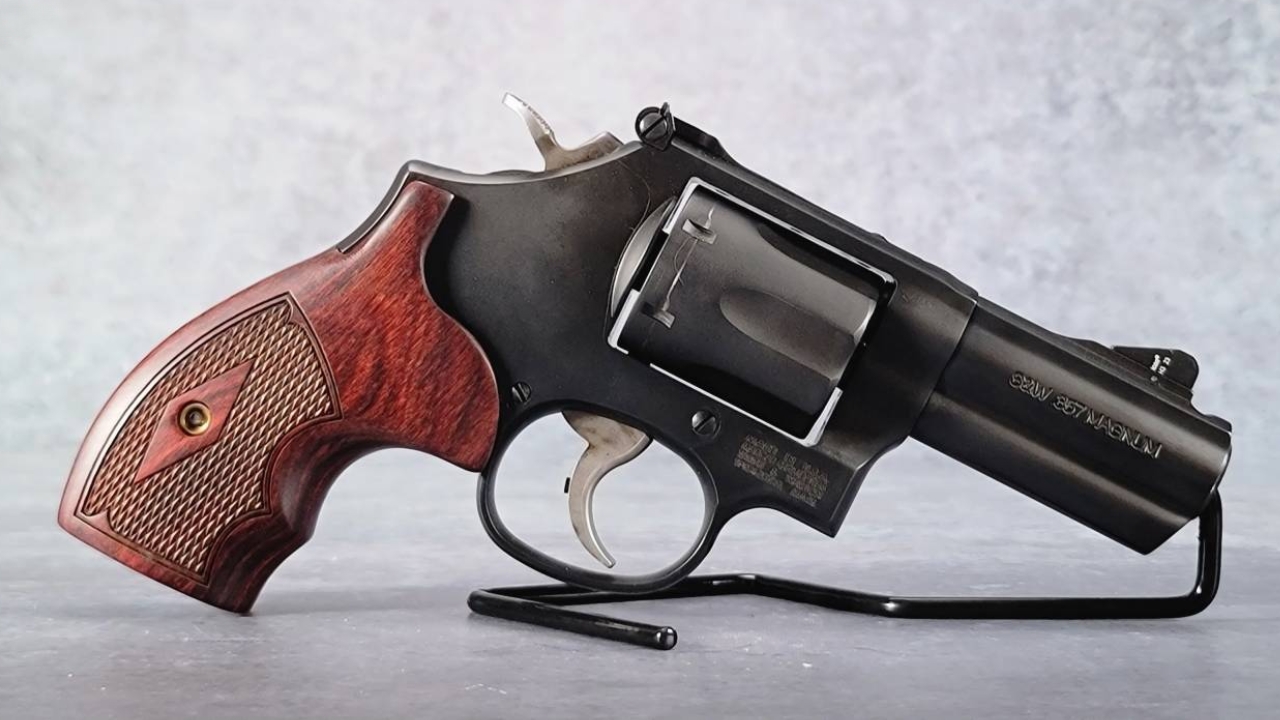
The Smith & Wesson Model 19 catches people because it feels both collectible and genuinely usable, which is a dangerous combination for the undisciplined buyer. A smart buyer knows how to inspect the gun, compare it against other classic Smith revolvers, and judge whether the premium is really earned. He is buying craftsmanship, not merely emotion.
An emotional buyer picks one up, feels that balance, sees the bluing, and starts telling himself this is what a revolver is supposed to be. Once that happens, flaws shrink and prices start feeling strangely flexible. That does not mean the Model 19 is overhyped. It means the emotional pull is strong enough to make buyers skip the part where they think clearly about what condition and originality should actually cost.
Luger P08

The Luger P08 is a trap for buyers who confuse iconic with sensible. A smart buyer goes into Luger shopping with caution because he knows how easy it is to get burned on matching numbers, originality, refinishing, and story-driven pricing. He understands that this is one of those guns where details are everything and excitement is your enemy.
An emotional buyer sees the silhouette and immediately starts buying the history in his head. That is when otherwise careful people start excusing questionable markings, shaky stories, and inflated prices simply because the pistol feels too iconic to leave behind. The Luger exposes buyers perfectly. Smart ones slow down because it is a Luger. Emotional ones speed up for the exact same reason.
Ruger No. 1

The Ruger No. 1 separates buyers because it sells more than function. It sells taste. A smart buyer appreciates the rifle’s elegance but still asks whether the chambering, condition, and price make sense for what it is. He knows he is not buying efficiency. He is buying style, and style still has to be priced honestly.
An emotional buyer falls in love with the lines, the wood, and the feeling that owning one says something refined about him. That feeling is where mistakes start. Suddenly he is paying extra for chamberings he does not need, configurations he did not research, or asking prices supported mostly by the rifle’s image. Smart buyers admire the No. 1 without losing their heads. Emotional buyers let the romance do the shopping.
SIG Sauer P226 West German
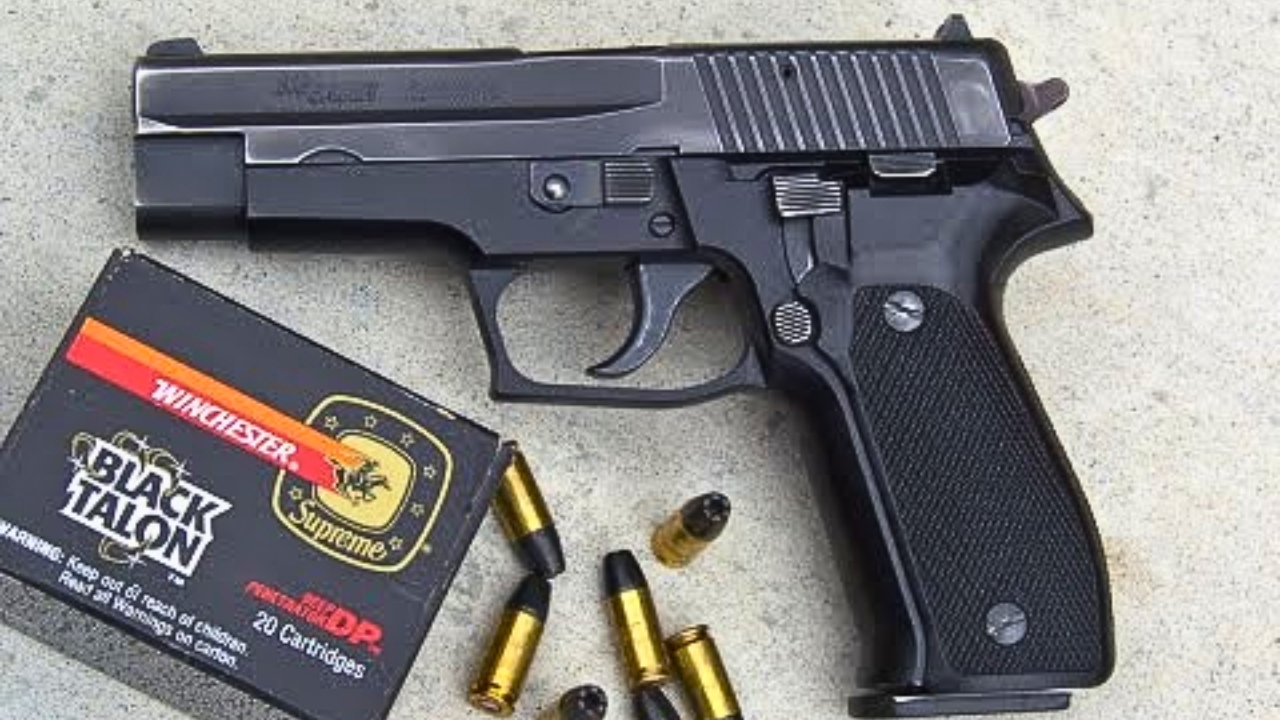
A West German SIG P226 is a classic example of how a label can overpower judgment. A smart buyer knows older SIGs can be excellent, but he still checks actual condition, wear, included accessories, and whether the premium over a standard used P226 is justified. He buys the gun, not the phrase “West German.”
An emotional buyer hears those two words and starts acting like he is looking at a holy relic from a vanished age of gunmaking perfection. That attitude makes overpaying easy. Holster wear becomes “character,” boxes and papers gain magical importance, and the whole purchase becomes more about owning a story than a pistol. Smart buyers respect older SIGs. Emotional buyers get ruled by them.
Winchester 9422

The Winchester 9422 reveals buyer discipline because it takes an ordinary category, the rimfire, and gives it just enough quality and nostalgia to make people act irrationally. A smart buyer recognizes the appeal but still compares the rifle to what it actually offers. He knows that “nice .22 lever gun” is not the same thing as “worth any price.”
An emotional buyer sees the Winchester name, the trim lever profile, and the memory of what rimfires used to feel like, and that is all it takes. The fear of missing out kicks in fast with these. Clean examples are genuinely desirable, but that does not mean every example deserves whatever price someone writes on a tag. Smart buyers know scarcity matters. Emotional buyers act like scarcity cancels arithmetic.
Colt Detective Special
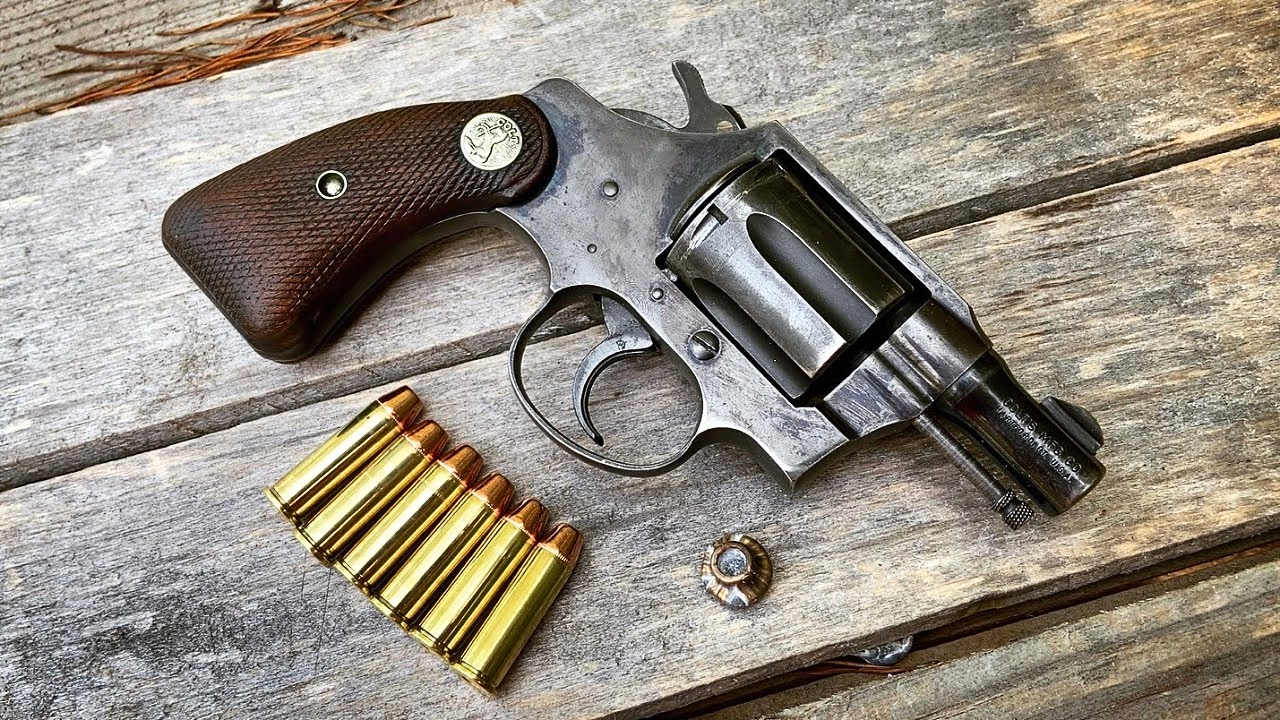
The Colt Detective Special catches emotional buyers because it feels cool in a practical, believable way. A smart buyer checks lockup, timing, finish, originality, and whether the premium over other snub-nose revolvers still makes sense. He understands that the Colt name and old-school carry appeal do not automatically erase mechanical reality.
An emotional buyer sees a classic detective gun with real style and starts buying the personality attached to it. That can be expensive. The revolver feels like history you can still pocket, and that blend of charm and utility makes people overpay more easily than they would for something purely collectible. Smart buyers enjoy the appeal and still inspect the revolver. Emotional buyers let the appeal become the inspection.
Pre-64 Winchester Model 70

The pre-64 Winchester Model 70 might be the ultimate test because the label itself can scramble a buyer’s judgment before he ever handles the rifle. A smart buyer knows the term matters, but he also knows not every pre-64 is equally desirable, equally priced, or equally worth chasing. He studies chambering, originality, condition, and configuration before letting the magic words affect the price in his mind.
An emotional buyer hears “pre-64” and starts acting like the rifle has already been approved by history no matter what shape it is in. That is how common configurations get treated like treasures and rough rifles get sold on prestige alone. Smart buyers respect what the term means. Emotional buyers let the term do all the thinking for them.
Beretta 92FS Inox

The Beretta 92FS Inox is one of those guns that proves looks alone can move people off their game. A smart buyer sees that the pistol is attractive and desirable, but he still treats it like a 92 variant that needs to be judged on condition, price, and actual usefulness. He does not let the stainless finish create value that is not really there.
An emotional buyer sees the Inox look and instantly decides this is the Beretta to own, which may be true for him but is also exactly how premiums get inflated. Once the visual appeal takes over, the buyer starts paying extra for the vibe of the pistol rather than its actual rarity or practical advantage. Smart buyers like the Inox. Emotional buyers fall for it.
Savage 99

The Savage 99 separates buyers in a quieter way because it attracts the kind of buyer who wants to feel informed. A smart buyer knows the rifle has real history and real charm, but he still checks chambering, condition, drilled holes, originality, and whether the price reflects the exact rifle instead of the growing mythology around the model. He buys with knowledge, not identity.
An emotional buyer gets seduced by the feeling that he is buying something subtle and underappreciated. That sense of being smarter than the crowd can be just as dangerous as plain hype. Suddenly he is overpaying while telling himself he is making a wise move because the rifle is “special.” Smart buyers know the 99 can be excellent. Emotional buyers use that truth to justify numbers that still do not add up.
Browning Auto-5

The Browning Auto-5 separates buyers because its shape and history create instant attachment. A smart buyer takes a breath and checks barrel, receiver, condition, originality, and whether the specific gun has been altered or mismatched. He knows the Auto-5 has real collector and shooter appeal, but he also knows plenty of them are not worth panic money.
An emotional buyer sees that humpback profile and starts imagining old field photos, classic gunrooms, and all the respect the Auto-5 carries. At that point, flaws begin looking forgivable and asking prices start feeling oddly reasonable. The Auto-5 is not the problem. The buyer’s emotional response is. Smart buyers still want one after the inspection. Emotional buyers want one before it.
Like The Avid Outdoorsman’s content? Subscribe to our newsletter so you never miss an article.
Here’s more from us: