Photo credit: Heavy Metal Guns/YouTube
A handgun can feel like a smart buy at the counter and still wear out its welcome after a few hard range sessions. Dry-firing it in a shop, reading reviews, or watching someone else shoot it does not always tell you what happens after 300 rounds, a few reload drills, and some actual timed work.
That is when the little stuff starts showing up. A grip that felt fine starts chewing your hand. A trigger that seemed acceptable starts slowing you down. A pistol that looked perfect for carry suddenly feels harder to shoot than it should. These are the handguns many people start second-guessing once serious range time exposes the tradeoffs.
Taurus Curve
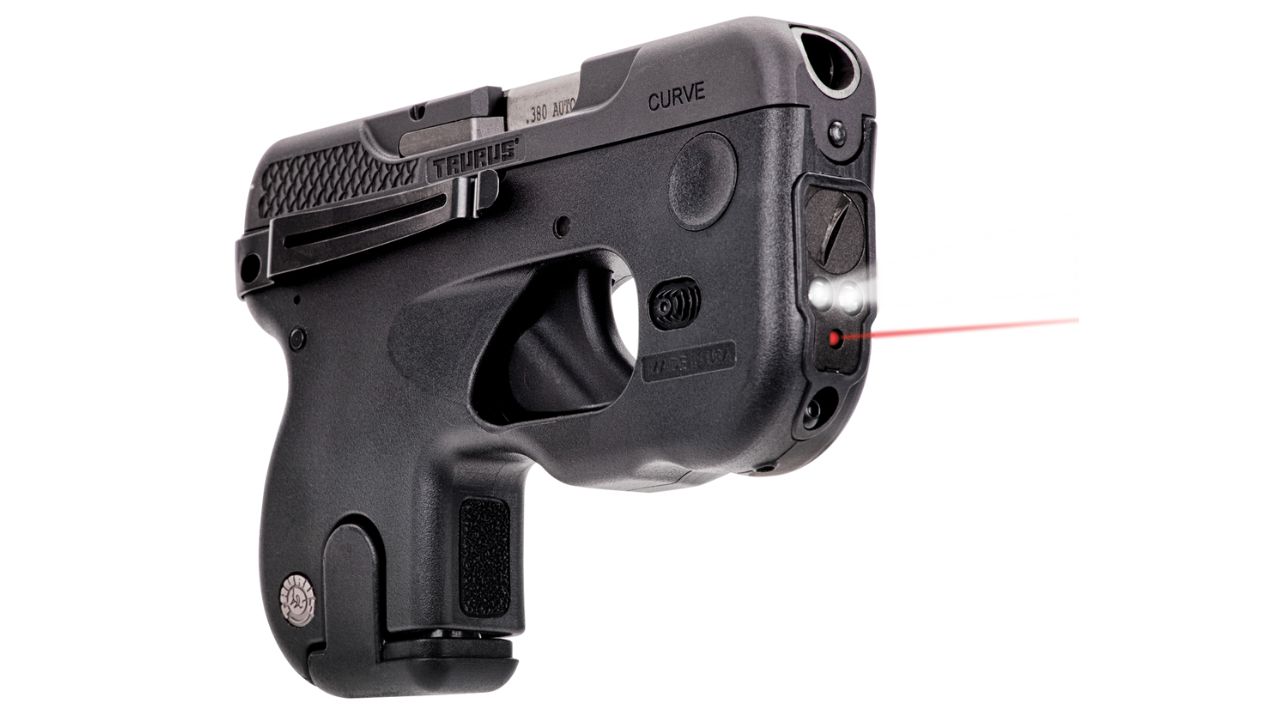
The Taurus Curve looked clever because it was built around concealment first. The curved frame, belt-clip concept, and snag-free shape made it seem like a pistol designed for people who hated bulky pocket guns.
Then you shoot it for real, and the compromises become hard to ignore. The odd grip shape, tiny sighting system, and awkward handling make it difficult to run with confidence. It may disappear under clothing, but serious range time reminds you that hiding a gun is only half the job.
Smith & Wesson Bodyguard 380

The original Smith & Wesson Bodyguard 380 made sense on paper as a small, lightweight pocket pistol. It was easy to carry, slim enough for deep concealment, and chambered in a round many recoil-sensitive shooters could manage.
The regret usually starts with the trigger. It is long, heavy, and not especially forgiving when you are trying to shoot tight groups or work quickly. Add the small grip and tiny sights, and it becomes a pistol many owners carry more than they actually enjoy practicing with.
KelTec PF9

The KelTec PF9 earned attention because it offered a very thin 9mm package before the micro-compact market got crowded. For someone wanting a lightweight carry gun at a low price, it made a lot of sense at first glance.
Range time is where the PF9 can become a chore. It is snappy, narrow in the hand, and not especially pleasant through longer sessions. It can serve a purpose, but plenty of shooters eventually decide that a pistol they dread practicing with is not a great long-term answer.
SCCY CPX-2

The SCCY CPX-2 has always appealed to buyers looking for an affordable defensive pistol. It gives you compact size, decent capacity, and a price that is hard to ignore when you are trying to get armed without spending much.
The problem is that serious practice exposes the rough edges fast. The long double-action trigger takes work to master, the recoil can feel sharper than expected, and the overall shooting experience is not very refined. Many owners eventually wish they had saved a little longer.
Kimber Micro 9

The Kimber Micro 9 is easy to like in a display case. It is small, handsome, metal-framed, and has that familiar mini-1911 look that grabs people who do not want another polymer carry pistol.
After real range time, some shooters cool on it. The small grip can be hard to control, the safety manipulation takes commitment, and reliability can depend heavily on magazines, ammo, and break-in. It may look like a classy carry gun, but not everyone finds it easy to run under pressure.
SIG Sauer P938
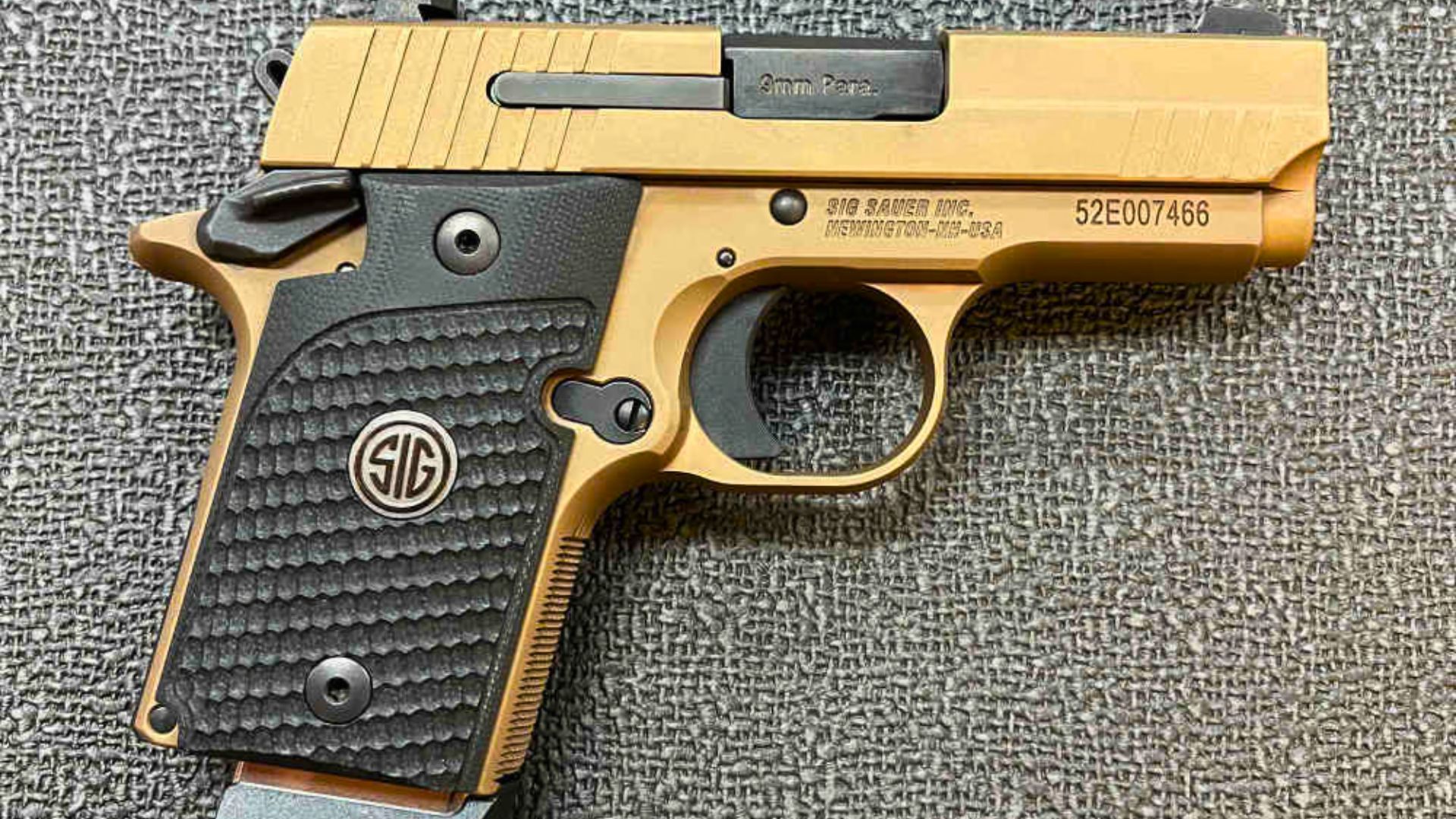
The SIG Sauer P938 has a loyal following, and it is not a bad pistol. The regret comes from buyers who expected it to shoot like a tiny service pistol just because it is well made and chambered in 9mm.
In reality, the P938 asks more from the shooter than many expect. The short grip, crisp recoil, and manual safety require practice. If you are not already comfortable with small single-action pistols, range sessions can feel slower and fussier than they should for a defensive carry gun.
Ruger LCP

The Ruger LCP became popular because it is incredibly easy to carry. It is small enough to fit places bigger guns will not, and that alone made it a go-to pocket pistol for a lot of people.
Then comes the shooting. The original LCP is not a pistol most people want to run hard for long. The sights are minimal, the grip is tiny, and the recoil feels sharper than the caliber suggests. It is useful, but plenty of owners admit they do not practice with it enough.
Springfield XD-S 45
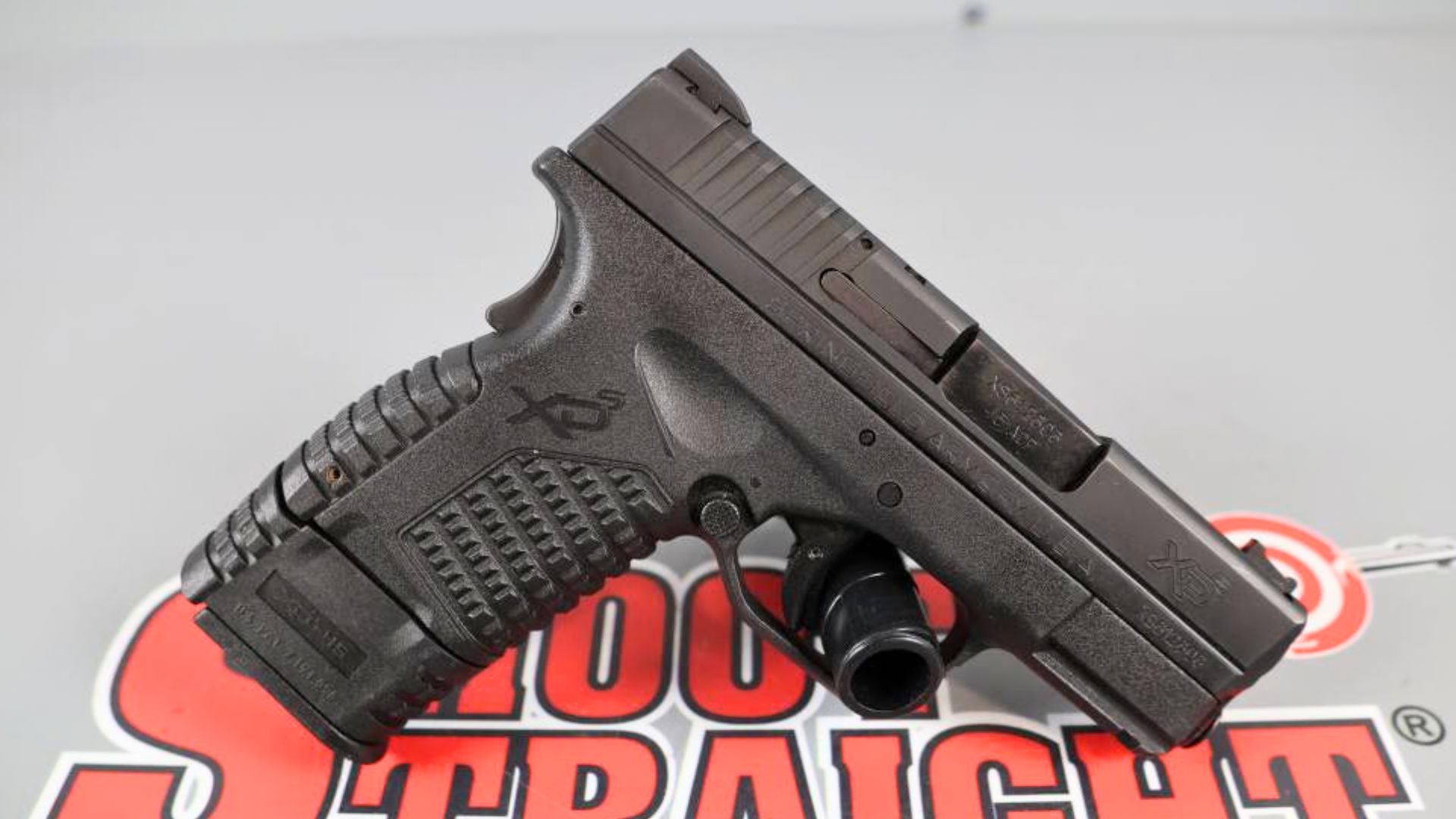
The Springfield XD-S 45 seemed like a strong idea when slim single-stack pistols were hot. A compact .45 ACP that could actually conceal well sounded great to buyers who wanted big-bullet confidence in a smaller package.
The tradeoff shows up quickly on the range. It has more snap than many expect, and the slim grip does not give your hand much help during longer strings. For some shooters, it becomes one of those guns that feels powerful but slows everything down once drills get serious.
Walther CCP M2
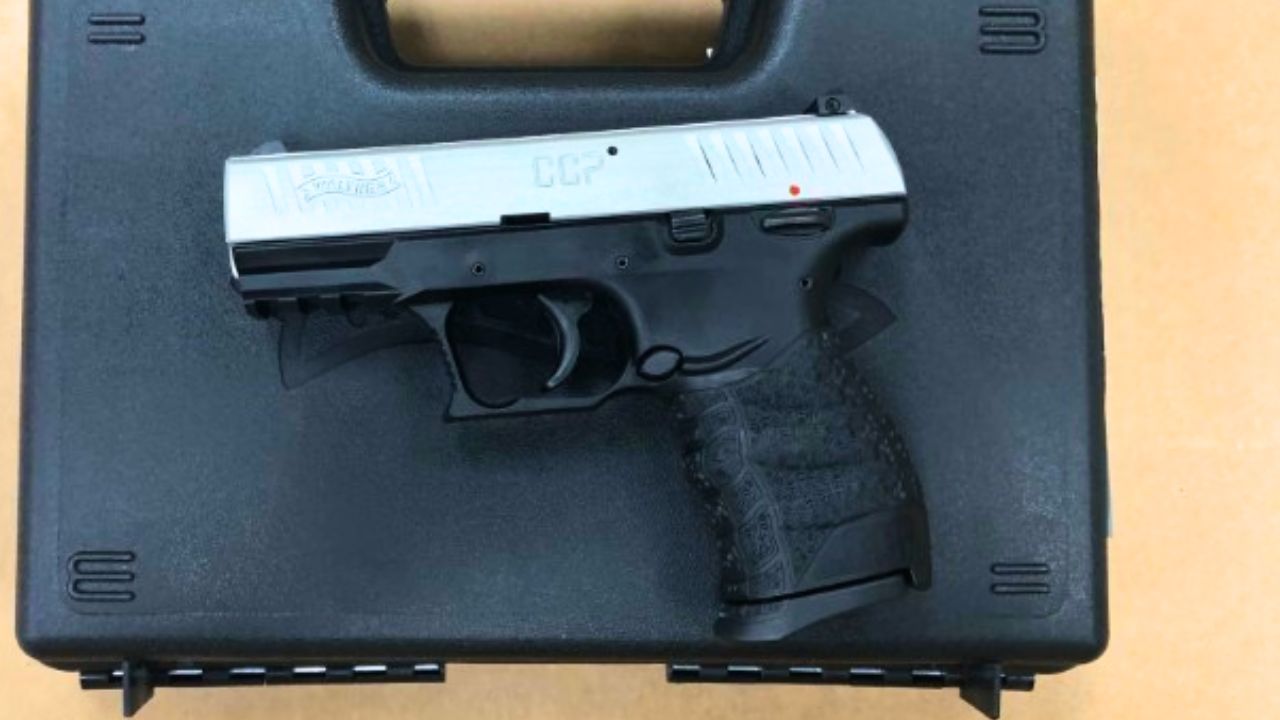
The Walther CCP M2 attracted buyers with its soft-shooting reputation and easy-racking slide. For newer shooters or anyone with weaker hands, that sounded like a practical defensive pistol with less intimidation built in.
The issue is that comfort does not automatically make a gun great under serious practice. The trigger feel, takedown system, heat buildup, and overall handling can leave some shooters wanting more. It is approachable, but after enough rounds, many people start comparing it to simpler carry pistols and second-guess the choice.
Beretta Nano

The Beretta Nano was one of those early slim 9mm pistols that looked like it should have aged better than it did. It had a clean shape, no external controls to snag, and the Beretta name behind it.
Once people trained with it hard, the complaints became easier to understand. The grip shape is not loved by everyone, the trigger feels heavy to many shooters, and the minimalist controls are not always an advantage. Newer micro 9s made the Nano feel dated faster than expected.
Remington R51

The Remington R51 had a lot of people curious because it was different. It had a low bore axis, unusual action, slim profile, and enough history behind the concept to make it sound interesting.
The problem is that range time turned curiosity into frustration for many buyers. Early reliability issues damaged its reputation badly, and even later examples struggled to win back trust. A defensive pistol cannot feel like a science project once you start shooting it hard. For many owners, regret came fast.
Diamondback DB9

The Diamondback DB9 appealed to people who wanted one of the smallest 9mm pistols possible. It was thin, light, and easy to hide, which made it tempting for deep concealment or backup carry.
The range experience is where that small size asks for payment. It can be sharp, unforgiving, and difficult to control compared with slightly larger pistols. When a gun is that small and chambered in 9mm, the shooter has to do a lot of work. Not everyone wants that trade.
Colt Mustang Pocketlite

The Colt Mustang Pocketlite has plenty of charm. It is small, light, attractive, and connected to a classic pocket-pistol design that appeals to people who like metal-framed guns more than plastic ones.
But charm does not always survive serious range work. The tiny grip, small sights, and single-action controls make it a gun that rewards familiarity but punishes casual handling. Some owners love it for what it is. Others realize they bought nostalgia when they really needed something easier to train with.
Honor Defense Honor Guard
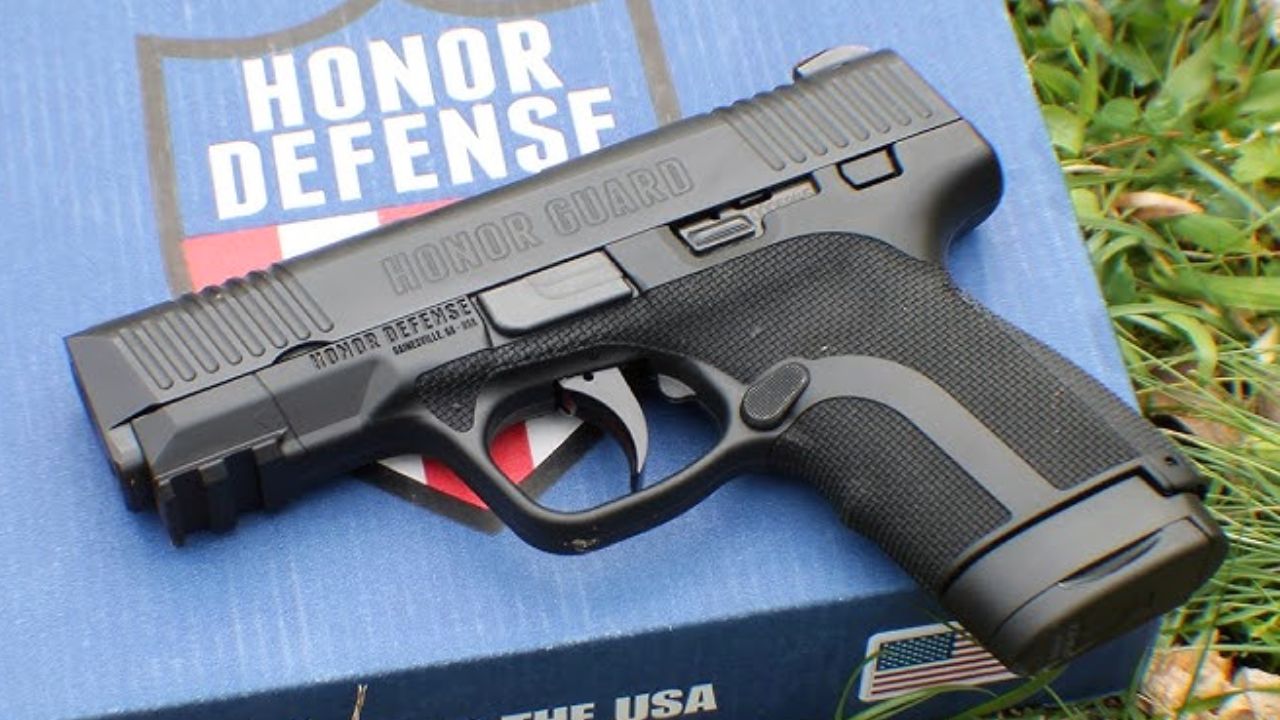
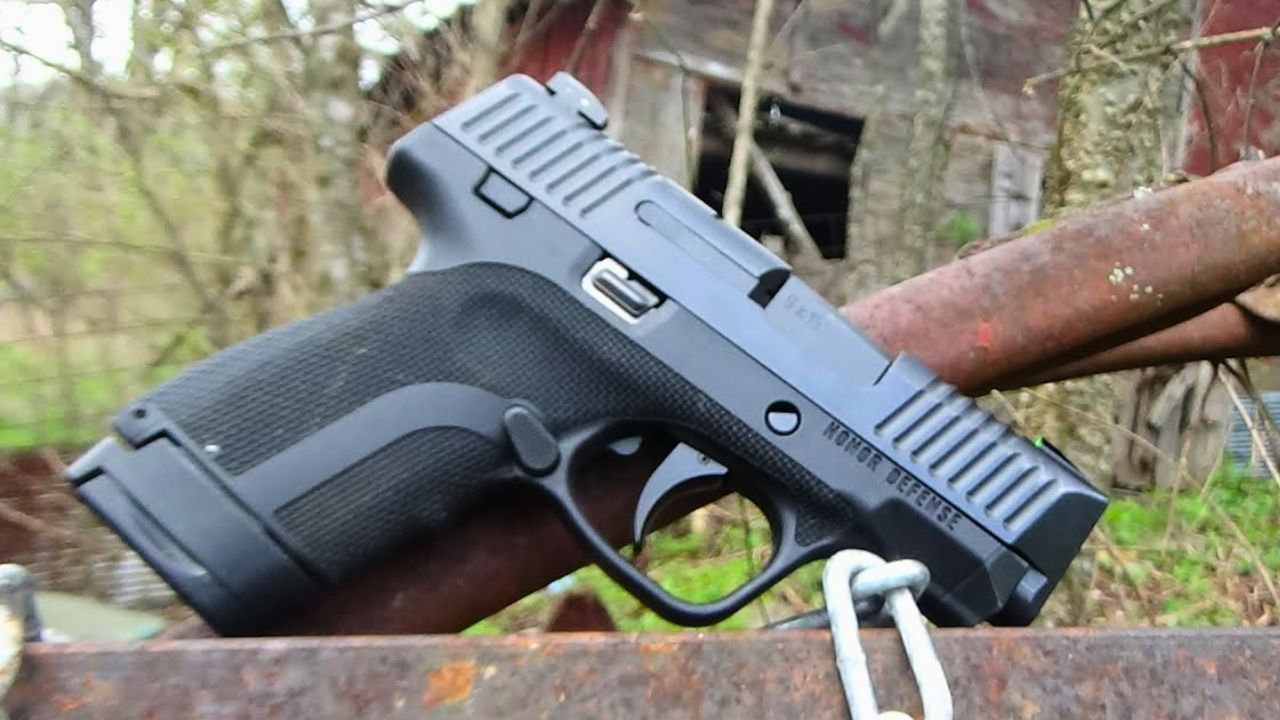
The Honor Guard entered a crowded market promising a serious American-made single-stack 9mm. It had aggressive texture, decent features, and the kind of size that made sense before higher-capacity micro-compacts took over.
The regret comes from how quickly the market moved past it. After enough range time, many shooters found it did not offer enough advantage over better-supported options. The texture could be harsh, the trigger was not special, and parts or holster support were not on the same level as bigger brands.
Kahr CM9

The Kahr CM9 is slim, light, and genuinely easy to carry, so the appeal is obvious. It gives you a small 9mm package without much bulk, and the smooth shape works well for concealed carry.
The trouble is that its long, smooth trigger takes discipline. Some shooters like it because it feels revolver-like, but others struggle to shoot it quickly and accurately. Add the small grip and limited capacity, and serious range time can make buyers wish they had chosen something easier to run well.
Like The Avid Outdoorsman’s content? Be sure to follow us.
Here’s more from us: