Photo credit: Gun&ShotTV/YouTube
Some handguns build a following because they arrive with perfect timing, flashy features, or a marketing push that makes them feel unavoidable. Others take the slower road. They stay in holsters, glove boxes, nightstands, duty rigs, and range bags because people keep finding out the same thing the hard way: the gun works, it shoots the way they want, and it holds up long enough to matter. That kind of loyalty usually is not loud. It builds over years of use, not a few hot months of online attention.
That is what separates certain pistols from the crowd. They did not need to copy every fad or reinvent themselves every few seasons to stay relevant. They earned trust by being dependable, shootable, and easy to live with. Some were ahead of their time. Some just stayed honest while the market kept getting noisier. Either way, these are the handguns that built real followings without chasing whatever happened to be trendy that year.
Browning Hi-Power
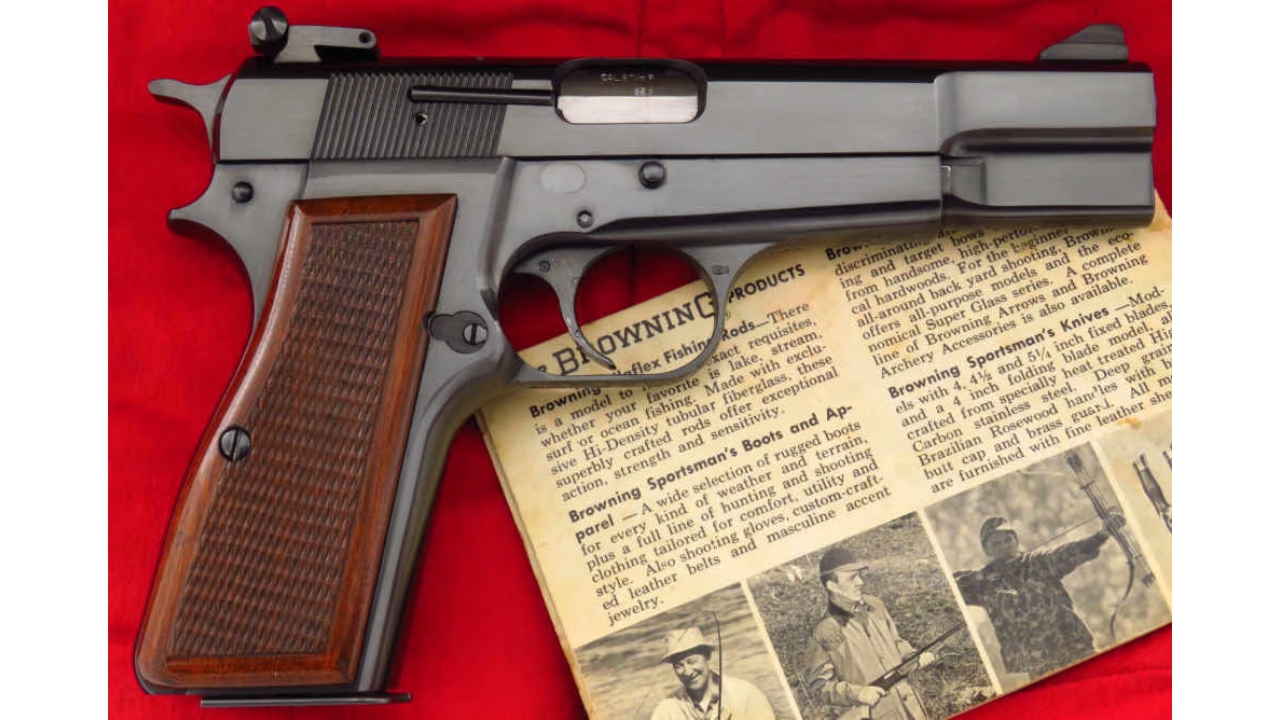
The Browning Hi-Power earned loyalty the old-fashioned way. It felt good in the hand, pointed naturally, and gave shooters a full-size 9mm that balanced better than a lot of handguns that came later. Long before high-capacity 9mms became the default answer, the Hi-Power was already proving that a fighting pistol did not need to feel clumsy or oversized to carry useful capacity.
What kept people attached to it was not nostalgia alone. The pistol has a kind of clean, natural handling that makes sense the second you start shooting it. Even with newer designs all over the market, a lot of shooters still respect how right a Hi-Power can feel. It did not stay admired because it chased change. It stayed admired because it got the fundamentals right and never really stopped making sense.
SIG Sauer P228

The P228 never needed to be flashy to win people over. It was compact enough to carry, large enough to shoot well, and built with the sort of overall balance that made it feel like a duty pistol shrunk down just enough. A lot of shooters found that it offered a smoother, more confidence-inspiring experience than trendier handguns that looked better on paper than they felt on the range.
That is why loyalty around the P228 runs deep. Owners tend to talk about it like a pistol that simply does not disappoint. It is not trying to overwhelm you with gimmicks or a feature list. It just gives you solid ergonomics, dependable operation, and a level of shootability that keeps it from feeling dated. Plenty of handguns got more attention. The P228 got something better, which was long-term trust.
CZ 75 BD
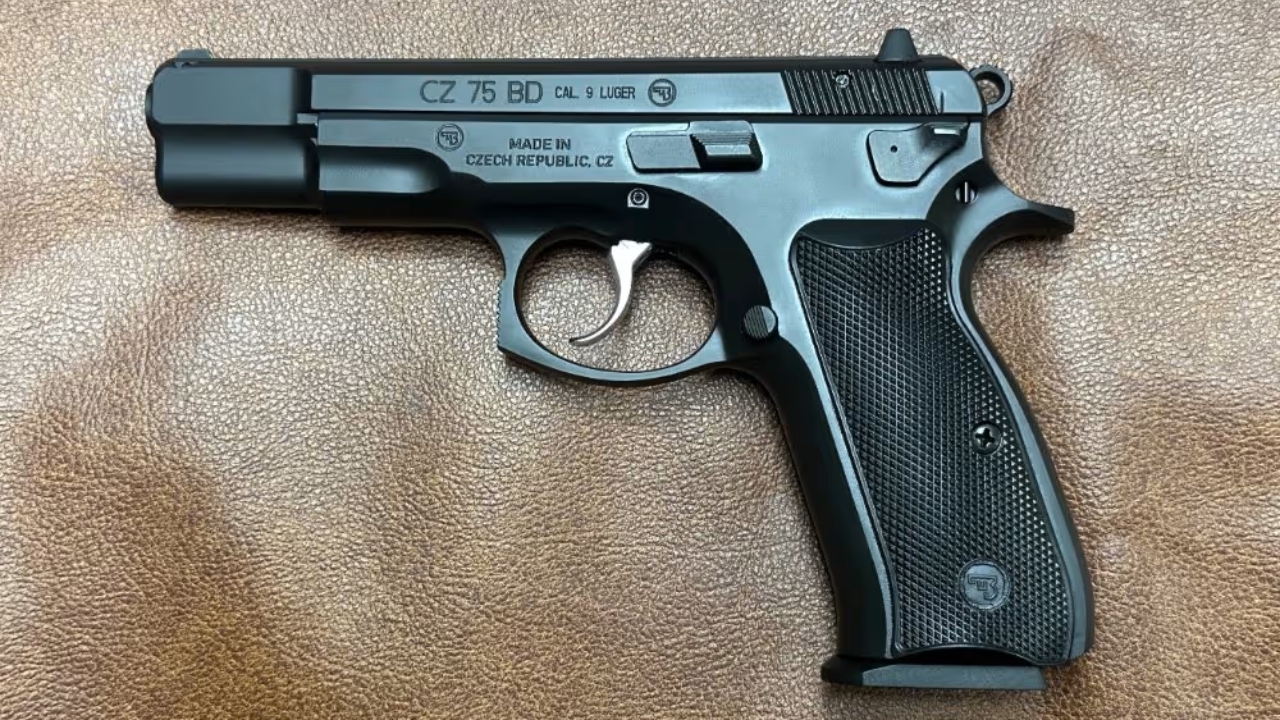
The CZ 75 BD built its following by being quietly excellent where it counted. It gave shooters a steel-framed 9mm with real weight, real control, and a grip shape that felt unusually natural. It never had to rely on loud branding or constant reinvention because once people spent time with one, the appeal usually became obvious. It was steady, accurate, and easy to shoot in a way that kept owners from feeling any rush to replace it.
That kind of pistol tends to build word-of-mouth loyalty instead of hype. Shooters who liked the CZ 75 BD usually liked it for practical reasons. It soaked up recoil, ran well, and felt more refined than many guns that got far more marketing attention. It did not need to be the cool new thing every year. It just needed to keep being one of those handguns people shot and then remembered.
Smith & Wesson Model 59

The Model 59 does not always get talked about like some of the more glamorous pistols that followed it, but it earned a real following by showing people what a double-stack 9mm service pistol could look like before that format became ordinary. It was a serious handgun for serious use, and even when later designs improved on parts of the formula, the Model 59 kept its place as one of those guns people respected for being useful before useful became trendy.
That early practicality mattered. Buyers and officers who used one often came away appreciating that it was trying to solve real problems rather than sell an image. It was not elegant in the way some European pistols were, and it was not trying to be. It earned loyalty by being a durable American sidearm that stayed relevant through actual use, not because it ever tried to become a fashion statement.
Glock 26
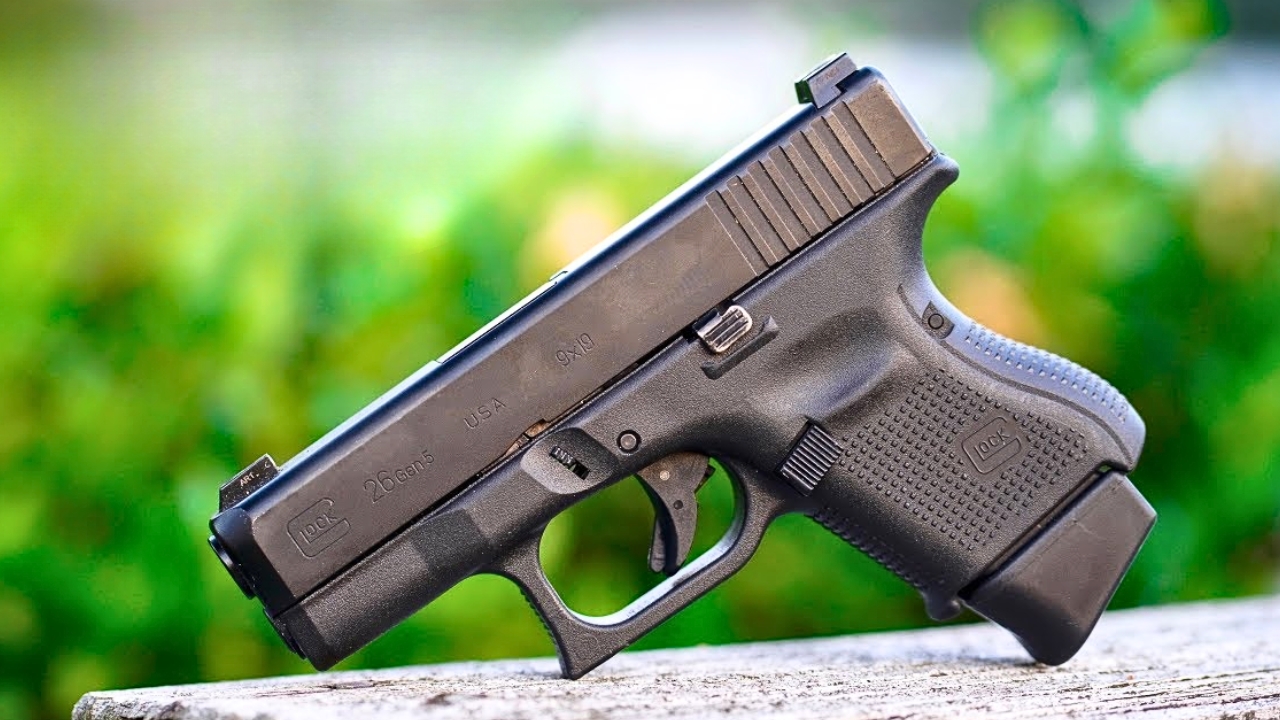
The Glock 26 built a following by being the kind of handgun people kept underestimating until they actually spent time with one. It looked stubby, plain, and almost too simple to be interesting. Then people started realizing it shot better than its size suggested, carried easily, and shared enough magazine compatibility with larger Glocks to make ownership feel practical instead of limiting. That combination created loyalty fast.
What made that loyalty stick was consistency. The Glock 26 never needed to be pretty or especially exciting because it kept doing exactly what people needed from a subcompact 9mm. It was easier to trust than a lot of tiny pistols that came later with more attitude and less forgiveness. Trends came and went around it, but the 26 stayed in the conversation because it kept being useful in real carry life.
Beretta 84FS Cheetah

The Beretta 84FS Cheetah earned its following by offering something a lot of shooters still appreciate: a compact pistol with real comfort. It did not chase the tiny-gun craze or try to become a pocket rocket before that phrase had been beaten to death. Instead, it gave owners a handgun that felt refined, pointed well, and carried enough size to remain pleasant on the range while still being manageable for everyday carry in the right setup.
That matters more than a lot of people admit. A handgun people enjoy shooting tends to stay in their orbit longer than one that only looked smart on the shelf. The 84FS built loyalty because it felt like a real pistol, not a compromise pretending to be a breakthrough. It never needed trend-driven excitement. It won people over by being smooth, dependable, and easier to enjoy than a lot of compact handguns with more modern bragging points.
Heckler & Koch P7 PSP
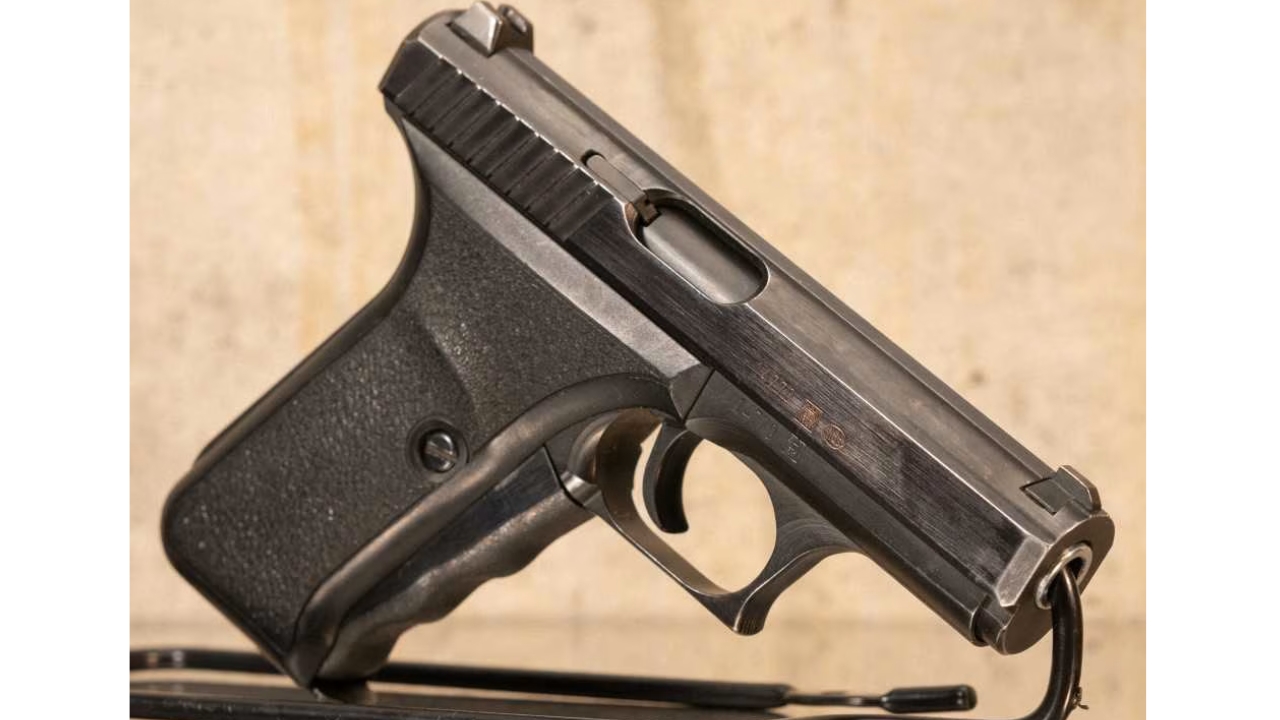
The HK P7 PSP earned loyalty from shooters who cared about how a pistol actually works rather than how loudly it was sold. Its squeeze-cocking system, low bore axis, and unusual design made it different, but not in a gimmicky way. Everything about the gun served a purpose. Once people understood it, many ended up seeing it as one of the smartest handgun designs ever brought to market, even if it never fit the mass-market mold.
That is why the people who love the P7 tend to really love it. The pistol did not need to chase fashion because it already had a strong identity and a very real performance argument. It was compact, accurate, and fast back on target in a way that felt more advanced than much of its era. The following it earned came from shooters who valued substance and execution, not trends.
Ruger P89

The Ruger P89 never won anybody over with elegance, but it earned a lot of loyalty by being hard to kill and easy to trust. It had that big, sturdy, overbuilt quality that made people feel like they could run it, stash it, or hand it down without worrying much about whether it would hold up. Plenty of pistols have been sleeker and more refined. The P89 stayed respected because it made durability feel like its own kind of virtue.
That kind of reputation creates a different sort of following. Owners of P89s often sound less like collectors and more like people who have seen the gun keep doing its job year after year. It was never built around excitement or fashion. It was built around usefulness. In the long run, that bought it more respect than many pistols that arrived with bigger reputations and faded faster once the market moved on.
Colt Commander Lightweight
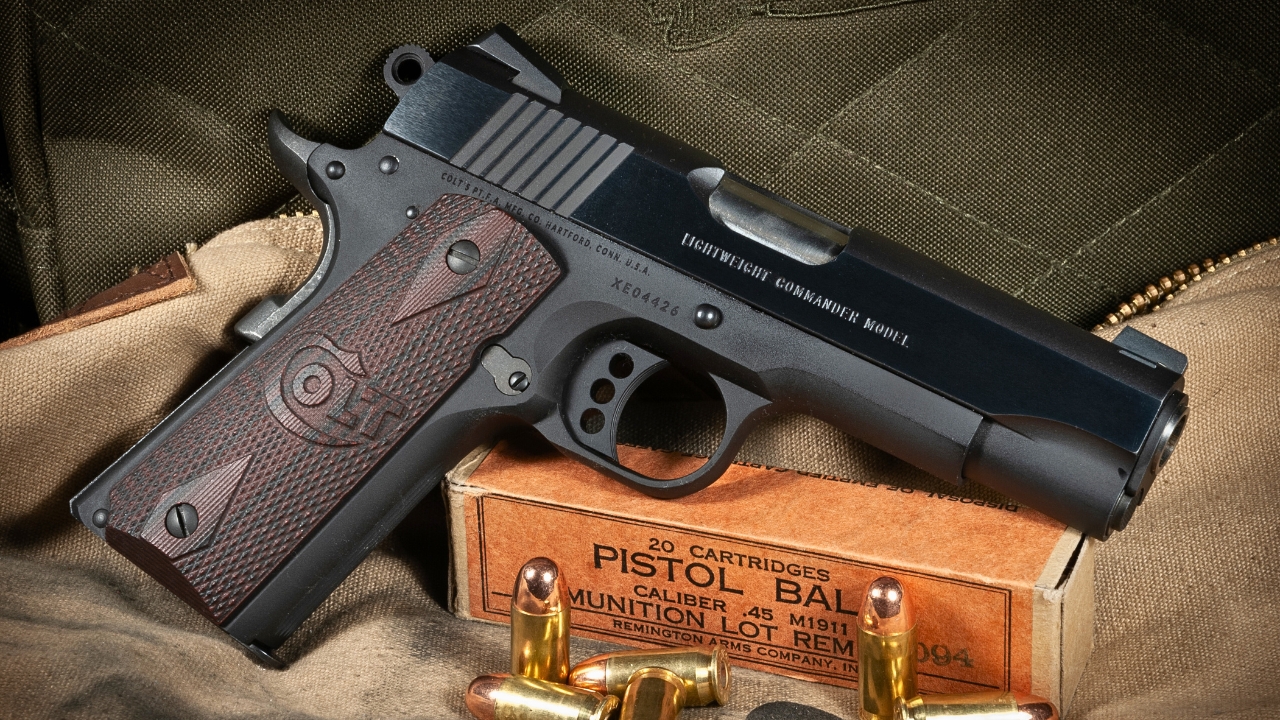
The Colt Commander Lightweight built loyalty by offering a version of the 1911 that actually fit more people’s lives without throwing away what made the platform appealing in the first place. It trimmed size and weight just enough to make daily carry more realistic while still feeling like a real fighting pistol in the hand. That balance helped it build a following among shooters who wanted tradition without lugging around a full Government model all day.
What made that following durable was how little the gun needed to prove. It was not chasing whatever the current carry trend happened to be. It simply gave people a more usable 1911 format and let the design speak for itself. For owners who liked a crisp trigger, familiar controls, and a pistol with real carry history behind it, the Commander Lightweight stayed relevant without ever begging for attention.
Walther P5

The Walther P5 built a devoted following by being the kind of handgun that serious shooters appreciated more the longer they spent with it. It did not arrive with mass-market simplicity or broad mainstream appeal, but it had quality, intelligence, and handling that rewarded owners who actually paid attention. The profile was distinctive, the controls made sense once learned, and the pistol carried itself like something designed by people who thought beyond sales brochures.
That sort of gun never dominates the trend cycle, but it can create fierce loyalty. People who took to the P5 usually did so because it felt like a real shooter’s pistol rather than a product trying to flatter the widest possible audience. It stayed respected because it had character backed by function. The market has always had room for handguns like that, even if they rarely become the loudest names in the room.
Smith & Wesson 3913

The 3913 built one of the most loyal followings of any compact 9mm because it solved a problem without making a spectacle of itself. It was slim, dependable, easy to carry, and still large enough to shoot like a serious handgun. Before the carry world became saturated with tiny polymer pistols and breathless launches, the 3913 was already showing that a discreet 9mm could be genuinely practical without being miserable to live with.
That is a big reason people still speak so highly of it. The pistol hit a sweet spot that a lot of later designs never matched as cleanly. It carried flatter than many service pistols, handled better than many pocket guns, and did it all without trying to convince you it was revolutionary. The 3913 earned loyalty because it felt mature and useful from the start, which is often better than feeling new.
Star BM
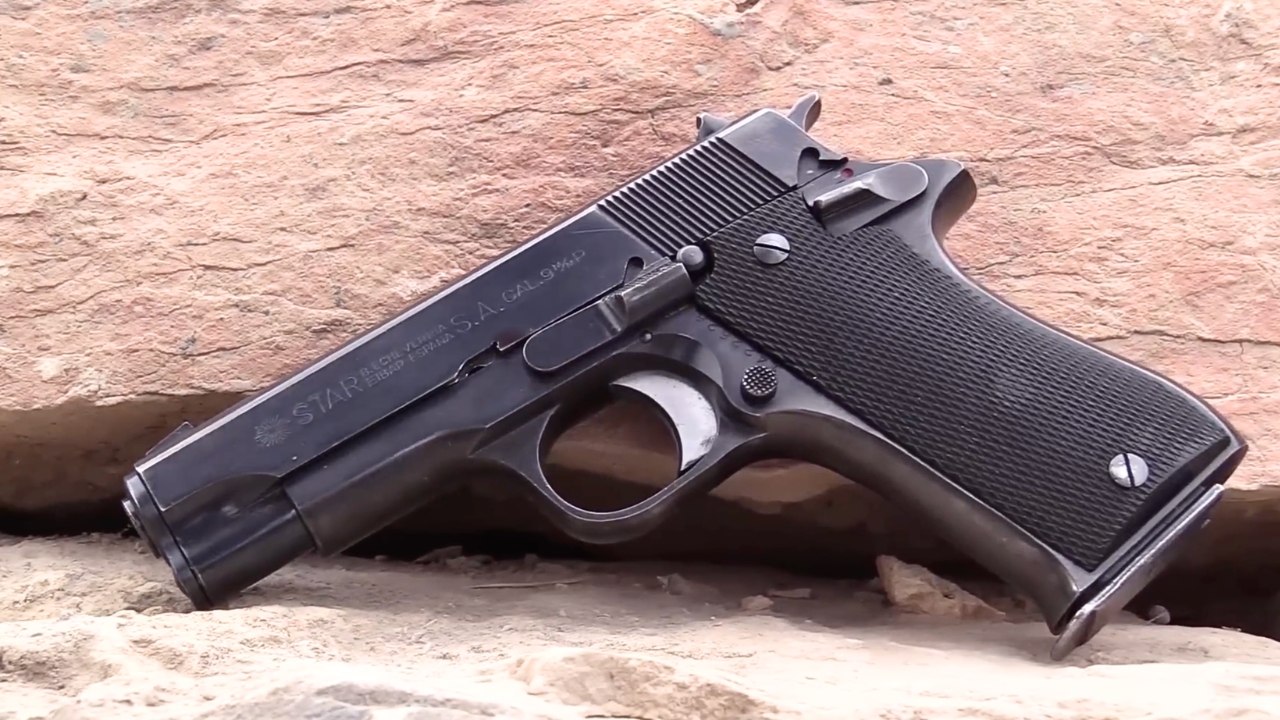
The Star BM built loyalty by being simpler and more honest than many people expected. It gave shooters a compact steel 9mm with familiar single-action feel and solid overall handling at a time when a lot of buyers wanted a practical carry or range pistol without paying premium money. It never had the strongest marketing story, and that may have helped it. Owners often found it through use rather than hype.
That sort of discovery can create strong attachment. The BM was not trying to redefine the handgun market. It was trying to be a useful pistol, and for a lot of people it did exactly that. A gun that shoots well, feels good in the hand, and keeps working tends to leave a stronger impression than one that sells itself on trend language. The BM earned loyalty because it kept expectations grounded and then usually beat them.
SIG Sauer P239

The P239 earned a loyal following because it made sense for shooters who valued control over fashion. It was slim enough to carry, substantial enough to shoot well, and built with the same dependable SIG feel that gave the company such a strong reputation in the first place. It did not chase high capacity or ultralight bragging points. Instead, it offered a compact pistol that felt composed and serious in the hand.
That choice helped it age better than people expected. Owners of P239s tend to appreciate that the pistol never tried to be more than it needed to be. It gave them a narrow, clean-carrying handgun that still felt like a service-grade tool instead of a tiny compromise. In a market obsessed with specs and novelty, the P239 built loyalty by being steady, comfortable, and easier to trust than to criticize.
Beretta PX4 Storm Compact
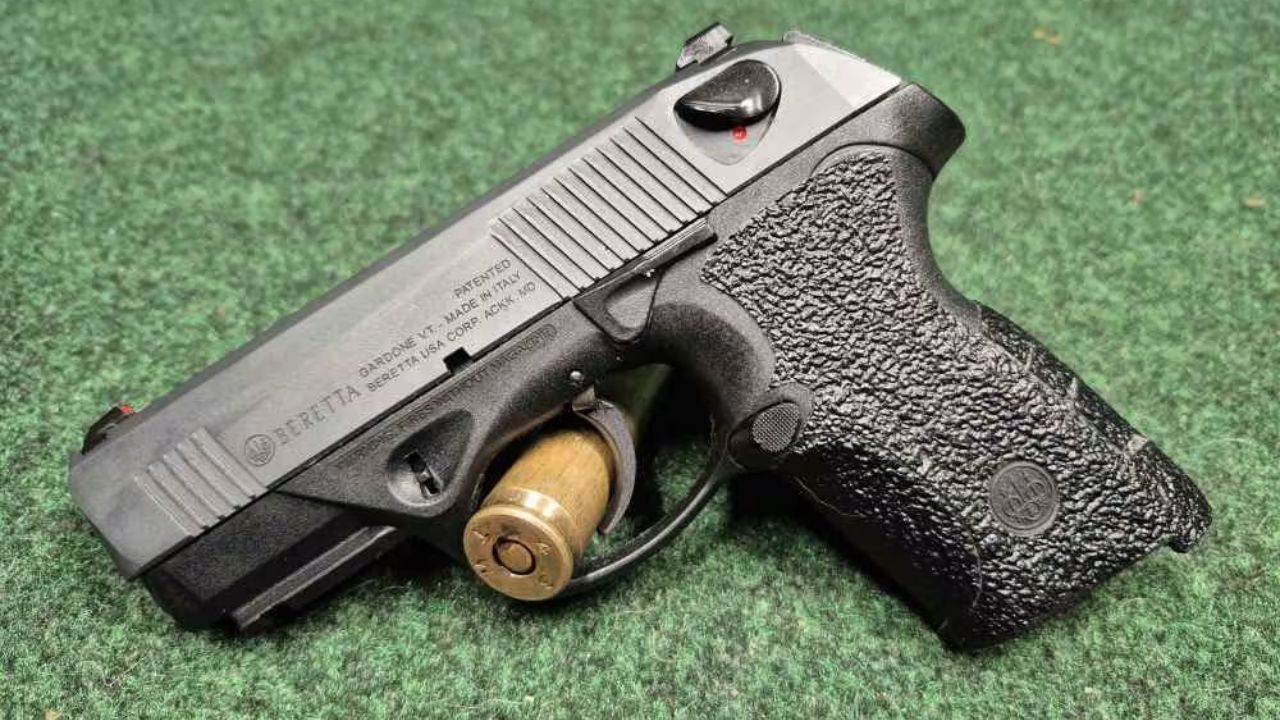
The PX4 Storm Compact never really fit the trend machine, which may be part of why its supporters stayed so loyal. It had a different look, a different operating feel, and a rotating barrel system that separated it from the usual polymer-pistol crowd. That could have made it a short-lived oddball. Instead, a lot of shooters found that it shot softly, handled well, and offered more real-world comfort than pistols that got louder praise.
That is usually how loyal followings form. A handgun does something well enough in actual use that the people who own it stop caring whether it is fashionable. The PX4 Storm Compact did not need to win a popularity contest. It needed to keep proving itself in the hand and on the range, and it did. Shooters who figured that out tended to stick with it because it earned confidence instead of demanding attention.
Springfield Armory EMP 9mm

The Springfield EMP 9mm earned its following by giving 1911 fans a carry-size pistol that felt purpose-built rather than merely chopped down. A lot of compact 1911-pattern pistols can feel like compromises stacked on compromises, but the EMP had a more intentional feel that won over shooters who wanted familiar ergonomics in a smaller, more carry-friendly package. It did not need trend energy because it already spoke clearly to the people it was built for.
That focus helped it build a following that lasted. Owners tended to appreciate that it offered good shootability, clean controls, and a more polished small-pistol experience than many guns trying to serve the same role. It was not the loudest carry gun on the market, and it did not need to be. It earned loyalty by making a specialized idea feel real and usable rather than just attractive on a sales tag.
Smith & Wesson 5906

The 5906 built a following by being one of those pistols people trusted once they saw what it could take. It was big, heavy, and all steel in a way that never pretended to be fashionable. But it also felt solid, controllable, and serious. For departments, armed professionals, and regular shooters who wanted a 9mm that felt like it could survive a hard life, the 5906 made a strong case without any need for flashy salesmanship.
That is why it still has so much respect behind it. The pistol did not need to chase whatever the market was shouting about because it had durability and shootability on its side. It rewarded people who valued steadiness over excitement. In a world where many handguns are sold with promises of being lighter, thinner, or faster, the 5906 earned loyalty by being a brick that actually shot well and kept doing its job.
Like The Avid Outdoorsman’s content? Subscribe to our newsletter so you never miss an article.
Here’s more from us: