Photo credit: TFB TV/Youtube
Every family has at least one handgun that shows up like a cast-iron skillet. It’s not the newest, it’s not the lightest, and it’s usually riding in a soft case that smells like Hoppe’s and old truck seats. Nobody gives a big speech about it. It just changes hands when a kid moves out, when Grandpa can’t rack a slide anymore, or when somebody needs “a real gun” for the nightstand and doesn’t have time to shop.
What gets me is how often these pass along with almost no explanation. Not because they’re mysterious, but because they’ve already been tested in the only ways that matter: they run, they’re simple, and they fit a regular working life. Here are 20 handguns that seem to live in families for decades, whether anyone spells out the reasons or not.
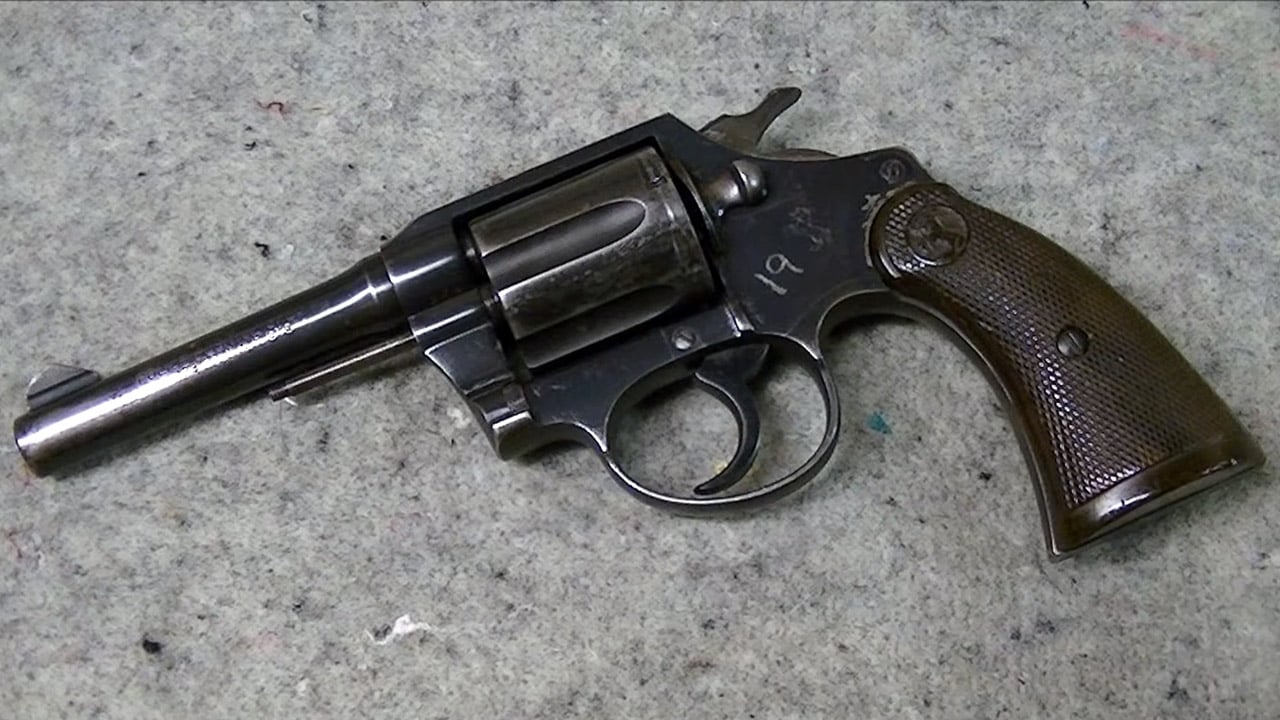
1. Colt Police Positive Special
314299 Shooting Channel/Youtube
This is one of those revolvers that gets dismissed as “an old .38” until you actually handle one. The double-action pull is usually smooth from honest use, and the gun points naturally. It’s not flashy, but it has that old Colt feel that modern production guns don’t really replicate.
These often came home with somebody who carried it for work or kept it in a tackle box for snakes and two-legged problems. When they get passed down, it’s usually because nobody wants to admit they don’t know what it’s worth. And the truth is, you don’t replace one easily without spending more than you planned.
2. Smith & Wesson Model 10
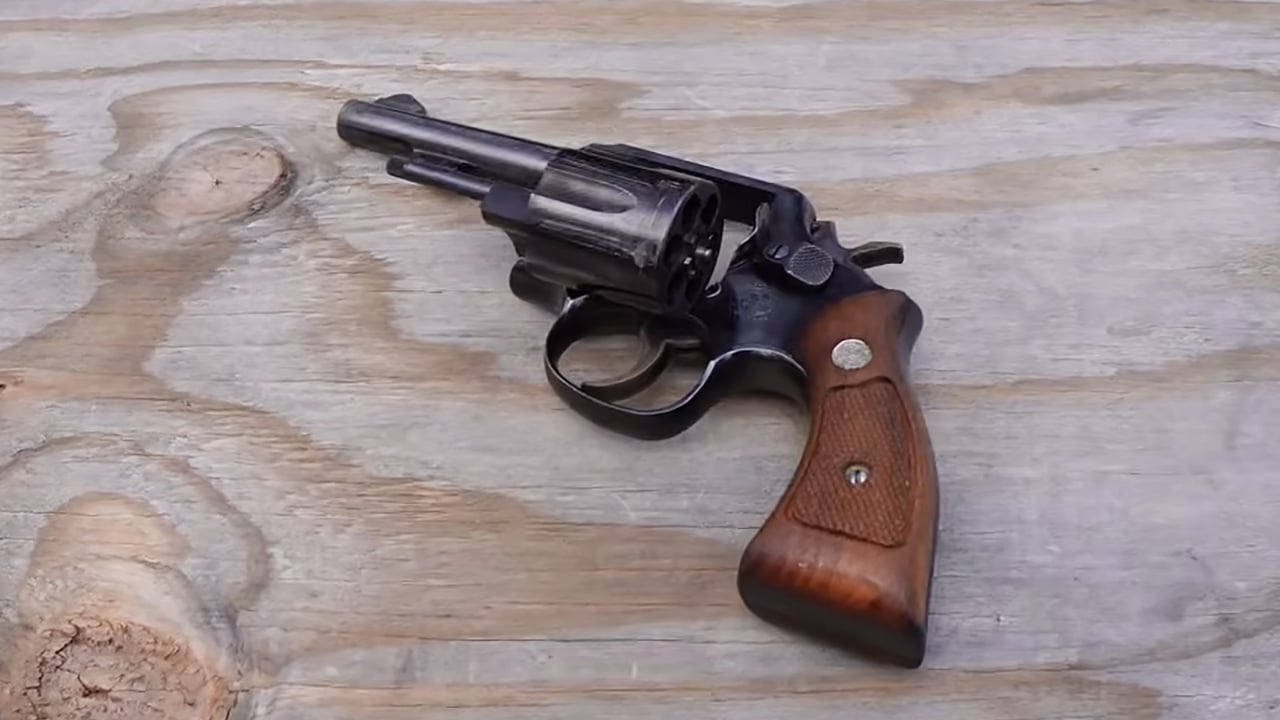
If there’s a “family revolver” in America, it might be a Model 10. They rode in duty holsters forever, then retired to dresser drawers and farm trucks. Fixed sights, K-frame balance, and a trigger that makes you look better than you are.
They also teach good habits. Six rounds, deliberate shooting, and not much tolerance for sloppy grip. When these get handed down, it’s usually because they’re still boringly dependable, even after a lifetime of being treated like a hammer.
3. Smith & Wesson Model 36 “Chief’s Special”
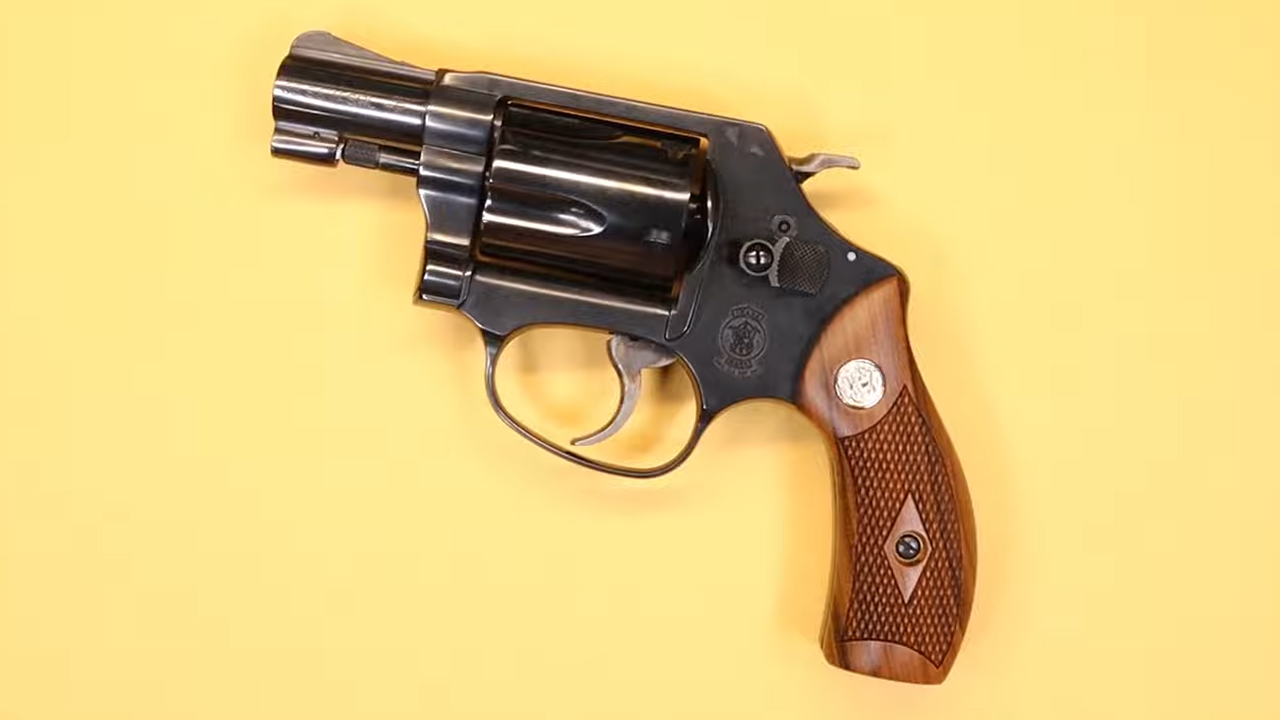
Somebody’s grandma carried one of these, and that’s not a joke. The little J-frame has probably spent more time in purses, coat pockets, and glove boxes than any micro-9 ever will. It’s not a range toy, but it’s a legitimate “always there” gun.
They keep getting passed along because they’re simple and they work, and because a good older Model 36 has a fit and finish that’s hard to find now. It’s also one of the few handguns that feels equally at home on a back porch or in a Sunday coat.
4. Ruger Security-Six
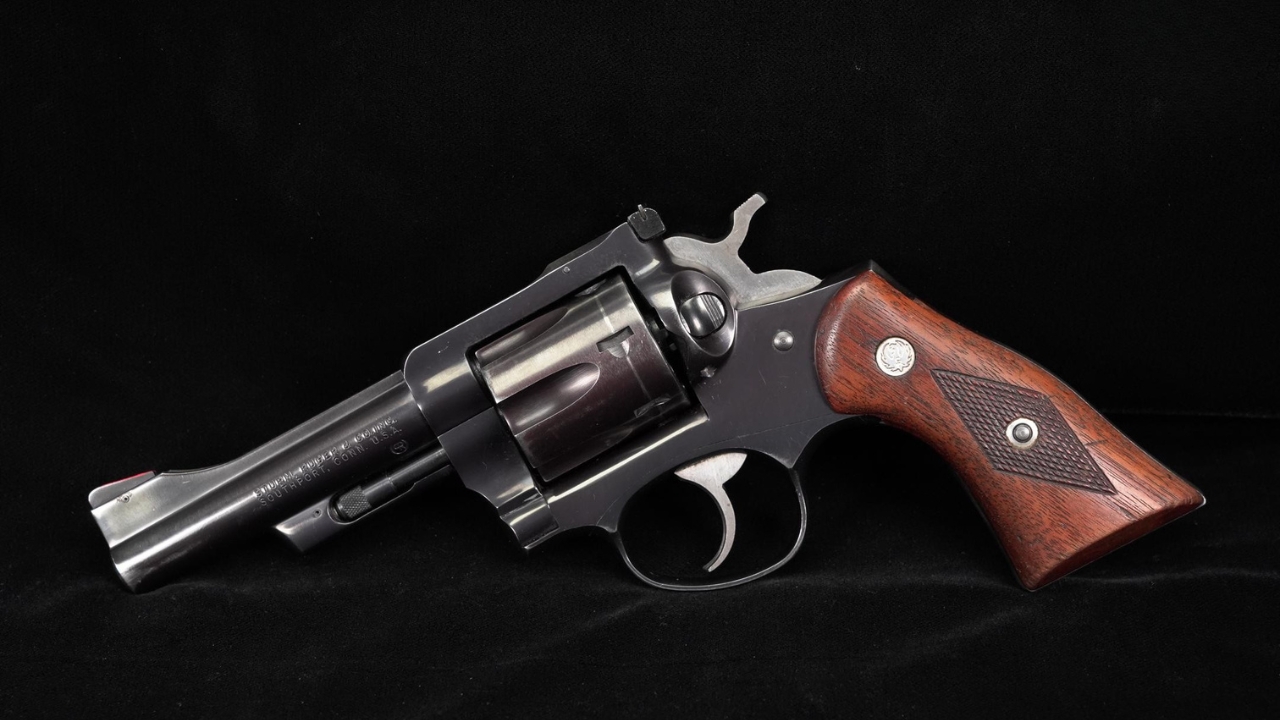
The Security-Six is what you get when a company designs a revolver for people who don’t baby things. Strong lockup, no-nonsense lines, and it’ll take real use without getting loose. Lots of them lived hard lives on ranches and in patrol cars.
When one lands in your lap from an older relative, it’s usually not because it’s collectible. It’s because they trusted it. And once you’ve put a few cylinders through one and realize it’ll eat whatever .357 or .38 you feed it, you start to understand why it never left the family.
5. Ruger SP101

There is nothing fancy about an SP101, and that is kind of the point. It’s stout, a little heavy for its size, and it handles magnum loads better than most small revolvers. It’s the one that gets carried when the woods feel a little too quiet.
It also lasts. Springs and grips are easy to find, and the gun doesn’t mind sweat, dust, or neglect as much as it should. A lot of folks buy one, try it, and then keep it forever because it becomes the reliable “go do chores” sidearm.
6. Colt Detective Special
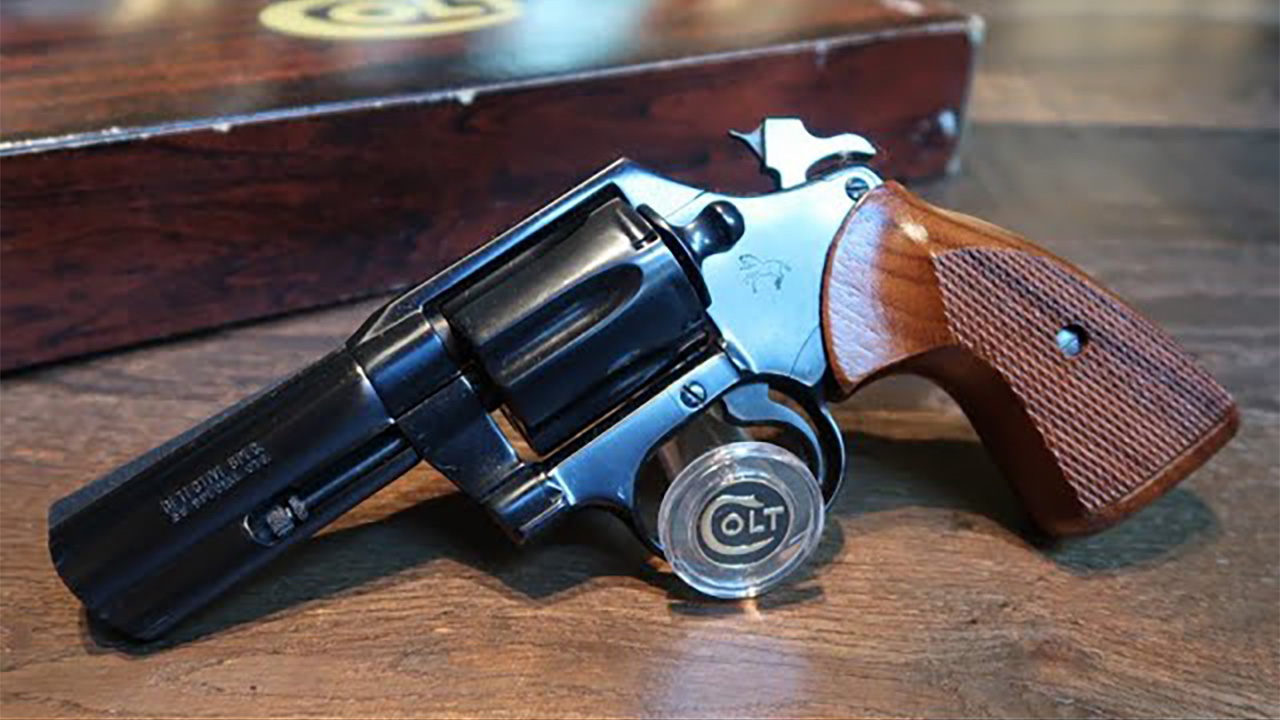
cter, and it has a feel you can’t fake. Six shots in a small frame was a big deal for a long time, and they still carry well in the right holster.
These often get passed down because the family knows it was “the one” somebody carried daily, even if they never said why. Parts and service can be more complicated than a modern gun, so the smart move is to treat it right and shoot it enough to stay familiar, not enough to wear it out.
7. Smith & Wesson Model 19

The Model 19 is one of those revolvers that makes people fall in love with revolvers. It’s lighter and handier than the big frames, it carries well, and it just feels right. The classic blued ones especially have that look that stops you from rushing a cleaning job.
It’s not the best choice for a steady diet of the hottest magnum loads, but most families didn’t use it that way. They shot .38s, carried .357s, and kept it close. That pattern is exactly why so many are still tight and accurate decades later.
8. Smith & Wesson Model 27
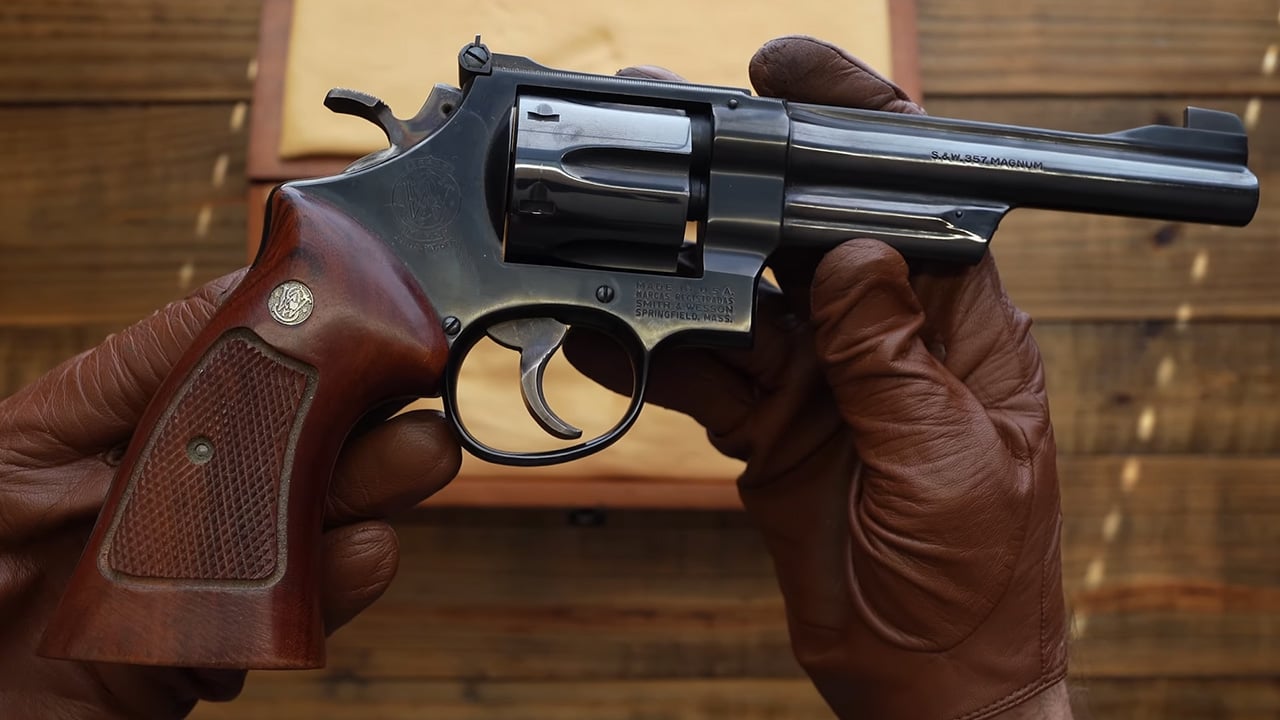
The Model 27 is the “nice revolver” that still gets used. Big N-frame, deep blue finish on older guns, and a weight that makes full-power .357 feel almost polite. It’s not what you strap on for a jog, but it’s a serious handgun.
These get handed down because they were expensive for their day, and the owner knew it. They tended to get cared for. If you inherit one, you’re holding a gun that can outlast you, and you should store it like it matters.
9. Browning Hi-Power
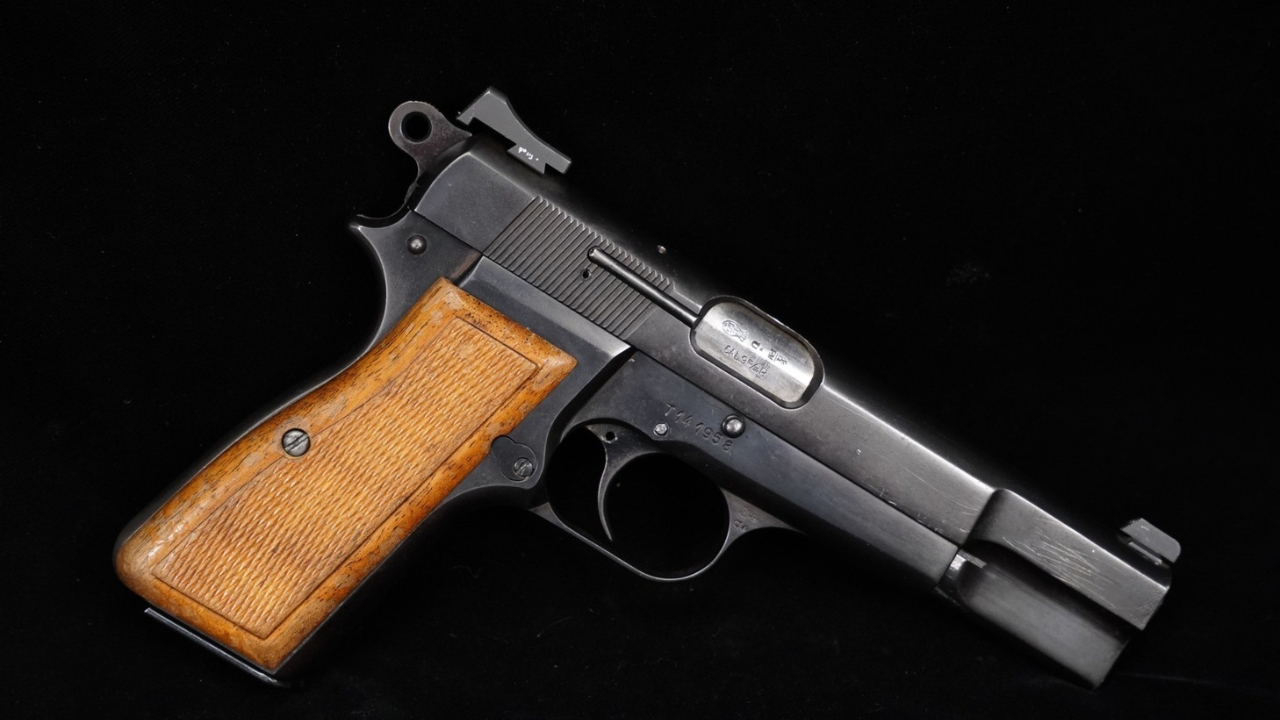
The Hi-Power has a way of turning a casual shooter into somebody who “gets it.” Slim grip, points naturally, and it balances like a good bird gun. Even folks who don’t know the history can feel that it was designed by people who understood hands.
They keep circulating through families because they’re classic without being fragile. Magazines are still around, parts exist, and they shoot 9mm like they were born to. The downside is you can get used to that feel and then everything else seems chunky.
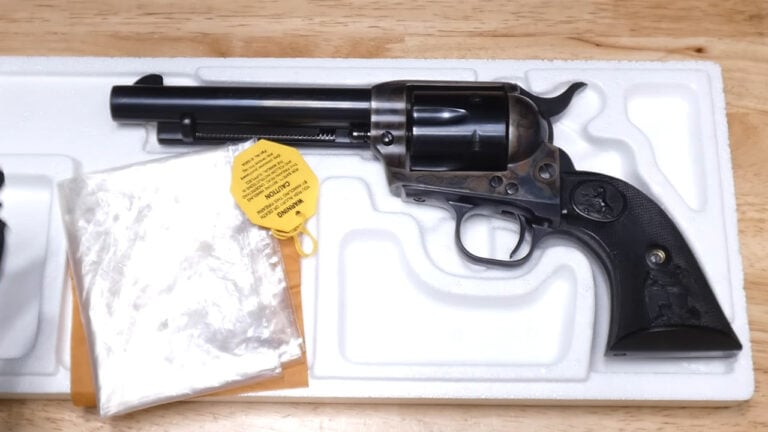
10. Colt 1911 Government Model

Some families have a plain Colt Government Model that has been “the pistol” for 50 years. Maybe it came back from service, maybe it was bought with overtime pay, maybe it sat in a dresser through three house moves. Either way, it tends to stick.
The 1911 can be a money pit if you chase tweaks, but a solid, mostly stock Colt tends to just run if you feed it good mags and don’t get cute. It gets passed down because it still feels like a serious sidearm, and because folks remember when buying one meant you were committing.
11. Springfield Armory 1911 Mil-Spec
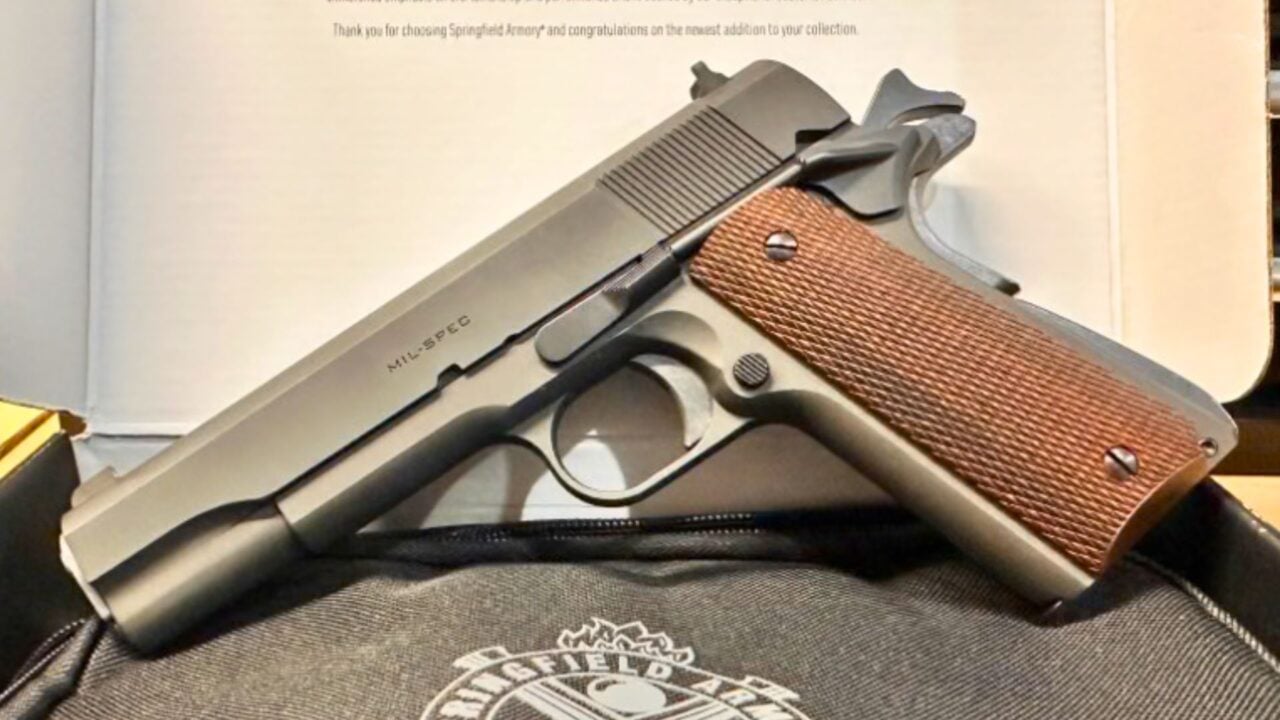
This is the more common “working man’s 1911” that ends up becoming the family loaner. Not a custom gun, not a safe queen, just a straightforward .45 that will put holes where you point it. It’s also one of the 1911s that tends to stay closer to the original recipe.
They get handed down because they’re understandable. No weird controls, no oddball parts, and plenty of support if something breaks. It’s the kind of pistol that makes sense to the next generation even if they’re more used to striker-fired guns.
12. Remington Rand M1911A1

If you’ve ever opened a case and found a WWII-era 1911A1 with honest wear, you know the feeling. It’s not about perfection. It’s about history you can hold. A lot of these were brought home, put away, and only shot on special occasions.
They get passed down quietly because families are protective of them, even if they don’t talk about why. If you end up with one, don’t make it your high-round-count range gun. Keep it maintained, document what you know about it, and let it remain what it is.
13. Beretta 92FS

The Beretta 92FS is big, sure, but it’s an easy gun to shoot well. Soft recoil, long sight radius, and it runs dirty. A lot of veterans and longtime shooters trust it because they’ve seen it work when conditions weren’t perfect.
It also doesn’t scare off new shooters the way some compact pistols do. Hand someone a 92 with decent ammo and they usually smile after the first magazine. That’s one reason these stay in families: they’re a confidence builder that’s also a legitimate defensive pistol.
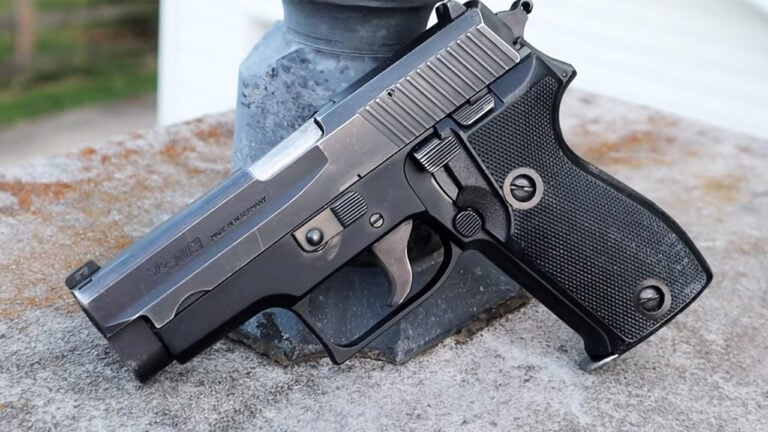
14. SIG Sauer P226
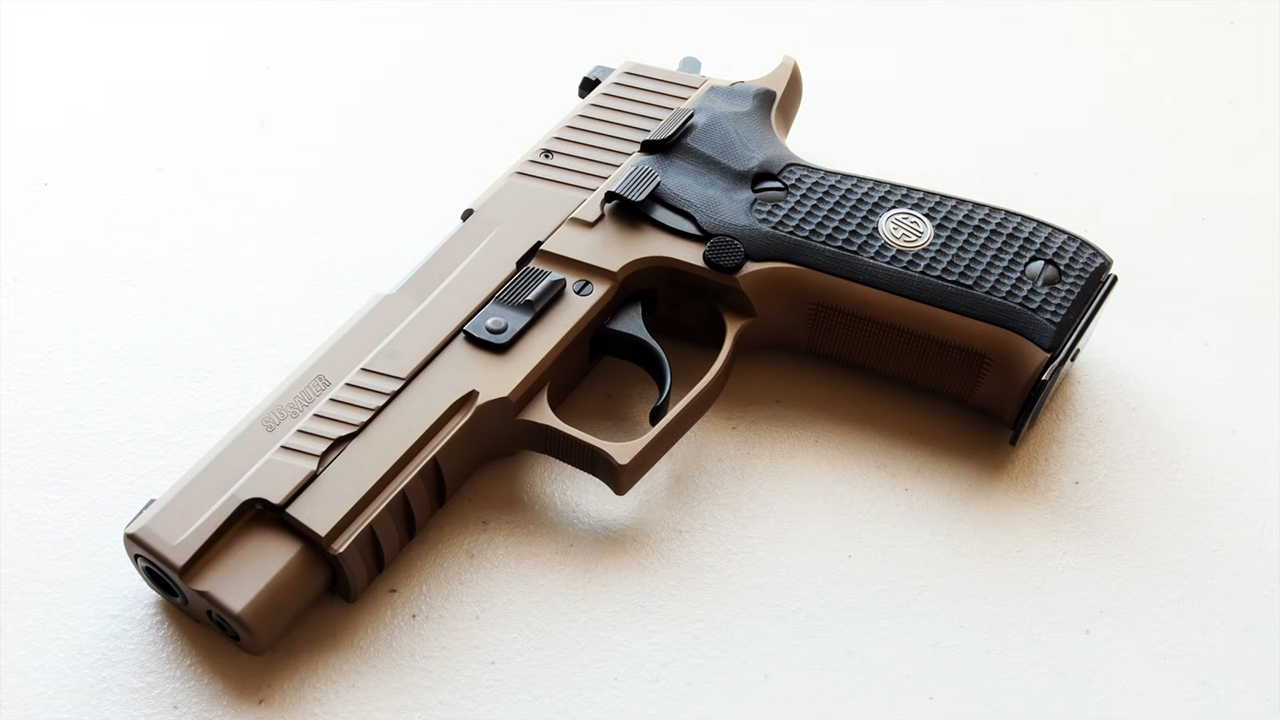
The P226 is what happens when you want a duty pistol that feels like a serious tool. It’s not small, it’s not cheap, and it’s not trendy. But it’s accurate, it’s durable, and it has that tight slide-to-frame feel that makes you slow down and shoot correctly.
These get passed along when somebody realizes the kids might not appreciate it now, but they will later. Mags and holsters are easy enough to find, and a well-kept P226 can run for a long time. It’s the kind of gun that makes you stop window-shopping.
15. CZ 75B
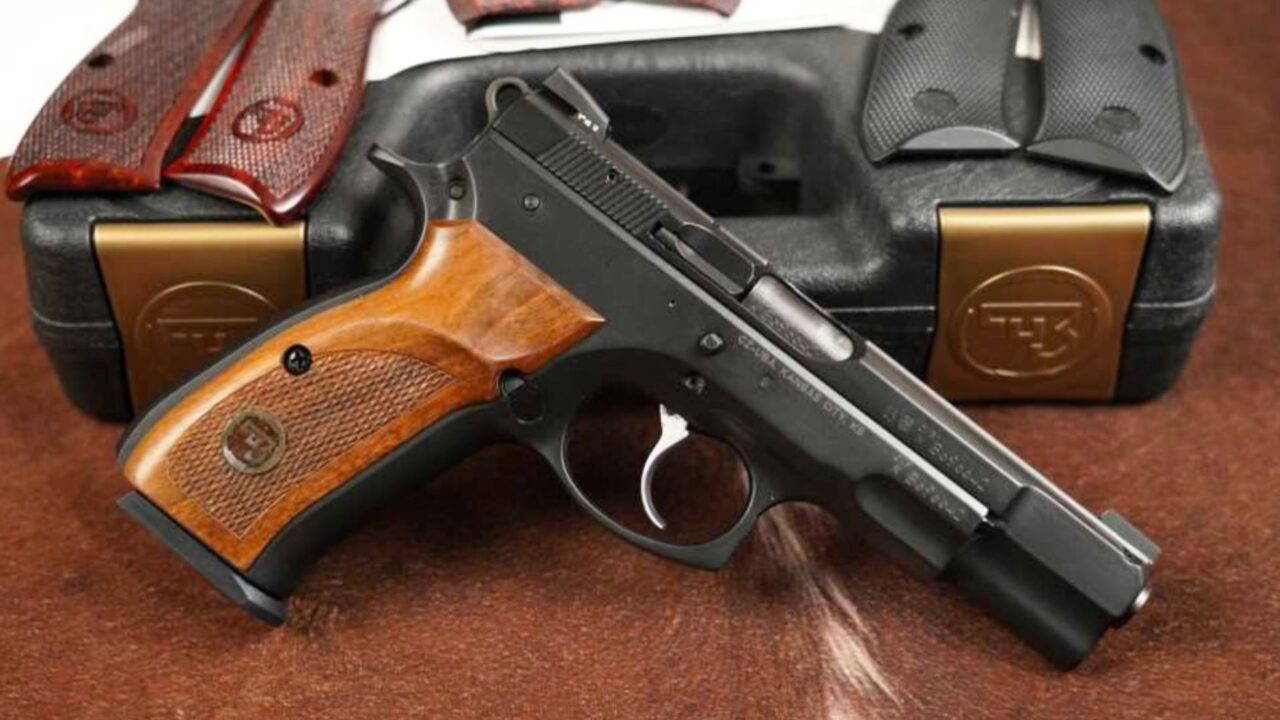
The CZ 75 is one of those pistols that owners talk about like it’s a secret. Steel frame, great ergonomics, and it shoots flat. If you’ve got medium hands, it feels like it was molded for you.
When these get passed down, it’s usually because the owner never found a reason to replace it. They didn’t buy it to impress anybody. They bought it, it shot well, and it stayed. Ask me how I know.
16. Glock 17 (Gen 2 or Gen 3)
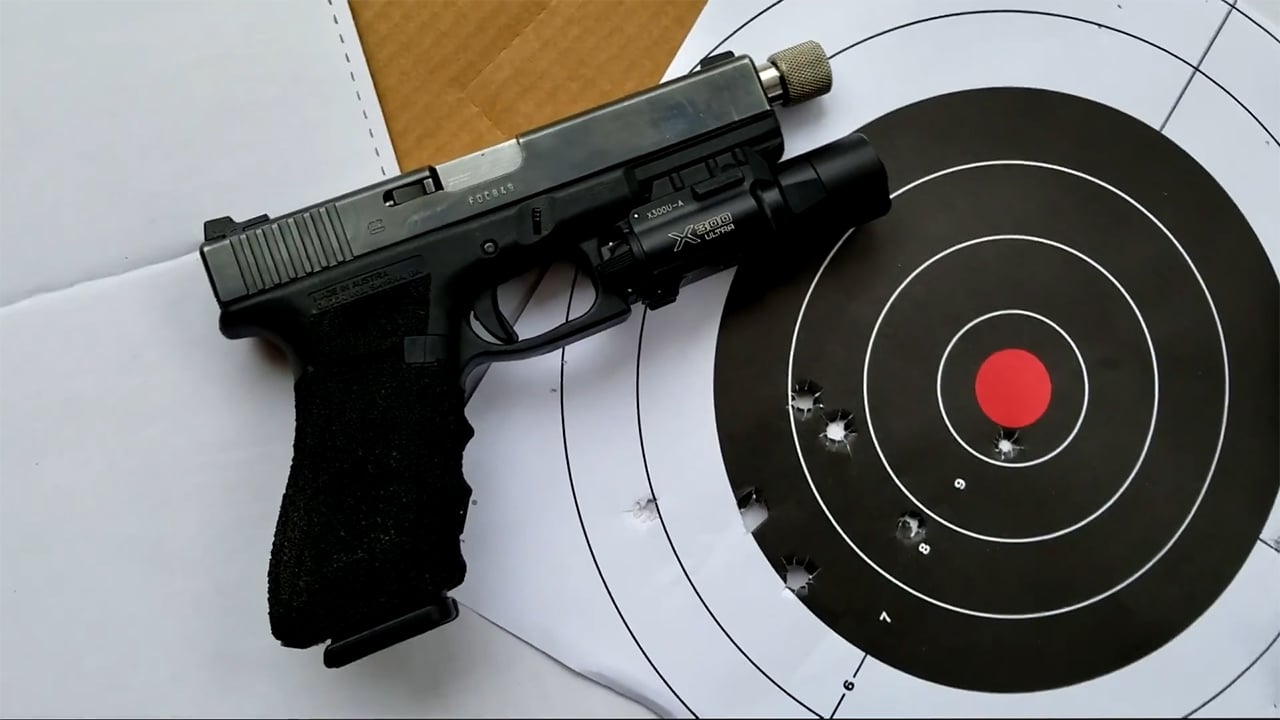
The older Glock 17s aren’t romantic, but they are family hand-me-downs now, whether anyone likes it or not. They were bought for home defense, duty use, and “just in case,” and then they sat. Years later, somebody inherits a plastic box and a pistol that still runs.
Parts are everywhere, magazines are cheap compared to most platforms, and they’re dead simple to maintain. The reason they keep getting passed along is because nobody can justify getting rid of something that works every time, even if it’s about as charming as a claw hammer.
17. Glock 19
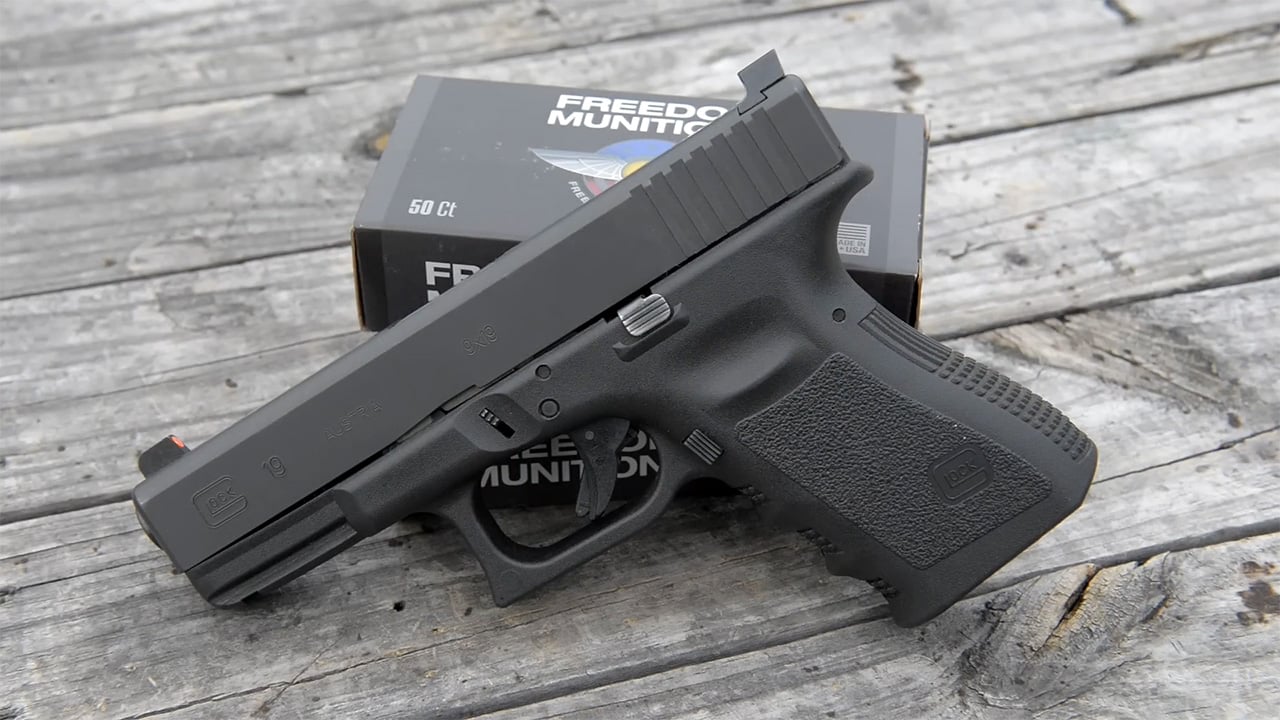
The Glock 19 might be the most “useful” handgun on this whole list, which also makes it one of the least exciting. It carries easier than a full-size gun, shoots better than a lot of subcompacts, and it lives in that sweet spot where it can do almost everything reasonably well.
These get handed down when somebody upgrades to the latest version and realizes the old one is still too good to sell. It becomes a kid’s first pistol class gun, the cabin gun, the truck gun (secured properly), or the backup for when something else breaks.
18. Ruger Mark II
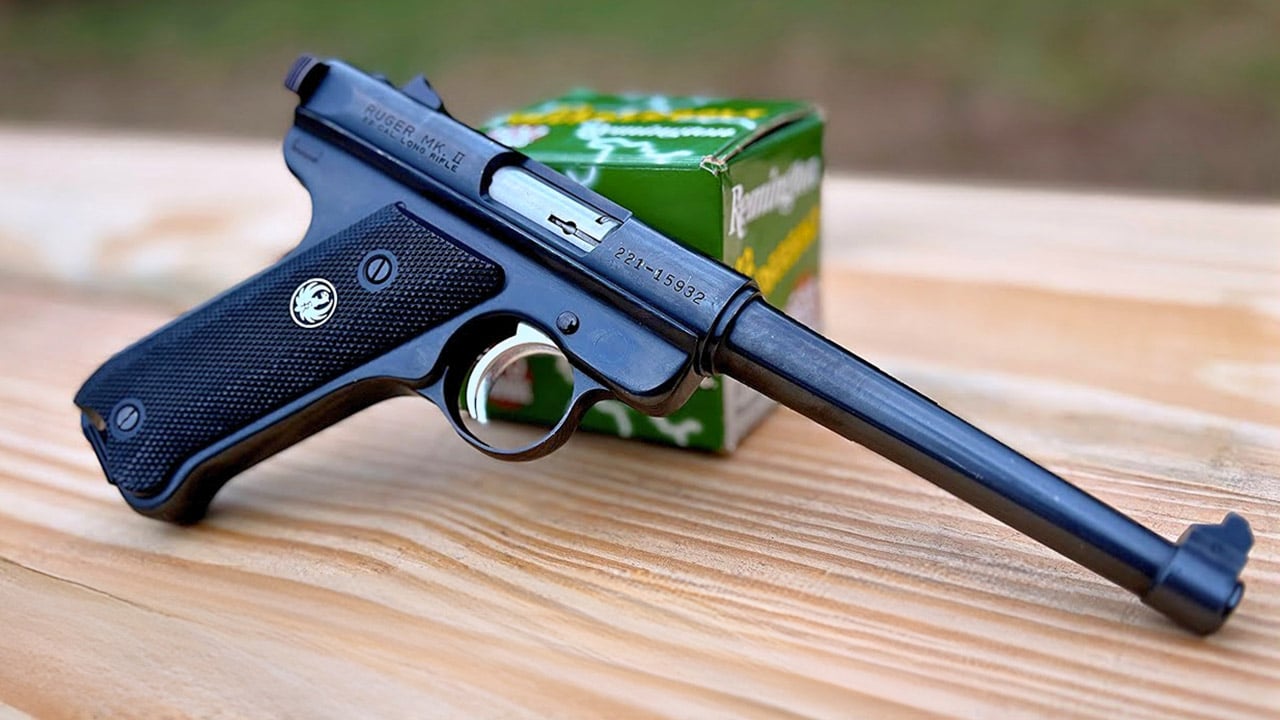
If you grew up shooting, there’s a decent chance you learned on a Ruger .22 pistol, and the Mark II is a big reason why. They’re accurate, they’re reliable with good ammo, and they’ll take more rounds than most people can afford right now.
Yes, takedown can be a headache until you learn it. Still, they get passed down because they’re the kind of gun families actually shoot together. It’s the “go to the pond and plink” pistol that quietly creates the next generation of safe, competent gun owners.
19. Smith & Wesson Model 41
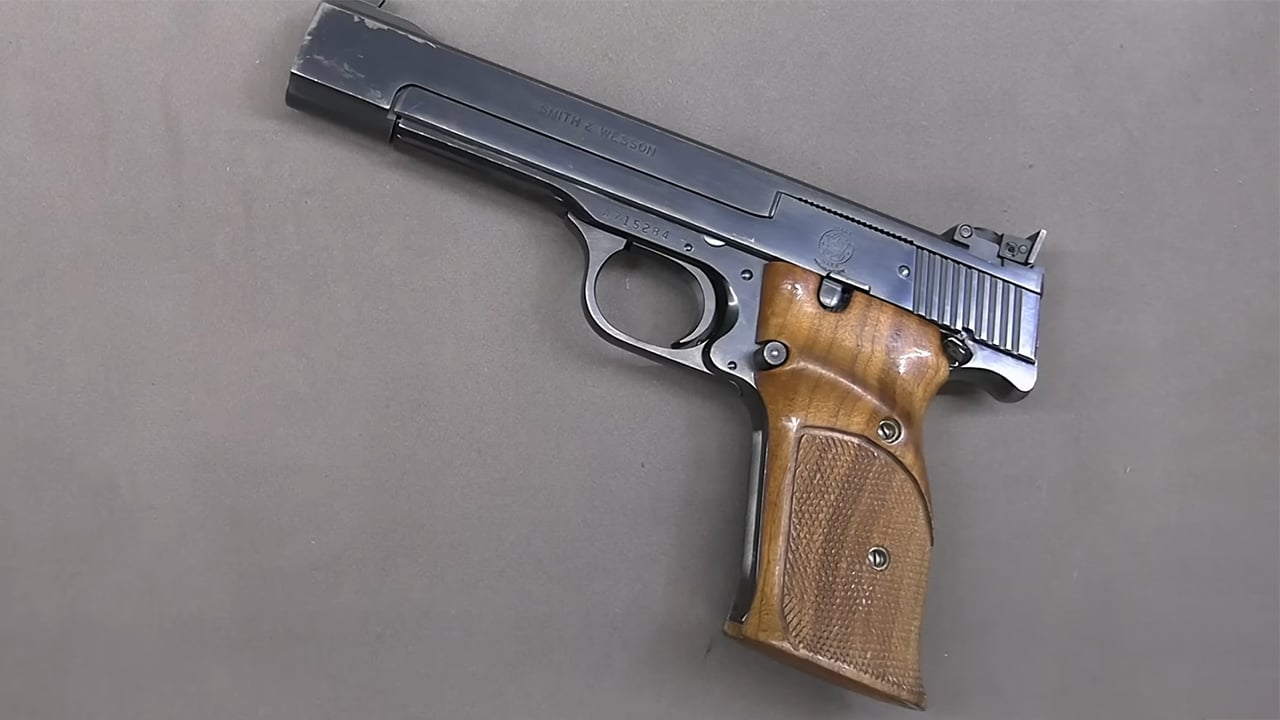
The Model 41 is the .22 that makes you realize you’ve been blaming your misses on the gun for years. It’s a target pistol with a crisp trigger and accuracy that feels unfair. Even non-collectors respect it once they’ve spent an afternoon chasing the X-ring.
These pass down because the original owner usually treasured it, even if they didn’t talk about it. It’s not the one that rides in a tackle box, but it’s the one that comes out when somebody wants to teach a kid what “good shooting” feels like.
20. Harrington & Richardson Model 999 Sportsman
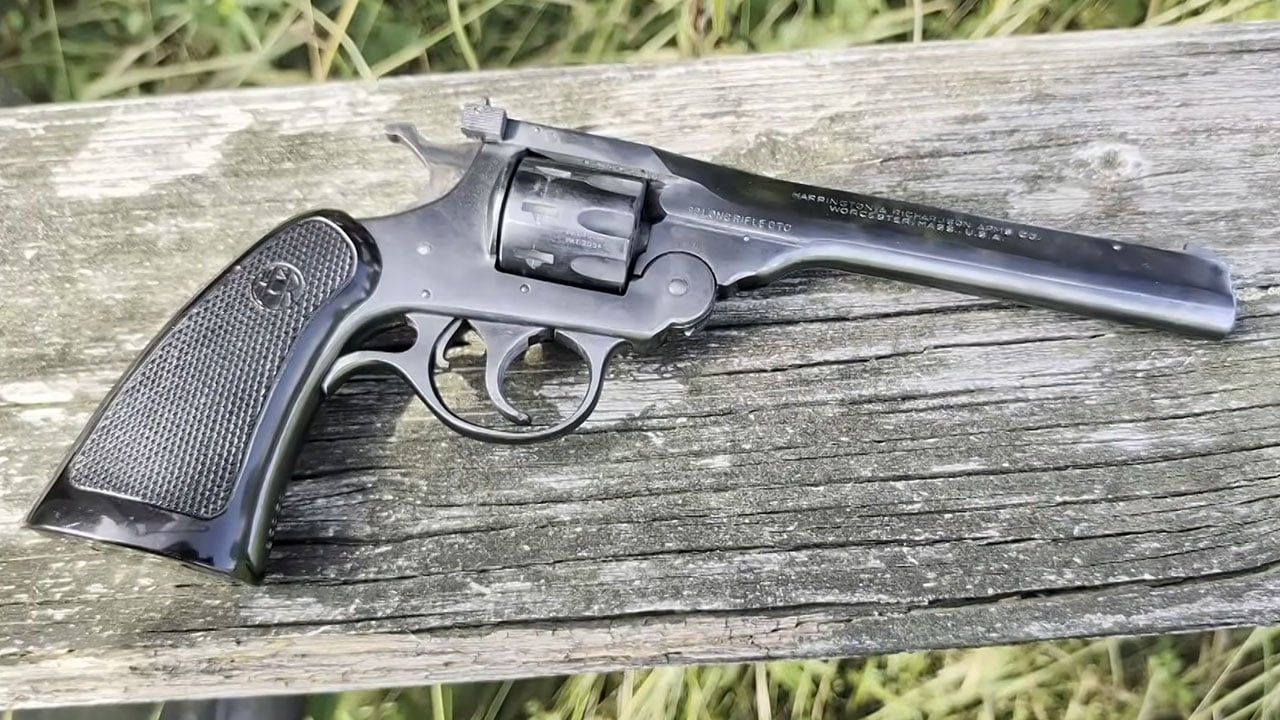
The old H&R 999 is the kind of .22 revolver you find wrapped in an oily rag in the back of a safe. Nine shots, top-break action, and a trigger that can be surprisingly decent. It’s not a modern defensive gun, but it’s a woods companion and a camp plinker.
These keep getting handed down because they’re tied to real memories: rabbits behind the barn, tin cans on a stump, or a first handgun lesson on the tailgate. They’re also tougher than they look. Treat it with respect, keep it clean, and it’ll keep doing its job.
If you notice a theme here, it’s not “rare” or “fancy.” It’s familiar. These are the handguns that lived normal lives and still worked when somebody needed them to. If you end up with one of them, do the next person a favor: write down what you know about it, store it safely, and take the time to learn it the right way. That’s usually the part nobody explains, even though it’s exactly why they last long enough to be handed down again.
Like The Avid Outdoorsman’s content? Subscribe to our newsletter so you never miss an article.
Here’s more from us: