
Photo credit: Desert Dog Outdoors/YouTube
Every few years, hunters get told the same story in a slightly different package. A new round shows up with cleaner branding, better marketing photos, and a lot of confident talk about efficiency, precision, or “next generation” performance. For a while, it works. People buy in, old standbys get called outdated, and the old heavy hitters start sounding like yesterday’s answer.
Then hunting season starts, bigger game gets tougher, angles get worse, and real field results start cutting through the noise. That is usually when some of the older, harder-hitting calibers remind everyone why they never really left. These are the hunting rounds that still make a lot of modern favorites look a little soft once the conversation shifts from hype to blood, bone, and bad conditions.
.30-06 Springfield

The .30-06 keeps making modern favorites look soft because it still hits the sweet spot between versatility and authority. Hunters can load it light enough for whitetails or step up into bullet weights that still make a lot of newer “do-it-all” rounds look like they are trying too hard to prove they belong. It does not need a lot of defending because it never stopped working.
That is why it keeps surviving every trend cycle. A lot of modern cartridges promise efficiency. The .30-06 promises results, and it has enough bullet weight range to stay useful on everything from deer to elk and moose. When a hunter wants one rifle that still feels serious without stepping into full magnum punishment, this old round keeps reminding people how much backbone it still has.
.300 Winchester Magnum

The .300 Win. Mag. makes plenty of modern favorites look soft because it was never built around feeling gentle. It was built around reach, authority, and enough downrange energy to stay convincing when the animal is big and the conditions are less than perfect. A lot of newer rounds try to imitate parts of what it does without paying the same recoil price.
That is exactly why it still carries so much respect. Hunters who need real elk, moose, or western-hunt capability keep coming back to it because it still solves hard problems in a way softer rounds do not. Yes, it kicks. Yes, it is louder than some of the new darlings. But that is part of the point. The .300 Win. Mag. was never supposed to feel polite.
7mm Remington Magnum

The 7mm Rem. Mag. still makes newer favorites look soft because it combines reach with enough real hunting authority to stop a lot of the “modern efficiency” talk cold. Hunters can chase flatter-shooting new cartridges all they want, but the 7mm has been dropping game cleanly at meaningful distances for decades without needing to be rediscovered every five minutes.
It also has the advantage of feeling proven instead of theoretical. Plenty of newer rounds get praised before they have even built much field history. The 7mm Rem. Mag. already did the work. It remains one of those calibers that feels genuinely serious when the hunt gets bigger, farther, or less forgiving than the brochure promised.
.338 Winchester Magnum
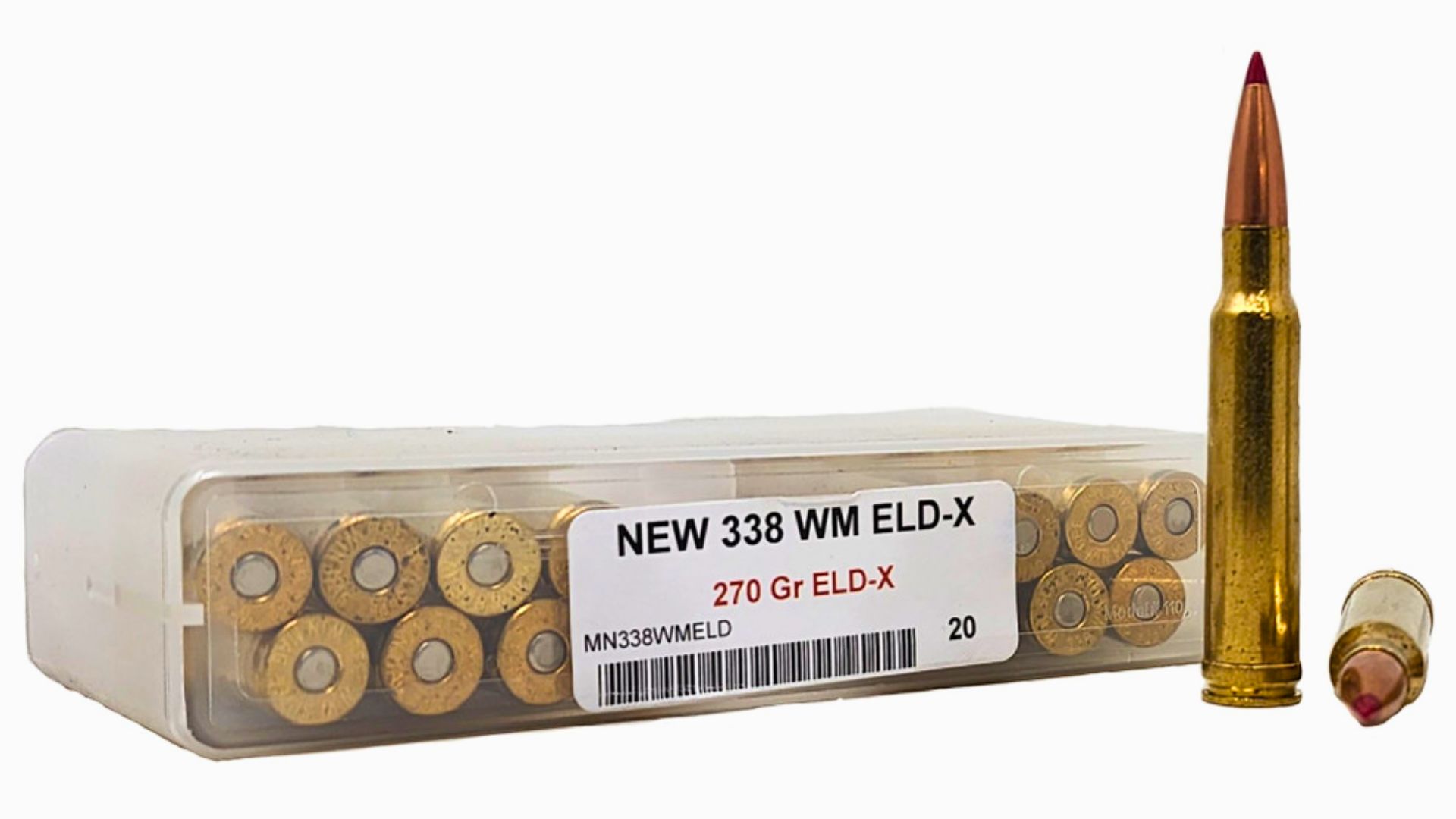
The .338 Win. Mag. makes soft cartridges look exactly like what they are. It was built for hunters who did not want to wonder whether they had enough rifle when the animal was large, the angle was ugly, or the country was rough. It carries the kind of authority that turns a lot of modern “all-around” favorites into rounds that suddenly sound a lot more delicate.
This is not a caliber for casual bragging rights. It is a caliber for hunters who understand there are situations where power matters more than comfort. Elk, moose, and big bears tend to make that point quickly. The .338 Win. Mag. is not subtle, and that is exactly why it keeps earning respect from people who have actually needed something with real weight behind it.
.35 Whelen

The .35 Whelen makes many trendy hunting rounds look soft because it does not rely on speed to feel serious. It relies on bullet weight and plain old impact. Hunters who know what it does in timber, on elk, or on bigger-bodied game tend to speak about it with the sort of respect that lighter, faster cartridges often do not get until they have already let someone down.
That is part of its appeal. It feels like a rifleman’s answer, not a marketing team’s answer. It does not win with flashy numbers on a store card. It wins because it carries enough bullet and enough authority to make animals react like they have actually been hit by a hunting round instead of a ballistic theory experiment.
.45-70 Government
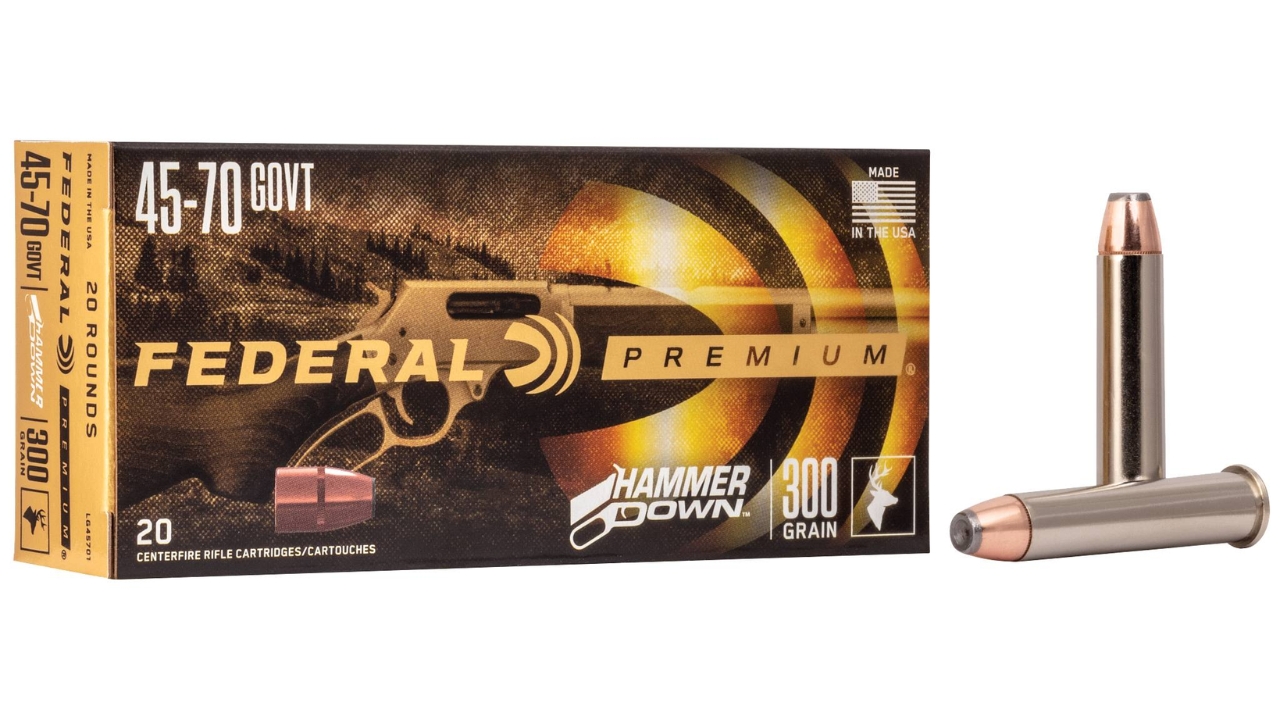
The .45-70 still makes modern favorites look soft because it does not pretend to be elegant. It is a hammer. In the right rifle and the right terrain, it offers the kind of heavy, close-range authority that reminds hunters not every effective caliber needs to be sleek, fast, and overexplained. Some just need to hit hard and keep doing it.
That is why it keeps coming back around. In thick cover, on bigger game, or in places where straight-line authority matters more than high-speed trajectory talk, the .45-70 still feels very convincing. A lot of modern favorites sound great on paper. The .45-70 sounds great when the brush is thick and the shot window is short.
.375 H&H Magnum

The .375 H&H makes softer modern favorites look exactly like modern favorites, efficient, polished, and a little too comfortable. This round never had comfort as the mission. It was built to be dependable, effective, and serious across a wide spread of heavy-game work. That kind of reputation does not come from ad copy. It comes from a lot of real animals in a lot of rough places.
Even now, it still carries the kind of authority that changes the tone of the room. A lot of modern cartridges feel like optimized solutions. The .375 feels like commitment. Hunters who have spent time around truly heavy game understand why that still matters, and why this old magnum keeps making gentler favorites sound like recreational equipment by comparison.
.264 Winchester Magnum

The .264 Win. Mag. still has a way of making modern 6.5 favorites look a little tame. For all the talk around newer 6.5 cartridges, the old Winchester magnum did fast 6.5 performance long before the current wave turned it into a fashion category. It had speed, reach, and enough authority to keep serious hunters interested even when the market wandered off.
That is why it still deserves respect. It reminds people that a lot of modern cartridge excitement is just repackaged admiration for things older rounds were already doing with more aggression. The .264 Win. Mag. may not be the easiest round to live with, but it was never built for people who wanted easy.
.300 Weatherby Magnum
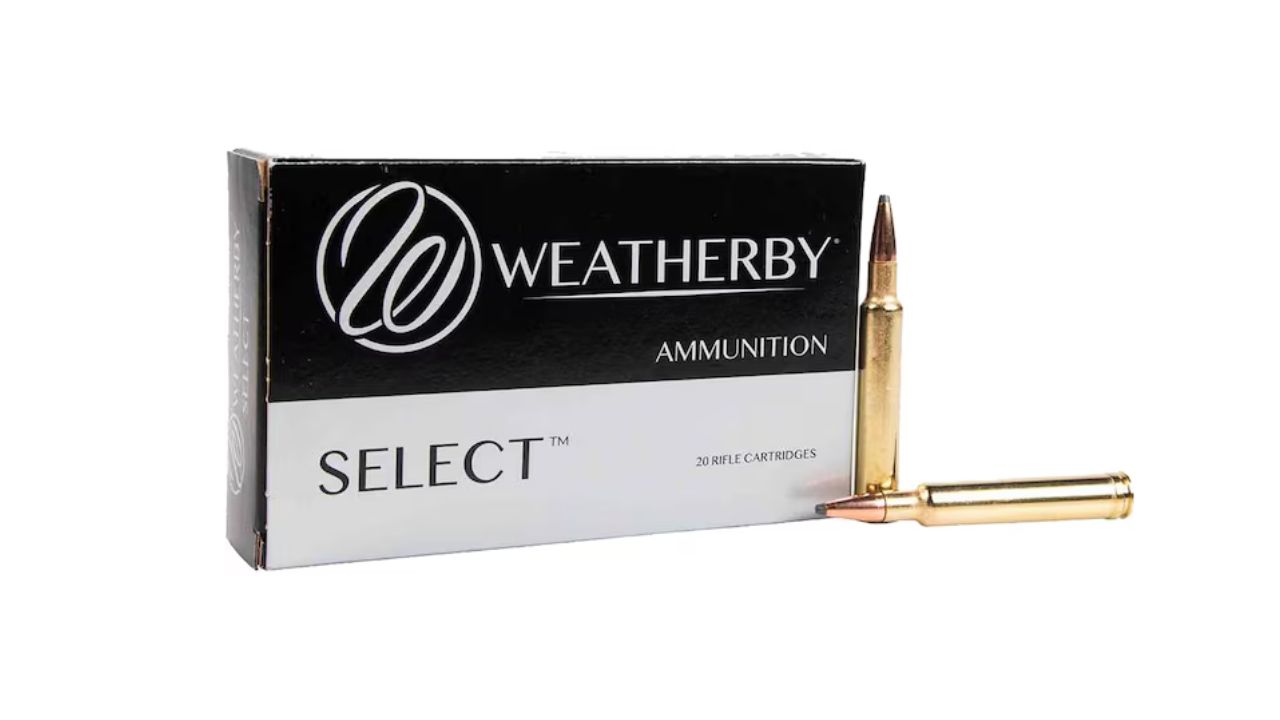
The .300 Weatherby Magnum makes a lot of modern favorites look soft because it feels like a magnum from a time when magnums were supposed to act like magnums. It is fast, forceful, and not particularly interested in making the shooter feel coddled. That is part of its appeal to hunters who still believe serious hunting rifles ought to have some real authority behind them.
It also has a long field record that keeps it from being dismissed as pure style. Yes, the Weatherby name carries flash, but the cartridge itself still delivers the kind of performance that makes newer “performance hunting” rounds sound more polite than powerful. There is a reason hunters still respect it when things get bigger and farther.
.280 Ackley Improved

The .280 Ackley Improved makes a lot of modern favorites look soft because it manages to feel refined without feeling weak. It is not a sledgehammer like some of the big magnums, but it still offers enough bullet, enough speed, and enough practical authority that many of the current “mild recoil, high-efficiency” favorites start sounding like they were built for shooters who are a little too worried about comfort.
That is what makes it so effective in this conversation. It is not merely trendy. It is actually useful. Hunters who want something with long-range legs and enough seriousness for elk-sized work often find that the .280 AI gives them a lot more backbone than softer modern cartridges that got famous mostly because they are easier to sell to nervous buyers.
.338-06 A-Square

The .338-06 is one of those cartridges that makes people wonder why the market always gets so distracted by the latest thing. It carries more bullet weight and more practical authority than many modern all-around favorites, but it does it without needing to become a full magnum. That gives it a kind of controlled seriousness that hunters often appreciate more after they have already tried the flashier options.
It makes softer cartridges look soft because it is not trying to win on image. It is trying to work. A heavy bullet in a sensible package has always been a convincing hunting formula, and the .338-06 still shows that plainly. It is the sort of caliber that reminds people there is a big difference between “pleasant” and “impressive.”
.358 Winchester

The .358 Winchester makes a lot of modern favorites look like range cartridges wearing hunting clothes. It carries real bullet weight and real thump in a short-action package that never needed marketing polish to make sense. In timber, on hogs, black bear, elk, and bigger-bodied game at sane distances, it still has a way of looking much more serious than the softer rounds people keep trying to convince themselves are enough for everything.
That is what gives it staying power. It is not trying to be trendy. It is not trying to be universal. It is simply very good at being a hard-hitting hunting round in the sort of country where hard-hitting still matters. Hunters who understand that usually respect the .358 for exactly what it is.
.270 Weatherby Magnum

The .270 Weatherby Magnum makes softer favorites look timid because it takes the familiar .270 idea and gives it a lot more speed and reach than the standard version ever promised. It is one of those cartridges that reminds hunters there is a difference between a round being “efficient” and a round being flat, forceful, and impressively capable in open country.
That is why it keeps standing apart. A lot of modern cartridges get praised for threading the needle. The .270 Weatherby was never built to thread the needle. It was built to get there fast and hit hard enough that the whole “do you really need that much cartridge?” conversation starts sounding like it was written by people who do not hunt very far from the truck.
.35 Remington

The .35 Remington makes modern favorites look soft because it does not care about velocity worship. It cares about putting a heavier bullet through deer and black bear at the sort of distances many real hunters still shoot. That old-school approach tends to sound unsophisticated until the leaves are thick, the shot is close, and the rifle in hand still needs to feel decisive.
That is where the .35 Remington keeps making sense. It feels like a woods round, not a catalog round. It has enough substance to remind hunters that not every effective caliber has to sound sleek or modern. Some still earn respect the old-fashioned way, by hitting like they mean it.
.416 Remington Magnum
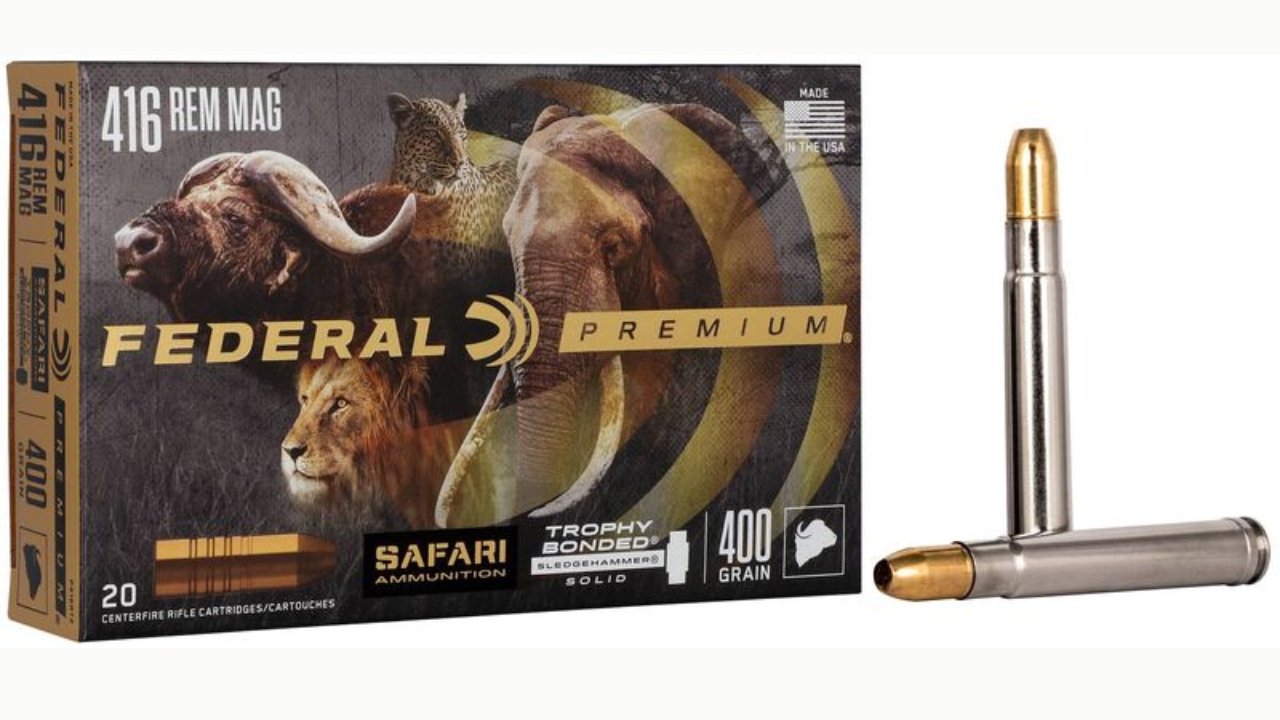
The .416 Remington Magnum makes almost everything else on this list look civilized. It was never meant for people who wanted a gentle push and a flattering range session. It was built for dangerous game and the kind of hunting where soft is not a virtue. That reality alone puts a lot of modern favorites in perspective.
Even in conversations where most hunters will never truly need this much caliber, it still serves a purpose. It reminds people what a serious hunting cartridge really looks like when the job is not comfort, efficiency, or current popularity. It is authority without apology, and that is why it belongs here.
Like The Avid Outdoorsman’s content? Subscribe to our newsletter so you never miss an article.
Here’s more from us: