
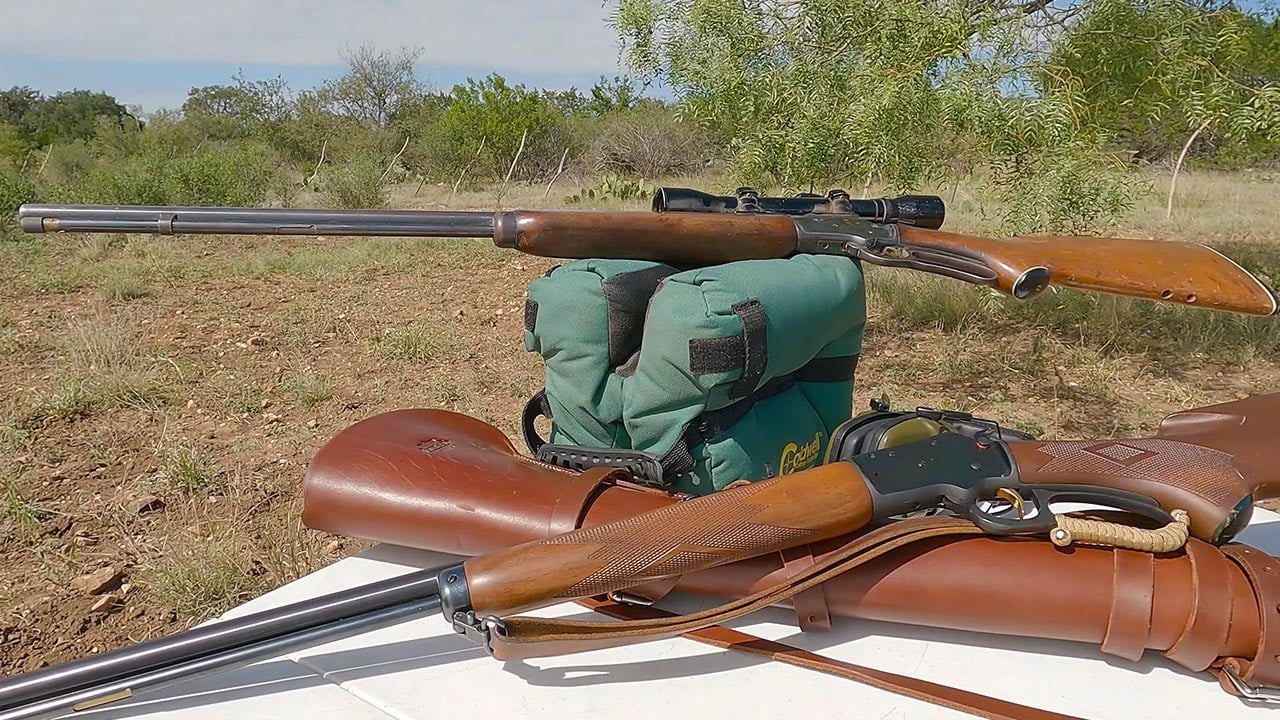
Photo credit: Tex Mex/Youtube
Every few years the deer woods get “modernized” again. New chassis rifles show up, new optics trends roll through, and somebody swears this season is the one where they finally dump the old lever gun. Then November hits, the temperature drops, gloves go on, and a slim rifle that carries easy and points fast starts looking smart all over again.
Lever-actions have been punching tags for a long time because they fit the way a lot of deer hunting actually happens: quick shots in timber, short walks from a truck or ATV, climbing into a stand without snagging everything, and needing a follow-up without turning the whole world into a bolt-handle gymnastics routine. They’re not perfect, and some are downright picky with ammo or optics, but these are the lever rifles that keep earning a spot in camps generation after generation.
1. Winchester Model 1894 (Winchester 94)
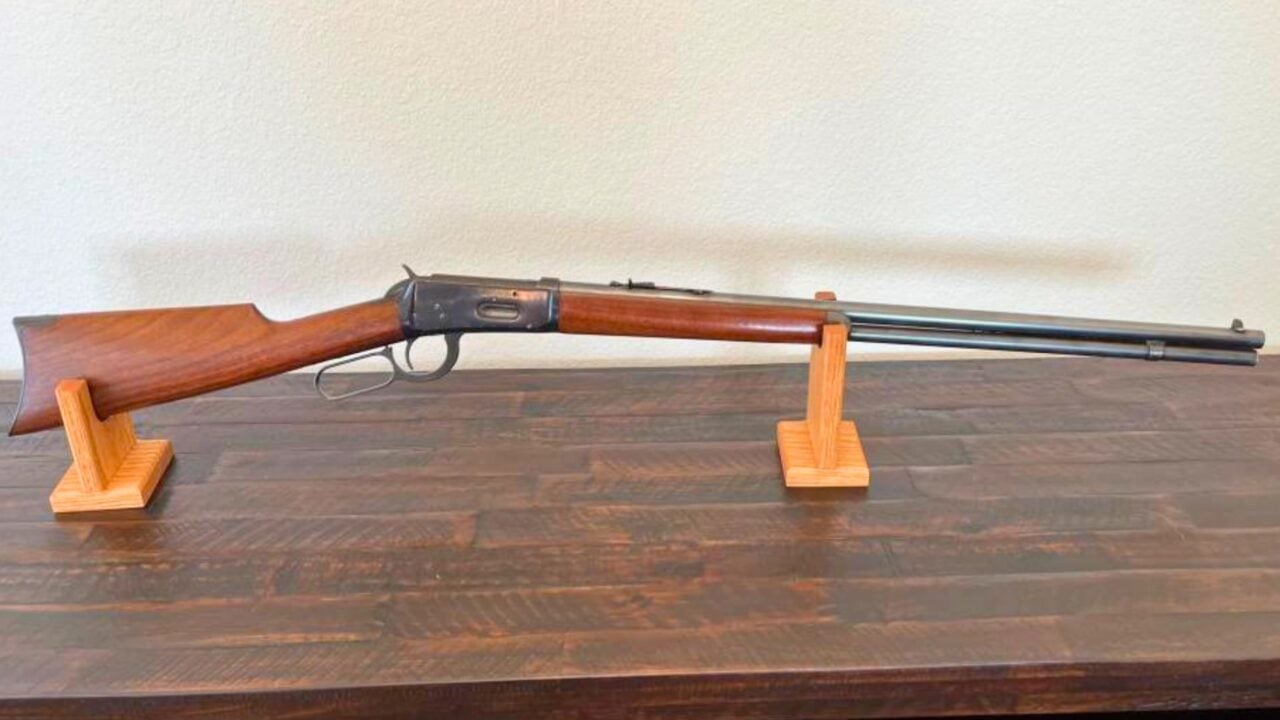
If you’ve hunted deer in thick country, you’ve seen one. The Winchester 94 in .30-30 has probably leaned in more corner racks than any rifle ever made, and it’s not because it’s fancy. It’s light, it balances between the hands, and it’s fast from low ready to a sight picture.
The top-eject older ones aren’t scope-friendly, and the open sights take practice when the light goes flat at dusk. Still, it’s hard to beat how it carries. A 94 slung across your back disappears until it’s time to work.
2. Marlin Model 336

The 336 is what a lot of folks move to after they’ve fought a loose-fitting Winchester 94 that rattled like a coffee can full of bolts. Marlins tend to feel solid, and the side-eject design makes mounting a scope or peep sight painless.
In .30-30 it’s an all-timer, and in .35 Remington it’s a legitimate hammer in the woods. The only downside lately is cost and availability. When you find a clean one, you’ll understand why they don’t sit on the used rack long.
3. Henry Repeating Arms H009 (Henry .30-30 Steel)
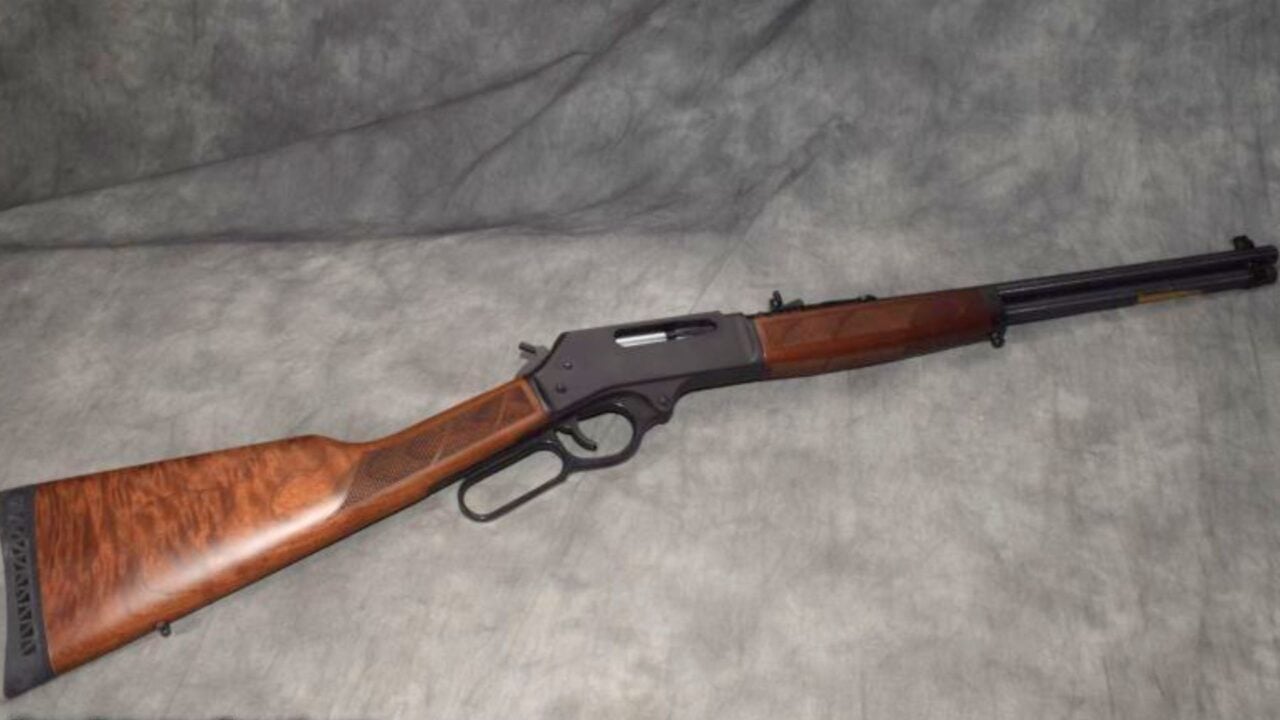
Henry’s .30-30 is the newer kid compared to the classics, but it’s already earned real trust in deer camps. The actions are usually smooth out of the box, and the fit and finish are better than a lot of people expect for the money.
It’s not the lightest rifle on this list, especially in the all-weather configurations, but that extra weight soaks up recoil and steadies the sights. If you want “new rifle reliability” with old-school handling, this one is an easy answer.
4. Savage Model 99

The Savage 99 is what happens when a lever gun grows up and decides it wants to play in the “real rifle” world. It’s famous for cartridges like .300 Savage and .308 Win, and it feeds pointed bullets safely thanks to its rotary magazine setup.
It also has a different feel than most levers—more like a classic sporting rifle that happens to run on a lever. They can be pricey in good shape, but they shoot, and they carry like something built for walking hunters.
5. Winchester Model 1892 (Winchester 92)
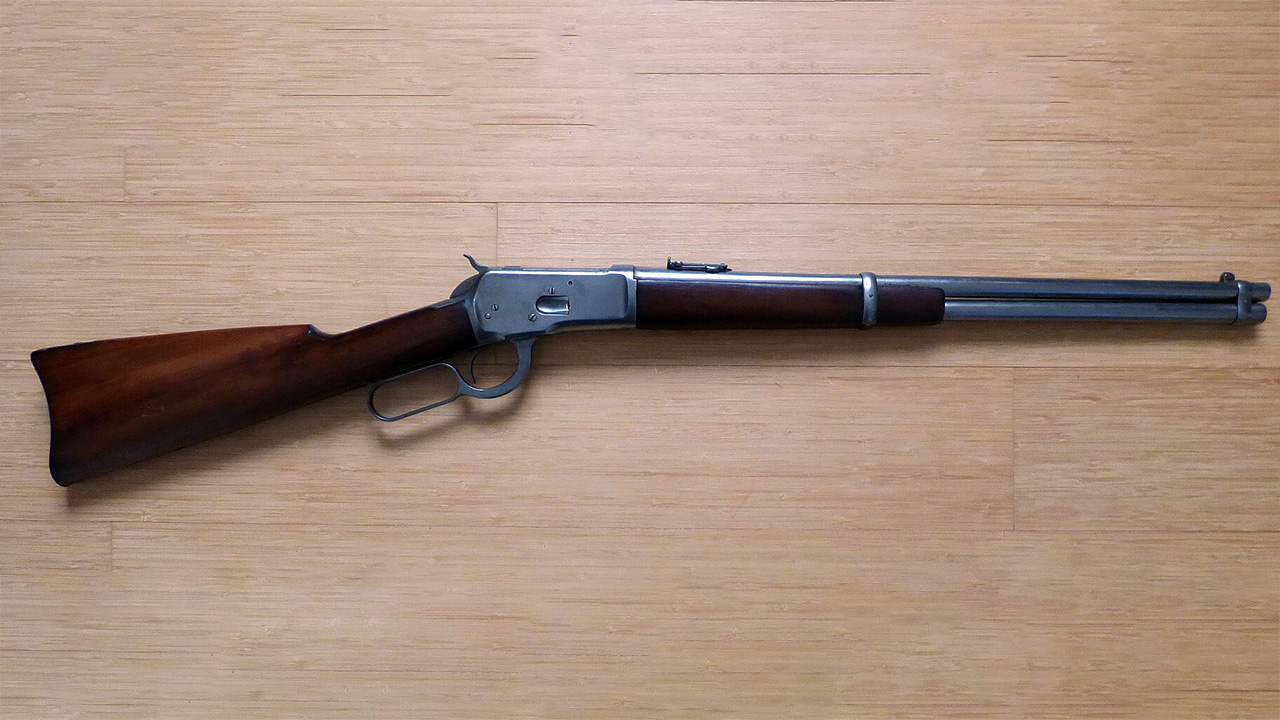
Most folks think “pistol caliber” when they hear 1892, and that’s fair. But in the right places—short ranges, thick cover, and where straight-wall cartridges rule—these rifles make a lot of sense, especially in .44 Mag.
The 92 action is slick when it’s tuned right, and it’s compact enough that it doesn’t feel like you’re dragging a fence post through brush. If you hunt from blinds or still-hunt in tight timber, you’ll appreciate how quick it is.
6. Marlin Model 1895 (Guide Gun and variants)

The .45-70 Marlin 1895 is not a subtle rifle. It is for the hunter who wants a big hole and a short tracking job, especially in thick stuff where a deer can vanish in ten steps.
Recoil can be a wake-up call with hotter loads, and the rifles can be front-heavy with certain setups. But as a close-range thumper that still handles fast, it’s a legitimate tool, not just a nostalgia piece.
7. Henry Repeating Arms H010 (Henry .45-70)
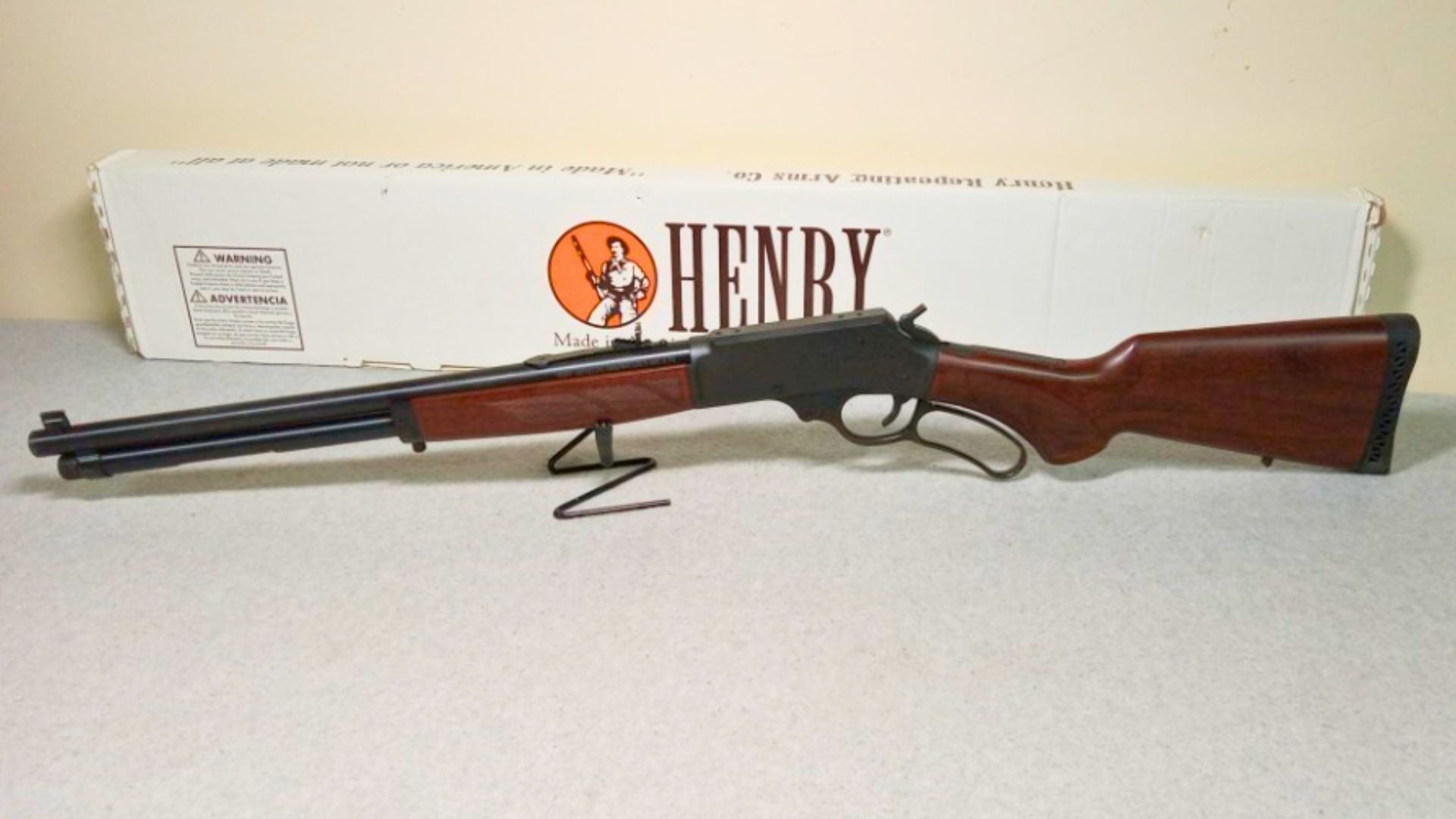
Henry’s .45-70 has become a go-to for hunters who want big-bore performance without chasing used Marlins at collector prices. They’re typically accurate enough for any ethical .45-70 deer work, and the actions tend to be smooth.
The brass receiver versions look great, but they can be a little “too nice” for rough weather if you’re not careful with maintenance. The steel/all-weather models are easier to live with if you hunt hard and put guns away wet sometimes. Ask me how I know.
8. Browning BLR

The BLR is the lever gun for the guy who likes levers but also wants modern cartridges and a box magazine. That means .243, .270, .308, .30-06, and other serious deer rounds without the limitations of tube magazines.
Triggers can vary, and they don’t have the same “cowboy rifle” feel as a 94 or 336. But if your deer hunting includes longer shots across clear-cuts or powerlines, a BLR makes a lot of sense.
9. Winchester Model 1895
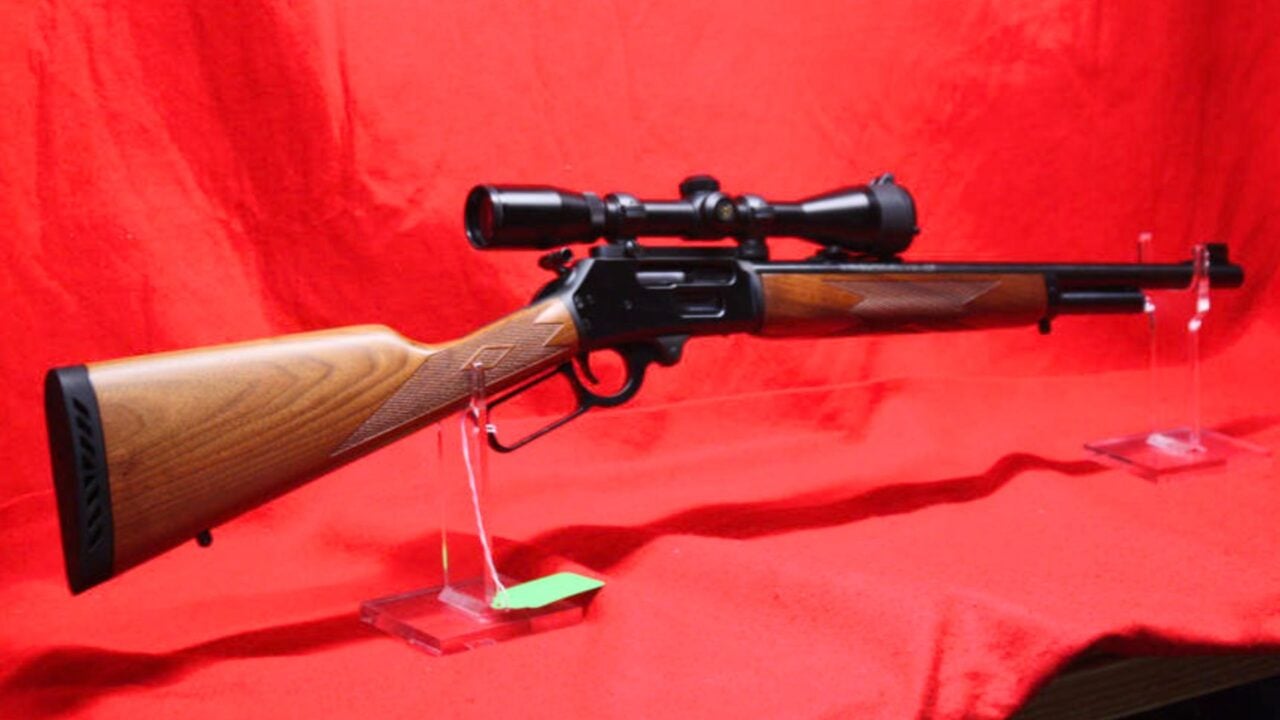
The 1895 is a classic that shows up in serious hunting cartridges, and it has that rugged, old-world feel that’s hard to fake. It’s also one of the lever designs that can handle spitzer bullets with its box-style magazine setup.
It’s not as handy as the light .30-30 woods rifles, and it’s not cheap in today’s market. Still, it’s a legitimate deer rifle with history and function, not just a wall-hanger.
10. Ruger Model 96/44

This one is a bit of a sleeper. The 96/44 is a lever-action .44 Mag that feeds from a rotary magazine, and it’s about as “walk-around deer gun” as it gets in straight-wall states.
They aren’t made anymore, which is why owners hang onto them. It’s light, quick, and points like a good shotgun. If you find one that hasn’t been abused, it’s a handy rifle that does not need any excuses.
11. Marlin Model 444 (Marlin 444)
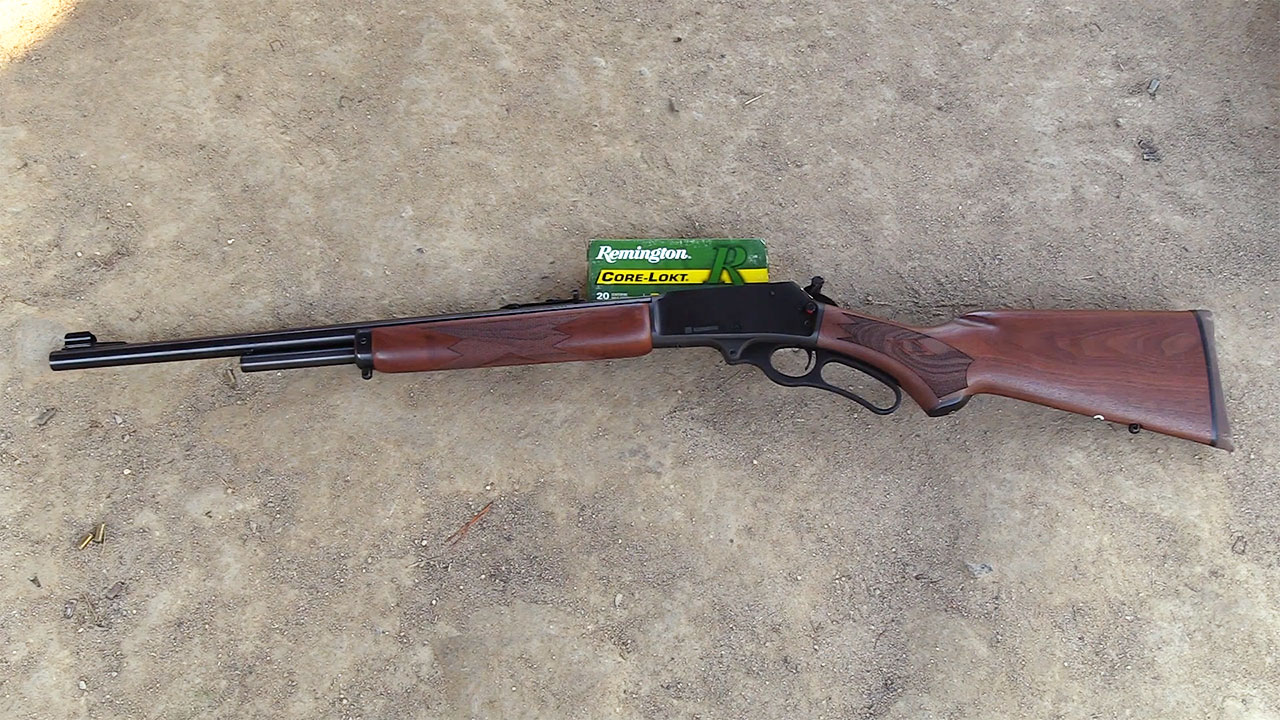
The .444 Marlin sits in that space between “woods deer rifle” and “big-bore attitude.” It hits hard, shoots flat enough for most timber-to-field-edge work, and it tends to anchor deer with authority.
Ammo availability is the one real drawback. When shelves are bare, niche cartridges get painful. If you commit to a .444, it’s smart to keep a real stash on hand before season shows up.
12. Winchester Model 88
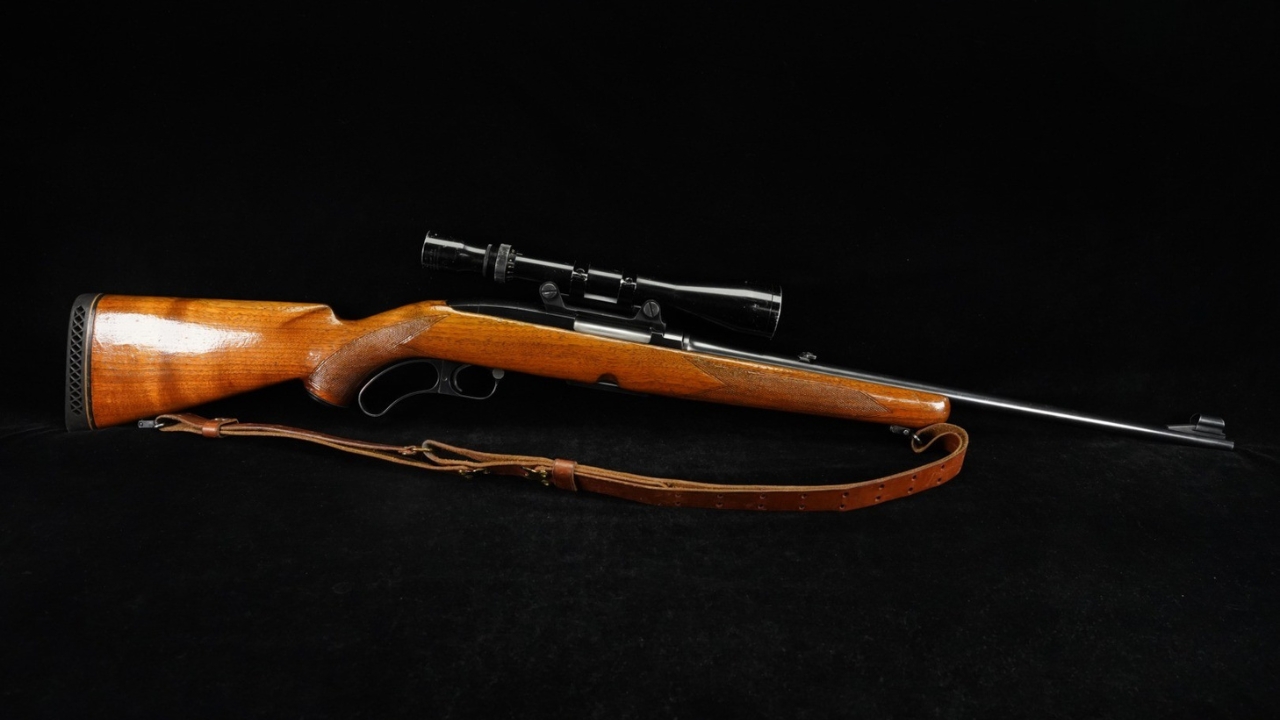
The Winchester 88 is a lever gun for people who don’t actually like traditional lever guns. It feels more like a classic semi-auto hunting rifle in the way it shoulders, and it runs cartridges like .308 and .243 with ease.
It’s a little heavier than the typical woods lever, but it shoots well and handles scopes without drama. If you want lever-action speed but you grew up behind bolt guns, the 88 is an easy transition.
13. Marlin Model 1894

The Marlin 1894 in .44 Mag or .357 Mag is one of those rifles that makes you wonder why you ever carried something heavier for certain hunts. In the right range window, they’re lethal, quick, and easy on the shoulder.
In .357 with the right loads, it’s a joy to practice with, and practice matters more than internet arguments. In .44, it’s a serious deer rifle inside sane distances, especially when shots are quick and angles aren’t perfect.
14. Henry Repeating Arms Big Boy (Big Boy .357/.44)

The Big Boy is not a featherweight, but it’s comfortable to shoot and usually smooth to run. The weight is your friend when you’re shooting heavier .44 loads, and the rifles tend to be accurate enough to stretch a pistol caliber responsibly.
They also tend to be “nice enough” that owners actually take care of them, which matters with lever guns. If you want a rifle that feels like it will outlast you with basic maintenance, this one fits.
15. Rossi Model 92

The Rossi 92 is the working man’s 1892 pattern rifle. They’re common, usually affordable, and they do the job in .357 or .44 if you get a decent one and feed it ammo it likes.
Fit and finish can be hit or miss, and some of them benefit from a little smoothing out just from use. But as a budget-friendly deer rifle for straight-wall zones, it’s hard to ignore.
16. Mossberg 464
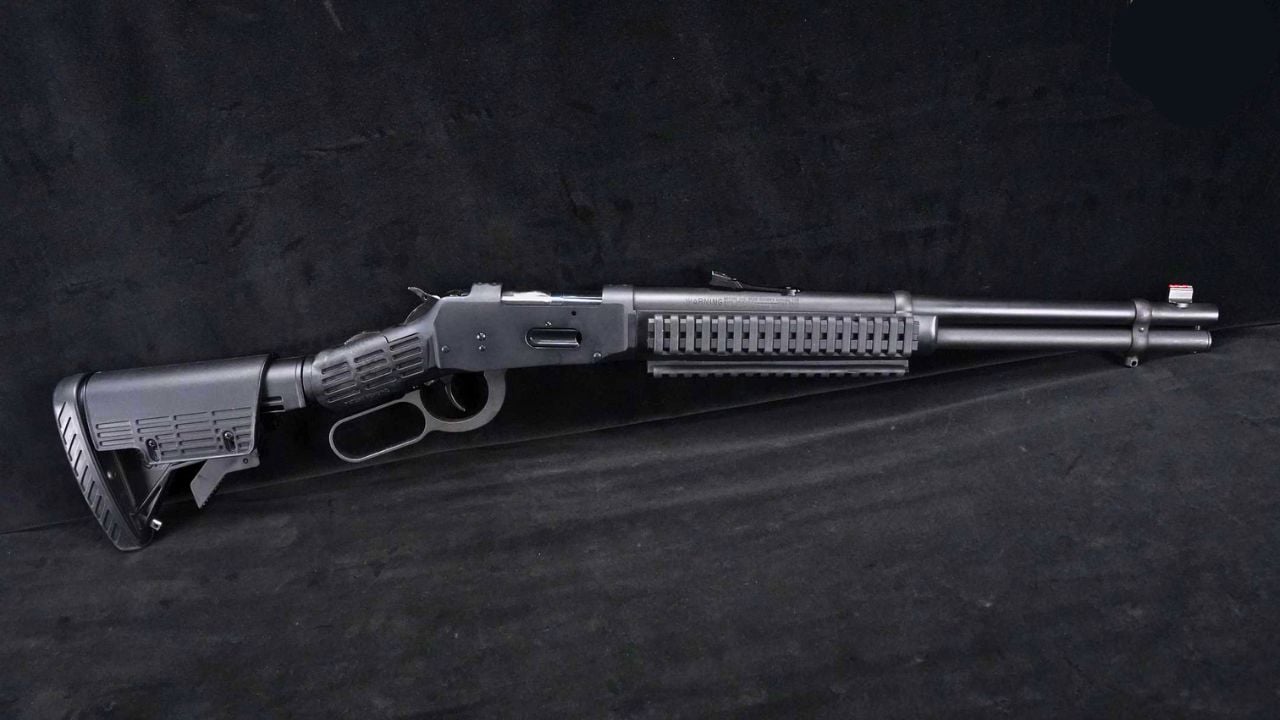
The 464 has always felt like Mossberg’s practical take on the classic .30-30 lever gun. It’s not a collector piece, and it’s not trying to be. It’s a tool for sitting in a stand or walking a ridge and needing a rifle that works.
Some shooters love the way they handle, others don’t care for the finish or the feel compared to old Winchesters and Marlins. Still, they put venison in the freezer, and that’s the entire point.
17. Winchester Model 1894 Big Bore (Big Bore 94)
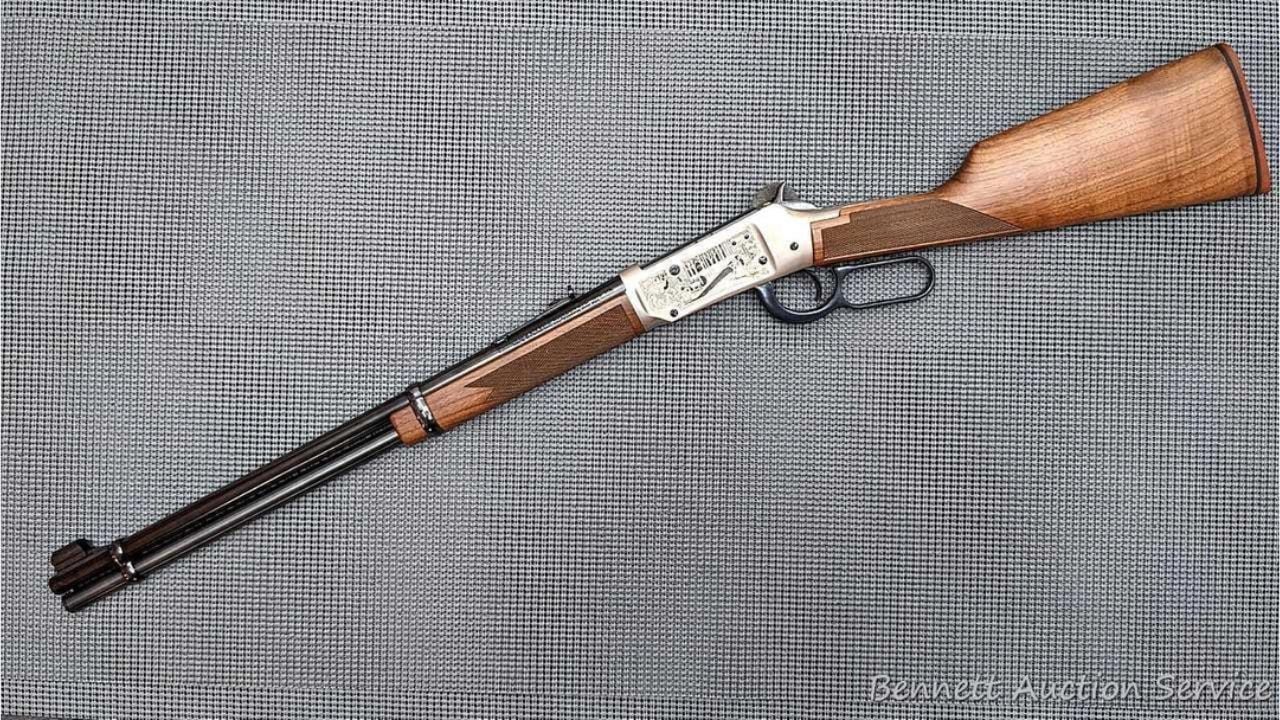
The Big Bore versions of the 94—often seen in cartridges like .375 Win—are a niche within a niche, but they have a loyal following. They bring more punch than standard .30-30 setups, especially for thicker-bodied deer and close-range shots.
Finding ammo can be a chore, and that alone keeps them from being an everyday recommendation. But the hunters who already have one and keep it fed usually aren’t looking to switch.
18. Marlin Model 308MX (Marlin XLR/Express series)
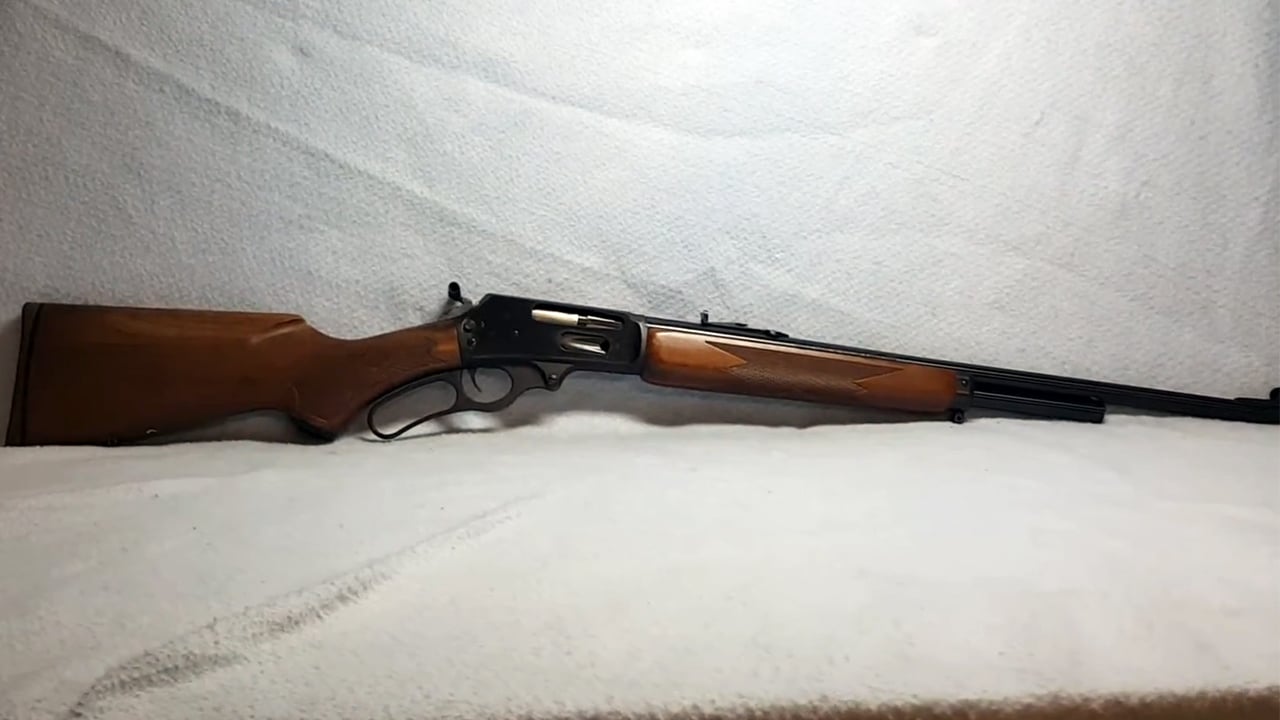
Marlin’s Express-era rifles, like the 308MX, were built for hunters who wanted lever handling with more reach. They’re generally accurate, they take scopes well, and they feel like a modern hunting rifle that still runs a lever.
The downside is obvious: those cartridges and parts aren’t as universal as .30-30 stuff. If you own one and it shoots, you’re doing fine. Just don’t expect every small-town shop to have what you need the week before opening day.
19. Winchester Model 9422
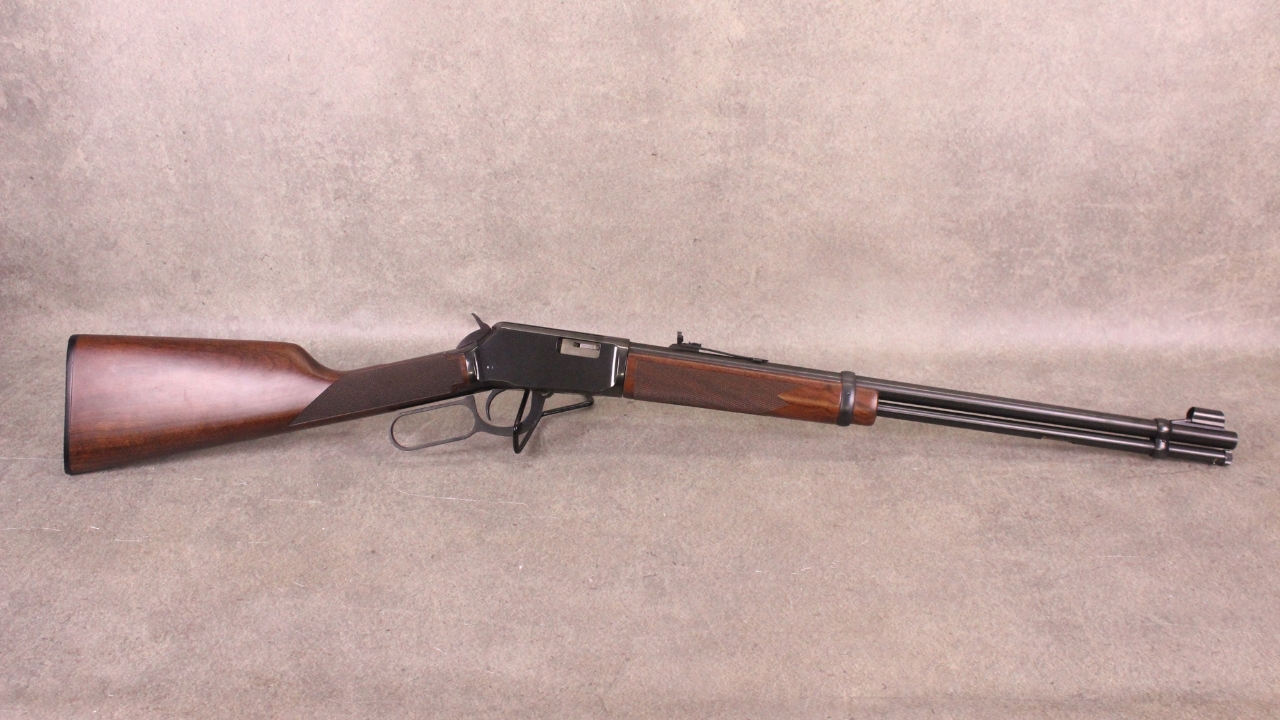
No, it’s not a deer cartridge rifle. But the 9422 has probably helped create more good deer hunters than a lot of dedicated big-game guns. It’s a .22 lever that teaches handling, safety, and hitting what you aim at without recoil flinches.
Every camp has that one kid who “graduates” from the .22 lever to a .30-30 lever and never looks back. If you’ve got a 9422 in the family, hang onto it. That one hurts when it’s gone.
20. Marlin Model 39A
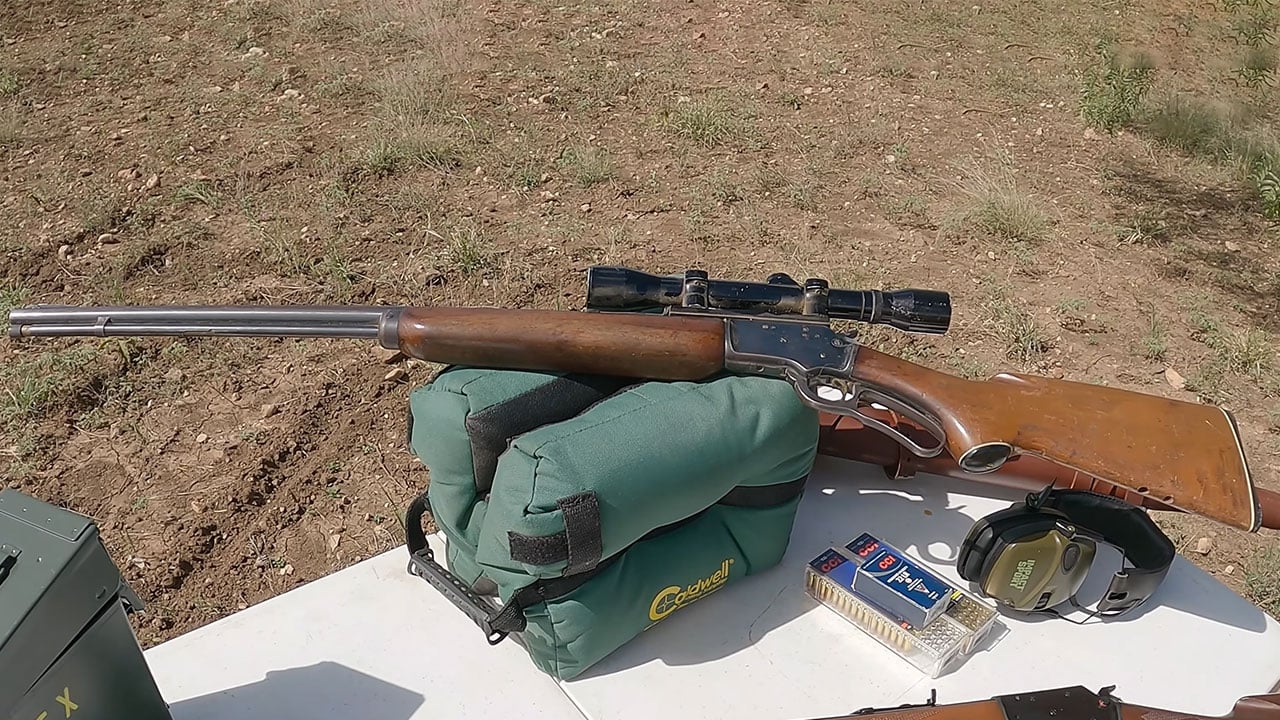
The 39A is another .22 that earns its place in a deer-hunting conversation because it’s part of the pipeline. It’s accurate, it’s steady, and it’s the kind of rifle that gets carried behind the seat, walked to the squirrel woods, and used enough to build real confidence.
Confidence turns into clean shots when it matters. A hunter who grew up running a 39A usually doesn’t panic when a buck steps out and everything speeds up. That’s a “hidden” advantage you don’t get from buying the newest rifle on a whim.
Lever guns stick around because they work in the places a lot of deer actually get killed: tight timber, brushy draws, hardwood ridges, and field edges where shots come fast and you’re wearing layers. If you already own one of these, there’s a reason it keeps finding its way into the truck in November. New rifles are fun. A lever gun that you know like an old pair of boots is useful.
Like The Avid Outdoorsman’s content? Be sure to follow us.
Here’s more from us:


