Photo credit: GunsAmerica/YouTube
Lever-actions are hard to quit. They carry flat, point quick, and they just feel right when you’re slipping along a fence line or climbing into a stand with a rifle in one hand. But some of them come from the factory with one choice that keeps them from being truly great. Not broken. Not junk. Just one decision that makes you shake your head every time you handle it.
This isn’t a hit piece. Most of these will still kill deer, ring steel, and ride behind a truck seat for decades. I’m just talking about those “why did they do it like that?” moments—the stuff you notice after the new-gun smell wears off.
1. Marlin 1895 SBL
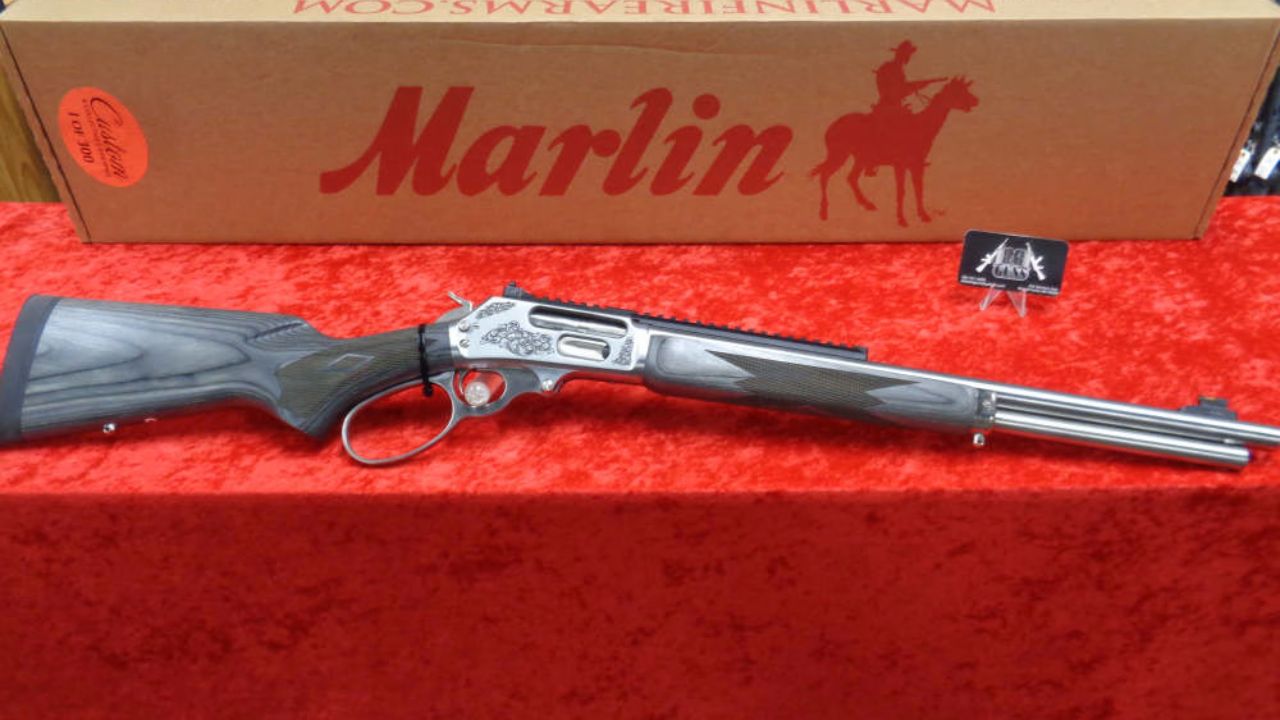
The 1895 SBL is about as close as you can get to a modern do-everything .45-70 without going full custom. It carries better than it looks like it should, and it’s a confidence builder in thick country.
But a loose or wandering thread protector (or muzzle device fit that isn’t quite right) is the kind of small annoyance that turns into a constant check. I’m not asking for perfection—just a factory setup that stays put through recoil and vibration without needing a “routine.”
2. Henry Big Boy
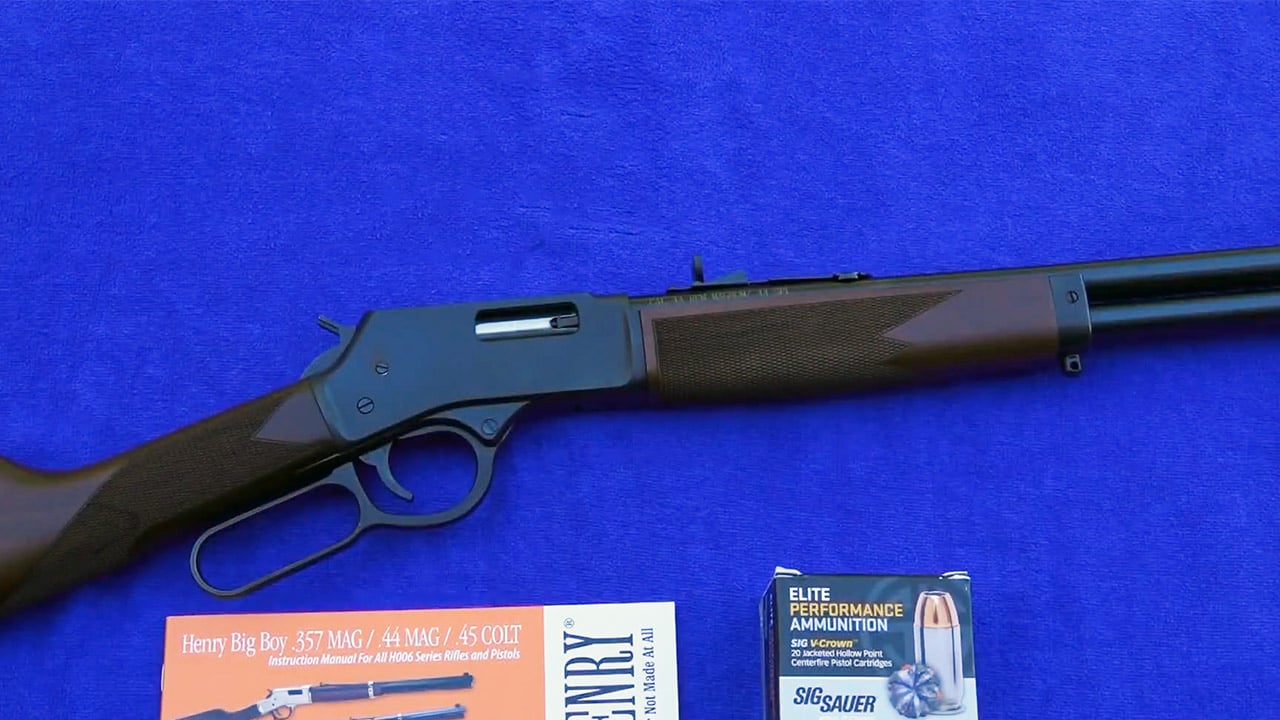
Henry makes smooth actions. No argument there. The Big Boy in .357 or .44 is fun, accurate enough for real work, and it flat-out runs.
Still, that heavy, shiny build is a choice. A lighter receiver option as the default (or a more “field” oriented trim) would make it a better all-day carry. When a lever gun starts feeling like an anchor by mile two, it changes how often it leaves the safe.
3. Henry Side Gate
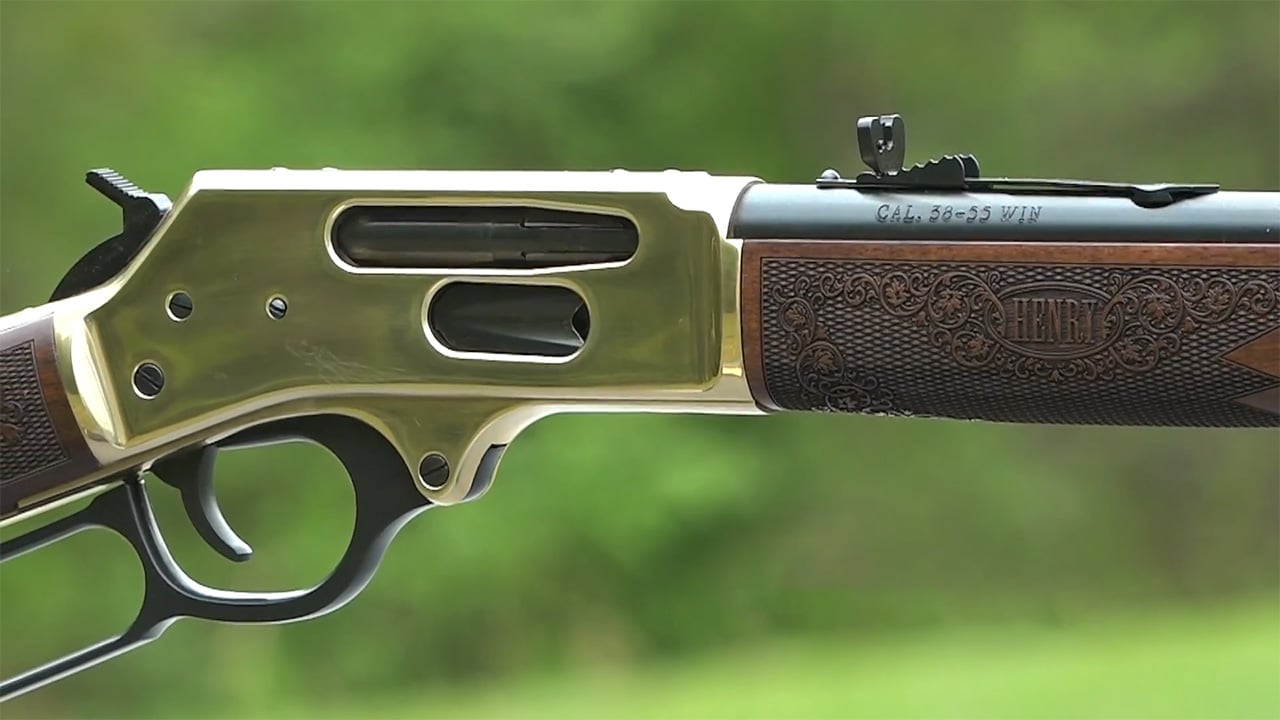
The Side Gate models fixed what a lot of hunters grumbled about for years. Being able to top off like a normal lever gun matters in the woods, especially if you’re in and out of a vehicle or you’re hunting hogs.
But some of them leave the factory with a gate that’s sharp or overly stiff until it wears in. It’s not the end of the world, but it’s the kind of thing that makes your thumb hate you on a long range day.
4. Winchester Model 94 Angle Eject

A 94 is a 94. It’s light, fast, and it still might be the best “walkabout” deer rifle ever made inside sane distances.
The rub is the basic irons on many later guns. A better front sight (or a more user-friendly rear setup) from the factory would keep more of these rifles being used as-is instead of immediately getting parts swapped.
5. Winchester Model 94 Top Eject
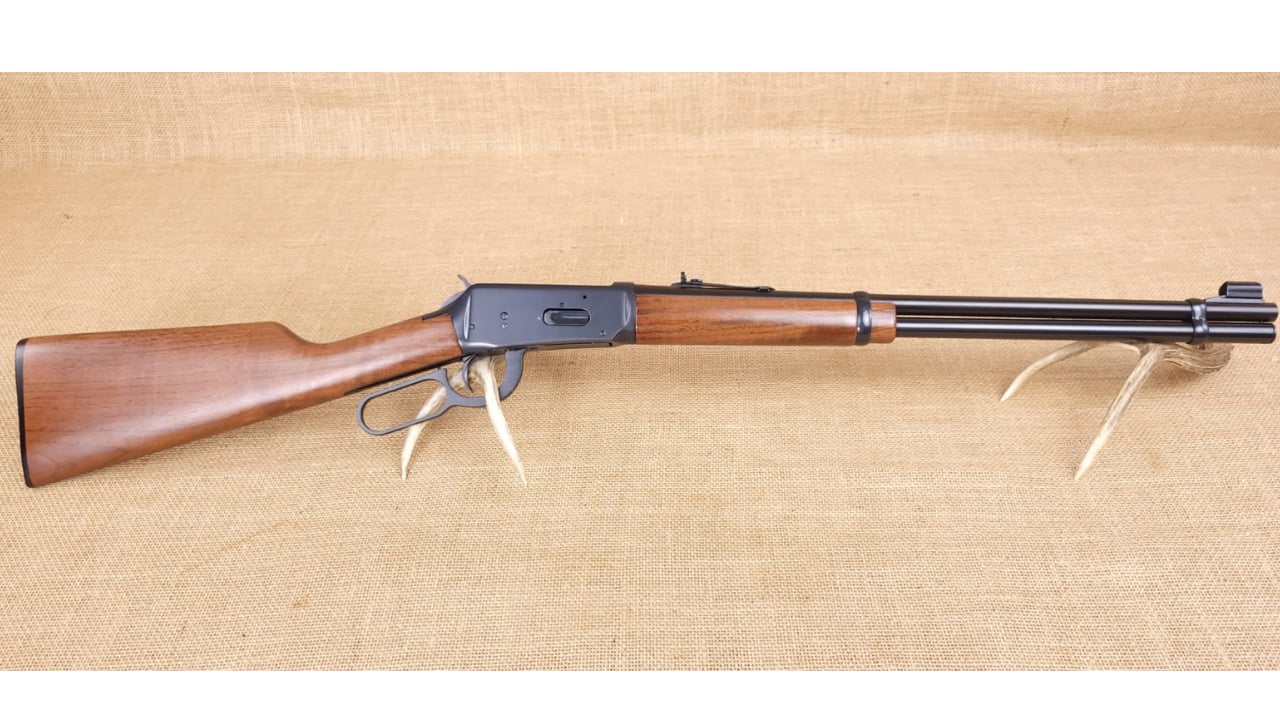
Top eject is classic, and it’s part of why the rifle looks “right.” If you’re an iron-sight hunter, you’ll never care.
If you’re not, you will. A simple factory provision for a low, solid optic setup—without weird side mounts—would have made these more practical for aging eyes. I get the tradition, but function matters when legal light is fading.
6. Marlin 336

The 336 has put a mountain of venison in freezers. The way it balances with a 20-inch barrel is just about perfect, and .30-30 out of a lever gun still does what it has always done.
That cross-bolt safety, though. It’s one more control to verify under stress, and it isn’t what most lever-gun folks want. A better-executed safety solution—or sticking with the classic setup—would have kept the rifle’s manual of arms simpler.
7. Marlin 1894

A .357 lever gun is one of the handiest tools you can own. Cheap to shoot (most days), mild recoil, and it does real work on coyotes and deer inside the right range.
Some 1894s get picky with certain bullet shapes or overall lengths. When a lever gun becomes “ammo sensitive,” you stop trusting it. A little more factory attention to feeding geometry would have kept these from getting labeled unfairly.
8. Rossi Model 92

The Rossi 92 is one of the best values in lever-actions. It’s light, lively, and the design itself is proven. A good one is a joy to carry.
But those factory sights on many versions are not doing the rifle any favors. Upgrading sights shouldn’t feel mandatory on a working gun. Better irons from the start would turn a “good budget pick” into a “buy it and go hunt” rifle.
9. Rossi R95

The R95 has been a welcome entry for folks wanting a Marlin-style .30-30 without paying collector prices. The overall layout makes sense for a hunting rifle.
Some examples feel stiff or gritty when new. Yes, they can smooth out. Still, first impressions matter, and a lever gun should feel like it wants to run. A touch more factory refinement would keep buyers from thinking something’s wrong.
10. Mossberg 464

On paper, the 464 is a straight-up American deer rifle: .30-30, simple, handy. The concept is solid and the sizing is right.
Where it stumbles is inconsistent finish and “cheap” feel in spots that your hands notice immediately. A lever gun is a contact sport. If it feels rough at the interface points, you don’t bond with it, even if it shoots fine.
11. Browning BLR
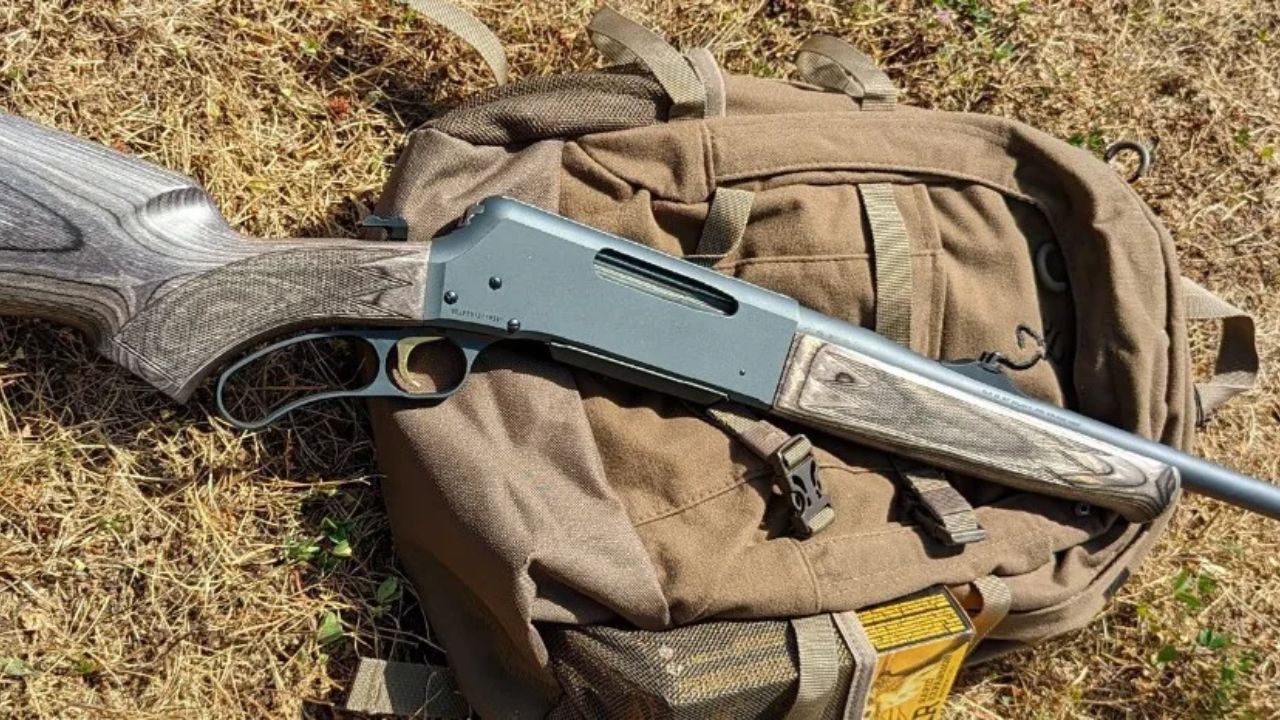
The BLR is what you buy when you want lever-action handling with modern cartridge performance. It’s accurate, strong, and it’ll reach across cuts and powerlines better than the old classics.
The detachable magazine is also a weak link for normal life. Spares cost too much, and losing one is a bad day. A more affordable, more common magazine system from the factory would make the BLR easier to live with.
12. Browning BL-22

The BL-22 is one of the slickest .22 levers ever built. The short throw is addicting, and it makes grown adults grin like kids.
But the loading setup can feel cramped, especially when it’s cold and you’ve got gloves on. A little more room and a slightly friendlier tube arrangement would make it even better as a small-game and range-day staple.
13. Ruger-made Marlin 1895 Trapper
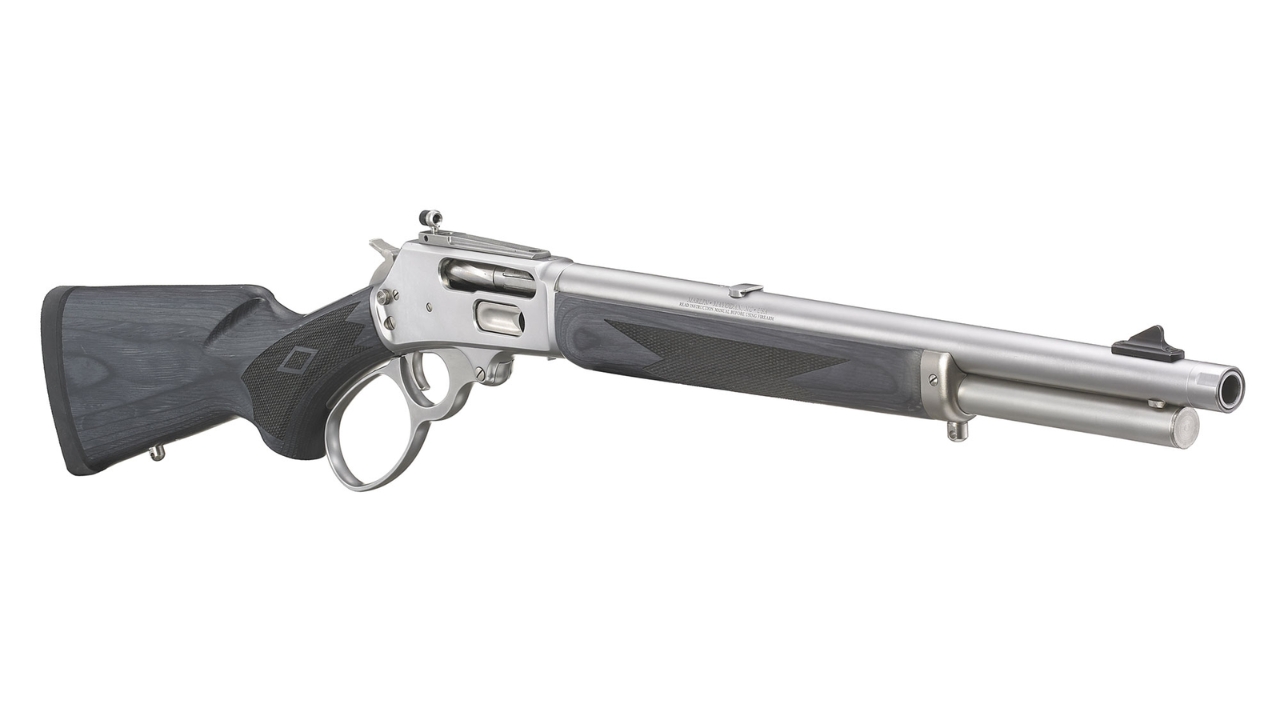
A short .45-70 lever gun is the definition of “business.” It’s handy in thick stuff and it’s comforting in bear country, even if you never need it.
Big-loop levers look cool, and sometimes they help with gloves. But they can also smack knuckles, slow down cycling, or just feel clumsy for average hands. A more moderate loop as the standard option would fit more shooters better.
14. Ruger-made Marlin 336 Classic
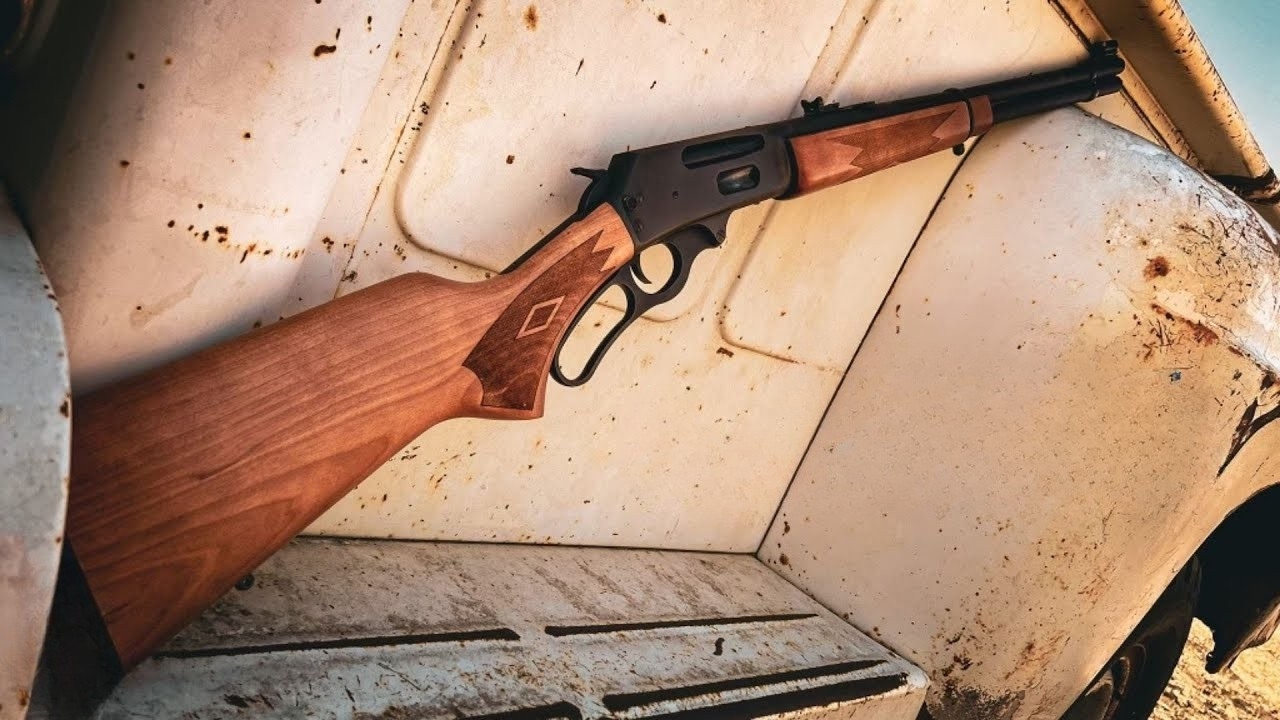
When Marlin came back, a lot of folks were relieved to see good machining again. The rifles feel solid, and they shoot.
Some trims lean shiny. That’s fine on a range rifle, but a deer rifle gets leaned against trees, laid across tailgates, and dragged through brush. A more matte, no-nonsense finish option from the factory would match how these rifles actually get used.
15. Chiappa 1892 Alaskan Takedown

Takedown levers are handy for packs, boats, and small planes. The idea is sound, and the “Alaskan” concept speaks to hunters who actually travel.
The problem is confidence. If the lockup or return-to-zero doesn’t feel rock solid, you’ll always wonder if your point of impact shifted. A tighter, more reassuring factory fit would let owners trust the feature instead of worrying about it.
16. Uberti 1873
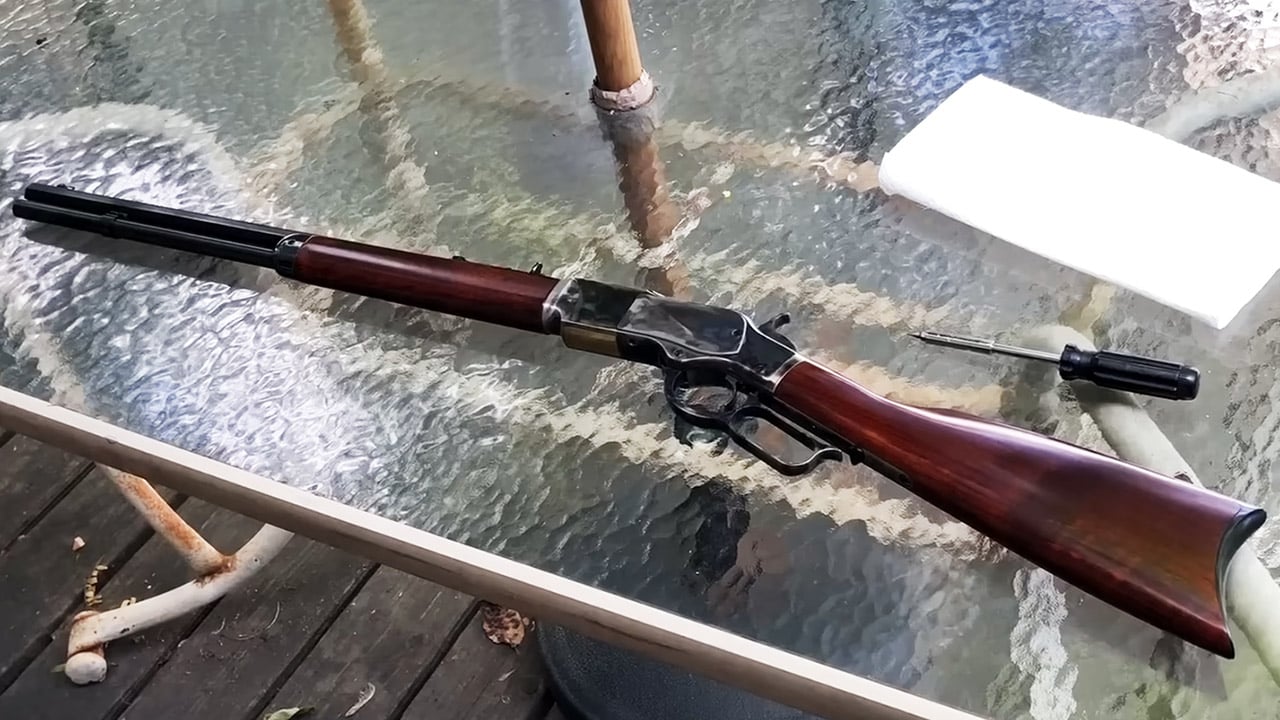
The 1873 is a beautiful machine, and Uberti makes some of the best-looking classic levers going. They’re smooth when they’re right, and they’re a blast with .38s and .357s.
But some are tuned toward the cowboy-action world where maintenance and ammo selection are part of the game. For a ranch or woods gun, a slightly more “dirt tolerant” factory setup—springs and timing aimed at reliability over pure slickness—would be the move.
17. Cimarron 1873
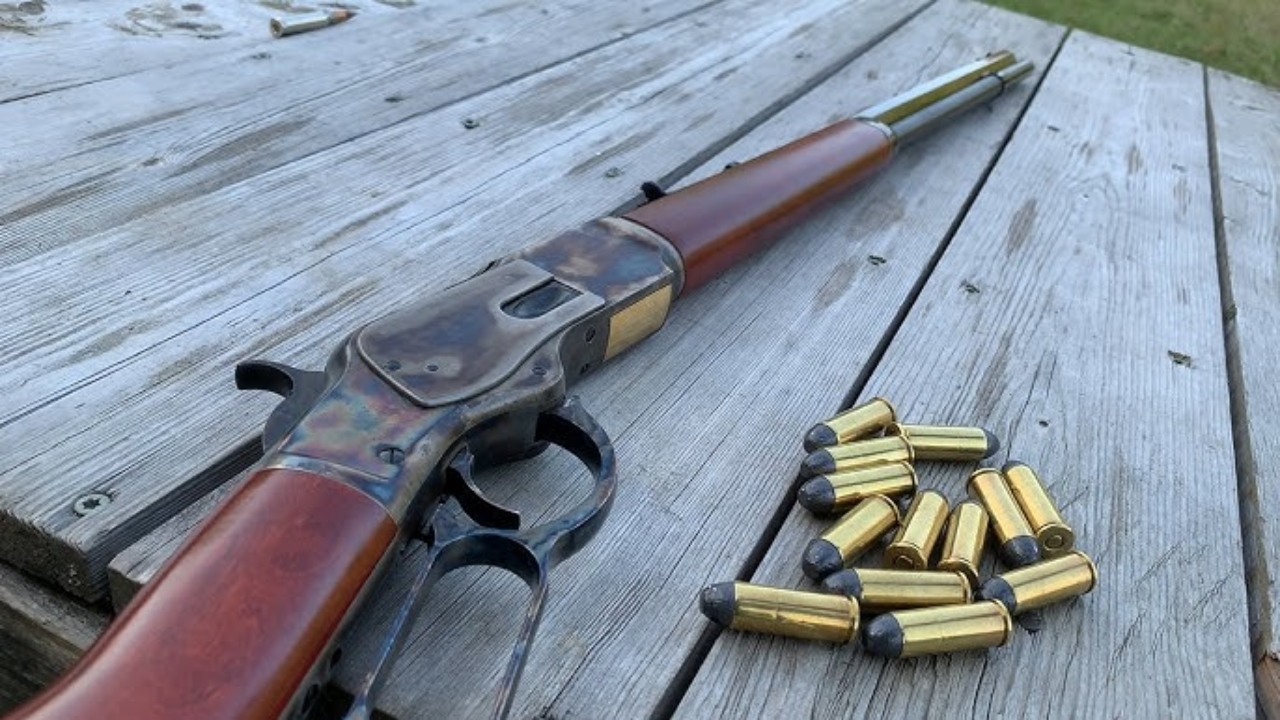
These clones scratch the itch if you like old-school lines and case colors. They also tend to shoot better than people expect, especially at woods ranges.
The tiny sights are faithful to history, but history also included missing in low light. A factory option with a more usable sight picture, without turning it into a tactical rifle, would help the guy who actually hunts with one.
18. Taylor’s & Co. 1873
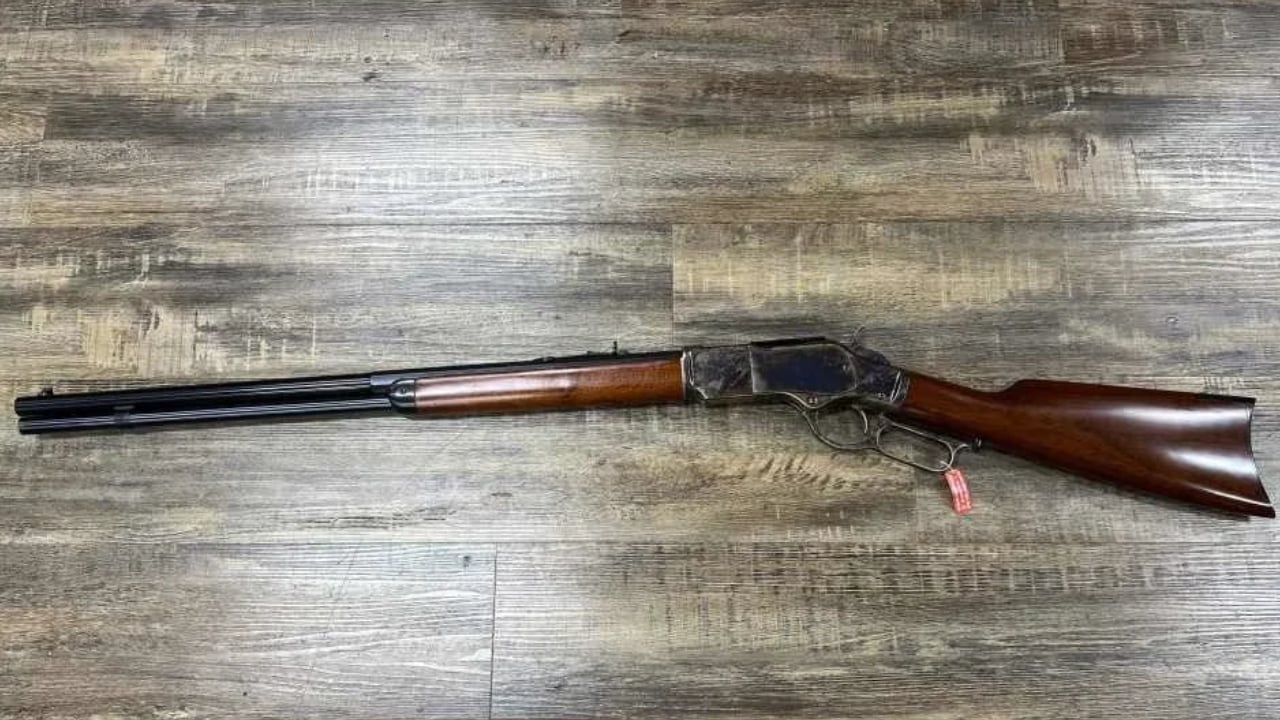
Some of these rifles are downright handsome. They’re the kind of gun that makes you slow down and appreciate workmanship.
Then you run the lever hard for an afternoon and notice a sharp edge here, a bite point there. A little more dehorning at the factory would make them nicer to carry and cycle, especially for folks who shoot a lot in a day.
19. Savage Model 99
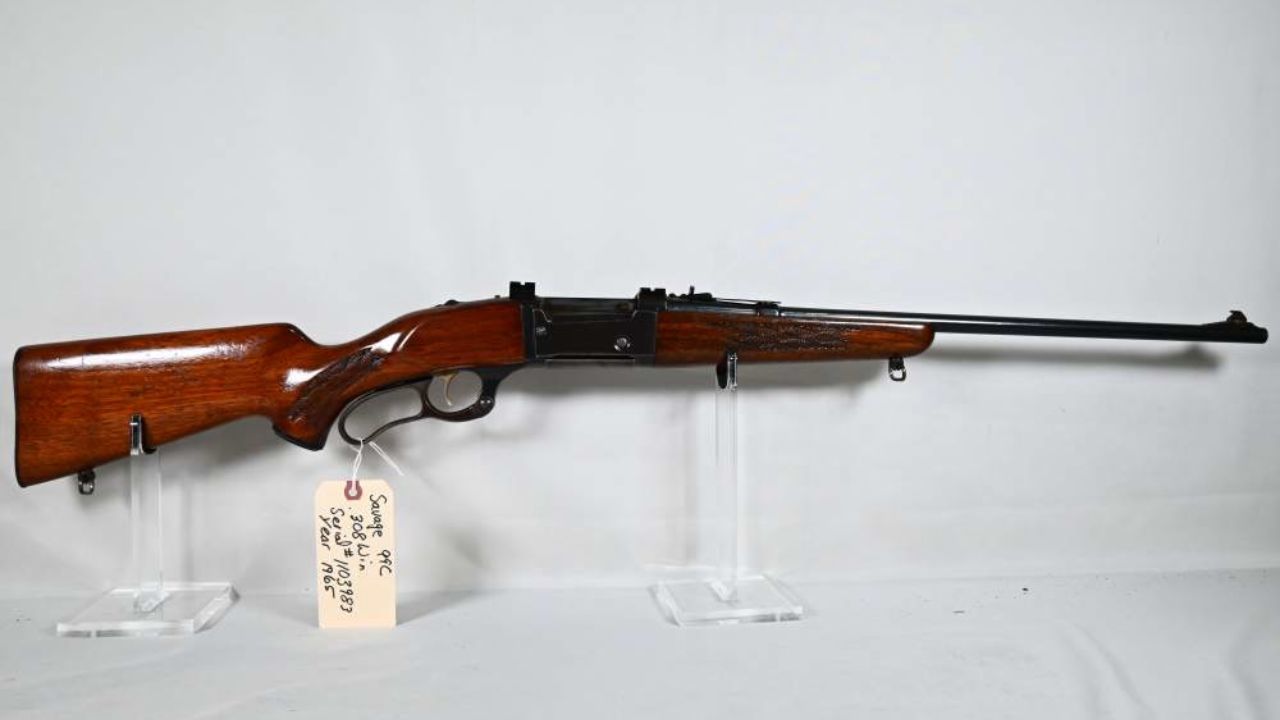
The Model 99 is a classic that still makes sense. It carries like a dream and the rotary magazine is a genuinely smart design, especially for pointy bullets in a lever gun.
But triggers on older 99s can be all over the map. Some are great, some are heavy and creepy. A more consistent factory trigger standard back in the day would have kept more of these rifles feeling “modern” even now.
20. Remington Model 7600 Carbine
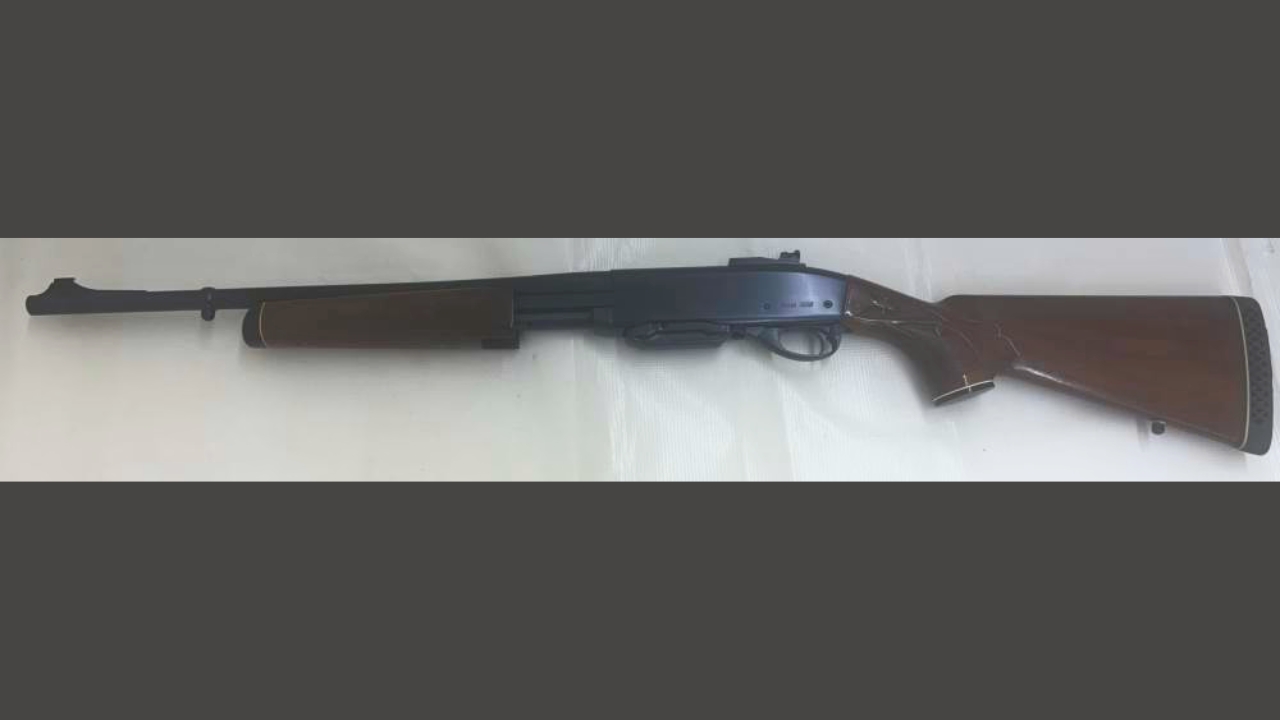
Yeah, it’s a pump, not a lever, but if you grew up in the deer woods you know why it belongs in this conversation. A short 7600 carries like a dream, points fast, and it’s a legit brush gun that can also reach out.
The weak spot is the feel of the forend on some guns. When the part your hand lives on feels hollow or loose, it cheapens the whole rifle. A sturdier factory forend would have made more hunters treat them like forever rifles instead of “good enough.”
None of these complaints mean the rifle is a lemon. It means the factory missed one decision that would’ve made a good gun a great one. If you already own any of these, don’t panic and don’t start tearing into things you don’t understand. Shoot it, learn what it likes, and fix the easy stuff the right way. A lever-action that fits you and runs right is still one of the best tools a woods hunter can carry.
Like The Avid Outdoorsman’s content? Subscribe to our newsletter so you never miss an article.
Here’s more from us: