Photo credit: Militarist/Shutterstock.com
Every firearm has strengths, but some don’t hold up when nature turns ugly. Mud and rain test how well a gun cycles, how resistant its materials are, and whether its design tolerates grit. A rifle or shotgun that runs smoothly in fair weather can become unreliable when soaked or caked with dirt. If you hunt, train, or carry in rough environments, you’ve probably seen which guns give up early when the weather stops cooperating.
M1 Garand

The M1 Garand is iconic, but its open action design makes it vulnerable in wet or muddy environments. The exposed operating rod and large ejection port give dirt and water plenty of entry points, leading to malfunctions.
In combat or hunting scenarios where conditions are harsh, this rifle demands regular cleaning to stay reliable. While incredibly effective in its time, it’s not built for environments where mud and rain are constant factors. Modern rifles tend to be more forgiving when neglected under those conditions.
Remington 742 Woodsmaster
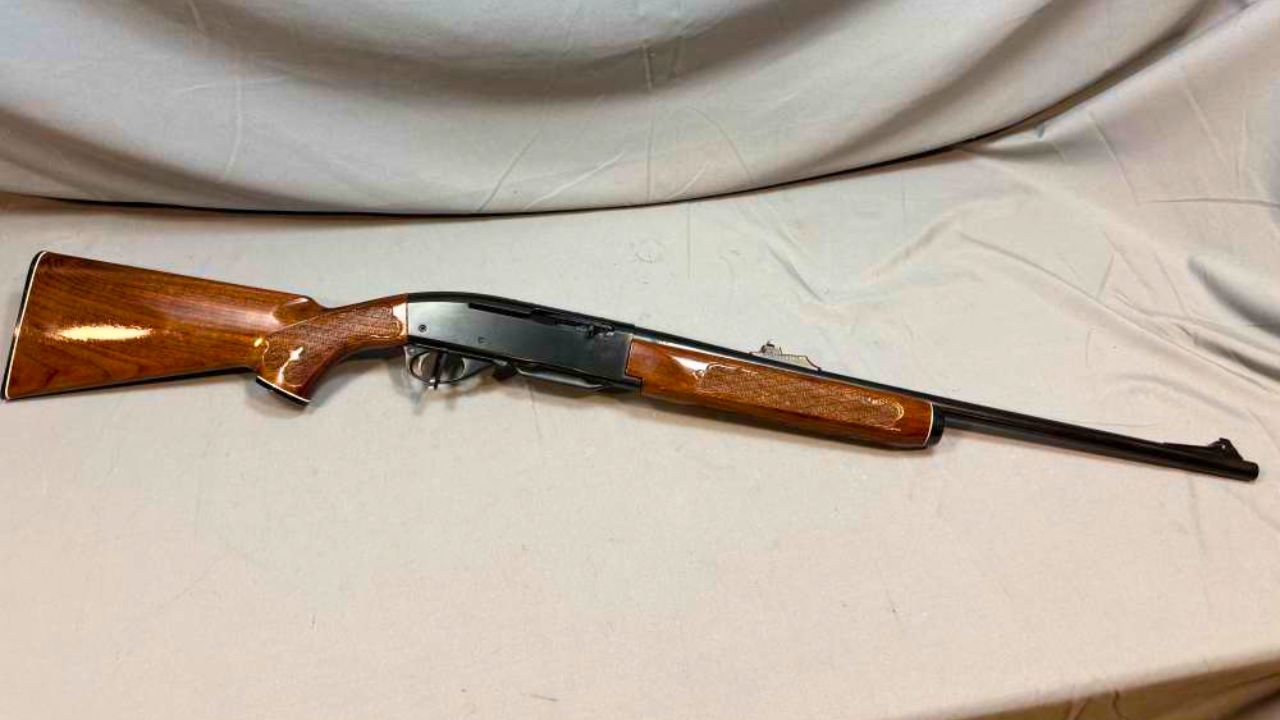
The Remington 742 earned a reputation for accuracy and handling, but its semi-automatic action is notoriously sensitive to dirt and moisture. The bolt rails and chamber design don’t tolerate fouling well, and in rain or mud, stoppages aren’t uncommon.
Hunters who used the 742 in wet climates often experienced jamming when conditions worsened. Without consistent cleaning, it could quickly become unreliable. While the rifle has its following, its sensitivity to grit and water exposure made it a poor choice for anyone expecting bad weather.
FN FAL

The FN FAL was called “the right arm of the free world,” but one of its weaknesses is harsh weather. Its adjustable gas system can help in some conditions, but mud and grit frequently compromise reliability. The wide ejection port leaves the action exposed to debris.
In prolonged wet or dirty environments, the FAL needs constant attention to stay functional. Compared to other military rifles designed with tighter sealing, it has trouble cycling smoothly once mud and water get involved. It performs best in cleaner conditions.
Winchester Model 100
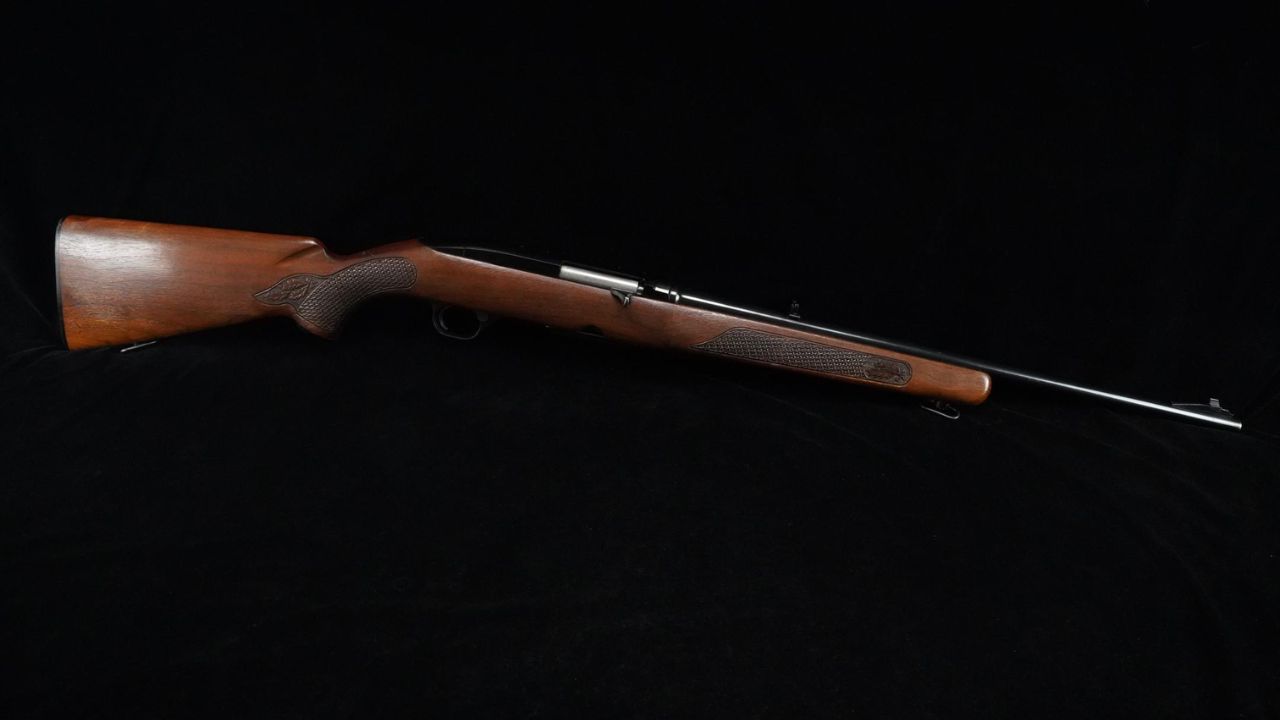
The Winchester Model 100 was a semi-auto hunting rifle that never developed a reputation for weather tolerance. Its gas system and action parts didn’t respond well to grit or moisture, often leading to jams. In rainy hunts, owners reported misfires and cycling issues.
Maintenance became a necessity, and even then, the rifle often required more care than practical in the field. While it offered good accuracy in fair weather, it was never seen as reliable once exposed to heavy rain or mud.
Steyr AUG

The Steyr AUG’s bullpup design gives it a compact profile, but it comes with trade-offs in harsh conditions. Its enclosed receiver can trap water and mud, making cleaning more difficult. When grit gets into the action, it can cause stubborn stoppages.
While highly regarded for accuracy and handling, the AUG isn’t the first choice for reliability in swampy or muddy terrain. Shooters have found that it needs careful maintenance to keep running in adverse weather. It’s better suited to clean environments than messy ones.
Remington 597

The Remington 597 is a rimfire rifle that has struggled with reliability, particularly in wet or dirty conditions. Its magazine system and action don’t tolerate moisture well, often leading to feeding problems. Mud or rain exposure makes these issues worse.
Hunters and plinkers who use the 597 in damp environments frequently find themselves clearing stoppages instead of shooting. While it has a reputation for accuracy when working properly, it’s not the kind of rifle you want if reliability in poor weather is the priority.
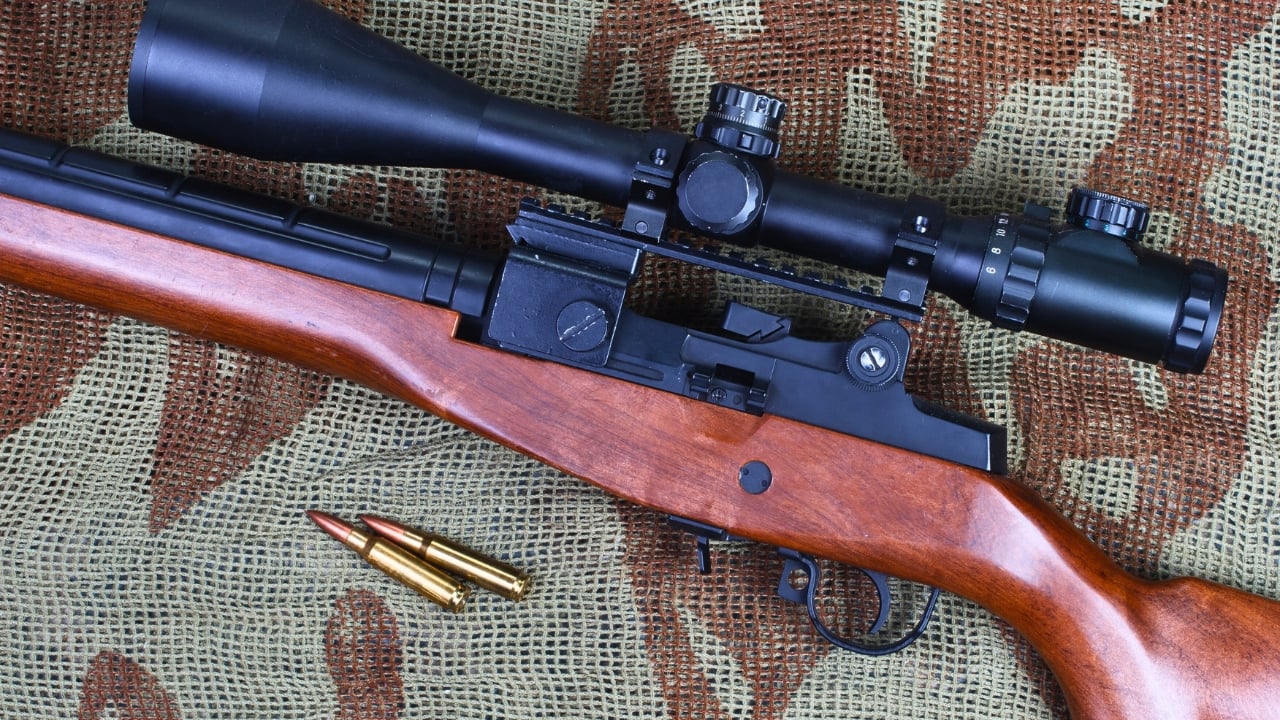
M14

The M14 is powerful and accurate, but its open receiver design makes it vulnerable to debris and water. Soldiers and shooters alike have noted that in muddy or rainy conditions, it needs significant upkeep to avoid malfunctions.
Its length and weight already make it a handful, and when combined with environmental sensitivity, it isn’t ideal in bad weather. While it can perform very well with diligent cleaning, it’s not known for shrugging off mud and rain the way more modern rifles do.
Remington Nylon 66

The Remington Nylon 66 was ahead of its time in synthetic design, but it isn’t particularly forgiving in harsh conditions. Its action can gum up when exposed to dirt or moisture, and its construction makes field-stripping less intuitive compared to other rifles.
Shooters have found that in wet or muddy weather, the Nylon 66 can quickly develop cycling issues. While lightweight and durable in some respects, it doesn’t offer the same reliability under adverse conditions as more modern rimfires built with weather in mind.
SVT-40
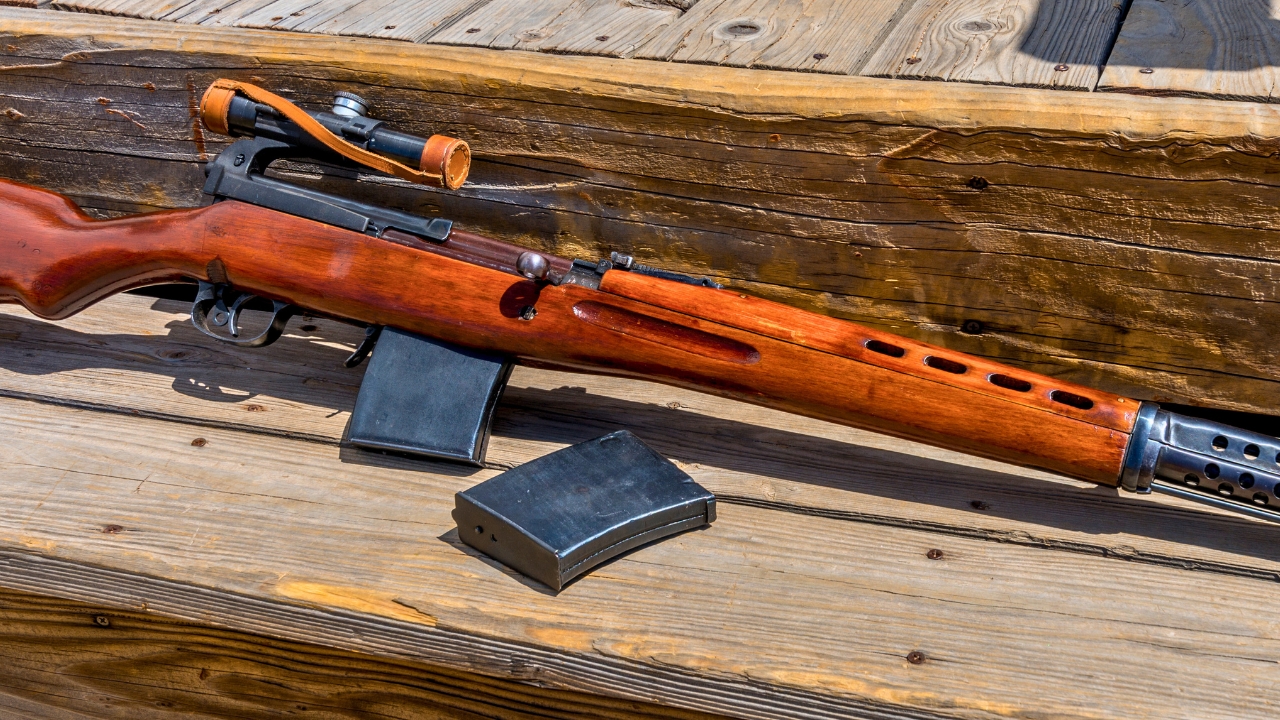
The Soviet SVT-40 was an ambitious design for its time, but it never achieved a reputation for weather resistance. Its complex gas system and large receiver openings invite dirt and moisture, which often lead to jams. In muddy or rainy environments, this was a constant issue.
While capable of accuracy and power, it’s far less tolerant of grit than simpler designs like the AK. Shooters today still find that it requires frequent cleaning to stay functional in poor conditions. Harsh environments are where its weaknesses show.
Remington Model 11

The Remington Model 11, based on Browning’s long-recoil design, works well in fair weather but struggles once rain or mud come into play. The recoil system can become sluggish with grit or moisture, leading to cycling failures.
Hunters who’ve carried the Model 11 in swamps or heavy rain know it demands extra cleaning and lubrication to keep running. While historically important and effective in many ways, it’s not a shotgun you’d want to depend on when the weather is working against you.
*This article was developed with AI-powered tools and has been carefully reviewed by our editors.