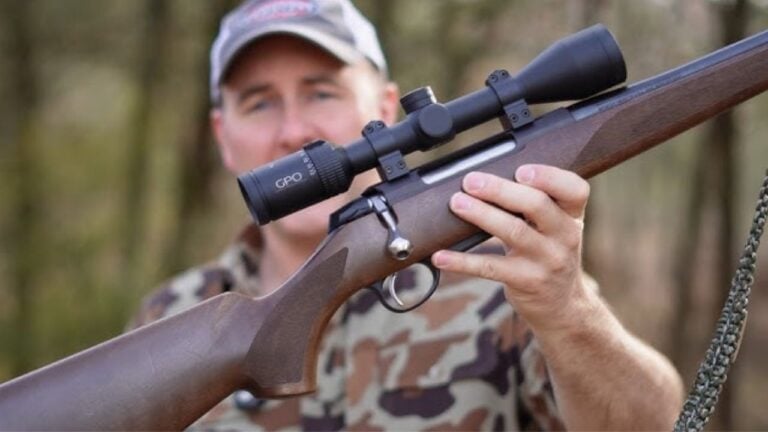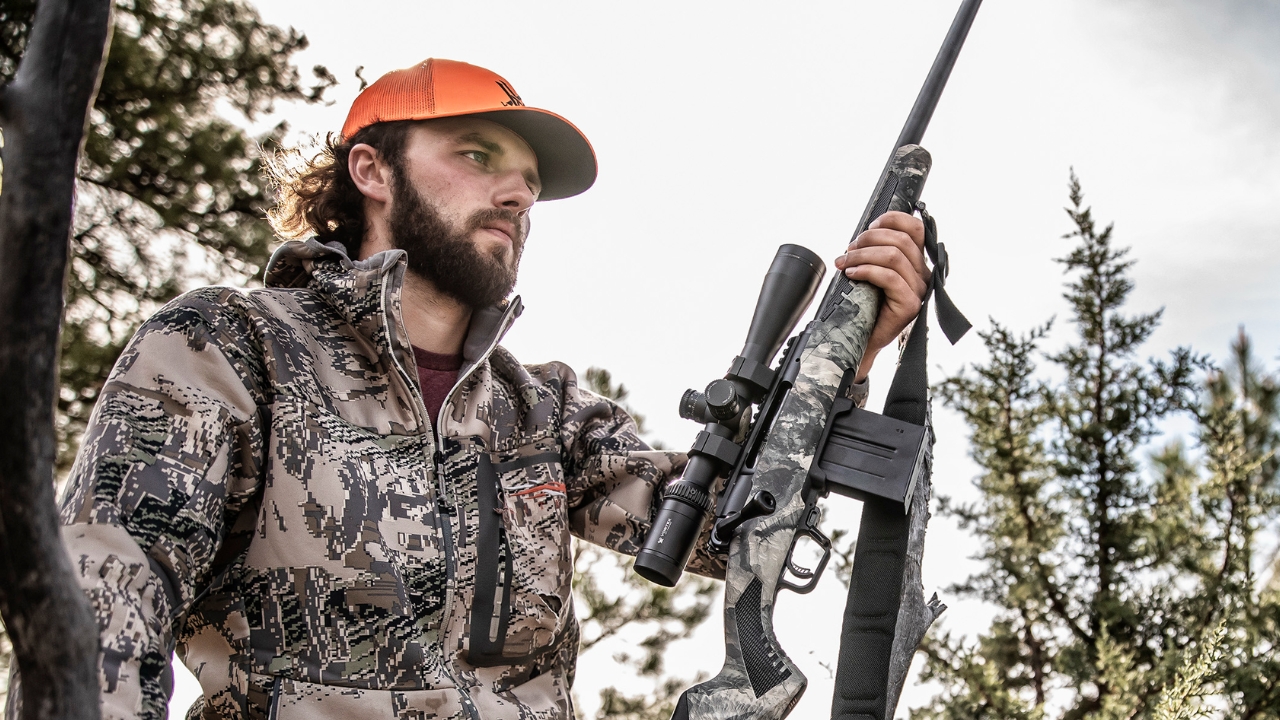
Photo credit: Savage Arms
A rifle that “holds zero” isn’t magic. It’s a pile of small things done right—stiff action, consistent bedding, a stock that doesn’t flex, solid scope mounting, and a barrel that doesn’t shift point of impact when it heats or gets bumped. When your rifle rides in a truck, gets strapped to a pack, or lives in a scabbard, those details matter more than tiny groups off a bench.
Most zero problems blamed on the rifle actually come from loose rings, bad base screws, or a scope that can’t handle recoil and vibration. But some rifles are simply tougher platforms than others. These are the rifles that tend to keep their point of impact when they get used like real hunting tools, not safe queens, as long as you mount the optic correctly and torque everything the way you should.
Ruger American Ranch

The Ruger American Ranch isn’t fancy, but it’s built around a straightforward action and a stock that usually keeps its shape. When you bounce it around in a truck or drag it through brush, it tends to keep returning to the same point of impact, especially once you’ve got the scope mounted properly and the screws torqued right.
A big part of the Ranch’s reliability comes from consistency. You’re not dealing with a delicate bedding system or a stock that feels like it’s made of wet cardboard. It’s a work rifle, and it behaves like one. If you want extra insurance, upgrading the rings and checking the action screw torque a couple times a season goes a long way. For the price, it’s hard to beat for staying on target after real use.
Tikka T3x

Tikkas have earned their reputation the old-fashioned way—people keep dragging them into bad weather and they keep shooting where they’re supposed to. The T3x action is smooth and consistent, and the factory stock tends to be stable enough that your zero doesn’t wander when temperatures swing or the rifle takes a bump.
What helps the T3x hold zero is how predictable the whole system is. The barrel and action interface is solid, and you don’t usually see the “mystery shift” that shows up in rifles with inconsistent bedding or flimsy fore-ends. If you’re the type who hunts hard and doesn’t want to re-check zero every time the rifle rides in a case, this is one of the safest bets. Give it good rings and you’re in business.
Savage 110

Savage rifles have long been known for punching above their price, and the 110 platform is a big reason why. The action is stout, and many 110 variants come with stocks and bedding setups that keep things repeatable. That repeatability is what holds zero when you aren’t babying the rifle.
The other advantage is how forgiving the platform can be. You can beat up a 110 a bit, wipe it down, and it still tends to print where it did last season—assuming your scope and mounts are up to the job. The 110 also has a big aftermarket, which means if you want to stiffen the stock or improve the bedding later, it’s easy. But even out of the box, plenty of 110s are “set it and forget it” rifles for normal hunting abuse.
Winchester Model 70

The Model 70 has been riding in scabbards and banging against saddle leather for decades, and it earned that reputation for a reason. The action is strong, the recoil lug setup is proven, and when you get a good one that’s properly bedded, it tends to stay put. That matters when you’re hunting hard and don’t have time for a rifle that’s sensitive.
Part of why it holds zero is that it’s not built like a lightweight toy. It’s a rifle meant to be used. The stock and action mate up in a way that doesn’t usually shift under normal field knocks. You still need good mounts and you still need to torque your screws correctly, but the Model 70 is the kind of rifle you can trust after a rough week in camp. It’s a classic because it works.
Remington 700

The 700 platform has been everywhere for a long time, and one of the reasons is how well it can hold a zero when everything is set up right. The action design is simple and rigid, and the aftermarket support for mounts, stocks, and bedding is massive. That makes it easy to build a 700 that stays locked in.
Not every 700 is the same, and quality varies by era, but the core design is still a solid foundation. A well-mounted scope, decent rings, and properly torqued screws turn a 700 into a reliable field rifle that doesn’t shift every time it rides in a case. If you’ve ever owned one that stayed dead-on after being bounced around for a season, you know why so many hunters still stick with the platform.
Ruger Hawkeye

Ruger’s Hawkeye line is built with real-world hunting in mind, and you feel that the first time you carry one through rough country. The action is sturdy, the stock options are generally stable, and the rifle tends to shrug off normal abuse without changing point of impact. That’s what you want when the rifle spends more time in the field than on a bench.
The Hawkeye also benefits from Ruger’s practical design choices. You’re not relying on finicky parts that loosen easily. When you mount a scope with solid rings and torque everything properly, the rifle tends to stay where you left it. It’s a dependable pick for people who hunt in wet weather, ride ATVs, or pack rifles into mountains. You can scratch it, ding it, and keep hunting without wondering if your zero wandered.
Weatherby Vanguard

The Vanguard has a reputation for being steady, and that steadiness shows up in how it holds zero over time. The action is strong, and the rifle tends to have a consistent bedding relationship that keeps your point of impact from drifting when the rifle gets knocked around. It’s the kind of rifle you can throw in a truck and still trust.
A lot of hunters like the Vanguard because it feels like a tool, not a showpiece. The rifle doesn’t demand delicate handling to stay accurate. If you keep your scope mounting solid and don’t cheap out on rings, you’ll usually see the same impacts season after season. It’s also a good choice for hunters who travel, because it handles temperature swings and rough handling better than rifles that are overly sensitive to stock pressure.
CZ 527

The CZ 527 is one of those rifles that quietly earns trust. It’s a compact, well-made bolt gun with a solid action and a stock that usually stays consistent. When you’re carrying it a lot—through brush, over fences, in and out of a vehicle—it tends to keep its zero because the platform doesn’t flex and shift easily.
This rifle isn’t built like a disposable budget gun. The fit is typically tight, the action feels rigid, and the whole package behaves predictably. That predictability is what keeps the point of impact where you left it, even after real use. It’s especially loved in cartridges like .223 and 7.62×39 where recoil isn’t brutal, which takes stress off optics and mounts too. Treat it like a hunting rifle, and it’ll act like one.
Browning X-Bolt
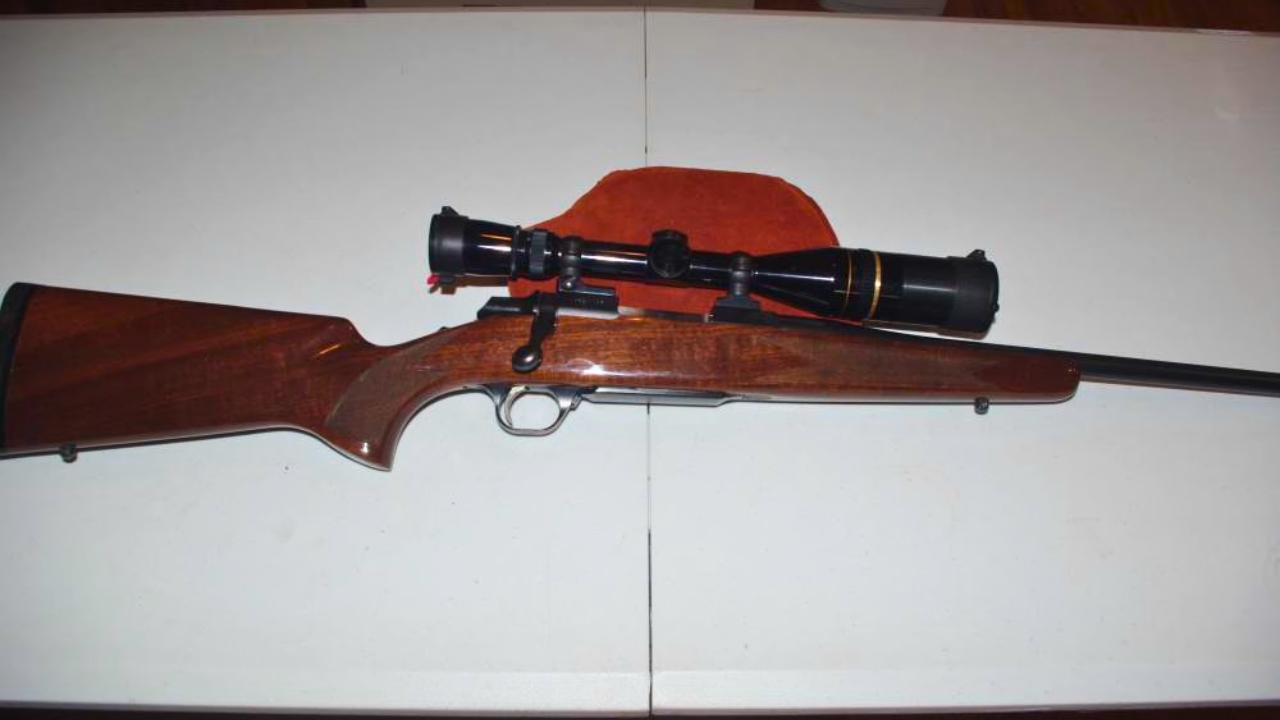
The X-Bolt is a modern hunting rifle that tends to stay on target when you actually use it. The action is strong, the bedding setup is generally consistent, and the stock options are usually stiff enough to avoid that “fore-end pressure” shift you see in some lighter rifles. That matters if you shoot off packs, sticks, and odd field rests.
The X-Bolt also tends to be well put together, which helps with repeatability. A rifle can be accurate on day one and still lose your trust if it won’t hold zero after bumps and travel. The X-Bolt is one of those rifles that usually stays boring, in a good way. Give it quality rings, torque them correctly, and you can hunt hard without feeling like you need to confirm zero every weekend.
Sako 85

Sako rifles are known for being refined, but what you really pay for is consistency. The Sako 85 is built around a precise, rigid action and high-quality manufacturing that keeps the rifle’s geometry stable over time. When you don’t baby your rifle, that stability is exactly what holds zero.
The stock, bedding, and barrel fit tend to be better than average, which means fewer surprises when weather changes or the rifle takes a hit. You still need to mount your scope correctly, but the platform itself is less likely to be the reason your impacts moved. Hunters who travel a lot and hunt in tough conditions often end up trusting rifles like the Sako because they don’t have time for wandering zeros. It’s a premium rifle, but it earns that premium by being dependable.
Bergara B-14

The Bergara B-14 has become popular because it offers a stiff, Remington-700-style footprint with modern build quality. That stiffness translates to holding zero when the rifle gets used hard. The action feels solid, barrels are generally consistent, and many B-14s come in stocks that don’t flex much under field pressure.
What you get is repeatability. You can sling it, drop it into a pack, bump it on a blind rail, and it tends to keep printing where it did last time. That’s the whole point of a hunting rifle. The B-14 also makes it easy to upgrade later, because it plays well with a huge aftermarket. But even stock, it’s one of those rifles that builds confidence fast because it doesn’t turn into a “mystery shift” machine halfway through the season.
Marlin 336

Lever guns don’t get enough credit for holding zero, especially when you run them with good iron sights or a properly mounted optic. The Marlin 336 has a solid receiver and a design that holds up to being carried constantly. In thick woods hunting, these rifles take a lot of knocks, and a good 336 still tends to hit where you expect.
The key is mounting. A sloppy side mount or cheap rings can make any rifle look unreliable. But with a solid top mount and a scope that can handle recoil and vibration, the 336 is steady. Many hunters run the same lever gun for decades with the same zero, because the rifle lives in the real world and keeps working. It’s not a precision bench rifle, but it’s a dependable point-of-aim rifle in hunting conditions.
Springfield Armory M1A

The M1A is a rifle built around a proven operating system, and when it’s set up correctly, it holds zero well through rough use. The action and barrel interface is stout, and the rifle is meant to handle field conditions. That said, optics mounting is where people get into trouble, because a bad mount turns the whole experience into frustration.
With a quality mount and properly torqued hardware, an M1A can stay consistent through hard range sessions and field carry. The rifle isn’t delicate, and it’s not meant to be. It’s heavy enough to ride steady, and that mass helps too. If you’re the kind of shooter who wants a rifle that can take bumps and still hold its point of impact, the M1A can do it, but only if you respect the mounting system.
AR-15 with a quality free-float handguard

A well-built AR-15 can hold zero extremely well, and the free-float handguard is a big reason why. When the barrel isn’t being influenced by sling tension or pressure on the fore-end, point of impact stays more consistent. That matters when you’re shooting off barricades, packs, and improvised rests.
The AR’s real advantage is modularity. You can build a rifle with a solid barrel nut, a quality handguard, and a dependable optic mount, and you get a setup that shrugs off use. The weak point is usually user error—loose mounts, cheap optics, or poor installation. But a properly assembled AR can take travel, vibration, and hard handling without losing zero. For predators, hogs, and general use, it’s one of the most practical “holds zero” platforms out there.
Ruger M77

The Ruger M77 has a reputation as a rugged hunting rifle that you can treat like a tool. The action is strong, the stock-to-action fit is usually stable, and many hunters trust the platform in rough weather and hard country. When you don’t baby your rifle, that kind of build quality matters.
The M77 tends to do well because it’s built with field use in mind, not only bench shooting. It’s not the lightest rifle, and that weight can help reduce stress on optics and mounts too. If you’ve ever hunted with one in rain, snow, and mud, you know why people keep them around. Mount it correctly, keep hardware torqued, and you can drag it through a season without worrying your zero walked off.
Mossberg Patriot

The Mossberg Patriot is a budget rifle that can still hold zero surprisingly well when it’s set up right. The action is straightforward, and many Patriots shoot consistently as long as the stock isn’t putting odd pressure on the barrel and your scope mounting is solid. It’s not a tank, but it can be dependable.
Where people get burned is treating it like a premium rifle without checking the basics. Replace weak rings, torque everything correctly, and don’t ignore action screw tension. Do that, and the rifle often stays where you left it through normal hunting bumps. For a lot of hunters, that’s all they need. It’s a practical reminder that “holding zero” is as much about setup as it is about brand. Some Patriots deliver real value if you build them right from the start.
Like The Avid Outdoorsman’s content? Subscribe to our newsletter so you never miss an article.
Here’s more from us: