Photo credit: travisp11/Youtube
A serious carry pistol does not have to be expensive, fancy, or trendy. It does not need custom slide cuts, a competition trigger, or a brand name that impresses strangers at the range. What it does need is boring reliability, safe handling, practical shootability, decent support, and enough durability to be trusted after repeated practice.
That is where some pistols fall apart.
Some are too cheaply made. Some are too finicky. Some are too awkward to shoot well. Some are novelty guns pretending to be defensive tools. Others might work in a narrow role, but they ask the owner to make too many excuses. These are the pistols that do not belong on the hip of anyone serious about carrying with confidence.
Taurus Judge Public Defender
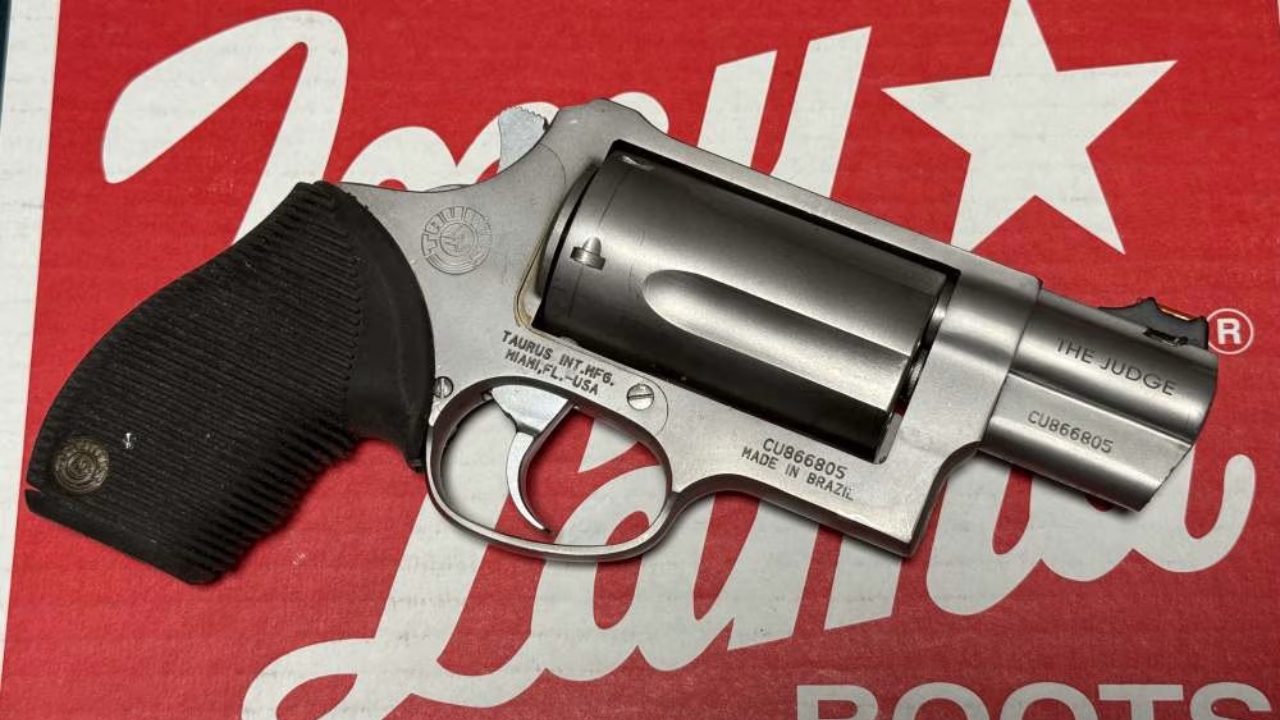
The Taurus Judge Public Defender sells an idea more than a serious carry solution. A compact revolver that can fire .410 shells and .45 Colt sounds intimidating and versatile. That is exactly why it gets attention.
The problem is that it is still bulky, awkward, and built around compromises. The .410 loads do not turn it into a true shotgun, and .45 Colt performance from the short barrel is not automatically impressive. It is harder to conceal than many real carry pistols, holds limited ammunition, and requires the owner to test loads carefully to know what it actually does. As a range novelty or niche tool, it has appeal. As a serious hip gun, it asks too many questions when better answers exist.
Hi-Point C9
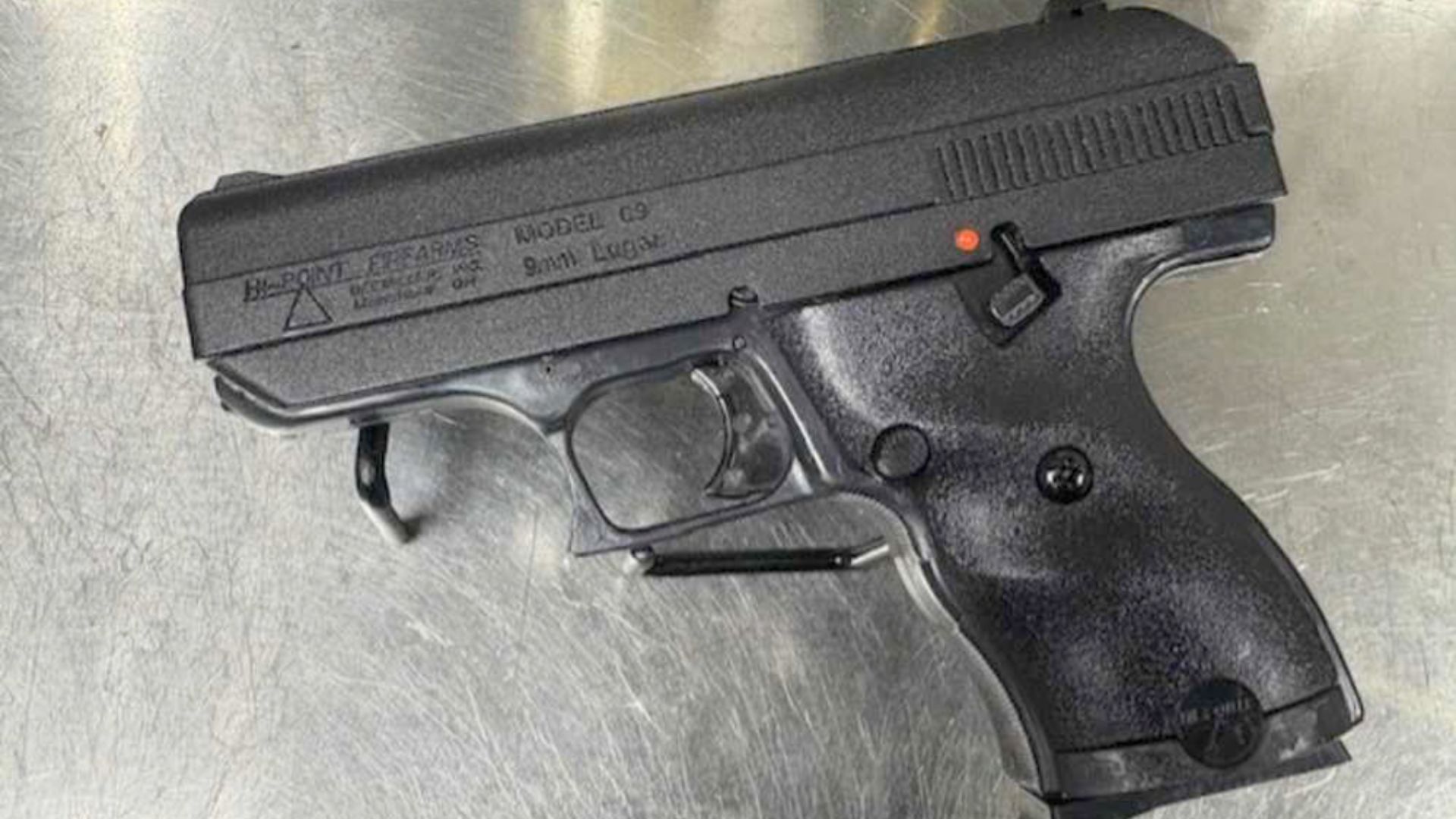
The Hi-Point C9 has defenders because it is affordable and often more functional than critics admit. For someone who truly has no other option, an inexpensive working firearm may be better than nothing. That does not make it an ideal carry pistol.
The C9 is heavy, bulky, low-capacity for its size, and awkward to conceal. The trigger, sights, and overall handling do not compare well with better budget pistols now available from Ruger, Smith & Wesson, Taurus, Canik, and others. It may work as a glove-box-style range beater where legal, but carrying one seriously is another matter. A hip gun needs to be carried comfortably and shot confidently. The C9 struggles to make that case.
SCCY CPX-2
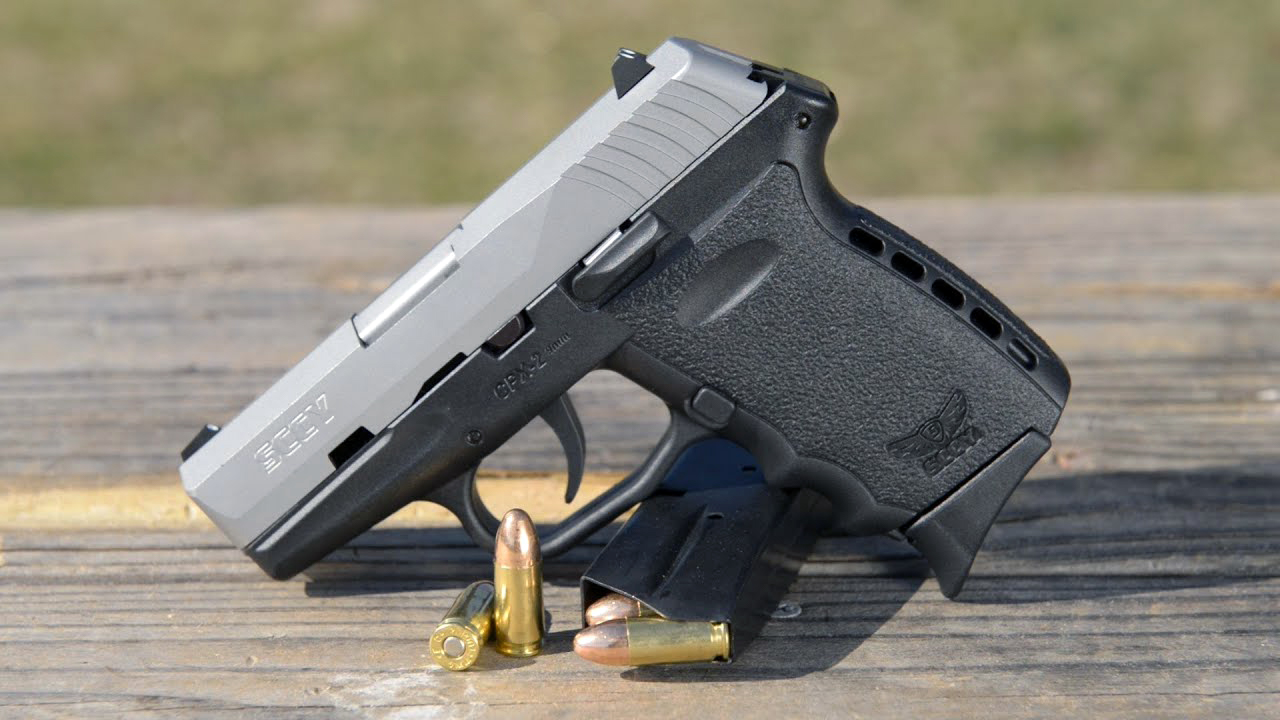
The SCCY CPX-2 attracts buyers with low pricing, compact size, and 9mm chambering. On the surface, that sounds like a practical carry pistol for people who cannot spend much. The issue is that price is only one part of defensive value.
The long, heavy trigger makes accurate shooting harder for many owners, and the pistol’s recoil can feel snappy. Some examples run fine, but the broader reputation is mixed enough that buyers need to test them heavily before trust is even on the table. A carry gun should make the owner want to practice. If the trigger and feel make practice frustrating, the pistol is not doing the owner any favors. Serious carry demands more than “it was cheap.”
Cobra Derringers

Cobra-style derringers and similar inexpensive two-shot pistols look simple and easy to carry. They are small, mechanically basic, and often chambered in cartridges that sound more serious than the gun’s size suggests. That can tempt people into seeing them as backup or pocket carry options.
In practice, they are usually terrible serious carry guns. Two shots, heavy triggers, minimal sights, rough handling, and sharp recoil all work against the shooter. Reloading is slow, accuracy is difficult, and the platform gives very little margin under stress. A well-made derringer can be an interesting collector or novelty piece. A cheap derringer on the hip as a primary defensive pistol is mostly nostalgia and wishful thinking.
North American Arms Mini Revolvers

North American Arms mini revolvers are beautifully clever little guns. They are tiny, well-made, and easy to carry almost anywhere. That makes them appealing as deep backup guns for people who understand their limitations.
Those limitations are serious. The grip is extremely small, the sights are minimal, and shooting them accurately under pressure is difficult. Reloading is slow, and even .22 Magnum from a tiny barrel is not a substitute for a proper defensive handgun. They can have a niche as last-ditch backup tools, but they do not belong as a main hip gun for someone serious. The fact that a gun is easy to carry does not mean it is easy to fight with.
Jimenez JA-9
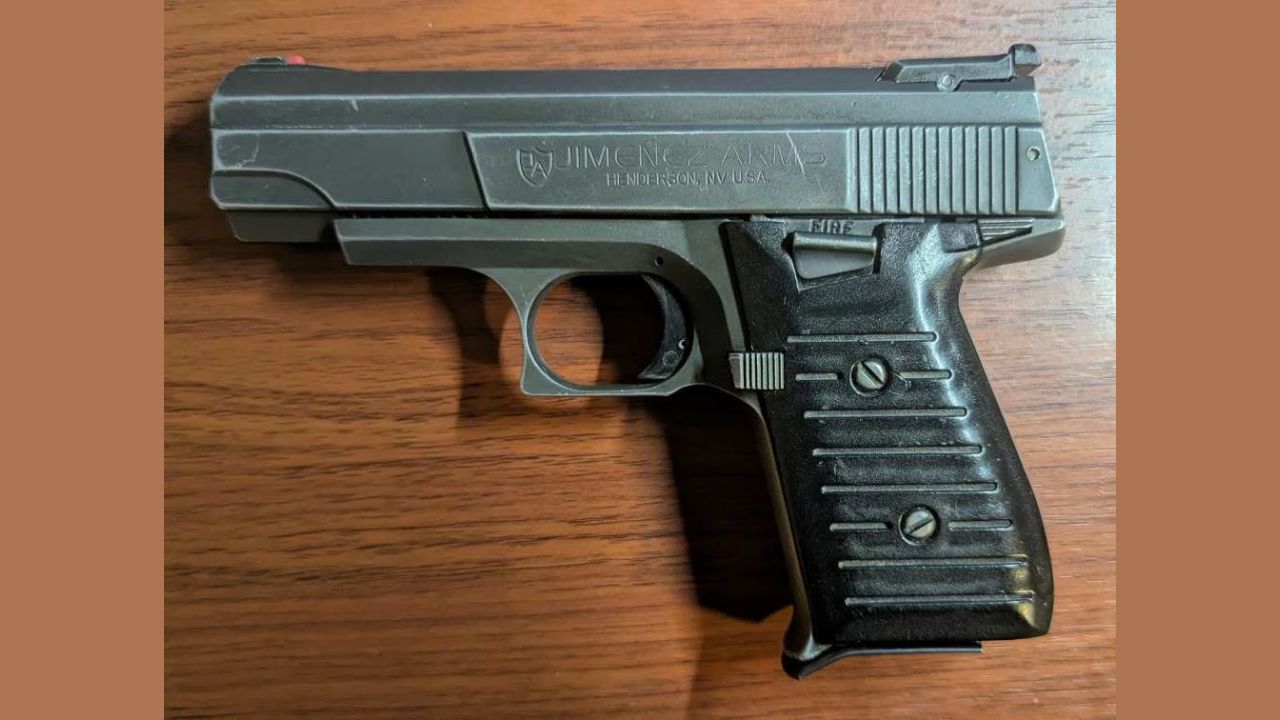
The Jimenez JA-9 represents the kind of ultra-budget pistol that serious carriers should avoid if they have any workable alternative. It is inexpensive, simple-looking, and chambered in 9mm, which may make it attractive to buyers who just want a cheap defensive pistol.
The problem is quality and trust. These pistols have a reputation for rough construction, poor durability, and inconsistent reliability. A defensive handgun needs to inspire confidence after repeated testing, not make the owner wonder which part will fail next. Cheap materials and low manufacturing standards can turn a small savings into a large risk. For serious carry, this is exactly the category of pistol people should work hard to move beyond.
Jennings and Bryco Pistols
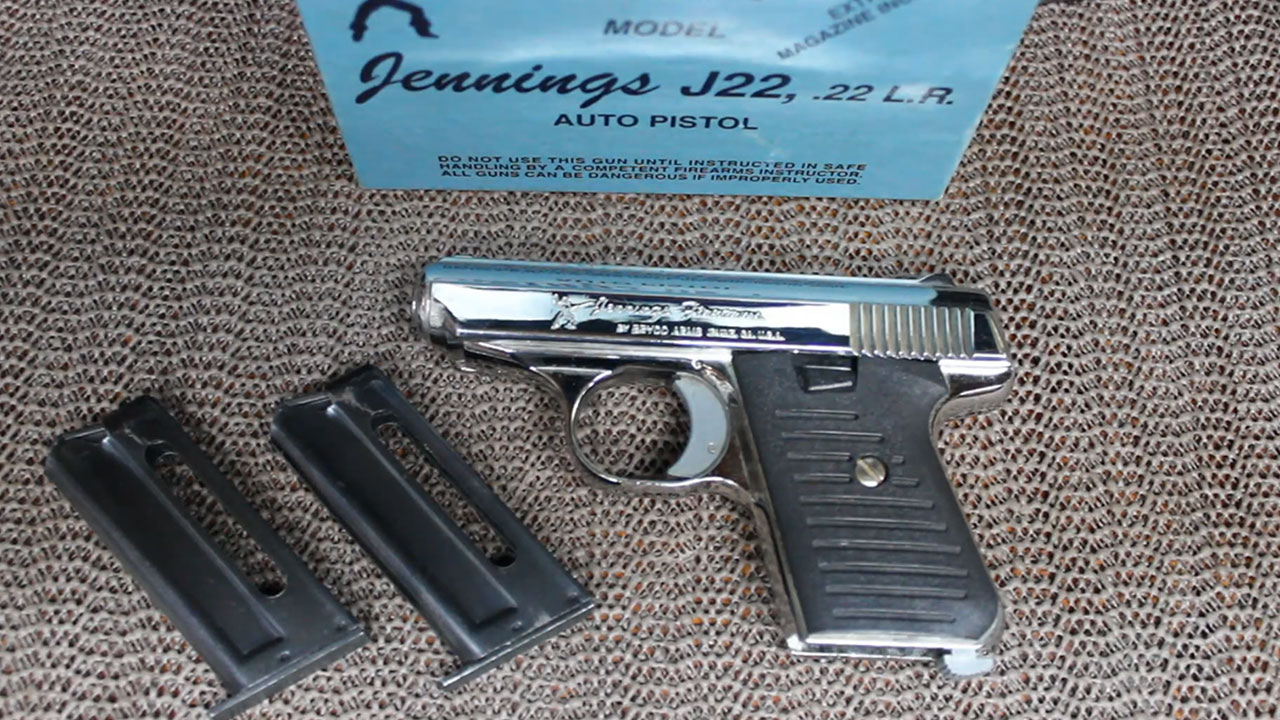
Jennings and Bryco pistols are often remembered as cheap pocket guns from an era when buyers had fewer affordable quality options. They were small, inexpensive, and easy to find, which made them common among people who wanted something for self-defense without spending much.
That does not mean they belong on a serious carrier’s hip. Reliability, safety, durability, and shootability were never their strongest arguments. Many examples are old now, with unknown histories and questionable maintenance. Even if one functions, there are far better budget carry options today. A serious defensive pistol should not be chosen because it was the cheapest thing in the pawn shop. It should be chosen because it has proven itself.
Taurus Curve

The Taurus Curve was bold, but bold is not the same as serious. Its curved frame was designed for concealment, and the pistol certainly looked different from everything else in the case. That difference got people talking.
The problem is that the design compromised too much. The unusual shape, tiny size, and lack of traditional sights on some versions made it harder to shoot well than many buyers expected. It was more concept gun than confidence gun. A carry pistol needs to be boringly usable under stress, not just clever in theory. The Curve may be interesting as a discontinued oddity, but it does not belong on the hip of someone who wants a straightforward, serious defensive tool.
Micro 1911s That Have Not Been Proven
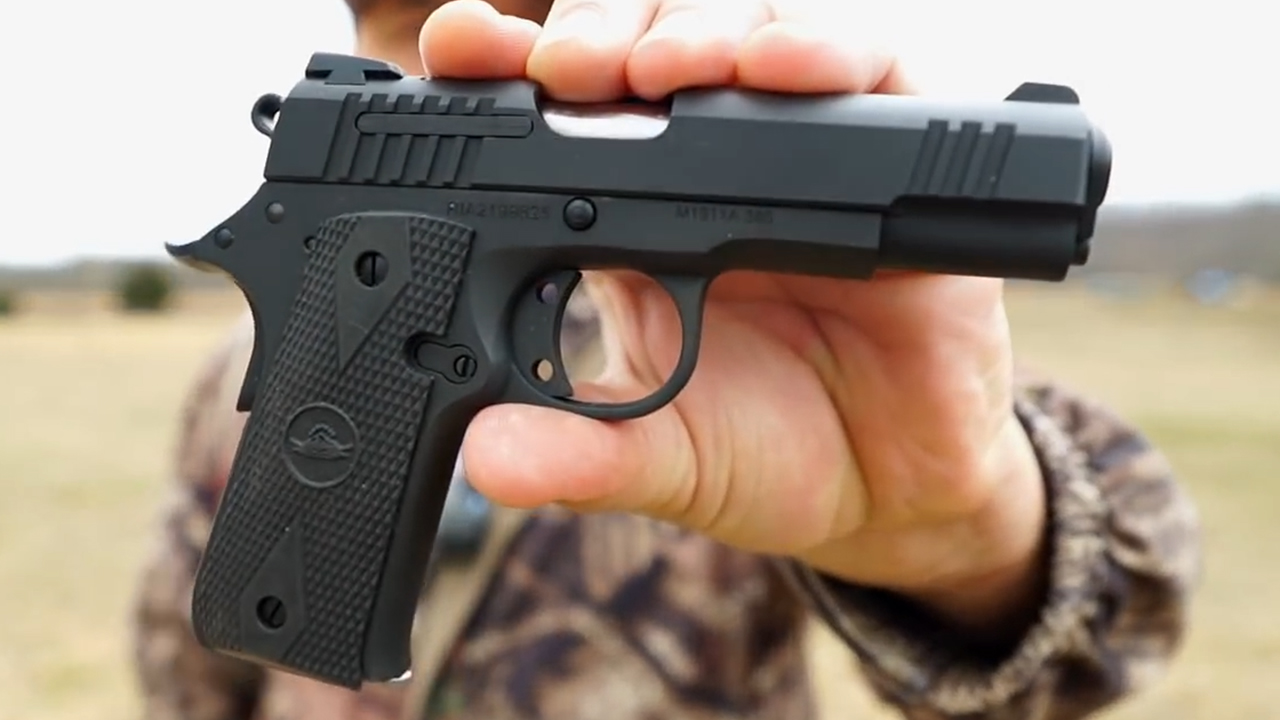
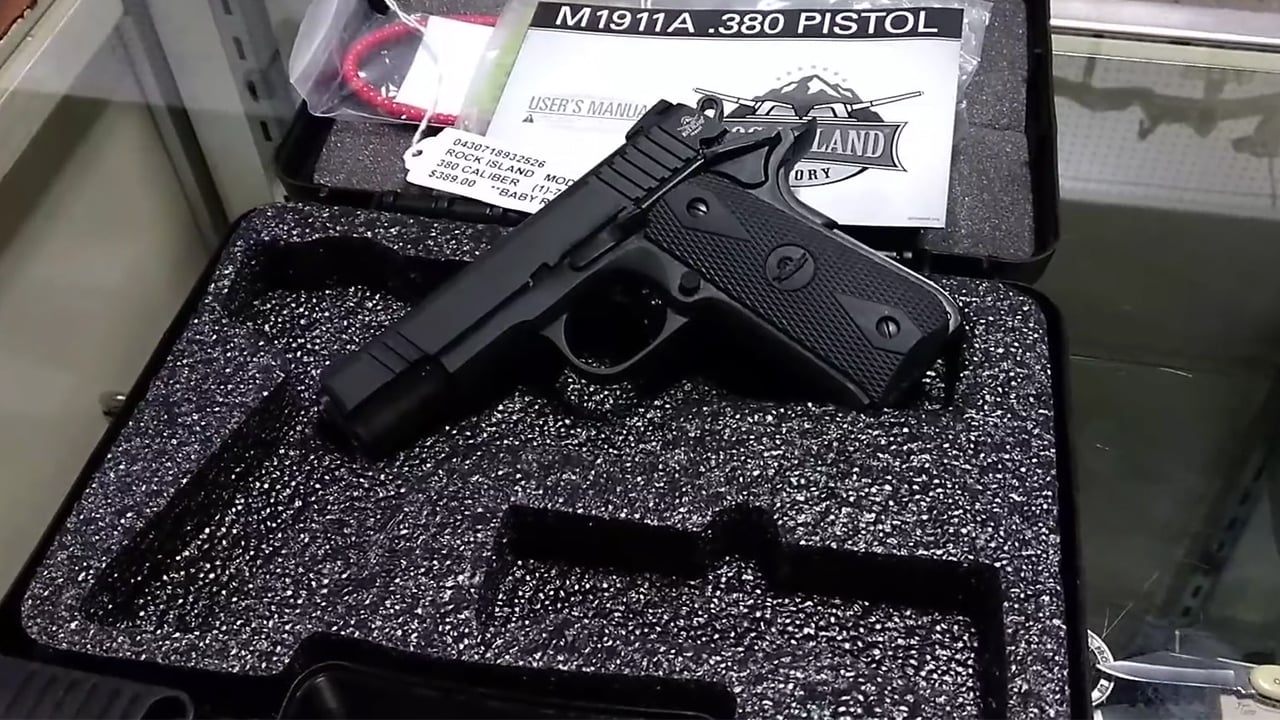
A small 1911-style pistol can be carried seriously if it is well-made, reliable, and thoroughly tested. The issue is that many people buy tiny 1911s because they love the idea, then carry them before proving the gun with enough rounds, magazines, and defensive ammunition.
That is risky. The smaller the 1911 gets, the more sensitive it can become to timing, recoil springs, magazine quality, and ammunition shape. A full-size 1911 already requires some platform knowledge. A micro version demands even more. If a tiny 1911 has not been tested hard, it does not belong on the hip yet. Serious carry means the owner knows the gun works, not that they hope the famous platform name will carry the day.
Cheap 1911 Clones With Reliability Issues
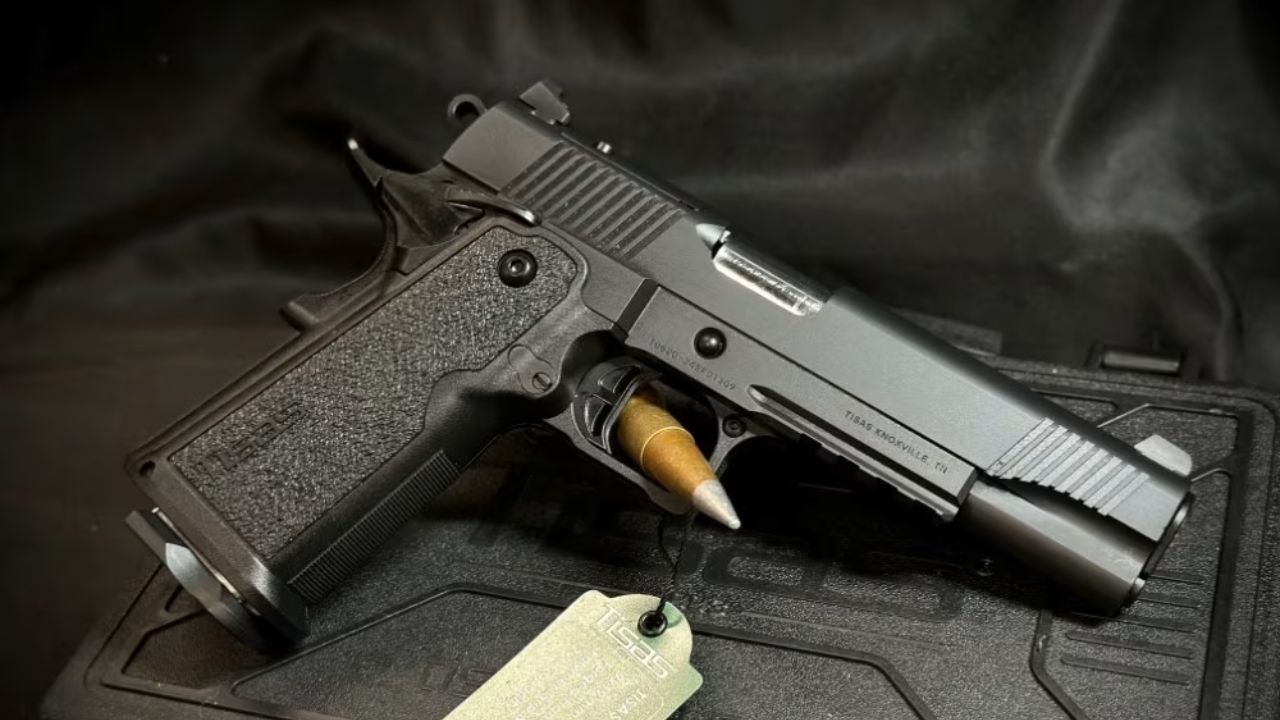
A cheap 1911 clone can look like a bargain until it starts choking at the range. The buyer gets steel, .45 ACP, a single-action trigger, and classic styling for less money. That combination feels like a win at the counter.
But a defensive 1911 needs reliable magazines, proper extractor tension, good feed geometry, and decent small parts. If the pistol fails to feed, eject, lock back, or run hollow points consistently, it has no business being carried seriously. Some budget 1911s can be tuned into reliable guns, but the owner needs to do that work before trusting them. A pistol that looks serious but needs constant excuses is not a serious carry choice.
Desert Eagle
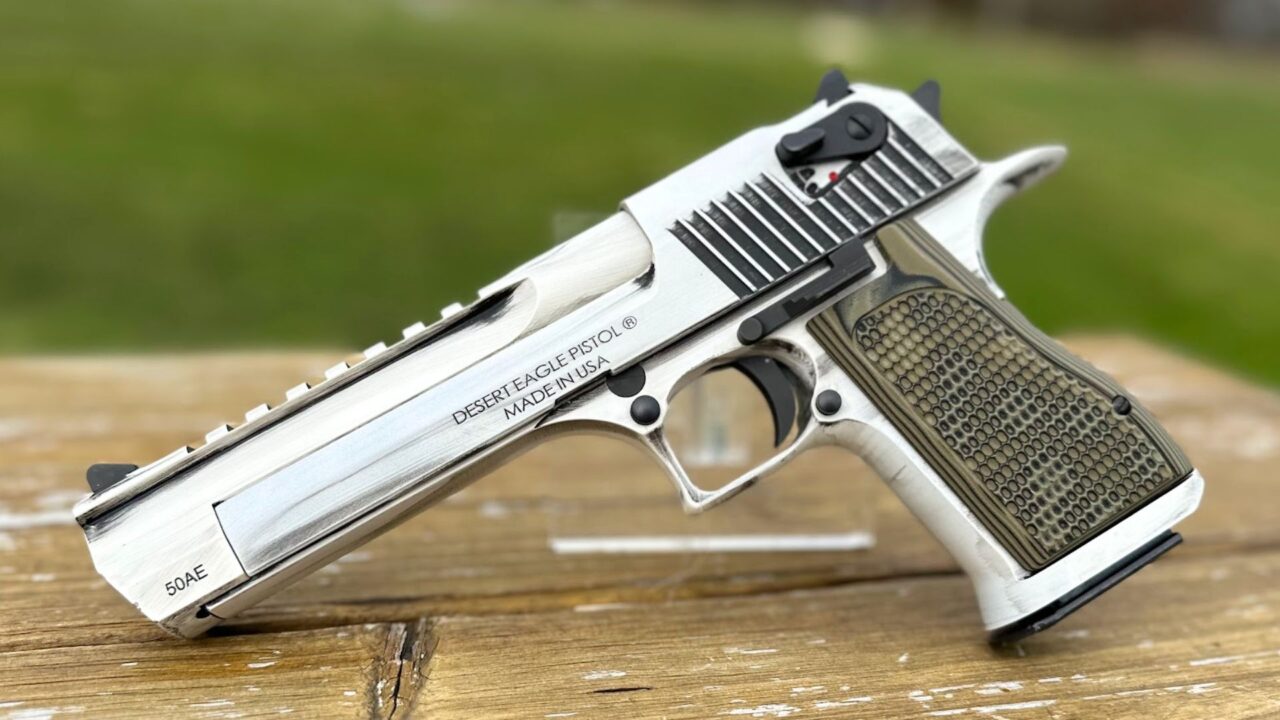
The Desert Eagle is famous, powerful, and fun in the right setting. It is also one of the least sensible pistols to carry seriously on the hip. It is enormous, heavy, expensive to feed, and built more around spectacle than practical daily defense.
Yes, it fires powerful cartridges. That does not make it a good carry gun. Concealment is difficult, follow-up shots are not as fast as with normal defensive pistols, and the platform itself is too large for most practical holsters and daily movement. The Desert Eagle belongs at the range, in collections, or in conversations about movie guns. It does not belong on the hip of someone who needs a realistic everyday defensive pistol.
Single-Action Revolvers as Primary Carry Guns
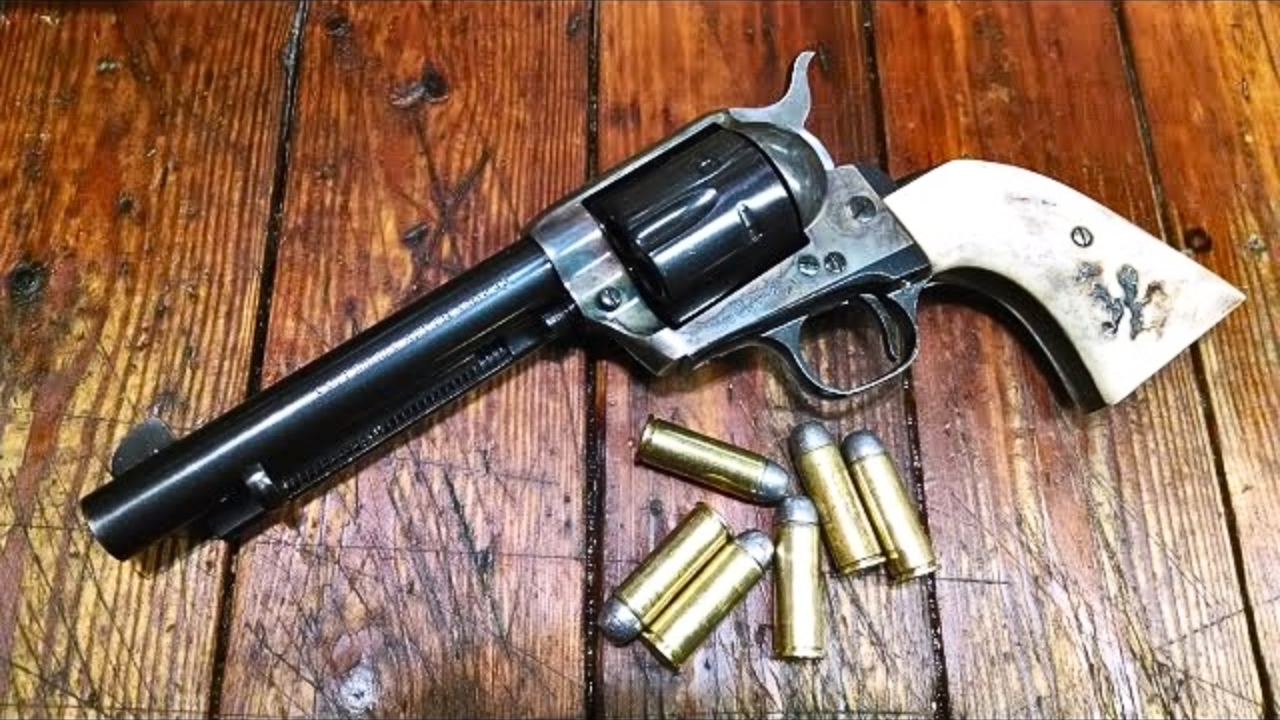
Single-action revolvers can be excellent field guns, hunting sidearms, and traditional range pieces. A Ruger Blackhawk, Vaquero, or Colt-style single-action has real value in the right role. The issue is using one as a primary defensive carry gun in a modern context.
A single-action revolver is slower to bring into action, slower to reload, and requires cocking the hammer for every shot. Under stress, that is a lot to ask compared with a double-action revolver or modern semi-auto. Skilled shooters can run them impressively, but most carriers are not trained to that level. As a woods or ranch gun, fine. As a serious everyday hip gun for defensive carry, it usually gives up too much.
Pocket .25 ACP Pistols

Old pocket .25 ACP pistols have charm, and some are beautifully made. A Colt 1908 Vest Pocket, Baby Browning, or similar pistol can be historically interesting and surprisingly elegant. But charm does not make the cartridge or platform ideal for serious carry.
The .25 ACP is weak by modern defensive standards, and many old pocket pistols have tiny sights, small grips, questionable parts availability, and uncertain reliability after decades of use. They may have made more sense in another era when options were limited. Today, compact .380 and 9mm pistols give carriers far better capability. A .25 pocket pistol might be collectible. It should not be the main gun someone serious straps on.
Unproven Custom Glocks

A properly modified Glock can be excellent. Better sights, a quality optic, a modest trigger upgrade, or professional grip work can help a shooter. The problem is the over-customized Glock that has never been proven after all the parts were changed.
A carry gun is not the place for mystery triggers, questionable connectors, lightened striker springs, cheap barrels, and flashy slide cuts from unknown shops. Reliability can change when parts are swapped, and a pistol that worked stock may become less trustworthy after “upgrades.” If the owner has not tested it thoroughly, it does not belong on the hip. Serious carry is about confidence, not Instagram parts lists.
Any Pistol the Owner Will Not Practice With
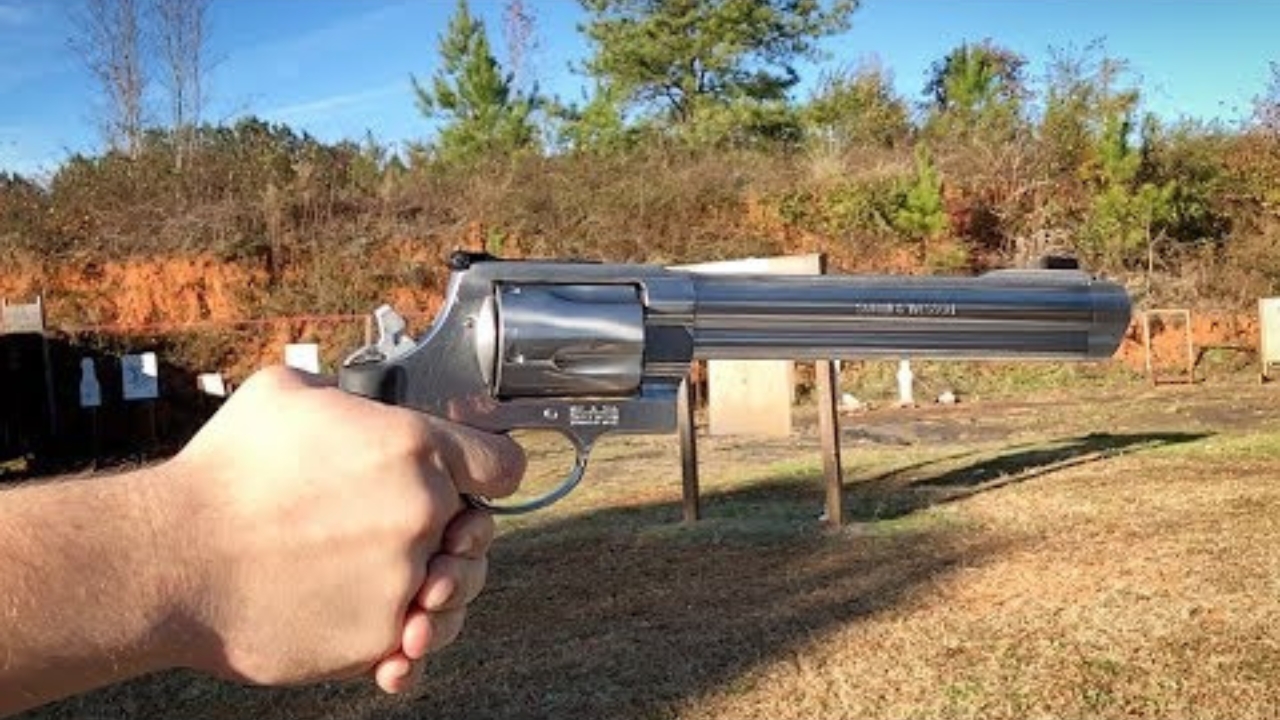
The most serious answer is not a specific brand or model. It is any pistol the owner refuses to practice with. A gun can be expensive, respected, and mechanically reliable, but if it hurts to shoot, prints badly, has confusing controls, or makes the owner dread range time, it is a poor carry choice.
A serious carry gun has to be carried and practiced with. That means the owner should be able to draw safely, hit accurately, clear malfunctions, reload, and run the gun under pressure. A tiny magnum revolver, harsh micro-compact, finicky 1911, or oversized hand cannon may all fail that test for different people. The best carry pistol is not the one that sounds toughest. It is the one the owner can actually use well.
Like The Avid Outdoorsman’s content? Be sure to follow us.
Here’s more from us: