Photo credit: 22plinkster/YouTube
A lot of calibers get famous because they look impressive in a chart, win a few loud arguments online, or ride a wave of “everybody’s switching” talk. Then you buy one, live with it for a season or two, and realize the downsides aren’t theoretical at all. Recoil changes how you shoot, ammo cost changes how often you practice, and availability matters the first time your local shop has bare shelves.
None of this means a popular cartridge is “bad.” It means some calibers are overrated for the way most people actually hunt, carry, and train. If you’re paying extra, dealing with more blast, or chasing performance you’ll never use, you’re not getting ahead—you’re complicating your own shooting. Here are some calibers that tend to get more credit than they’ve earned for everyday use, and why you’re often better off skipping them.
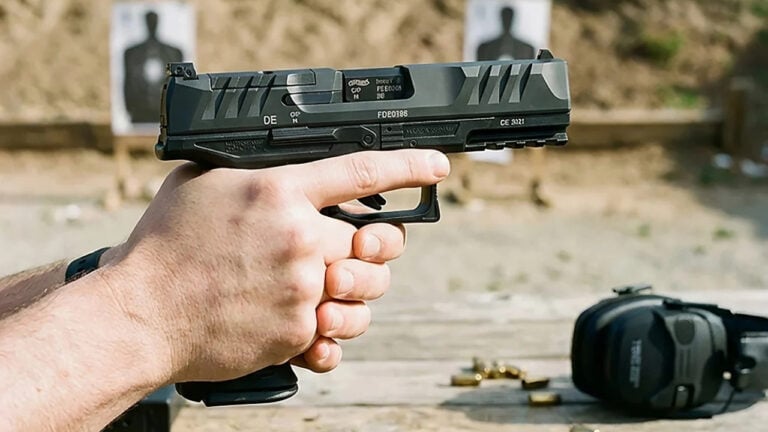
10mm Auto

The 10mm is easy to romanticize because it sounds like the “do everything” answer. More punch than 9mm, more reach than most handgun rounds, and it gets talked about like it turns a sidearm into a woods rifle. In reality, for most shooters it’s a cartridge that adds recoil, blast, and cost faster than it adds practical results.
When you’re tired, cold, or shooting in awkward positions, 10mm can make you slower and sloppier. That matters more than internet energy. Ammo is pricier, which often means less practice, and a lot of people end up downloading or buying “lite” loads anyway. If you truly need full-power 10mm, you already know it. If you don’t, it’s often extra work for a return you won’t cash.
.357 SIG

.357 SIG has always been marketed like a magic trick: flat shooting, sharp performance, and a bottleneck case that “feeds like a rifle.” It can work well, but it’s also one of the easiest handgun calibers to regret once the novelty wears off. The recoil impulse is snappy, the muzzle blast is loud, and it’s not a forgiving round when you’re trying to shoot fast with real control.
The bigger problem is logistics. Ammo tends to be expensive and less common on shelves, which quietly kills training volume. Magazines and guns aren’t as widely supported as mainstream service calibers, and you can end up hunting for parts and loads like it’s a hobby inside your hobby. If you want consistent, practical performance, you’ll usually get more done with less drama elsewhere.
.40 S&W

For years, .40 S&W was treated like the serious person’s choice—more authority than 9mm, more capacity than .45, and a reputation built during a specific era of policing and ammo design. The catch is that a lot of what made .40 appealing then matters less now, while the downsides still show up every time you press the trigger.
In many common pistols, .40 runs with a sharper recoil impulse that makes rapid, accurate shooting harder for the average shooter. It can also be harder on guns over time compared to softer-shooting options in similar platforms. Add in that many people don’t practice as much with it because it’s less pleasant and often costs more, and you end up with a caliber that looks tough on paper but doesn’t help most folks perform better.
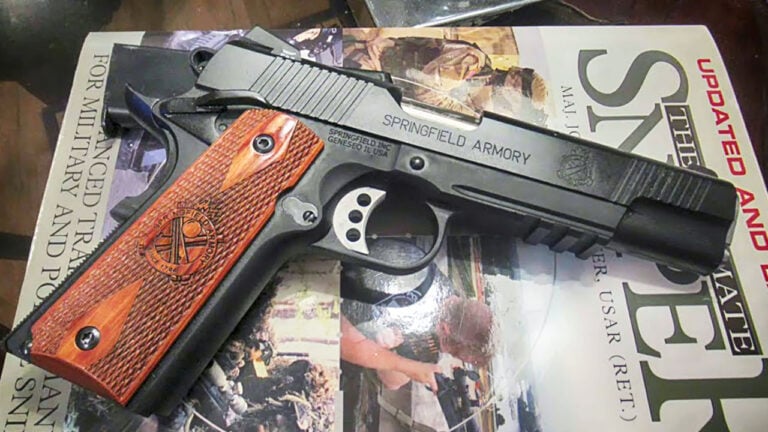
.45 ACP

.45 ACP has real history and it still works, but it’s often treated like it carries some special authority that modern reality doesn’t support. The truth is you’re usually paying for it in capacity, split times, and training cost, and those are not small things when you’re trying to shoot well under stress.
A lot of shooters also confuse “push” recoil with “easy recoil.” Yes, .45 can feel slower than snappier rounds, but it still takes work to run quickly and accurately, especially in compact carry guns. Ammo cost can limit practice, and many .45 pistols are larger than people want to carry every day. If you already shoot .45 well and love it, fine. But if you’re choosing it because you think it’s automatically superior, that’s a common trap.
.327 Federal Magnum

.327 Federal is one of those calibers that looks clever: more capacity in a small revolver, flatter shooting than you’d expect, and enough steam to feel “serious.” The issue is that it often solves a problem most shooters don’t actually have, while creating a few problems they absolutely will notice.
It’s loud. In short barrels, it can be brutally sharp and unpleasant, and that affects real-world practice. Ammo availability is spotty compared to mainstream revolver rounds, which means you may struggle to find the exact load you like when you need it. Revolver choices are also narrower. If you’re willing to live inside that niche, it can be a neat setup. If you want something you can feed easily and practice with often, .327 tends to be more work than it’s worth.
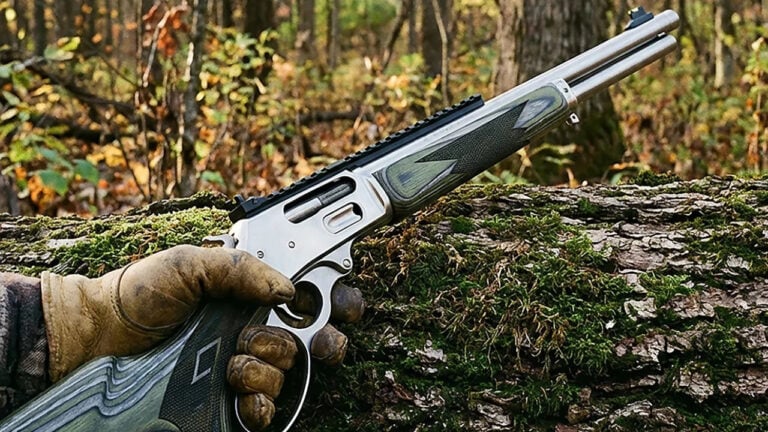
.30-06 Springfield

.30-06 has probably taken more game than most of the “new hot” cartridges combined, so calling it overrated sounds crazy. Here’s the point: it’s often recommended as the default answer even when it doesn’t fit the shooter. For many hunters, it’s more recoil than they need, and recoil is one of the biggest reasons people miss or make bad hits when adrenaline hits.
If you don’t shoot a lot, a full-house .30-06 can train you into flinching. It also tempts people into heavier bullets and hotter loads “because you can,” even when they’re hunting whitetails at normal ranges. The cartridge is absolutely capable, but capability isn’t the same as practicality. A caliber that you shoot better, practice with more, and carry with confidence will put more deer down than extra horsepower you can’t use well.
.300 Winchester Magnum

The .300 Win Mag is famous for a reason, but it’s also one of the most common “I bought it because I might need it” cartridges. Most hunters don’t need it for most hunts, and a lot of them don’t shoot it well enough to benefit from what it offers. It’s loud, it’s hard on shoulders at the bench, and it can turn a casual practice session into a flinch factory.
Ammo is also pricey, and that reduces trigger time for many people. And when you’re hunting deer at ordinary distances, the real advantage is often minimal while the downsides remain. Plenty of folks own a .300 and rarely shoot it because it’s unpleasant. That’s not a winning setup. If you truly hunt bigger game or longer distances regularly, it can make sense. If you don’t, it’s often buying punishment you won’t cash in.
7mm Remington Magnum

7mm Rem Mag has been the “flat shooter” poster child for decades. It’s effective, but it also gets recommended like it’s a free lunch. The truth is you’re still dealing with magnum recoil and blast, and that changes how you practice and how you shoot in the moment. A lot of hunters end up shooting fewer rounds per year because their rifle isn’t enjoyable to run.
It also tends to push people toward long-range daydreaming instead of field reality. If you’re not actually training for distance—wind calls, positions, and honest dope—then “flat” doesn’t matter as much as clean fundamentals. On deer and similar game at normal ranges, you can get the same results with less recoil and more confidence. The 7mm Rem Mag isn’t wrong. It’s simply more than many people need, and more than many people shoot well.
6.5 PRC

6.5 PRC is one of those cartridges that sounds like an upgrade because it adds speed and energy over the 6.5 Creedmoor, and it definitely can. The catch is that many hunters buy it expecting a dramatic real-world difference, then find out they mostly purchased extra blast, extra cost, and less forgiving barrel life for the way they actually hunt.
If your shots are typical deer-country distances, you’re not using what the PRC is selling. You’re carrying a rifle that tends to be louder and often heavier, and you’re feeding it ammo that costs more. The other issue is that PRC rifles can encourage “numbers chasing” instead of field-ready shooting. If you want a rifle you’ll shoot a lot and shoot well, you’re often better off choosing a cartridge that keeps practice fun and affordable.
.28 Nosler

.28 Nosler looks amazing in a chart. It throws sleek bullets fast, it holds energy, and it makes people talk about far hills like they’re close. The problem is that it’s a specialty cartridge that gets bought by regular hunters who don’t live the specialty lifestyle. Recoil and blast are real, ammo is expensive, and barrel life becomes a practical concern if you actually practice like you should.
It also creates a temptation to lean on the cartridge instead of your own skill. That’s a bad trade. Long shots demand more than velocity—wind reading, stable positions, and honest distance discipline. If you’re not doing that work, the caliber doesn’t save you. For most deer hunters, it’s buying capability you won’t use, while paying costs you will feel every single time you shoot it.
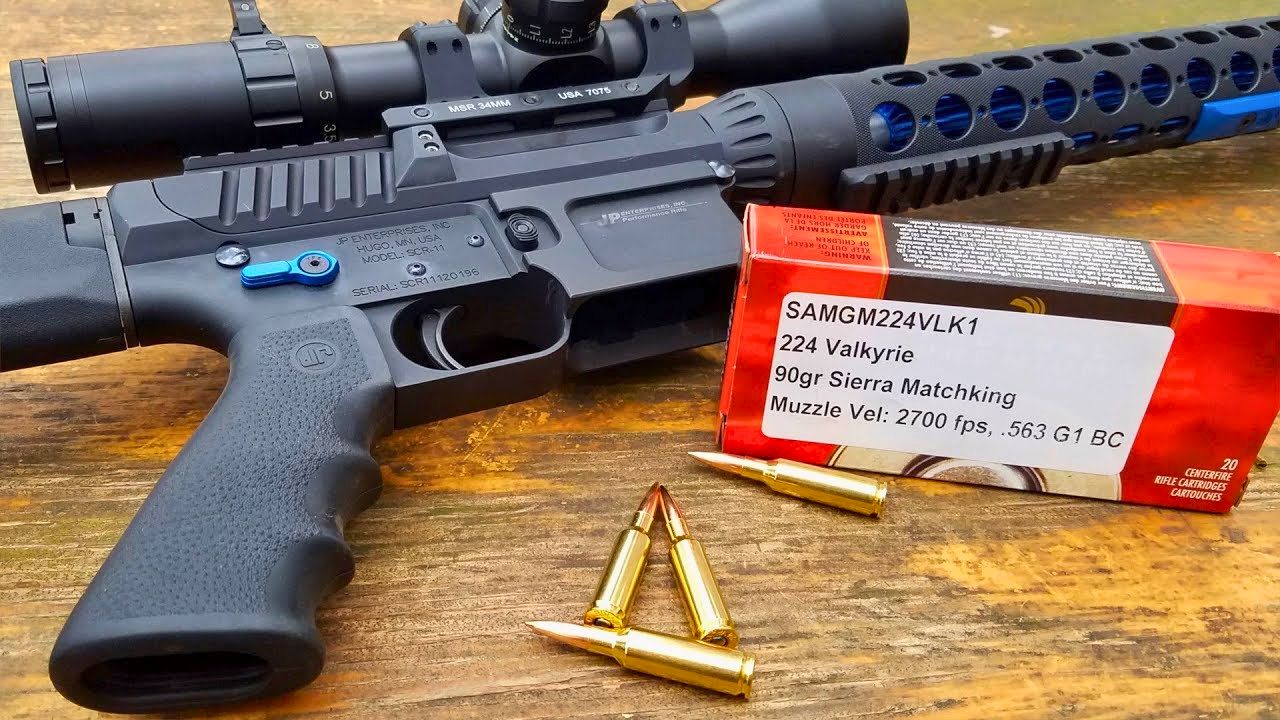
.224 Valkyrie
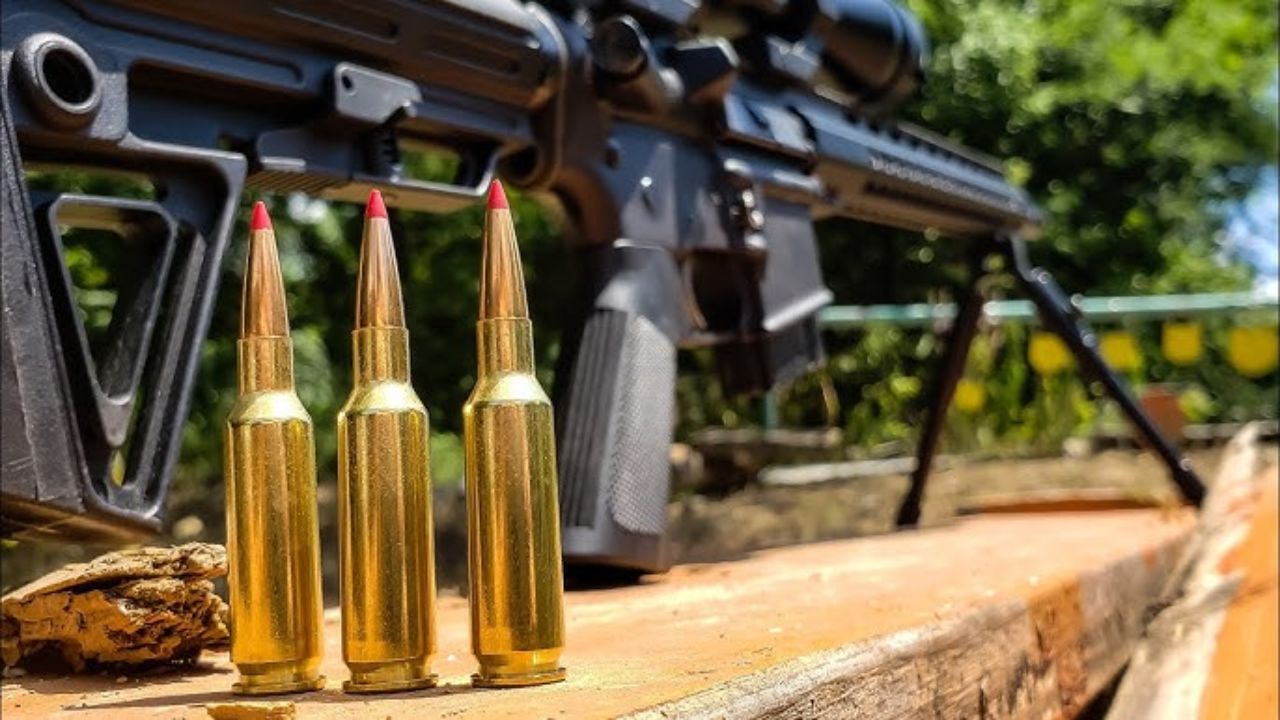
.224 Valkyrie got pushed hard as a cartridge that would make small bullets behave like long-range magic. In some setups it can shoot well, but it’s also a cartridge that’s far more finicky in the real world than people expect. Ammo consistency varies, rifle and twist-rate matching matters, and the performance you see in the best-case discussions isn’t always what shows up at your range.
The bigger issue is that it’s trying to carve out space in a world where other options already work without the learning curve. A lot of shooters end up spending time and money chasing the right load and the right setup, when they could be training and enjoying the rifle instead. If you like tinkering, it can be a fun project. If you want straightforward results with broad support, .224 Valkyrie often ends up feeling like work.
.350 Legend
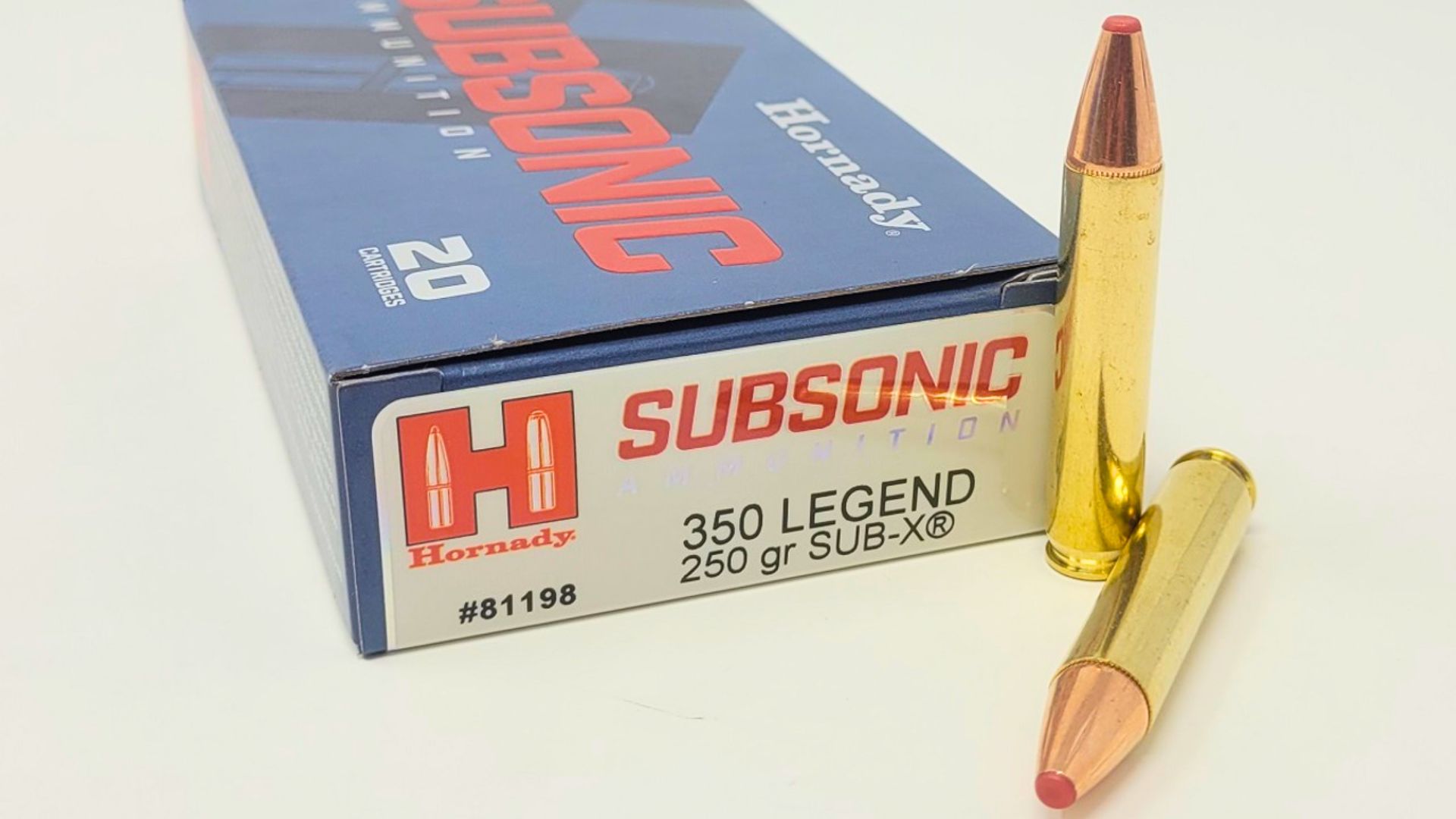
.350 Legend has a legitimate niche, especially where straight-wall rules apply, but it also gets praised like it’s a universal deer answer. It isn’t. Ballistically, it has real limits compared to standard bottleneck deer cartridges, and those limits matter once distance stretches or angles get less friendly. People sometimes talk it up because it’s newer and because the recoil can be manageable, but that doesn’t automatically make it the best choice.
Ammo selection can also be uneven depending on where you live, and not every load performs the same on real animals. If you’re hunting inside its comfort zone, it can do the job well. If you buy it expecting it to cover every scenario the way a classic deer cartridge does, you may end up forcing the round into work it wasn’t built for. That’s where tracking problems and disappointment begin.
.450 Bushmaster

.450 Bushmaster gets sold as a hammer, and it can hit hard. The problem is that it’s often bought by people who don’t actually need a hammer that big, and then they pay for it with recoil, limited range, and expensive ammo. It’s also a cartridge that can encourage sloppy shooting because people assume “big hole” fixes everything.
In the field, recoil still affects accuracy, and accuracy still decides the outcome. The trajectory is also more arced than many people expect, which makes distance judgement and holds more important than the marketing suggests. If you’re hunting thick cover and want a straight-wall option that hits hard up close, it can make sense. If you’re buying it because it sounds like the ultimate deer round, you’re likely signing up for drawbacks that don’t match your hunts.
.17 HMR

.17 HMR is a fantastic rimfire for the right work, but it gets overrated the moment people start talking like it’s a do-it-all small-game answer. It’s fast and accurate, but it’s also a light bullet that can be more sensitive to wind than people expect. If you hunt in open country, that matters, because tiny wind drift turns clean hits into misses or bad hits quickly.
It’s also not the toughest round when conditions get rough. Rimfire ignition is what it is, and if you’re relying on it like a centerfire, you’re asking more than it was designed to give. For varmints and precise shooting at sensible distances, it shines. Where it becomes overrated is when folks expect it to cover every small-game situation, every weather condition, and every field mistake. It won’t.
12 Gauge 3½-Inch Magnum Loads
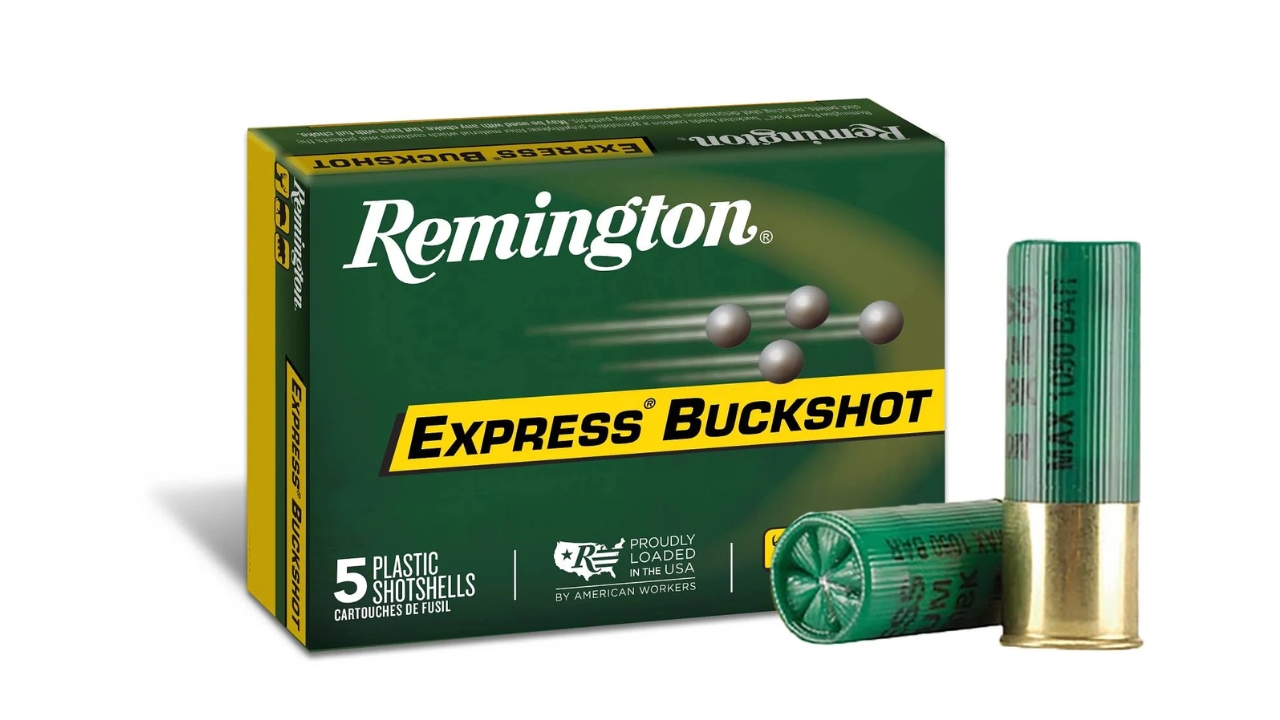
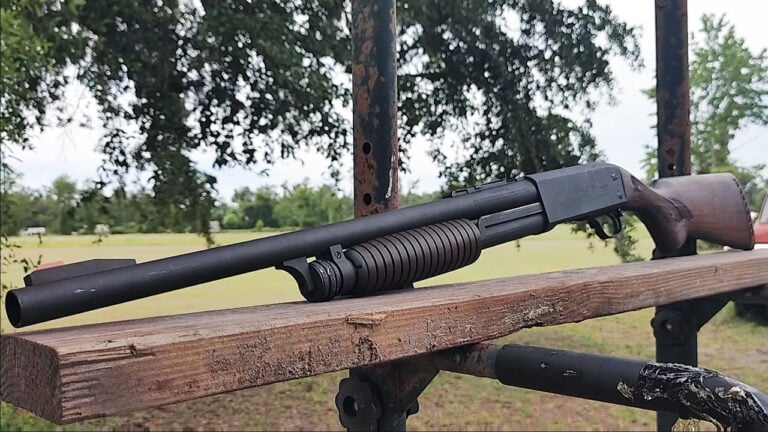
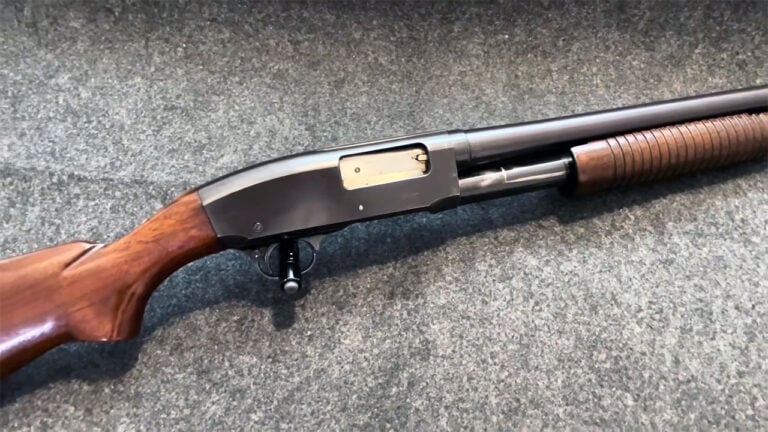
This one isn’t a “caliber” in the strictest sense, but it’s absolutely an overrated choice that a lot of hunters buy. The 3½-inch 12 gauge gets treated like more shell equals more success, and that’s not how it works. For many shooters, the recoil is punishing enough that it harms follow-up shots and long practice sessions, and practice is what actually improves your performance.
You also don’t always get the pattern improvement you think you’re buying. Sometimes you get more pellet deformation, more flyers, and more noise without a meaningful gain in clean kills. Plenty of hunters shoot 3-inch or even 2¾-inch loads better, and they pattern more consistently with their specific gun. If you want to be deadly, pick the load that patterns tight and that you can shoot well repeatedly, not the one that bruises you into shooting less.
Like The Avid Outdoorsman’s content? Subscribe to our newsletter so you never miss an article.
Here’s more from us: