Photo credit: Buckeyes Outside/YouTube
A lot of deer rifles earn their reputation the honest way—years of filling freezers, riding in truck racks, and getting handed down. The regret usually shows up when you buy one expecting that same old reliability and “set it and forget it” accuracy, then reality hits. Maybe it’s a newer production run that doesn’t feel as tight. Maybe it’s a design that was always a little finicky, and you’re only now seeing it because you’re shooting more and stretching your distances.
Most of the time, the rifle isn’t total junk. It’s that the rifle demands more attention than you expected: better mags, better mounts, more careful cleaning, or a different stock. If you don’t know that going in, it’s easy to end up with a “trusted” deer rifle you wish you’d left at the counter.
Remington 742 Woodsmaster

The 742 is one of those rifles that looks like the perfect deer gun—semi-auto, familiar feel, and plenty of them have dropped whitetails for decades. The regret shows up when you realize how touchy they can be once they’re worn or neglected. They often run fine until they don’t, and when problems start, they tend to stack up fast.
A big issue is keeping one running smoothly without turning maintenance into a hobby. A dirty chamber, rough extraction, or wear in the action can turn a once-trusted rifle into a jam-prone headache. If you bought it thinking it would behave like a modern semi-auto, you can end up disappointed—especially when parts, repairs, and long-term support aren’t as easy as you hoped.
Remington 7400

The 7400 gets lumped in with “classic” deer rifles for a reason: a lot of them worked well for a lot of hunters. The regret usually comes when you buy one used, assume it’s good to go, and then find out it’s picky about cleanliness and sometimes picky about ammo.
When a 7400 is healthy, it can shoot and cycle fine. When it’s not, you can chase extraction and feeding problems that always seem to show up at the wrong time. Add in the fact that many of these rifles have lived hard lives—truck guns, saddle scabbards, closet storage—and you can take one home that looks great but needs more work than you planned. That’s where the “trusted” reputation can burn you.
Winchester Model 100
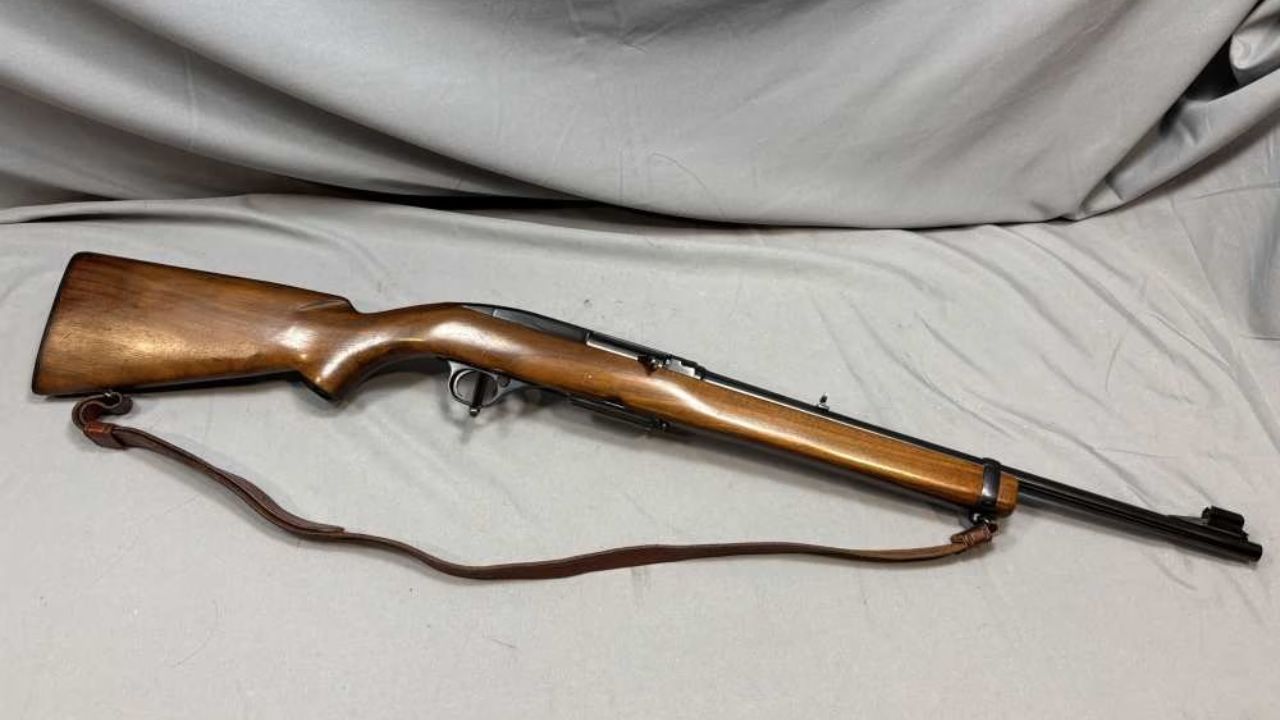
The Model 100 has that old-school appeal: classic lines, quick handling, and a history tied to real hunting. The regret often comes from expecting it to behave like a modern hunting semi-auto. It can be a solid deer rifle, but it’s also an older design that demands the kind of attention many buyers don’t plan on.
If you don’t stay on top of maintenance and function checks, you can end up with reliability worries you didn’t budget for. Another reality is that optics setups and modern accessories aren’t always as straightforward as they are on newer rifles. So you buy it for the “trusted classic” vibe, then realize you’re married to older solutions and older quirks. For some guys, that’s part of the fun. For others, it’s instant regret.
Remington 770

The 770 got sold as an easy, ready-to-hunt deer rifle, and plenty of buyers grabbed one expecting a simple, reliable setup. The regret usually starts with how it feels in real use—rough bolt lift, a cheap overall feel, and accuracy that can be inconsistent depending on the individual rifle and ammo.
A lot of the frustration comes from the “package rifle” idea. If you take it hunting without replacing weak links—especially the optics and mounts that often came with these setups—you can end up chasing zero or blaming yourself for misses. Some 770s shoot acceptably, but many buyers expected more because the name on the receiver suggested it. When you’re fighting the bolt and doubting your zero, the bargain doesn’t feel like a bargain anymore.
Remington 710
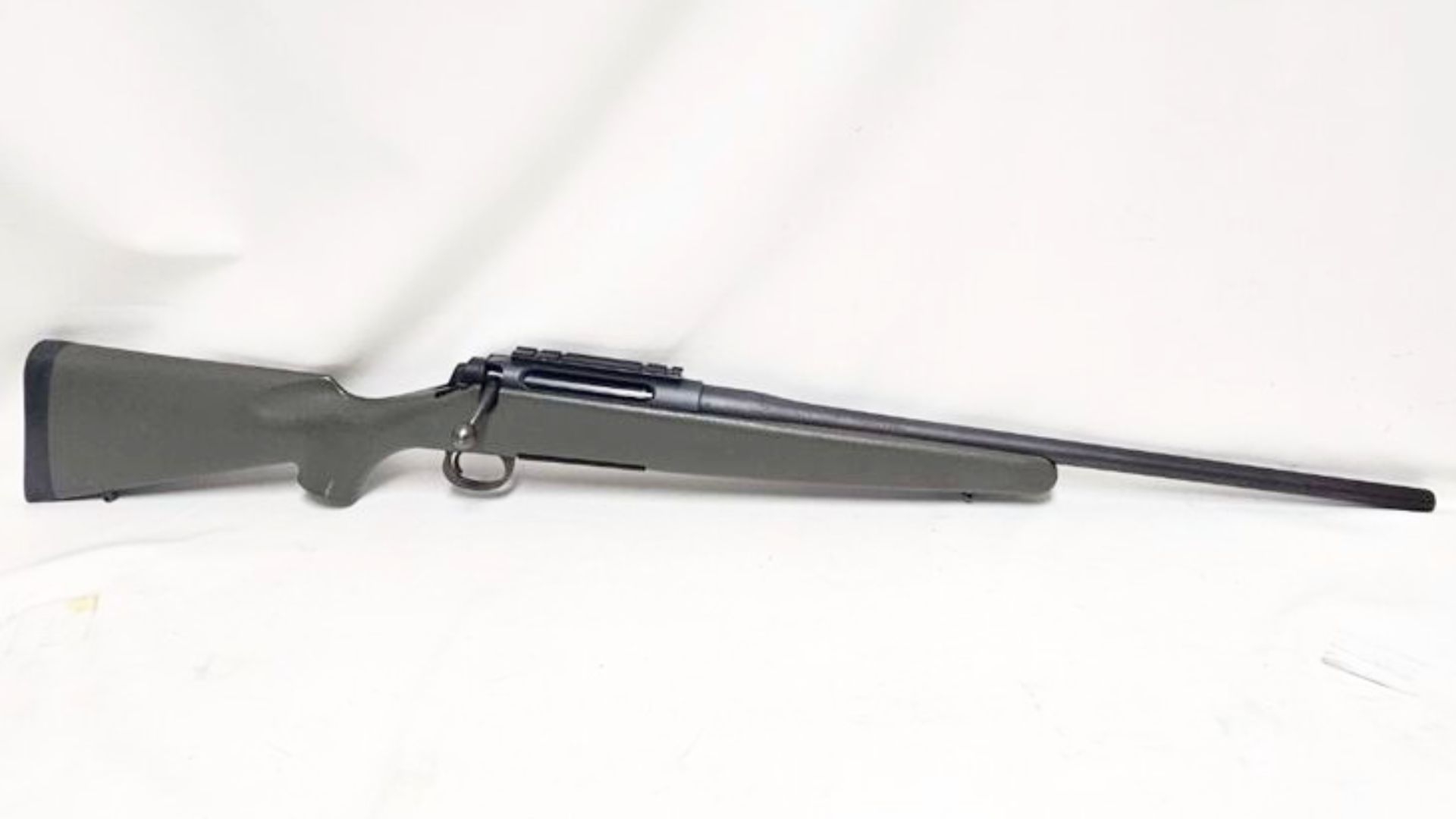
The 710 shows up in a lot of regret stories for the same reason it sold: it looked like a shortcut to a deer rifle. In practice, the platform can feel like it cuts corners in all the places you don’t want corners cut—bolt operation, long-term durability, and consistency.
If you’re the type who shoots a box a year and calls it good, you might never notice the weaknesses. But if you actually practice, confirm zero often, or hunt in rough weather, the rifle can start to feel like it’s fighting you. Add in limited aftermarket support compared to more common actions, and you can end up stuck with a rifle you don’t enjoy shooting and don’t feel like upgrading. That’s the recipe for buyer’s remorse.
Remington 700 SPS Synthetic
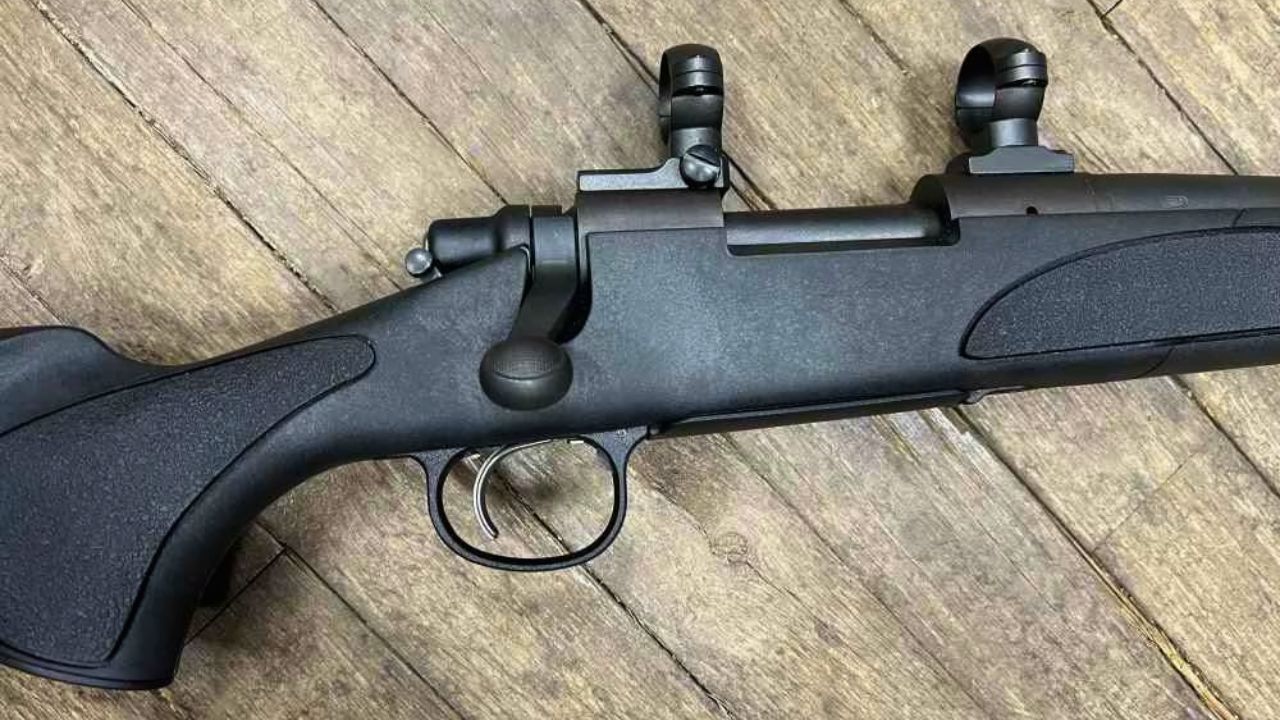
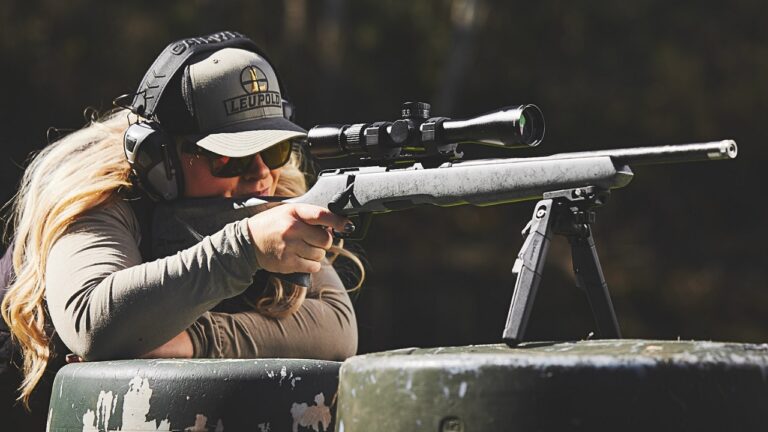
The 700 action has earned trust over generations. The regret tends to come from certain SPS synthetic setups, not the concept of a 700 itself. The factory stock is often the weak link, especially if it flexes enough to change how the barrel behaves when you rest it, sling it, or load a bipod.
On a calm bench, you can make it look great. In the field, you may shoot off a pack, a rail, or a tight sling, and suddenly the point of impact isn’t what you expected. Another issue is that many SPS rifles end up wearing bargain mounts or rushed optic installs. If anything is slightly loose, you’ll blame the rifle first. The 700 can still be a strong deer rifle, but the “trusted” name can trick you into thinking the whole package is automatically solid.
Marlin 336 Remington-era production

The Marlin 336 is one of the most trusted woods deer rifles ever made. The regret shows up when you buy a later Remington-era rifle expecting old Marlin fit and finish and you don’t get it. Some of those rifles run fine, but quality can be uneven enough that you can’t assume yours is one of the good ones.
When the details are off—rough cycling, mediocre wood-to-metal fit, sights that need extra attention—you start to question the purchase. A lever gun should feel smooth and confidence-inspiring. If it feels stiff, gritty, or “not quite right,” you notice it every time you work the action. A lot of buyers end up wishing they’d either hunted down an older example or chosen something else entirely instead of rolling the dice on a rifle with a legendary name.
Savage Axis XP

The Axis XP has helped a ton of people get into deer hunting, and some shoot surprisingly well. The regret usually comes from expecting it to behave like a sturdier rifle in real hunting positions. The stock can feel flexible, and small changes in how you rest the forend can shift impact more than you’d expect.
The “XP” part matters too. Many of these were sold as ready-to-go packages, and if the scope or mounts aren’t solid, you’ll chase your tail trying to confirm zero. On paper, it’s a deal. In the field, it can feel like you’re always one loose screw away from doubt. If you practice off real rests—sticks, packs, blind rails—you can learn its personality. If you don’t, it can turn a trusted budget buy into a confidence problem.
Mossberg Patriot

The Patriot looks like a clean, affordable deer rifle with good features, and plenty of them are perfectly usable. The regret usually shows up in the small stuff: inconsistent feel across rifles, finicky accuracy depending on ammo, and a stock setup that can be sensitive to how you support the rifle.
A lot of hunters sight in from a bench, then hunt off a blind rail or sticks and wonder why the rifle prints differently. That’s where a less rigid hunting stock can make you pay. If your rifle happens to be a good shooter, you’re happy. If it isn’t, you can spend a season trying different loads and chasing adjustments, all while your confidence drops. That’s how a rifle that looks great for the money becomes one you wish you hadn’t brought home.
Thompson/Center Compass
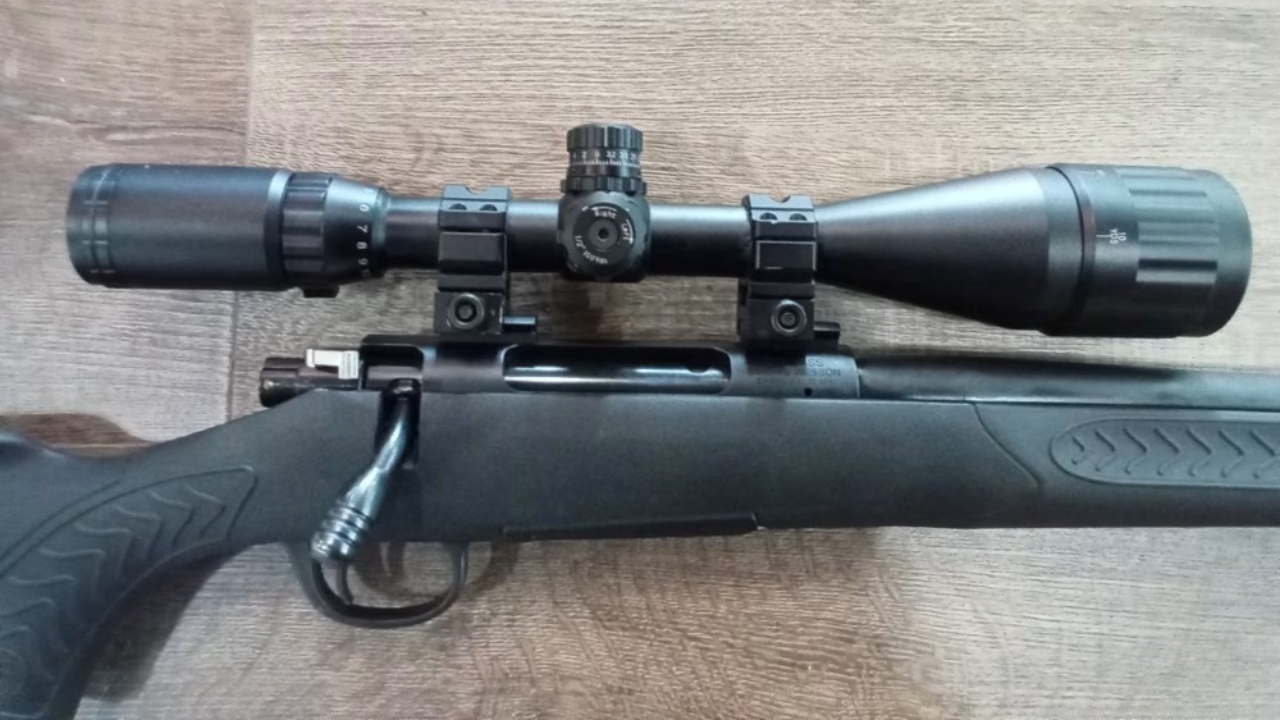
The Compass earned a reputation as a bargain that can shoot, and that’s exactly why people buy it expecting easy success. The regret usually comes from consistency and feel. Some rifles group well, but the platform can still be sensitive to torque, rest pressure, and the overall “budget rifle” reality that parts and stocks aren’t built to the same standard as more expensive guns.
In the field, that sensitivity matters. You might have a solid zero off bags, then see a shift when you shoot off a pack with a tighter grip or different pressure on the forend. If you don’t understand why, you’ll blame yourself and lose trust fast. The Compass can absolutely kill deer, but buyers often regret it when they wanted a rifle that felt more settled and predictable without extra tinkering.
Ruger American Rifle (Gen 1 package setups)

The Ruger American is a modern standby, and a lot of them shoot very well. The regret usually comes with the common package versions and the lightweight stock feel. When the stock flexes or the scope setup isn’t truly solid, you can end up with a rifle that seems to change its mind between range day and hunt day.
What burns you is confidence. A rifle that prints a decent group once but won’t repeat it from field rests is the kind that makes you second-guess every shot. The fix is often straightforward—better mounts, careful torque, and learning what rest pressure it likes—but that’s still money and effort buyers didn’t expect. On paper, it’s the easy deer rifle. In real use, some setups feel like they need a little upgrading before they earn your trust.
Browning BAR Mk II

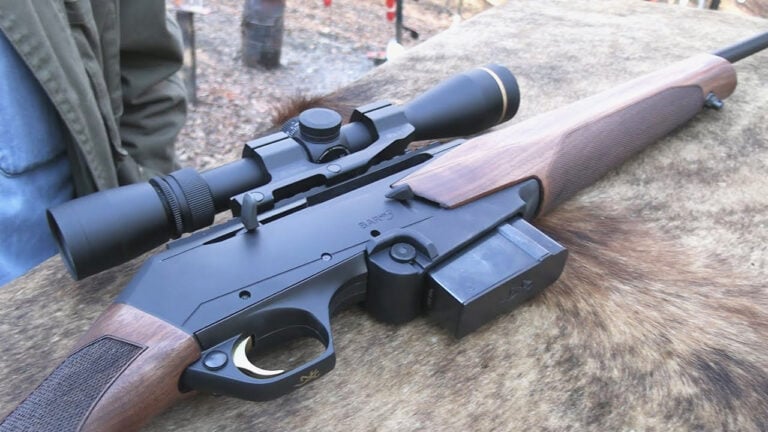
The BAR has been trusted by serious deer hunters for a long time, and when it’s running right it can be a joy. The regret usually isn’t that it can’t kill deer. It’s that ownership can feel heavier than expected—literally and figuratively. The rifle can be weighty for long walks, and the semi-auto system adds complexity you don’t deal with on a bolt gun.
If you’re the type who wants simple cleaning, easy parts, and quick troubleshooting, a BAR can feel like more commitment than you planned. Some shooters also find that their BAR is very ammo-specific for best accuracy, and that can add more testing than you wanted. You buy it thinking “trusted classic,” then realize it’s a refined machine that expects you to treat it like one.
H&R Handi-Rifle (SB2)

The Handi-Rifle has probably put more deer on the ground than people give it credit for, and it’s been a trusted budget option for years. The regret often comes from the same thing that makes it appealing: it’s a simple, break-action single shot. When the shot isn’t perfect or you need a quick follow-up, you suddenly feel the limits.
Accuracy can also be hit or miss depending on the individual barrel and how the rifle locks up. Some shoot great, some don’t, and the trigger can vary. If you buy one expecting it to shoot like a quality bolt gun, you can end up disappointed. It’s a deer rifle that demands discipline and patience. If you’re hunting thick woods and taking one careful shot, it can work. If you’re hunting situations where fast follow-ups matter, regret shows up quickly.
CVA Scout V2

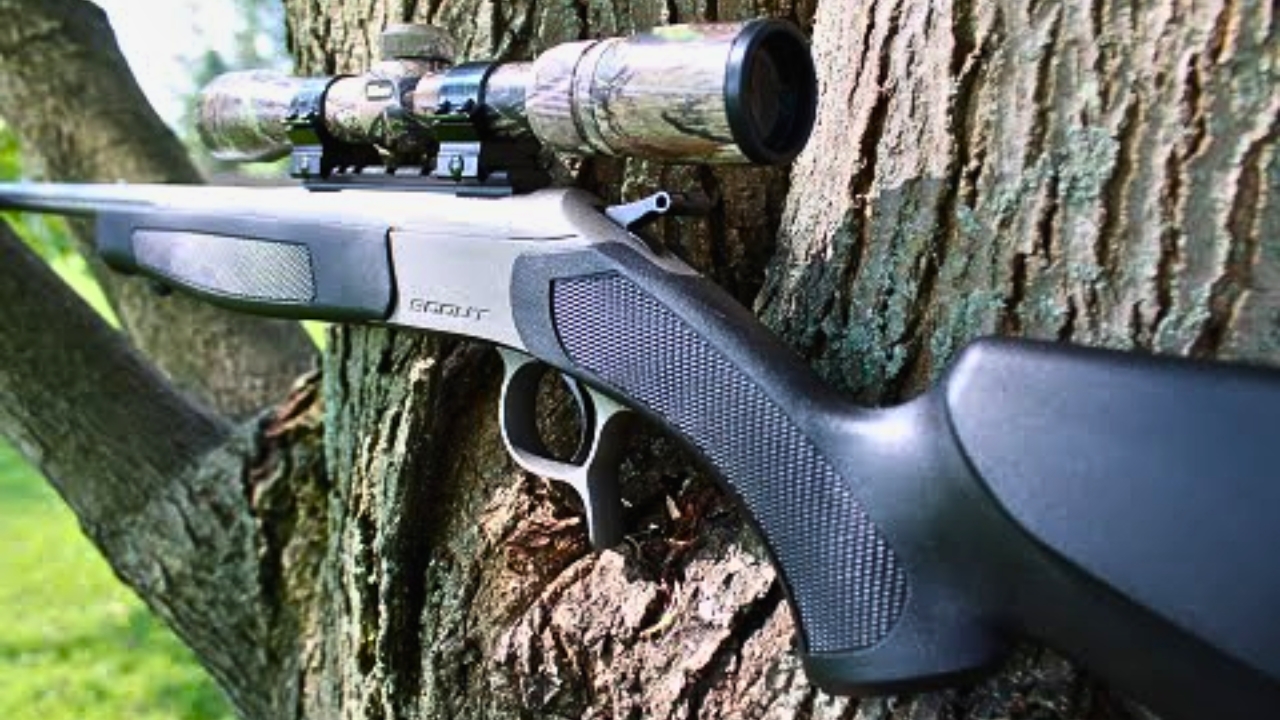
The Scout V2 is another single-shot that looks smart on paper: compact, easy to carry, and straightforward. The regret usually starts the first time you need a second shot in a hurry. Even if you’re calm, you’re still opening the action, loading, and getting back on target. That’s time you don’t have when a deer spins or starts for the brush.
The other issue is expectations. A lot of buyers assume “single shot” automatically means simple and accurate. Sometimes it is. Sometimes you still need to learn what ammo it prefers and how it behaves as the barrel warms. If you practice like you should, you can make it work. If you bought it as a shortcut to a trusted deer rifle, it can feel like you signed up for limitations you didn’t fully consider.
Remington 740

The older 740 family has history, and plenty of hunters trusted them for decades. The regret tends to show up when you buy one today without knowing its condition or maintenance history. These rifles can be sensitive to wear, and once they start acting up, you can end up chasing reliability problems that are hard to predict.
A lot of people buy one because it feels familiar and the reputation sounds safe. Then they learn the hard way that older semi-autos aren’t always forgiving. A little neglect, a rough chamber, or worn internals can turn your deer rifle into a range problem. When the rifle runs, you feel great. When it doesn’t, you’re stuck with a gun that’s harder to diagnose than a bolt gun and harder to “just fix” than you expected. That’s where regret lives.
Ruger M77 Ultralight

The M77 name carries trust, and the Ultralight concept sells itself. The regret often comes from how unforgiving very light hunting rifles can be. When the rifle is extremely light, your wobble and your breathing show up more in the reticle. Recoil is sharper too, which can add a flinch you don’t notice until you miss.
It can still be accurate, but it demands better shooting habits than many hunters practice. A calm bench zero doesn’t always match a cold, awkward field position. If you bought it expecting the rifle to “do the work,” it won’t. It magnifies what you do right and what you do wrong. That’s why some buyers end up wishing they’d chosen a slightly heavier rifle that carried a little worse but shot steadier when it mattered.
Like The Avid Outdoorsman’s content? Subscribe to our newsletter so you never miss an article.
Here’s more from us: