Photo credit: ArtistGNDphotography/Shutterstock.com
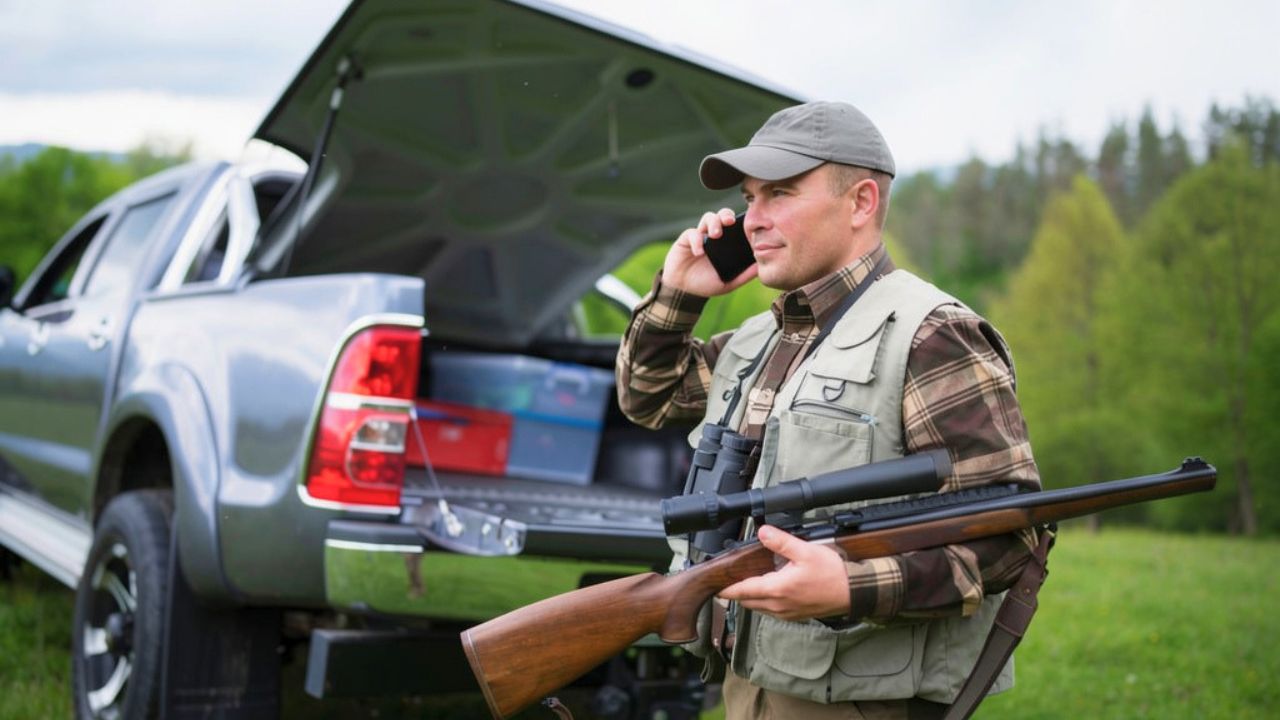
A lot of hunters spend serious time trying to stay invisible once their boots hit the woods. They worry about noisy layers, scent drift, entry timing, light discipline, and how to slip into a setup without every deer in the county knowing they are there. Then they undo half that effort before the hunt even starts by making one very obvious mistake at the parking area. They park in a way that practically announces where they are headed. On public land, that matters more than people like to admit, because other hunters are always reading signs. Some are doing it casually. Some are doing it aggressively. Either way, a truck parked wrong can tell them more than you meant to share. It can suggest which access point you prefer, whether you are walking deep or hunting close, what kind of terrain you are likely targeting, and in some cases exactly which pocket, ridge, draw, creek crossing, or edge you think is worth burning daylight on. That does not mean every hunter is trying to steal your spot, but public-land pressure has a way of making people observant. The parking mistake is not merely looking sloppy. It is giving away useful information before you ever leave the gravel.
Parking at the most convenient pull-off tells people you value convenience over secrecy
One of the most common mistakes is taking the easiest, closest, most obvious parking option even when the area offers several reasonable ways in. Hunters do it because it saves time, feels familiar, and gets them moving without much thought. But on public land, convenience has a cost. When you slide into the most predictable pull-off next to the gate, the trailhead sign, the wide shoulder at the bridge, or the obvious two-track entrance everybody uses, you are not just parking a vehicle. You are joining a pattern that other hunters already understand. They know what that access point serves. They know what terrain lies behind it. They know which spots are within a short walk and which ones require a commitment. If they see your truck there before daylight, after a cold front, during the rut, or on a day when conditions line up just right, they start making assumptions, and a lot of those assumptions are probably pretty close to correct. The mistake is not parking legally in a designated place. The mistake is doing it without thinking about what that location says about your plan. On pressured ground, people read vehicles the same way they read tracks, and a convenient parking spot often narrows your likely hunt area more than you think.
The real giveaway is when your truck is the only one in a very specific access spot
There is a big difference between parking in a crowded public lot where your truck blends into a pile of other rigs and parking by itself at a very particular entry. That second one gives away more than most hunters realize. If your vehicle is sitting alone at a remote corner access, a hidden walk-in strip, a dead-end two-track, or a little turnout that only makes sense for one zone of the property, you are practically drawing an arrow for anyone who comes along later. You may think the location feels quiet and low-key, but to another public-land hunter it often reads like a clue. He knows you did not park there for no reason. He knows you are probably not wandering aimlessly. And if the property funnels movement in predictable ways, he may not need much imagination to narrow down where you are hunting. That gets even worse when the spot is tied to a known bedding area, a difficult crossing, a backdoor route into a food source, or a part of the map that only experienced hunters bother with. A lone truck in a telling location can say more than a conversation ever would, and once somebody reads it correctly, you may spend the rest of the season wondering why company keeps showing up where you used to feel alone.
Backing in, angling weird, or “hiding” the truck can make the message louder
A lot of guys think they are being slick when they try to park in a way that feels tactical. They nose the truck into brush, tuck it at an angle behind some trees, back it into a spot that gives them a faster exit, or pull off just far enough to look deliberate. Sometimes there is a good reason for that. A lot of times it only makes the truck stand out more. Other hunters notice odd behavior. A vehicle parked in a way that looks intentional tends to make people more curious, not less. It suggests the driver knows something, wants to avoid attention, or is trying to protect a specific approach route. That may not be fair, but it is how people think on public ground. The same goes for trucks parked just outside the obvious pull-off, like somebody wanted to avoid the main lot without really leaving the area. That kind of move often screams “I’m trying not to be read,” which is its own kind of message. If another hunter is paying attention, strange parking can be even more informative than ordinary parking because it suggests confidence, local knowledge, or urgency. Public land teaches people to notice what looks a little off. When your truck looks like it was placed with a secret in mind, the truck itself becomes the first clue.
Leaving obvious gear in view finishes the story for anyone paying attention
Even when the parking location alone does not give you away completely, the visible gear inside the vehicle often does the rest. A climber stand, saddle platform, decoy, chest waders, kayak rack, binocular harness, dog box, pack frame, or muddy hip boots can all help narrow down what kind of hunt you are on. That may not sound like much, but on public land it can be enough to tell another hunter whether you are targeting timber, marsh, a river crossing, a bedding thicket, or some overlooked interior setup most people skip. Now the truck is not only showing where you entered. It is hinting at how you plan to hunt once you get there. People absolutely read that stuff. A truck with a lightweight run-and-gun setup in the front seat says something different than a truck with heavy water access gear, and a lot of hunters know how to use that information. The mistake is thinking that because your doors are locked and the truck is not moving, it has stopped talking. It has not. If anything, a parked truck with visible gear becomes a stationary source of information for every other person who pulls in after you. On pressured ground, even small clues can be enough to turn your quiet plan into somebody else’s educated guess.
The timing of when and where you park can reveal even more than the spot itself
Sometimes the bigger tell is not the parking spot by itself. It is the combination of the spot and the timing. A truck parked at a certain access after a hard north wind, before a rain, on opening morning, during a weekday cold snap, or right after a hot scrape photo says more than hunters want to admit. Conditions tell a story, and if your vehicle placement lines up with those conditions in an obvious way, experienced public-land hunters start connecting dots fast. They know what kind of terrain or movement likely improved with that weather. They know which side of a ridge gets better with certain winds. They know which crossings matter when water levels change and which edges light up when pressure shifts. So if your truck shows up at a smart access point on a smart day, it does not take much for another hunter to assume you are making a calculated move. He may not know your exact tree, but he may not need to. On public ground, being mostly right is often enough. That is why parking is not separate from strategy. It is part of strategy. The man who ignores that is often the same one wondering later how other hunters keep landing uncomfortably close to the places he thought only he had figured out.
The better play is making your parking harder to interpret, not more dramatic
The answer is not acting paranoid or parking somewhere illegal, unsafe, or ridiculous. It is using a little judgment about what your vehicle placement says to people who understand the area. Sometimes that means using a more neutral parking option and walking a little farther. Sometimes it means choosing a spot that gives you more than one possible direction of travel instead of only one obvious route. Sometimes it means keeping gear out of sight and avoiding the kind of vehicle setup that tells your whole story before daylight. And sometimes it means accepting that a slight inconvenience at the truck is worth it if it keeps your hunt from being easy to read. The best public-land hunters are usually not the ones with the fanciest camouflage or the most intense access theories. They are the ones who understand that every stage of the hunt communicates something, including the boring part before the boots hit dirt. A truck in the wrong place can do more damage than one snapped twig an hour later. If you want to protect a good area, start thinking about how your parking looks through somebody else’s eyes. Not because everybody is after your spot, but because enough people are paying attention that you should stop pretending the truck is invisible.
On public land, the hunt starts before you leave the vehicle
That is really the point. A lot of hunters think the real game begins once they shoulder a pack and step into the dark, but on public land the hunt often starts the second the truck rolls to a stop. Other people are reading pressure, movement, confidence, and intent from the parking area outward. If your vehicle placement, timing, and visible gear all line up in a way that points straight at your plan, then you have already said too much before your first step. The parking mistake that tells everyone where you are hunting is simple: choosing a spot or setup that narrows your likely destination so much that other hunters do not need to guess very hard. That may not matter on easy days or empty ground. On pressured public land, it matters plenty. Good hunters protect information all the way through the process, and that includes what they reveal at the road. If you want fewer people keying in on your access, stop treating parking like an afterthought. Public-land hunters notice more than people think, and a truck in the wrong place can be louder than any sound you make in the woods afterward.
Like The Avid Outdoorsman’s content? Subscribe to our newsletter so you never miss an article.
Here’s more from us: