Photo credit: Okyela/Shutterstock.com
We may earn revenue from products featured on this page through affiliate links.
Distance gets all the attention because it’s easy to talk about. Yardage sounds precise, measurable, and impressive. Terrain is messier. It’s uneven, unpredictable, and hard to quantify, which is exactly why it matters more in real hunting. Two shots at the same distance can demand completely different rifle setups depending on whether you’re in tight timber, broken hills, open prairie, steep mountains, or mixed cover. Hunters who build rifles around distance alone often end up fighting their gear when the landscape refuses to cooperate. Hunters who build around terrain tend to look boring on paper and deadly effective in the field.
Timber and brush punish long, front-heavy setups
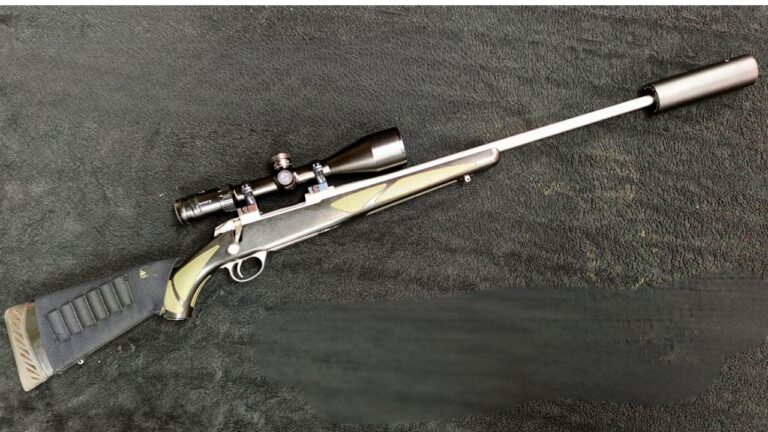
In thick woods, the limiting factor isn’t how far you could shoot—it’s how fast you can shoulder the rifle, find a clear lane, and break a clean shot without snagging on everything around you. Long barrels, oversized optics, and heavy muzzle devices feel fine on a range bench and become liabilities when you’re weaving through saplings or pivoting around a tree. Balance matters more than velocity here. A rifle that comes up smoothly and stays compact lets you track movement through openings instead of fighting inertia. Shorter barrels, lighter scopes, and a clean front end make it easier to stay on target when the shot window is measured in seconds. In timber, shots are often under 150 yards, sometimes under 75, and the ability to move quietly and mount the rifle without drama matters far more than having extra magnification you’ll never dial.
Open country rewards stability, not just reach
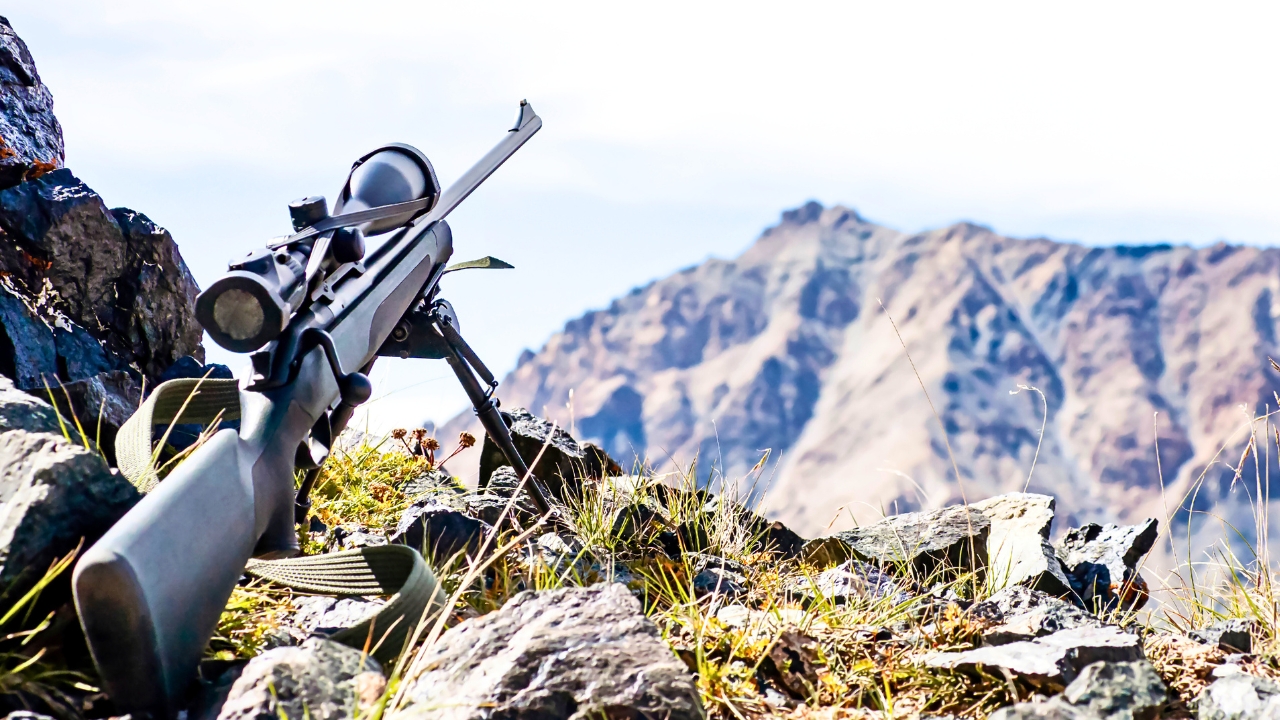
Open terrain flips the priorities, but not in the way people expect. Yes, distance increases. No, that doesn’t automatically mean you need the longest barrel and the biggest scope you can carry. What open country really demands is stability—rifles that settle into rests, track consistently in wind, and don’t wander when you load into a bipod or pack. Wind is the real enemy here, not distance alone. A rifle that’s too light or poorly balanced can be harder to hold steady in gusty conditions, even if it’s “easy to carry.” In open terrain, a little extra weight in the right places can be a benefit, not a burden, because it helps the rifle behave when the shot stretches out and the wind starts talking. The goal isn’t maximum velocity; it’s predictable behavior when you’re prone, kneeling, or braced against whatever the ground gives you.
Steep terrain changes everything about how you shoot
Hills and mountains introduce angles that flatten distance arguments fast. Uphill and downhill shots shorten true horizontal distance, but they also complicate body position, breathing, and stability. A rifle that shoots beautifully from prone on flat ground can feel awkward when you’re wedged into a slope with your feet below you and your elbows fighting gravity. In steep terrain, shorter overall length helps maneuverability, but balance becomes critical so the rifle doesn’t tip forward or backward when you’re forced into odd positions. Sling choice, stock geometry, and how easily you can deploy a rest matter more than barrel length charts. You’re often shooting from sitting or kneeling with improvised support, not textbook prone. A setup that lets you adapt quickly without reconfiguring your whole body is worth more than extra ballistic margin you may not be able to use.
Mixed terrain exposes one-trick setups
Most real hunts don’t stay in one environment all day. You might still-hunt timber in the morning, glass open ground at midday, and cross broken terrain in the evening. This is where distance-built rifles show their weakness. A setup optimized for long shots can feel clumsy in close cover, while a pure woods rifle can feel underprepared when the landscape opens up. The best “do-everything” rifles are compromises—but smart ones. Moderate barrel lengths, practical magnification ranges, and balanced weight distribution let the rifle function across terrain shifts without forcing you to constantly wish you’d brought something else. Hunters who understand terrain build flexibility into their rifles. Hunters who obsess over distance often don’t.
Terrain dictates optics more than yardage ever will
Magnification is one of the most misunderstood choices in rifle setup. People buy scopes based on maximum distance they might shoot, not how the terrain actually presents targets. In timber, high magnification slows target acquisition and narrows field of view, making it harder to track moving animals through brush. In open country, too little magnification can make precise shot placement harder, but excessive magnification amplifies wobble and wind drift visually, which can hurt confidence. The sweet spot is terrain-dependent. That’s why practical hunting scopes with usable low end and moderate top end dominate among experienced hunters. Something like the Leupold VX-5HD line, available at Optics Planet, fits a wide range of terrain because it gives you true low-end usability for close work and enough magnification for open shots without turning the rifle into a top-heavy mess.
Rests and support matter more where the ground fights you
Terrain decides how often you’ll have a perfect prone shot—usually “almost never.” In brush, you’re shooting off sticks or standing rests. In hills, you’re bracing against rocks, trees, or your pack. In open country, prone might be available, but vegetation and uneven ground still interfere. Rifle setup has to account for this. A rifle that balances well on sticks, doesn’t tip when loaded into a bipod, and sits naturally on a pack will get used more effectively. This is where simple, adaptable support gear earns its keep. A tool like the Primos Trigger Stick Gen 3, sold at Bass Pro, shines across terrain types because it deploys fast, adjusts quickly, and doesn’t lock you into one shooting position. Terrain doesn’t give you time to fiddle, and your support gear shouldn’t either.
Sling choice becomes a terrain decision, not an accessory
In flat ground, a sling is mostly for carry. In steep or broken terrain, it becomes part of how you stabilize shots and manage fatigue. A sling that’s comfortable for miles but useless for shooting support is leaving capability on the table. Terrain that forces you into seated or kneeling shots benefits from slings that can be tensioned quickly to add stability. At the same time, bulky slings can snag in brush and slow movement. Terrain tells you which tradeoff matters more. Hunters who spend time in hills and mountains tend to think about sling function differently than those who hunt stands or blinds, and rifle setup should reflect that reality.
Recoil management changes with footing and position
Recoil isn’t just about comfort; it’s about staying on target. On flat ground with solid footing, recoil is easier to manage. On uneven slopes or awkward rests, recoil can knock you out of position and make follow-up shots slower or impossible. Terrain magnifies recoil issues, especially with lighter rifles. This is why brake or suppressor choices should consider where you’ll be shooting from, not just how loud or soft the rifle feels at the range. A rifle that’s controllable from a bench can feel unruly when you’re perched sideways on a hillside. Terrain exposes weaknesses in recoil management fast.
Distance is a number; terrain is a problem you have to solve
Distance tells you how much drop to dial. Terrain tells you whether you can even get into a position to dial calmly. Terrain tells you how steady you’ll be, how fast you need to shoot, what kind of rest you’ll have, and whether your rifle will cooperate when you’re tired and breathing hard. Hunters who build rifles around terrain tend to carry setups that look conservative but perform everywhere. Hunters who build around distance alone often end up over-scoped, front-heavy, and frustrated when reality doesn’t match the range.
Like The Avid Outdoorsman’s content? Subscribe to our newsletter so you never miss an article.
Here’s more from us: