Photo credit: Plisken X51mm/YouTube
Modern rifles are impressive. You can buy light, accurate, threaded, optics-ready rifles right off the shelf, and a lot of them shoot better than hunters did 30 years ago. But “better” on paper isn’t always better in the field. Some older hunting rifles keep winning because they carry right, cycle smoothly under stress, and hold up to years of real use without feeling disposable.
A rifle you trust changes how you hunt. You stop worrying about whether your zero shifted, whether the magazine will act up, or whether the stock is going to move when it gets soaked. The rifles below aren’t better because they’re old. They’re better because the designs got the important stuff right—balance, reliability, and shootability—long before marketing convinced people they needed a dozen extra features.
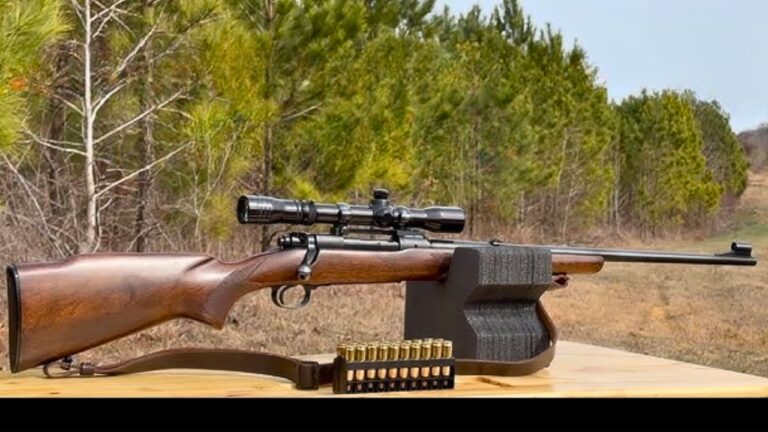
Winchester Model 70

The Model 70 is still better than many modern options because it feels like a hunting rifle the moment you pick it up. The balance is right, the action is smooth, and the rifle carries in a way that makes long days easier. When you’re moving through timber or climbing ridges, that matters more than chasing the lightest possible build.
It also earns trust. A well-set-up Model 70 holds zero, feeds reliably, and doesn’t feel fragile when it gets bumped around. You can run it hard without that nagging feeling that you’re one bad drop away from a problem. A lot of modern rifles shoot fine, but they can feel disposable or overly “feature-driven.” The Model 70 keeps winning because it’s built around hunting first.
Remington 700
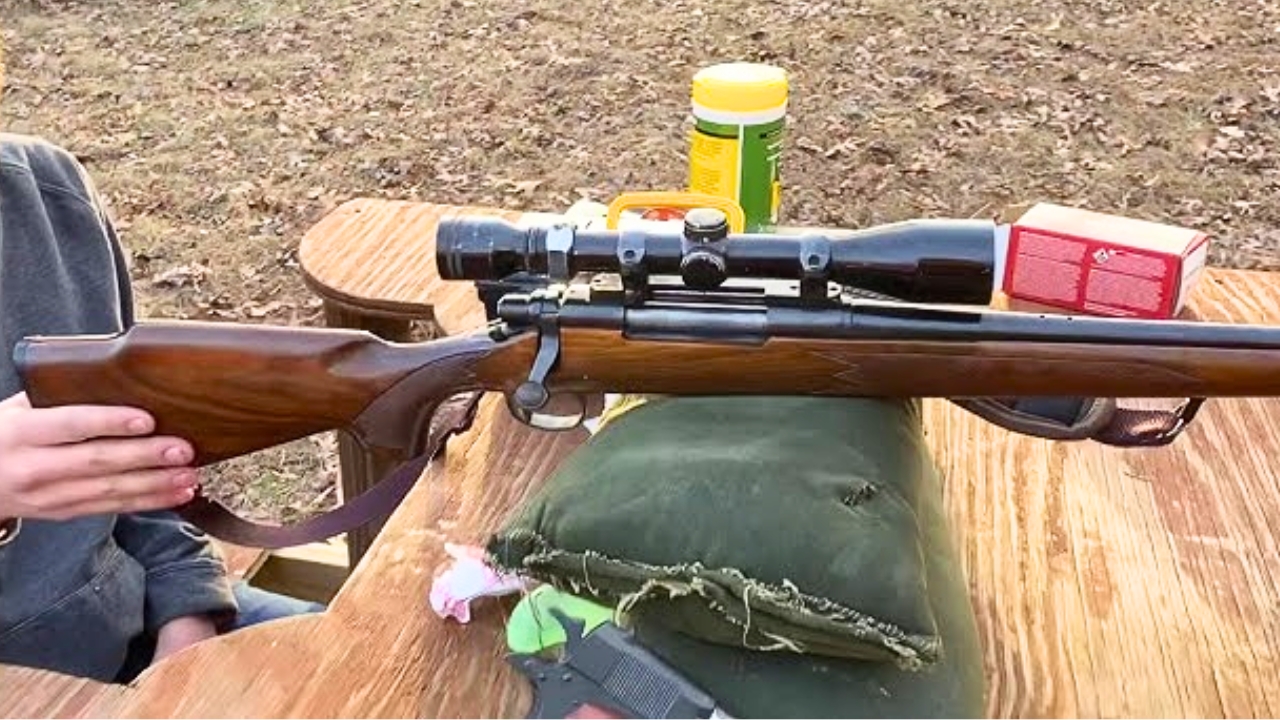
The Remington 700 is still better than a lot of modern rifles because it’s a proven platform that’s easy to set up correctly and keep consistent. The action is familiar, the aftermarket support is huge, and it’s straightforward to mount optics solidly. When a rifle stays predictable year after year, you stop second-guessing your gear.
It also tends to shoot well without needing special tricks. You don’t have to chase a complicated chassis setup or worry about weird magazines. With a stable stock, proper torque, and quality mounts, a 700 can stay accurate and dependable through real hunting abuse. Plenty of newer rifles offer more features, but features don’t matter if the rifle doesn’t feel trustworthy. The 700 keeps earning its place because it’s consistent.
Ruger M77 Hawkeye
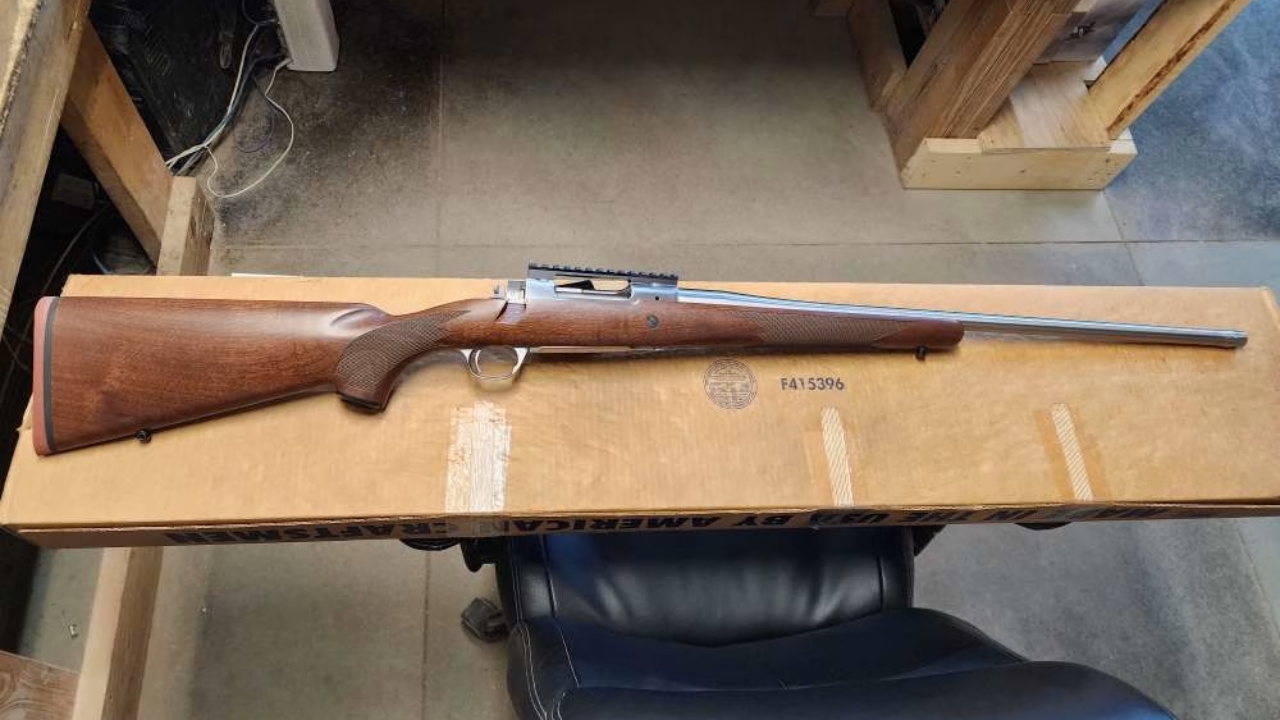
The Hawkeye is still better than many modern rifles because it’s built like it expects to get treated rough. The action feels stout, the rifle doesn’t feel delicate, and it carries like a real hunting tool. When you’re hunting in weather that soaks everything you own, a rifle that feels solid is worth more than a trendy feature list.
It also behaves in the field. It feeds reliably, holds up to bumps, and doesn’t feel like it’s flexing around the receiver. Set it up with good mounts, torque it correctly, and it tends to stay where you left it. A lot of modern rifles are accurate but feel cheap in the hands. The Hawkeye has that old-school confidence that comes from being built to last.
Savage 110

The Savage 110 is still better than many modern options because it’s a working rifle that tends to shoot and stay consistent without drama. It’s not a fashion rifle, but it’s a dependable one. When you’re focused on filling tags instead of impressing someone at the range, that matters.
It also holds up well to real use. Many 110s will keep shooting accurately for years if you keep your mounts solid and your action screws properly torqued. The rifle’s reputation is built on hunters who actually carry it, not on marketing buzz. Modern rifles can be excellent, but some of them feel like they were built to hit a price point first. The 110 often feels like it was built to hunt first, and that’s why it keeps sticking around.
Springfield 1903 (Sporters and originals)

The 1903 is still better than some modern rifles in the ways that matter to hunters who value feel and reliability. The action is strong, the bolt lift is predictable, and the rifle has a steadiness that comes from weight and good balance. If you’ve carried one, you know it doesn’t feel twitchy. It feels planted.
A well-done sporter 1903 can be a practical hunting rifle today, especially in classic calibers. The sights and optics setup may not be as convenient as modern systems, but the rifle itself is built with real steel and real longevity. Modern rifles often win on convenience. The 1903 wins on confidence. When you want a rifle that feels like it will never quit, this is one of the originals.
Mauser 98 (and classic sporters)

The Mauser 98 is still better than many modern options because it’s one of the most trusted bolt-action designs ever used in the field. The controlled-round feed system and strong extraction give you reliability that matters when you’re cycling fast in awkward positions. When the moment is messy, you want a rifle that feeds and extracts like it means it.
Classic Mauser sporters also carry well. They often have slim lines, good balance, and a feel that’s hard to replicate with chunky modern stocks. No, they don’t have detachable mags and threaded muzzles by default, but most hunters don’t need those things to kill deer. The Mauser’s strength is that it works under pressure and feels right doing it. That’s why the design still gets respected.
Winchester Model 94

The Model 94 is still better than many modern options for one very real reason: it matches how deer hunting actually happens in a lot of places. In thick cover, you don’t need a long-range rig. You need a rifle that carries easy, comes up fast, and puts a bullet where you’re looking without hesitation.
The 94 does that. It’s light, handy, and quick to run. It also doesn’t snag on brush the way big scopes and tall turrets can. Modern rifles can be excellent, but they often push hunters toward longer shots and more gear. The Model 94 keeps things practical. When the shot is close, fast, and real, this “old” lever gun still performs better than most modern rifles built for a different kind of hunting.
Marlin 336

The Marlin 336 is still better than many modern rifles because it’s a woods rifle that doesn’t fight you. It carries comfortably, points naturally, and cycles quickly without needing a perfect shooting position. The rifle’s balance makes offhand shots feel more controlled, which is often the deciding factor in thick timber.
It also holds up. A 336 can live through rough seasons, ride in trucks, and get hunted hard without feeling fragile. Modern rifles often lean toward light weight and feature overload, and some of them feel hollow or finicky in comparison. The 336 stays popular because it’s practical and dependable. It isn’t trying to be everything. It’s trying to kill deer cleanly in real conditions, and it keeps doing exactly that.
Marlin 1895 (.45-70)

The Marlin 1895 is still better than a lot of modern hunting rifles because it offers heavy-bullet performance in a package that’s easy to carry and fast to use. In thick cover or bear country, you don’t need speed on paper. You need authority at realistic distances, and the 1895 delivers that with the right loads.
It’s also a rifle that handles field abuse well. Lever guns are often more forgiving in brush than long bolt guns with big optics setups. The 1895 gives you quick follow-ups and a rifle that’s comfortable to carry when you’re moving through nasty terrain. Modern rifles can chase velocity and long range. The 1895 keeps things close, practical, and decisive, which is why it still wins for certain hunts.
Ruger No. 1

The Ruger No. 1 is still better than many modern options because it’s compact, strong, and accurate in a way that feels deliberate. The single-shot format forces good shot discipline, and the rifle’s balance makes it easy to carry. It’s also a rifle that tends to feel tighter and more refined than a lot of mass-produced modern guns.
In the field, the No. 1 shines for hunters who value a clean first shot and a rifle that doesn’t feel bulky. You’re not relying on magazines or chasing cycling speed. You’re focusing on one accurate hit. Modern rifles offer convenience, but the No. 1 offers confidence and simplicity in the best sense of the word. When you hunt with one, you tend to slow down and shoot better.
CZ 527 (Mini Mauser)

The CZ 527 is still better than many modern rifles because it’s a true small-action rifle that carries like a lightweight hunting tool, not a scaled-down budget gun. The action feels precise, the rifle balances well, and it’s the kind of gun that makes you want to take it along, which matters more than most people admit.
In the field, that handling shows up fast. It’s easy to shoot from field positions, easy to carry all day, and typically accurate enough that you don’t feel limited inside realistic hunting ranges. Modern rifles can be accurate, but many of them feel oversized for smaller cartridges. The 527 feels right for what it is, and that’s why hunters keep them, even when newer options exist.
Lee-Enfield No. 4 (Sporter or original)

The Lee-Enfield No. 4 is still better than some modern rifles because it cycles fast and stays reliable under rough handling. The action is smooth, and the rifle was built to work in bad conditions. In the field, that means you can run the bolt quickly without breaking your cheek weld, and you can keep the rifle moving when the moment gets hectic.
A sporterized No. 4 can still be a very practical hunting rifle if it’s done correctly. It has weight and balance that help you shoot well offhand, and it doesn’t feel flimsy when it gets bumped. Modern rifles often win on optics mounting and convenience. The Enfield wins on pure function and handling, and that’s a real advantage for hunters who actually move.
Ruger Gunsite Scout

The Gunsite Scout feels modern, but it’s built around older, proven hunting priorities: reliable feeding, practical accuracy, and a compact package you’ll carry without complaining. It’s still better than many modern “do everything” rifles because it doesn’t get lost chasing trends. It gives you a rifle that handles well in the woods, in a truck, and on rough terrain.
In the field, the short length and handy balance matter. You can move through brush, climb into a stand, or get in and out of a vehicle without fighting your rifle. It also tends to hold up to abuse. A lot of modern rifles are accurate but feel delicate. The Scout feels like it expects hard use, which is why it often outperforms more feature-heavy rifles in real hunting.
Browning A-Bolt
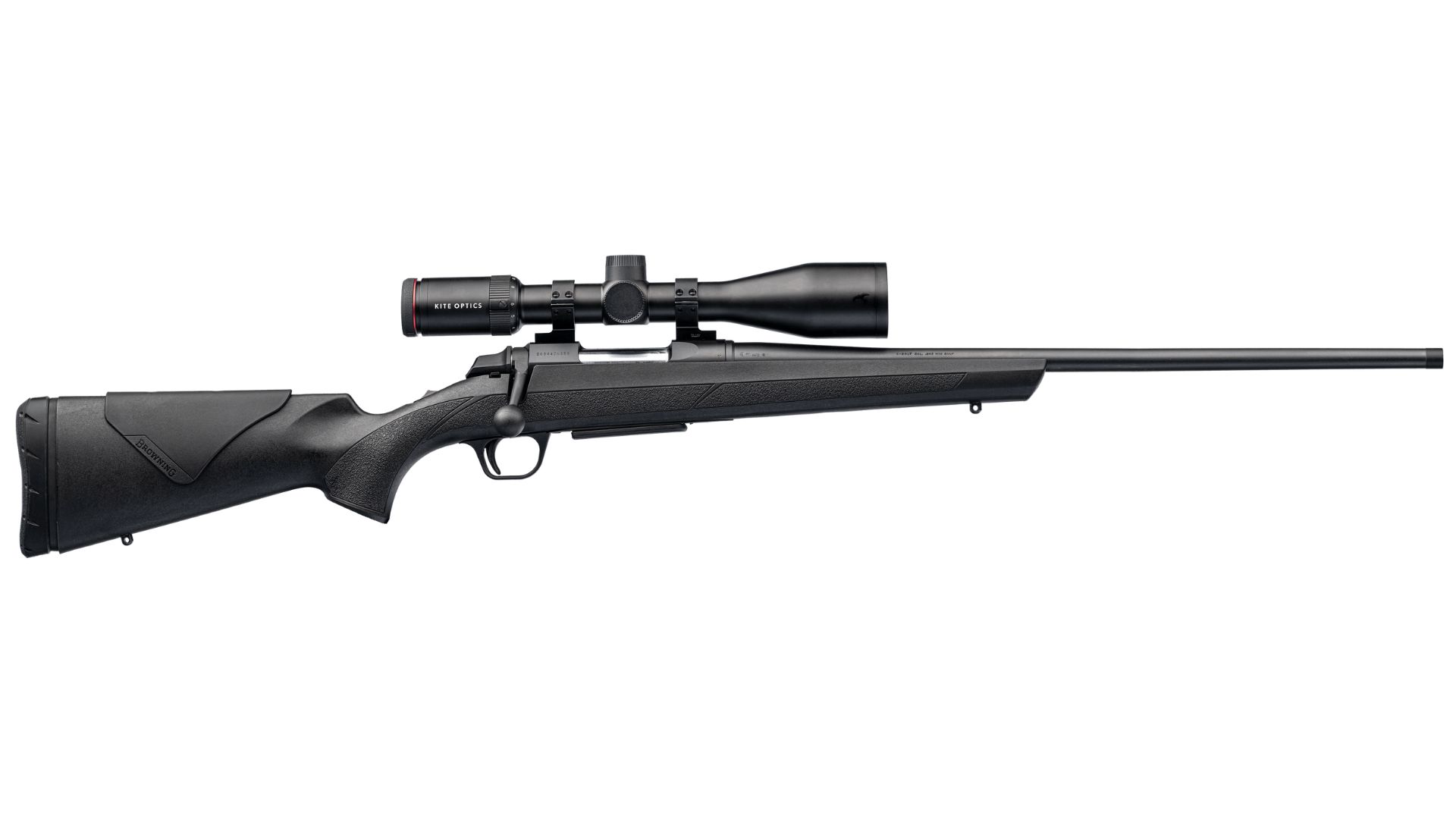
The Browning A-Bolt is still better than many modern options because it balances beautifully and cycles smoothly. It’s a rifle that feels “right” when you shoulder it, and that makes practical shooting easier. A good trigger and a steady platform help you make clean shots when your heart rate is up and your rest isn’t perfect.
It also tends to be reliable and consistent in the field. Hunters keep A-Bolts because they hold zero, they don’t fuss, and they don’t feel cheap. Modern rifles can offer more features, but they can also feel like they’re built to be replaced. The A-Bolt feels like it was built to be kept. When you want a rifle that carries well and shoots straight without asking for attention, it’s still a strong choice.
Weatherby Vanguard

The Vanguard is still better than many modern hunting rifles because it’s steady, consistent, and doesn’t make you chase problems. It’s not the lightest rifle, but that weight helps it shoot calmly, and calm shooting is what leads to clean hits. In real hunting, confidence matters more than shaving ounces.
It also has a reputation for reliability when set up correctly. Good mounts, proper torque, and a trustworthy scope go a long way, and the Vanguard tends to reward that by holding zero and staying predictable. Modern rifles can be accurate, but some of them feel too light or too flexible for rough use. The Vanguard feels like a rifle that can take a season’s worth of abuse and still put bullets where you aimed.
Like The Avid Outdoorsman’s content? Subscribe to our newsletter so you never miss an article.
Here’s more from us: