Photo credit: Tom Fisk/Pexels.com
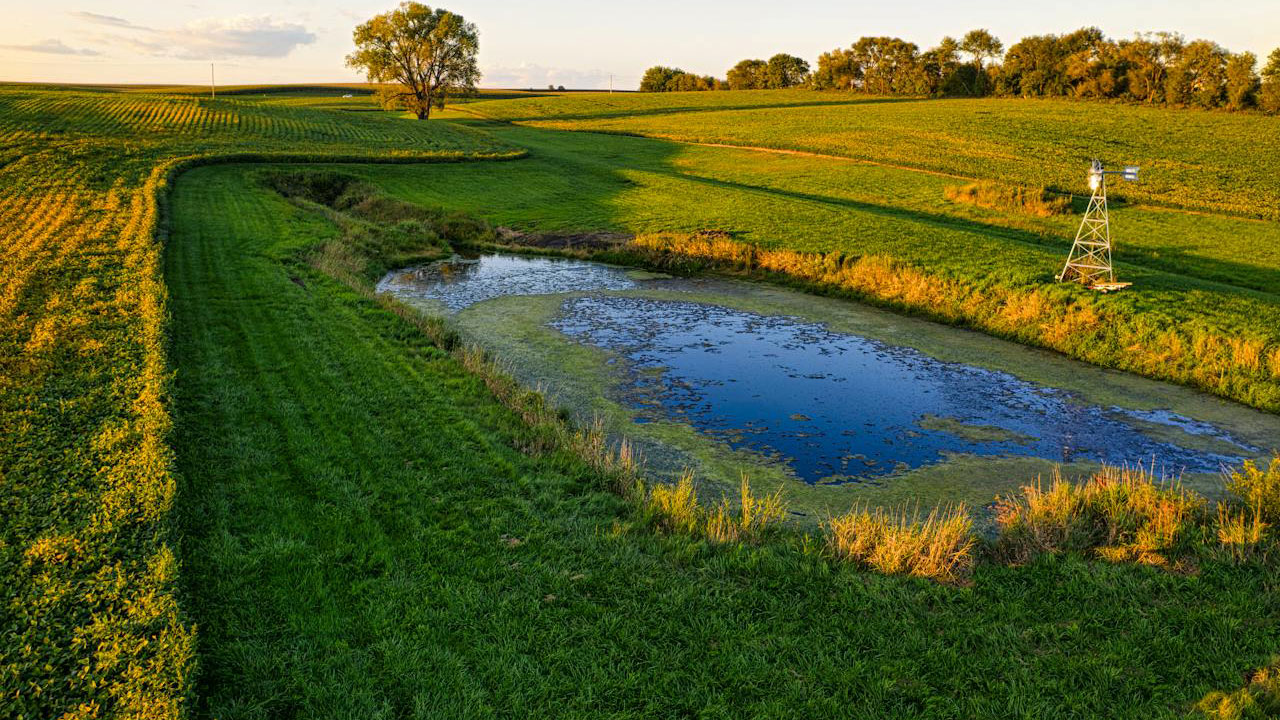
A pond pulls in more than fish and ducks. Water draws everything. Deer come for a drink, frogs move in, insects hatch, rodents work the edges, and before long the whole place starts acting like a dinner bell for anything higher up the chain. That is not always a problem. A healthy pond is supposed to have life around it. The trouble starts when the wrong kind of activity begins stacking up and the pond turns into a regular stop for predators, scavengers, or nuisance animals you do not want hanging around.
Most of the time the pond gives you clues long before you actually catch the culprit in the act. The bank gets chewed up, ducks stop nesting, fish start vanishing in odd ways, or nighttime movement around the edge starts looking more organized than random. Once you know what to watch for, it gets easier to tell the difference between normal wildlife use and a pond that has started attracting the kind of attention that causes problems. These are the signs your pond is drawing the wrong kind of attention.
Tracks stacking up along the same bank
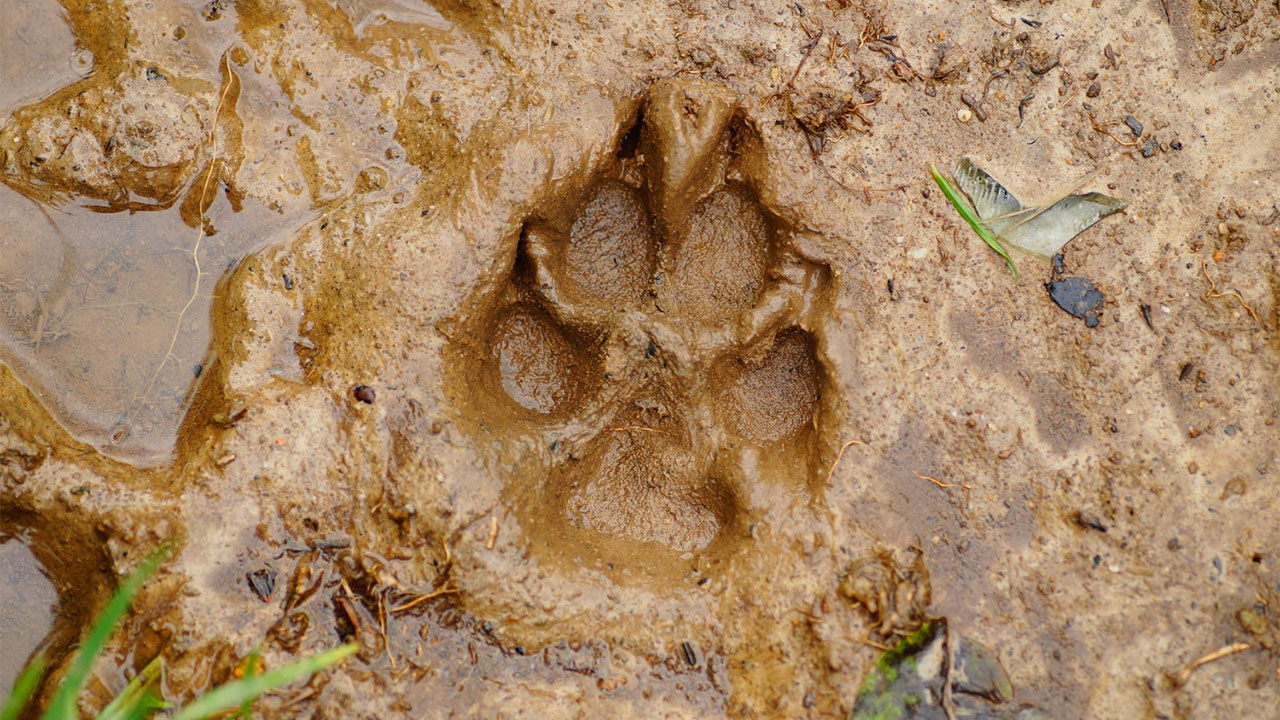
One of the clearest warning signs is repeated tracks showing up on the same stretch of bank. A few random prints here and there is just wildlife being wildlife. But when the same edge starts collecting coyote tracks, raccoon prints, hog sign, or repeated paths in and out of the mud, that usually means the pond has become part of a routine. Animals are not just checking it once. They are working it.
The location matters too. Predators usually favor the easier access points, especially where the bank slopes gently and cover sits close behind it. If one side of the pond starts looking busy every morning while the rest stays quiet, something has found a comfortable approach and is using it over and over. Once that pattern starts, the pond is no longer just a water source. It is part of somebody’s plan.
Ducks, geese, or nesting birds suddenly disappearing
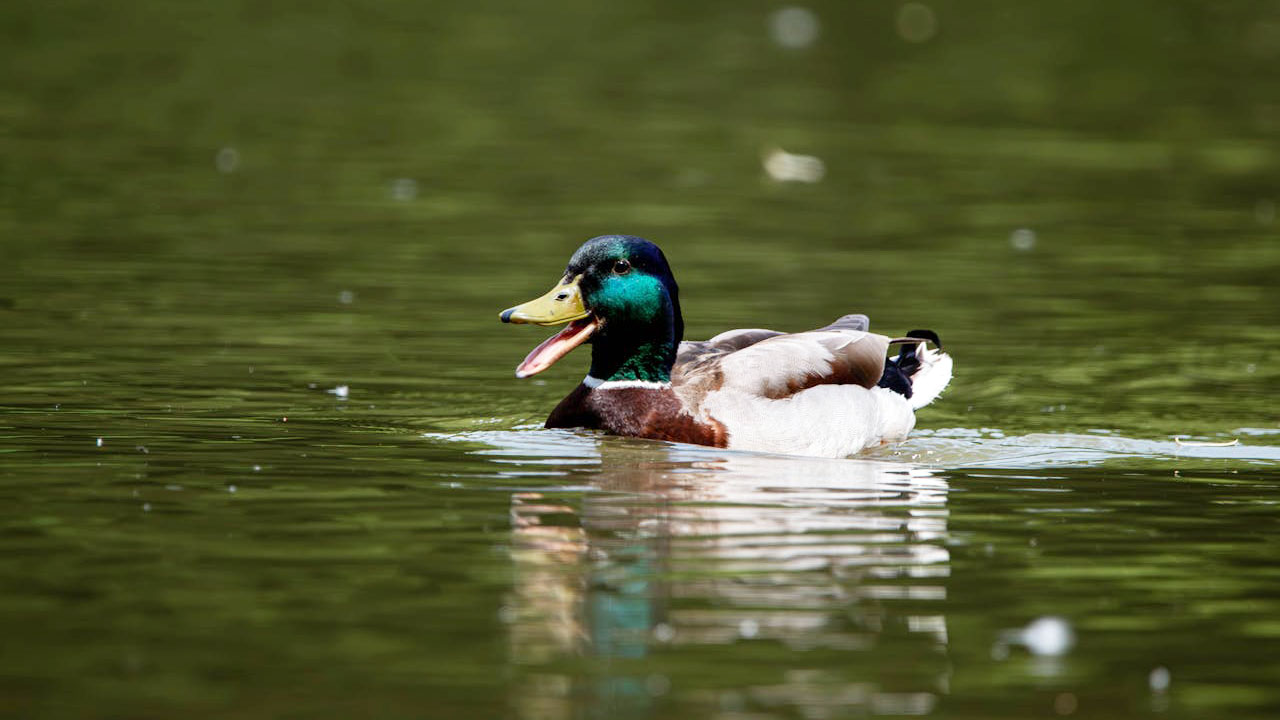
A pond that used to hold regular bird activity can tell on trouble fast when that activity drops off. If ducks stop loafing there, geese stop raising young nearby, or ground-nesting birds that used to work the edges suddenly vanish, pay attention. Birds do not leave good water for no reason. Repeated predator pressure is one of the quickest ways to make a pond feel unsafe.
Sometimes the birds disappear all at once. Other times it happens more quietly, with fewer broods making it through or nests getting raided before you ever notice them. Raccoons, coyotes, snakes, snapping turtles, hawks, and owls can all take advantage of a pond that concentrates bird traffic. When the pond starts looking emptier than it should during nesting season, the wrong thing may already be working it hard.
Fish remains showing up in odd spots
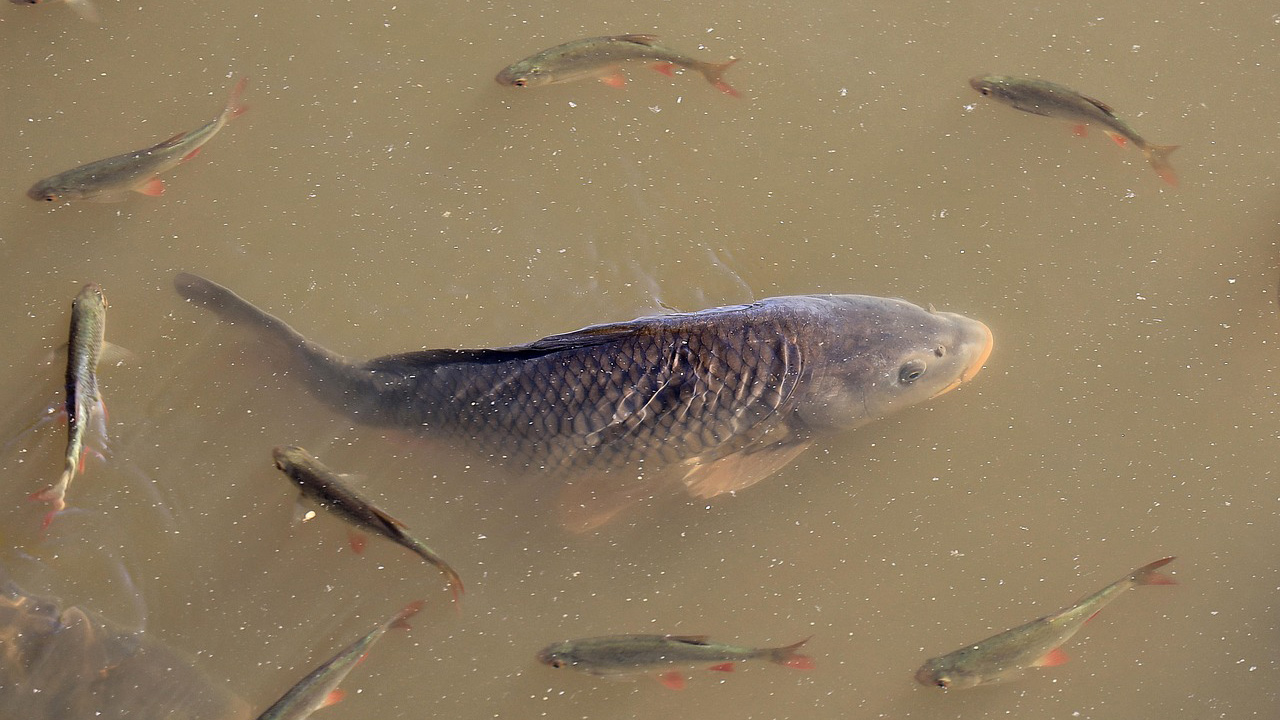
Finding fish remains on the bank usually means the pond is feeding more than just your fish population. Scales, half-eaten fish, crushed heads, and drag marks near the edge can point to raccoons, otters, herons, alligators, or other predators making regular use of the water. One incident does not always mean much. But if it starts happening repeatedly, the pond has likely become an easy food source.
The kind of remains can tell you a lot. Herons and egrets often leave evidence near shallow edges where they hunt. Otters may leave messier feeding spots or scat nearby. Raccoons tend to work the margins and wash prey around the bank. Once fish are getting taken consistently, it means something has learned there is an easy payoff there, and that is the point where the pond starts drawing the wrong kind of repeat attention.
Muddy banks that keep getting torn up overnight
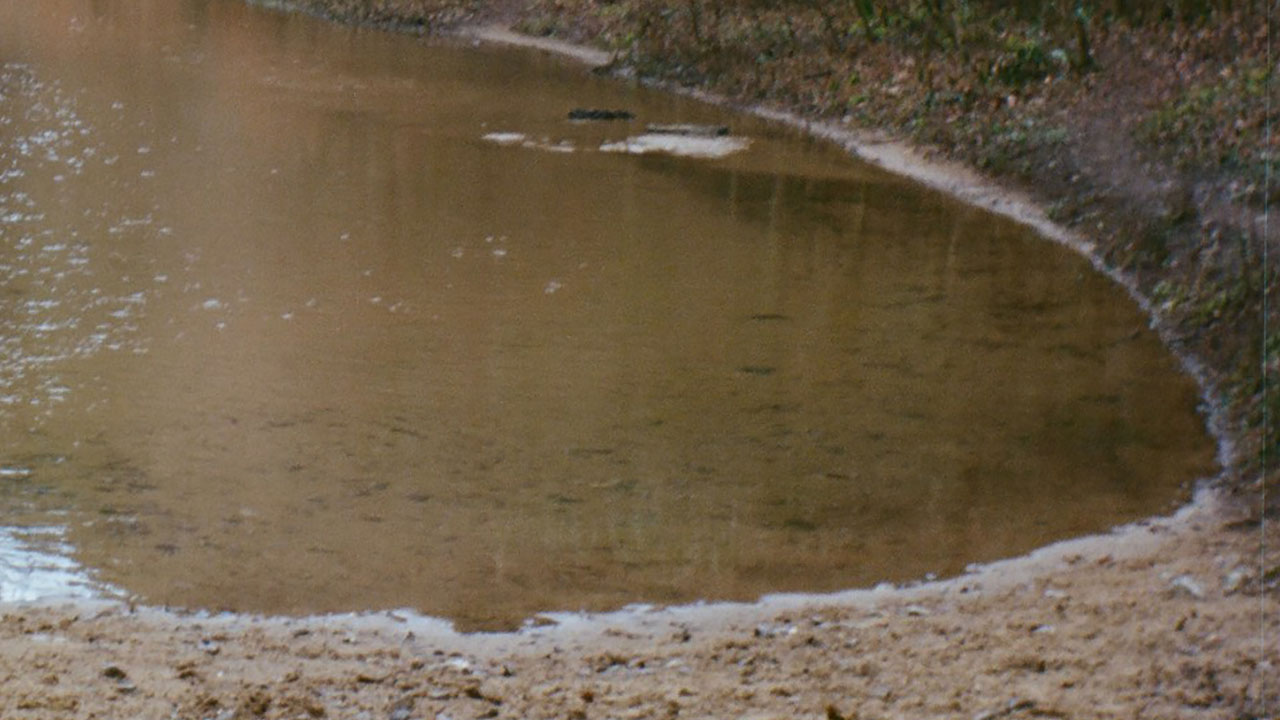
A pond edge that stays churned up even when conditions are dry is usually a sign of nighttime traffic. Hogs are obvious culprits when the damage is heavy, but they are not the only ones. Raccoons, otters, and even repeated predator movement through one soft section can leave the bank looking worked over. If you smooth a section out and it is marked up again by morning, something is using it with purpose.
This gets more serious when the torn-up area starts expanding. What was once a little muddy corner becomes a regular access lane. That means the pond is not just attracting the occasional visitor. It is supporting a pattern. Mud holds the truth better than almost anything else on a property, and if the bank keeps getting rewritten overnight, the pond is telling you it has become a regular stop for something you probably are not seeing in daylight.
Frogs going quiet all at once
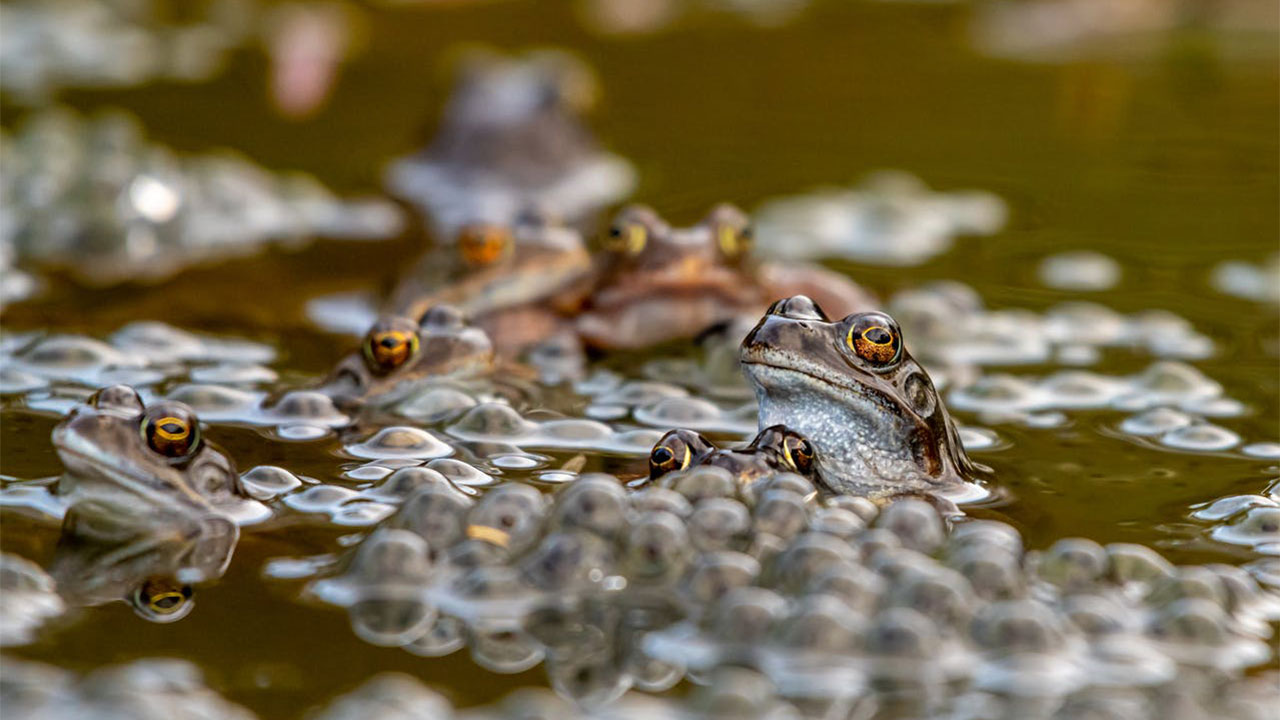
Frogs are one of the first things people stop noticing until the sound changes. A healthy pond with decent cover usually has a rhythm to it at night. If that nighttime noise suddenly drops off or starts feeling broken and uneven, it can mean something has changed around the water. Sometimes it is weather. Sometimes it is seasonal. But sometimes predators or nuisance animals have started working the pond hard enough to change how everything else behaves.
That silence matters because frogs sit low on the chain and react fast to pressure. Heavy snake activity, raccoons, herons, otters, and even aggressive fish populations can alter what you hear around a pond. If a place that usually sounds alive starts feeling tense and empty at the wrong times, that is worth noticing. A pond under pressure often gets quieter before people understand why.
More predator scat around the edges

Scat is one of those signs people overlook even though it can tell you plenty. If you start finding coyote scat on the dam, raccoon droppings near the shallow edge, otter scat on logs or mud points, or repeated sign in the same little zones, it usually means the pond is doing more than holding water. It is attracting traffic and giving predators a place to mark, hunt, and return to.
The location of the scat matters almost as much as what left it. Predators often mark the routes they trust, the banks they patrol, and the approach lines they use most. If droppings keep showing up on the same point, crossing, or pond edge, something is not just wandering through. It is treating that pond like part of its regular territory. That is the kind of attention that tends to build, not fade.
Herons and egrets showing up more than usual
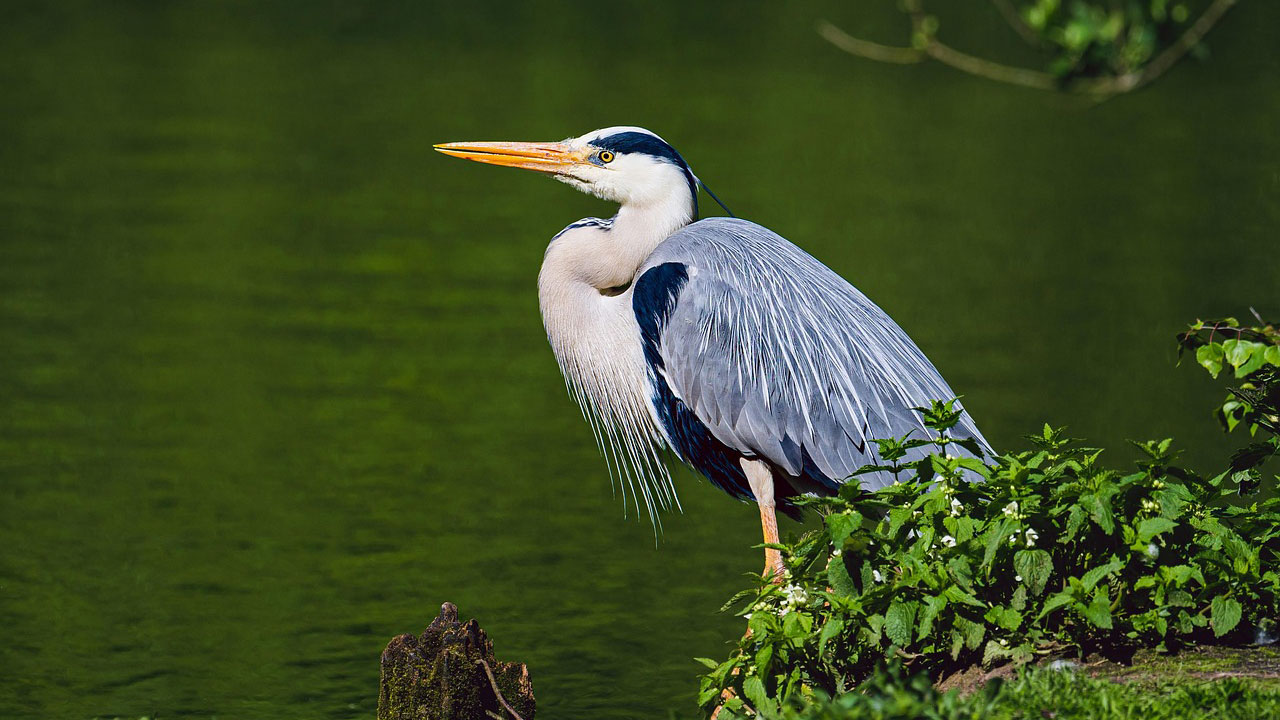
A heron standing at the pond once in a while is normal. A heron there all the time, or multiple birds using the same water regularly, can be a sign that the pond has become too easy to work. That may mean fish are concentrated in the shallows, cover is poor, or the edges are giving wading birds the kind of access they want without much effort. In other words, the pond is advertising an easy meal.
This matters because those birds are often just the visible part of the problem. If the pond is set up in a way that makes fish and small prey too exposed, it may be drawing attention from all kinds of predators, not just the birds you happen to see. When wading birds start acting like the pond belongs to them, it is usually worth asking what else the pond is giving away so easily.
Missing ducklings, chicks, or small pets nearby
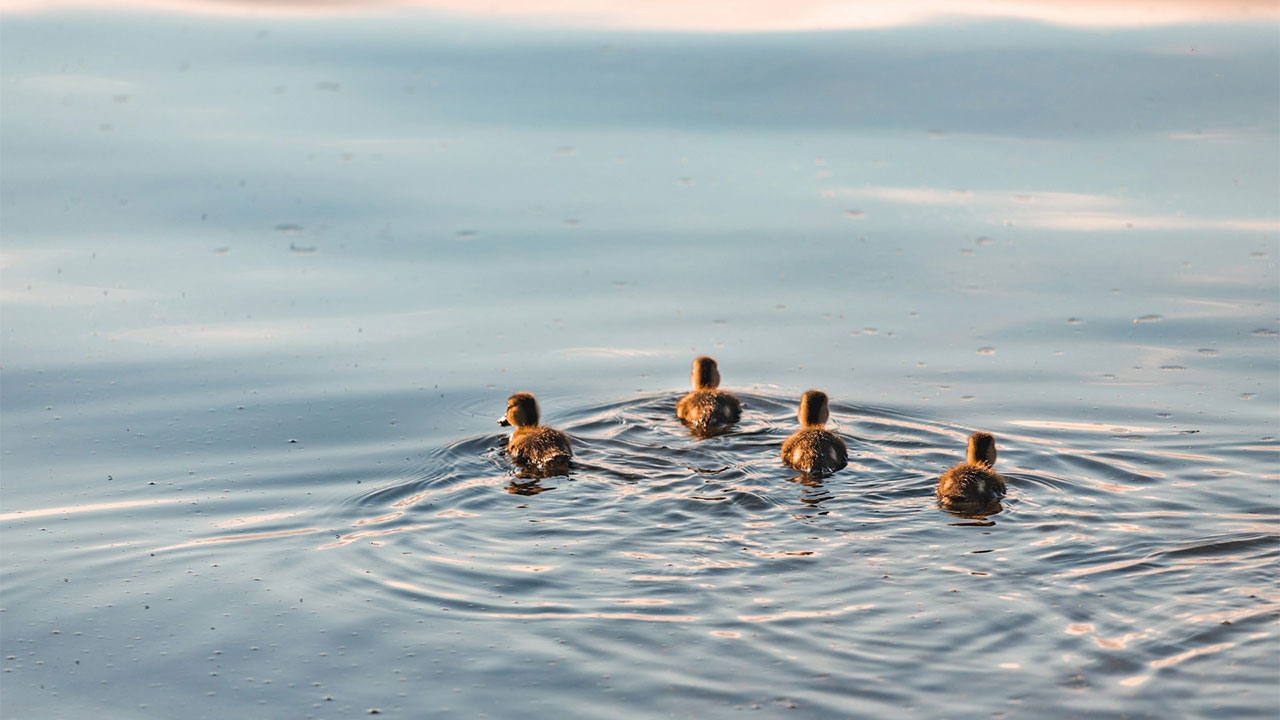
If small animals around the pond start vanishing, the water may be part of why. Ponds concentrate movement, and predators figure that out fast. Ducklings crossing shallow edges, chickens ranging too close, barn cats working the bank, or even small dogs wandering near the water can all attract the wrong kind of attention. Coyotes, bobcats, alligators in the right country, snapping turtles, and raptors all benefit from a pond that pulls activity into one visible area.
The hard part is that people often treat each disappearance like a separate mystery. One duckling gone. One barn cat missing. One odd splash nobody thought much about. But if the pond sits near cover and keeps drawing vulnerable animals to the same edge, the pattern is not random. The water may be turning ordinary movement into opportunity for something that has already learned to watch it.
Trails forming through grass toward the pond
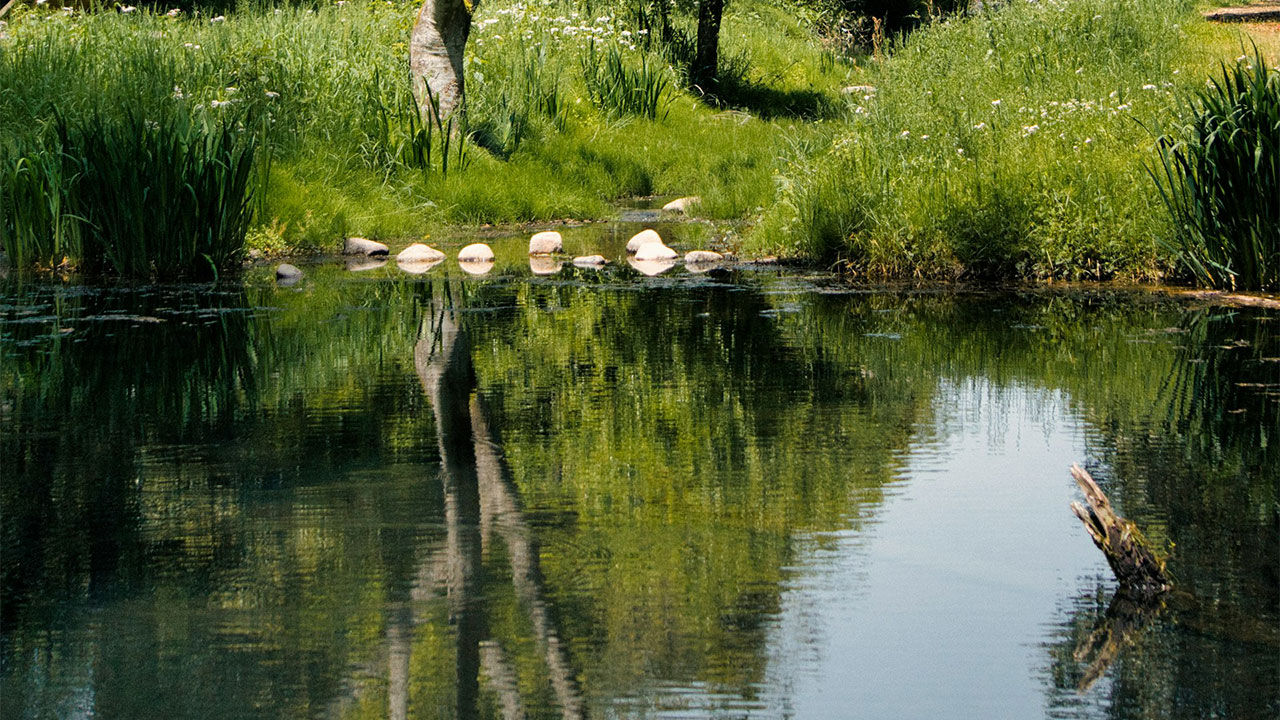
When clear little paths start developing through grass, weeds, or brush leading to the pond, that usually means repeated traffic. Sometimes it is deer. Sometimes it is livestock. But when the paths are narrow, low, and connected to hidden cover, predators may be the ones using them. Coyotes, raccoons, foxes, and hogs all create regular approach lines once a pond becomes useful enough to revisit.
This matters most when the trails are not the obvious ones. Everybody notices the big livestock route. Fewer people notice the little cut-through at the back side of the pond or the faint lane through weeds that keeps getting cleaner. Those are the kinds of approaches predators prefer because they let them reach the water or the prey around it without exposing themselves much. A hidden trail is rarely there for no reason.
Nighttime splashing that feels wrong
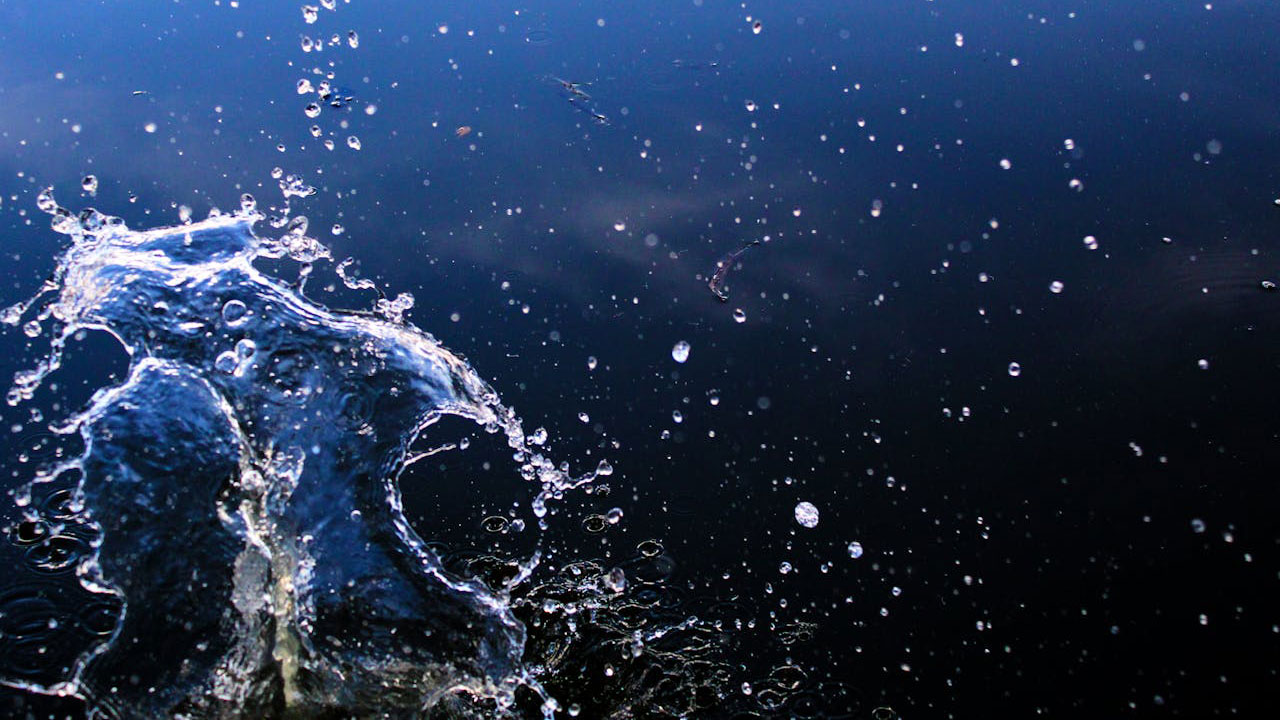
Ponds have normal nighttime noise. Frogs, fish breaking the surface, ducks shifting, turtles moving, all of that belongs. But there is a different feel to heavy splashing, repeated disturbance, or sudden explosive movement in the dark. If you keep hearing activity that sounds too big, too aggressive, or too repeated to be normal pond life, pay attention. Something may be hunting, feeding, or entering the water in a way the pond’s regular rhythm does not explain.
This is especially telling when it happens at consistent times or from the same side. Otters can make a pond feel far busier at night than people expect. Raccoons working the edge do the same. In the South, alligators change the whole tone of nighttime water too. If the pond keeps sounding like something serious is using it after dark, it usually is.
Snakes showing up around the pond more often
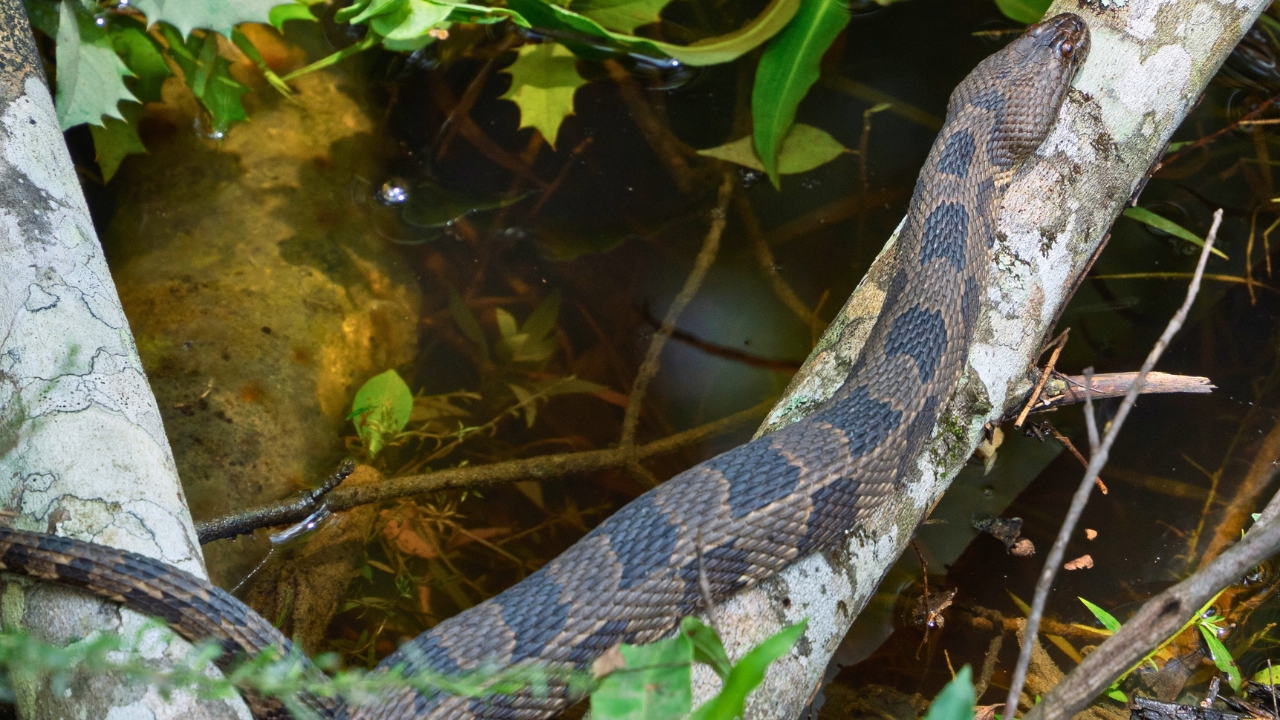
A pond that starts holding more snake activity than usual is often drawing more than water-loving wildlife. Frogs, fish, rodents, nesting birds, and cover along the bank can turn the whole place into a good feeding zone. A few harmless water snakes are part of life around many ponds. But if you start seeing repeated snake movement, shed skins, or snakes using the same bank cover often, the pond may be supporting more prey concentration than you realized.
That becomes a bigger concern if venomous snakes are part of your area. Copperheads and cottonmouths may use nearby cover differently, but both benefit from ponds that create steady food movement and thick edges. If snakes are turning up more often around the water, that is not just a snake issue. It is a sign the pond is holding enough life to make predators comfortable sticking close.
Raccoon sign around feed, docks, or fish-cleaning areas
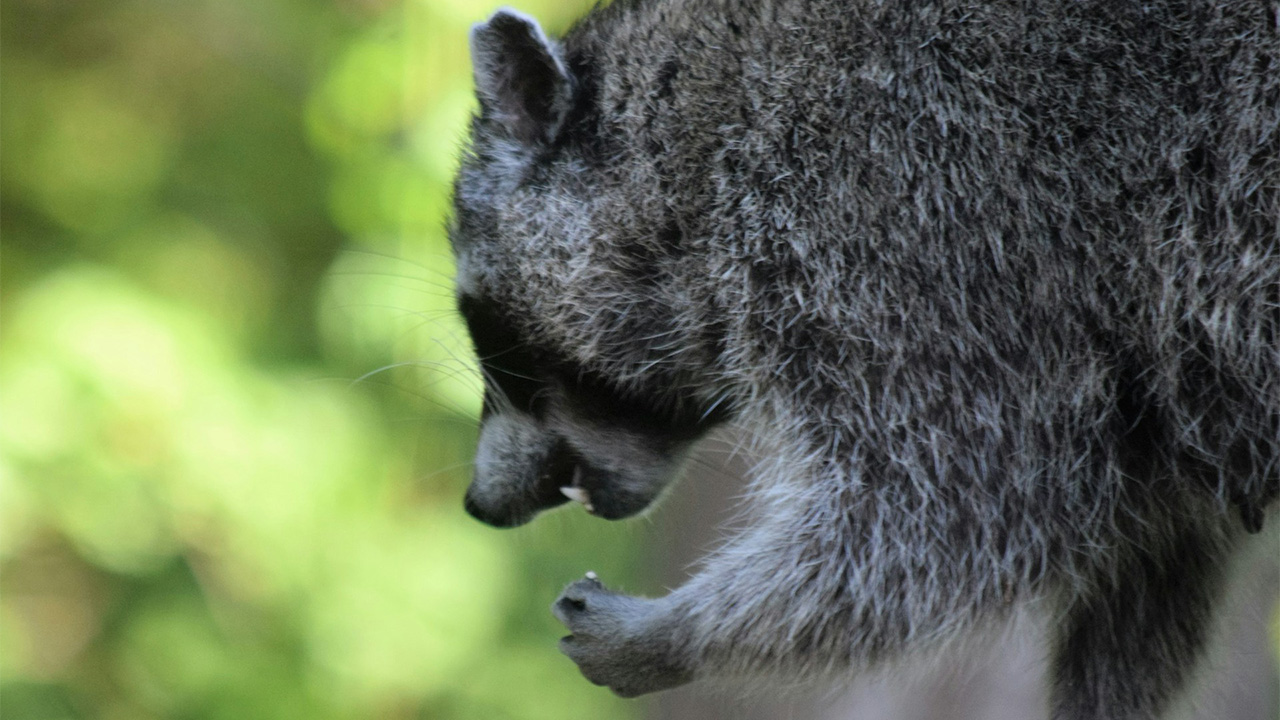
Raccoons do not need much encouragement. If the pond has fish feed, spilled feed, cleaning scraps, dock clutter, or any other easy reward around it, raccoons will find it. Once they do, they tend to keep checking. Little hand-like tracks, washed-up bait containers, disturbed gear, and sign around the dock or bank often point to raccoons turning your pond into part grocery store, part hunting ground.
The danger there is not just the raccoons themselves. Easy raccoon traffic also means more scent, more disturbance, and more reason for larger predators to pay attention to the area. A pond that starts supporting sloppy, easy feeding behavior usually ends up drawing more problems, not fewer. If raccoons are growing too comfortable there, the pond is already sending the wrong signal.
Otter slides or repeated slick paths into the water
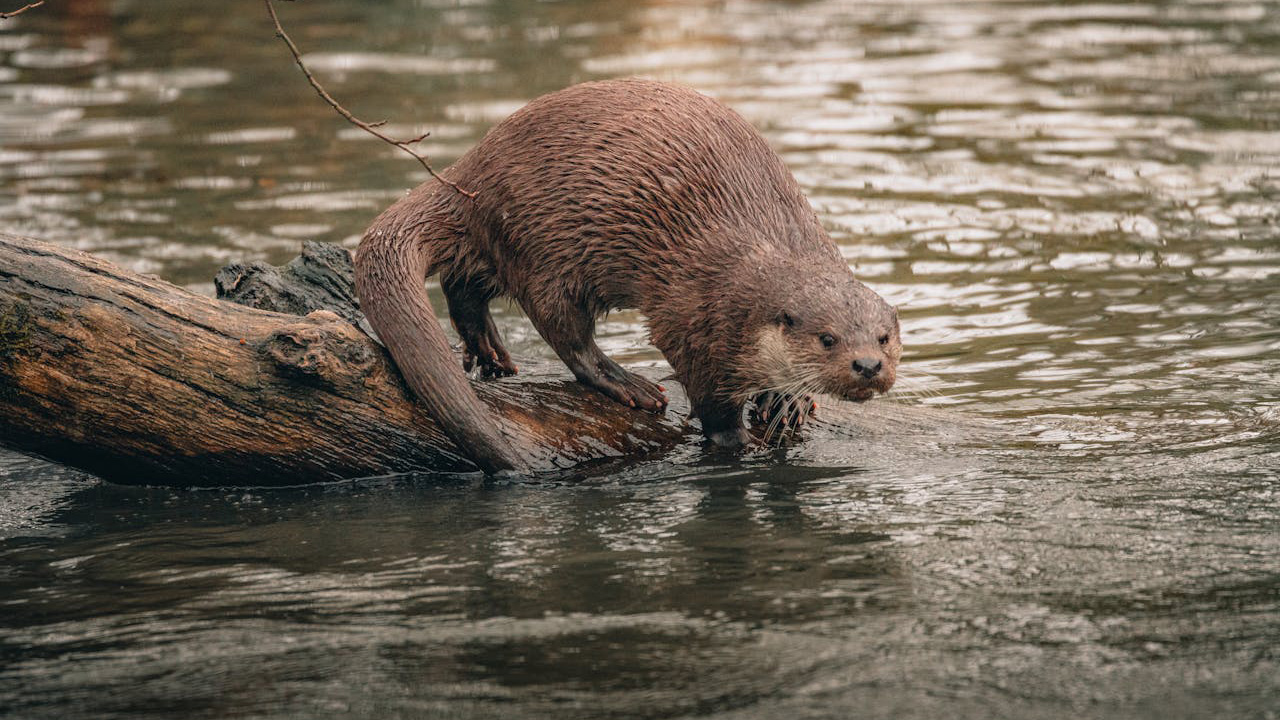
Otters can turn a pond into a regular feeding stop before a lot of owners realize what is happening. One clue is a slick little chute or worn path where something has been entering and exiting the bank repeatedly. Otters often use the same spots enough to polish the mud and flatten the grass. If you start seeing that kind of entry line, especially with scat nearby or fish remains close, the pond may be on their route now.
That matters because otters are not casual visitors when the feeding is good. They may work the pond hard for a while, especially if fish are easy to catch or there is little pressure around the water. A pond that starts showing clean, repeated slide marks is often dealing with more organized predation than people expect. Once otters get comfortable, they can make themselves right at home.
Hogs rooting the dam or soft edges

If hogs start treating your pond like a wallow, the sign is hard to miss for long. Rooted banks, wallowed mud, trampled grass, and busted-up dam edges all mean the pond is pulling attention you do not want. Water, soft soil, and surrounding cover make ponds very attractive to hogs, especially in hot weather or dry stretches when moisture matters even more.
The problem is bigger than the damage you see. Hogs coming to the pond create scent, trails, and disturbance that can change how everything else around the water behaves. They foul banks, break nesting cover, and make the area feel less secure for the species you actually want using it. Once hogs begin treating a pond as part of their regular routine, the whole place starts working against you.
Livestock acting uneasy near the water
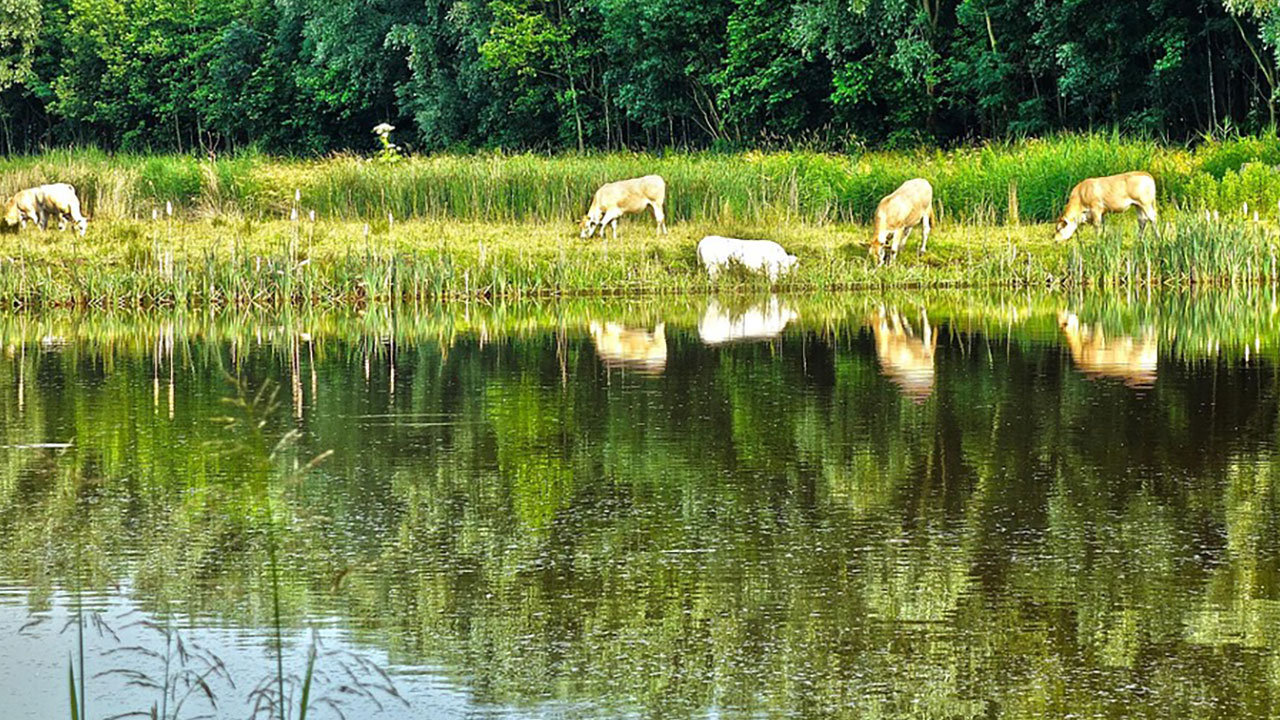
Animals often pick up on pond trouble before people do. If cattle stop lingering near one section, ducks avoid a certain edge, or dogs get weird about going close to the bank after dark, notice that. Livestock and pets respond to predator scent, movement, and patterns even when people miss them completely. A pond drawing the wrong attention often starts feeling “off” to the animals that use that space every day.
This is especially useful when nothing else seems obvious yet. Maybe you have not found tracks. Maybe the camera has not caught much. But if the animals that know the property best are acting uneasy around the water, something may already be using the pond more aggressively than you realize. Their behavior is often the first warning that the pond is getting watched.
Like The Avid Outdoorsman’s content? Subscribe to our newsletter so you never miss an article.
Here’s more from us: