Photo credit: ArmasInternacional/YouTube
A lot of shooters assume pistol control comes down mostly to strength. Stronger hands, stronger grip, stronger wrists, better shooting. Strength does help, but it is not the thing that separates decent pistol shooting from truly consistent pistol shooting. Technique matters far more. Grip pressure in the right places, proper trigger control, sight tracking, recoil management, and how the gun fits your hands usually decide the outcome long before brute force does.
That is why certain pistols earn so much respect from experienced shooters. They do not reward muscling through mistakes. They reward clean fundamentals. If your grip is consistent, your trigger press is honest, and your follow-through stays disciplined, these pistols tend to show it right away. If your technique is sloppy, they show that too. That makes them valuable handguns for people who want to improve, because they respond to skill more than they respond to simple hand strength.
CZ 75
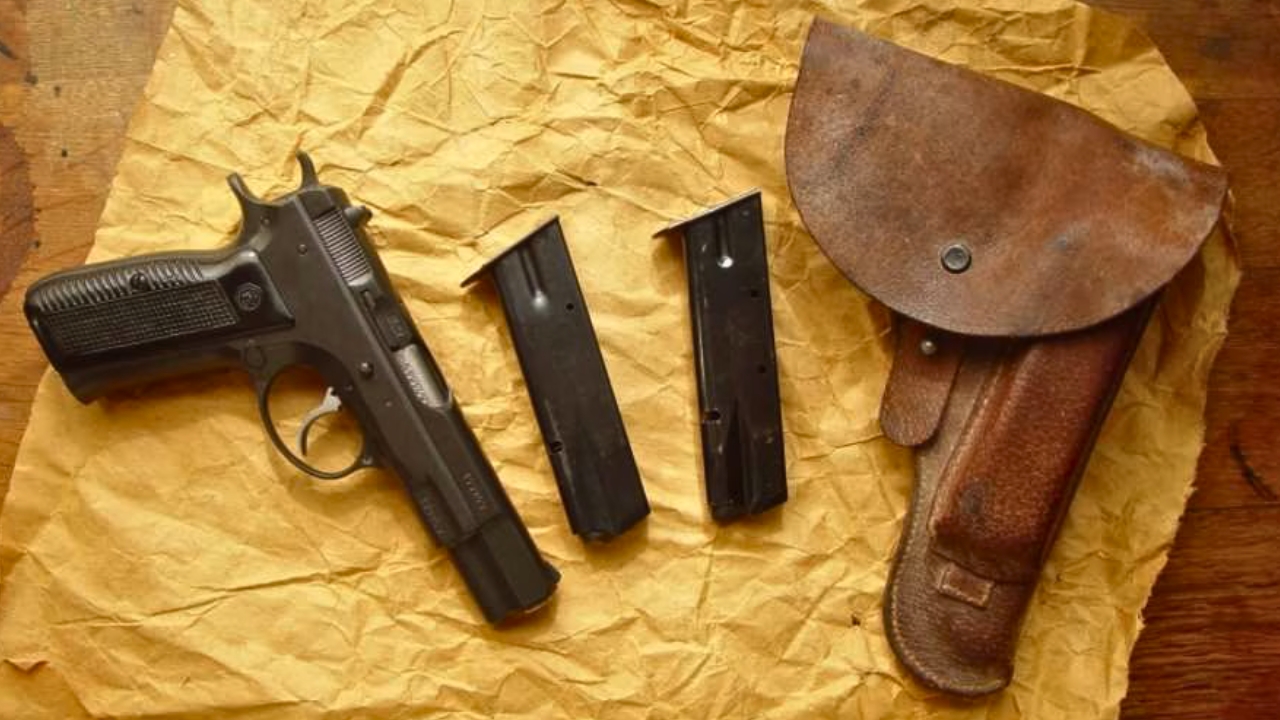
The CZ 75 rewards good technique because it sits low in the hand and tracks in recoil with a kind of calm, predictable movement that really shows you what your grip is doing. If you build a proper grip and keep the trigger press clean, the pistol feels smooth and easy to control. It does not ask for oversized hands or crushing grip pressure. It asks for consistency, which is a very different thing.
That is part of why so many skilled shooters still admire it. The ergonomics do a lot of the work if you let them, but the pistol still expects you to do your part. A bad trigger press or a lazy support hand will show up quickly. When the technique is right, though, the gun feels almost effortless. That kind of response makes the CZ 75 a pistol that teaches more than it flatters.
Smith & Wesson M&P 2.0 Compact

The M&P 2.0 Compact rewards technique because it gives you a controllable, well-shaped platform without hiding your mistakes behind excessive size or weight. The grip texture helps lock the gun in place, and the overall shape tends to encourage a solid, repeatable hand position. If your fundamentals are good, the pistol responds well. If they are not, the gun does not magically cover them up.
That is what makes it such a useful carry-sized handgun for serious practice. You do not need unusually strong hands to run it well. You need a good grip, steady visual focus, and a trigger press that stays honest as speed increases. The pistol feels manageable for a wide range of shooters, but the real payoff comes when your technique sharpens. It is one of those guns that gets better right alongside you.
Glock 19

The Glock 19 rewards good technique because it is simple enough that there is nowhere to hide. The trigger is consistent, the recoil is predictable, and the pistol itself is not trying to flatter the shooter with unusual weight or a match-style setup. If your grip is solid and your trigger control is clean, the Glock 19 will shoot very well. If your technique falls apart, the gun lets you know quickly.
That is part of why so many people learn serious pistol shooting on one. It is not a hand-strength gun nearly as much as it is a discipline gun. Shooters sometimes try to muscle a Glock into submission instead of building the kind of grip pressure and recoil control that actually work. Once they stop doing that and start applying better fundamentals, the pistol usually starts making a lot more sense.
Walther PDP Compact

The Walther PDP Compact rewards good technique because its trigger and ergonomics make clean shooting feel available, but not automatic. The trigger gives useful feedback, and the grip shape tends to help many shooters get a natural firing position. That means the gun often responds very well when your fundamentals are in place. It feels lively, controllable, and easy to track, but only if the shooter is doing their part.
That matters because some people mistake a good trigger for an easy shortcut. It is not. A better trigger helps, but it still cannot rescue poor grip or inconsistent sight tracking. The PDP Compact works best when the shooter brings real structure to the process. It is not about overpowering recoil. It is about managing the gun correctly. That is why it tends to reward technique in a way more experienced shooters appreciate immediately.
SIG Sauer P226

The P226 rewards technique because it is large enough to shoot confidently but balanced enough that proper form makes a bigger difference than simple hand power. It is not a tiny pistol, and that helps, but what really makes it stand out is how stable and predictable it becomes when the shooter is disciplined. A good stance, good grip, and careful trigger work turn the P226 into a very smooth handgun.
That does not mean it shoots itself. The double-action first shot, in particular, makes clear whether a shooter has real trigger control or not. You cannot bully your way through that with strength alone. You have to press it correctly. Once you do, the pistol pays you back with excellent control and consistency. That is one reason it stays respected. It rewards structure, not drama.
Beretta 92FS

The Beretta 92FS rewards good technique because it is one of those pistols that feels almost easy when you shoot it correctly and strangely awkward when you do not. The size and soft recoil impulse help, but the real magic comes from how the gun behaves when you build a proper grip and let the sights track naturally. It has a rhythm to it, and technique is what lets you use that rhythm.
Shooters who rely too much on brute force often miss what the Beretta does well. They fight the gun instead of letting its smooth cycling and mild recoil work in their favor. A cleaner approach almost always produces better results. That is part of why it stays respected by experienced shooters. The pistol is not asking you to overpower it. It is asking you to pay attention and shoot with intention.
Springfield Echelon

The Springfield Echelon rewards good technique because it feels modern and capable without being overly forgiving of lazy fundamentals. The grip is usable, the controls are practical, and the overall setup gives the shooter a strong platform to work from. What matters most, though, is that the gun responds very clearly to proper input. If your grip is right and your visual patience is there, it starts looking very good very fast.
That clarity makes it a useful pistol for shooters trying to build skill. You do not need exceptional hand strength to keep it running well. You need a stable interface with the gun and a trigger press that does not disturb the sights. That is a much better long-term lesson anyway. Pistols like the Echelon tend to reward the shooters who treat skill as a repeatable process instead of a strength contest.
SIG Sauer P365 XL

The P365 XL rewards technique because it sits in that interesting middle ground where it is still compact enough to reveal mistakes, but large enough to shoot very well when fundamentals are solid. That is exactly why experienced shooters often like it. It does not require huge hands or unusual grip strength. It requires attention to grip pressure, good recoil recovery habits, and a steady trigger press through a smaller platform.
That combination makes it more valuable than many people first realize. A bigger pistol can sometimes hide small errors. A tiny pistol can punish everything. The P365 XL gives you useful feedback without becoming miserable to shoot. If your technique improves, your performance with the gun usually improves right along with it. That is the kind of pistol serious carriers tend to respect, because it rewards actual skill rather than physical force.
Smith & Wesson Model 10

The Model 10 rewards good technique because revolvers have a way of stripping handgun shooting down to the essentials. A good double-action revolver does not care how hard you squeeze if your trigger press is ugly. It cares whether you can move the trigger smoothly without disturbing the sights. That is why so many skilled shooters still respect a medium-frame .38 Special. It exposes the truth without being overly punishing.
The Model 10 is especially good at this because it is balanced, honest, and pleasant enough to shoot that you can actually learn from it. A shooter who focuses on trigger control and sight discipline will usually see the payoff quickly. A shooter trying to force results with grip strength alone will often struggle. That is exactly what makes the gun useful. It teaches that technique is the real engine behind good pistol shooting.
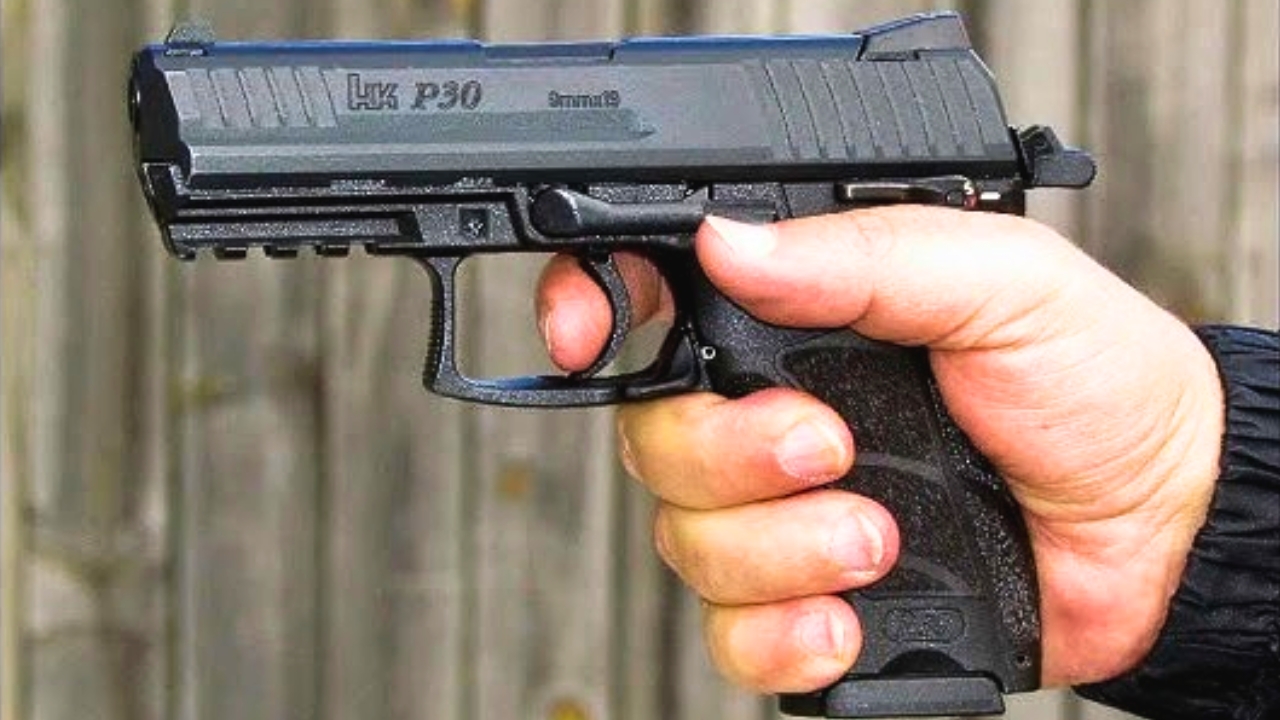
Heckler & Koch P30

The HK P30 rewards technique because it offers excellent ergonomics and strong control, but it still expects the shooter to bring some discipline to the trigger and overall gun handling. The interchangeable grip setup helps the pistol fit a wide range of hands, which is important because fit often matters more than strength once shooting gets serious. A well-fitted pistol makes good technique easier to apply consistently.
At the same time, the trigger system on many P30 variants reminds shooters that skill still matters. This is not a pistol you overpower with a hard grip and sloppy trigger work. It does its best work when you stay structured and deliberate. That makes it especially appealing to shooters who appreciate a handgun that rewards practice and technique rather than flattering bad habits.
Commander-length 1911

A good Commander-length 1911 rewards technique because the trigger, grip angle, and slim frame make proper shooting feel very direct. If your fundamentals are solid, the pistol often feels almost effortless. The trigger press can be clean, the sights settle naturally, and the gun points in a way that makes accuracy feel accessible. That does not happen because of hand strength. It happens because the design responds beautifully to good input.
That is also why weak technique stands out on one. A sloppy grip or rushed trigger press becomes obvious because the pistol is honest about what the shooter gave it. This is one reason experienced shooters keep coming back to a well-sorted 1911. It feels less like a gun you force into compliance and more like a gun that pays you back for doing things correctly.
Ruger Mark IV

The Ruger Mark IV rewards technique because rimfire pistols are often where real handgun fundamentals either get built or exposed. With less recoil in the picture, you cannot blame misses on the gun moving too much. Sight alignment, trigger press, and follow-through become the whole story. The Mark IV is especially good in that role because it is accurate, balanced, and easy enough to shoot that skill starts standing out quickly.
That is what makes it such a valuable pistol for shooters at almost any level. Strong hands are not the point here. A calm trigger press and disciplined visual focus are. People who spend enough time with a good rimfire pistol usually learn this sooner or later. The Mark IV keeps rewarding those lessons, which is why it remains one of the better handguns for shooters who want to get better instead of only shoot louder.
Like The Avid Outdoorsman’s content? Subscribe to our newsletter so you never miss an article.
Here’s more from us: