Photo credit: Buzz/Youtube
There was a stretch of years when a “feature” meant the gun went bang, fed the next round, and didn’t turn into a small parts kit in your hand. No optics cuts, no modular grip panels, no seven flavors of trigger shoes. Just working guns built for cops, soldiers, and regular folks who needed something they could stake a bad night on.
I’m not saying everything from that era is perfect. Some are heavy. Some have mushy triggers. A few are brick-ugly. But these are the pistols that came out of a decade where reliability was the whole point, and most of them still make a lot of sense for a truck, a nightstand, or a belt—if you can live without the latest trend.
1. Glock 17 (Gen 2)
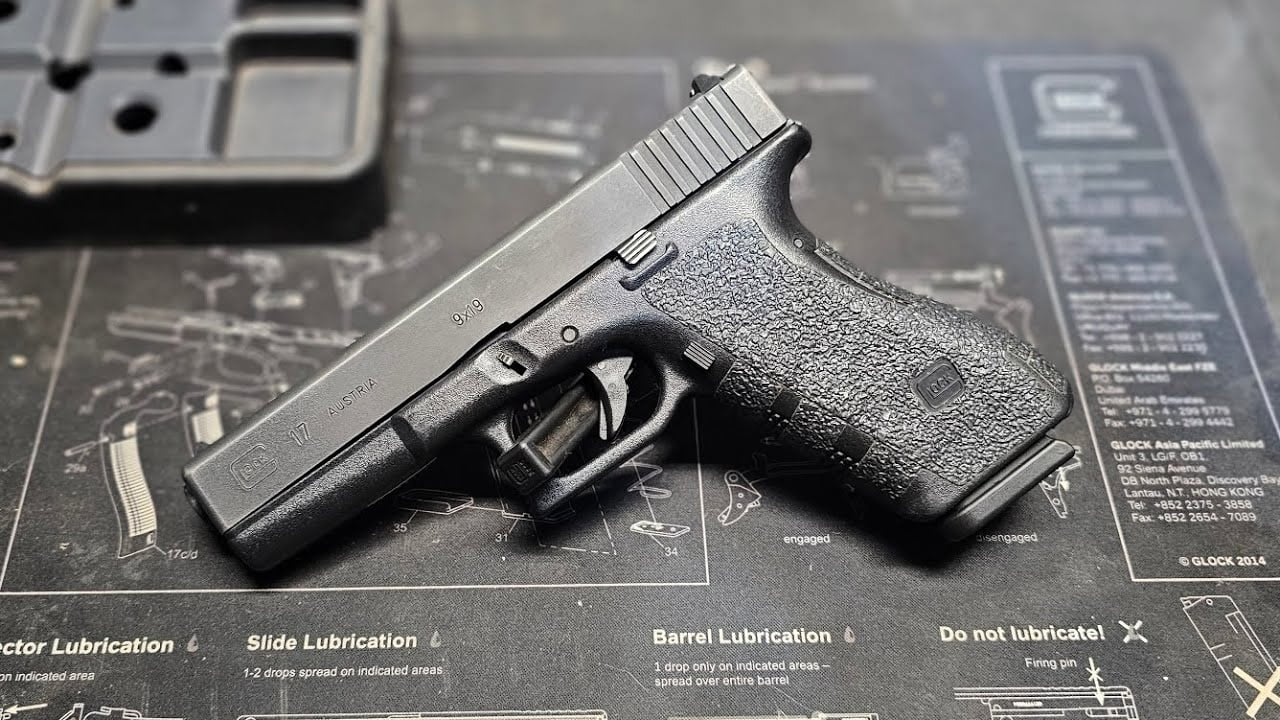
The Gen 2 Glock 17 is about as close as you get to “boring on purpose.” It points the same every time, runs dirty, and doesn’t care if you’re feeding it budget ball or duty ammo. If you’ve ever watched a new shooter finally relax because the gun just keeps cycling, you know why it matters.
It’s not fancy, and the grip texture is tame by today’s standards. Still, mags are everywhere, parts are everywhere, and the gun’s reputation was earned the hard way—round count after round count.
2. Glock 19 (Gen 2)
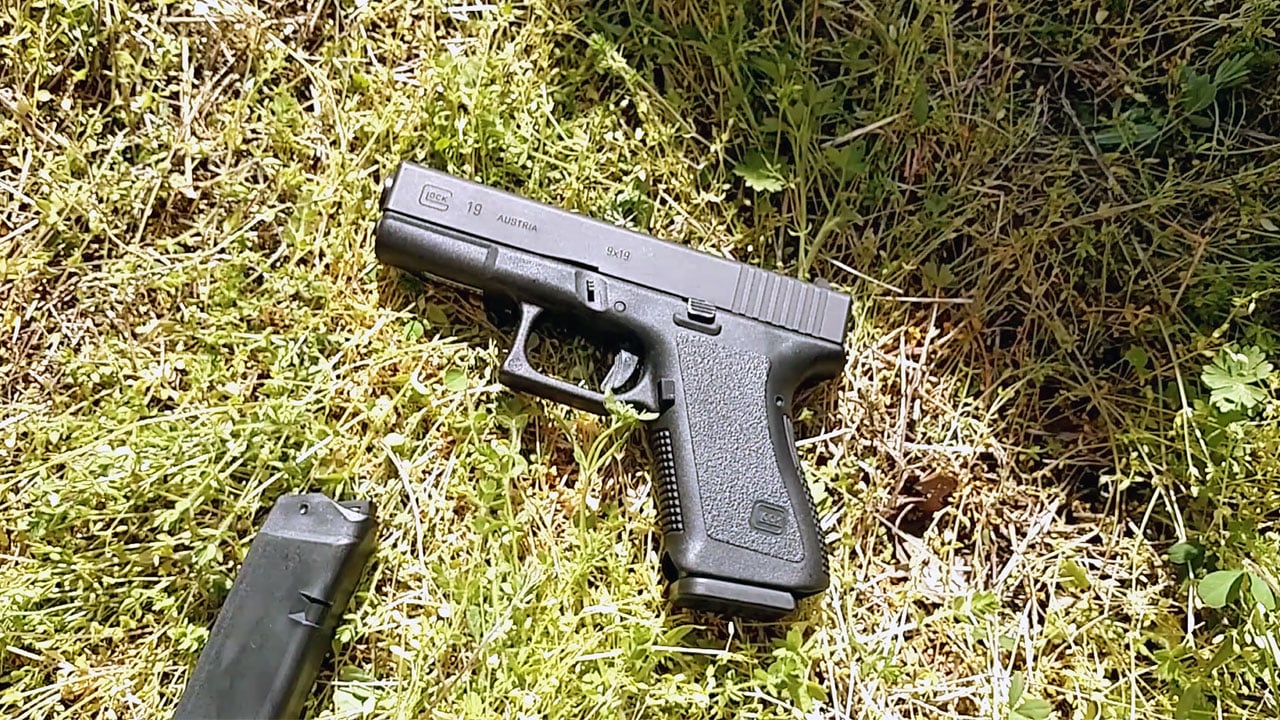
If the 17 is the full-size hammer, the Gen 2 19 is the do-it-all size that made sense before “micro-compact” was a marketing plan. It carries easier, shoots bigger than it looks, and it’s hard to find one that’s actually worn out.
I get why folks move on to thinner guns. But when you start counting what you gain versus what you give up, the old 19 still wins a lot of arguments.
3. SIG Sauer P226 (West German)
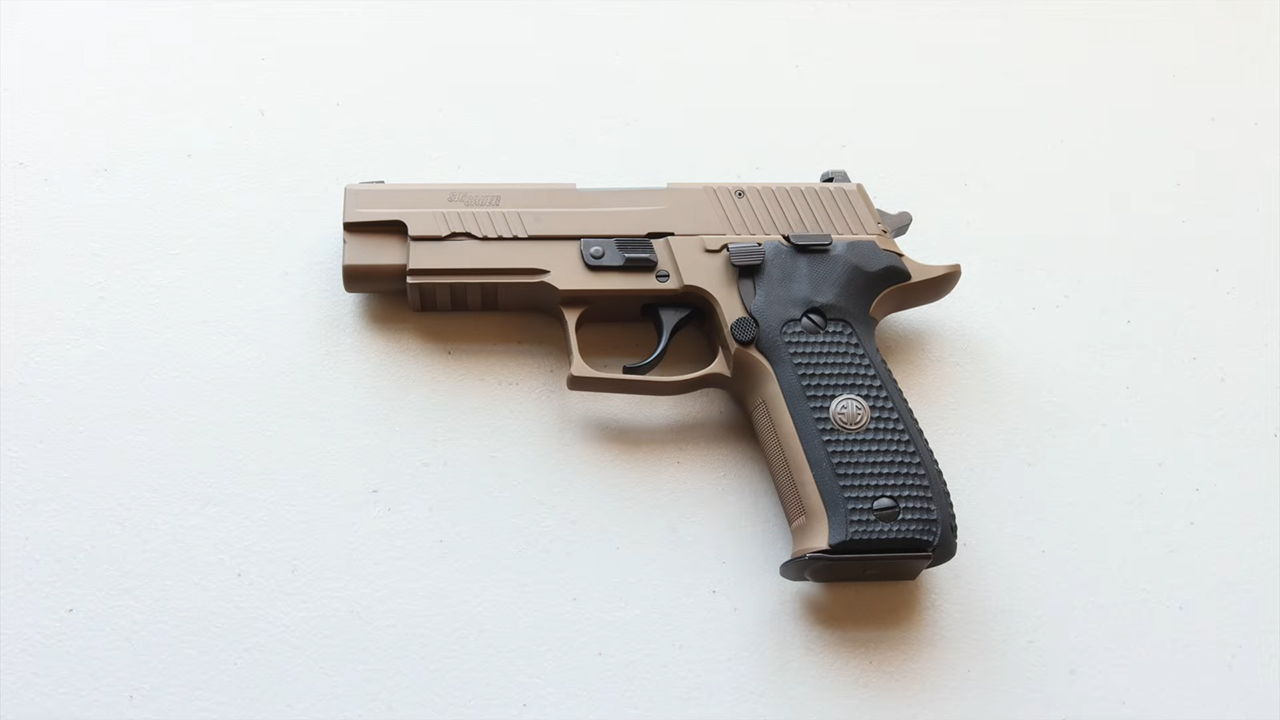
There’s a reason old-timers still talk about the P226 like it’s a service rifle. The slide feels like it’s on rails, the DA/SA system is predictable once you learn it, and the gun is built for serious use.
Downside? It’s not light, and it’s not cheap to outfit with mags if you’re starting from scratch. But if you want a pistol that feels like it was made for long shifts and hard training, this is one.
4. SIG Sauer P228
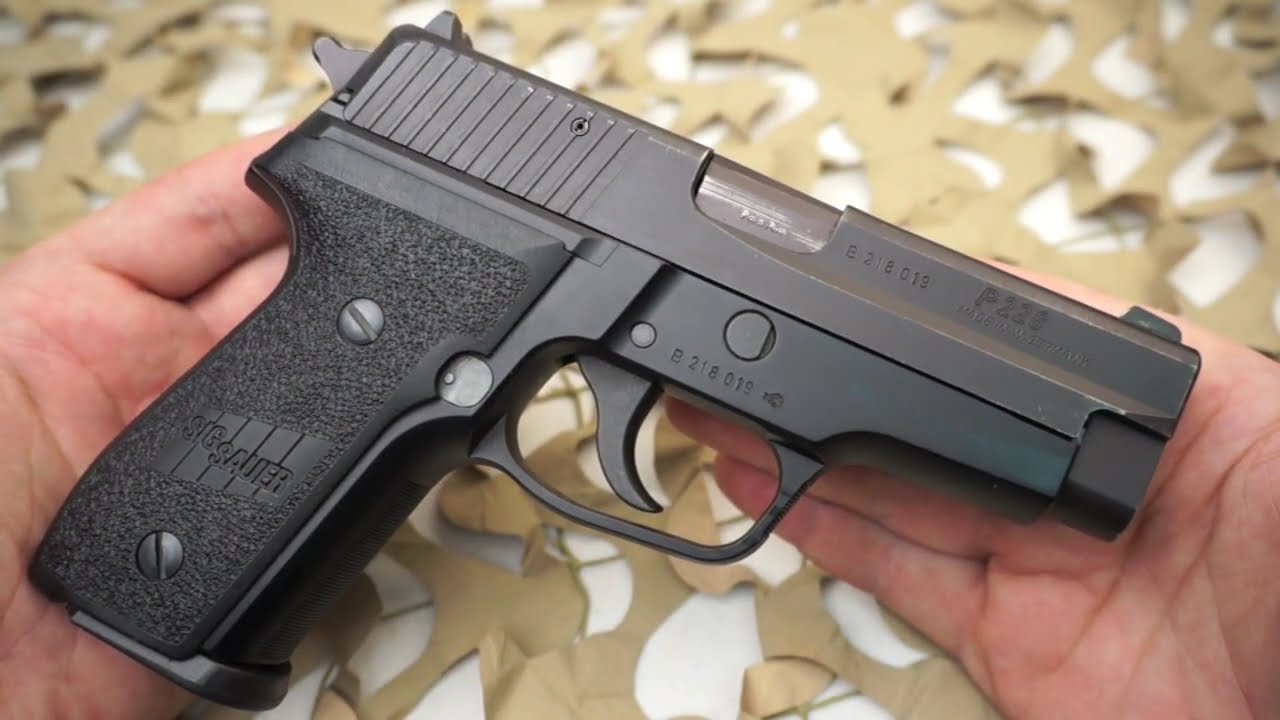
The P228 is one of those pistols that just balances right. It’s compact without being tiny, and it shoots flat for its size. You can run it fast without feeling like you’re wrestling it.
These days, a lot of folks end up with the newer equivalents. The older P228 still has a “service gun” toughness to it that’s hard to describe until you’ve carried one.
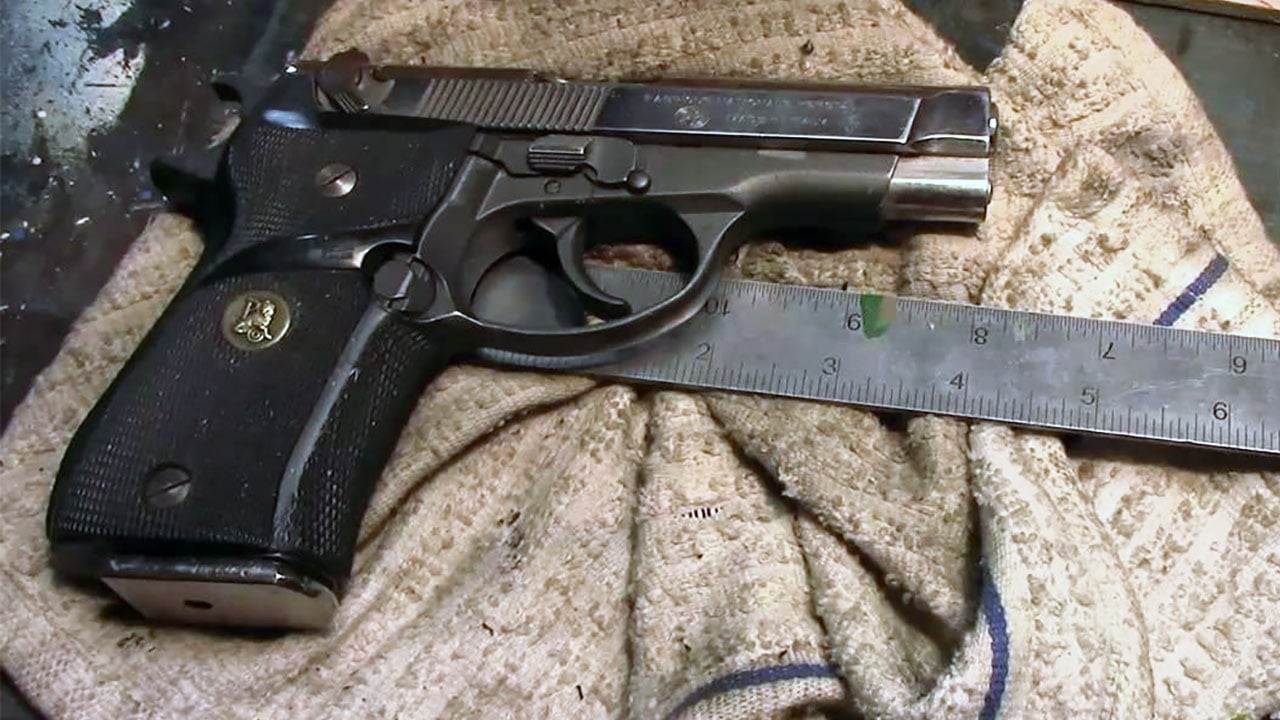
5. Beretta 92FS

The 92FS is big, smooth, and forgiving. The open-top slide design has a reputation for feeding like a champ, and the gun stays soft in the hand even with hotter ammo.
It’s also wide, and that matters if you’re trying to conceal it under a normal shirt. For a nightstand pistol or range workhorse, though, it’s tough to argue against.
6. Beretta 92G (decocker-only)
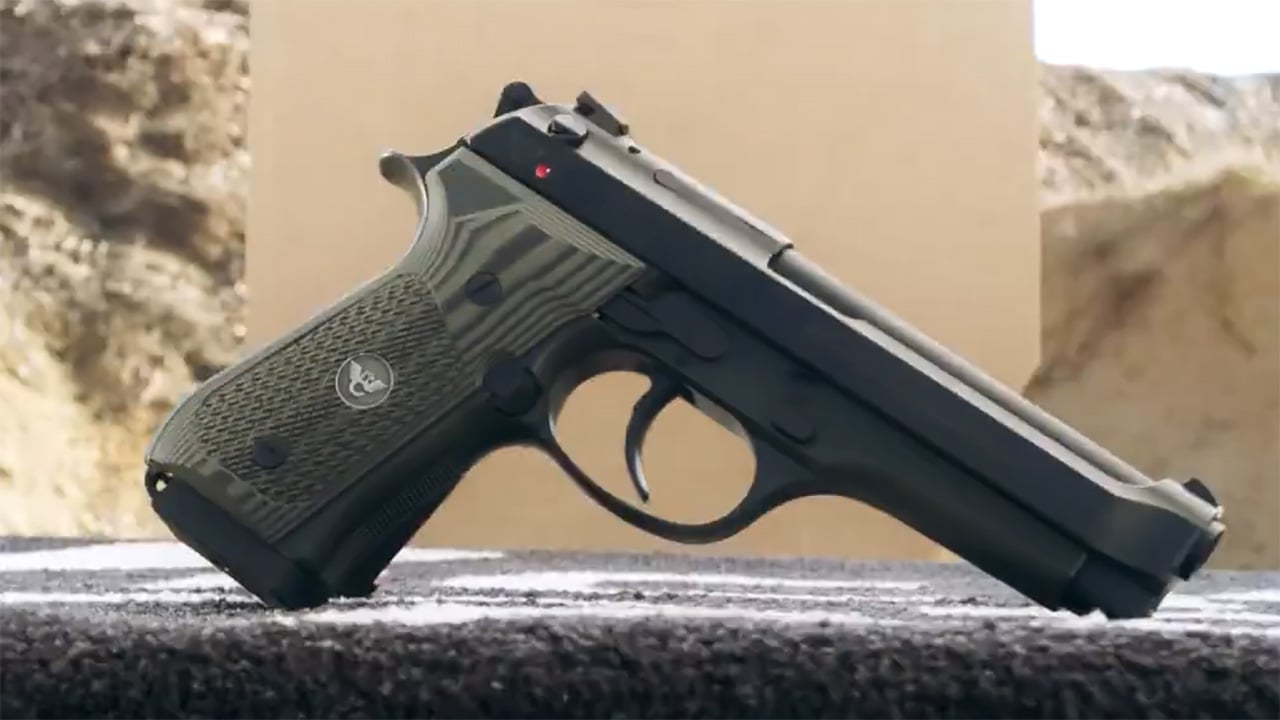
If you like the Beretta feel but don’t love the safety setup, the “G” configuration is where things click. Decock it and you’re done—no extra levers left in a weird position.
It’s a small detail, but small details are what separate a gun that’s merely accurate from one you run confidently under stress.
7. Heckler & Koch USP 9
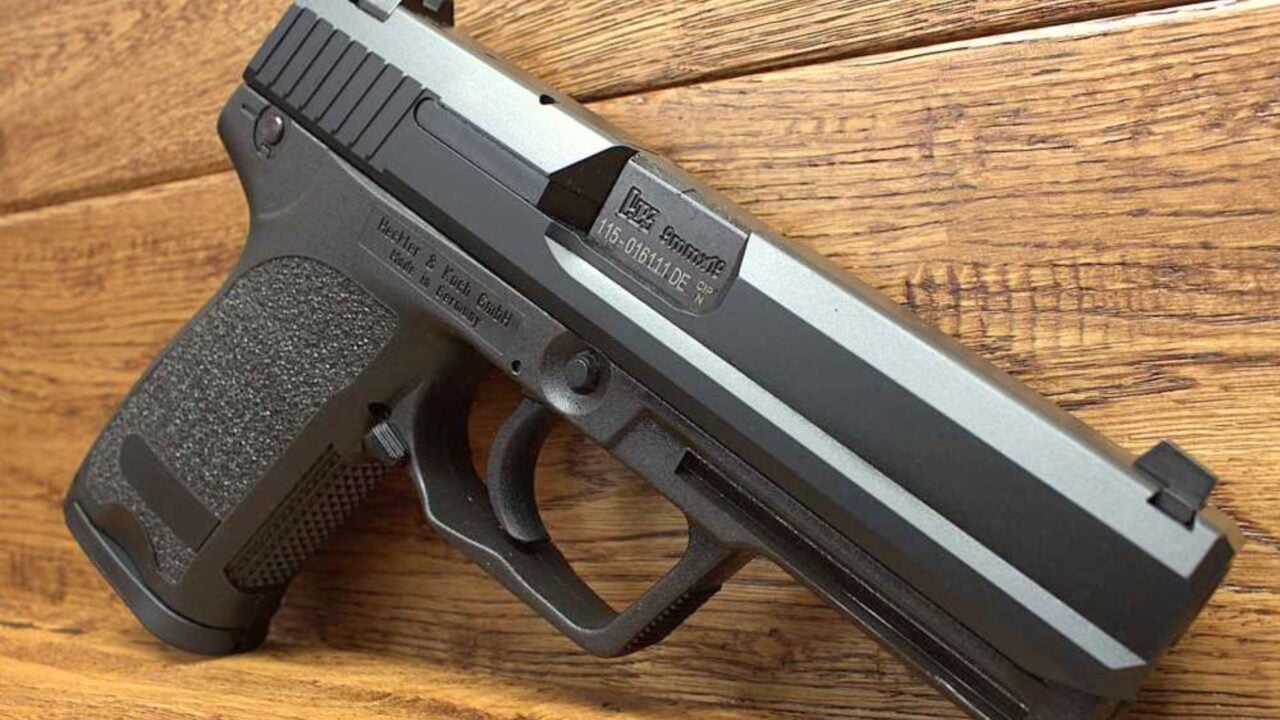
The USP came from a mindset of “overbuild it and ship it.” The recoil system is robust, the gun eats a variety of loads, and the controls feel deliberate, not delicate.
It’s not a slim carry gun, and the grip is more blocky than modern HKs. Still, if you want a pistol that shrugs off abuse, the USP has a long record of doing exactly that.
8. Heckler & Koch USP .45
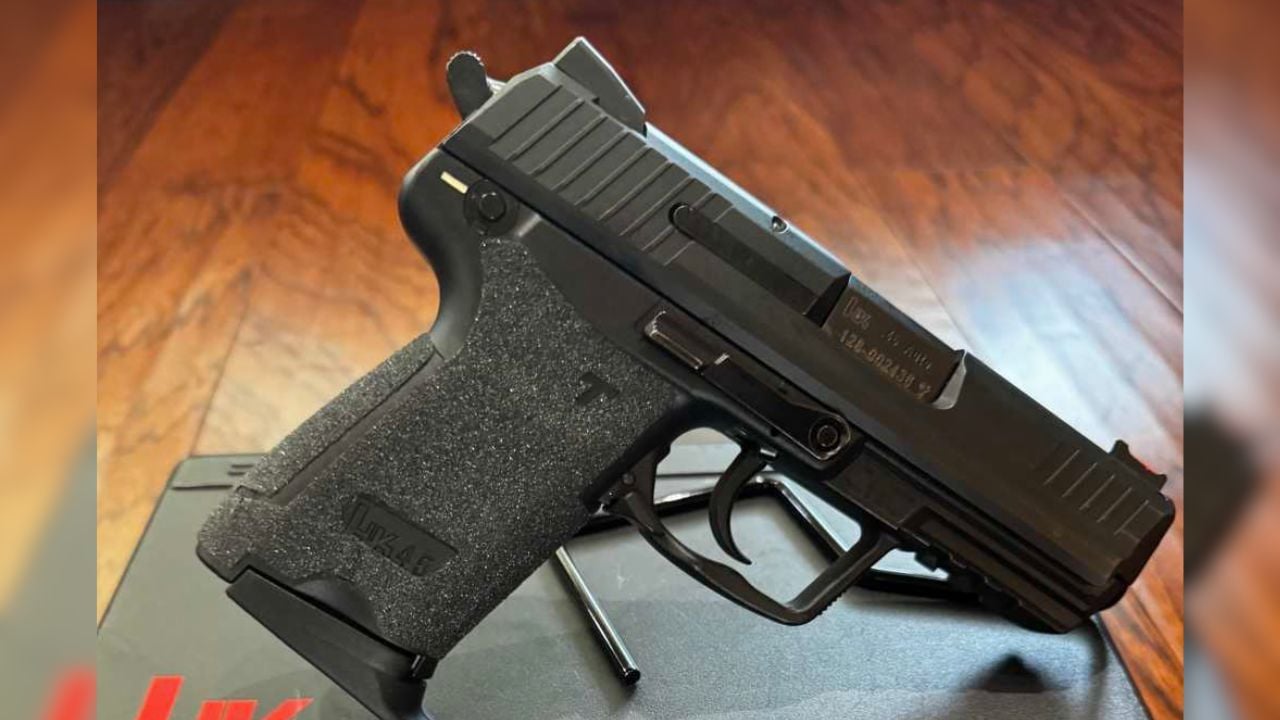
In .45, the USP feels like it was designed by people who didn’t want .45 to be a personality trait—they just wanted it to run. It’s controllable, accurate enough for serious work, and it doesn’t beat itself up.
Mags aren’t bargain-bin cheap, and nothing about it is “cute.” But it’s a dependable .45 that doesn’t demand constant attention.
9. Heckler & Koch P7 (PSP/P7M8)
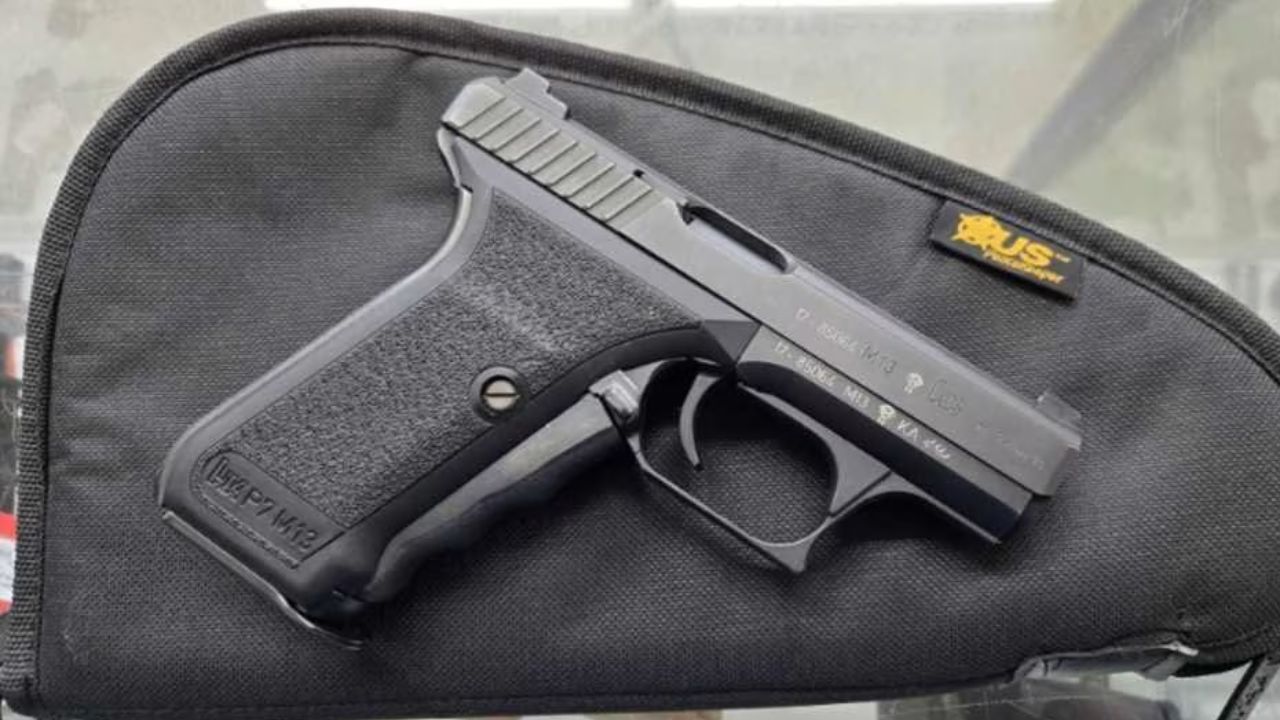
The P7 is weird in the best way. It carries flatter than you’d expect, points naturally, and it’s one of those pistols that makes you shoot better than you deserve on your first magazine.
The tradeoff is heat. Run it hard and it gets hot, quick. Still, for pure mechanical reliability and accuracy in a compact package, it’s a classic for a reason.
10. CZ 75B
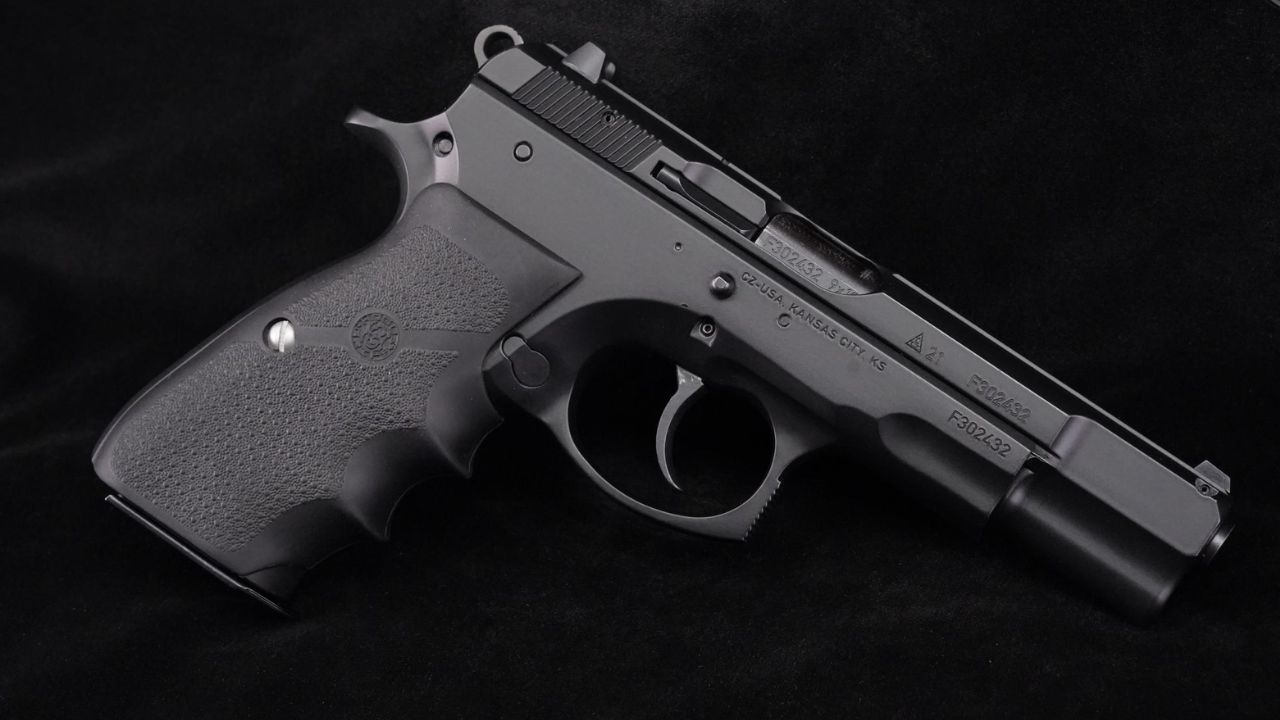
The CZ 75B is what happens when ergonomics and durability meet in the middle and shake hands. It sits low in the hand, tracks nicely, and the steel frame soaks up recoil.
It is heavier than polymer options, no doubt. But if you’re the kind of shooter who practices and wants a pistol that feels planted, the CZ earns its keep.
11. Browning Hi-Power (Mk III)

The Hi-Power is old school, and it still works. It’s slim, it carries well, and it has that pointability that makes you understand why generations trusted it.
Not all Hi-Powers are equal, and some need a little attention depending on ammo and springs. But in that era, this was a serious fighting pistol—not a collector toy.
12. Ruger P89
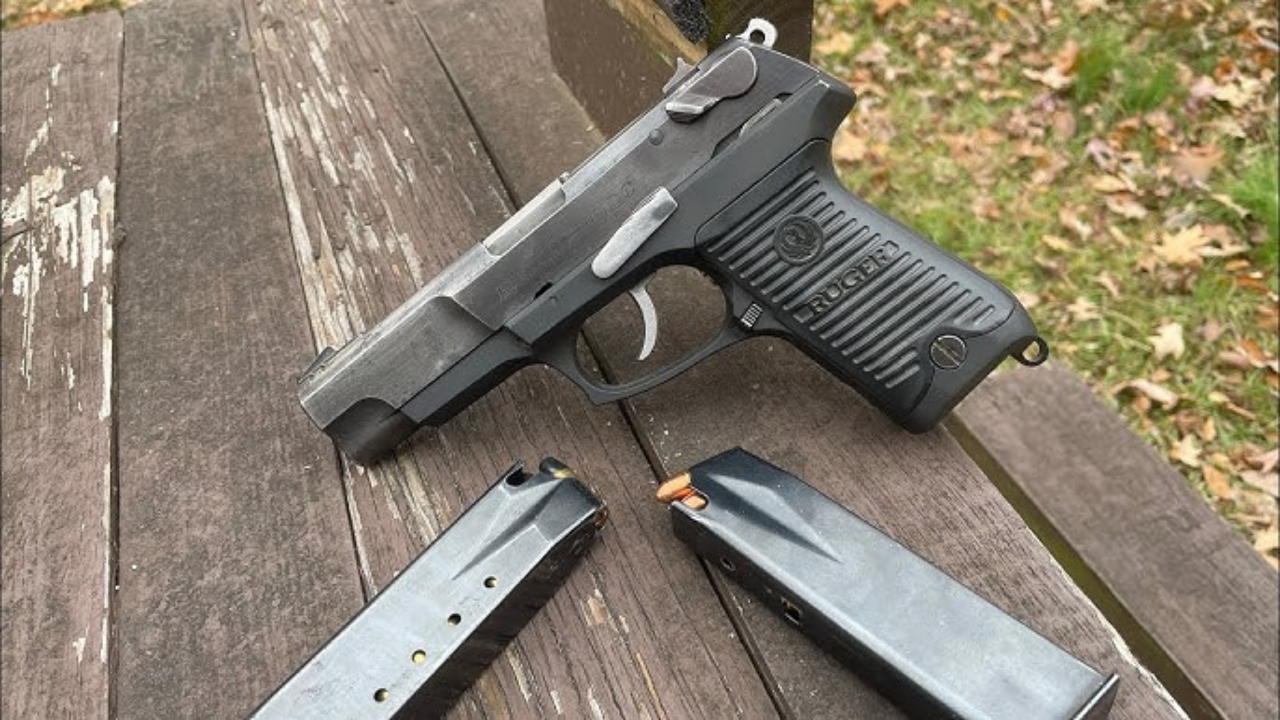
The P89 is not pretty. It’s chunky, it’s a little clunky, and it feels like it was carved out of a block of “don’t worry about it.” That’s exactly why it’s here.
These things run. If you want a glovebox 9mm you don’t baby, the old Ruger P-series is tough to beat, even if it won’t win a beauty contest.
13. Ruger P95
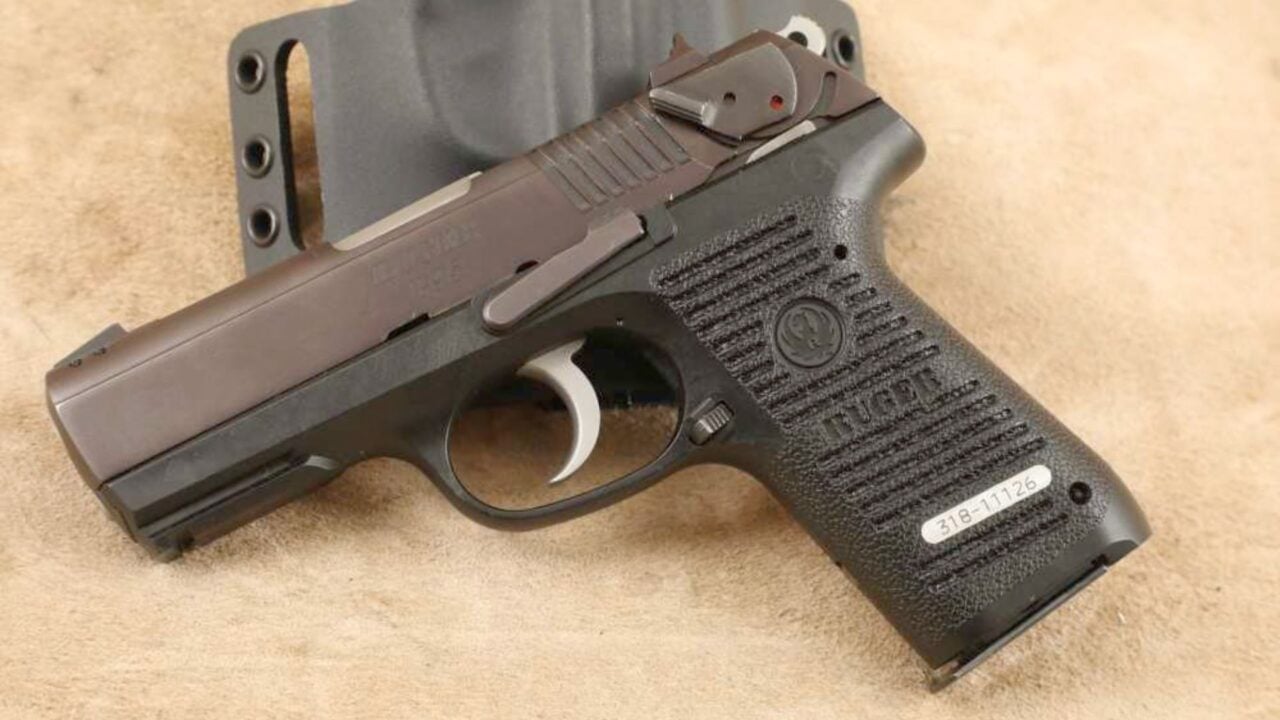
The P95 is the same Ruger attitude in a lighter package. It’s still thick, still not refined, but it’s dependable and simple to live with.
I’ve seen P95s that look like they rode around on a farm for a decade and still cycle like they’re mad at you. There’s something to be said for that.
14. Smith & Wesson 5906
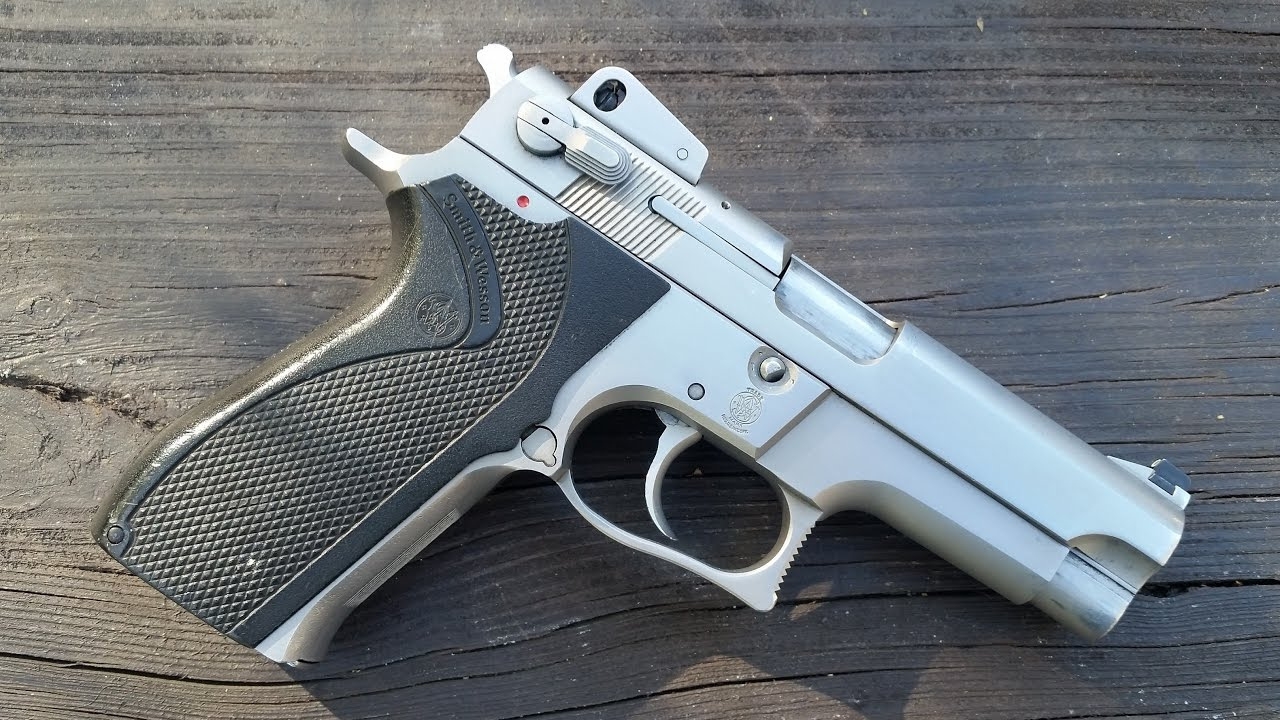
The 5906 is stainless, heavy, and built for duty holsters. It’s one of those pistols that feels like it could double as a tent stake in a pinch, then go qualify afterward.
It’s not the easiest to conceal, and the trigger isn’t a match gun’s trigger. But reliability was the mission, and it delivered.
15. Smith & Wesson 3913
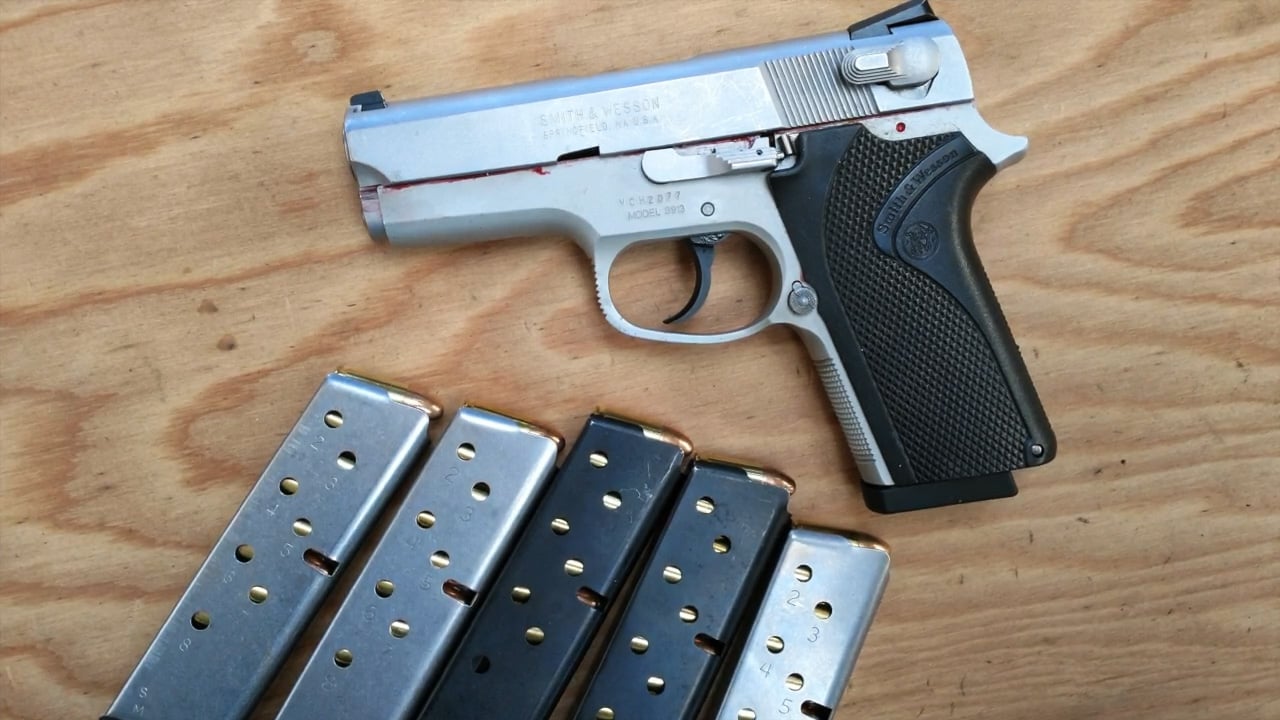
The 3913 is what a carry gun looked like before everyone decided it needed to be tiny and snappy. It’s slim, shoots comfortably, and doesn’t punish you for practicing.
If you find one in good shape, don’t be surprised if it becomes that pistol you keep reaching for when you just want something that behaves.
16. Smith & Wesson 4506
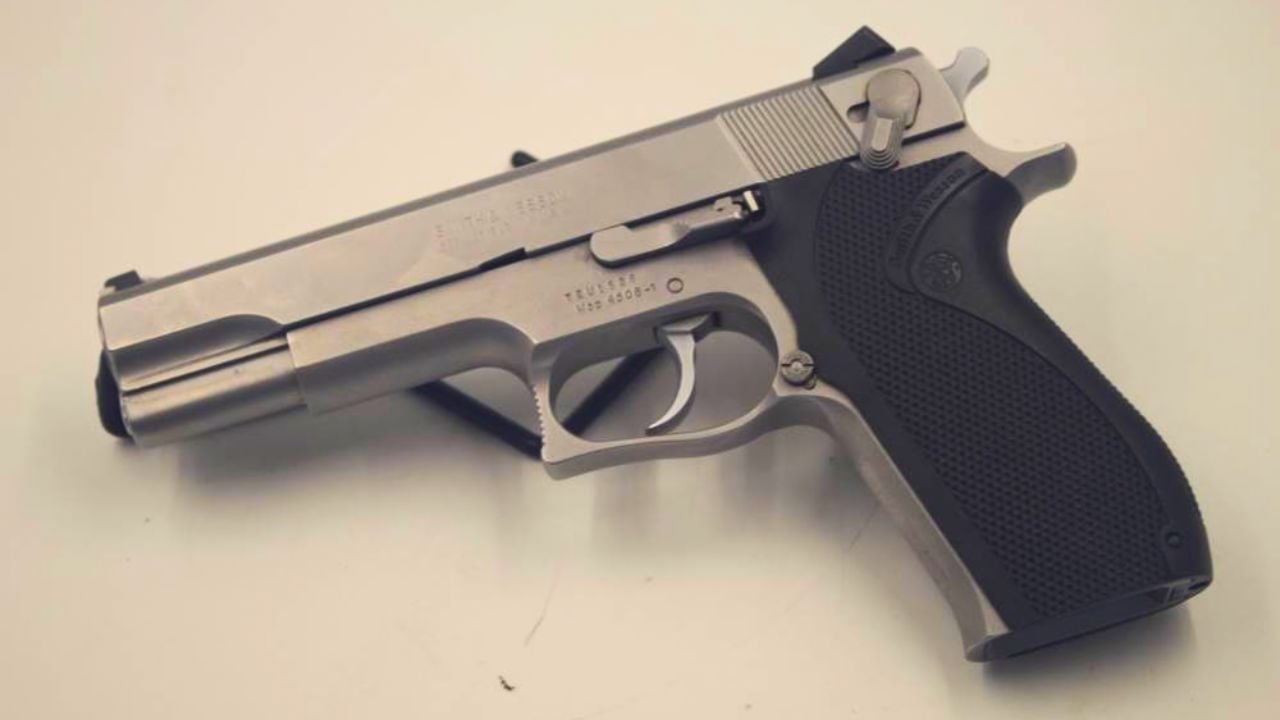
The 4506 is a slab of stainless .45 that makes modern polymer feel like a different sport. It’s soft-shooting for the caliber, dependable, and built around the idea of lasting, not impressing.
Carrying it all day is a commitment. For a home gun or a belt gun with a good holster, it’s a steady, confidence-building piece.
17. Colt 1991A1 (Government Model)

The 1991A1 isn’t a “custom” 1911, and that’s kind of the point. It’s a straightforward Government Model that, when kept in spec and fed decent magazines, can run for a long time.
Some 1911s are picky, and the platform rewards maintenance. But there’s a reason a plain Colt still gets respect on the range line.
18. Springfield Armory 1911-A1 (Mil-Spec)
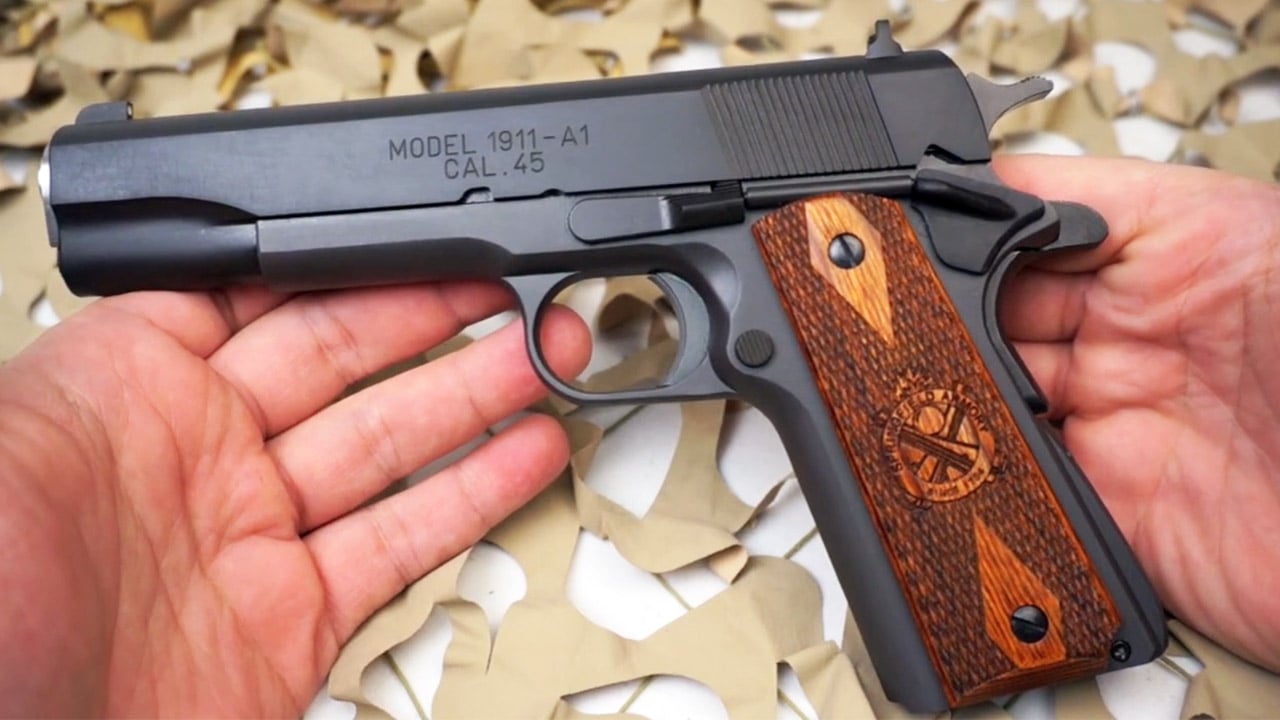
The Mil-Spec guns weren’t built to be flashy. They were built to be usable, serviceable, and familiar to anyone who learned on a 1911 pattern. The sights are better than true GI, and the overall package is honest.
It might not be the smoothest 1911 you’ll ever own, but it’s a solid baseline that tends to run well if you don’t cheap out on mags.
19. Walther P99 (1st Gen)
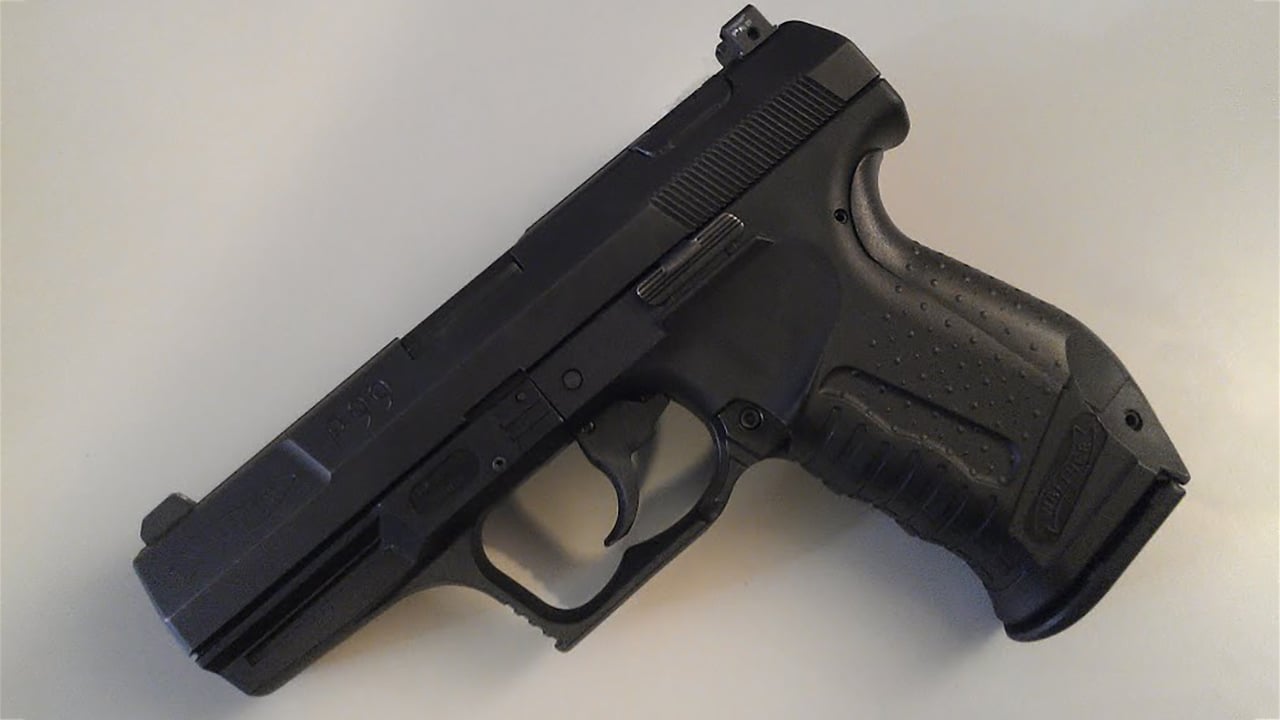
The early P99 is one of those pistols that feels ahead of its time without trying to be weird. Ergonomics are excellent, reliability is strong, and the gun points naturally.
It never became the internet darling the way some others did, which is fine. For the guy who wants a practical 9mm that just works, it’s been doing that job quietly for years.
20. FN Browning BDA / FN HP-DA (9mm)
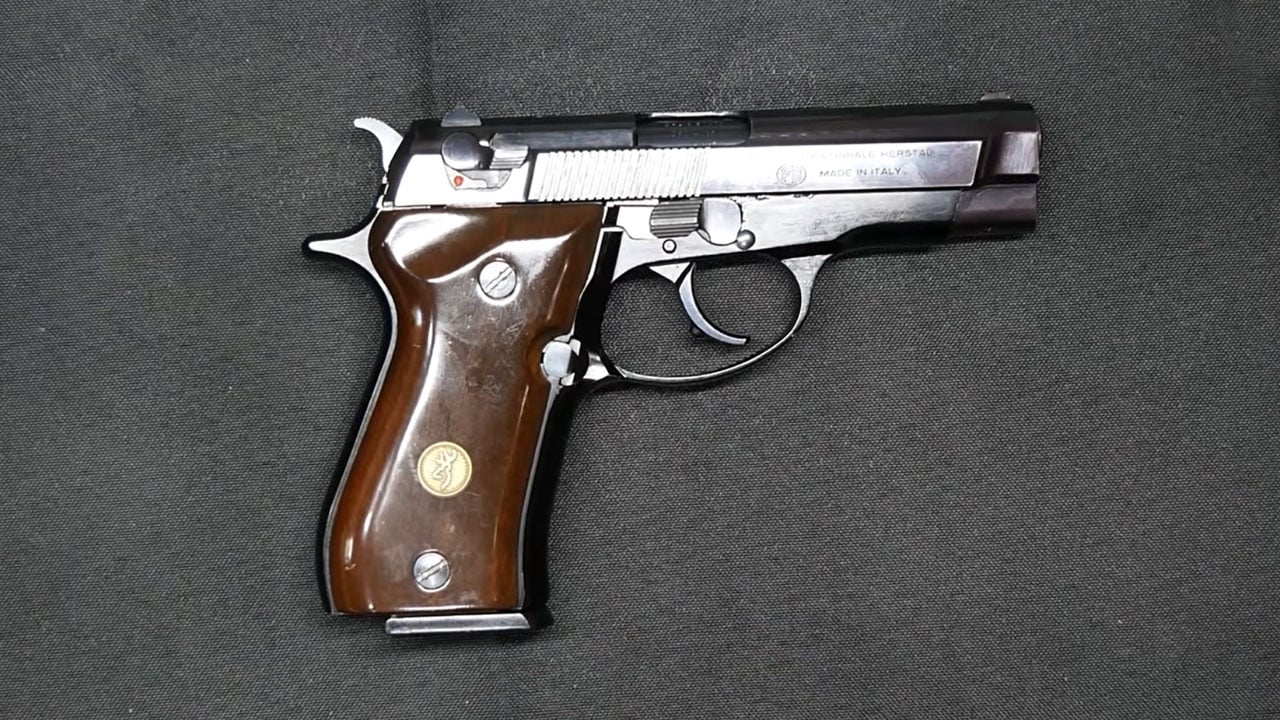
This one doesn’t get talked about enough. The BDA/HP-DA line is a sturdy, service-minded pistol with a smoothness that surprises people who’ve never handled one.
It’s not the lightest option and not the trendiest, and finding holsters can take a little looking. But if you bump into one in good condition, it’s a reminder of when manufacturers built guns to run first and sell second.
Modern pistols are better in a lot of ways. Better sights, better textures, better optics support, better triggers out of the box. But when you pick up one of these older workhorses and it just runs—no drama, no excuses—it’s hard not to respect the era that built them. If you’ve got one, keep it fed, keep it sprung, and don’t apologize for liking a pistol that was designed to be reliable before anything else.
Like The Avid Outdoorsman’s content? Be sure to follow us.
Here’s more from us: