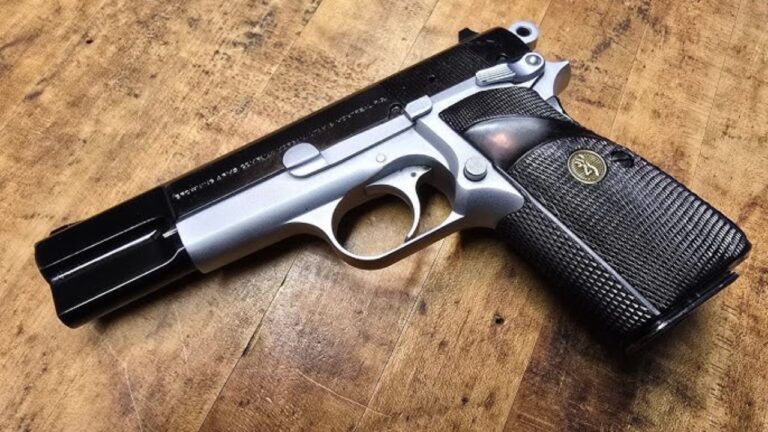
Photo credit: Tikka T3x Hunter/Youtube
Some hunting rifles built their reputations so thoroughly that the name still carries weight decades later. The problem is that a great reputation can outlive the reasons that created it. Manufacturing changes, cheaper materials, dated ergonomics, weaker triggers, or stronger competition can all turn a once-obvious choice into something buyers keep selecting mostly because they remember what the rifle used to represent.
That does not mean every rifle here is bad. Several still kill deer just fine, and some remain excellent in the right configuration. The issue is value and relevance. If a rifle is still being treated like the gold standard while newer competitors offer better triggers, smoother actions, stronger stocks, easier optic mounting, or more consistent accuracy for the same money, nostalgia starts doing too much of the selling. These 20 hunting rifles still benefit heavily from reputations earned in an earlier era.
Remington Model 700 SPS

The Model 700 name still carries enormous weight because older 700s helped define the American bolt-action hunting rifle. Good examples were accurate, easy to customize, and supported by one of the biggest aftermarket ecosystems in the industry. That history still sells rifles today.
The SPS is where the old reputation starts doing more work than the actual package. The stock feels basic, the finish is utilitarian, and the rifle rarely feels as polished as the 700 name suggests it should. Plenty shoot well, but so do many newer rifles with better factory stocks, smoother bolts, and more modern features. The action remains a strong foundation, but buyers are often paying for what the Model 700 used to represent rather than getting a rifle that clearly outclasses its competition from the box.
Browning X-Bolt Hunter
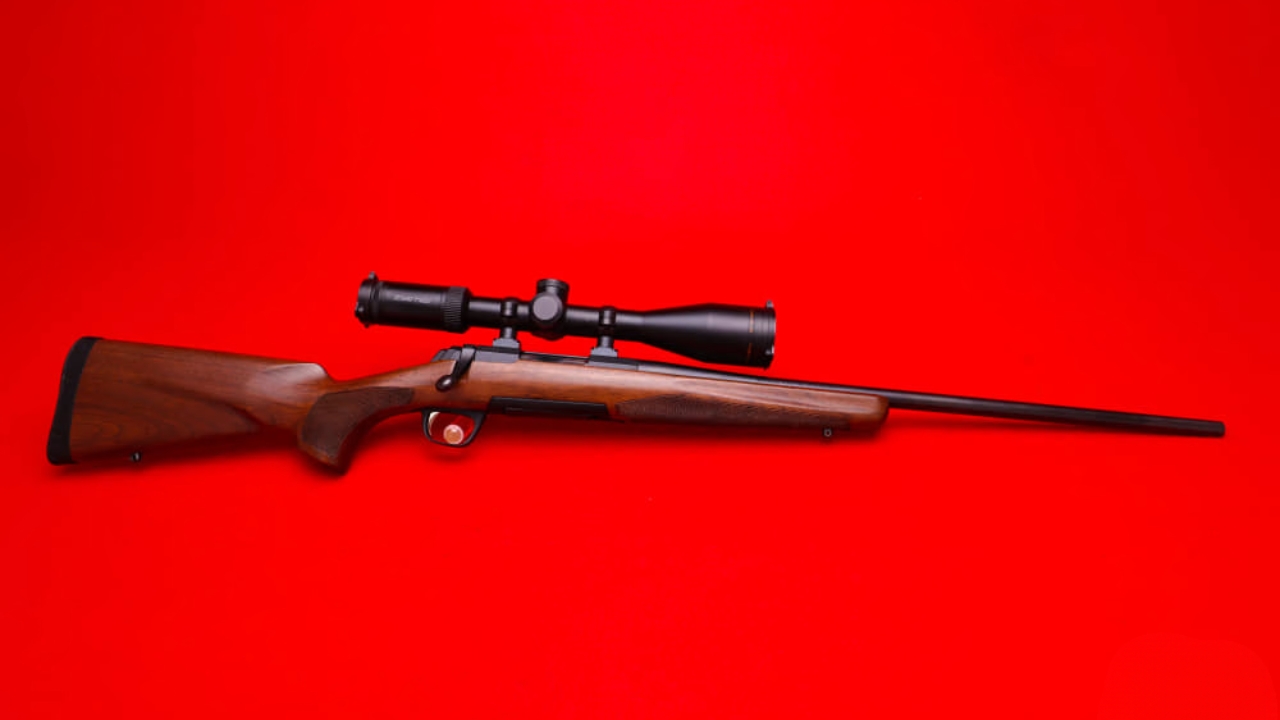
The X-Bolt earned a strong reputation for being smooth, accurate, and more refined than the average production hunting rifle. That reputation was deserved, especially when many competing rifles still felt rough and basic.
The market has caught up. Today, several rifles offer equally good triggers, threaded barrels, modular stocks, and easier optic setups without charging the same premium. The X-Bolt Hunter still has nice wood and a good action, but it can feel conservative beside newer designs. The detachable rotary magazine is clever, yet replacements are not always cheap, and the rifle does not offer enough mechanical advantage to justify buying on name alone. It remains a capable hunting rifle, but the gap between it and the rest of the field is much smaller than it used to be.
Weatherby Vanguard Series 2

The Vanguard built a reputation around strength, accuracy, and dependable Japanese manufacturing. For years, it was one of the smartest ways to get a solid hunting rifle without paying Mark V money.
The problem is that the rifle has stayed fairly traditional while competitors have gotten lighter, more ergonomic, and more feature-rich. The Vanguard can feel heavy compared with modern hunting rifles, and the basic synthetic stock does little to make the rifle stand out. The action is still excellent, and the two-stage trigger is good, but those qualities are no longer unusual at this price. If you value durability and do not care about weight, the Vanguard still works. If you are expecting it to dominate the value category simply because of its old reputation, the current market is much tougher.
Winchester XPR
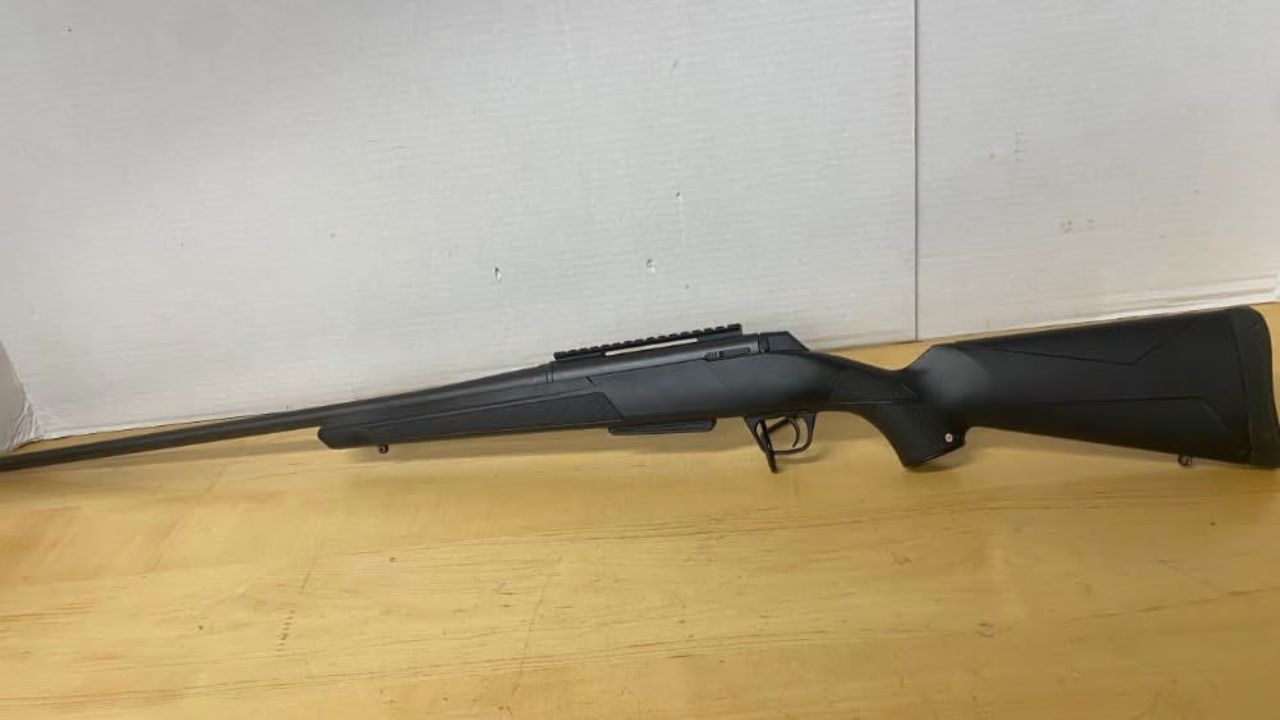
The XPR benefits from the Winchester name even though it has very little in common with the classic Model 70 rifles that built that reputation. It was designed as a modern, affordable hunting rifle and performs that job competently.
The issue is that the name can make buyers expect more than the rifle delivers. The stock is basic, the action is functional rather than luxurious, and the whole package feels like what it is: a budget-oriented bolt gun. That is not a problem by itself, but there are competitors with smoother actions and more refined factory setups at similar prices. The XPR can shoot well and kill deer reliably. It simply should not be assumed to be special because Winchester is stamped on the receiver.
Savage 110 Hunter

The Savage 110 built a legendary reputation around accuracy, affordability, and the AccuTrigger. For a long time, that trigger alone separated Savage from many competitors.
Today, the advantage is far less dramatic. Adjustable triggers are common, and several manufacturers now deliver smoother actions and better stocks without charging much more. The 110 still shoots well, but the action can feel clunky, and some factory configurations feel dated compared with newer rifles designed from scratch around modern hunting expectations. Savage deserves credit for pushing the market forward, but that does not mean every current 110 is automatically the best value. The rifle remains useful, yet some of its prestige comes from innovations that everyone else has already copied or improved.
Ruger M77 Hawkeye
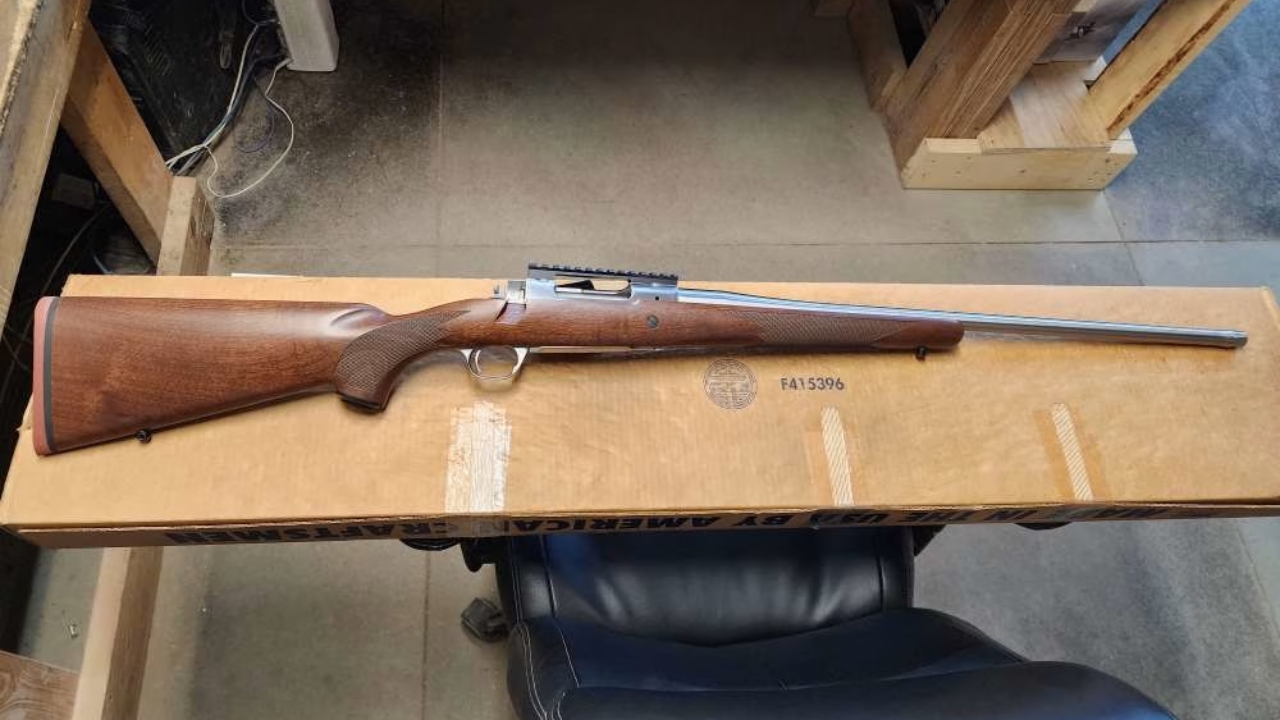
The M77 Hawkeye has a lot going for it: controlled-round feed, a strong action, and traditional styling. Those qualities helped Ruger build a loyal following among hunters who valued durability over flashy features.
The problem is that the rifle can feel expensive for what it delivers today. The action is not especially smooth, the trigger is decent rather than outstanding, and the rifle is often heavier than newer alternatives. Controlled-round feed still matters to some hunters, especially for dangerous game, but most deer hunters do not gain much from it. The Hawkeye still has character, and certain chamberings make sense. For the average hunter, though, its reputation as a rugged old-school rifle can overshadow how much more refined other options have become.
Remington Model Seven

The Model Seven earned affection because it gave hunters a compact, lightweight rifle before short, handy bolt guns became common. It was especially appealing for woods hunting and smaller-framed shooters.
That uniqueness has faded. Today, compact rifles are everywhere, and many offer better stocks, threaded barrels, adjustable length of pull, and smoother actions. The Model Seven still handles nicely, but its value depends heavily on nostalgia and condition. Used examples can bring surprisingly strong prices because buyers remember what the rifle represented rather than because it outperforms newer compact rifles. If you already own one, it is a great little hunting gun. If you are shopping now, there are easier ways to get the same handling with more modern features.
Browning BAR Mark III

The BAR built one of the strongest reputations in semiautomatic hunting rifles. For decades, it was the rifle hunters bought when they wanted fast follow-up shots in a traditional-looking package.
The Mark III still works, but the platform feels heavier and more complicated than many hunters need. The rifle is expensive, cleaning is less convenient than with simpler designs, and accuracy is usually good rather than exceptional. Modern AR-pattern hunting rifles have also taken away much of the BAR’s old advantage by offering lighter weight, easier optics mounting, and simpler customization. The BAR remains attractive to hunters who want walnut and a traditional feel, but its reputation is carrying more weight now that the alternatives are so much stronger.
Tikka T3x Hunter
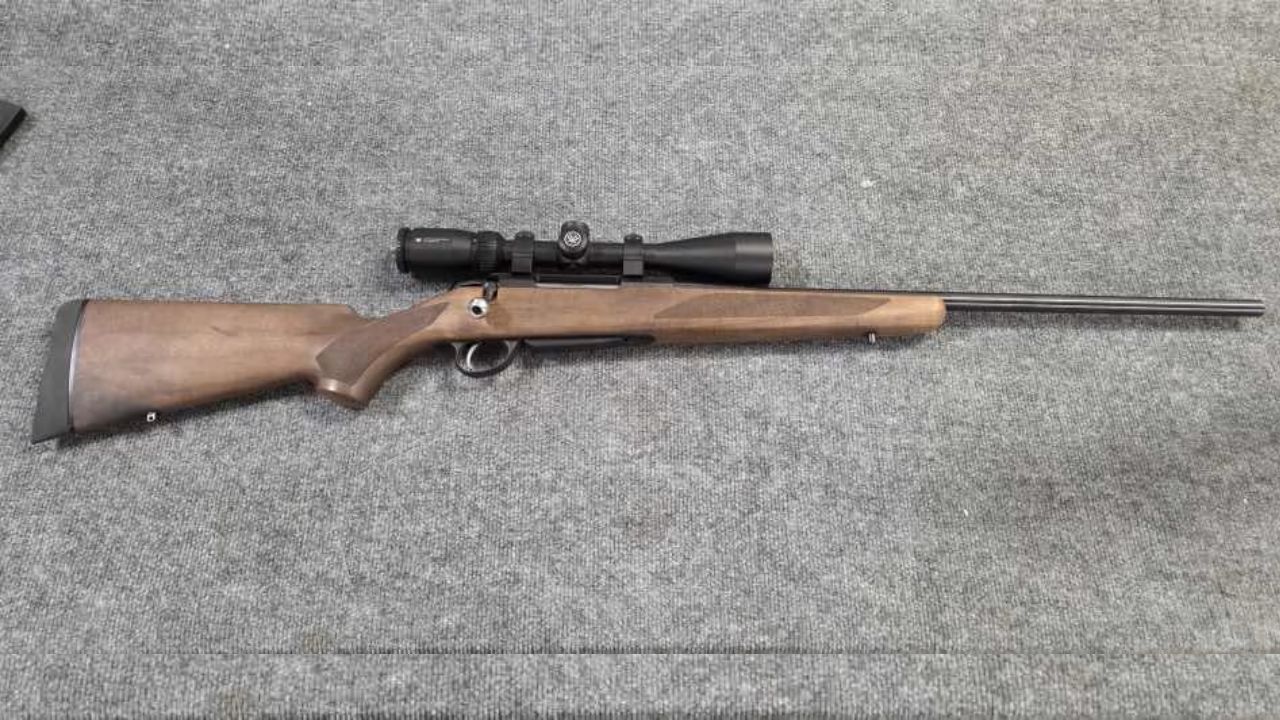
Tikka earned its reputation the right way. Smooth bolts, good triggers, and excellent accuracy made the T3 and T3x easy recommendations for years.
The Hunter version is where the price can start drifting away from the value proposition. The walnut stock looks better than the basic synthetic model, but mechanically you are still getting the same core rifle. That is not a bad thing, yet buyers sometimes treat the Hunter as if the extra money buys a different level of performance. It mostly buys appearance. The rifle is still excellent, but the old Tikka reputation can make people overlook how much competition now exists from Bergara, CZ, Sauer, and others. The T3x Hunter remains good, but it is no longer automatically the smart choice at its price.
CZ 557

The CZ 557 developed a following among hunters who liked traditional styling, strong actions, and the old-world feel associated with CZ rifles. Many shooters still speak highly of them based on that reputation.
The problem is that the design now feels caught between eras. It lacks some of the modularity and optic-friendly features of newer rifles, while clean used examples can command prices that put them against much more modern options. The action is solid and the rifles can be accurate, but there is little reason to overpay simply because they wear the CZ name. The 557 is better appreciated as a well-made traditional rifle than as something objectively superior to current competition. Buyers should judge the individual rifle rather than the reputation.
Kimber 84M Classic

Kimber built a strong reputation around lightweight rifles that felt more refined than mass-market hunting guns. The 84M especially appealed to hunters who wanted controlled-round feed, nice wood, and low weight.
The problem has always been consistency. Some rifles shoot extremely well, while others have left owners chasing bedding, ammunition, or accuracy issues that should not exist at the price. The light weight also makes recoil more noticeable and can magnify shooting mistakes from the bench. When you get a good one, the 84M is a beautiful hunting rifle. The reputation becomes a problem when buyers assume every example deserves premium money simply because of the Kimber name. At current used prices, condition and proven accuracy matter far more than the badge.
Weatherby Mark V Deluxe
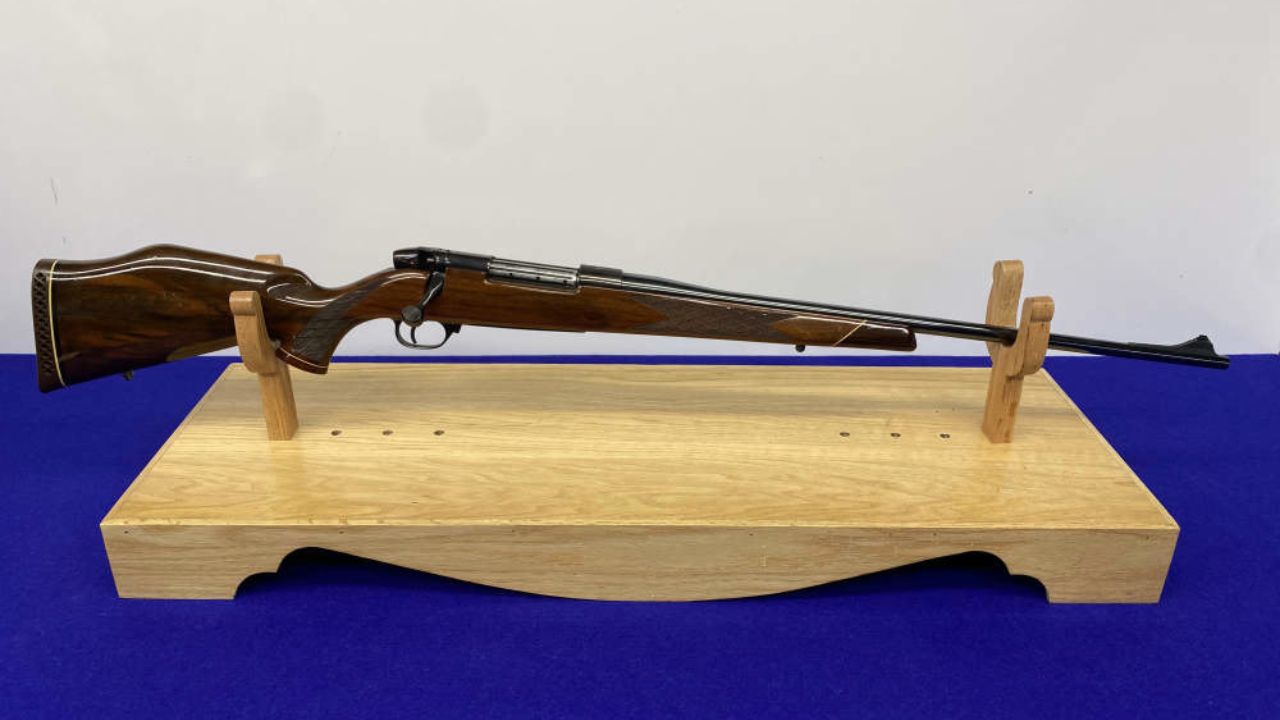
The Mark V Deluxe built its reputation on strength, speed, and unmistakable Weatherby styling. Deep bluing, glossy walnut, and magnum chamberings made it one of the aspirational hunting rifles of its era.
Today, much of the appeal is emotional. The action is still strong and the short bolt lift is useful, but the rifle is heavy, expensive, and visually old-fashioned to hunters who prioritize practical field performance. A synthetic rifle costing much less can often match or exceed it for accuracy while being easier to carry and less painful to scratch. The Deluxe is still a beautiful rifle, but buyers should recognize they are paying heavily for tradition and finish. As a pure hunting tool, its old reputation can make the price harder to defend.
Sako 85 Hunter

The Sako 85 was widely respected for smooth operation, excellent triggers, and strong accuracy. It still has plenty of loyal owners, and for good reason.
The issue is that used prices often reflect the prestige of the Sako name more than the practical advantage over newer rifles. The 85’s ejection and scope-mounting setup also generated enough criticism that not every shooter considers it the flawless premium rifle the reputation suggests. Newer Sako designs and competitors from Sauer, Tikka, and others have improved the landscape considerably. A clean 85 remains a quality rifle, but buying one purely because “Sako is the best” can lead to overpaying. The rifle deserves respect, not automatic superiority.
Marlin 336
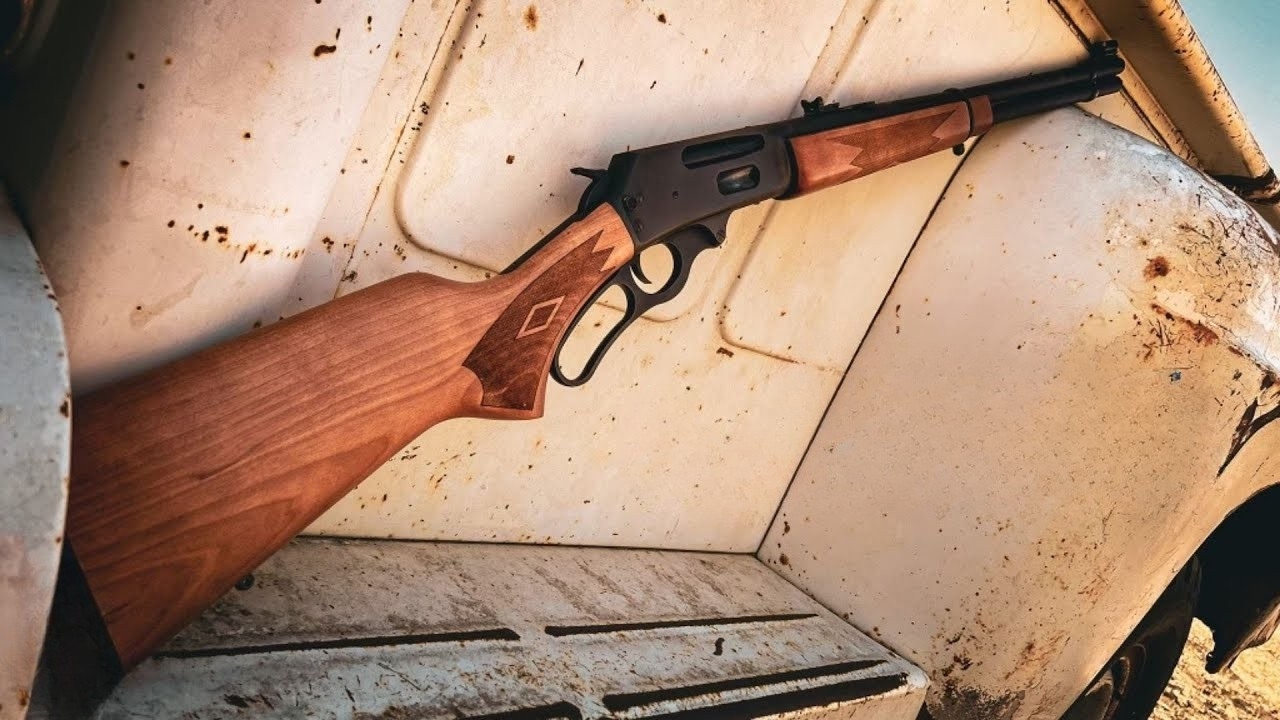
The 336 earned one of the best reputations in American deer camps. In .30-30 and .35 Remington, it was compact, reliable, and perfectly suited to woods hunting.
The problem is that the name has become bigger than the rifle. Clean older examples can sell for prices that make little sense compared with newer lever guns built with modern machining and better factory sights. Some buyers also romanticize the rifle’s accuracy beyond what most carbines actually delivered. A good 336 is still a fine deer rifle, but it is not magic. Once collector demand pushes the price high enough, you are paying for history and nostalgia more than performance. That does not make it bad. It just means the old reputation can distort what the rifle is actually worth as a shooter.
Winchester Model 94
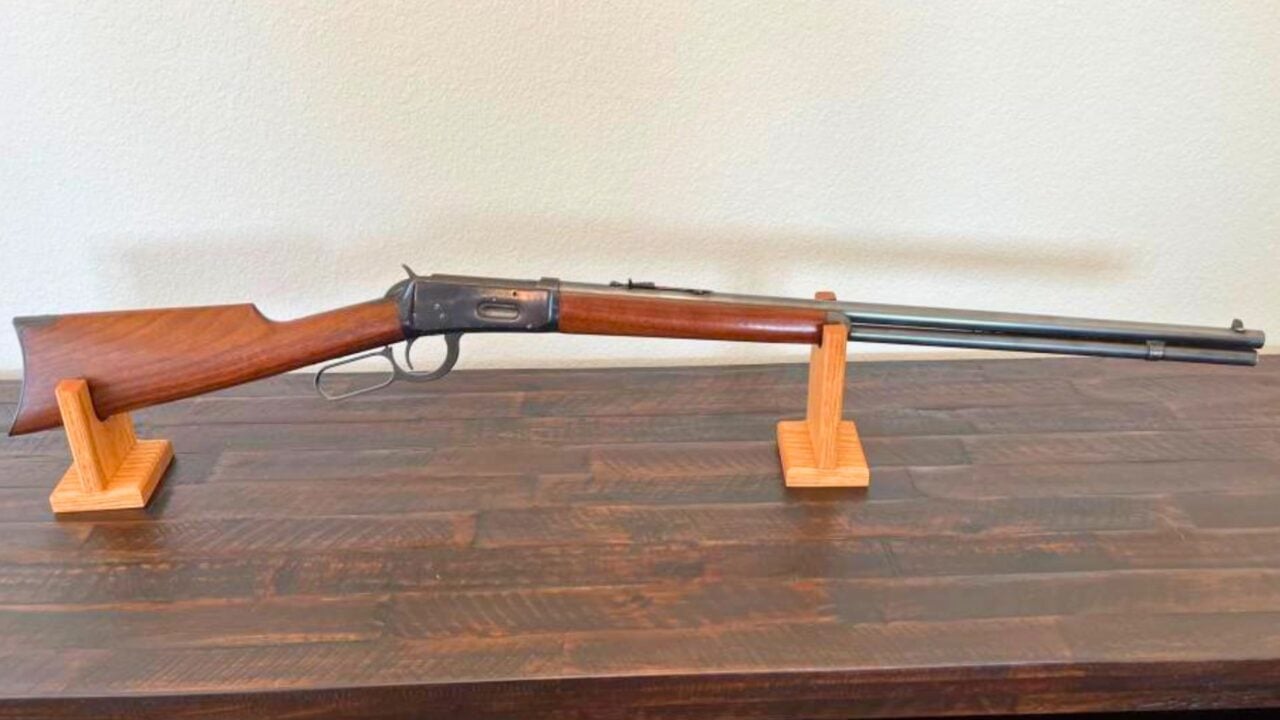
The Model 94 may have the strongest old reputation of any deer rifle in America. It is light, fast handling, and historically tied to the .30-30 in a way few rifles are tied to any cartridge.
That reputation can make people overlook its limitations. The trigger is rarely excellent, scope mounting on older rifles is awkward, and accuracy is usually adequate rather than impressive. The rifle also commands increasingly high prices because of nostalgia and collector demand. For a hunter walking through thick timber, the handling is still excellent. For someone simply wanting the best hunting rifle for the money, there are far more accurate and optics-friendly options. The Model 94 deserves its place in history, but history is doing a lot of the selling now.
Browning A-Bolt Medallion

The A-Bolt Medallion built its reputation around smooth operation, attractive wood, and a level of polish above basic production rifles. It was the kind of hunting rifle buyers expected to keep for decades.
Today, that reputation can push used prices surprisingly high. The rifle remains well made, but parts availability and long-term factory support are not as convenient as with current production designs. The magazine system and older stock ergonomics also feel less modern than newer rifles. If you find a clean example at a fair price, it can still be a great hunting rifle. The problem starts when sellers treat every Medallion like a collector-grade premium piece. The rifle is good, but the old reputation can inflate expectations beyond what it actually offers in the field.
Ruger No. 1
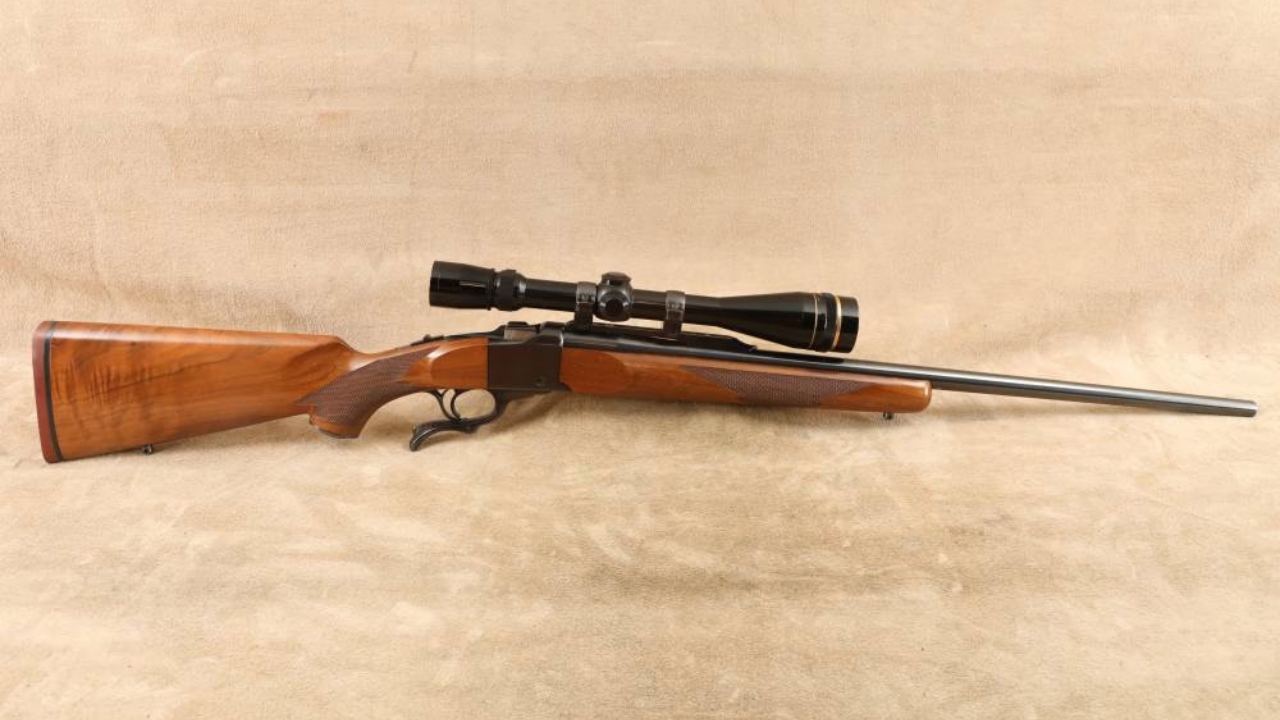
The No. 1 earned its reputation by combining a strong falling-block action with classic styling and a compact overall length. It became one of Ruger’s most distinctive rifles.
As a hunting tool, though, the reputation sometimes outruns practicality. You are carrying a relatively heavy single-shot rifle that may not shoot any better than a lighter bolt gun costing less. Some examples are extremely accurate, while others have required more load experimentation than buyers expected from a premium rifle. The falling-block action is elegant and strong, but most hunters do not gain a meaningful advantage from it. The No. 1 is still desirable because it is interesting and beautifully traditional. It simply makes more sense as a rifle you want than one you choose because it is objectively better.
Steyr Mannlicher Classic
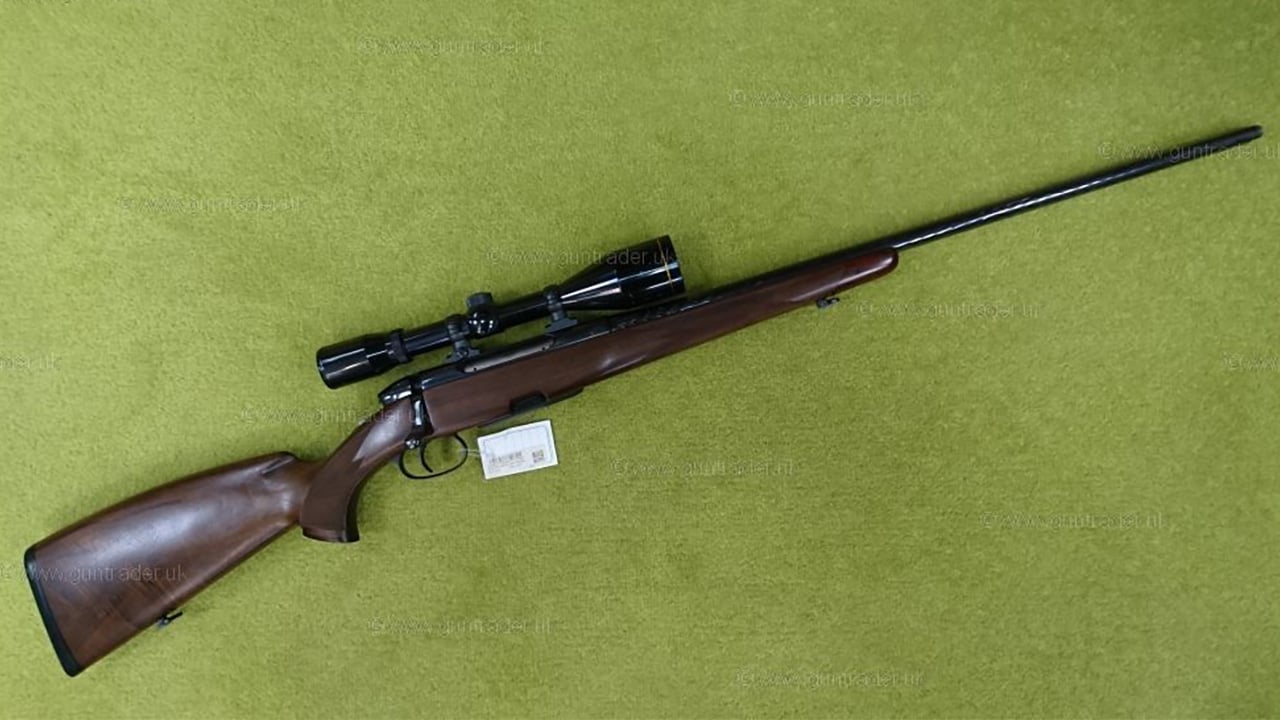
Steyr hunting rifles built a reputation for excellent barrels, smooth actions, and distinctive European design. The Mannlicher name still carries an aura of quality among hunters who remember older rifles.
The problem is that the styling and ergonomics can feel dated, while parts, magazines, and mounting systems are less convenient than those on more common rifles. Used examples can also be expensive simply because they are Steyrs. The rifles usually shoot well, but so do many cheaper modern guns with easier support and lighter stocks. If you love the feel and history, that is a good reason to own one. If you are buying strictly for hunting performance, the old reputation may be leading you toward a more complicated and expensive choice than necessary.
Sauer 101
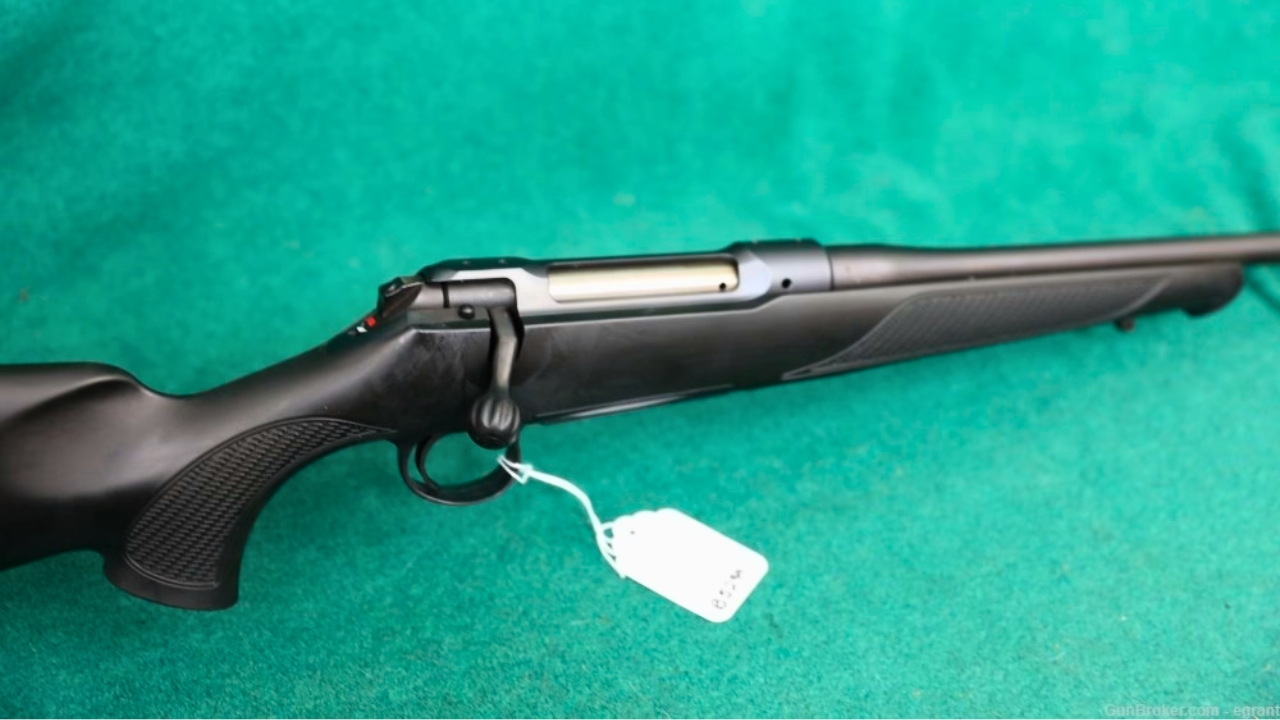
The Sauer 101 earned praise for its slick action, excellent trigger, and European build quality. It still feels more refined than many ordinary production rifles.
The issue is value. Used and new-old-stock examples can command premium prices while offering little practical advantage over newer rifles from Tikka, Bergara, or even Sauer’s own more recent designs. The proprietary nature of some components also makes customization less straightforward. The rifle is smooth and accurate, but it is not so dramatically better that the price should be accepted without comparison. Sauer’s reputation can make buyers assume refinement automatically equals better field performance. Often, it simply means nicer machining around a rifle that still kills deer the same way.
Remington 7600

The 7600 built a loyal following in regions where fast follow-up shots and traditional hunting cartridges mattered. In thick woods, a pump rifle chambered in .30-06 or .35 Whelen could be extremely effective.
The old reputation becomes a problem when used prices climb beyond what the rifle actually offers. The trigger is rarely impressive, the action can feel loose compared with a bolt gun, and accuracy is generally hunting-grade rather than exceptional. Replacement parts and magazines are also not as effortless to find as they once were. The 7600 remains a very useful rifle for hunters who specifically like pump actions. For everyone else, the nostalgia surrounding them can make a used example seem more valuable than its actual shooting performance justifies.
Like The Avid Outdoorsman’s content? Subscribe to our newsletter so you never miss an article.
Here’s more from us: