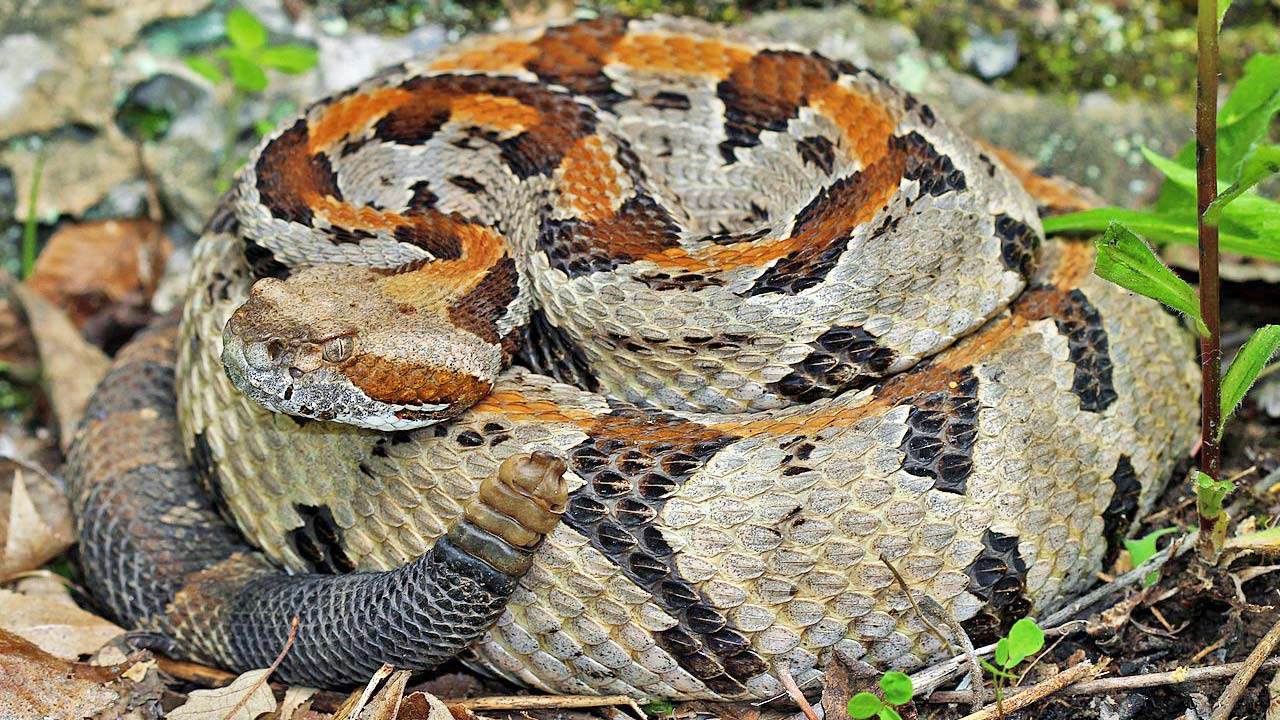
Photo credit: Rstanton13, CC BY-SA 4.0/Wiki Commons
Summer is when the bite numbers climb because people and snakes are using the same ground at the same time. More mowing, more hiking, more fishing, more flip-flops, more “I’ll just grab that board real quick.” Snakes are also active longer each day, and hot weather pushes them into shade pockets around homes, barns, brush lines, and creek edges. The states below tend to see a lot of summer bite incidents simply because they’ve got big human outdoor seasons, strong venomous snake presence, and a lot of overlap between yards, trails, and habitat.
Texas

Texas is always in the conversation because it has a ton of venomous species spread across a huge range—rattlesnakes out west, copperheads in the east, cottonmouths around wet areas, and coral snakes in parts of the state. Summer brings the perfect storm: people are outside constantly, and the heat drives snakes into the same shade and cover people use. That includes woodpiles, scrap stacks, barns, feed rooms, and brushy fence lines where rodents run.
A lot of Texas bites happen during chores and property work, not dramatic backcountry encounters. Moving sheet metal, stepping into tall grass, reaching into a brush pile, grabbing something from under a shed—those are classic bite setups. If you live rural or even semi-rural in Texas, summer is when you want to treat “messy edges” as a liability and clean up the places you can’t see your feet and hands.
Florida

Florida’s summer bite risk isn’t just “there are snakes.” It’s that you’ve got venomous snakes, year-round outdoor living, and water everywhere. Cottonmouths, rattlesnakes, coral snakes—plus a pile of non-venomous lookalikes—mean people are constantly dealing with snake country in yards, canals, parks, and fishing spots. Summer also brings heavy rain cycles in many areas, and that can shift where snakes travel and where people find them.
Florida bites often track with yard work and water recreation. People step near banks, walk dogs near retention ponds, reach into thick landscaping, or wade in places they shouldn’t. The heat also pushes snakes toward cooler micro-spots: under decks, in mulch beds, inside brush piles, and around pool equipment. If you keep a Florida yard, summer is when you keep it tight—short grass, trimmed edges, less clutter, and zero tolerance for rodents.
North Carolina
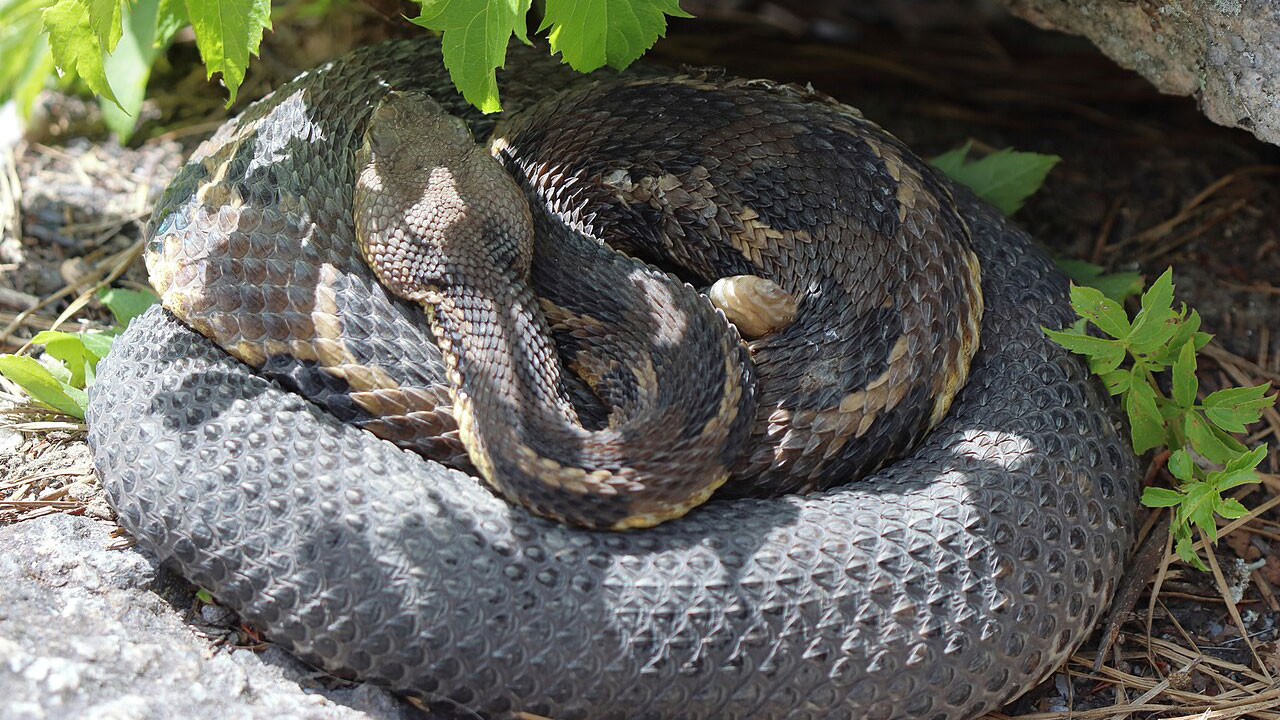
North Carolina is a big summer bite state because copperheads are common, cottonmouths exist in the east, and timber rattlesnakes show up in the right habitat. Copperheads are the bite-driver for a lot of homeowners because they’re easy to miss and often sit tight instead of fleeing. Summer is when people are barefoot more, moving fast, and spending long evenings outside without lighting—exactly when a camouflaged snake at the edge of a path becomes a problem.
A lot of North Carolina bites happen close to home: mulch beds, woodlines, brushy drainage areas, stacked lumber, and leaf litter behind sheds. Add in kids, pets, and backyard social time, and you’ve got constant foot traffic near the places snakes like. The simple summer move here is edge management—keep the transition between lawn and woods clean and visible, and don’t let ground cover create hidden corridors right up to the house.
Georgia

Georgia has the full mix: copperheads in many areas, cottonmouths in wet zones, timber rattlers in the right terrain, and coral snakes in parts of the state. Summer is long, humid, and busy outdoors. Fishing, yard work, lake weekends, mowing season—Georgia keeps people moving through snake habitat nonstop. The result is higher bite exposure, especially when people get comfortable and stop watching where hands and feet go.
Georgia bites often come from basic mistakes: reaching into brush, stepping into tall grass, moving junk piles, or walking at dusk without a light. Copperheads in particular blend into leaf litter and pine straw so well that you can be standing next to one and not know it. In Georgia summer, your best defense is boring habits: keep a clean buffer around the house, store wood neatly and off the ground, and don’t let weeds and clutter build up along fence lines.
South Carolina

South Carolina is another place where summer bite risk is driven by copperheads and cottonmouths, with rattlesnakes in certain habitats. The coastal plain and Lowcountry have plenty of wet edges, thick vegetation, and warm nights—prime snake conditions. Summer also brings heavy yard growth, and tall grass and thick ground cover make it easier for snakes to move unseen through backyards and around sheds.
A lot of bites happen when people are doing “routine” stuff around water or brush: checking docks, walking trails near marsh edges, cleaning up after storms, or working in overgrown corners of the yard. South Carolina also has plenty of lake and river recreation, which adds shoreline exposure. Summer is when you keep paths open, keep bank vegetation trimmed where you access the water, and stop letting storage piles turn into permanent hiding spots.
Tennessee

Tennessee sees a lot of summer bites because copperheads are common, timber rattlesnakes exist in the right areas, and people spend a ton of time outside in warm months—camping, hiking, lake weekends, and constant yard work. Copperheads do especially well in the exact “yard meets woods” terrain that’s all over Tennessee. Summer evenings also mean more porch time, more dogs in the yard, and more movement in low light.
Many Tennessee bite incidents are preventable with one concept: don’t put hands where you can’t see. Moving stacked boards, cleaning out sheds, grabbing stuff from under steps, working around stone borders—those are classic copperhead situations. Summer is when a flashlight at night and a clean perimeter around the house actually matter. People who get surprised usually have heavy leaf litter, brush piles, or cluttered edges close to where they walk.
Alabama

Alabama’s summer bite exposure is high because venomous snakes are common and the warm season keeps them active while people are outside constantly. Copperheads and cottonmouths are frequent players in yard-and-water-edge encounters, and rattlesnakes show up in the right habitats too. Alabama also has plenty of wooded neighborhoods and rural properties where the “edge” between lawn and cover is basically a highway for prey animals—and snakes follow that.
Summer work is the bite trigger: mowing, trimming, clearing brush, moving debris, and working around barns and sheds. The heat drives snakes into shade pockets—under equipment, near foundations, in thick shrubs, inside woodpiles. Alabama homeowners who reduce bites usually do the same few things: cut down hiding cover near the house, control rodents around feed and storage, and stop letting the yard edges turn into tall, messy corridors.
Mississippi

Mississippi is a summer bite state because it has the habitat and the species mix—copperheads, cottonmouths, and rattlesnakes in some areas—and a lot of outdoor exposure during hot months. Thick vegetation, damp ground, and brushy edges near water are common across the state, and those conditions support both prey and snakes. Summer also means more nighttime movement outside, when snakes can be harder to spot.
Mississippi bite stories often start with a routine task: moving a log, lifting tin, clearing weeds, stepping into tall grass, grabbing something near a woodpile. Cottonmouth encounters also happen around water edges and fishing areas when people get close to shoreline cover. The best Mississippi summer habit is keeping your “work zones” clean—around sheds, barns, steps, and walkways—so you aren’t constantly putting hands and feet into blind spots.
Louisiana
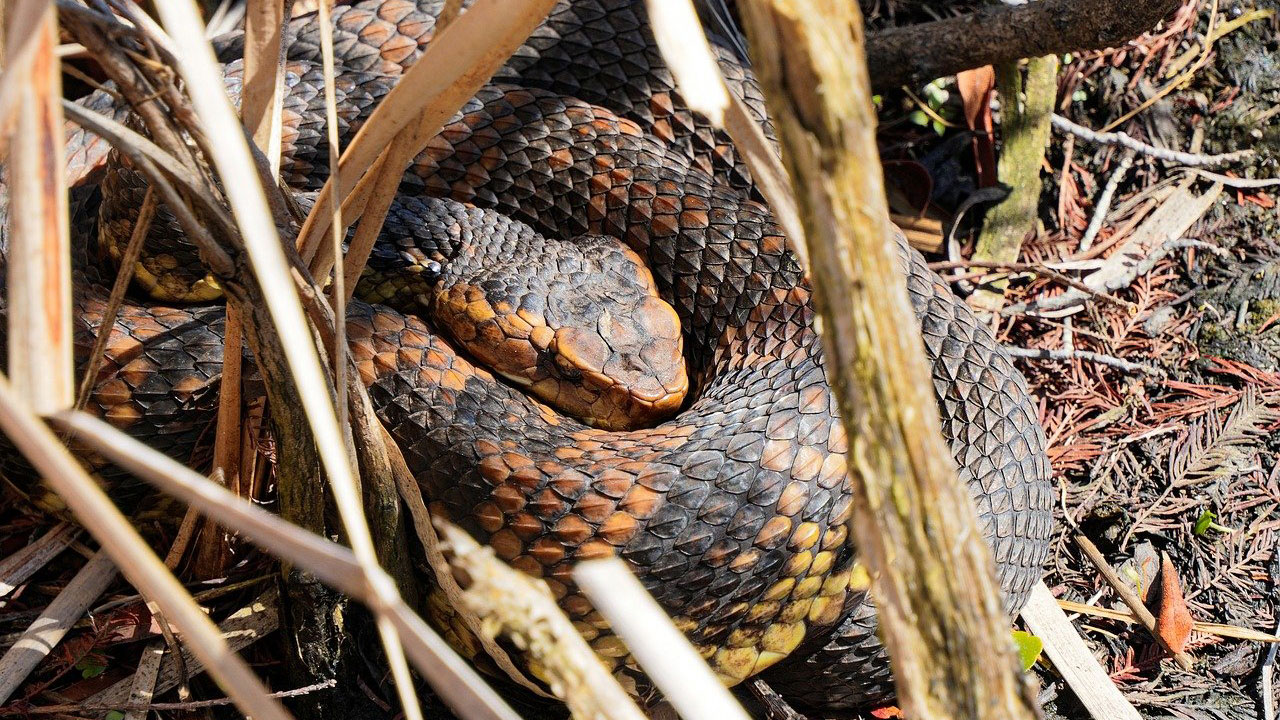
Louisiana has a lot of venomous snake exposure in summer because warm weather and water are everywhere, and the state has strong populations of cottonmouths and other venomous species depending on region. Summer also changes where people spend time—more fishing, more boating, more working near ditches and canals, and more kids playing near water. That’s exactly where cottonmouth bite risk shows up: banks, brushy shorelines, and shaded edges.
Louisiana bites often come from two things: water-edge complacency and yard clutter. People step off a bank into thick grass, reach into a brush pile to grab something, or move debris near a wet ditch line. Summer growth can make it worse because vegetation hides movement and creates cool tunnels. If you’re in Louisiana, keep your shoreline access points clean and open, don’t leave fish scraps or trash near water, and keep junk piles away from where people walk.
Arkansas

Arkansas has copperheads and cottonmouths across a lot of the state, with rattlesnakes in the right country, and summer is when people put in the most outdoor time. Lake weekends, hunting camps in warm months, fishing along creeks, and constant property work all increase contact. Arkansas also has plenty of brushy edges, wooded lots, and rocky terrain—perfect cover for snakes that don’t want to be seen.
The bites you hear about most are hands and ankles. Clearing brush, moving boards, stepping into leaf litter, reaching into a woodpile—those are Arkansas summer classics. Copperheads blend in so well that “I never saw it” is a standard line. A clean buffer around the house and storage areas, plus keeping firewood raised and away from the foundation, reduces the repeat-encounter problem that causes a lot of bites.
Oklahoma

Oklahoma summer bites tend to happen because the state has multiple venomous species depending on region and a heavy rural/outdoor lifestyle that puts people in snake habitat daily. Rattlesnakes are a big part of the conversation in many areas, and copperheads are common in the east. Summer is also when ranch and property work is nonstop—moving feed, checking fences, cleaning up, mowing, brush-hogging—exactly the kind of work that creates surprise encounters.
A lot of Oklahoma bites happen when people disturb cover without realizing what’s under it. Old equipment, stacked boards, brush piles, scrap corners, tall grass along barns—those are perfect spots for a snake to sit out the heat. Summer is when you clean up the edges that nobody thinks about: behind the shed, along the fence row, under the porch, and around feed storage. Most repeat problems start where rodents are active.
Missouri

Missouri has plenty of copperheads and areas with timber rattlesnakes, and summer bites often track with yard work and outdoor recreation. Wooded lots, creek drainages, and rocky terrain create excellent copperhead habitat, and Missouri has a lot of homes and cabins built right into those edges. Summer also means more trail use and more time around lake and river banks where people step into leaf litter and brush.
Missouri’s “never saw it” bites are often copperheads sitting in leaves, pine needles, or near rock borders. People also get tagged when moving lumber, clearing storm debris, and working around old piles of scrap. Summer prevention here is about visibility: keep pathways and working areas open, use lighting at night, and don’t let low brush and clutter build up where you step and reach. If you can’t see the ground, you’re gambling.
Virginia

Virginia sees a lot of copperhead-related summer bites because copperheads are widespread and they overlap with how people live—wooded suburbs, farm edges, trails, and creek corridors. Summer brings long evenings outside and a lot of yard and garden work, which puts hands and ankles in the danger zone. Virginia also has plenty of mulch beds, stone borders, and shaded landscaping where copperheads can sit tight and disappear.
Many Virginia bites happen around steps, porches, flower beds, and woodpiles—places people move through daily without thinking. Summer heat also pushes snakes into cooler cover, including under decks and near foundations. If you’re in Virginia, the “summer bite” fix is simple but not glamorous: keep the yard edges trimmed, remove leaf litter near walkways, store wood neatly off the ground, and stop reaching into blind spaces without a tool.
Arizona

Arizona makes this list because rattlesnake exposure is real, and summer brings both snake activity and human outdoor movement—especially early mornings and evenings when people try to beat the heat. In many parts of Arizona, yards back up to washes, desert edges, and rocky terrain. Landscaping rock, block walls, and dense shrubs can create cool hiding pockets that a rattlesnake will use during hot stretches.
Arizona bites often happen around home perimeters, not just deep in the desert. People step outside barefoot, reach behind planters, move items stored against a wall, or stick a hand where shade holds. Summer monsoon patterns can also shift activity, with prey and moisture drawing movement. The best Arizona summer habit is treating your wall lines and clutter zones like risk zones: keep them clean, control rodents, and don’t give snakes shaded cover right next to where you walk.
California

California belongs here because rattlesnakes are widespread across a lot of the state, and summer is when hiking, trail use, yard work, and outdoor recreation are at full tilt. Foothills, chaparral edges, open-space neighborhoods—those are all places where yards and trails overlap with rattlesnake habitat. Drought conditions and heat can also change movement patterns, pushing animals toward water sources and irrigated yards where prey shows up.
California bites are often tied to people stepping off trails, reaching into brush for a ball or a lure, or working around rock landscaping and retaining walls. Those stone features hold heat and provide crevices—great snake cover. Summer is when you keep dogs close on trails, keep yards trimmed where they meet open space, and don’t assume a snake will always rattle before you’re too close. A lot of them don’t.
Like The Avid Outdoorsman’s content? Be sure to follow us.
Here’s more from us: