Photo credit: Daniel Lengies/Pexels.com
Wolves aren’t “back” in the Lower 48—they’re still spreading out, and a lot of that expansion is landing right on top of deer, elk, and livestock country that never had to factor wolves into the management plan. Recovery work, natural dispersal, and reintroductions have all done what they were supposed to do: build real populations. Now you’re seeing the side effects in the places you hunt. Elk herds that used to only worry about winterkill now have a full-time predator again, and cattle that used to graze without much trouble are suddenly part of a wolf-depredation report. Here are 15 states where wolf range is pushing into new hunting zones and changing how people look at a map.
Idaho

Idaho has been living with wolves longer than most states on this list, but the big shift isn’t “wolves or no wolves”—it’s which elk zones they’re really starting to bite into. Idaho’s latest elk management plan shows wolves are now a limiting factor in 11 of 29 elk zones, with four of those rated as “highly limited” by wolf predation. Those are backcountry units that used to be sold as classic elk hunts, not predator-heavy experiments.
As packs stabilize and young wolves disperse, they don’t respect the invisible boundaries on your tag. They follow elk herds into adjacent units, private ranch ground, and winter ranges where hunters and cattle share the same basins. That’s why more Idaho hunters are paying attention to wolf quota updates and reading unit notes instead of assuming last decade’s elk reports still apply. The country didn’t change. The pressure on it did.
Montana
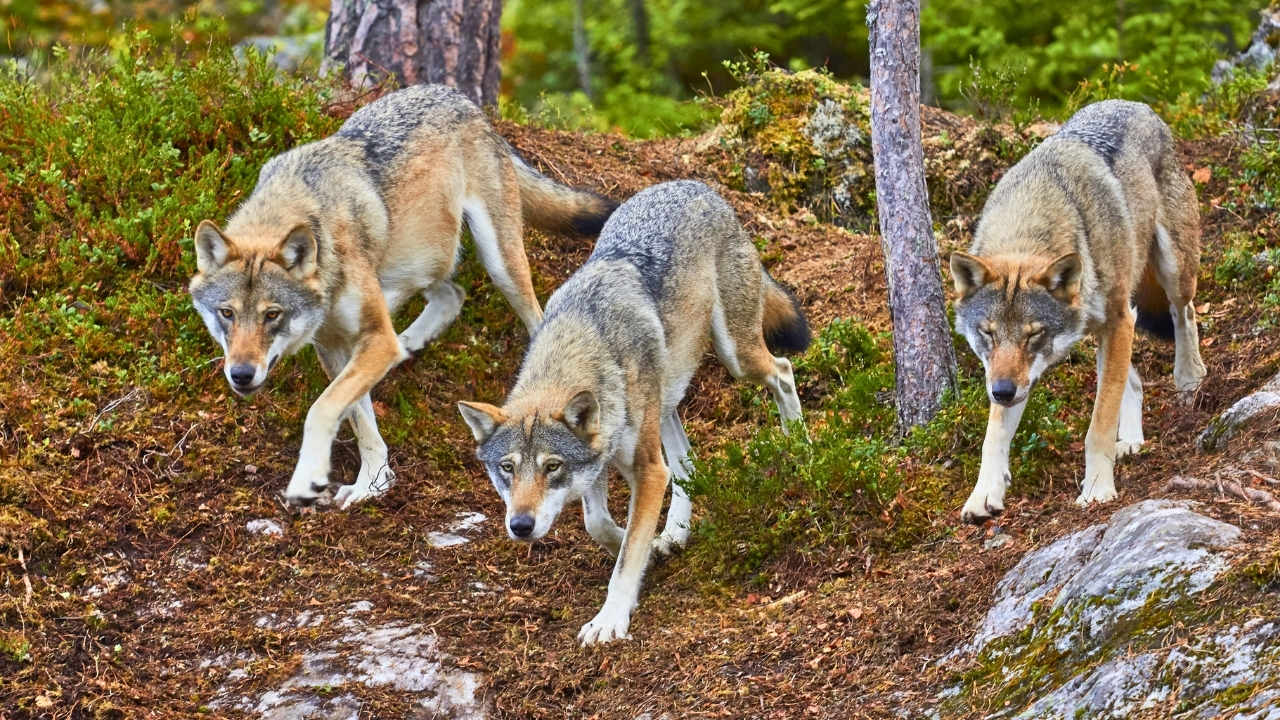
Montana has enough wolves now that the conversation isn’t “if” they’re there—it’s which districts they’re changing. Ranchers across the Northern Rockies report the same basic pattern: as wolf numbers expand and packs spread out, more grazing allotments and private parcels fall inside active wolf country. That overlaps directly with elk and deer ground that’s been hunted the same way for a long time.
For a lot of Montana hunters, the first real sign of new wolf territory isn’t tracks—it’s fewer bugles and more nervous cows in drainages that used to feel forgiving. Add in state-level pressure to keep populations within target ranges, and you end up with rule tweaks, quota shifts, and units where both predators and tags are being managed a lot more aggressively. “Good elk unit” now comes with a footnote: ask what the wolves have been doing there lately.
Wyoming

Wyoming’s wolves started as a Yellowstone story. They’re not stuck inside the park line anymore. Over the last decade, federal and state documents show wolf numbers in the Northern Rockies stabilizing well above minimum recovery goals, with packs using public and private ranchlands across big pieces of western Wyoming. That includes basins and winter ranges that serious elk and deer hunters have leaned on for years.
Throw in Wyoming’s three-zone wolf management system—trophy areas, flexible management zones, and predator zones—and you’ve got a patchwork that doesn’t always line up neatly with where you like to hunt or run cows. Hunters now have to pay attention not only to their elk or deer unit, but also which wolf rules apply on that side of a county line. Wolves aren’t just a park-tourist talking point anymore; they’re another line on the checklist before you pick a camp.
Washington

Washington went from “first pack in 2008” to a minimum of about 230 wolves and 25 documented packs by 2024, with territories overlapping both public and private lands. Recent reports also show wolf-livestock conflicts hitting new highs, which is a pretty good sign that packs are operating deeper in working country than before.
That expansion isn’t limited to a couple remote corners of the northeast. Packs are now spread across multiple recovery regions, and dispersers keep pushing toward the Cascades and ranch ground that used to be mostly cougar and coyote country. For elk and deer hunters, that means more units where wolf sign is as normal as cat tracks, and more pressure on herds that already juggle timber harvest, recreation, and weather. A lot of folks are keeping closer notes on where they’re hearing howls versus where they’re still hearing bugles.
Oregon

Oregon’s wolf story used to be a simple “northeast corner” problem. That’s over. The state’s 2024 wolf report shows 25 packs on the ground, up from 22 the year before, and notes that wolves “continued to expand westward” with new packs and breeding pairs showing up in the West Zone. That West Zone is still in Phase 1 management, but it includes country a lot of blacktail and elk hunters never expected to share with wolves.
When wolves move west, they’re following elk, deer, and livestock into the same patchwork of private timber, small ranches, and national forest that makes western Oregon hunting so good. That means more rifle and archery hunts where you’re glassing cuts and clearings knowing a pack might be working the same hillside. It also means more producers running fladry, changing grazing patterns, and calling in depredations in places that, ten years ago, never showed up in a wolf report at all.
California
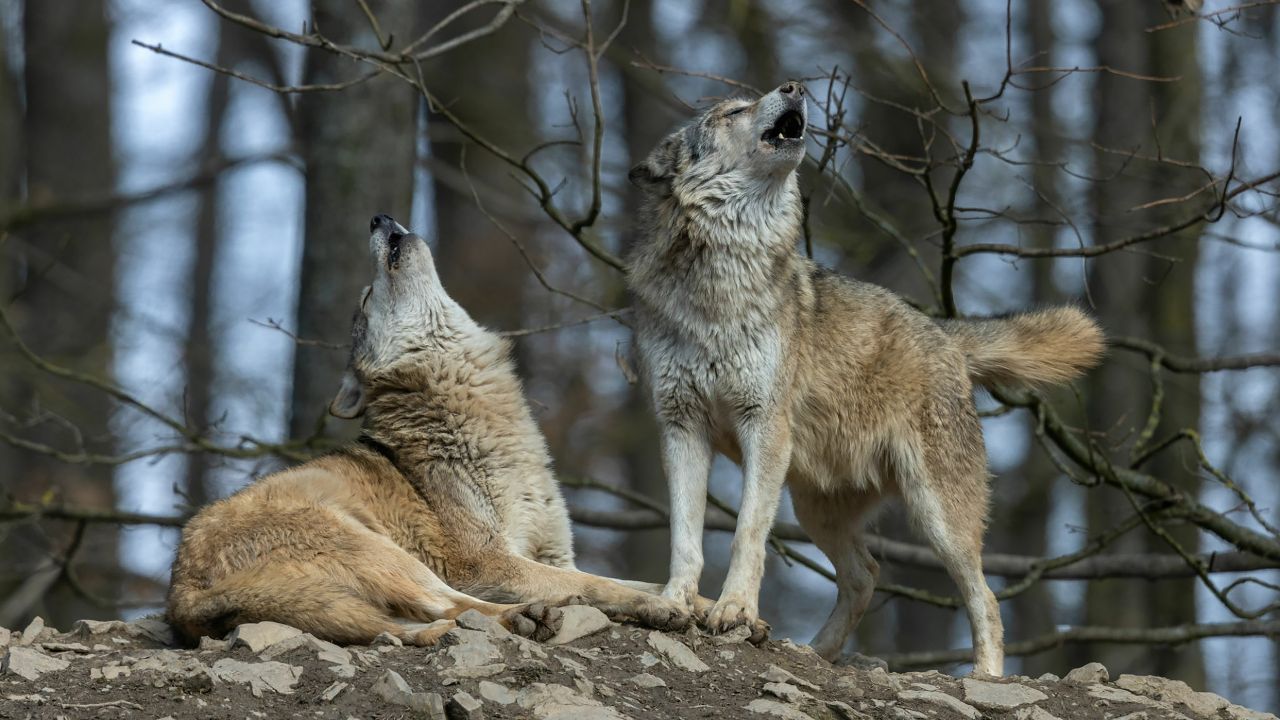
California went from zero wolves a decade ago to at least ten confirmed packs across the northern Sierra and southern Cascades, with three new packs—Ashpan, Ishi, and Tunnison—identified in 2025 alone. Wolves are now anchored in Shasta, Lassen, Tehama, Plumas, and nearby counties, right on the edges of working ranches and traditional mule deer and elk ground. Livestock depredation reports have surged, and several counties have even declared local emergencies over cattle losses.
For hunters, this isn’t just a feel-good recovery headline. It’s real predator pressure in deer and elk zones that were already dealing with drought, fire, and habitat shifts. Packs are building territories in and around timber, private ranchlands, and national forest where people have long hunted blacktail, Roosevelt elk, and the handful of remaining Sierra herds. If you’re planning a Northern California hunt now, you’d better assume you’re sharing the unit with collared wolves and management rules that are still evolving.
Colorado
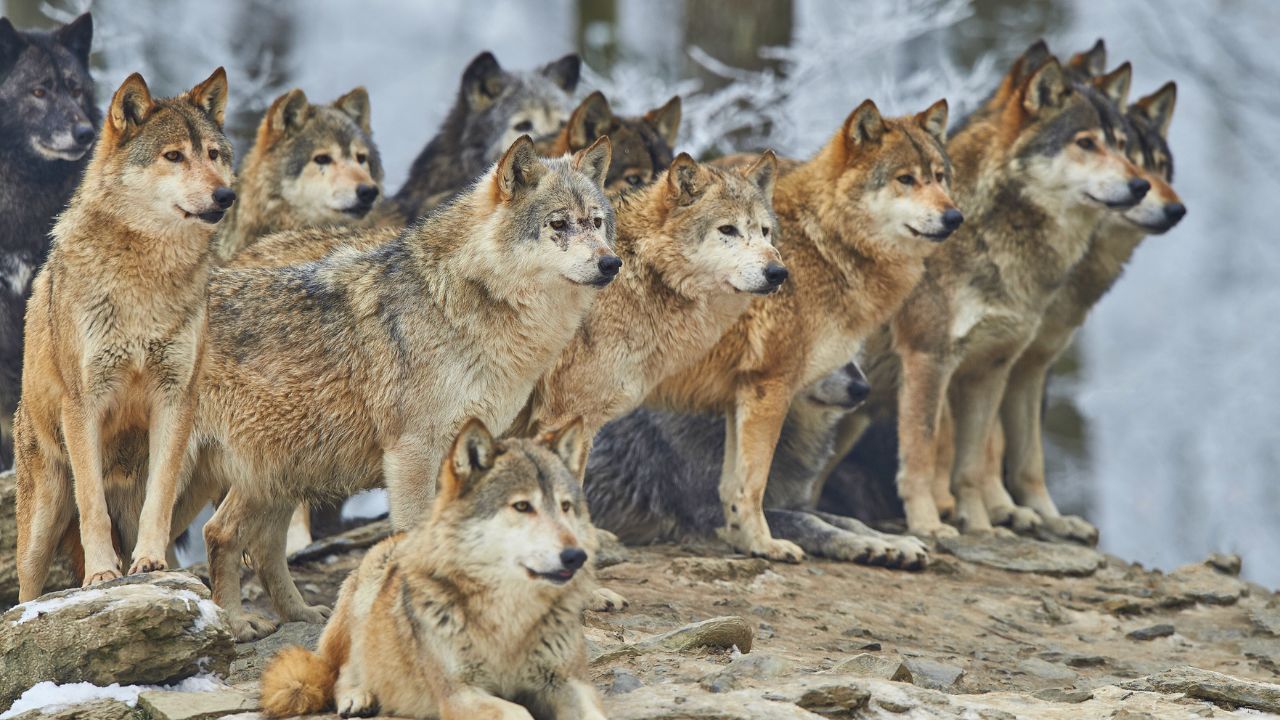
Colorado is the newest big wolf chapter in the West. Voters approved reintroduction west of the Continental Divide, and the state started releasing wolves in 2023, with around 25–30 animals now on the ground despite the current pause on new releases. Those wolves are operating right in classic elk and deer country—North Park, the central mountains, and other areas where tags are already tough and pressure is high.
Biologists and hunting writers are blunt: nobody knows exactly how those packs will reshape elk behavior yet, but wolves are absolutely going to change how herds use basins, benches, and winter ranges. Colorado’s big-game units that once only had to juggle snowpack and human pressure now have a full-time apex predator in the mix. If you’ve hunted those zones for years, expect to see elk shift their patterns, and expect more fine-print in the regulations section as the state tries to balance wolf recovery with big-game opportunity.
Arizona
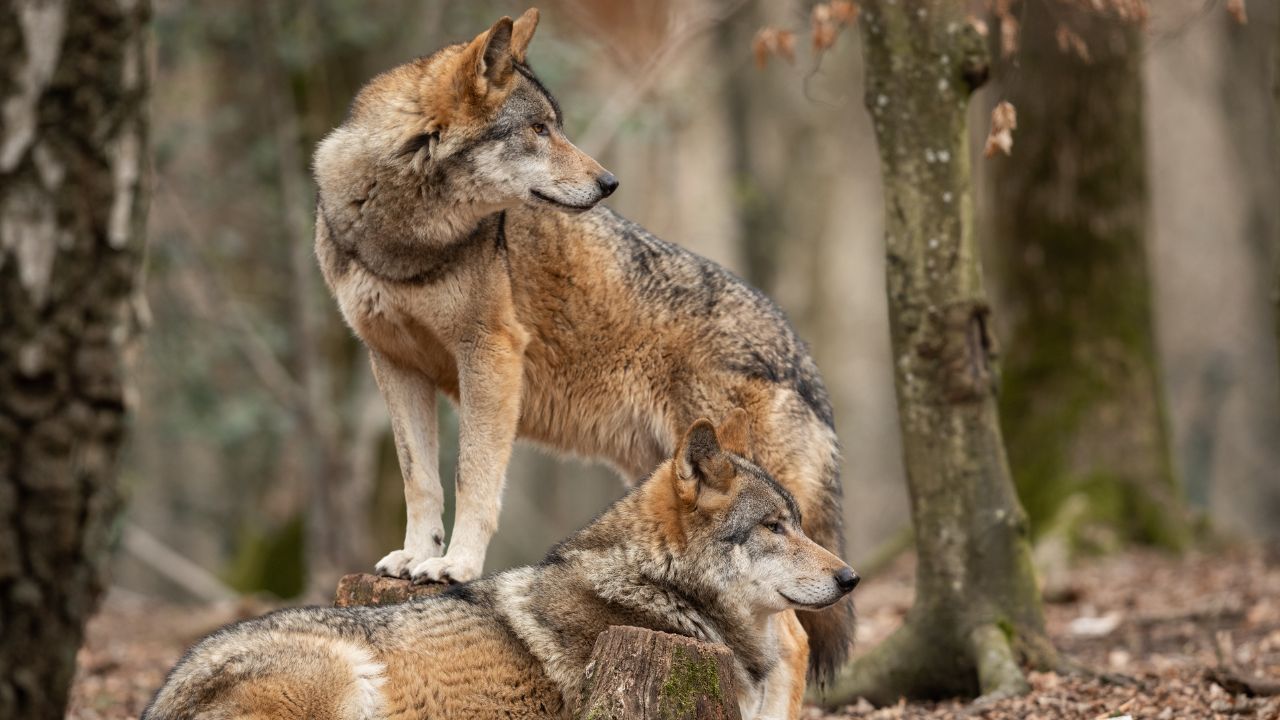
Arizona’s wolf story is all about the Mexican gray wolf down in the southeast corner—but that corner has grown. The 2024 census found at least 286 Mexican wolves split between Arizona and New Mexico, marking the ninth straight year of population growth and documenting around 60 packs on the ground. That’s a lot of territories in and around units folks hunt for elk, mule deer, and Coues deer.
Those wolves are still managed inside a defined experimental population area, but as packs stabilize and young wolves disperse, more of that country on both public and private land effectively becomes wolf ground. Hunters are already seeing elk behave more cautiously in pockets of the White Mountains and adjacent forest, and ranchers are dealing with regular depredation cases. If you’re used to glassing quiet canyons and meadows down there, don’t be surprised when the first sound you hear at dark isn’t a bugle—it’s a howl.
New Mexico

New Mexico holds the bigger share of that same Mexican wolf population: the 2024 survey counted at least 162 wolves in New Mexico versus 124 in Arizona. Packs are spread across Gila country and adjacent public lands, overlapping with elk tags, late-season deer hunts, and ranch operations that used to operate without a serious wolf presence.
As numbers climb, managers are juggling two realities: wolves expanding into good habitat, and local resistance to seeing them push farther north or into new grazing allotments. For hunters, the takeaway is simple. Units that were once sold on “low human pressure” are now picking up predator pressure instead. If you’re planning a Gila hunt, you’re planning around wolf regulations, too—everything from travel restrictions in some denning areas to the possibility that your bugling elk are already tuned to another set of teeth in the timber.
Minnesota

Minnesota has been the Lower 48 stronghold for gray wolves for years, with an estimated 2,700 animals and a long history of federal protection driving recovery. What’s changing now isn’t just raw numbers—it’s where those packs are showing up. Wolves have recolonized much of the forested north, and dispersers keep testing the edge where timber bleeds into mixed farm country and deer-heavy private ground.
That means more deer hunting townships where pack territories brush up against small farms, rural developments, and grouse camps that never used to hear howls at night. Research on Great Lakes wolves suggests their range is likely to stay resilient even as land use and climate change roll on, which means hunters and landowners in those fringe zones should plan on wolves being a permanent neighbor, not a passing curiosity.
Wisconsin

Wisconsin’s wolves started in the far north. Now they’re a fact of life across a big swath of the state. The DNR’s history notes natural recolonization beginning in the late 1970s; more recent reports show depredations and conflict trending up as wolves use both forest and ag country. In 2024, the state recorded 84 confirmed or probable depredation cases, up from 69 in 2023 and 49 in 2022.
Those numbers tell you exactly where wolves are pushing: dairy and beef country, small properties, and whitetail ground that used to be all about winter severity and hunting pressure. Deer hunters now see wolf sign in cutovers and swamps miles from the “core” northwoods zones where wolves first bounced back. If you’re running bait or still-hunting in that transition country, you’re part of the same equation as the guys filing depredation reports on calves and hounds.
Michigan

Michigan’s Upper Peninsula has had wolves back for a while, but the expansion story isn’t over. Federal and academic work points out that wolves recolonized the U.P. and are now stable there, and recent habitat modeling suggests the northern Lower Peninsula could support 40–105 wolves across roughly 2,200–4,200 square kilometers of favorable ground.
That doesn’t mean packs are there in force yet, but it does mean deer and coyote hunters south of the bridge might see more dispersers and, eventually, resident packs. For U.P. hunters, wolves are already baked into how bucks use cedar swamps, cutovers, and migration corridors. If the NLP follows suit, more of Michigan’s “classic” whitetail zones will end up juggling wolf sign along with bait bans, CWD rules, and everything else already on the books.
North Dakota

North Dakota isn’t a wolf powerhouse, but that’s exactly why it belongs on this list: the Dakotas are part of the next ring of potential expansion. The state’s own wildlife info acknowledges that wolves could recolonize portions of their former prairie range, even if heavy ag use and roads make long-term establishment tougher.
Hunters and ranchers are already seeing occasional dispersers drift out of Minnesota, Manitoba, and Saskatchewan, especially in the north and along river corridors. Those animals don’t stick to the timber—when they show up, it’s often in the same pheasant, waterfowl, and whitetail country that farmers and hunters rely on. That’s the opening act for new hunting zones having to think about wolves, even if permanent packs take longer to lock in.
Arizona–New Mexico border units
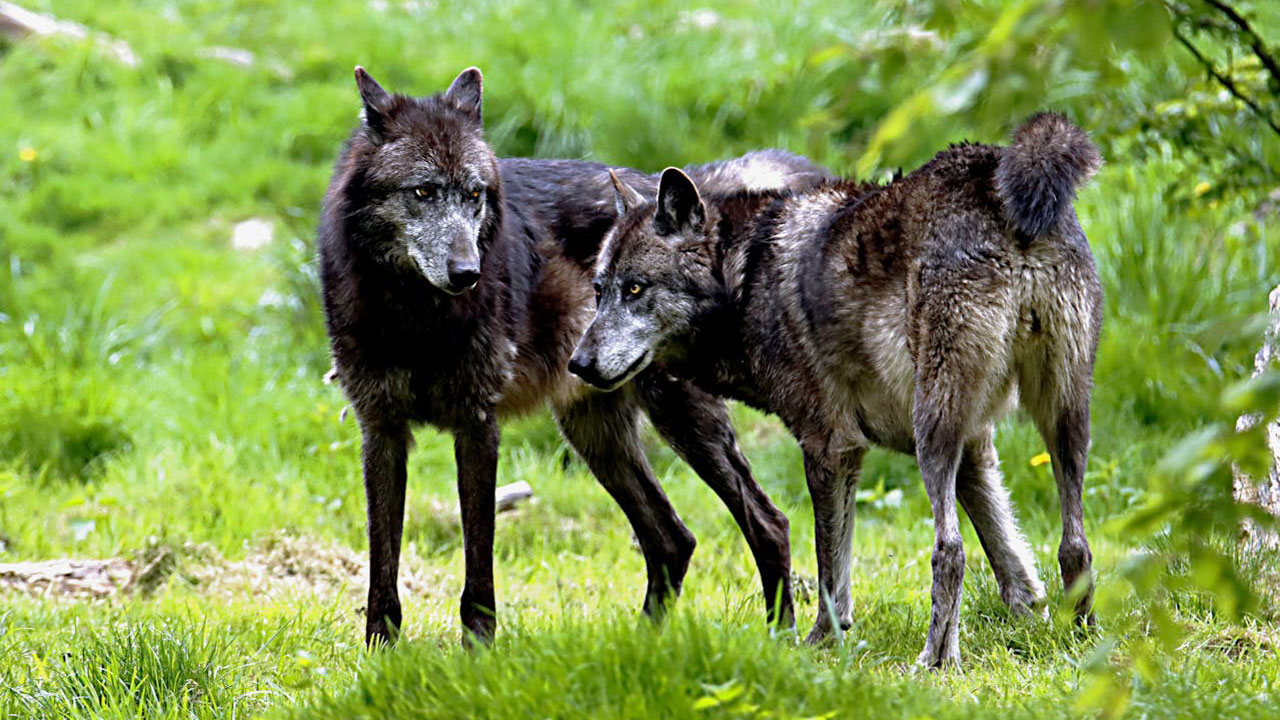
On paper, the Mexican wolf recovery area is a special set of rules. On the ground, it’s one big block of country where elk, deer, and cattle share space with a growing wolf population hinged on that state line. With 286 wolves and 60 packs across Arizona and New Mexico in 2024, more individual elk units and grazing allotments on both sides are picking up regular wolf use.
For hunters who bounce between Arizona and New Mexico tags in the same region, that means your “home range” now sits inside an expanding wolf landscape. You’re not just reading one set of regulations; you’re juggling federal Mexican wolf rules, two state agencies, and a big-game plan that’s learning in real time how to keep elk numbers healthy with another predator on the field. If you glass that border country now, assume wolves are in the mix no matter which side of the line you’re standing on.
Like The Avid Outdoorsman’s content? Subscribe to our newsletter so you never miss an article.
Here’s more from us: