Photo credit: Baguette Shooter/Youtube
Every gun show has the same little moment. The guy behind the table isn’t pitching anything, not really. He’s just standing there with his hands on the glass, watching who slows down and who keeps walking. When somebody lingers over a certain revolver a second too long, the seller doesn’t say much. Neither does the buyer. That quiet is where the serious collector stuff lives.
These aren’t all “best” revolvers, and they aren’t all rare. They’re the ones experienced folks track because the good examples are drying up, the prices are creeping, and the stories around them keep getting better. Some are blue-collar classics. Some are oddballs. A couple are just plain hard to find in honest shape. If you know, you know.
1. Smith & Wesson Model 27 (Registered Magnum and early 27s)
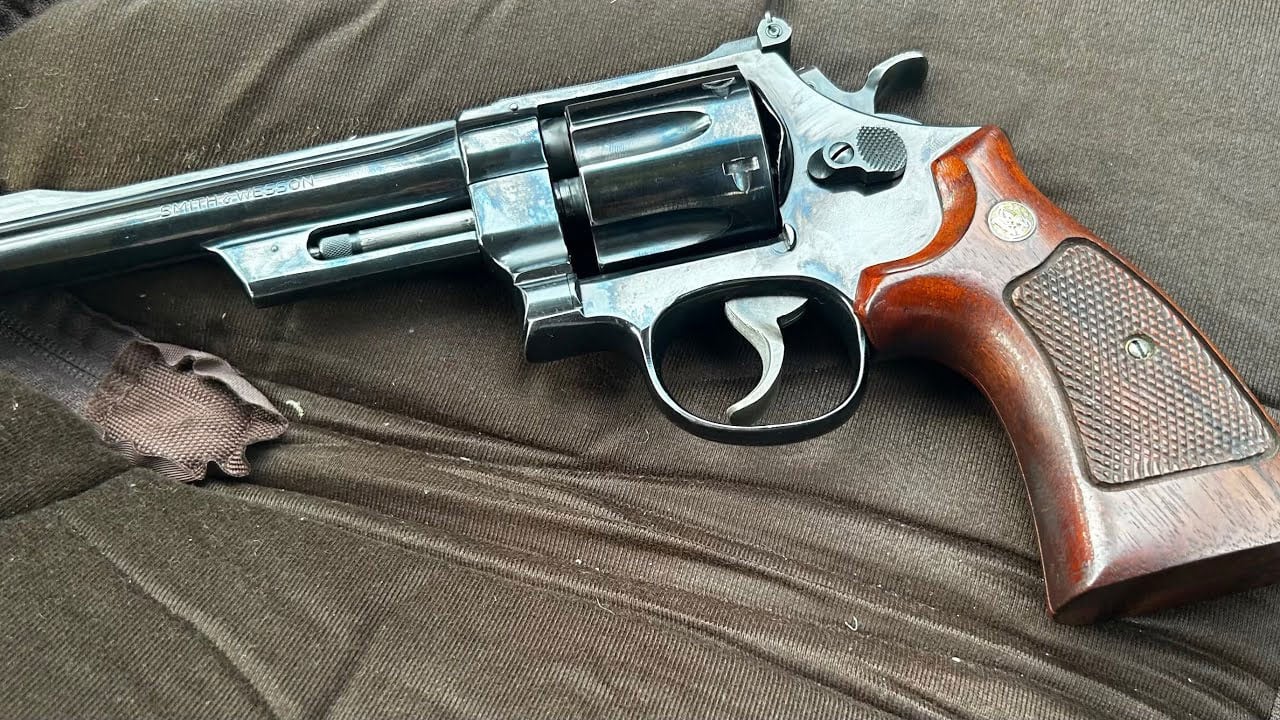
If you want to watch a room get respectful fast, set an early Model 27 on the counter and open the cylinder. The polish, the checkering on the topstrap, the whole “they don’t do this anymore” vibe—it’s real. These were built when .357 was still a headline.
Collectors aren’t loud about them because prices already hurt, and clean ones don’t sit long. The trap is refinishes and “improved” parts swaps. A correct, sharp example is the one that gets stared at and quietly bought.
2. Smith & Wesson Model 19 (pinned-and-recessed, 2.5-inch and 4-inch)
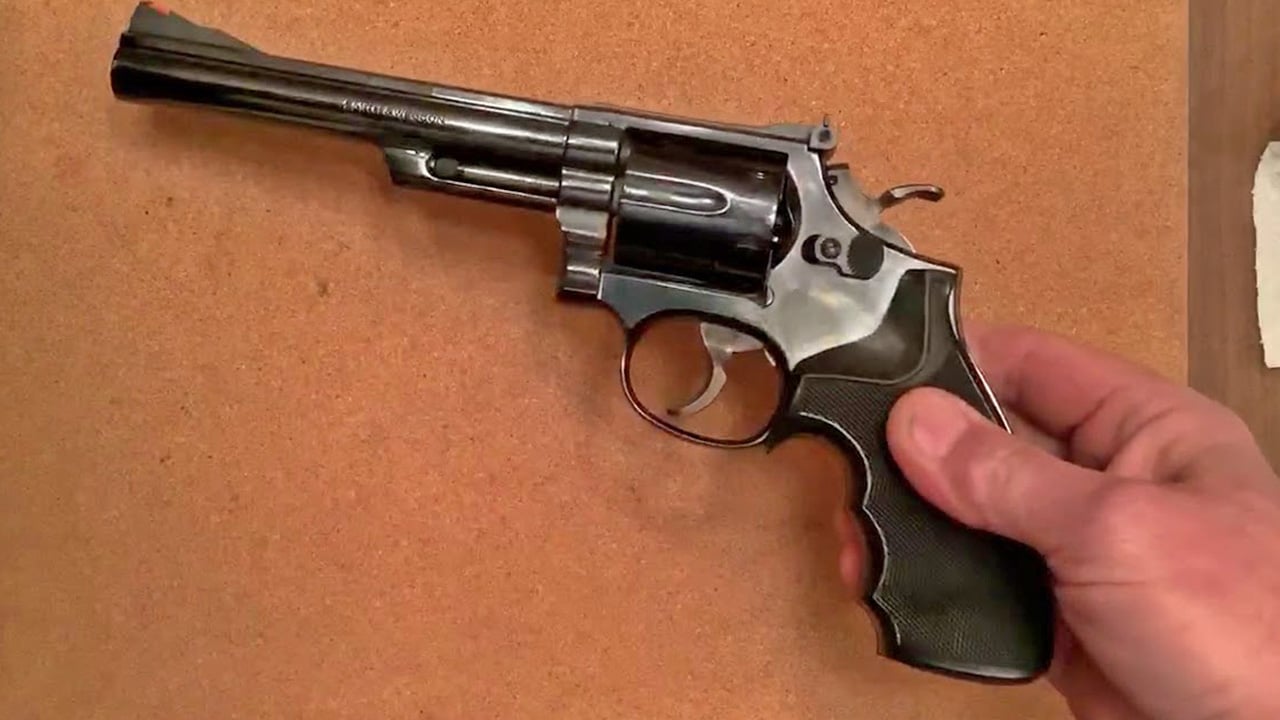
The Model 19 is the revolver that makes a lot of shooters realize they actually like K-frames more than they like talking about K-frames. It points quick, carries easy, and still has that classic S&W feel before things got more production-minded.
Collectors watch for the earlier pinned-and-recessed guns because they’re the sweet spot of fit and finish. It’s also a model where “carried a lot, shot a little” is believable. Just don’t buy one that’s been hammered with a steady diet of hot loads and then act surprised about timing issues.
3. Smith & Wesson Model 29 (pre-29 and early 29-2)
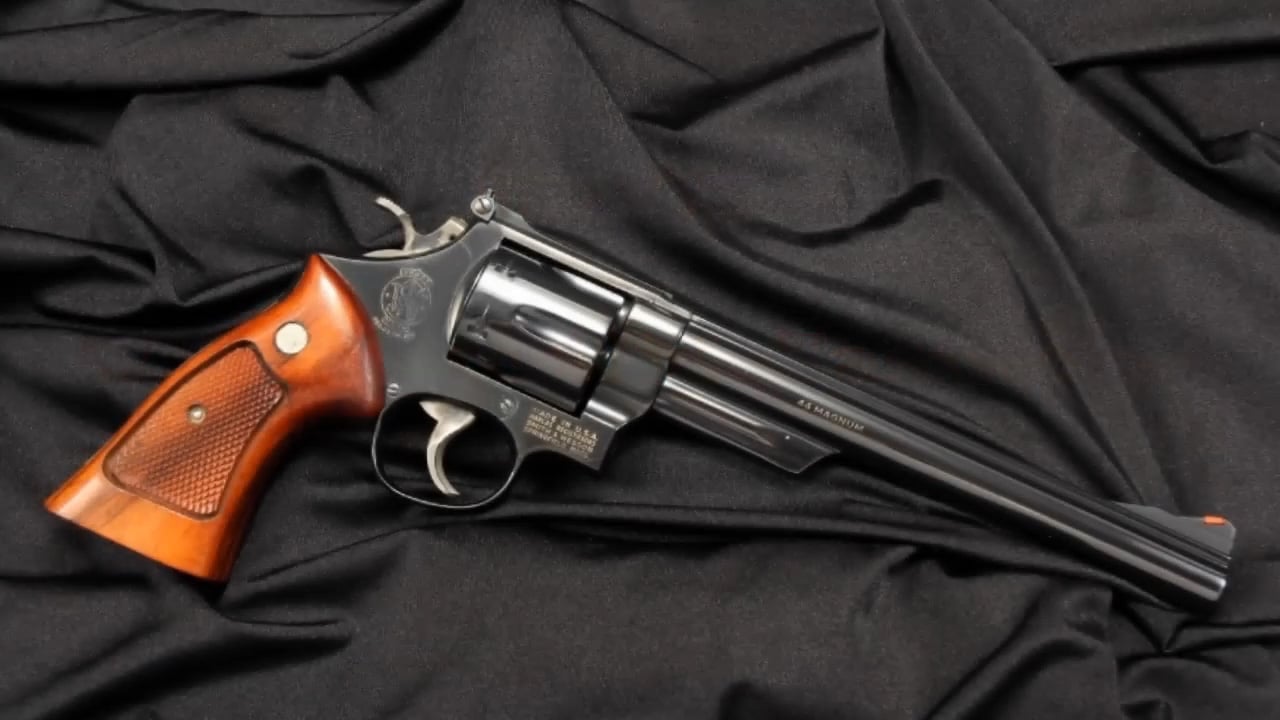
This is the revolver everybody thinks they need until they spend a day actually shooting full-house .44 Mag. Still, a good early Model 29 has gravity. Even folks who don’t care about movies know what it is.
The collector move is patience: box, tools, papers, and no weird aftermarket nonsense. A clean 29-2 isn’t “cheap,” but it’s still the kind of gun that makes a person stop selling other things to keep it.
4. Smith & Wesson Model 57 (.41 Magnum)
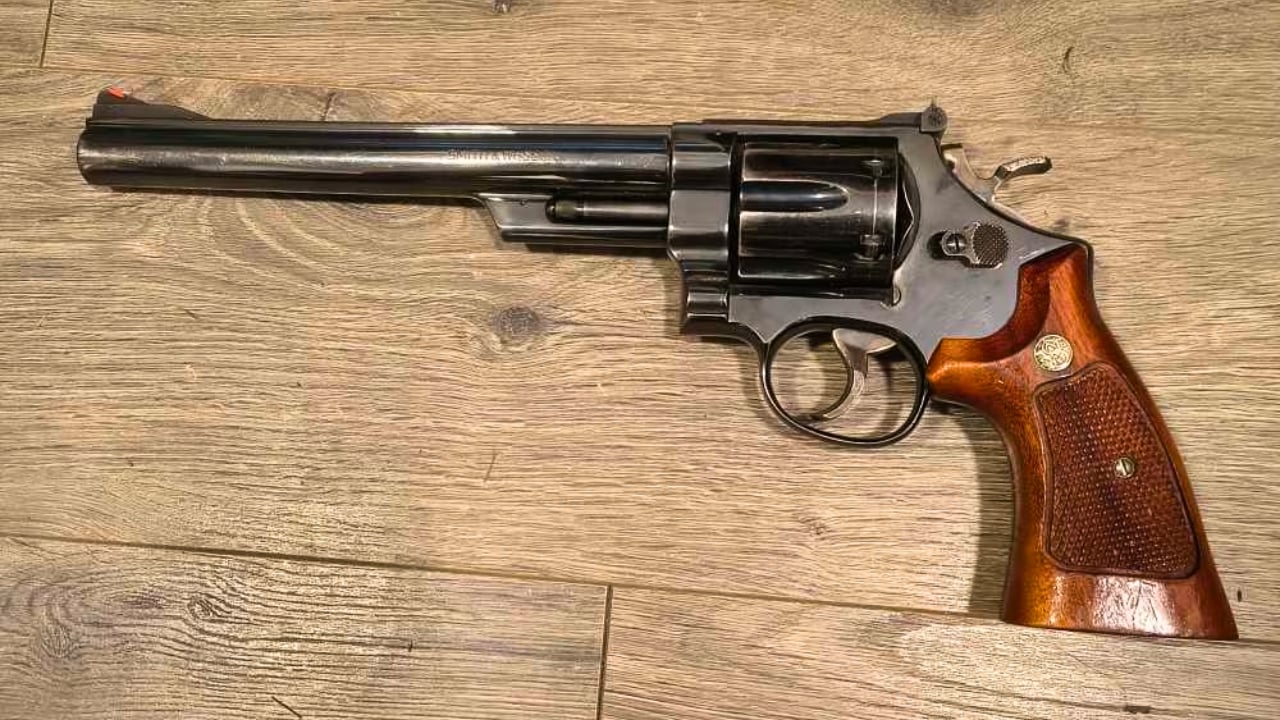
.41 Magnum is one of those cartridges that keeps a quiet fan club. The Model 57 is part of why. When you find one that hasn’t been ridden hard, it feels like a custom gun that somehow escaped into the wild.
It’s not for everybody, and that’s exactly why collectors watch it. When a caliber isn’t constantly being chased by new buyers, the best examples end up in deep safes and don’t come back out often.
5. Smith & Wesson Model 66 (no-dash and early dash)
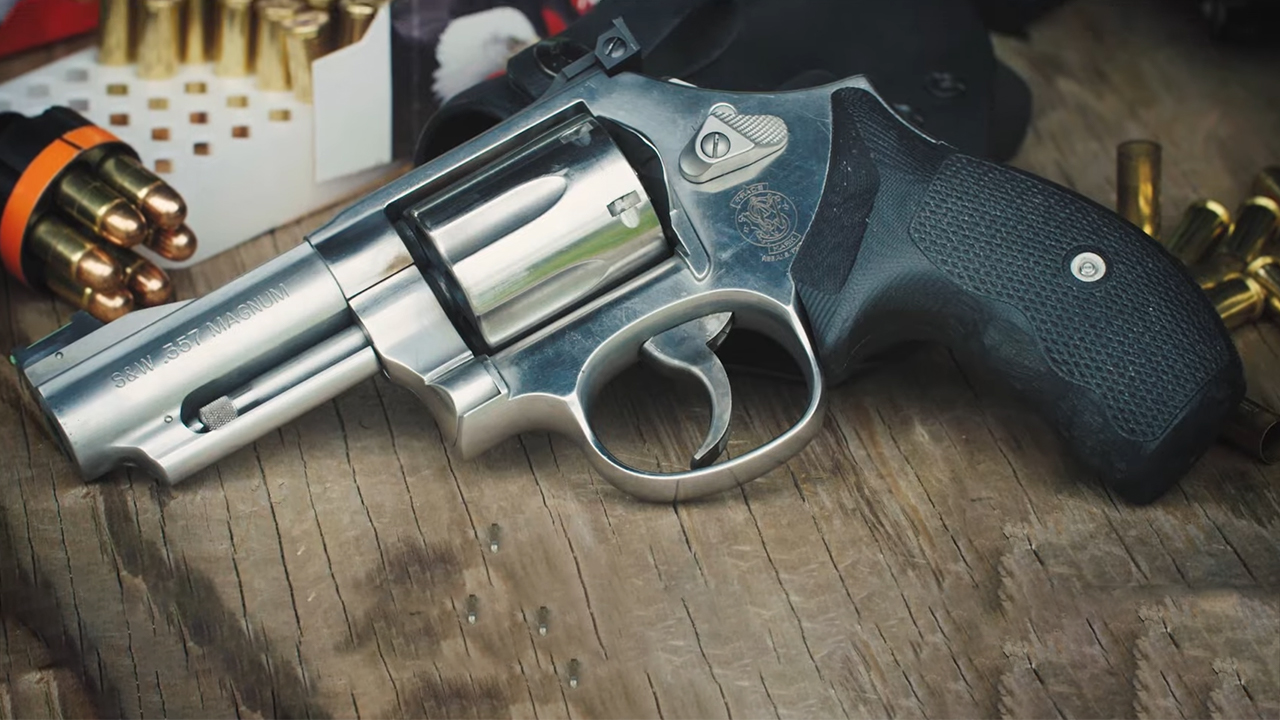
Stainless steel changed what “working revolver” meant, and the 66 is a big part of that story. It’s basically the Model 19’s tougher, weather-friendly brother, and it made sense for cops, hunters, and anybody who gets caught in bad weather on purpose.
Early guns with honest wear are attractive because they were used, not abused. The action on a good one feels like it’s on bearings. If you’ve ever handled a newer one that felt a little gritty, you understand why old 66s get quietly hunted.
6. Smith & Wesson Model 17 (K-22 Masterpiece)
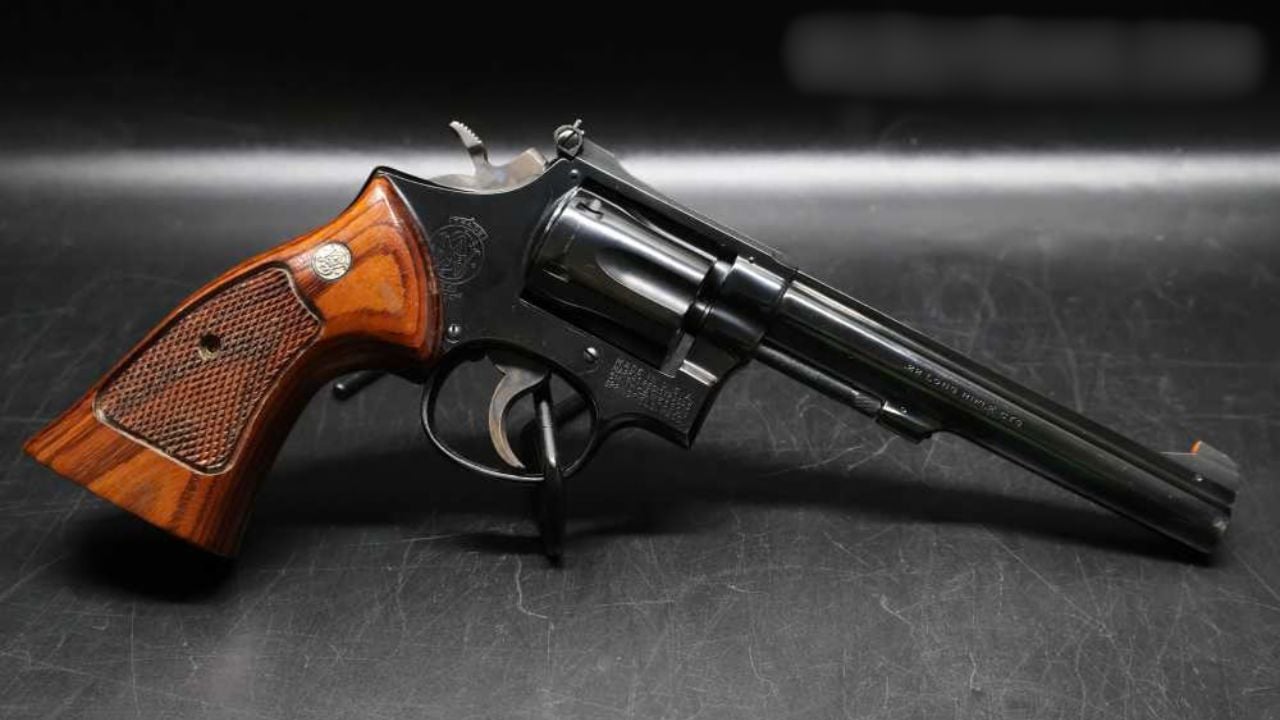
A serious collector doesn’t ignore .22s. The Model 17 is a “forever gun” because it’s useful. It teaches trigger control, it makes range days cheaper, and it’s accurate enough to humble you.
The best ones have that smooth, steady double-action pull that makes you want to dry-fire with snap caps all evening. Clean examples are getting harder to find because folks either shot them a lot or never let them go.
7. Smith & Wesson Model 18 (K-22 Combat Masterpiece)
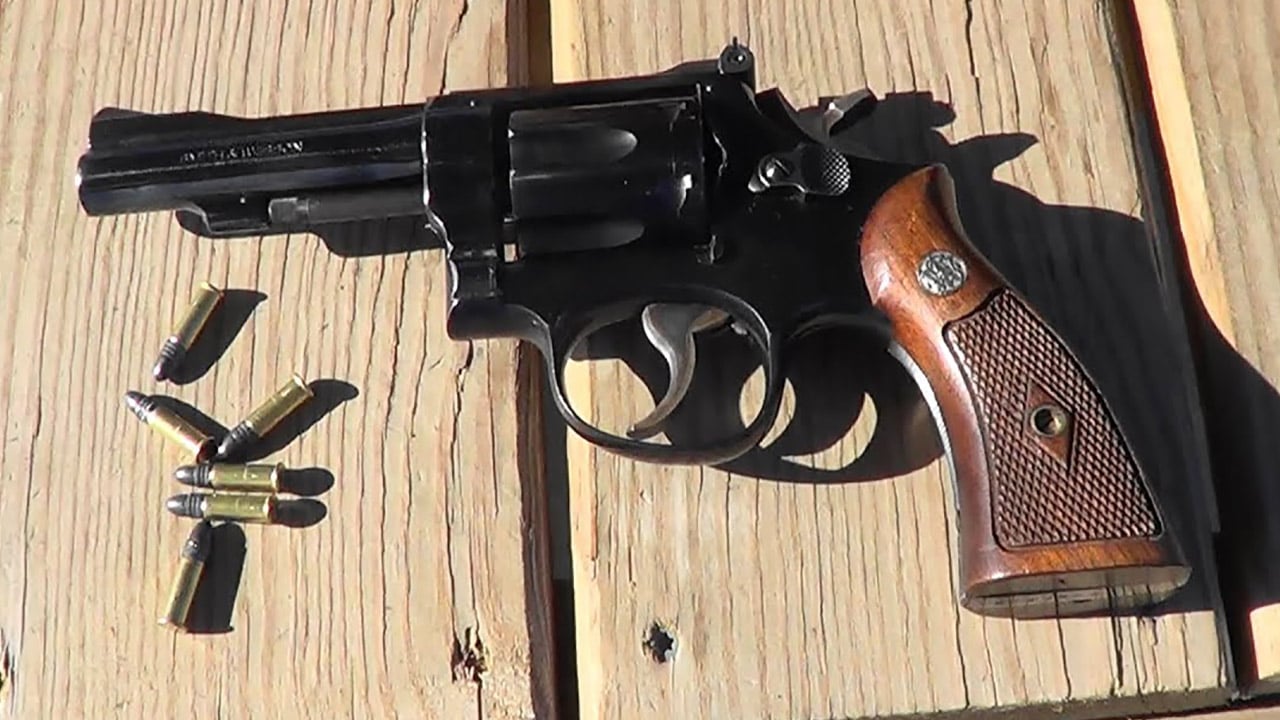
The Model 18 is the .22 that feels like a service revolver. It’s the gun you’d hand to a new shooter who you want to learn “right,” with real sights and a real trigger, not a plastic stand-in.
Collectors like them because they connect to training history and practical shooting, not just display cases. It’s also a model that disappears into collections because owners actually use it, then decide it’s too handy to sell.
8. Smith & Wesson Model 25 (especially .45 Colt and .45 ACP variants)
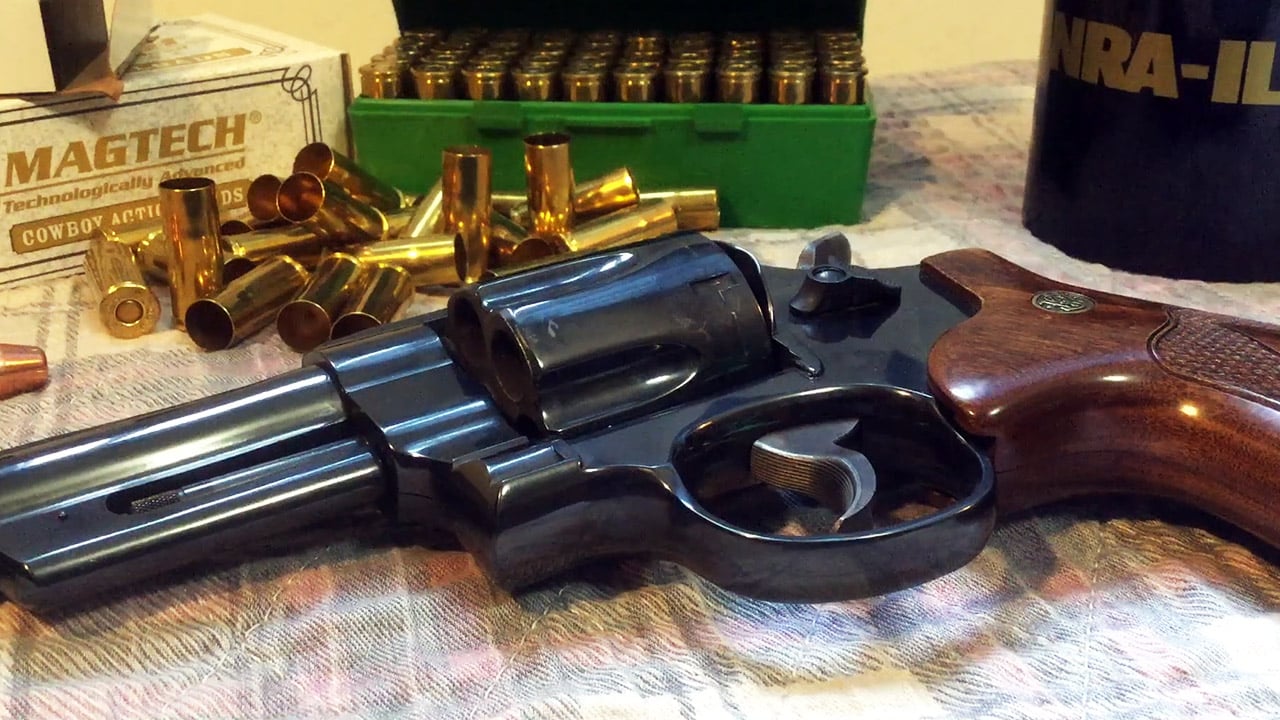
Big N-frames in .45 have a feel you don’t forget. The Model 25 can be a tack-driver, and it’s one of those revolvers that somehow feels both old-school and modern at the same time.
Collectors watch cylinder throats and overall condition because these were real shooters. A good one is a hunting-sidearm candidate, a range toy, and a history lesson all at once. The bad ones can be frustrating, so the quiet buyers look them over like they’re buying a used tractor.
9. Colt Python (pre-1999 and early reissues that are actually clean)

The Python is the obvious one, and yeah, it’s overpriced in plenty of cases. But collectors don’t track it because it’s trendy. They track it because when you find a truly correct, un-messed-with Python, you can feel why the legend exists.
The danger is buying somebody’s “project” with timing issues and thinking it’s a simple fix. Parts and skilled hands aren’t everywhere. The smart collector pays for condition and originality, not for a story.
10. Colt Diamondback (.22 LR and .38 Special)
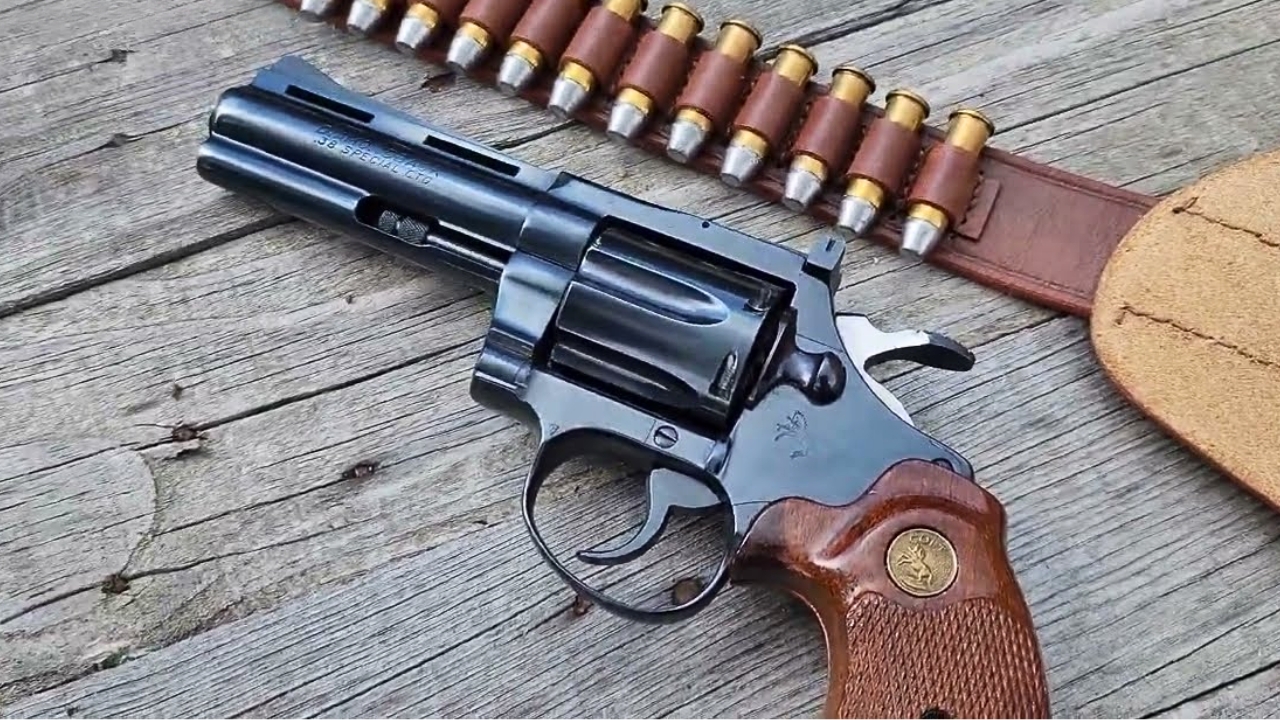
Diamondbacks are what happens when Colt takes the “pretty revolver” idea and scales it down into something that still feels like a serious gun. The .22s especially get attention because they’re fun, accurate, and hard to replace once you catch the bug.
These are also prime targets for dings, scratches, and bad refinishes. A sharp Diamondback with a clean rib and crisp markings doesn’t need a sales pitch. It just needs a price tag—and even then, it won’t be there long.
11. Colt Detective Special (early, blued, and unaltered)
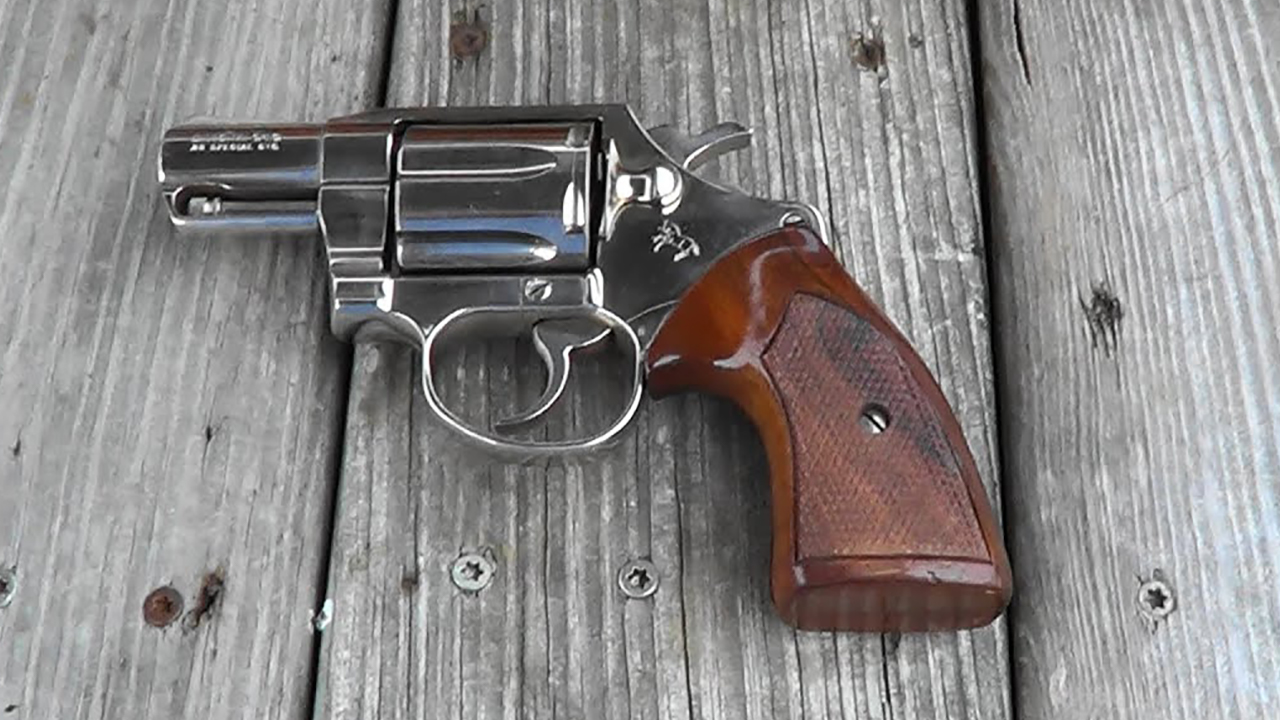
This is one of those revolvers that makes you understand the old detective-gun stereotype. It’s compact, carries well, and still shoots like a real service revolver. For a long time, guys treated them like disposable carry guns.
That’s why collectors watch them now. A clean Detective Special with a tight lockup is not common anymore, and the ones that aren’t “tuned” by somebody with a file are the ones experienced folks keep their mouths shut about.
12. Colt Trooper Mk III (and Mk V)
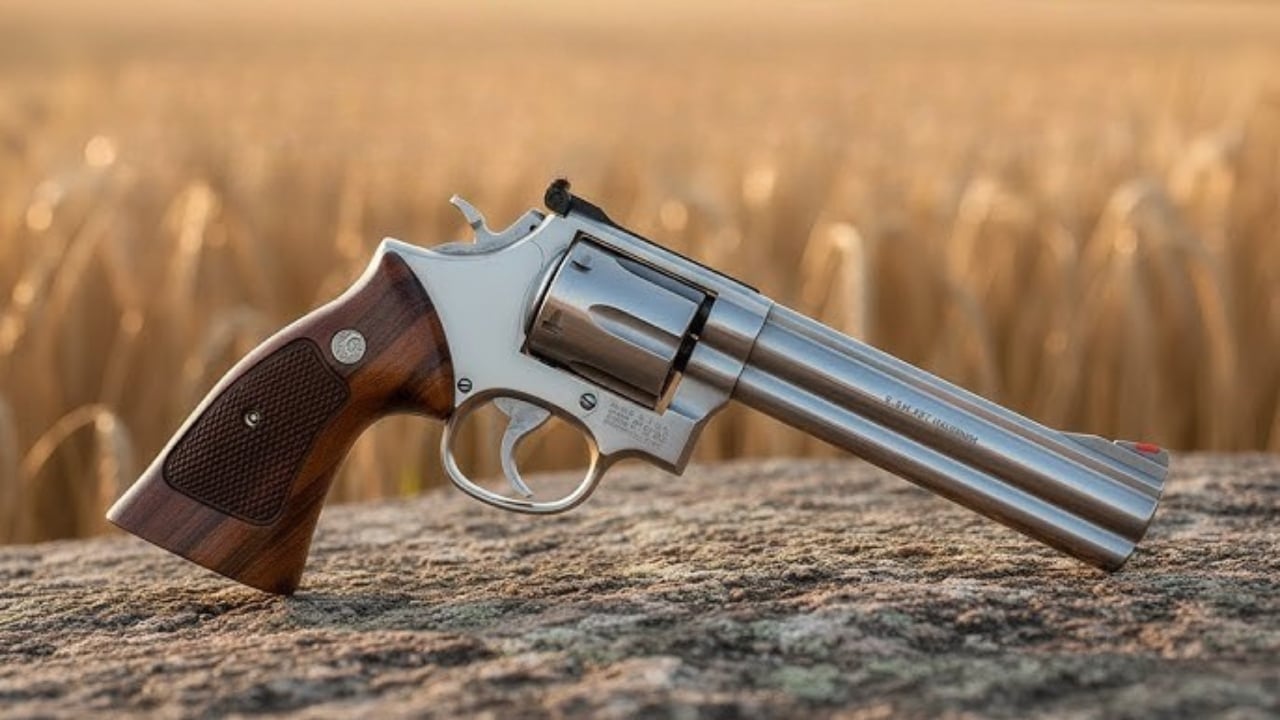
The Trooper Mk III is still underrated if you compare it to Python pricing, and that gap is exactly why it’s on watch lists. They’re strong, practical, and often show up in honest condition because they were bought to be used.
Triggers can vary, and some feel a little different than the older Colt actions collectors romanticize. Still, for a real-world shooter-collector, a clean Trooper is a smart buy. Ask me how I know after watching one get snagged off a table while I “thought about it.”
13. Ruger Security-Six (and Speed-Six)
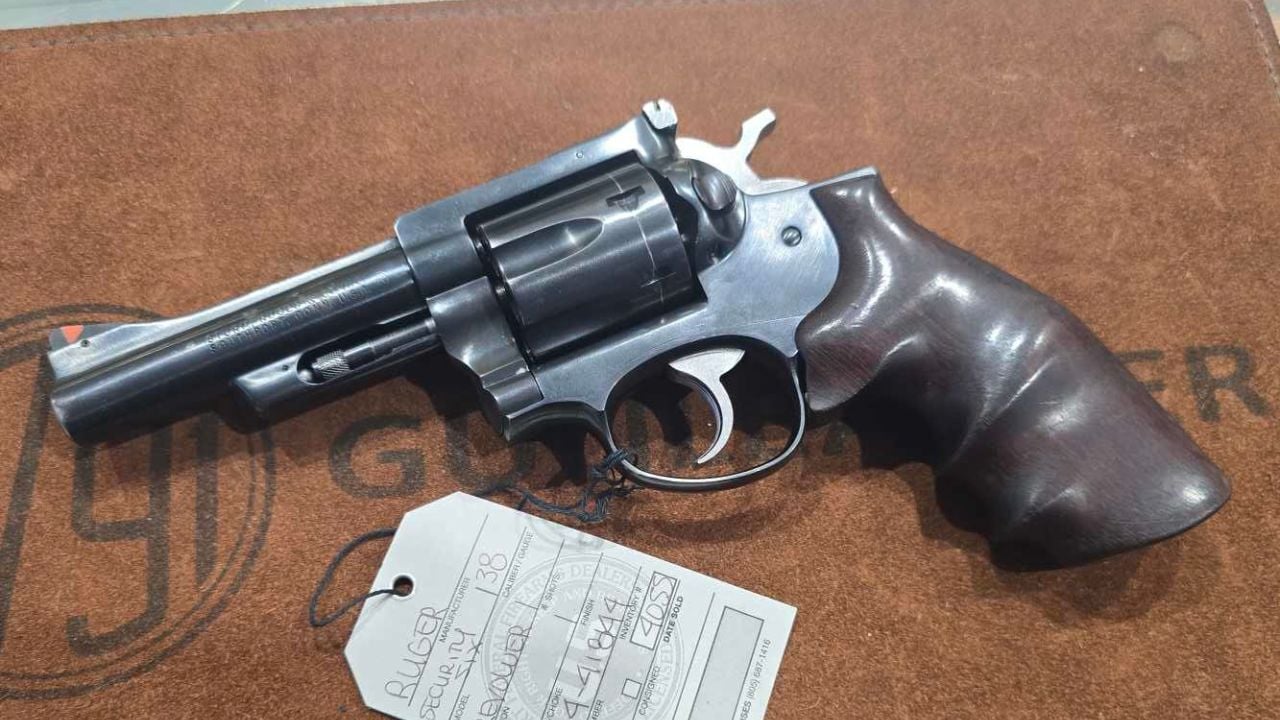
If you want a revolver that feels like it could ride in a truck door pocket for 20 years and still go bang, the Six series is it. They’re not fancy. They’re just right.
Collectors pay attention because Ruger doesn’t make them like this anymore, and the size-to-strength ratio is excellent. The double-action can be improved with use and proper maintenance, but even bone stock they’re serious working guns.
14. Ruger GP100 (early production, blued and stainless)
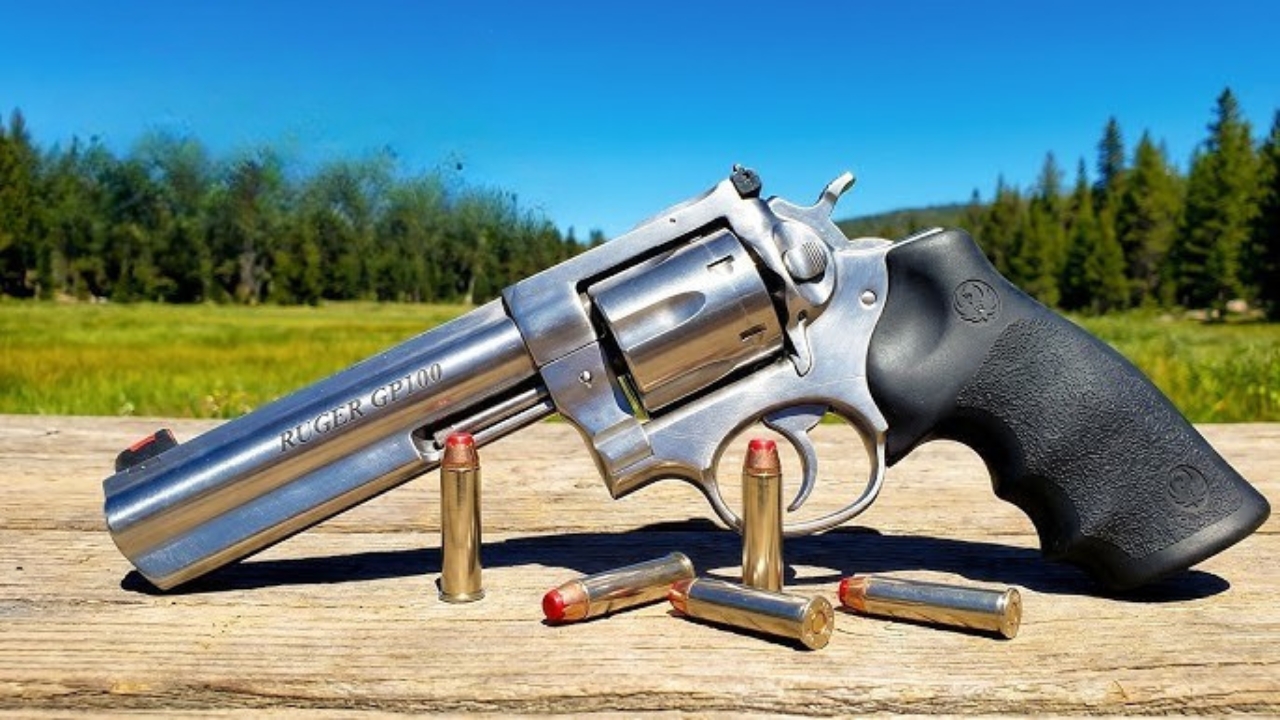
The GP100 is “boring” until you realize boring is what you want when it’s cold, wet, and you’re tired. This is one of the revolvers that actually gets used in the woods—camp gun, trapline gun, back-up gun, whatever you call it.
Collectors watch early examples and certain configurations because they’re steady performers and they hold up. It’s also a model where you’ll see a lot of honest wear, and honest wear doesn’t scare experienced buyers if the timing and lockup are right.
15. Ruger Redhawk (.44 Mag and .45 Colt)
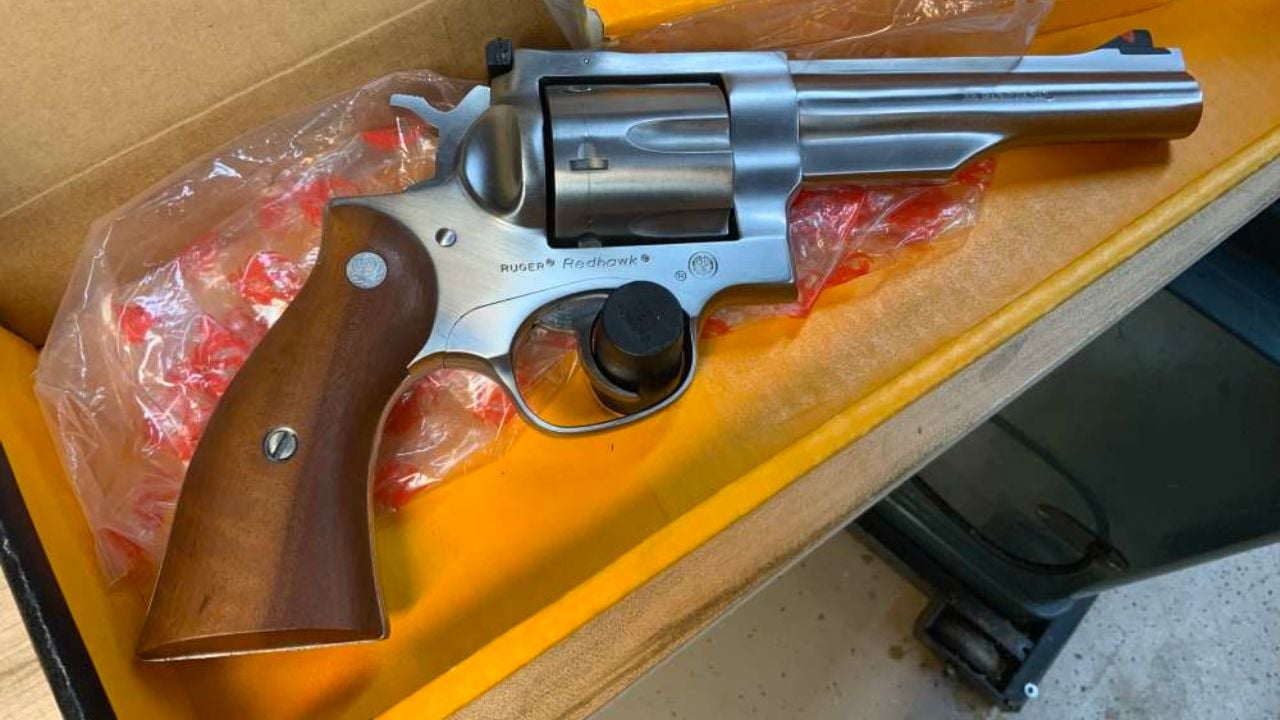
Redhawks aren’t dainty. They’re the revolver equivalent of a heavy pickup with a simple interior. If you need a big-bore wheelgun that won’t complain about hard use, this is one that keeps showing up in real hunting camps.
Collectors aren’t always chasing them for looks. They’re chasing them because they’re dependable, and certain older versions have a following. A clean .45 Colt Redhawk is one of those guns that makes you start planning handloads and hunting seasons in your head.
16. Ruger Blackhawk (Old Model three-screw)
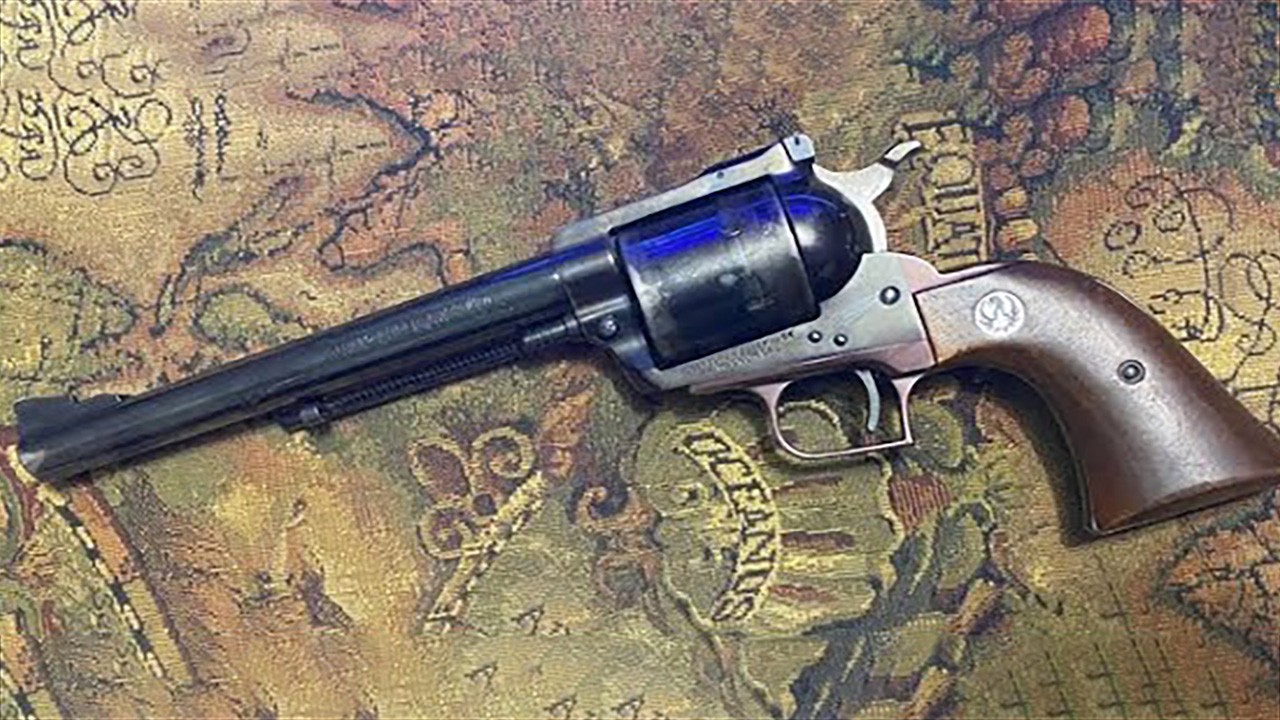
The Old Model three-screw Blackhawks are a deep rabbit hole. The “feel” is different, the history is real, and there’s a reason old hands get a little quiet around them. They’re part collectible, part working tool.
Unconverted examples draw attention, and not everyone agrees on what’s “better.” I’m not telling anyone what to do with their safety setup, but from a collector standpoint, originality matters. These are the ones that tend to get tucked away and not advertised.
17. Ruger Super Blackhawk (early flat-top and classic hunting lengths)
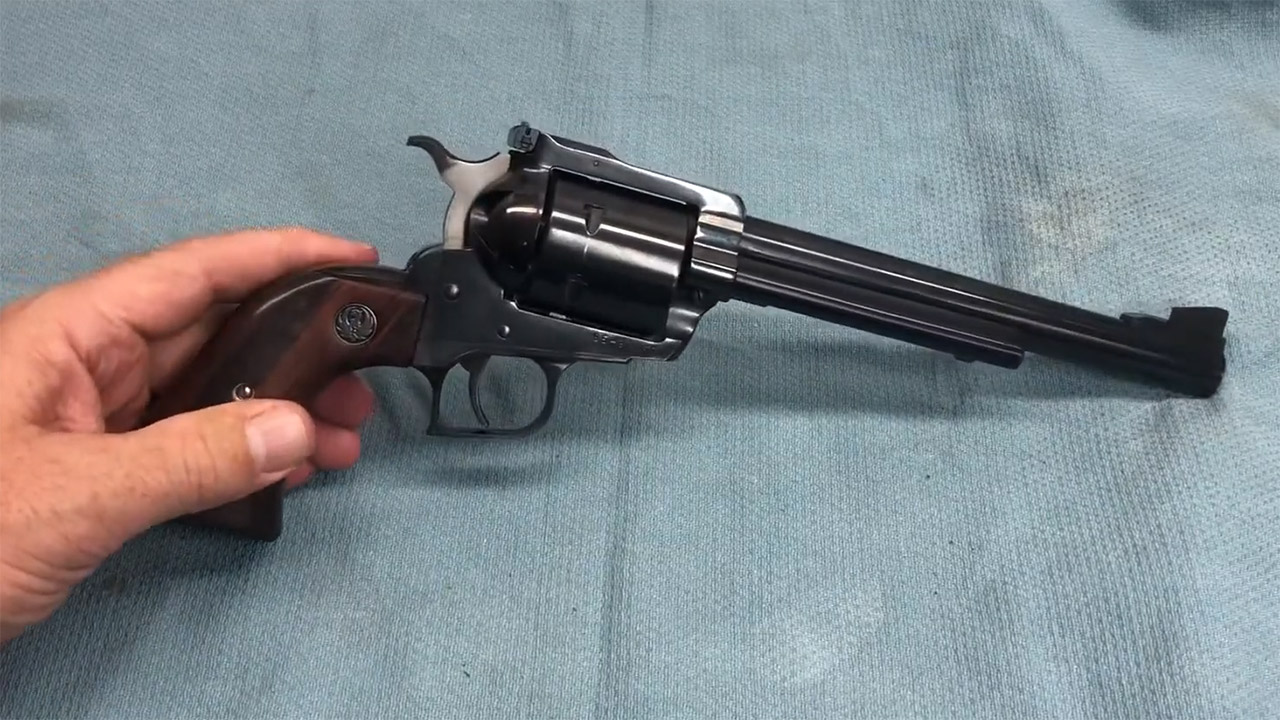
Some revolvers feel like they were built for a leather holster and a long walk. The Super Blackhawk is that. In .44 Mag, it’s a legitimate hunting sidearm if you do your part.
Collectors watch for clean early features and unmolested guns because the ones that got used hard often got modified hard. A classic Super Blackhawk with sharp edges and a good bore is a “don’t sell it” gun for a lot of folks.
18. Dan Wesson Model 15 (.357 Magnum)
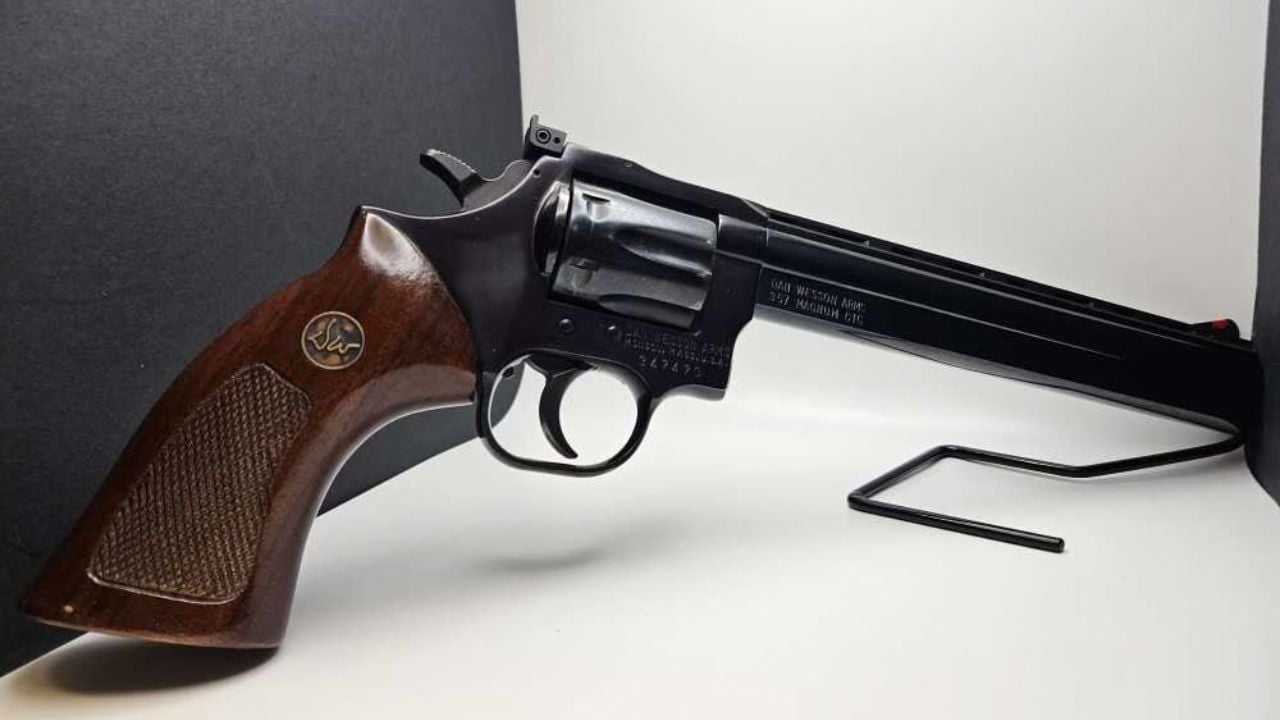
Dan Wesson revolvers have their own cult, and the Model 15 is the gateway. The interchangeable barrel setup isn’t just gimmickry; it made these guns ridiculously accurate when set up right, and they shoot like serious target revolvers.
Collectors are hunting complete packages: correct shrouds, barrel tools, and cases. The catch is that pieced-together examples float around, and a “great deal” can turn into a scavenger hunt. Still, a clean, complete 15 is a smart watch item.
19. Korth Combat (German-made, modern classic)
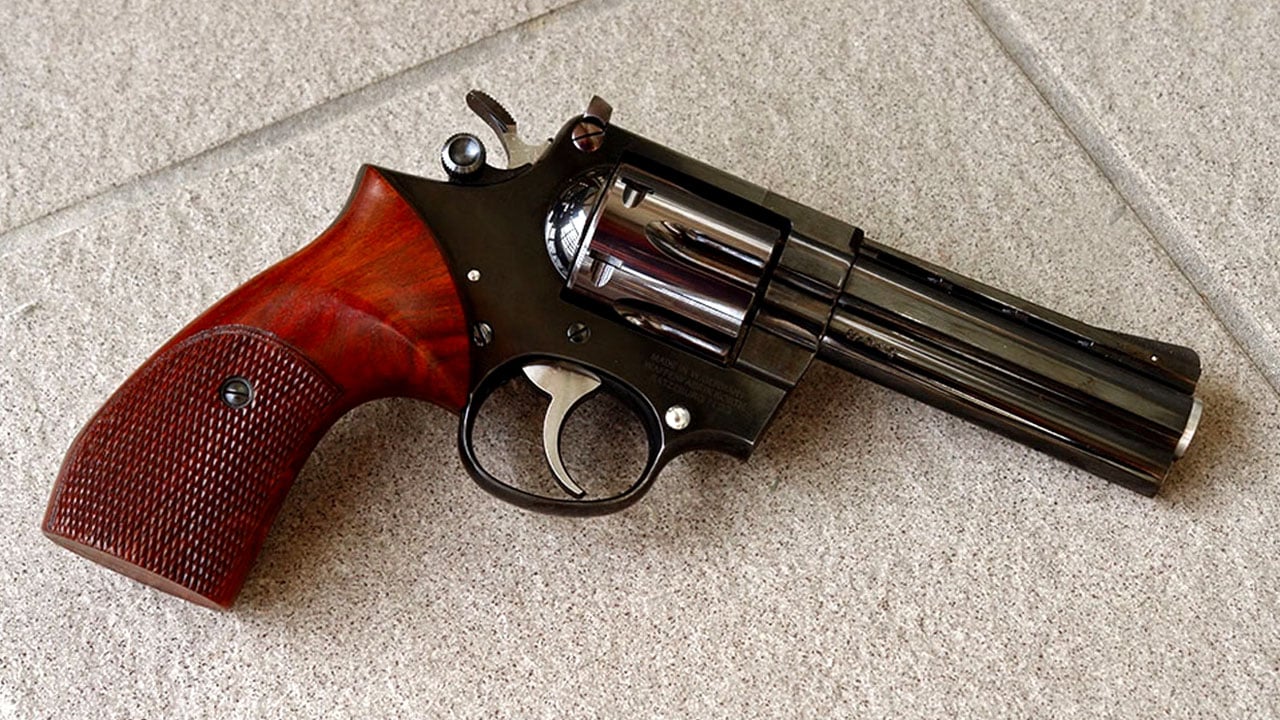
Not every collector chases old guns. Some chase the best-made. Korth revolvers are expensive in a way that makes normal people shake their heads, but the fit and trigger feel are on another level.
Collectors watch them because production numbers aren’t huge and the buyers tend to keep them. They’re also the kind of revolver you can actually shoot a lot without feeling like you’re “wearing out history.” If you see one used, in good shape, it’s worth a long look.
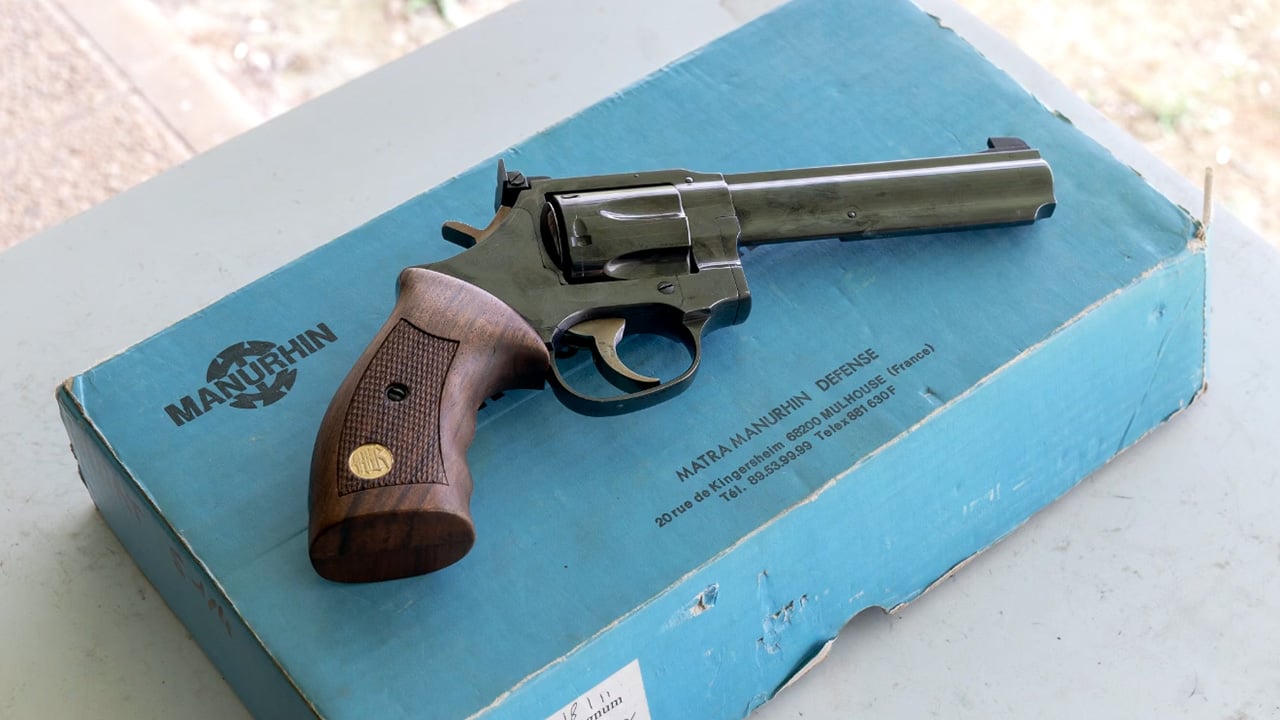
20. Manurhin MR73 (Gendarmerie and sport models)
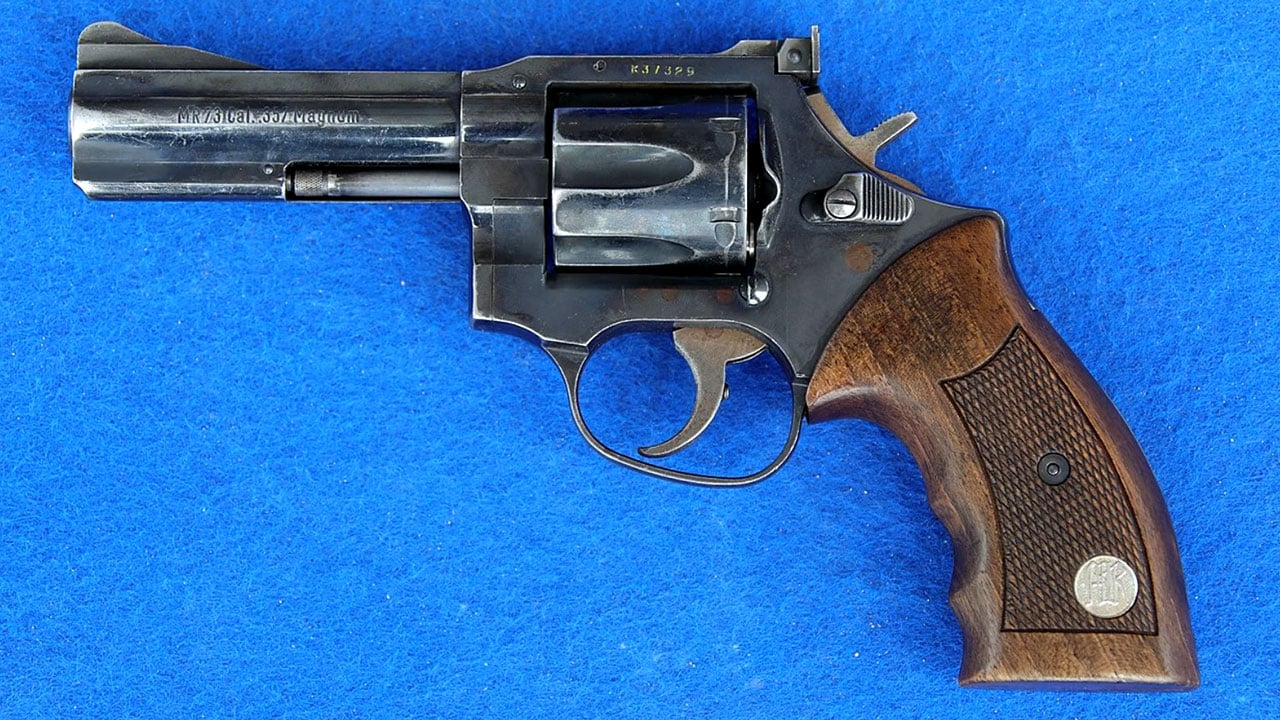
The MR73 is another revolver that serious folks recognize immediately and casual shoppers walk right past. It has a reputation for durability and accuracy that didn’t come from internet chatter. It came from hard use and high standards.
Collectors track them because they’re not on every shelf, and good examples don’t flood the market. When you handle one, you notice the lockup and the smoothness and you understand why it stays on quiet lists.
Here’s the pattern with all of these: they’re either not made anymore, not made the same way anymore, or not common in clean condition anymore. If you’re collecting, don’t get hypnotized by a shiny finish or a big name alone. Check timing, lockup, bore, and signs of kitchen-table gunsmithing. And if you stumble onto one you’ve been watching for a while, don’t expect it to wait around while you “sleep on it.” That’s how good revolvers end up in somebody else’s safe.
Like The Avid Outdoorsman’s content? Subscribe to our newsletter so you never miss an article.
Here’s more from us: