Photo credit: WHO_TEE_WHO/YouTube
We may earn revenue from products featured on this page through affiliate links.
Lever guns are fun to tinker with right now, and the market knows it. Between social media, “modern lever” builds, and the overall lever-action revival, there’s no shortage of upgrades being pushed as “must-haves.” Some of them genuinely make a lever gun more practical for hunting, ranch work, or defensive use in rural settings. A lot of them are just range candy—stuff that looks cool, adds cost, and doesn’t solve a real problem. The trick is deciding what you actually need the rifle to do, then upgrading only the parts that help that job instead of building a fantasy rifle that lives on a bench.
Lever actions have their own rhythm and limitations. You’re not turning one into an AR no matter how much aluminum you bolt onto it. That’s not a bad thing, but it means you should focus on upgrades that improve handling, sighting, and carry comfort—not on accessories that add bulk and snag points. The best lever-gun upgrades are usually boring. They improve consistency, usability, and durability without changing the rifle’s identity. The worst upgrades add weight, complexity, and noise while convincing you you’re “leveling up.”
Useful upgrade #1: better sights you can actually see
Sights are the most practical place to spend money on a lever gun, especially if you hunt or carry it in thick cover where fast target acquisition matters. Many factory sights are fine, but “fine” becomes frustrating in low light, older eyes, or fast shooting. A quality set of irons—like a better front post or a ghost ring system—can dramatically improve speed and confidence without changing how the rifle carries.
This is also the most honest upgrade because it directly affects hits. If you can see the sights better and line them up faster, you shoot better. Period. It’s not cosmetic. It’s performance. If you don’t want an optic, upgraded irons are often the best return on investment you’ll ever get on a lever gun.
Useful upgrade #2: a simple, durable optic setup (if your rifle supports it)
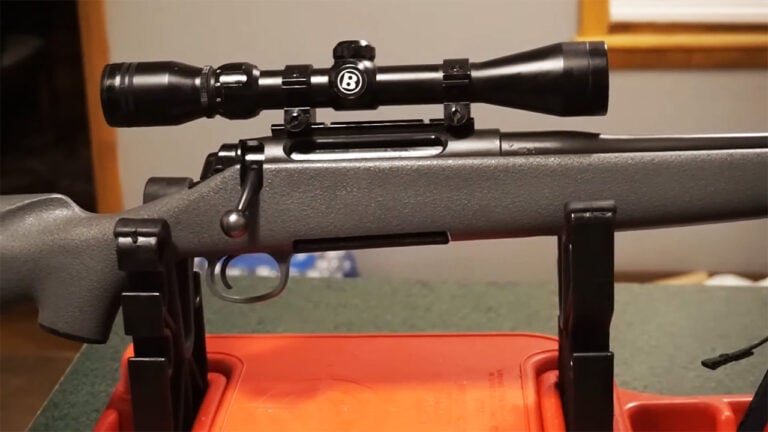
Optics on lever guns can be great, but only if you keep it simple. A low-power scope or a compact red dot can make a lever gun easier to use in poor light and at realistic distances, especially for hunters who struggle with irons. The key is mounting it in a way that doesn’t ruin the rifle’s balance and doesn’t force an awkward cheek weld. A lever gun that becomes top-heavy and uncomfortable to shoulder quickly stops being fun and starts being annoying.
Where people go wrong is trying to turn a lever gun into a rail-covered platform with tall mounts and oversized optics. That’s range candy. It looks “tactical” but it often makes the rifle slower to shoulder and more awkward to carry. A lever gun shines when it stays handy. If an optic makes it less handy, you’ve missed the point.
Useful upgrade #3: a sling that actually carries well
This sounds too basic, which is why people ignore it. But if you’re going to hike with a lever gun, hunt with it, or work with it on property, a good sling setup matters more than most add-ons. A lever gun carried all day becomes a problem if the sling twists, slips, or digs into your shoulder. A sling that holds the rifle close and stable makes the entire experience better and keeps you quieter in the woods.
The “range candy” version of this is a fancy sling with hardware that clanks or catches. Practical slings are quiet and stable. If your sling setup makes noise or causes the rifle to flop around while you walk, it’s hurting you. For most people, spending money on a practical sling and mounting points improves the rifle more than another accessory ever will.
Useful upgrade #4: improved stock fit or recoil management (only if needed)
Some lever guns, especially in heavier calibers, can beat people up. A better recoil pad or a stock adjustment that improves length of pull can make the gun far more shootable. That’s not about comfort for comfort’s sake. Recoil management affects follow-up shots, practice time, and whether you actually enjoy shooting the rifle enough to stay proficient. If the rifle hurts to shoot, you’ll practice less, and that turns into missed opportunities and mistakes in the field.
The “range candy” trap here is adding recoil gadgets that change handling or add bulk without real benefit. Start with fit and a quality pad. If that doesn’t solve the problem, then think deeper. But for most shooters, basic stock fit makes a bigger difference than anything that looks flashy.
Useful upgrade #5: reliability-focused maintenance parts, not gimmicks
Lever guns aren’t maintenance-free. Springs fatigue. Screws loosen. Things wear. If you run your lever gun hard, especially in dirty conditions, small maintenance upgrades and habits can prevent headaches. Keeping screws torqued consistently and checking your rifle over before season prevents the “why is my zero off?” panic at the worst time. This is where a basic torque tool like the Wheeler FAT Wrench at Bass Pro Shops is genuinely useful, especially if you run optics or upgraded sight systems that depend on consistent screw tension.
What’s not useful is replacing internal parts just to replace them, especially with questionable aftermarket parts. Lever guns are timing-dependent machines. Random modifications can create more problems than they solve. If you’re changing internal parts, it should be because something is worn, broken, or known to be a weak point—not because you want to say you “upgraded” the rifle.
Range candy #1: excessive rails and bolt-on furniture
The fastest way to ruin what makes a lever gun good is to add bulk where it doesn’t belong. Big rails, oversized handguards, and heavy furniture can make the rifle feel like a different tool—usually a worse one. It adds weight forward, changes balance, and creates snag points. It can also make the rifle louder, because metal accessories love to click and clack against brush, buckles, and gear. If your lever gun becomes a noisy, front-heavy beast, it stops being handy and starts being work.
That doesn’t mean a small rail section is always bad. It means you should add only what you need. The “modern lever” trend often sells aesthetics as function. If you can’t name the actual job that rail is doing, it’s probably just decoration.
Range candy #2: gimmicky muzzle devices and comps
Muzzle devices on lever guns are one of the biggest “because it looks cool” upgrades going right now. Sometimes they help, especially on certain calibers and certain setups, but most lever-gun comps are bought for style and social media, not for measurable performance. They add length, change handling, and increase blast. In the woods, blast matters. Noise matters. A muzzle device that makes the rifle unpleasant without delivering real benefit is a net loss, even if it looks aggressive.
If recoil is the issue, start with stock fit and pad. If sight tracking is the issue, work on fundamentals and consider a simple optic. A muzzle device should be a last resort, not the first purchase.
Range candy #3: “tactical” add-ons that don’t match lever-gun reality
Lights, lasers, oversized controls, extra ammo carriers, and all kinds of attachments can be useful in the right context, but most lever gun builds get overloaded fast. Every add-on makes the rifle heavier and more awkward to carry. Every add-on adds another thing to snag or break. If you’re building a ranch rifle that might be used at night, a light might make sense. If you’re building a deer rifle for thick timber, most of those add-ons are just weight and noise.
The best lever guns stay lean. They point naturally, they carry easily, and they don’t fight you. When upgrades start making the rifle feel busy and cluttered, you’ve crossed into range candy territory.
The simple rule that keeps you from wasting money
If an upgrade helps you see better, carry better, or shoot better in the conditions you actually use the rifle in, it’s probably useful. If it mainly helps the rifle look cooler and gives you something to post, it’s probably candy. Lever guns don’t need to be complicated to be effective. In fact, their biggest strength is that they don’t require much to do their job well.
Upgrade the interface first: sights, sling, fit. Keep optics simple if you go that route. Maintain the rifle like a tool, not a toy. If you do that, you’ll end up with a lever gun that feels better in the field and doesn’t require you to justify every part you bolted on.
Like The Avid Outdoorsman’s content? Subscribe to our newsletter so you never miss an article.
Here’s more from us: