Photo credit: fegyvervideodirex/YouTube
Some guns are exciting right up until you actually own them. They look interesting in the case, sound useful in theory, or scratch some weird itch you have been thinking about for years. Then the ammo cost, recoil, awkward handling, poor support, or limited real-world purpose starts showing up.
That does not mean every gun here is worthless. A few are fun. Some are collectible. Some fill a narrow role for the right person. But for a lot of buyers, the excitement fades fast, and the gun ends up sitting in the back of the safe while they wonder why they did not buy something more practical.
Magnum Research Desert Eagle .50 AE
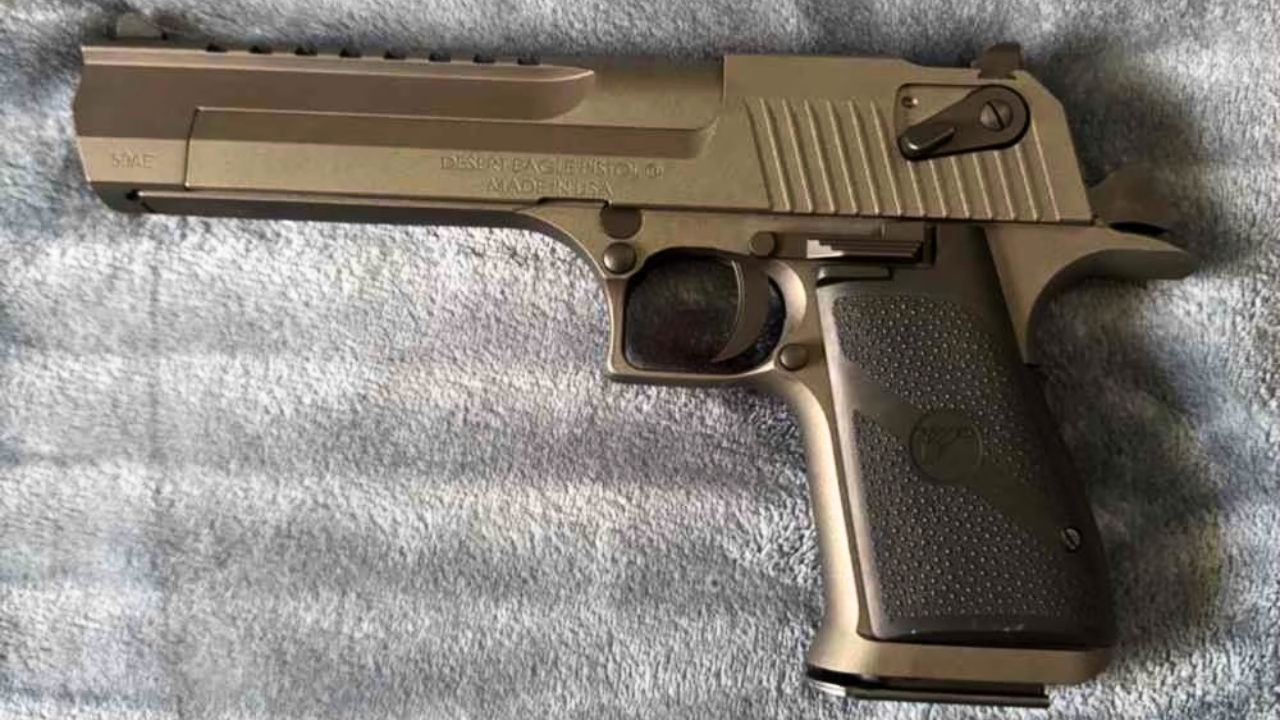
The Desert Eagle .50 AE is one of the easiest guns to want and one of the easiest guns to regret. It is huge, loud, powerful, and instantly recognizable. At the gun counter, it feels like the kind of pistol everyone should own once just for the experience.
The problem is that owning one is different from wanting one. It is expensive to buy, expensive to feed, heavy to handle, and not useful for much beyond range entertainment. After the first few boxes of ammo, many owners realize the cool factor is doing almost all the work. It is fun, but it is rarely the gun people keep shooting regularly.
Taurus Judge Public Defender
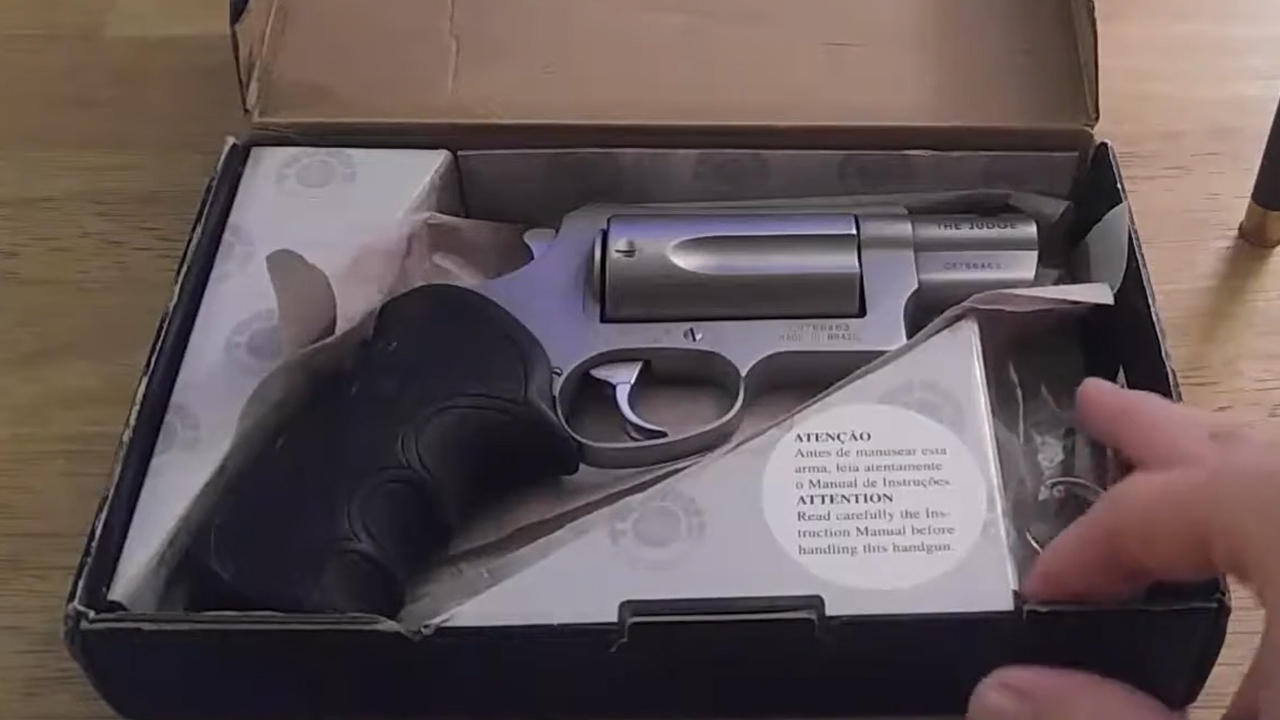
The Taurus Judge Public Defender sounds like a do-everything defensive revolver. The idea of firing .45 Colt and .410 shells from one compact gun gets people’s attention fast. It looks intimidating, feels different, and seems like it should solve a lot of problems at close range.
Then reality usually cools the excitement. The .410 performance from a short barrel is not as impressive as people imagine, and .45 Colt recoil in a small revolver is not exactly pleasant. It is bulkier than better carry guns and less practical than better home-defense options. A lot of people buy the idea, then regret the compromise.
KelTec KSG

The KelTec KSG looks like the shotgun of the future. A compact bullpup pump with dual magazine tubes and high capacity sounds incredible on paper. It is short, aggressive, and different enough to make a normal pump shotgun seem boring.
The regret usually starts when people try to run it hard. Loading is awkward, clearing problems is less natural than on a traditional shotgun, and the action requires deliberate use. It can be fun, but it is not as simple as the capacity number makes it sound. Many buyers eventually realize a Mossberg 500, Remington 870, or Beretta 1301 would have been easier to live with.
Mossberg 500 Chainsaw
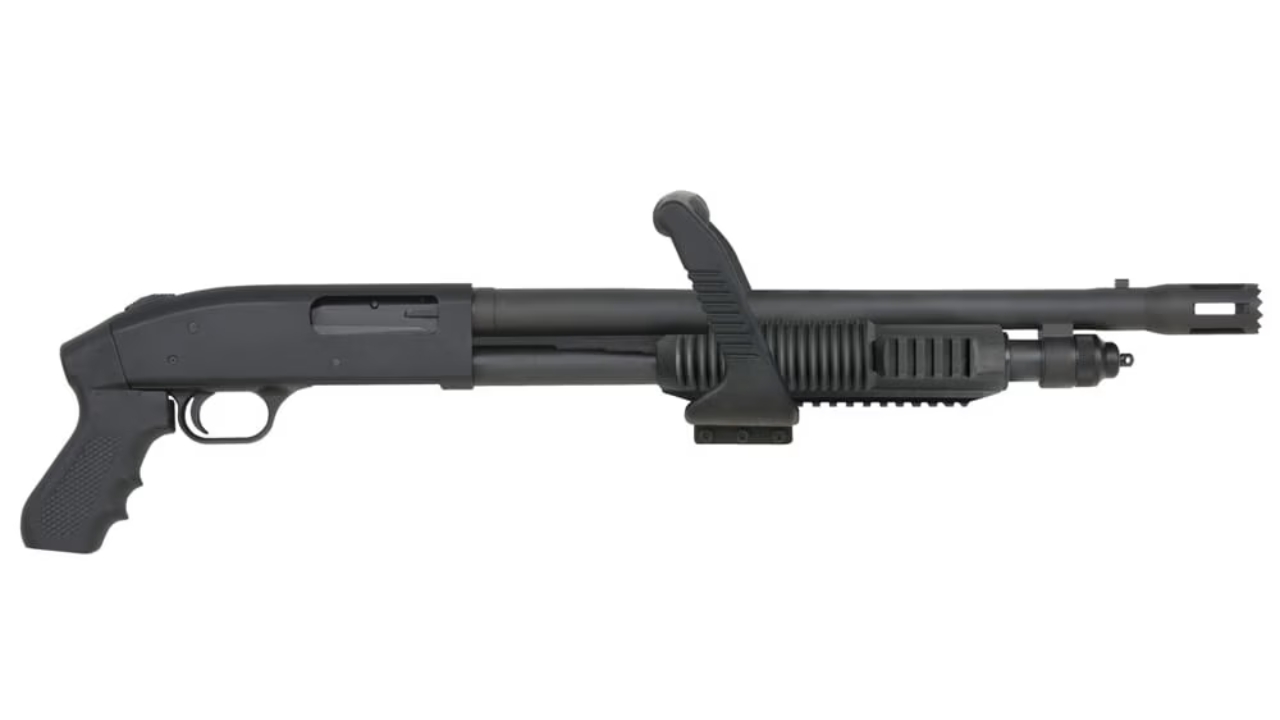
The Mossberg 500 is a proven shotgun. The Chainsaw version is where things get questionable. The top-mounted handle makes it look like a movie prop built for close-range chaos, and that is exactly why some people buy it. It looks tough before a shell ever gets chambered.
The problem is that the handle does not make the shotgun better. It makes it awkward. A standard stock or even a normal pistol-grip setup is usually easier to aim, control, and train with. The Chainsaw is the kind of gun people buy because it looks wild, then regret because the regular 500 was the smarter choice all along.
Remington R51

The Remington R51 was supposed to be a clever little carry pistol with a unique action and soft recoil. It had an interesting shape, a low bore axis, and enough buzz that people wanted it to be a smarter alternative to the usual compact 9mms. On paper, the idea had appeal.
The execution is what caused regret. Reliability concerns, quality-control problems, and odd handling made the R51 a disappointment for many buyers. Even later versions could not fully escape the reputation. It became the kind of pistol people bought hoping to own something different, then wished they had picked something boring and proven.
Kimber Solo

The Kimber Solo looked like a premium micro 9mm before micro 9mms were everywhere. It had clean styling, a nice feel, and the Kimber name behind it. For buyers tired of ugly little carry guns, it seemed like a classy answer.
The regret came from how picky and snappy it could be. A carry pistol needs to inspire trust, and too many Solo owners found themselves testing ammo, dealing with issues, or realizing the gun was not nearly as forgiving as it looked. It had the appearance of refinement, but many simpler pistols proved easier to trust.
SIG Sauer Mosquito

The SIG Sauer Mosquito seemed like a great idea. A .22 pistol with SIG-style controls and a trainer feel should have been perfect for cheap practice. It looked like a smart range companion for people who liked centerfire SIG pistols.
Unfortunately, many owners learned that a .22 trainer is only fun if it runs. The Mosquito developed a reputation for being ammo-sensitive and frustrating. Instead of easy practice, some buyers got a troubleshooting project. A rimfire pistol should make range days cheaper and more enjoyable, not turn every magazine into a reliability test.
Taurus Curve

The Taurus Curve was one of those guns that looked innovative enough to make people curious. Its curved frame, built-in belt clip, and unusual shape were meant to make concealed carry easier. It was clearly trying to rethink the pocket pistol.
The problem is that different does not always mean better. The grip is strange, the sights are minimal, and the whole concept feels more clever than practical. Many buyers realized that normal carry pistols became normal for a reason. The Curve is memorable, but memorable is not the same as useful.
Bond Arms Snake Slayer
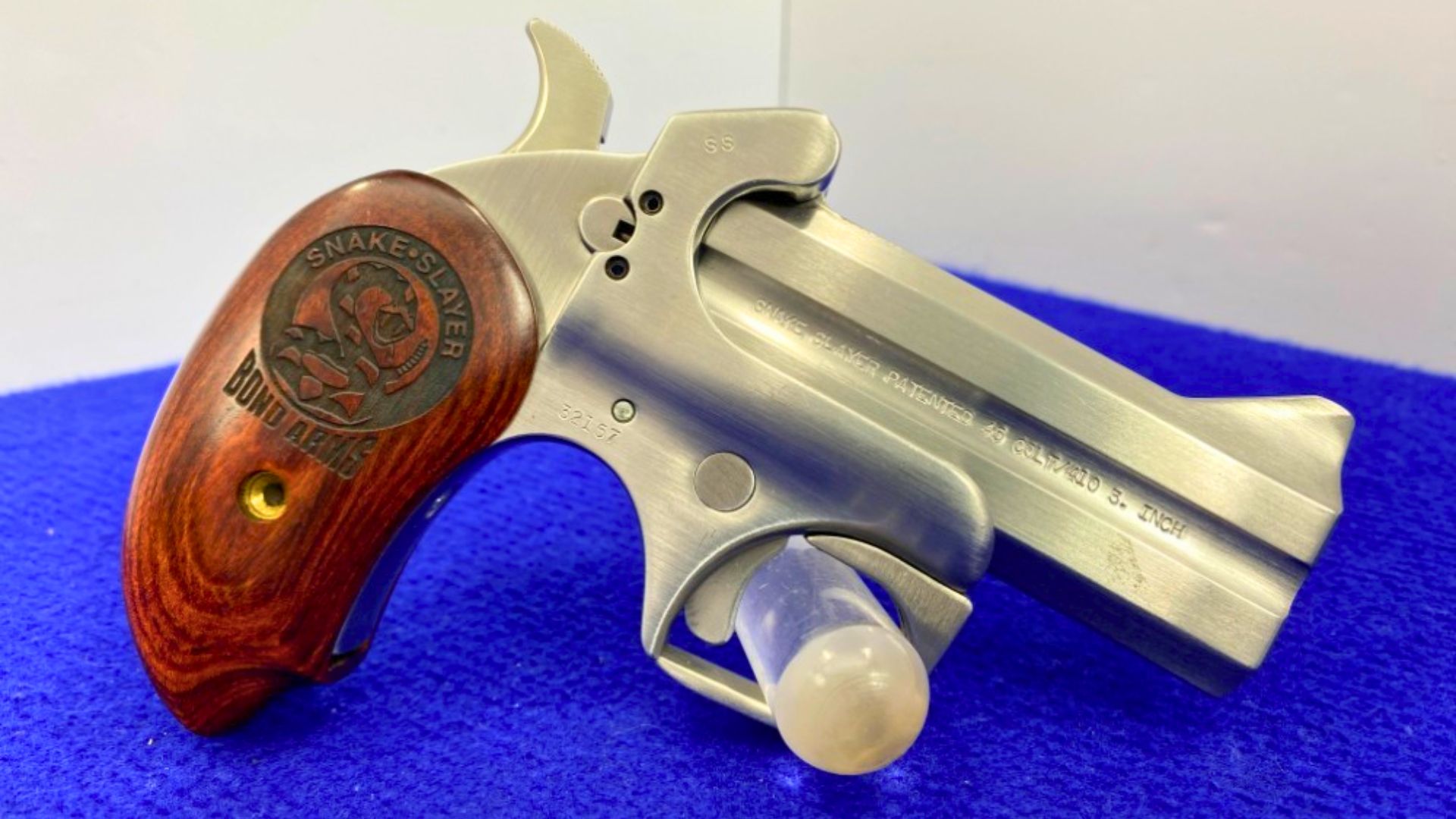
The Bond Arms Snake Slayer looks like a rugged little trail gun. It is made well, feels solid, and gives shooters the appeal of a compact derringer that can fire serious loads. For snakes, pests, or just old-school backup-gun charm, it is easy to understand the temptation.
Regret usually comes from the limitations. It is heavy for only two shots, recoil can be sharp, and the trigger is not exactly fast or forgiving. It is built tough, but it does not do most jobs better than a small revolver or compact pistol. A lot of people like owning the idea more than actually using the gun.
NAA Mini Revolver
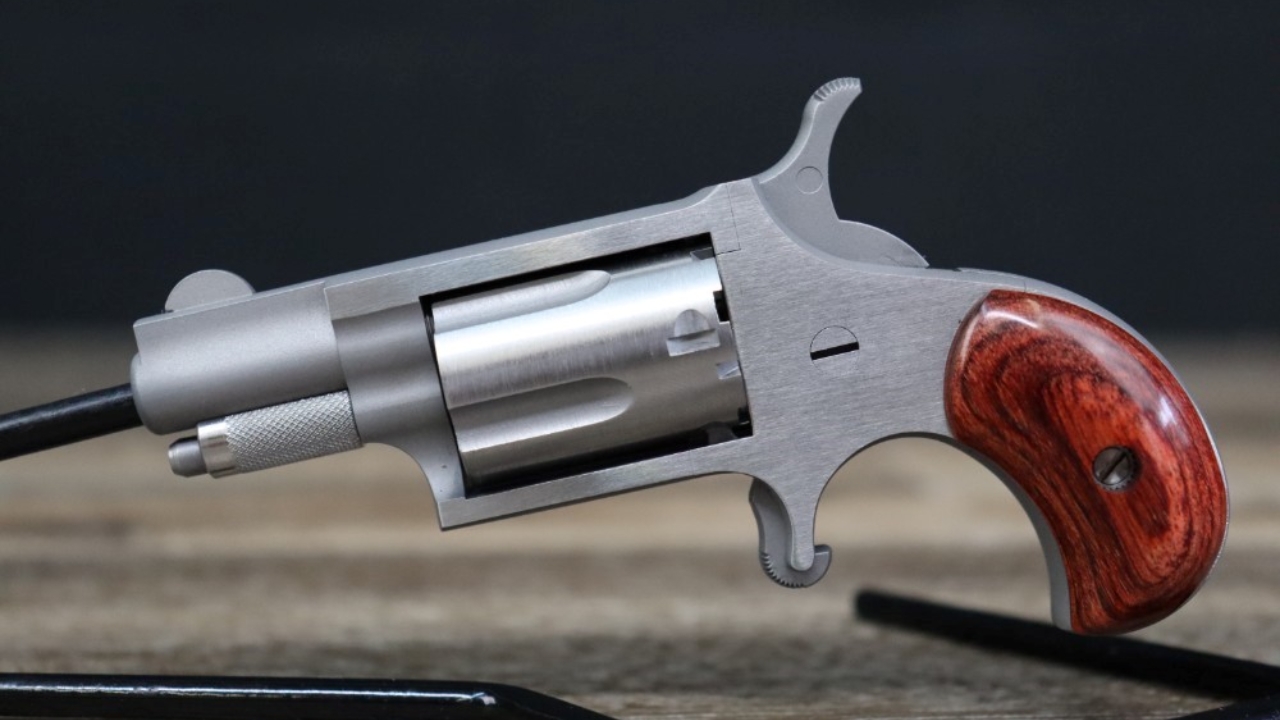
The North American Arms Mini Revolver is almost impossible not to notice. It is tiny, well made, and easy to imagine carrying anywhere. For someone who wants the smallest possible firearm, it seems like a neat solution.
Then the owner starts practicing with it. The grip is tiny, the sights are nearly symbolic, and reloading is slow. It is not easy to shoot quickly or accurately under pressure. It can fill an extreme deep-concealment role, but many buyers eventually realize they wanted a real carry gun, not just the smallest gun possible.
Heizer Defense Pocket Shotgun
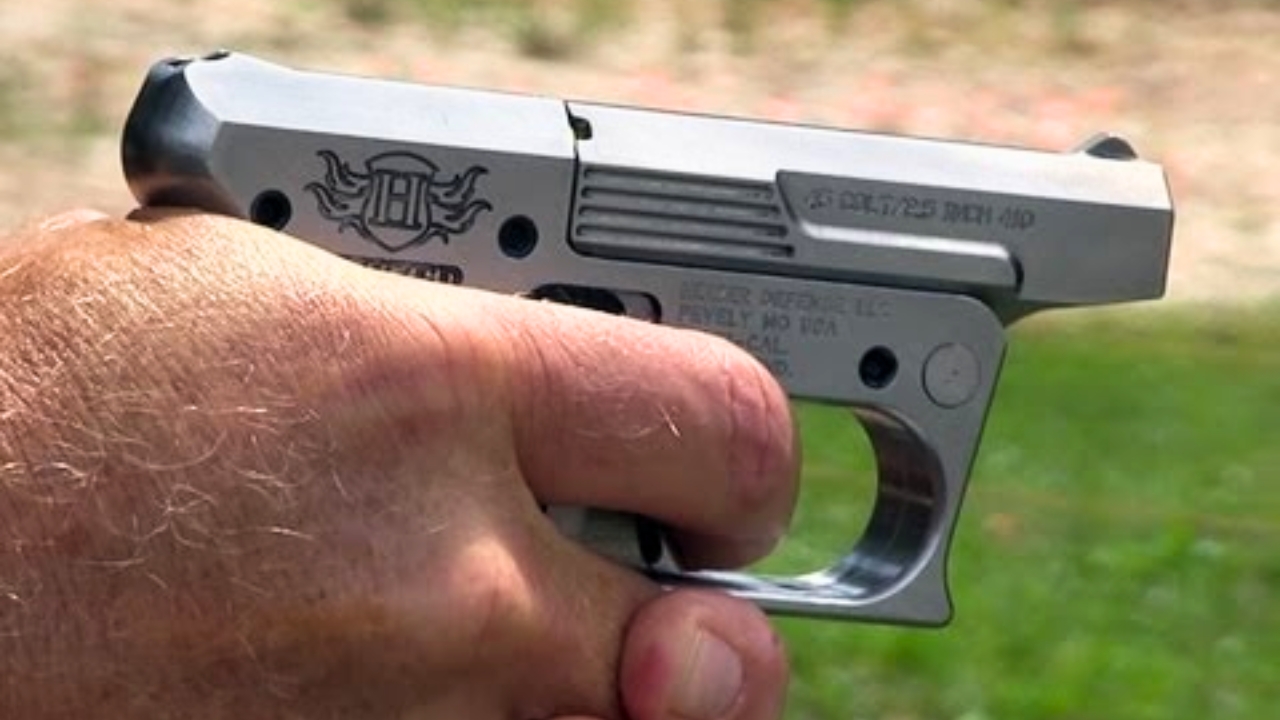
The Heizer Defense Pocket Shotgun sounds wild enough to attract buyers who want something different. A single-shot pocket-sized firearm chambered for big shotshell or handgun cartridges has obvious novelty appeal. It looks like a last-ditch tool with attitude.
The regret is built into the concept. One shot, heavy recoil, awkward handling, and very limited practical use make it hard to justify after the novelty wears off. It is a conversation piece more than a useful defensive tool. Most people would be better served by a small revolver or compact semi-auto they can actually train with.
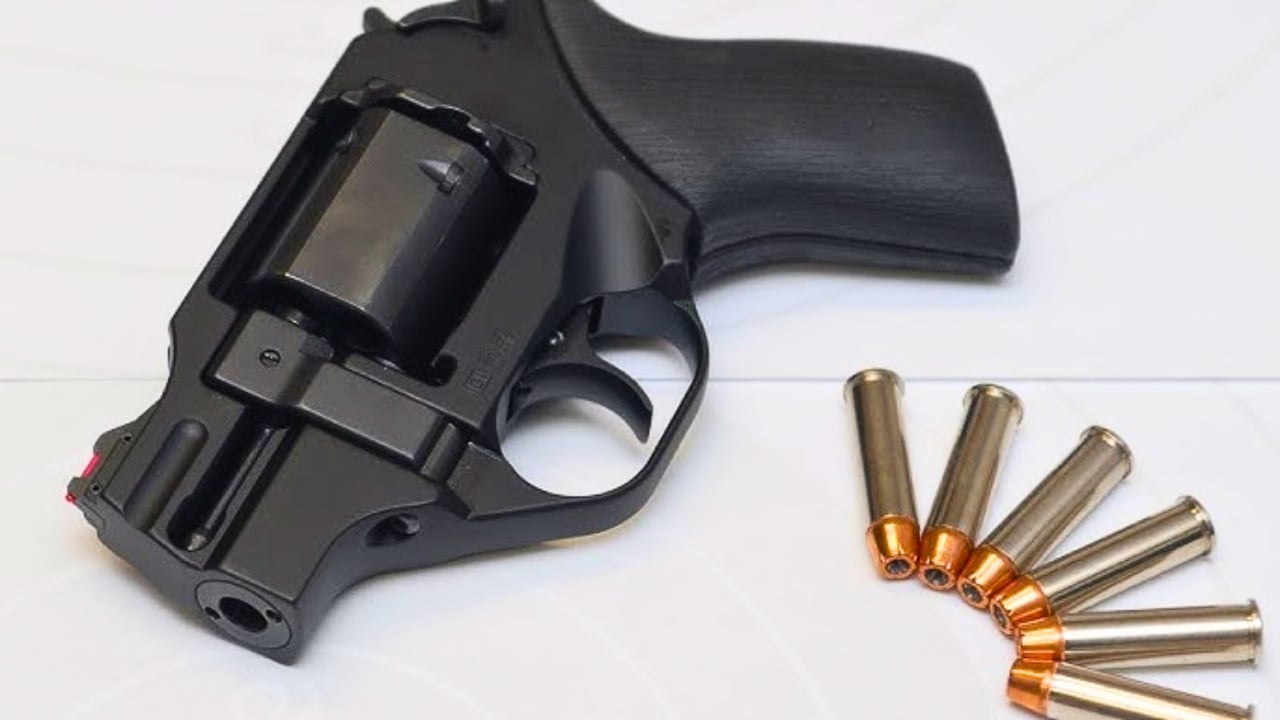
Chiappa Rhino 20DS
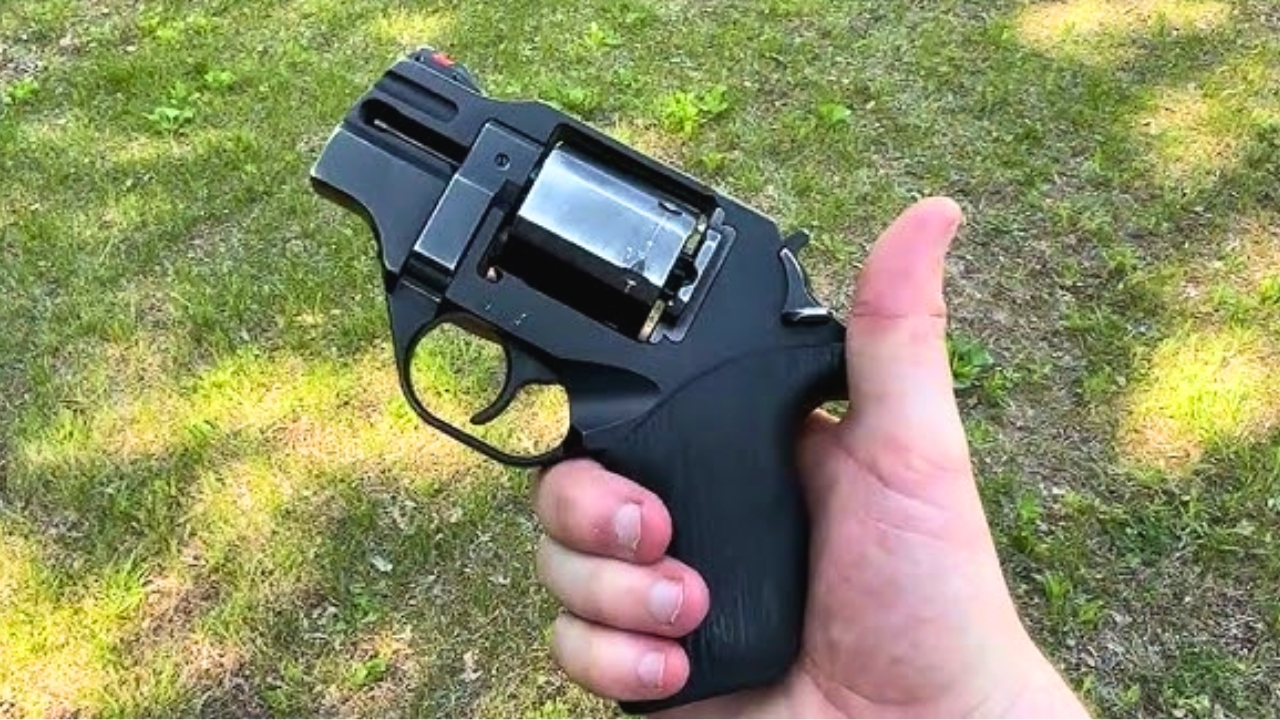
The Chiappa Rhino 20DS is one of the coolest-looking revolvers on the market. The low bore axis, flat-sided frame, and futuristic profile make it stand out immediately. It also really does change how recoil feels, which makes the design more than pure styling.
Still, some buyers regret it because the whole package is so unusual. The controls are different, the look is polarizing, holster support is not as easy as mainstream revolvers, and the price is high. It solves one problem while adding quirks of its own. For some owners, the novelty is not enough to make it a favorite.
KelTec PMR-30

The KelTec PMR-30 is extremely tempting. Thirty rounds of .22 WMR in a lightweight pistol sounds like pure fun, and the futuristic look only adds to the appeal. It is one of those guns that seems like it should be an instant range favorite.
The regret comes when expectations meet rimfire reality. The pistol can be ammo-sensitive, the muzzle blast is loud, and .22 WMR is not as cheap as .22 LR. It is fun when it runs well, but some buyers find it more finicky than they hoped. The idea is fantastic, but the ownership experience can be mixed.
Century Arms VSKA

The Century Arms VSKA attracts buyers because it offers the AK look without the cost of more respected imports or higher-end builds. For someone who wants a 7.62×39 rifle with classic AK style, the price can be tempting. It looks the part well enough to make people consider it.
Regret usually comes from wishing they had saved more money. AK buyers tend to care a lot about long-term durability, parts quality, and trust. When a rifle has a debated reputation, that doubt can follow the owner every time they shoot it. A cheaper AK only feels cheap once. A better AK usually feels better for years.
Auto-Ordnance Thompson 1927A1
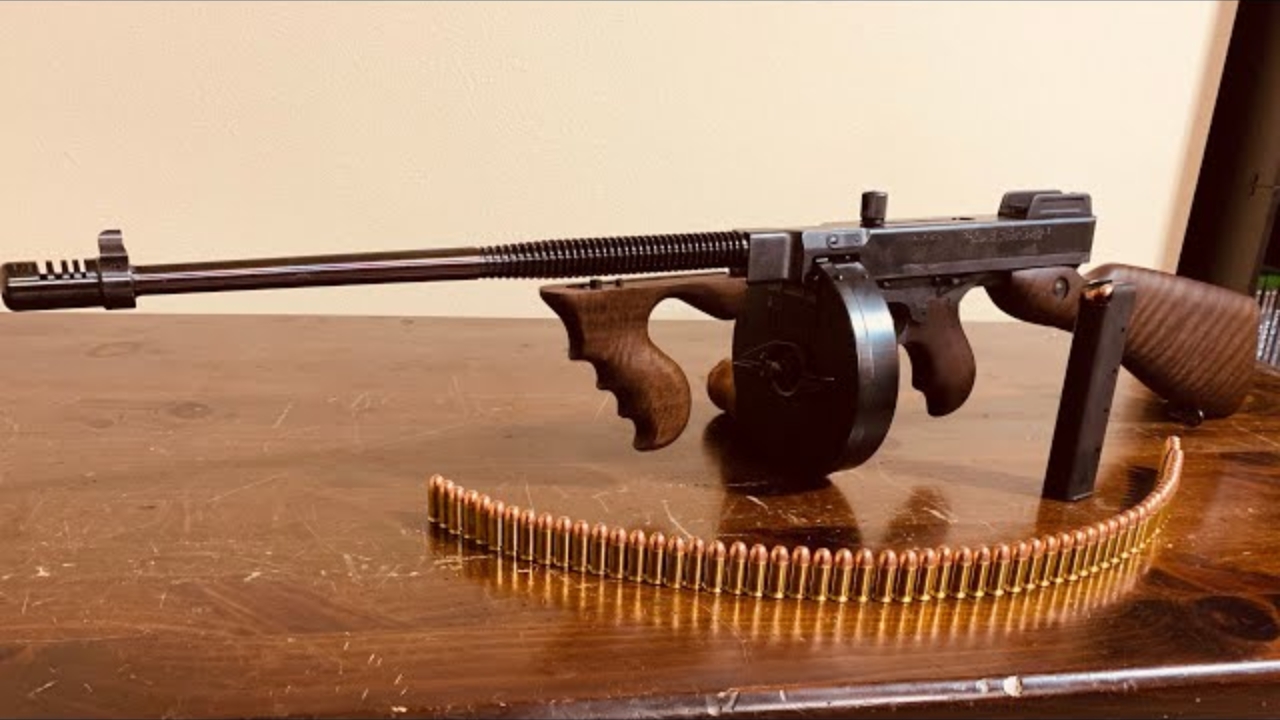
The Thompson 1927A1 is a dream gun for people who grew up seeing Tommy guns in movies and history books. It has the wood, the drum-magazine image, the .45 ACP chambering, and the classic profile. Few guns have more instant personality.
The problem is that it is heavy, expensive, and awkward compared with modern pistol-caliber carbines. The semi-auto version gives you the look without the full-auto experience that made the original famous. After the novelty wears off, many owners realize they bought a display piece that is only occasionally fun to shoot.
ATI Omni Hybrid AR-15

The ATI Omni Hybrid AR-15 is tempting because it gets buyers into an AR-style rifle at a low price. It looks like the platform everyone wants, accepts familiar magazines, and seems like a shortcut into the AR world. For a first-time buyer, that can be enough.
The regret often starts after handling better rifles. The polymer-heavy construction, basic trigger, budget furniture, and overall feel remind shooters where the savings came from. It may function for casual use, but AR-15s are common enough that spending a little more usually gets a much better rifle. Cheap entry points can become expensive lessons.
Winchester SXP Defender

The Winchester SXP Defender feels like a smart budget defensive shotgun at first. It is light, affordable, and the pump action has that fast assisted feel Winchester likes to advertise. For someone wanting a simple home-defense shotgun, it seems to check the boxes.
After shooting full-power buckshot or slugs, some buyers start second-guessing it. The light weight makes recoil sharper, the furniture is basic, and the gun does not always feel as smooth or solid as better-established pumps. It works, but many people eventually wish they had bought a Mossberg 500, 590, or older Remington 870 instead.
SCCY CPX-2

The SCCY CPX-2 is easy to buy because the price is low and the size makes sense for carry. It gives people a compact 9mm without asking for much money. For a first carry gun, that can be very tempting.
The regret comes from actually training with it. The long trigger, snappy recoil, and blocky grip make it harder to shoot well than many new owners expect. It may fill a budget role, but many buyers quickly start looking for something with a better trigger and better range manners. Cheap carry guns are not always cheap if they get replaced fast.
Rock Island Armory VR80

The Rock Island Armory VR80 looks like a shotgun built for pure fun. An AR-style semi-auto 12 gauge with detachable magazines, rails, and a big tactical profile is hard not to notice. It makes a regular pump shotgun look boring.
The problem is that mag-fed shotguns are not always as convenient as people imagine. They can be bulky, ammo-sensitive, and awkward to handle compared with traditional shotguns. The magazines are large, the gun is heavy, and the novelty can fade quickly. A lot of buyers realize they wanted the look more than the reality.
Rossi Circuit Judge
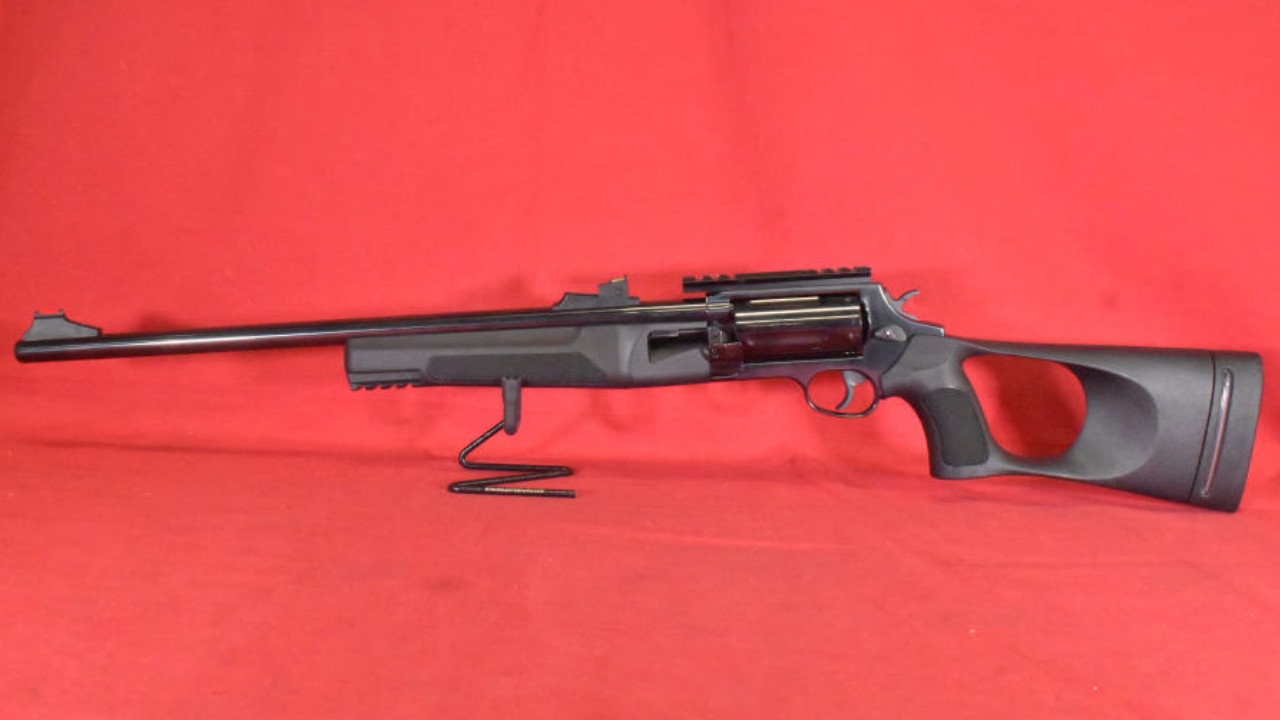
The Rossi Circuit Judge takes the Taurus Judge idea and stretches it into a revolving carbine. That alone makes it interesting. A shoulder-fired gun that can run .45 Colt and .410 shells sounds versatile, unusual, and fun enough to justify a closer look.
But many owners find that it does not do any one job especially well. It is not as handy as a normal shotgun, not as capable as a proper rifle, and not as simple as a basic carbine. The cylinder gap also makes the shooting experience different from what some buyers expect. It is a conversation starter, but not always a keeper.
Like The Avid Outdoorsman’s content? Be sure to follow us.
Here’s more from us: