Photo credit: Bryant Ridge Co./GunBroker
Some rifles earn their place in history through innovation, others through brute reliability, and a few by changing how soldiers fight altogether. The rifles on this list didn’t make their names in brochures or trade shows — they proved themselves under real pressure, in real conflict zones, across climates that destroy gear fast. These rifles shaped doctrine, influenced future designs, and earned reputations that stuck long after they left frontline service.
To keep this list fresh, we’re focusing on rifles that don’t usually dominate the spotlight but still left undeniable marks on military history. They’re rugged, important, widely deployed, or technically groundbreaking. Most importantly, they stood out where it mattered — on the battlefield.
1. MAS-36

The MAS-36 made its reputation the hard way, serving in North Africa, Europe, and Southeast Asia under brutal conditions that punished every piece of equipment. Troops liked it because it was simple, compact, and tough enough to keep running even with limited cleaning supplies. The forward bolt handle and short overall length made it faster and more manageable than many rifles of its era, especially in tight terrain or chaotic fighting.
What makes the MAS-36 iconic is how it continued showing up in conflicts decades after its supposed retirement. Countries with limited resources kept issuing it because it refused to die. It didn’t get the same attention as American or British rifles, but it earned deep respect from anyone who carried one into rough conditions.
2. Arisaka Type 99
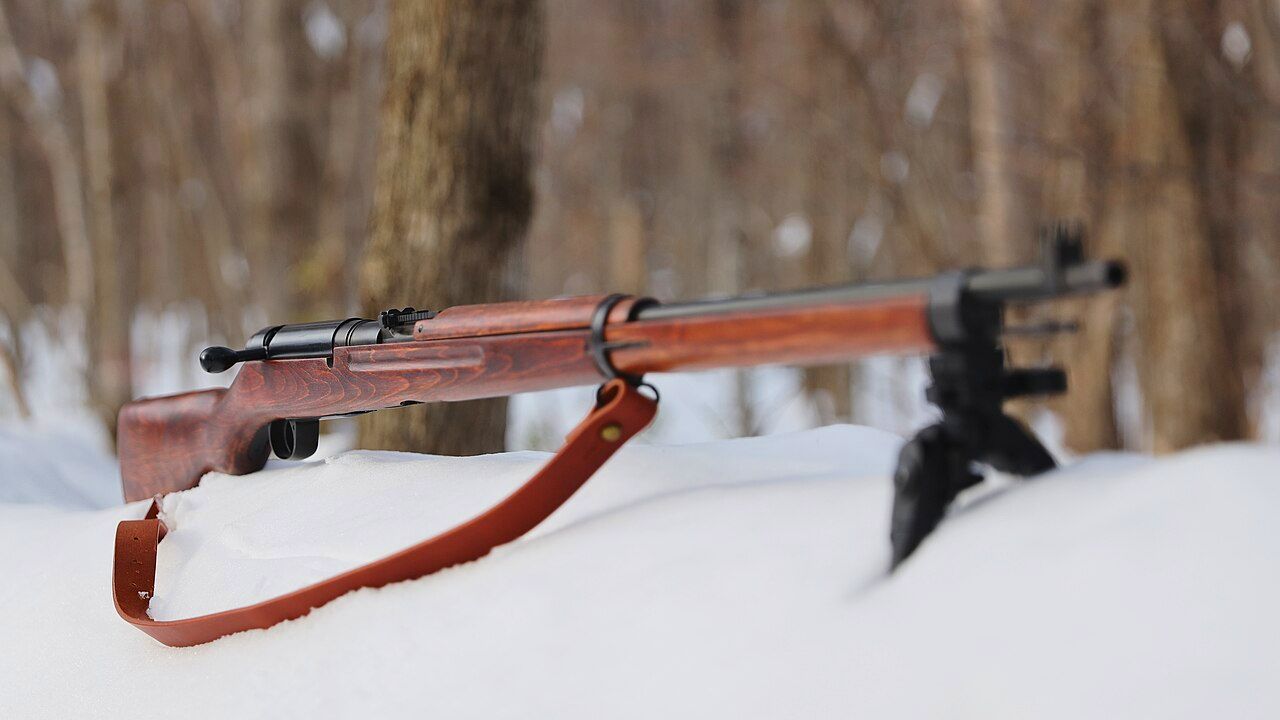
The Arisaka Type 99 is widely considered one of the strongest bolt-action military rifles ever made. Japanese engineers designed it to survive the extreme humidity, volcanic terrain, and temperature swings of the Pacific theater, and its chrome-lined bore helped keep it accurate even with minimal maintenance. Soldiers appreciated that it stayed reliable in conditions that turned other rifles into rusted problems.
Its iconic status comes from its sheer toughness. Even late-war examples — often built under rushed circumstances — retained a reputation for strength and consistency. The Type 99 wasn’t glamorous, but it was engineered for survival, and that’s why it continues to be respected by collectors and historians today.
3. FN FAL Para
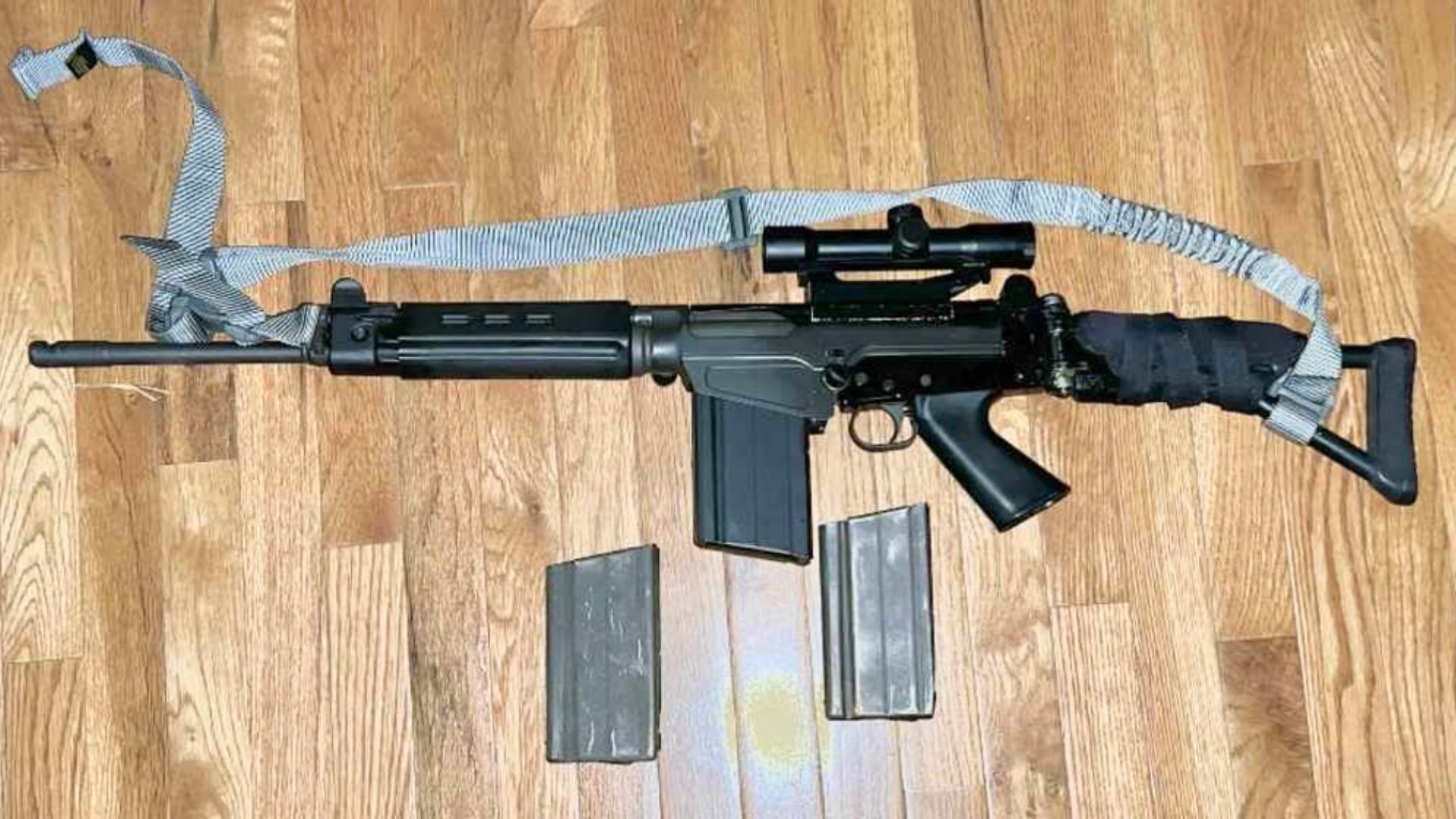
The FN FAL is famous, but the Para model earned its own place in history by giving airborne and mechanized troops a .308 rifle that wasn’t bulky or awkward. The folding stock and short gas system made it easier to deploy from vehicles, aircraft, or tight terrain, while still delivering the same dependable performance the FAL was known for.
The Para became iconic because it proved that a full-power battle rifle could be compact without turning into a recoil nightmare. Troops liked how adjustable the system was, which allowed them to tune it for different ammo and conditions. It stayed in service for decades and influenced how designers approached compact battle rifles.
4. Steyr AUG A1

When the Steyr AUG A1 arrived, it looked like something from a sci-fi movie — but it backed up the looks with reliability and forward-thinking engineering. Its bullpup layout gave soldiers a shorter rifle without losing barrel length or velocity. The integrated optic and quick-change barrel system were far ahead of their time and set a new standard for modular design.
Its place in history comes from proving that unconventional layouts can succeed in real combat. Many futuristic rifles fail when exposed to dirt, sand, and harsh weather. The AUG didn’t. It became a workhorse for militaries around the world and remains one of the most influential bullpup rifles ever issued.
5. Vz. 58
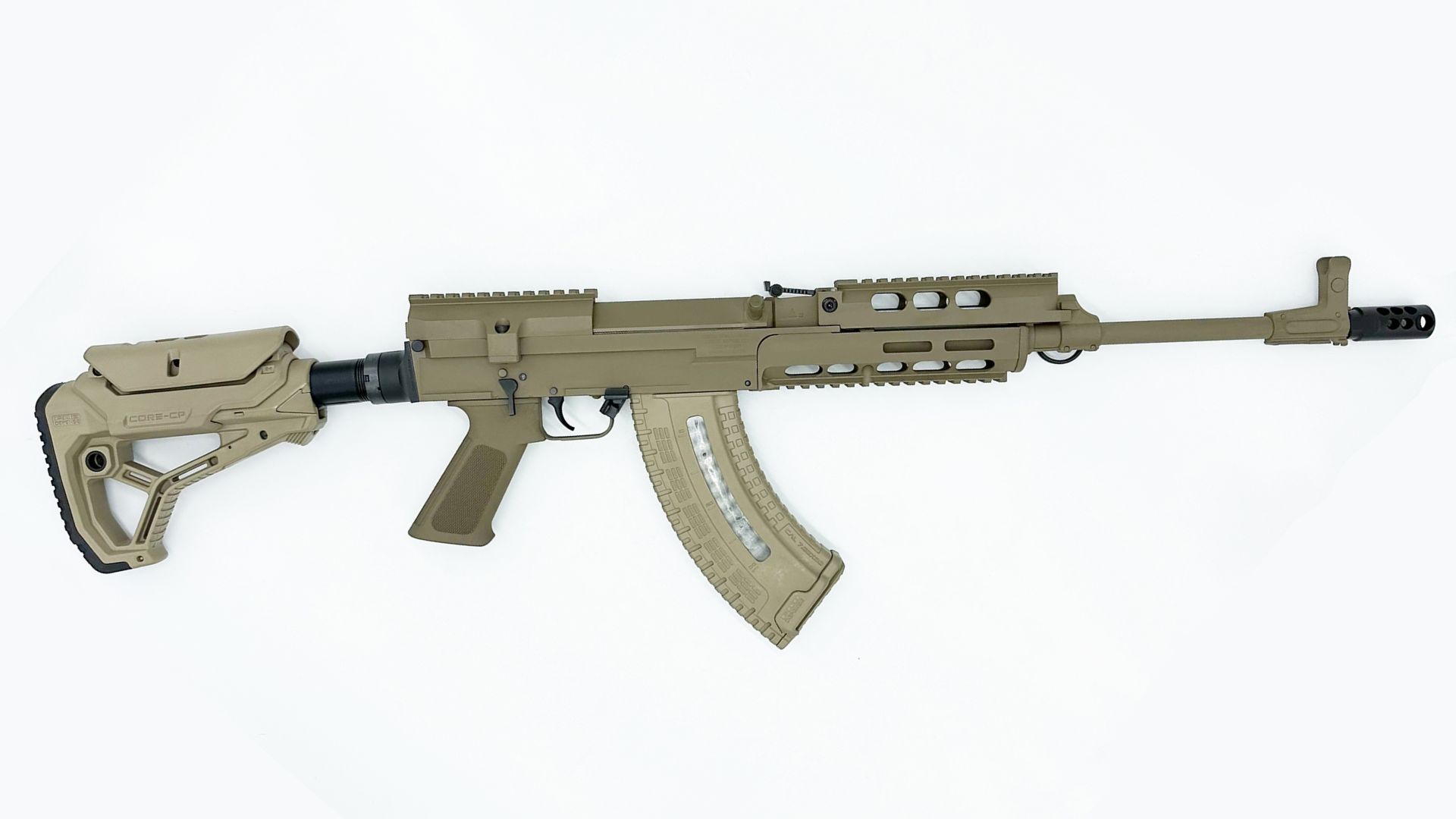
The Vz. 58 often gets lumped in with the AK, but it is a completely different rifle with its own operating system and personality. Czech designers built a lighter, smoother-handling rifle that fed the same ammo but felt more agile in the hands. Troops liked the controllable recoil and quick handling, especially during rapid transitions between targets.
Its iconic status comes from outperforming expectations in environments that punished lesser rifles. The Vz. 58 proved that you didn’t need to copy the AK to match its reliability. It delivered rugged performance with better ergonomics, earning a loyal following among soldiers and later among shooters who recognized how refined the design really was.
6. Beretta BM59
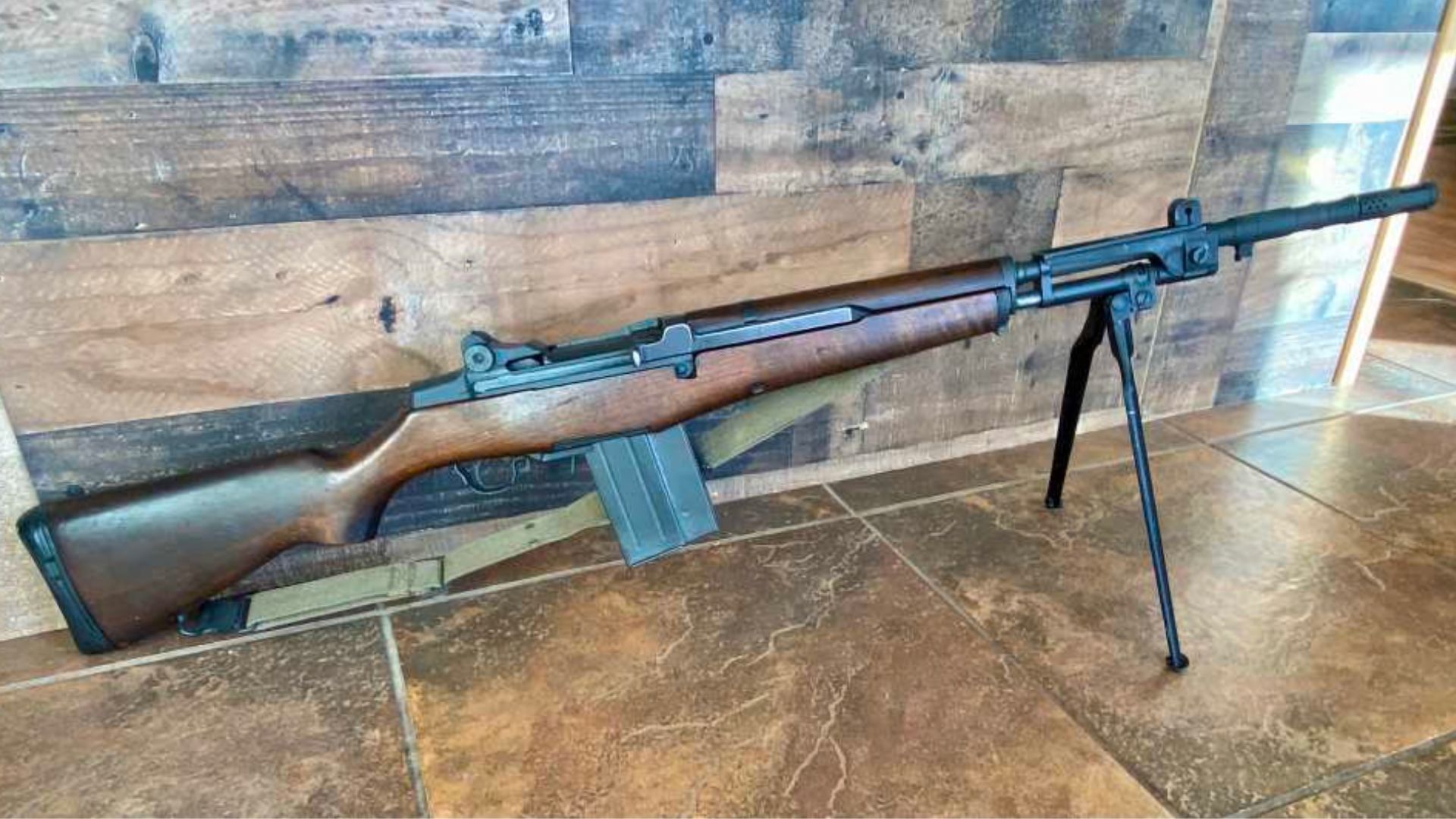
The Beretta BM59 bridged two eras by taking the proven M1 Garand foundation and modernizing it with a detachable magazine, improved gas system, and recoil-taming muzzle device. This gave soldiers a .308 rifle that handled better than most full-power rifles of its time, especially during automatic fire or sustained bursts.
Its legacy comes from showing that older designs could be successfully updated without sacrificing reliability. The BM59 found success in mountainous and jungle terrain, proving its flexibility and durability. While it didn’t achieve the global spread of the FAL or G3, it shaped how nations modernized existing rifles rather than starting from scratch.
7. Howa Type 64
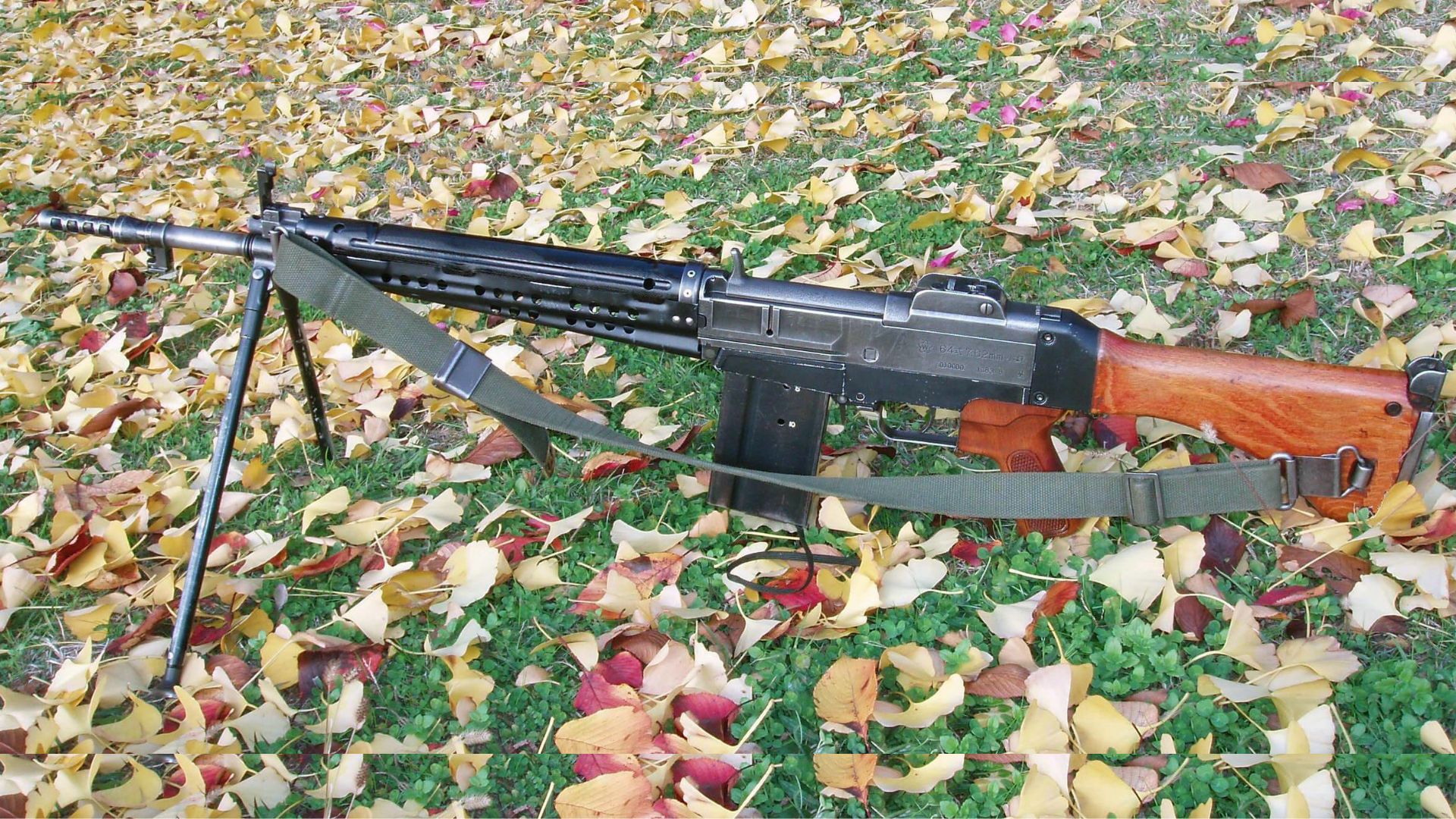
Japan’s Type 64 doesn’t get much attention outside military circles, but it’s one of the most thoughtfully engineered post-war rifles. Designed around a lower-pressure 7.62×51 round, it allowed for more controllable automatic fire and smoother recoil while still offering effective range. Troops considered it accurate, dependable, and well-built, reflecting Japan’s emphasis on quality machining.
Its historical importance comes from how tailored it was to the needs of Japan’s Self-Defense Forces. Instead of copying foreign designs, engineers built a rifle that matched their doctrine and environment. It influenced later Japanese firearms and showed how national requirements can drive unique and effective solutions.
8. SIG SG 510 (Stgw 57)
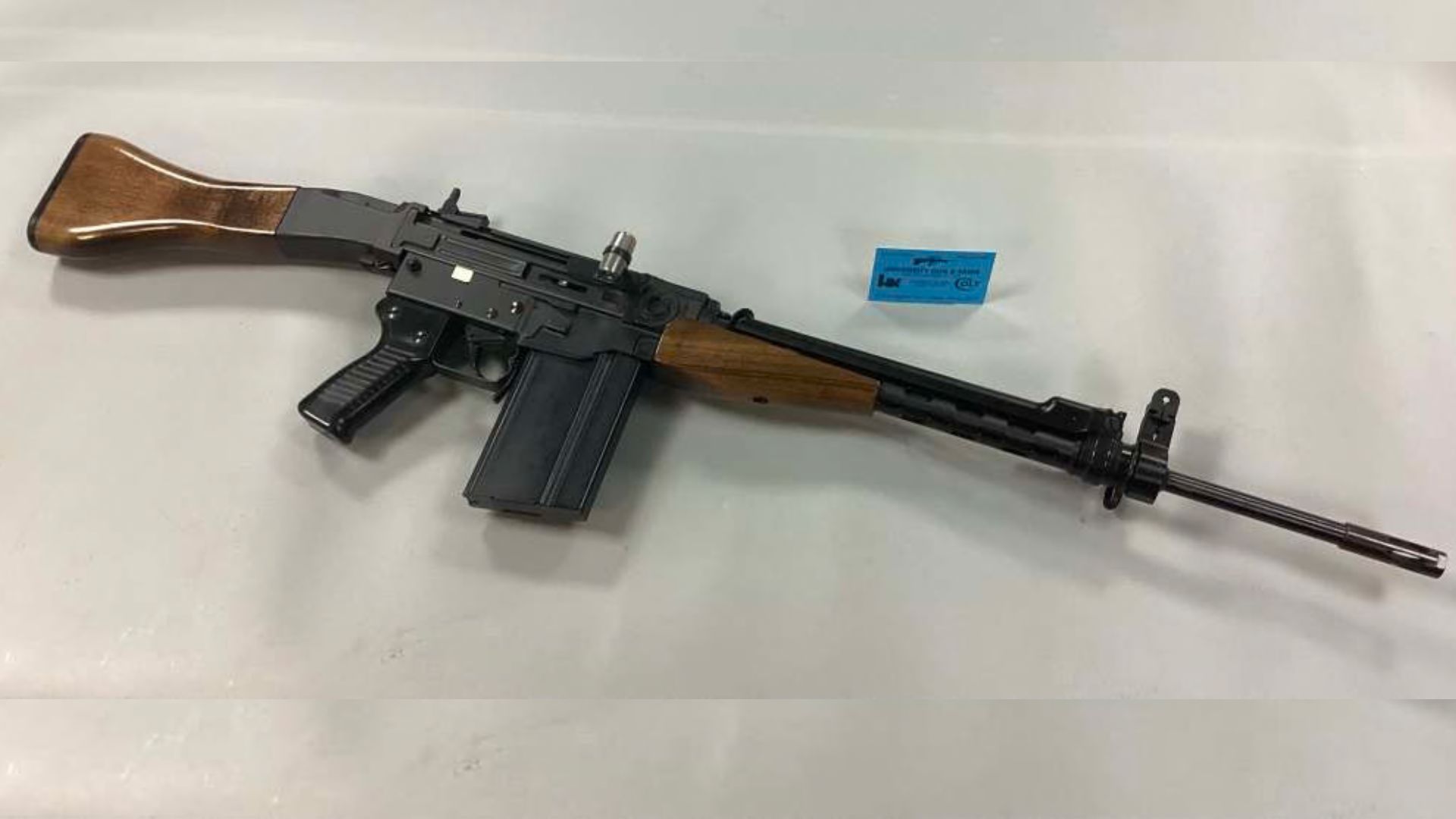
The SG 510 is one of the most overbuilt rifles to ever see military service. Swiss designers valued precision and durability above all else, resulting in a roller-delayed rifle that worked flawlessly in freezing alpine conditions. It was heavy and long, but soldiers trusted it because it always functioned, even when ice and snow clogged other weapons.
Its iconic status comes from excellence in a specific environment. The SG 510 wasn’t perfect for tight quarters or rapid movement, but it excelled in mountainous terrain where reliability could mean life or death. Its engineering influenced later Swiss rifles and helped define Switzerland’s approach to infantry weapons.
9. FN Model 1949
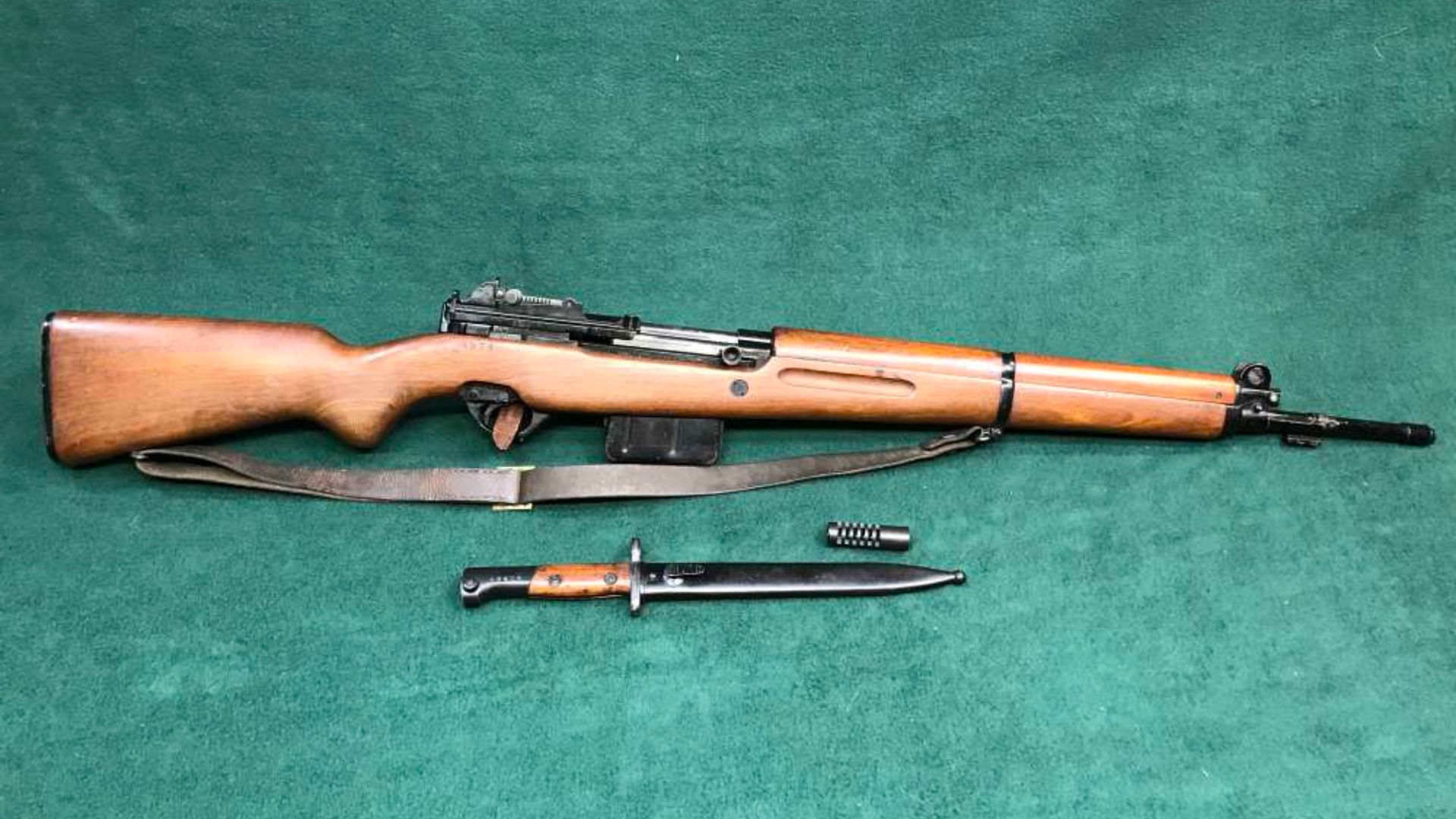
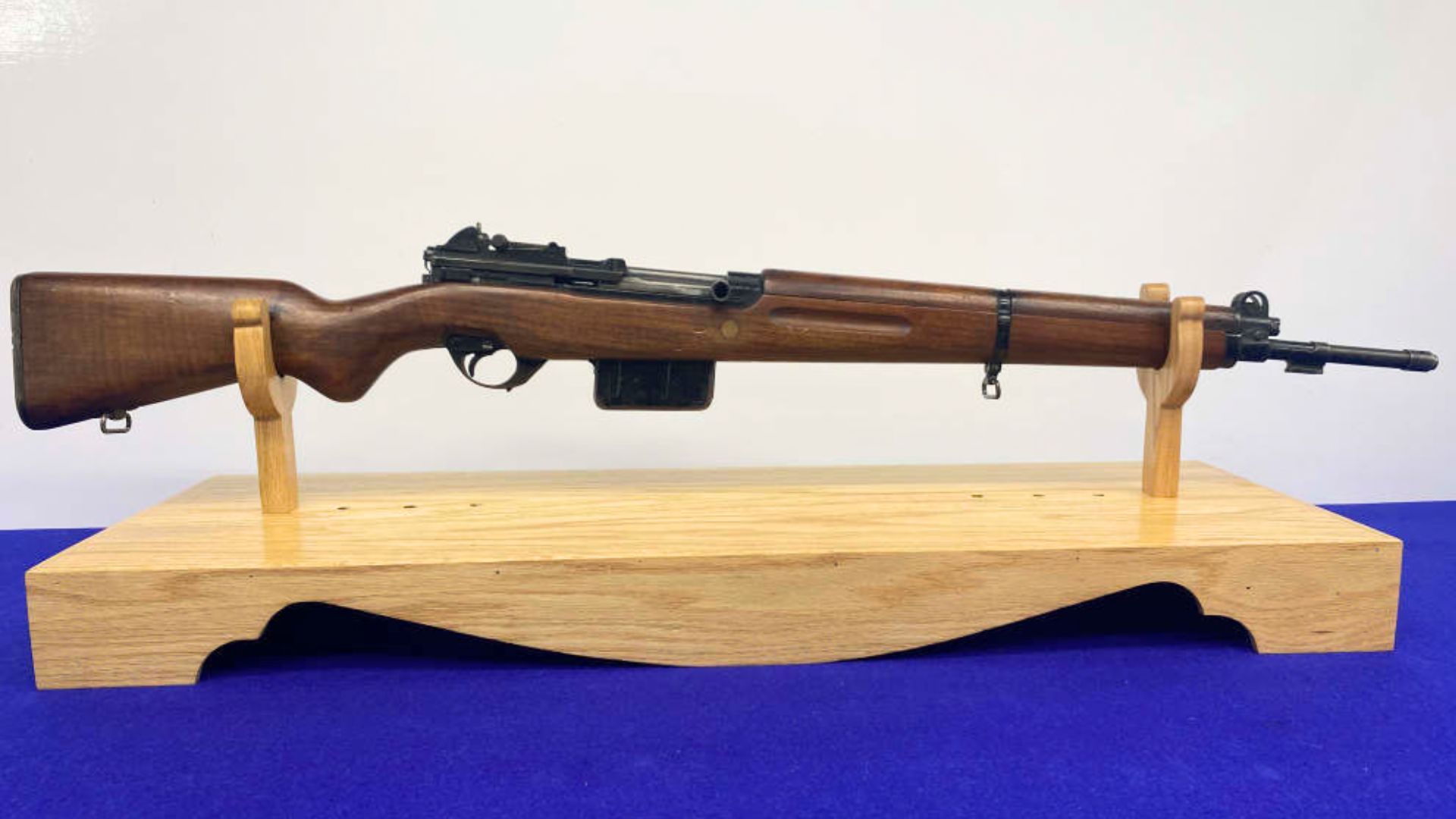
The FN-49 was a major step forward in the transition from bolt-action rifles to semi-automatic service weapons. It provided better rate of fire, consistent accuracy, and reliable performance in rough conditions across multiple continents. Nations customized their versions, which highlights how versatile the platform was.
Its historical importance lies in how it shaped military thinking about firepower and fatigue. The FN-49 proved that semi-autos could serve reliably without the mechanical headaches that plagued earlier designs. While overshadowed by the later FAL, it laid the groundwork for modern infantry rifles.
10. AN-94 Abakan
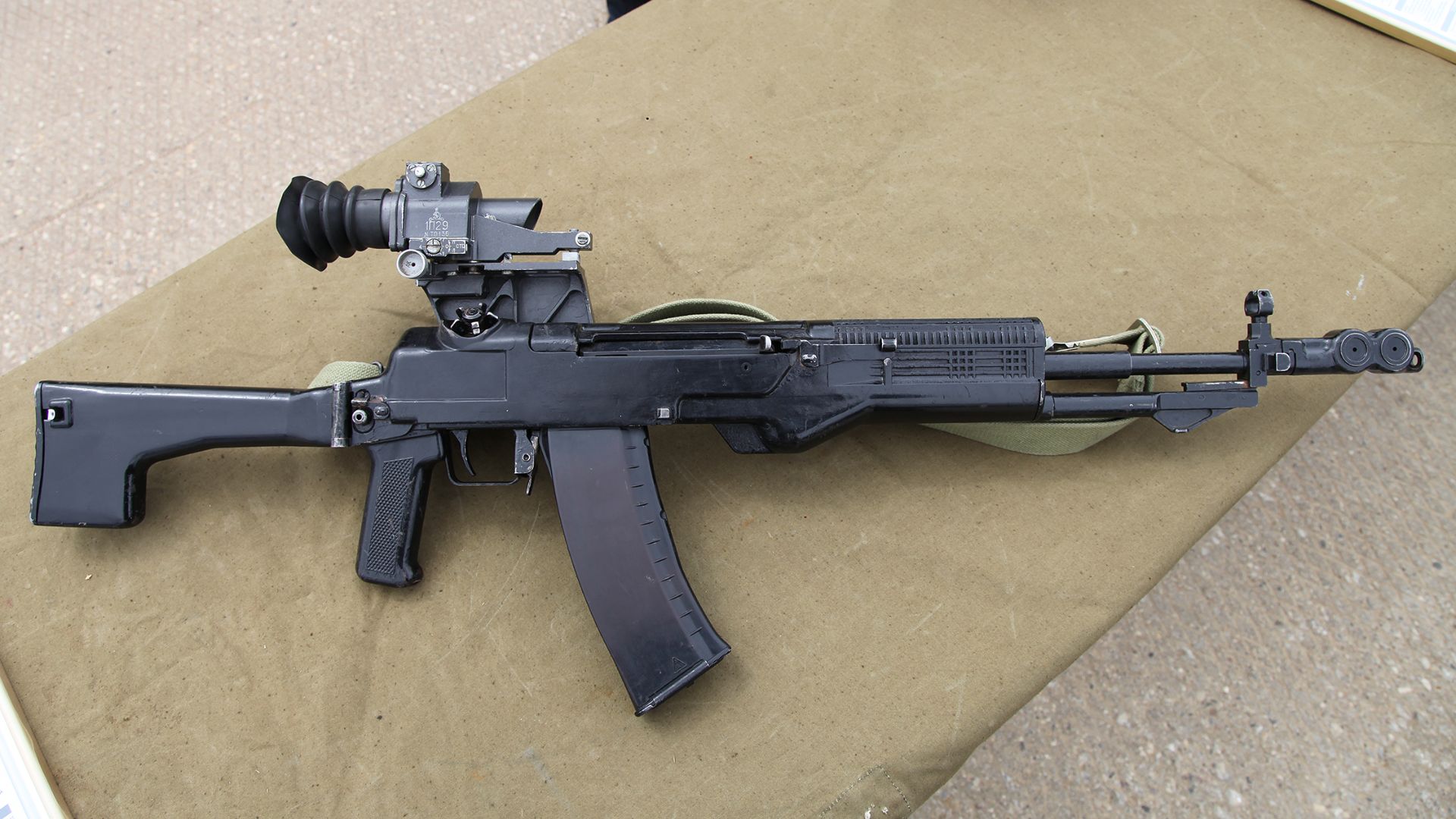
Russia’s AN-94 is one of the most ambitious infantry rifles ever developed, using a complex mechanism to fire two rounds so quickly that recoil doesn’t affect the second shot. In theory, this improved hit probability during the first instant of an engagement. In practice, it was difficult to maintain, expensive, and hard for troops to master.
Its legacy comes from pushing the boundaries of recoil control and burst accuracy. Even though it never replaced the AK series, it influenced how engineers thought about mechanical solutions for accuracy under stress. The AN-94 remains iconic because of its engineering boldness, not because of widespread adoption.
11. Hakim Rifle
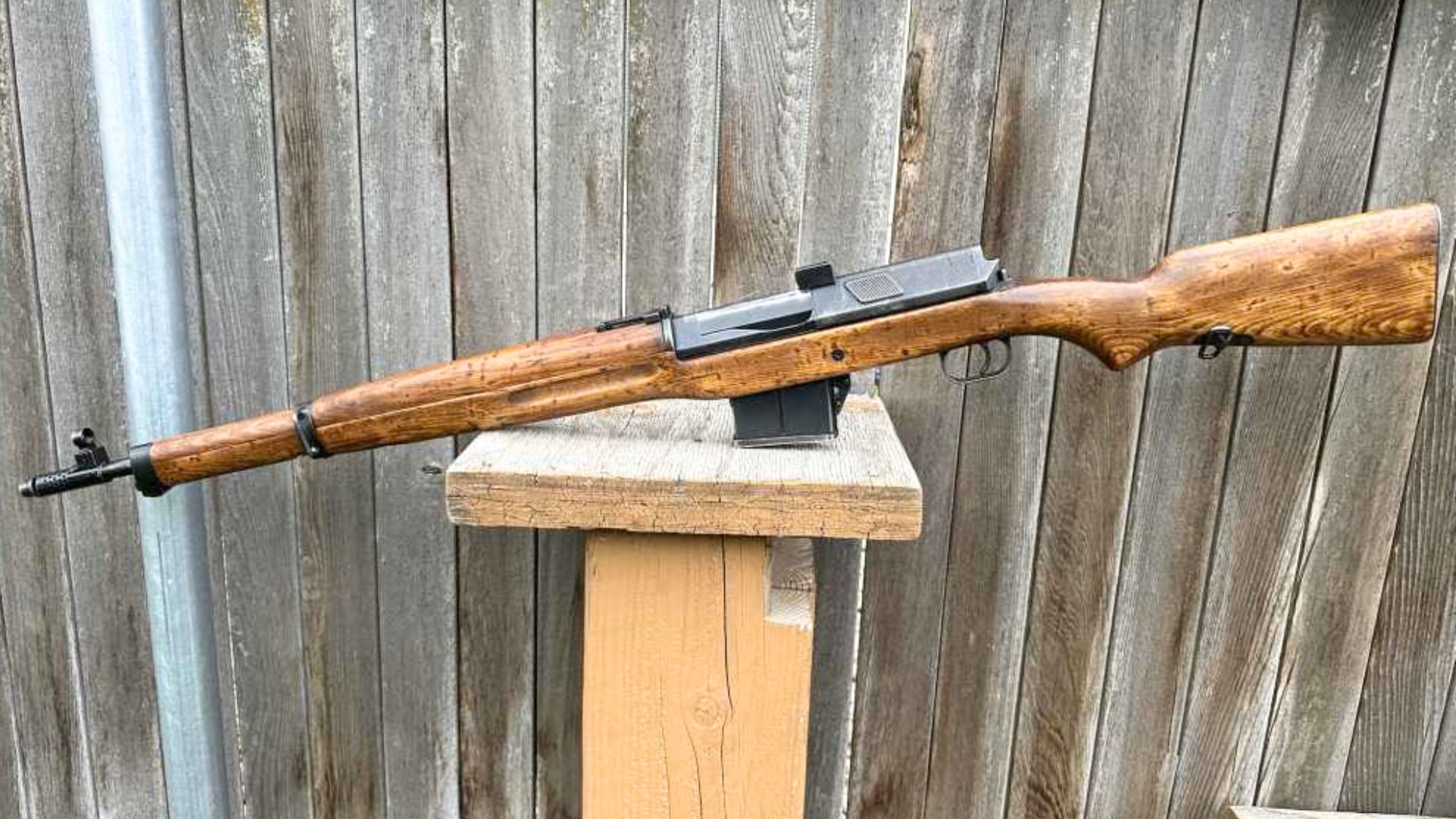
Egypt’s Hakim rifle, derived from the Swedish AG-42, earned its reputation by delivering strong semi-auto performance with an adjustable gas system that let soldiers tune the rifle for different ammo and environmental conditions. This made it more flexible than many rifles of its era, especially in sandy desert terrain where fouling could cripple less adaptable designs.
Its significance comes from how well it served a military that needed reliability in brutally hot, dusty climates. The Hakim showed that a foreign design could be adapted successfully for harsh regional conditions. It also helped inform later Middle Eastern small-arms development, giving it a quiet but lasting influence.
12. SIG SG 540
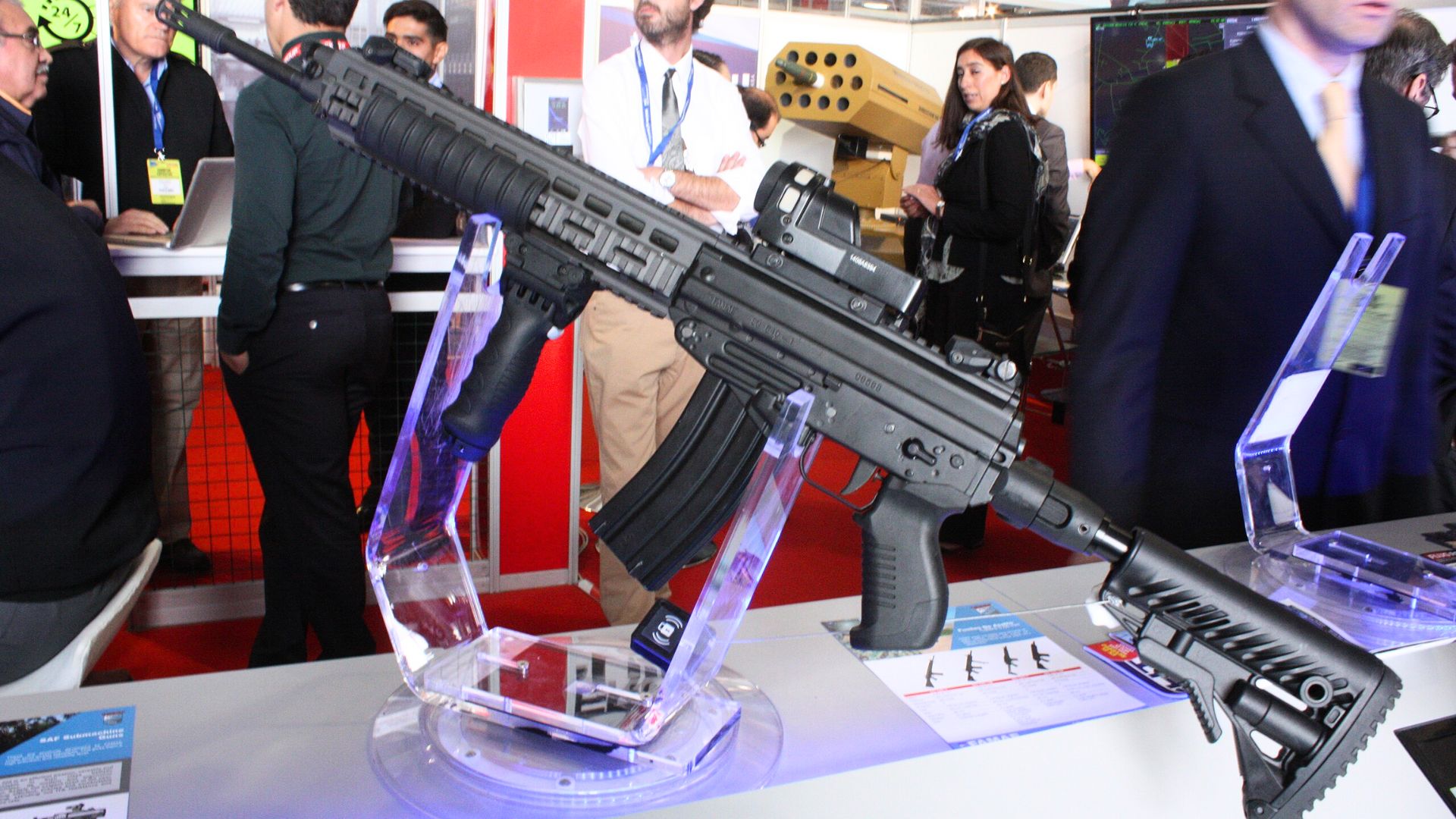
The SG 540 never reached the fame of its successor, the SG 550, but it was a milestone in SIG’s transition to modern small-caliber rifles. It introduced a cleaner-running gas system, better ergonomics, and lighter weight compared to earlier Swiss rifles. Soldiers liked its balance and how manageable it felt during sustained fire.
Its role in history comes from how it shaped later Swiss designs and influenced rifles adopted in South America and parts of Africa. The SG 540 proved that reliability and modern handling could go hand-in-hand, and it paved the way for rifles that became far more well-known.
13. CETME Modelo C
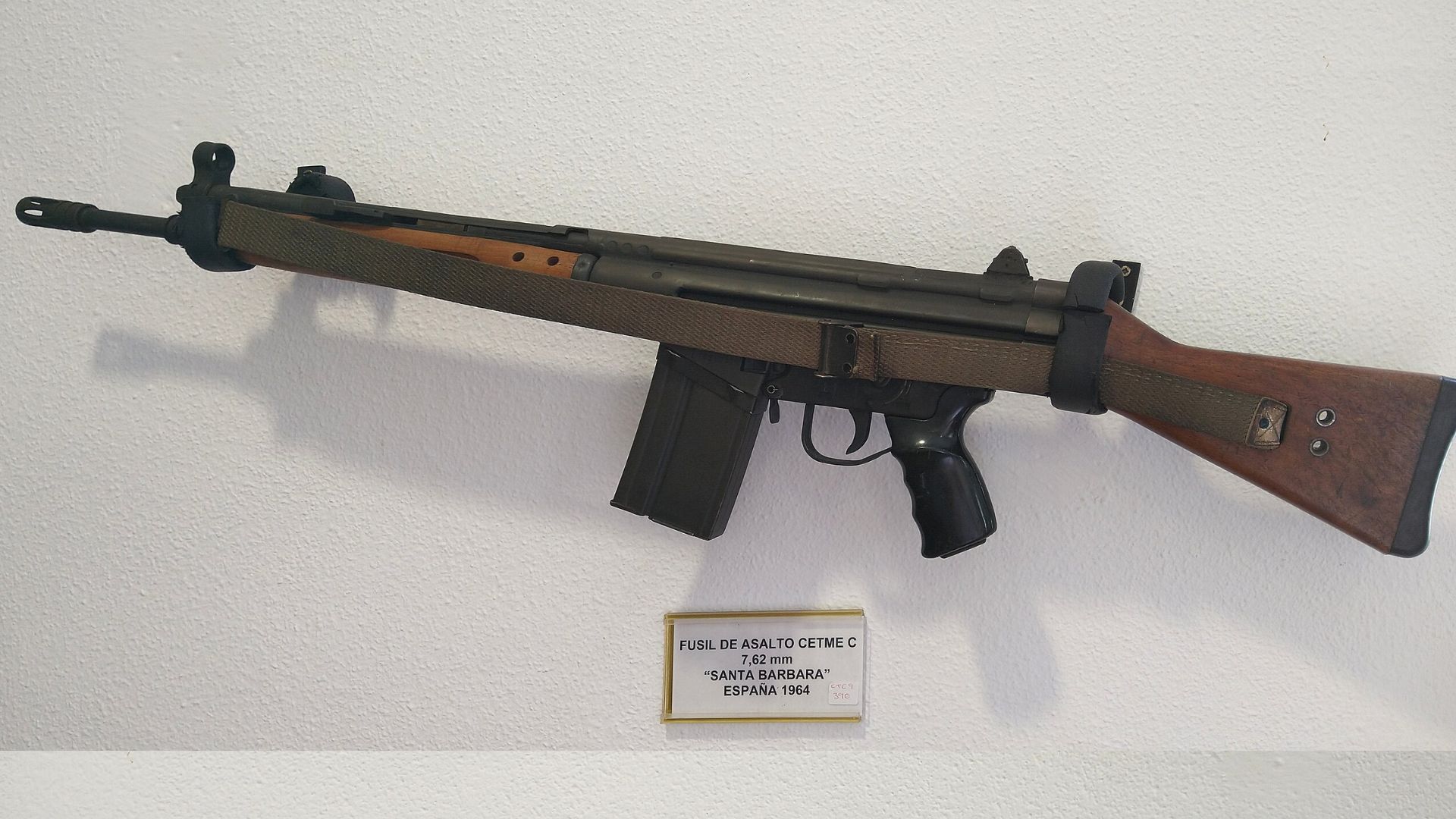
Spain’s CETME C played a huge role in the development of the later G3, but it has its own distinct legacy. Its lightweight stamped construction and roller-delayed action gave troops a durable, accurate rifle that performed well in varied climates. It delivered battle-rifle power without excessive weight, which appealed to soldiers who had to carry it on long marches.
Its historical importance comes from how its engineering informed one of the most widely adopted rifles in the world. Without the CETME C, the G3 wouldn’t exist in its familiar form. Even on its own, it proved to be reliable, accurate, and well-suited to Spain’s military needs.
14. Steyr StG 58
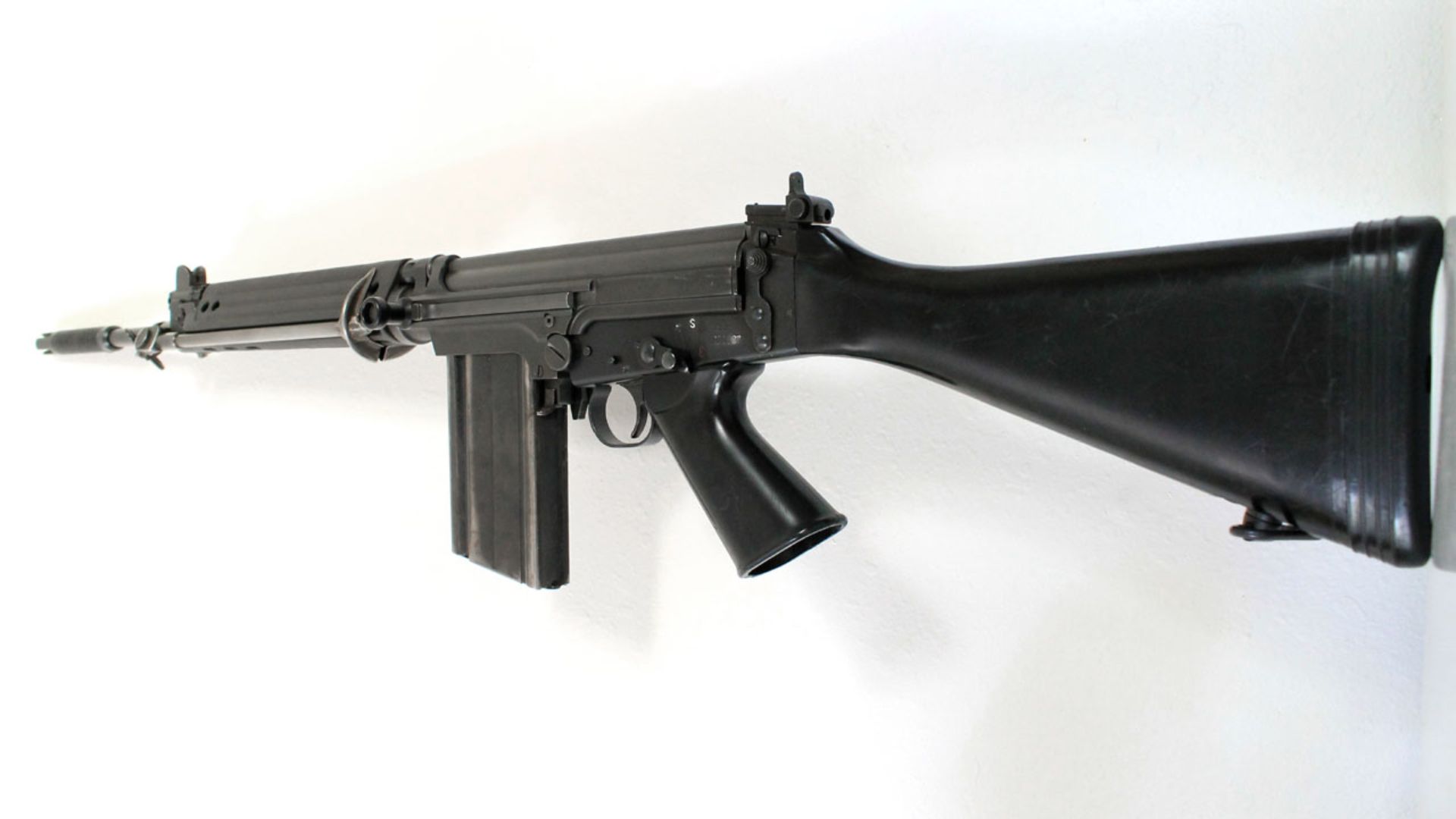
Austria’s StG 58 offered a refined take on the FN FAL, using high-quality components that delivered excellent accuracy and long-term durability. Troops appreciated the robust metal handguard, improved sights, and stable bipod, which made it more capable in mountainous and cold environments compared to some other FAL variants.
Its iconic status comes from how well it represented the strengths of the FAL platform while adding regional improvements. The StG 58 served for decades and held its reputation for being reliable and accurate in alpine terrain. It helped reinforce the FAL’s status as one of the most respected battle rifles of its era.
15. Chinese Type 81
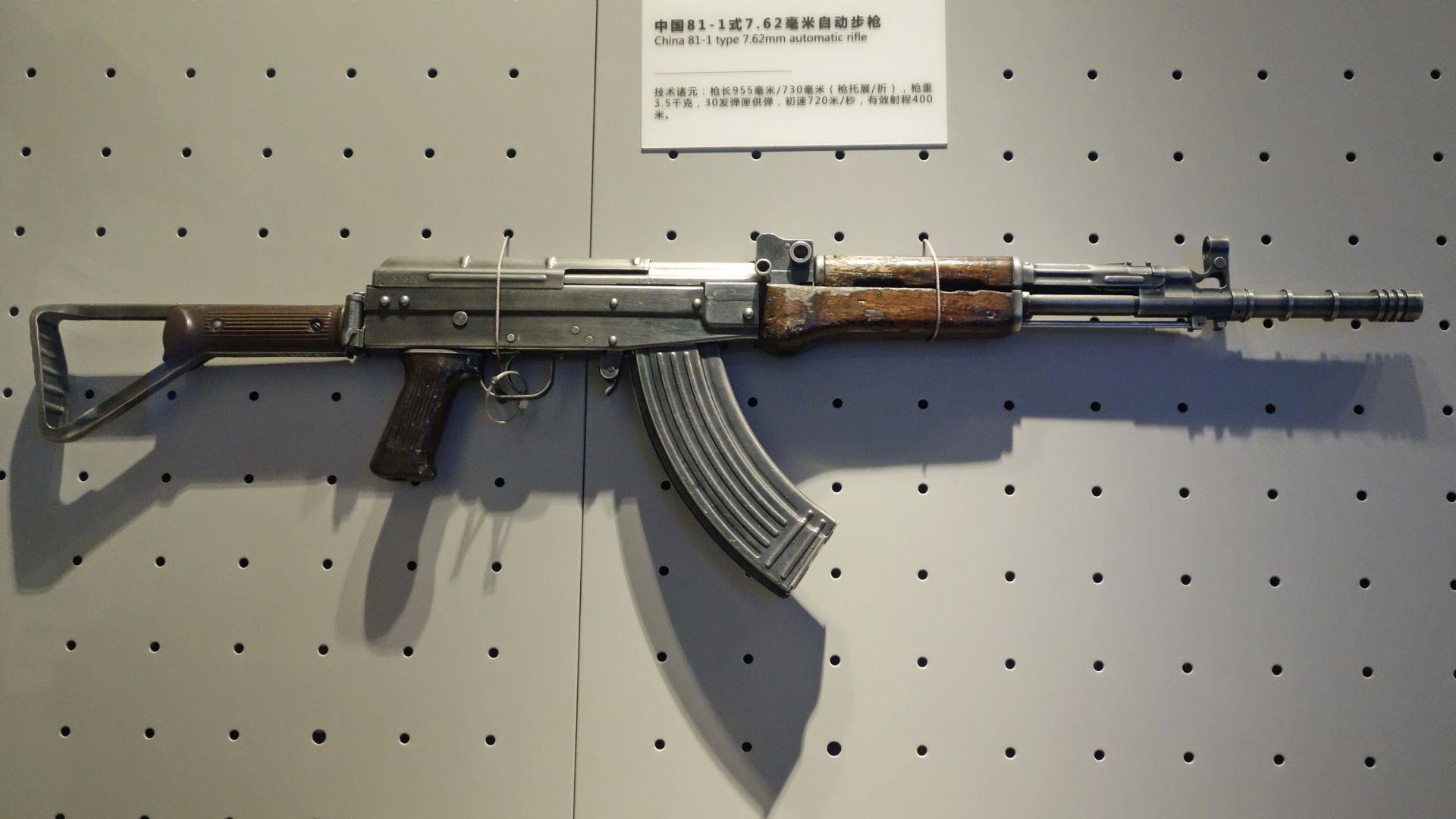
The Type 81 blended features of the SKS and AK, resulting in a rifle that handled recoil well and delivered consistent accuracy without losing the rugged reliability China needed for diverse terrain. Its updated gas system reduced muzzle rise, and troops found it more controllable during automatic fire than earlier Chinese rifles.
Its influence comes from how widely it was exported and how effectively it performed across climates ranging from jungle to desert. The Type 81 showed that incremental improvements to proven platforms could produce a rifle that served reliably for decades. It became iconic not because it was groundbreaking, but because it quietly did everything well.
Like The Avid Outdoorsman’s content? Subscribe to our newsletter so you never miss an article.
Here’s more from us: