Photo credit: Leeshypooh/Pixabay.com
A lot of people step onto the coast with their guard down. Something about open water, salt air, and vacation energy makes folks think danger is farther out than it really is. They picture big dramatic threats offshore and forget about what is underfoot, tucked in the shallows, buried in sand, hanging under docks, drifting in the wash, or sitting still enough to look harmless until the exact wrong second. Coastal country has a way of punishing carelessness fast, and it does not always take a giant animal to do it.
That is the part people miss. You do not need some once-in-a-lifetime attack story for your day to get wrecked. Sometimes all it takes is one step, one grab, one misplaced hand, one dog charging into the shallows, or one barefoot mistake around rocks and pilings. Pain comes fast near the coast. So do cuts, punctures, stings, infections, and panic. Here are 15 coastal animals that can ruin your day in seconds.
Stingrays
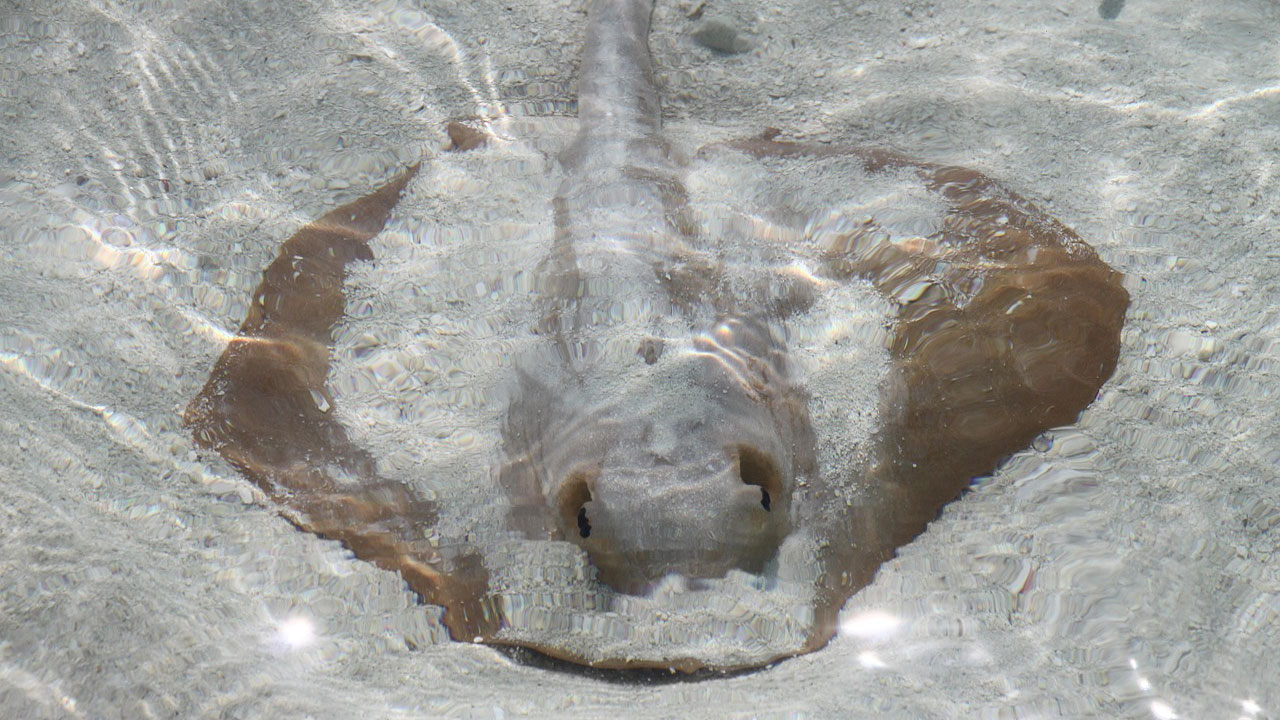
Stingrays are probably one of the clearest examples of a coastal animal that hurts people fast without ever looking aggressive. They spend a lot of time buried in sand in shallow water where swimmers and waders step without thinking. Then one wrong foot comes down, the ray reacts defensively, and suddenly you are dealing with a puncture that feels way bigger than “just stepped on something.” People tend to focus on the tail spine, but what really catches them off guard is how fast the whole day changes after that one second.
The pain from a stingray hit can be brutal, and if the puncture is deep or in a bad location, things get more serious in a hurry. Add saltwater, bacteria, distance from help, and the fact that people are often far from stable footing when it happens, and it turns into a mess fast. This is one of those animals that does not chase you, does not hunt you, and still lands on every smart coastal-danger list for a reason.
Jellyfish
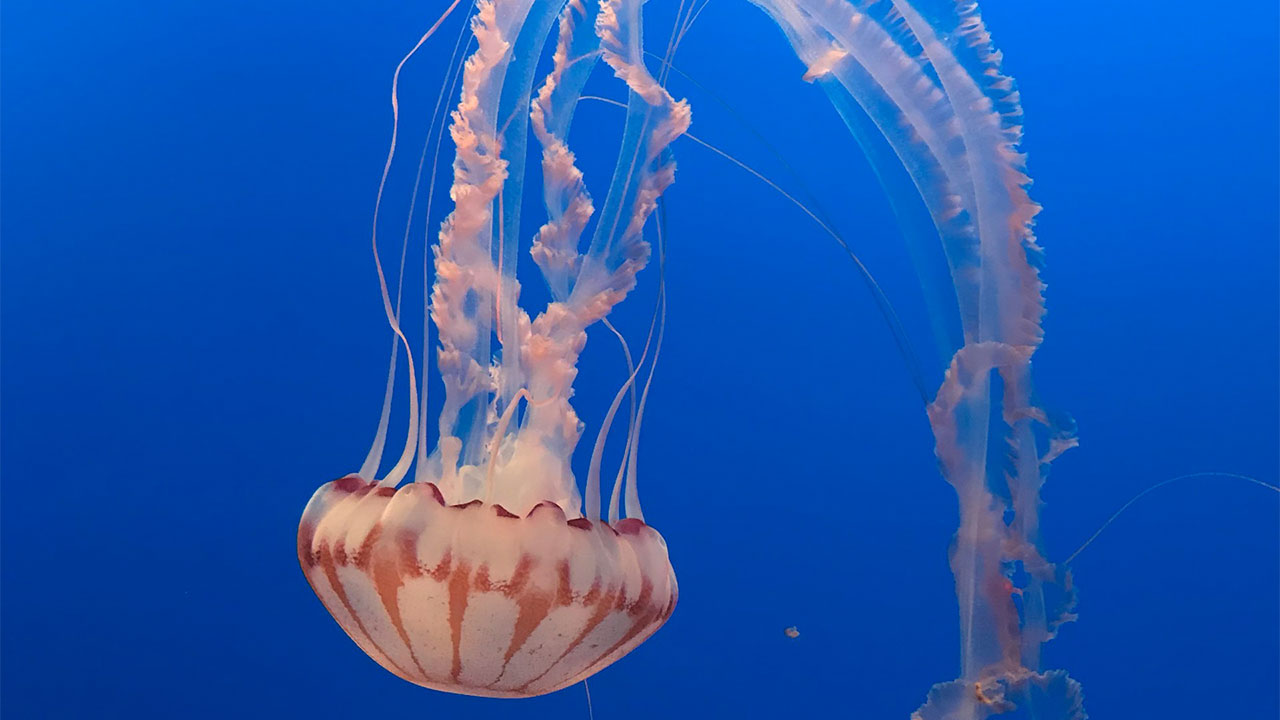
Jellyfish look almost harmless until you are the one getting lit up by one. A lot of beachgoers treat them like soft, drifting blobs until tentacles make contact and the skin starts burning. Depending on the species, the sting may be mild and miserable or severe enough to send somebody into real distress, especially a child, somebody with a bad reaction, or anyone who gets hit across a big enough area. The coast does not care that the animal looks slow and passive. Contact is all it takes.
What makes jellyfish such a problem is how easy they are to miss. Some are small, some are clear, some are broken up in the surf, and some are still capable of stinging after washing ashore. Dogs, kids, and barefoot adults all get into trouble because they assume “washed up” means harmless. It does not. A jellyfish can ruin a beach day in one brush of the leg, one grab by a curious kid, or one bad swim through water you thought looked perfectly fine.
Portuguese man o’ war
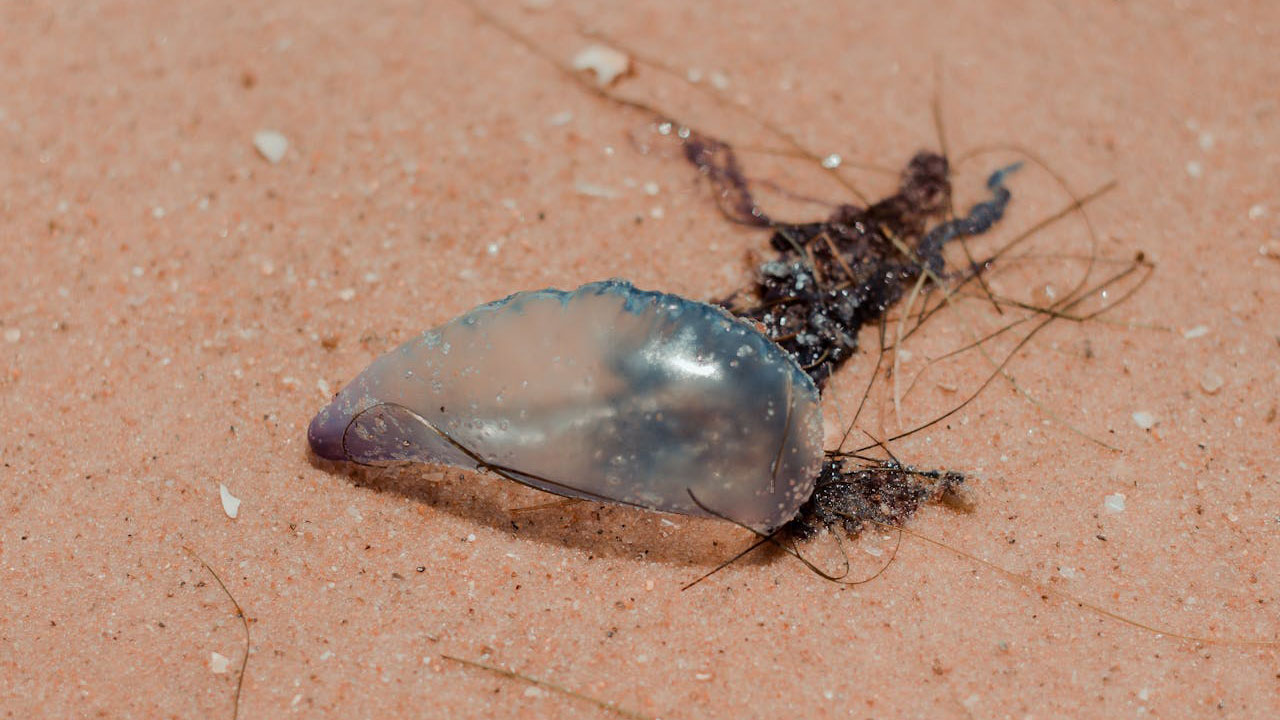
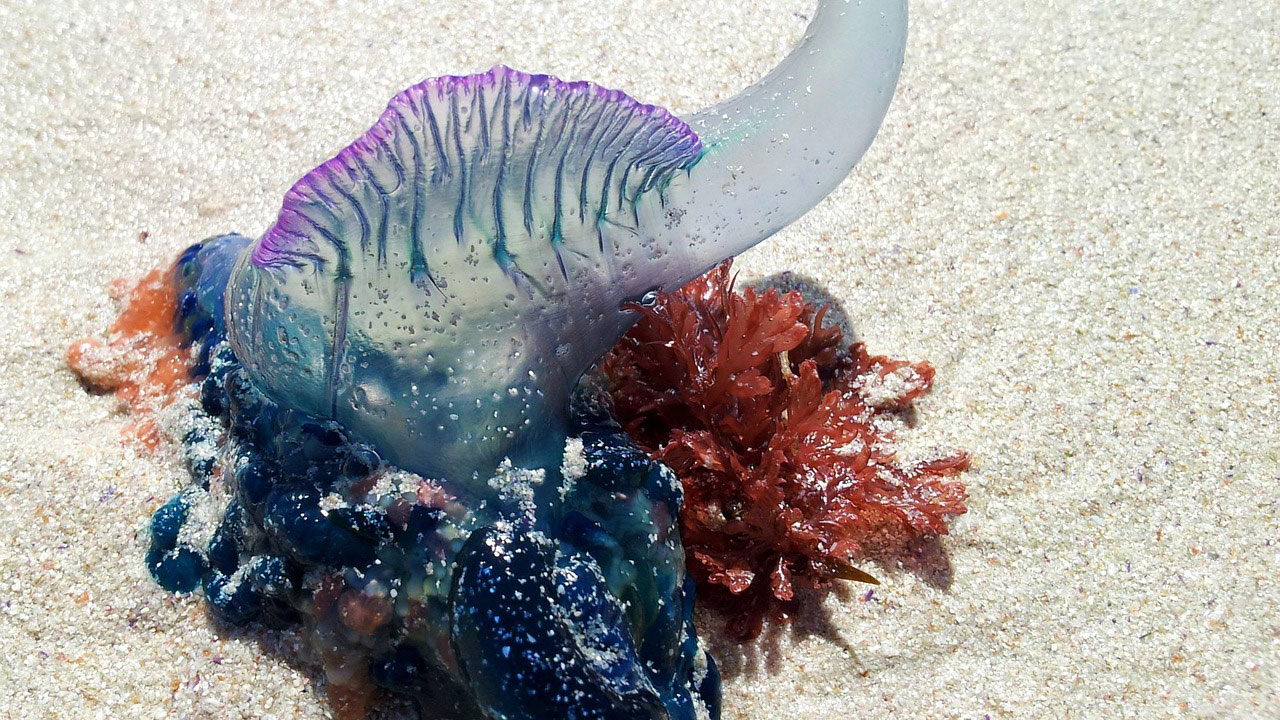
A Portuguese man o’ war is not exactly the same thing as a jellyfish, but for the person getting hit, that distinction does not make the experience any more fun. These things float like weird little blue-purple balloons and look almost too strange to take seriously. That is a bad mistake. Their tentacles can deliver an extremely painful sting, and even detached pieces can still hurt you. People get tagged while swimming, walking the beach, or trying to poke at one because it looks dead and harmless.
This is the kind of coastal animal that punishes curiosity immediately. A lot of beach injuries happen because someone did not know what they were looking at and got too close. Dogs are especially bad about this. They sniff, mouth, or paw at washed-up man o’ wars and pay for it instantly. Around the coast, weird and beautiful often deserves more caution, not less, and this one is a perfect example.
Sea urchins
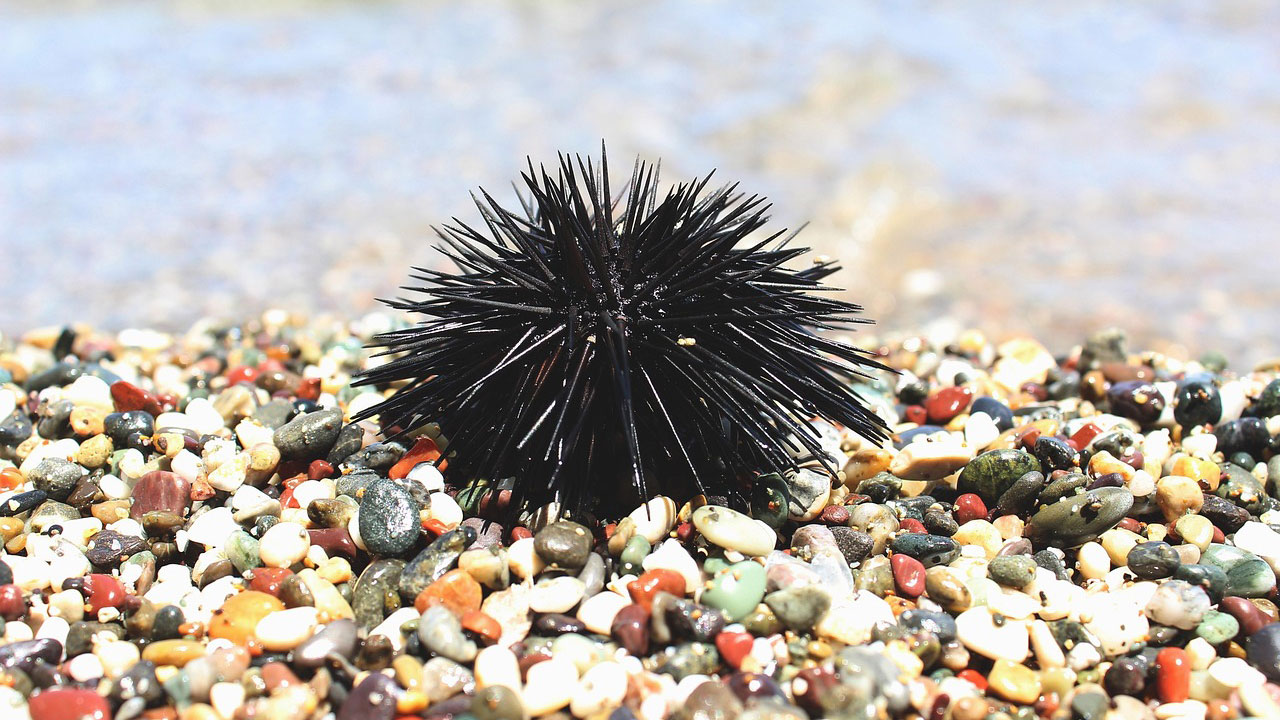
Sea urchins do not have to chase anybody to make a memory you do not want. They sit where they sit, usually around rocks, reefs, tide pools, and rough underwater footing, and then somebody steps wrong, slips, or reaches where they cannot fully see. Those spines go in fast, break easily, and turn a simple beach or snorkeling trip into a painful extraction project in a hurry. The injury may not look dramatic from far away, but it is the kind of pain that gets your attention immediately.
The real trouble comes from location and cleanup. Feet, hands, ankles, and knees are common targets, and if multiple spines go in or pieces remain, the problem lingers. Infection and inflammation can keep the day bad long after the first contact. Urchins are a good reminder that coastal danger is often about where you put your weight. One wrong shift on slick rocks is all it takes to learn that lesson the hard way.
Stonefish

Stonefish are one of the nastiest examples of an animal that wins by not looking like an animal at all. They blend into rocks and seabed so well that people step near them, brush them, or place a hand down without ever realizing what they are touching. Then the venom does the introducing. A stonefish sting is famous for a reason. It can be extremely painful and serious fast, and in the wrong setting it can become a full medical emergency in a hurry.
Most folks on U.S. coasts are not dealing with stonefish every day, but in areas where they are present, they deserve serious respect. They are the perfect coastal trap: hard to spot, easy to contact, and brutal once triggered. They do not need to be big, fast, or dramatic. They just need you to misread the ground beneath you. That is all coastal danger really needs most of the time anyway.
Lionfish
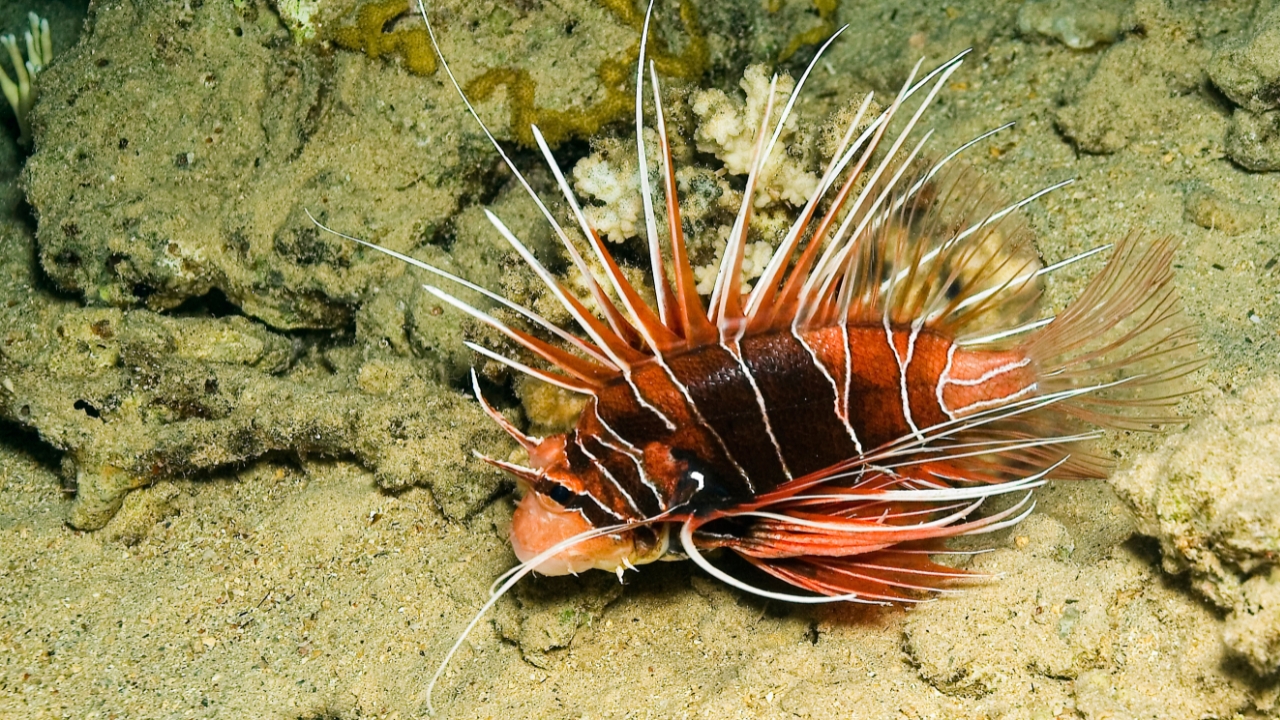
Lionfish look almost decorative, which is part of the problem. Their fins and stripes make them look more like something you should photograph than something you should handle carefully. But the spines are venomous, and a sting can cause intense pain, swelling, and a fast end to whatever diving, snorkeling, or fishing plans you had. People get hit while handling catches, cleaning gear, or getting too casual around reef fish they do not know well enough.
They are also a problem because they show up where people are already off their guard. Reefs, warm shallows, piers, and marine environments that feel scenic and easy can still hold an animal that makes one sloppy grab a bad idea. A lionfish is a great example of why pretty water and pretty animals should not lull anybody into thinking coastal wildlife is gentle by default.
Sharks

Sharks get the headlines, sure, but they also belong on the list because even the non-headline encounters can go bad incredibly fast. A shark does not need to be some giant movie monster to wreck your day. One bite from the wrong species in the wrong place can mean severe lacerations, massive blood loss, panic, and a brutal rush to get out of the water. Most sharks are not looking to hunt people, but that does not change how fast a mistaken or defensive bite can turn serious.
What makes sharks so different from a lot of other coastal animals is the environment. In the water, your balance, visibility, and control are already compromised. Add blood, fear, surf, and distance from shore, and even a single bite becomes a major emergency fast. The actual odds may be low compared to rays or jellyfish, but when it does happen, the timeline from normal afternoon to life-threatening situation is brutally short.
Barracuda

Barracuda do not get talked about enough outside fishing circles, but they can absolutely ruin a coastal outing if things line up wrong. They are fast, aggressive-looking fish with serious teeth, and while they do not usually go around attacking people unprovoked, they are more than capable of biting hard if startled, attracted to flash, or confused by motion in the water. Spearfishers and swimmers wearing shiny jewelry sometimes learn that lesson faster than they wanted to.
Even a quick strike can open somebody up badly. Teeth matter, and barracuda have plenty of them. This is one of those animals where the danger comes partly from speed. A lot of coastal threats give you some chance to notice them first. Barracuda can go from “there’s a fish over there” to “that was way too close” in almost no time, which is exactly why they deserve respect.
Blue-ringed octopus
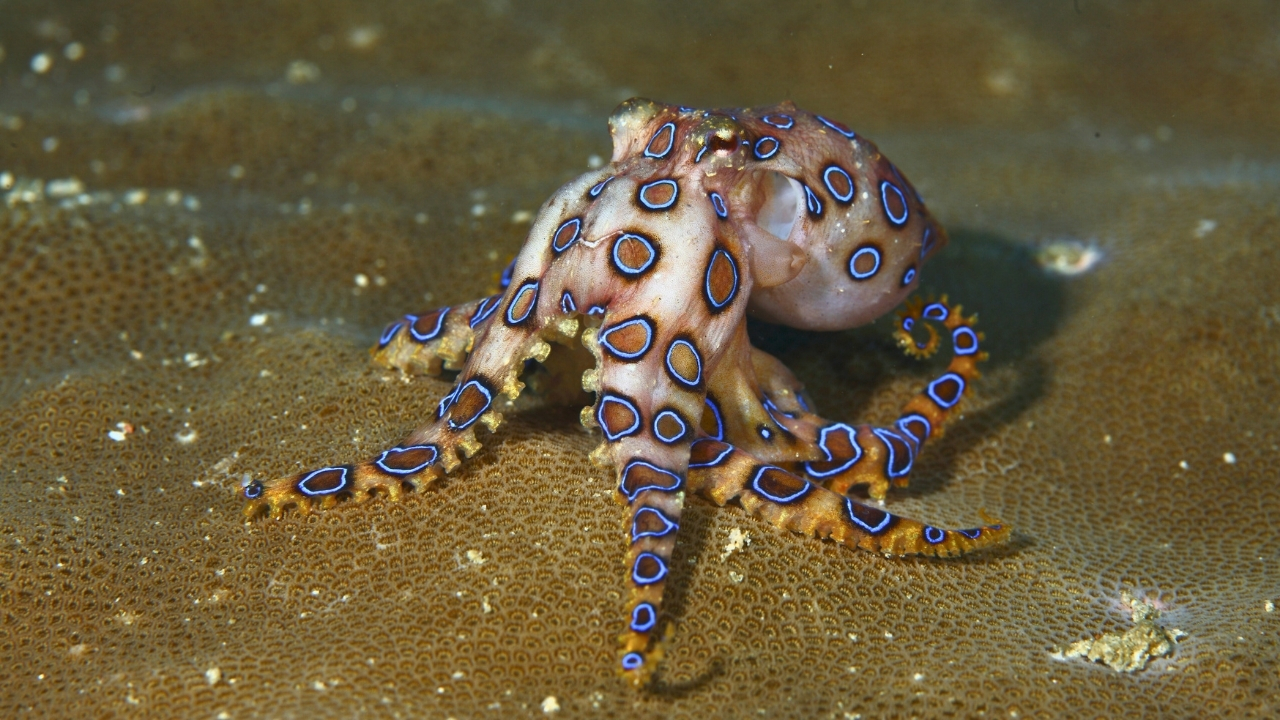
The blue-ringed octopus is tiny, beautiful, and a perfect argument for not touching strange things in tide pools or along rocky coasts. When those bright blue rings show, that is not decoration. That is a warning. Its bite can deliver potent venom, and because the animal is small, people tend to underestimate it right up until they learn they should not have. It does not take a big bite or a dramatic scene for the danger to become serious.
This is one of those coastal animals that gets handled by curious people because it looks too interesting to leave alone. That is exactly the wrong move. Tide pools, rock shelves, and shallow coastal spots make folks feel casual and hands-on, but some of the worst mistakes happen there because the setting feels so approachable. Small does not mean safe. The coast proves that over and over.
Cone snails

Cone snails are another beautiful mistake waiting for somebody who likes picking things up. Their shells are patterned, attractive, and easy to mistake for harmless beach treasures. But some cone snails can deliver venom through a harpoon-like tooth, and that is not something you want to discover by surprise. Again, this is not an animal that looks threatening in the least. That is half the problem.
People get into trouble because they assume shells are safe by default. Then they pick one up, maybe while wading, tide-pooling, or sorting through finds, and the whole mood changes. Coastal animals that injure through curiosity tend to be some of the most effective at it, because the human basically volunteers for the bad decision. Cone snails fit that pattern perfectly.
Moray eels
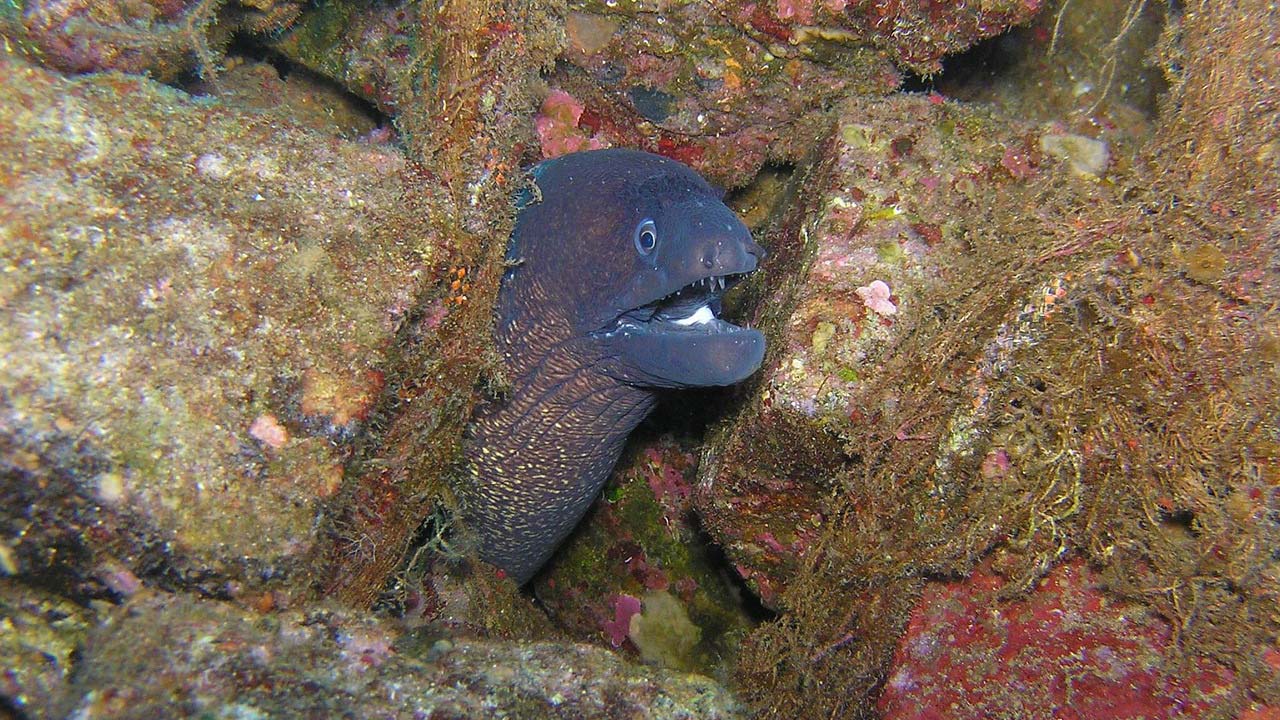
Moray eels are the kind of coastal animal that looks creepy enough to earn caution, but not always enough caution. They hide in crevices, reef holes, rock edges, and places people put hands when climbing, diving, or poking around underwater. If disturbed, they can bite hard and hang on, and those bites are no joke. It is not just pain either. A deep bite in saltwater gets ugly fast, and the setting usually makes clean first aid harder than it should be.
The big issue with morays is that people often put themselves right into striking range. They are not sprinting across the beach after anyone. They are waiting in the exact sort of hole somebody thinks it is safe to explore. Coastal injuries often come down to hands going where eyes did not fully check, and morays are one of the better examples of that rule.
Crabs with serious claws
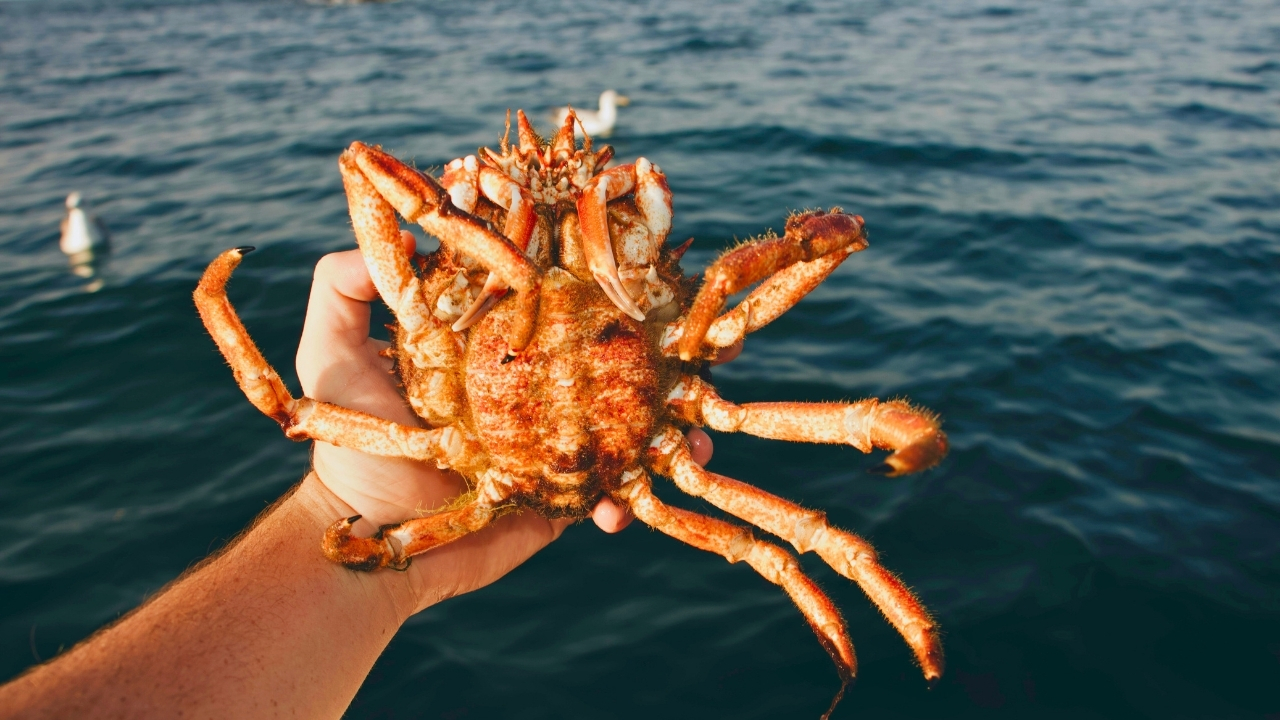
A crab does not have to be enormous to make you regret reaching for it. Blue crabs, stone crabs, mud crabs, and plenty of others can clamp down hard enough to split skin, bruise fingers, or make somebody instantly drop whatever else they were holding. On a dock, in a bait bucket, under rocks, around traps, or in the surf, that kind of sudden pain can create a second accident right behind the first one. Falls, dropped knives, and twisted ankles start with small surprises all the time.
Crabs get underestimated because they are familiar. Kids chase them, fishermen handle them, and tourists treat them like they are half toy, half snack. Then one gets hold of a finger and reminds everybody that pinchers are not there for show. They may not be the worst thing on the coast, but they can absolutely ruin a calm moment in a hurry.
Oysters and barnacles
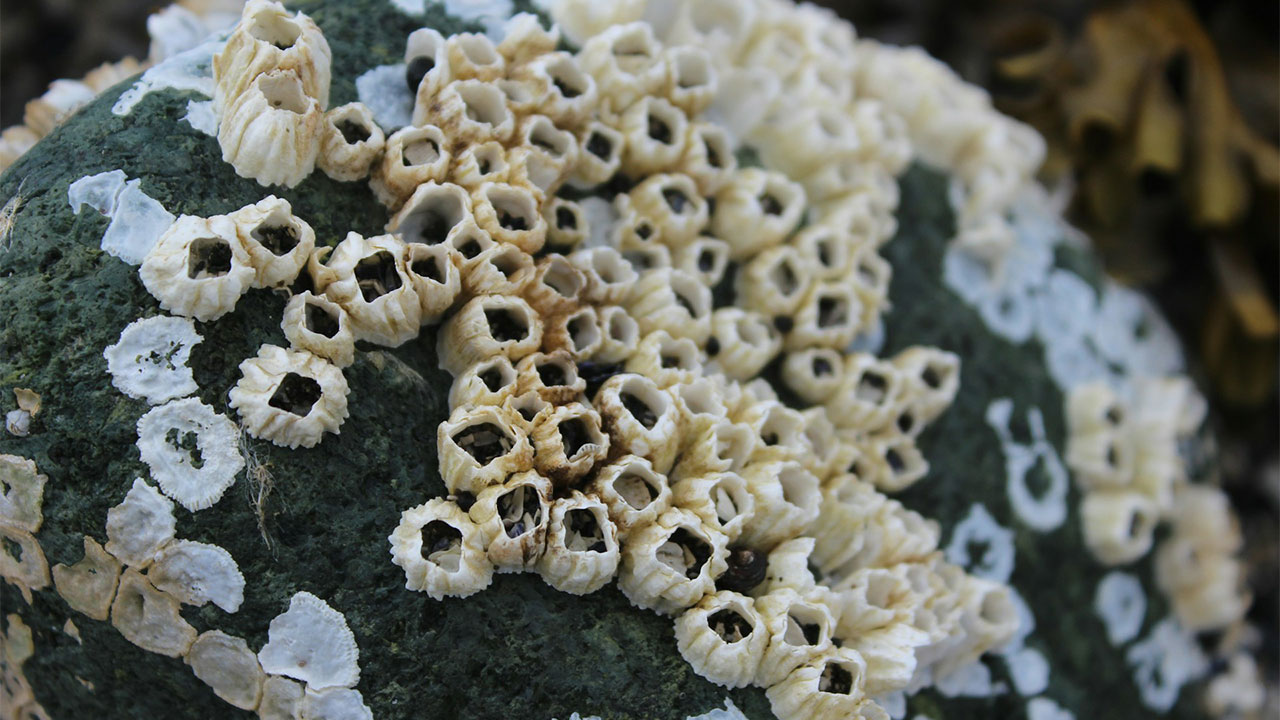
Technically these are not the kind of animals people usually think of for a list like this, but they belong here because they cause a ton of fast misery on the coast. Oyster beds and barnacle-covered surfaces slice feet, hands, knees, and shins with almost no effort. One slip on a dock piling, one barefoot step in the shallows, or one stumble climbing rocks is enough to turn a beach day into blood, pain, and a possible infection issue.
The danger with them is how ordinary they seem. People see rocks, shells, and old pilings, not injury. But sharp marine growth is brutally efficient. It does not need venom. It does not need speed. It just needs your skin to meet it wrong. Around the coast, cuts can get nasty faster than inland cuts because of bacteria, grit, and water exposure, so even “just a slice” can become more of a problem than expected.
Fire coral
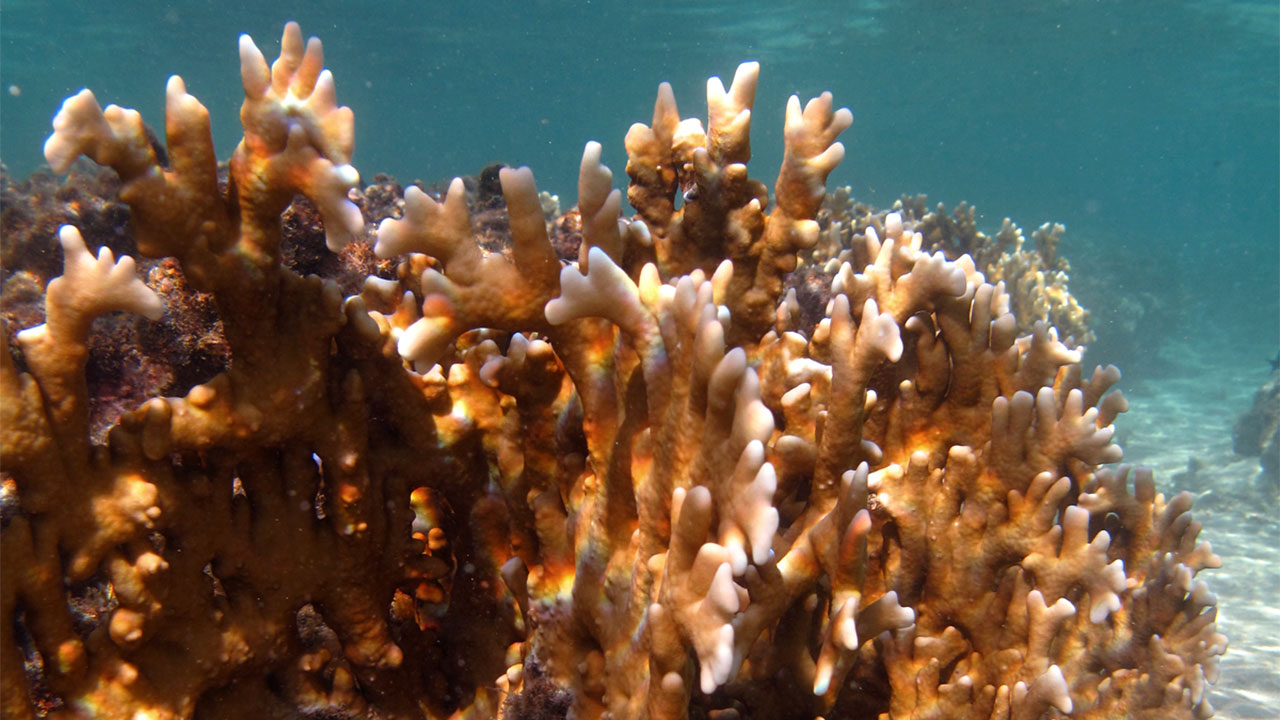
Fire coral fools plenty of people because it does not look like something you should fear right away. It looks like coral, which makes people treat it like a structure instead of a stinging animal. Then somebody brushes against it while snorkeling, swimming, or climbing around rocks, and suddenly the skin feels like it was scraped and burned at the same time. That pain can show up fast and linger longer than people expect.
The reason it ruins your day so efficiently is that contact often happens accidentally. Strong current, rough footing, bad visibility, or one small slip is enough. You do not have to grab it on purpose. You just have to be a little too close at the wrong moment. Coastal water has a lot of things in it that are happy to let you make the mistake for them.
Sea snakes
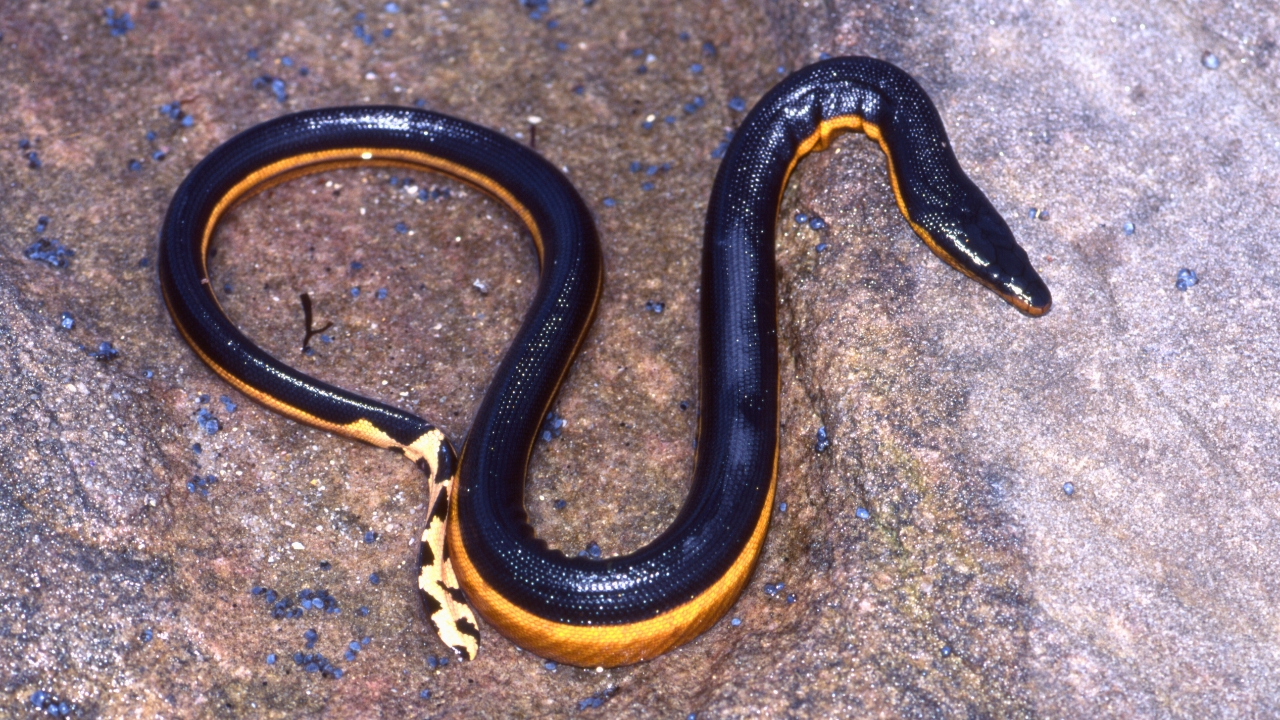
Sea snakes are not everywhere, but where they are present, they deserve every bit of respect they get. They are highly venomous, live in coastal waters, and usually only become a direct problem when handled, stepped on, tangled in gear, or cornered. Still, “usually” is not much comfort when somebody is fishing, diving, or moving through the shallows and suddenly realizes the snake in front of them is not just another harmless marine shape.
This is one of those animals where the encounter can shift from curiosity to real danger fast. A bite from a venomous sea snake is not something you want to troubleshoot on the beach. Their inclusion here is a reminder that coastal danger is not always obvious, and it is not always local in the same way people expect. If you do not know what you are looking at, distance is usually the smarter move.
Like The Avid Outdoorsman’s content? Subscribe to our newsletter so you never miss an article.
Here’s more from us: