Photo credit: The OldStyle Outdoors/YouTube
A rifle can feel slick as butter when you’re standing at the counter, working the bolt nice and slow with an empty chamber. Then you get to the range and run it with purpose—shoot, cycle, shoot—and suddenly that “smooth” feeling turns into little hitches you didn’t notice before. It’s not always the rifle being bad. A lot of it is speed exposing friction, timing, and feeding issues that slow cycling hides.
When you shoot fast, you’re adding recoil, heat, and real-world pressure. You’re also changing how you hold the rifle, how hard you run the bolt, and whether you’re staying in the scope or popping your head up. That’s where the truth shows up. These are rifles that often feel great at slow speed, but can start showing their rough edges when you try to run them quickly and keep hits tight.
Remington 700

A Remington 700 can feel smooth in the store because you’re cycling it without recoil and without any urgency. Once you start shooting faster, the bolt lift and extraction effort can feel heavier than you expected, especially if the chamber is a little snug or the ammo is running warm. You’ll notice it most when you’re trying to stay planted behind the rifle and run the bolt without breaking your cheek weld.
The other thing that shows up is timing. If you short-stroke it even a little, the 700 will let you know. Slow cycling covers that up. Fast cycling exposes it. When you run it hard, you need a full rearward pull and a clean forward drive every time. If you get lazy for one rep, that’s when the “smooth” rifle suddenly feels like it has grit in the gears.
Ruger American

A Ruger American often feels slick enough when you’re working it gently, but the moment you start shooting and cycling at speed, you can feel the bolt’s personality. The lift can feel a bit abrupt, and the bolt travel can feel less forgiving if your hand isn’t straight and firm. You’ll also notice that fast bolt work can punish sloppy technique more than slower shooting does.
Feeding can be the other hang-up when you’re moving quickly. If you don’t run the bolt all the way back, or you ride it forward instead of driving it, you can create the kind of hesitation that never shows up during slow “showroom” cycling. When you run it like a hunting follow-up shot matters, the rifle wants you to be decisive with every stroke.
Savage 110

A Savage 110 can feel pretty smooth when you’re taking your time, but fast shooting can highlight bolt lift effort and the way the action feels under real extraction load. With recoil in the mix, you may notice the bolt doesn’t feel as eager to lift as it did when the rifle was empty and clean. That’s not rare for bolt guns, but it becomes obvious when you’re trying to run a quick second shot.
You can also feel the feeding rhythm change when you speed up. If your bolt stroke isn’t consistent, the rifle can feel like it wants the bolt run the same way every time. Slow cycling hides inconsistency. Fast cycling punishes it. When you keep your support steady, stay in the gun, and run the bolt like you mean it, the 110 usually settles down and stops feeling “different” shot to shot.
Tikka T3x

A Tikka T3x is famous for feeling smooth, and it often is—until you start trying to hammer fast reps and stay on target. The bolt can glide when you’re relaxed, but shooting fast adds torque to your grip and changes your angle on the handle. If you start pulling slightly sideways, you can feel a little hitch that wasn’t there during slow, careful cycling.
Fast work can also expose how you manage the rifle more than the rifle itself. If you’re lifting your head, losing your shoulder pressure, or letting the rifle shift, the bolt stroke stops feeling effortless. The T3x still runs well, but it rewards straight, deliberate movement. Keep your hand position consistent, drive it to the stops, and don’t baby it forward. When you do that, it stays as slick as its reputation.
Winchester Model 70

A Model 70 can feel smooth when you’re cycling it empty, but fast shooting can make you feel the camming and the work being done during bolt lift. Under recoil, with a warm chamber, you may notice the bolt feels more “mechanical” than it did in the store. It’s not a flaw—it’s the rifle doing real extraction work while you’re trying to move quickly.
The Model 70 also likes a confident bolt stroke. When you shoot fast, any hesitation shows up as a slight stall in feeding, or a bolt that doesn’t feel like it wants to glide. Slow cycling makes everything feel polite. Fast cycling tells the truth. If you run it with authority—hard back, hard forward—most of the roughness you feel at speed turns into consistency, and that’s what you want when follow-ups matter.
Browning X-Bolt

An X-Bolt can feel sleek and refined in hand, but speed can bring out little timing issues if your bolt work gets lazy. The bolt throw is short, which feels great until you’re trying to run it fast and you don’t go all the way to the rear stop. That’s where short-stroking sneaks in. Slow cycling rarely exposes it because you’re thinking about every movement.
When you shoot fast, you also notice how sensitive the rifle is to your body position. If you’re not square behind it, you end up pulling the bolt at an angle, and any action will feel less smooth that way. The X-Bolt can run quickly, but it wants clean mechanics from you. Stay planted, keep your hand straight, and run the bolt like a repeatable routine.
Bergara B-14

A Bergara B-14 often feels smooth on a slow bolt cycle, especially when it’s clean and lightly lubed. Once you start shooting faster strings, you may feel bolt lift get heavier as the chamber warms, and you may notice extraction effort that you didn’t feel during “store testing.” Speed makes that contrast obvious because you’re trying to keep your cadence and the rifle starts asking for more effort.
The B-14 also shows you whether you’re driving the bolt or guiding it. If you guide it, it can feel a touch sticky at speed. If you drive it—full stroke, positive forward motion—it tends to feed cleanly and stay predictable. The rifle usually isn’t changing personalities; your tempo is revealing friction and technique. Run it with the same force every time, and it behaves like the steady hunting rifle it’s meant to be.
Howa 1500

A Howa 1500 can feel good and solid when you work it slowly, but fast shooting can highlight bolt lift effort and the way the action feels when it’s actually extracting fired brass. If you’re shooting ammo that runs a little hot, or you’re shooting faster than the rifle has cooled, you may feel the bolt go from “smooth” to “work” pretty quickly.
Feeding rhythm matters too. The Howa tends to reward a straight, confident stroke. When you try to get cute and run it halfway, or you ease it forward, that’s when you can feel hesitation that you never noticed during slow cycling. The fix is rarely complicated. Stay locked in behind the rifle, don’t break your position, and run the bolt like you’re trying to close a deal—firm, complete, and repeatable.
Weatherby Vanguard

A Weatherby Vanguard can feel great in the shop, especially when you’re cycling it with no recoil impulse and no time pressure. Start shooting fast and you may notice the bolt lift feels more demanding than expected, and that “smooth” sensation turns into something you have to muscle a bit, particularly as the rifle heats and the brass starts extracting with more resistance.
Fast follow-up shots also expose how you’re handling the rifle. If you let the rifle bounce and you reach for the bolt, you end up yanking it at an angle. That makes any action feel rougher. The Vanguard will run, but it likes a steady shooter behind it. Keep your shoulder pressure consistent, keep the rifle from sliding around on the rest, and run the bolt with the same force every time. That’s what keeps it from feeling like it changes moods.
Mossberg Patriot

A Patriot can feel surprisingly slick when you’re working it slowly, but speed can bring out the rough spots, especially if the rifle is newer and the action hasn’t worn in much. When you shoot fast, you’re slamming the bolt through its travel and you feel every bit of friction that slow cycling glosses over. That’s when you notice the bolt lift and the closing stroke aren’t as forgiving as they felt at the counter.
Feeding can also feel more sensitive when you’re rushing. If you ride the bolt forward instead of driving it, you can create a pause that steals your rhythm and your sight picture. Slow motion hides that. Fast shooting exposes it. The Patriot can still be a perfectly usable hunting rifle, but if you want to run it quickly, you’ve got to run it decisively—full rearward travel, then a firm push forward to lock.
CZ 600

The CZ 600 can feel clean and controlled when you work it slowly, but fast shooting reveals whether the action is truly slick under load. A fired case changes the whole feel of bolt lift, and if you’re trying to run quick follow-ups, you’ll notice any extra effort immediately. It’s the difference between “nice” on the counter and “efficient” on the clock.
You may also feel how much the rifle cares about straight-line bolt movement. If you’re pulling the bolt handle sideways while trying to stay in the scope, you can introduce drag that wasn’t there during slow handling. The CZ can run fast, but it rewards good mechanics. Keep your body square, keep the rifle from shifting in the rest, and run the bolt like a piston—straight back, straight forward, no hesitation.
Kimber Montana

The Kimber Montana often feels smooth in-hand because it’s light and lively, and dry-cycling it can feel great. Start shooting fast and the weight works against you. A light rifle moves more under recoil, and that movement makes it harder to run the bolt cleanly without losing position. That’s where “smooth” turns into “fussy,” even if nothing is wrong with the rifle.
When you’re trying to shoot quickly, you’ll feel bolt lift and extraction more, and you’ll also feel how much the rifle demands consistent shoulder pressure. If you let it hop, your hand ends up chasing the bolt handle, and the stroke gets crooked. That’s what makes it feel less smooth at speed. Lock the rifle in, stay behind it, and run the bolt with authority. Light rifles don’t forgive casual form.
Christensen Arms Ridgeline

The Ridgeline often feels sleek when you’re handling it slowly, but fast shooting can expose the reality of light hunting rifles: recoil moves you, heat changes behavior, and small inconsistencies show up on paper. When you’re trying to run quick groups, the bolt can feel different as the chamber warms and extraction takes a bit more effort.
Another part of the “smooth until fast” story is how these rifles are often set up—light optics, light rings, light everything. That can be a great carry package, but it gives you less margin when you start running speed. The rifle will still run, but you have to be consistent. Keep your support steady, don’t let the rifle shift in the rest, and run the bolt through full travel every time. That’s how you keep the action feeling the same shot after shot.
Springfield 2020 Waypoint

A Waypoint can feel refined when you’re cycling it slowly, but speed shows whether your bolt work is truly straight and repeatable. Under recoil, your hand angle changes, and if you start pulling the bolt handle with lateral force, you’ll feel a hitch that wasn’t obvious in slow handling. The rifle didn’t suddenly get rough—you changed the way you’re driving it.
Fast shooting also makes you notice extraction effort and how it changes with heat. If you’re pushing tempo, the rifle can start feeling less “slick” because the work is real now. The good news is this is usually controllable. Stay planted, keep your cheek weld, and run the bolt like a consistent drill—hard stop to hard stop. When you do that, the Waypoint stays predictable instead of feeling like it changes once you speed up.
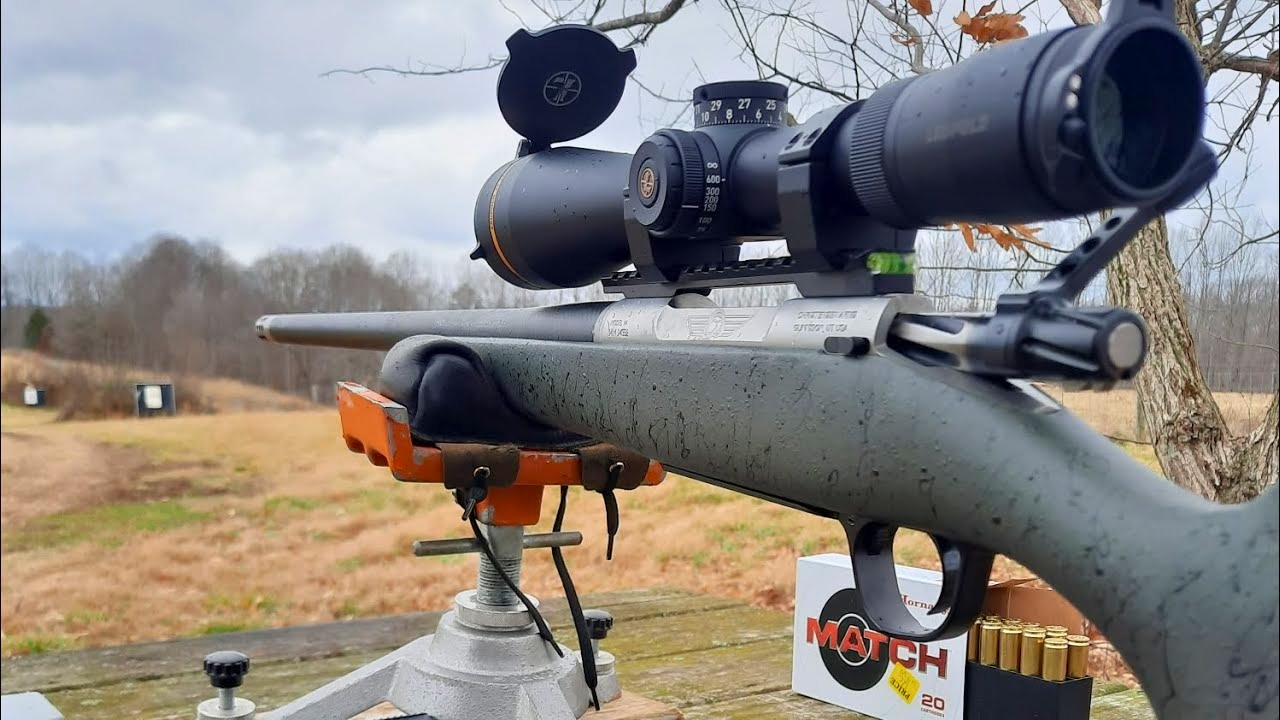
Ruger Precision Rifle

The Ruger Precision Rifle can feel smooth when you’re cycling it carefully, but when you start running it fast, you feel how much mass you’re moving and how much the rifle rewards clean mechanics. The bolt throw and the whole system can feel great at a measured pace. Pick up the tempo and any drag in your stroke becomes obvious because you’re trying to keep your sight picture and cadence tight.
You’ll also notice how much your position matters. If your bag height, shoulder pressure, or bipod load changes even a little, the bolt feels different because you’re no longer aligned behind the rifle the same way. That misalignment shows up as a bolt that feels less smooth than you expected. The rifle can run quickly for what it is, but it asks for discipline. Build a stable position, keep the rifle tracking straight, and cycle it like a repeatable machine.
AR-15
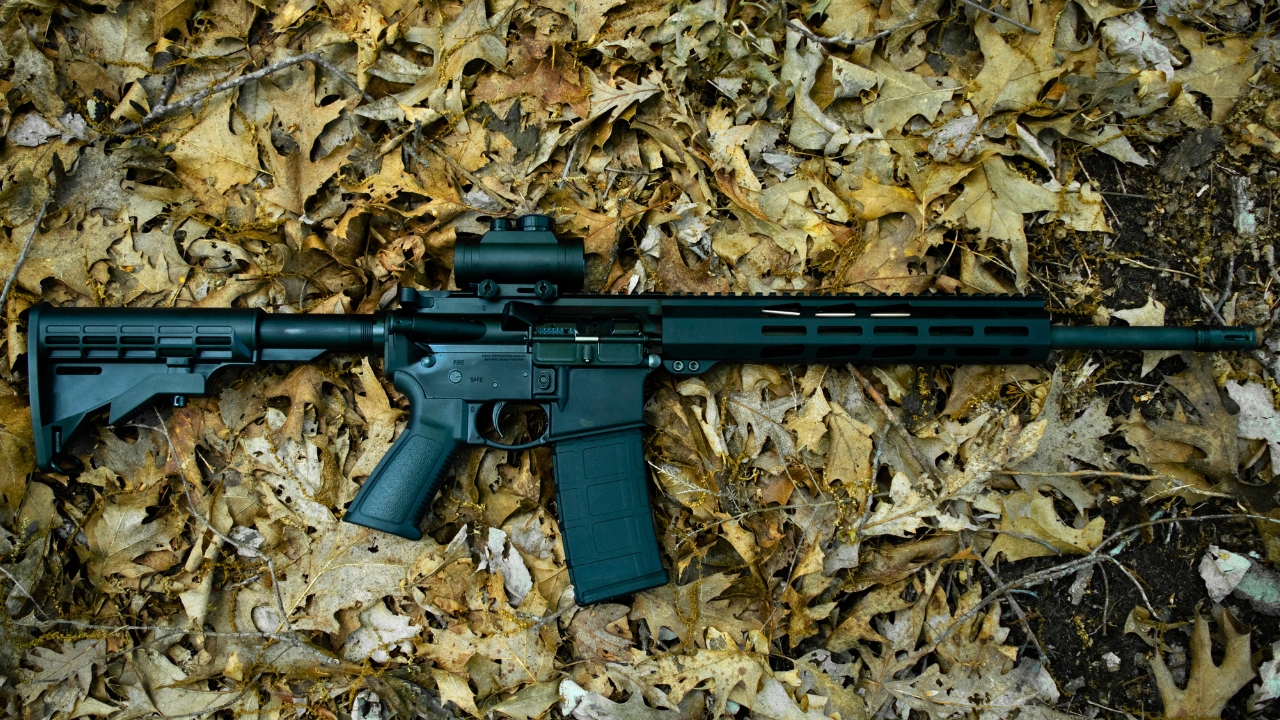
An AR-15 can feel smooth in the sense that the action cycles itself, but shoot it fast and you learn quickly that “smooth” isn’t the same as “easy.” Recoil impulse, gas timing, and how the rifle returns to target matter more at speed than they do when you’re slow-firing for groups. A setup that feels soft and controllable in slow fire can start feeling jumpy once you’re pushing splits.
At speed, you’ll also feel every weakness in your support hand and stock weld. If your grip is loose or your stance is narrow, the rifle moves more and your sight picture gets messy. That’s where the rifle stops feeling friendly. The fix is usually you, not the gun: aggressive support hand, consistent shoulder pressure, and a stance that keeps the muzzle from climbing. When you lock that in, fast shooting starts feeling smooth again.
Like The Avid Outdoorsman’s content? Subscribe to our newsletter so you never miss an article.
Here’s more from us: