Photo credit: Buckeye Ballistics/Youtube
Some guns get attention because they disappeared, came back, got rediscovered, or became expensive after everyone ignored them. That makes for a good story, but not every loyal following is built on drama.
Some firearms never needed a comeback. They just kept doing their job year after year until owners trusted them without thinking much about it. They weren’t always the flashiest guns in the case, but they earned loyalty the slow way: by working, fitting the role, and staying useful long after the excitement wore off.
Benelli Nova
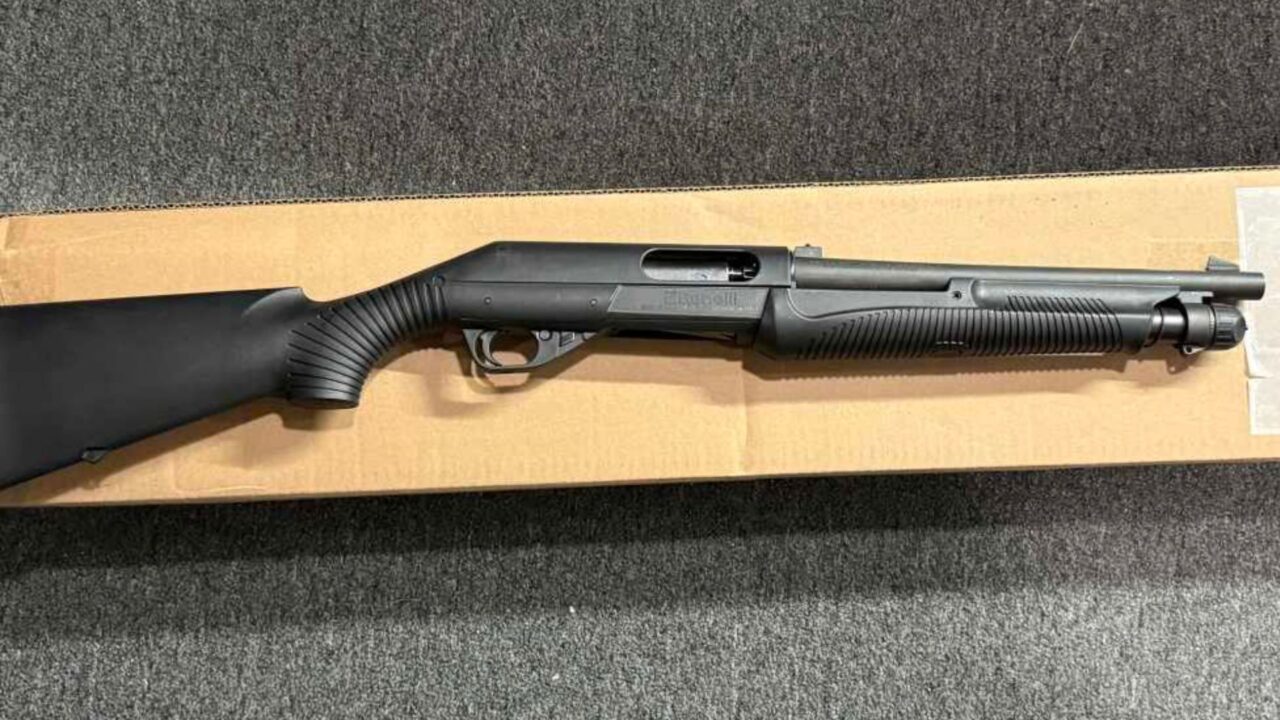
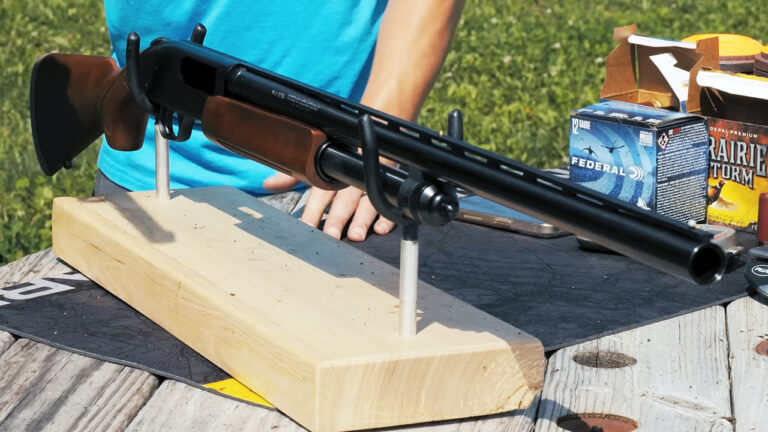
The Benelli Nova never needed a comeback because it found its crowd by being tough from the start. It looked different from traditional pumps, with its one-piece receiver and stock design, and not everyone loved the styling. But hunters who used one in bad weather learned pretty fast that looks weren’t the point.
The Nova is rugged, simple, and built to take wet blinds, muddy fields, and rough handling without acting fragile. It’s not as refined as a slick old pump, but it has a hard-use personality that waterfowl and turkey hunters appreciate. It earned loyalty because owners didn’t have to baby it. A shotgun that keeps running through ugly seasons doesn’t need a nostalgia campaign to stay respected.
Ruger SR1911
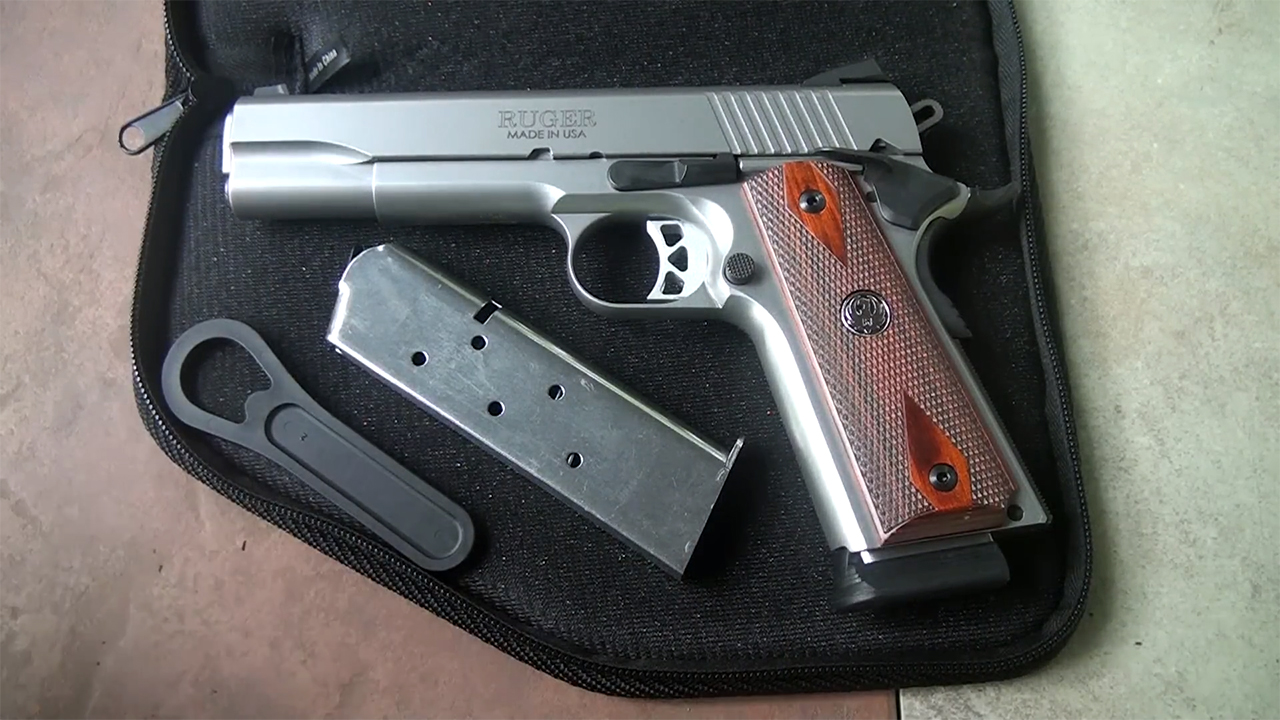
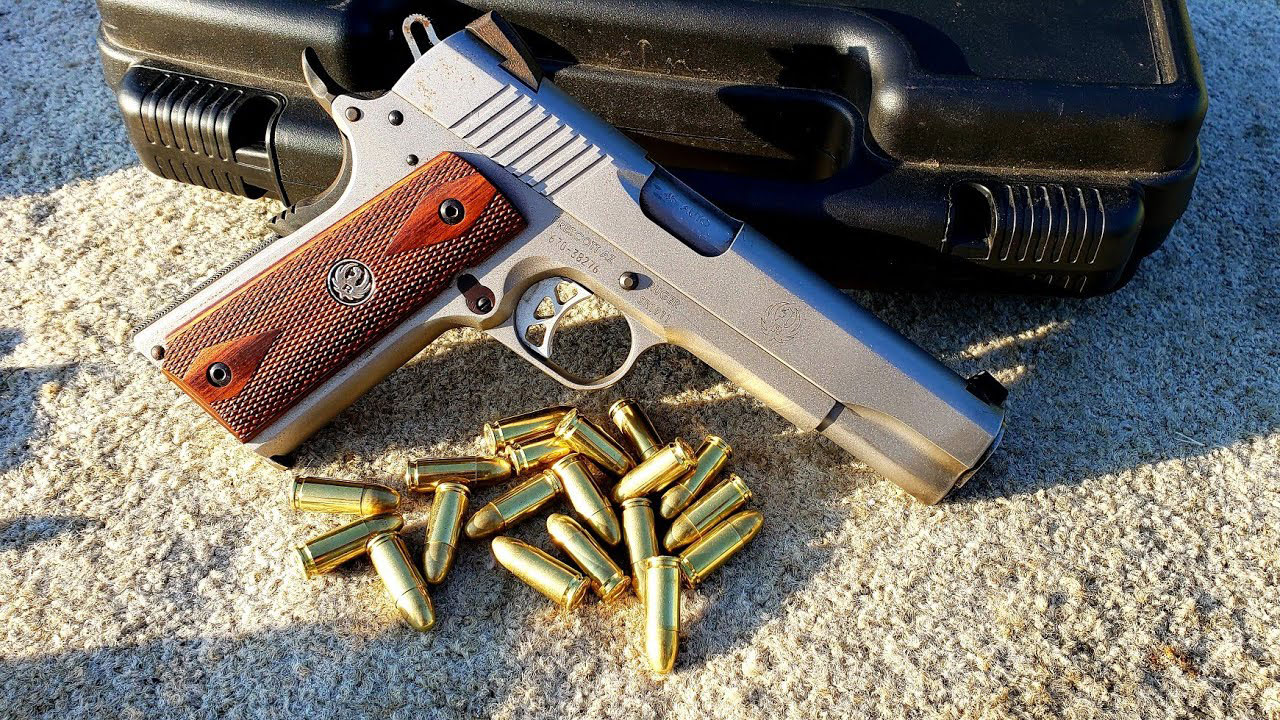
The Ruger SR1911 earned loyalty by giving shooters a solid American-made 1911 without turning the purchase into a luxury decision. It didn’t arrive as some radical rethink of the platform. It was a straightforward stainless 1911 with useful features, clean styling, and Ruger’s practical reputation behind it.
That kind of honesty worked. The SR1911 gave owners a pistol that felt ready for regular range use without immediately screaming for a rebuild. It wasn’t a custom gun, and nobody should pretend it was. But it offered good value, decent fit, and the familiar 1911 shooting experience in a package people trusted. It didn’t need to be rescued by collectors later. Owners liked it because it made sense from the beginning.
Browning Maxus
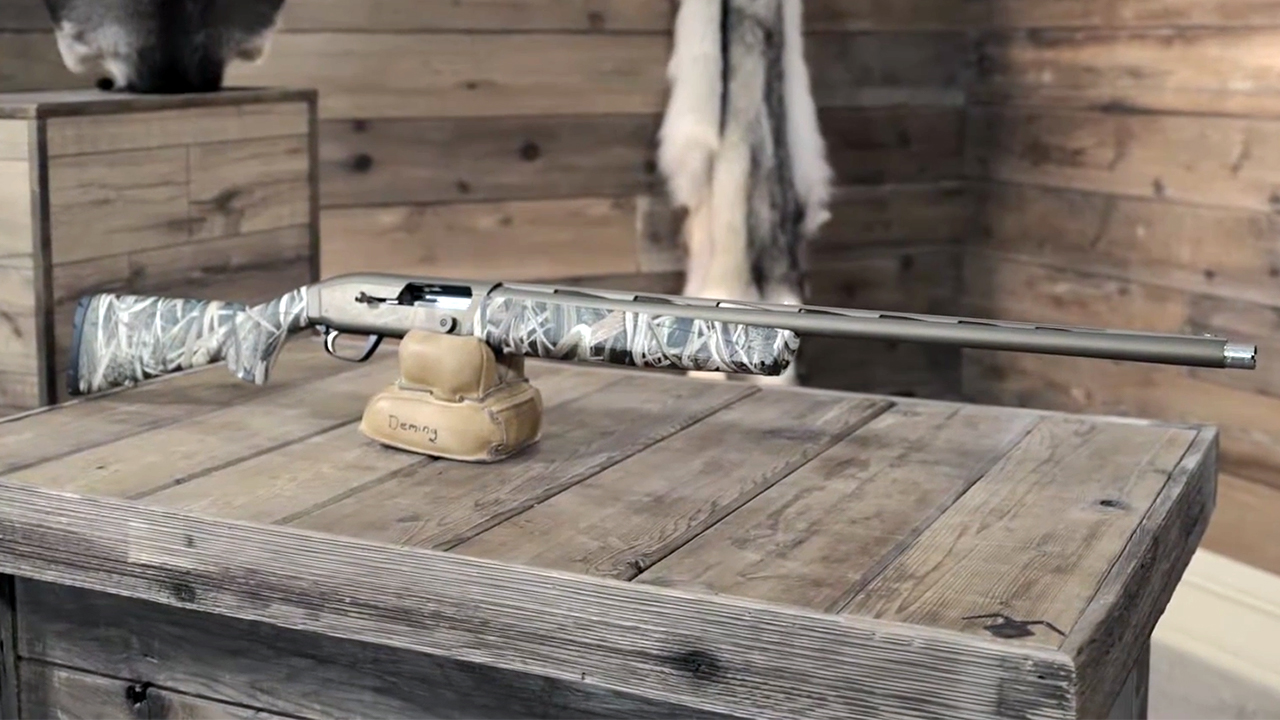
The Browning Maxus earned loyalty from hunters who wanted a semi-auto shotgun that handled hard seasons without feeling clumsy. It brought soft recoil, good cycling, and field-ready features into a shotgun that made sense for waterfowl, upland, and general hunting use depending on configuration.
The Maxus didn’t need a dramatic redemption arc. It built trust in blinds and fields by being comfortable to shoot and reliable when kept properly maintained. A semi-auto shotgun has to prove itself over time because owners remember every cycling issue. The Maxus earned its following because plenty of hunters found it easy to carry, easy to shoot well, and dependable enough to keep season after season.
Smith & Wesson M&P15 Sport II
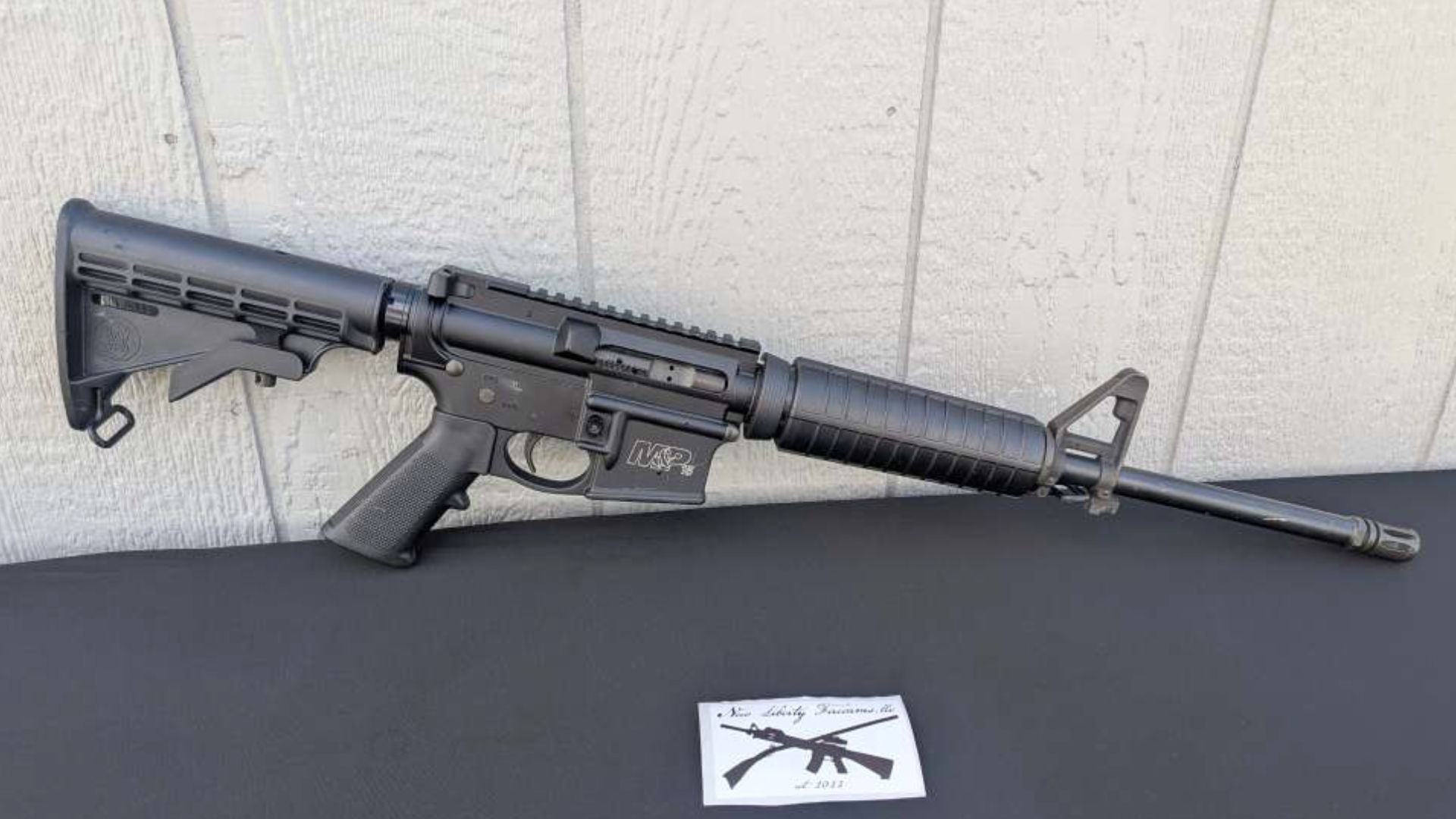
The M&P15 Sport II earned loyalty by being a sensible AR-15 for regular owners. It wasn’t a high-end duty rifle, and it wasn’t covered in expensive parts. It was a practical entry-level AR from a known brand at a price that made sense. For a lot of buyers, that was exactly enough.
What made it stick was how many of them simply worked. The rifle gave owners a dependable platform for range time, training, home-defense setups, and later upgrades if they wanted to tinker. It didn’t need to become rare or discontinued to be appreciated. It earned loyalty because it let people get into the AR world without feeling like they bought a mystery rifle.
Henry Big Boy Steel
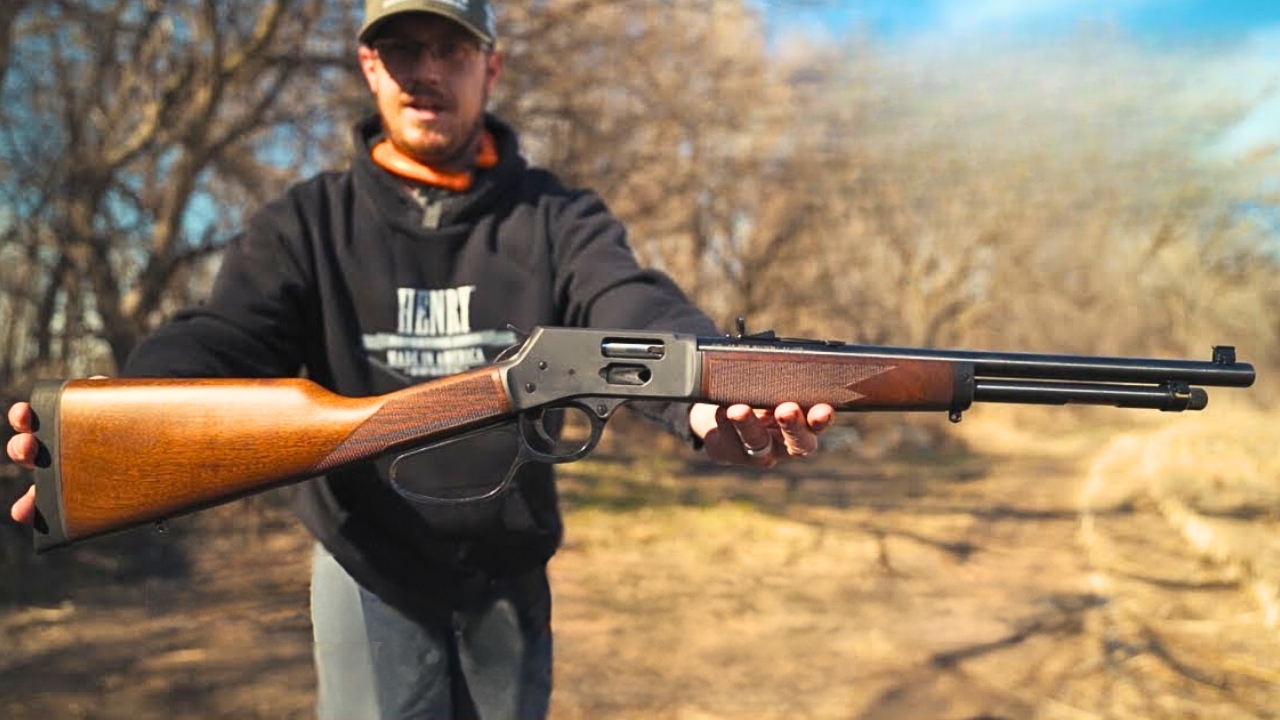
The Henry Big Boy Steel earned loyalty by giving lever-action fans a practical pistol-caliber rifle without the extra shine and weight of the brass-framed models. It looked more like a working rifle, and that helped owners treat it that way. In chamberings like .357 Magnum, .44 Magnum, and .45 Colt, it filled a very useful lane.
The steel-frame versions carry better than some of the heavier brass guns and still give shooters that smooth Henry action. They’re useful for range time, hunting where legal, rural property work, and anyone who enjoys a lever gun that isn’t trying too hard. The Big Boy Steel didn’t need a comeback story. It earned loyalty by being a lever rifle people actually wanted to use.
CZ P-10 C
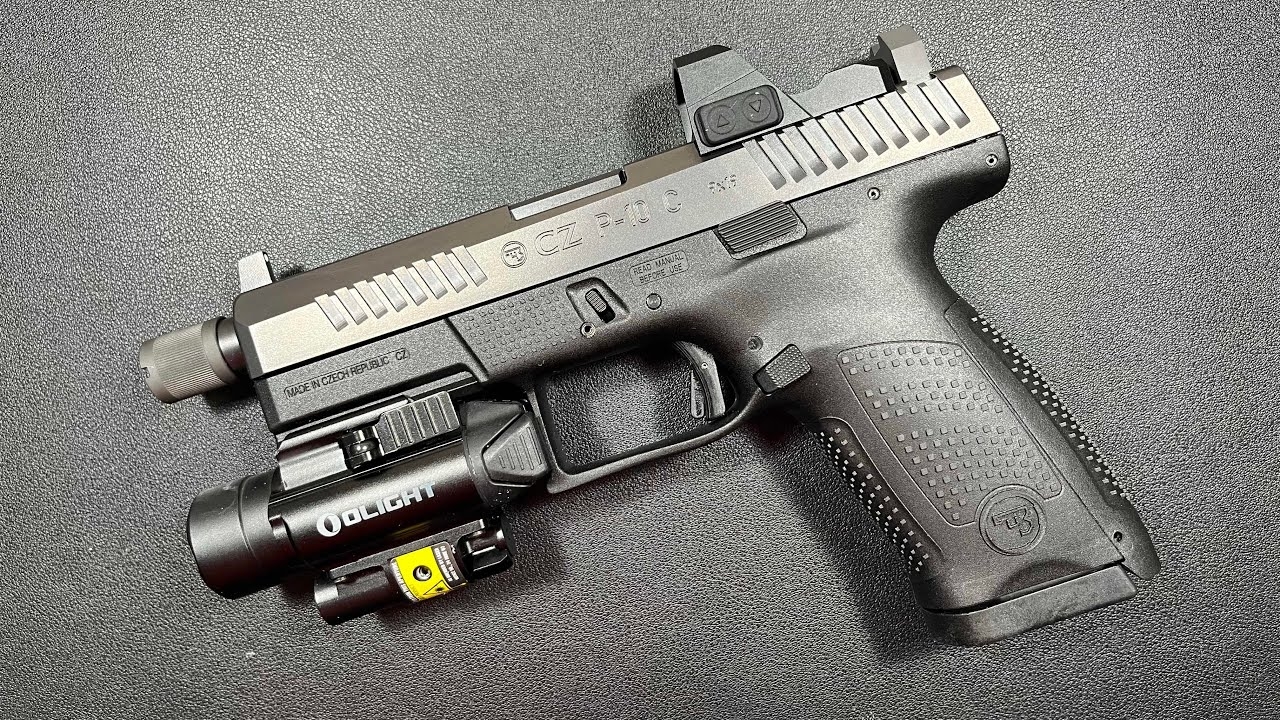
The CZ P-10 C earned loyalty by entering a brutally crowded pistol market and still making shooters pay attention. Another striker-fired compact 9mm could have been forgettable fast, but the P-10 C gave owners a good trigger, strong grip texture, and CZ-like handling in a modern polymer package.
It didn’t need years of rediscovery to make sense. People shot it and realized it belonged in the conversation. The grip angle worked for many hands, recoil stayed manageable, and the pistol felt more refined than some expected. It may not have Glock-level support, but it earned loyalty because it shot well right away. In a category full of copycats, that matters.
Weatherby Orion
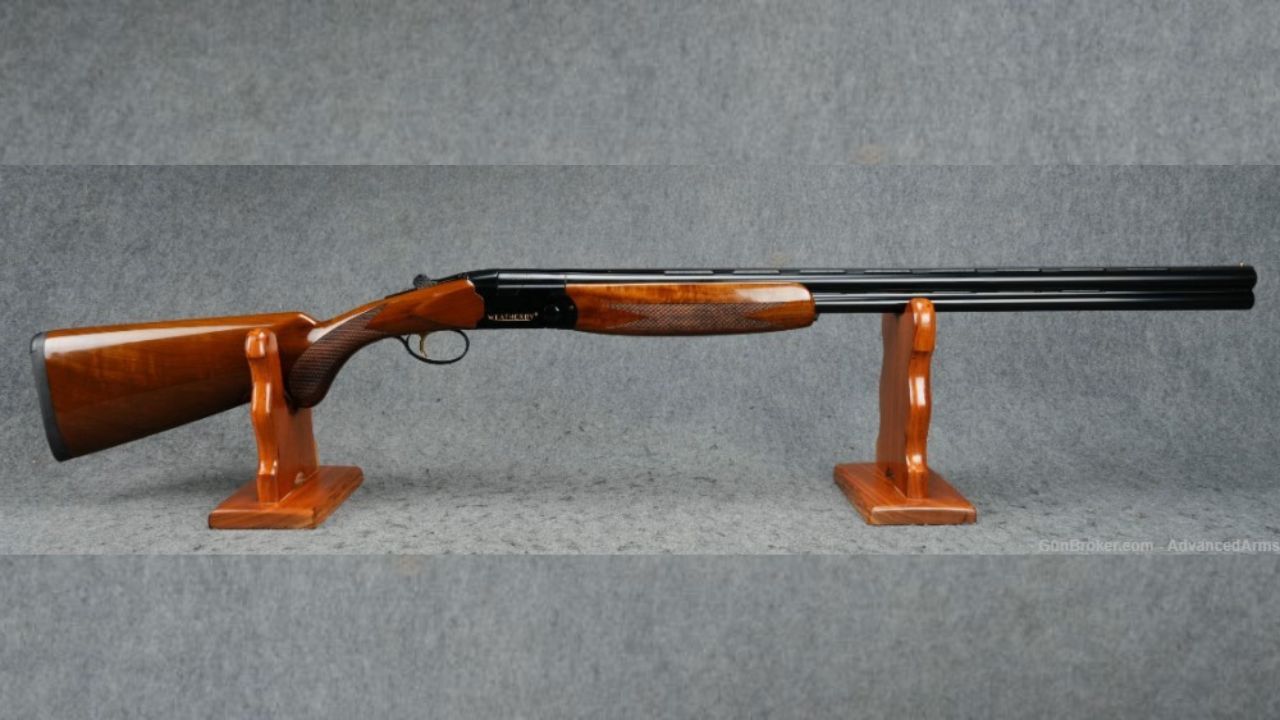
The Weatherby Orion earned loyalty by offering hunters and clay shooters an over-under that felt like a solid value. It wasn’t a high-dollar Browning or Beretta, and it wasn’t pretending to be. It gave shooters a usable double gun from a respected name without pushing into painful pricing.
An affordable over-under has to be judged carefully because cheap doubles can become regret fast. The Orion gained fans by feeling better than many expected for the money. It swings naturally for a lot of shooters, offers field and sporting options, and gives owners a double gun they can actually use. It didn’t need collector hype. It earned loyalty by being a reasonable, practical over-under.
Ruger PC Carbine
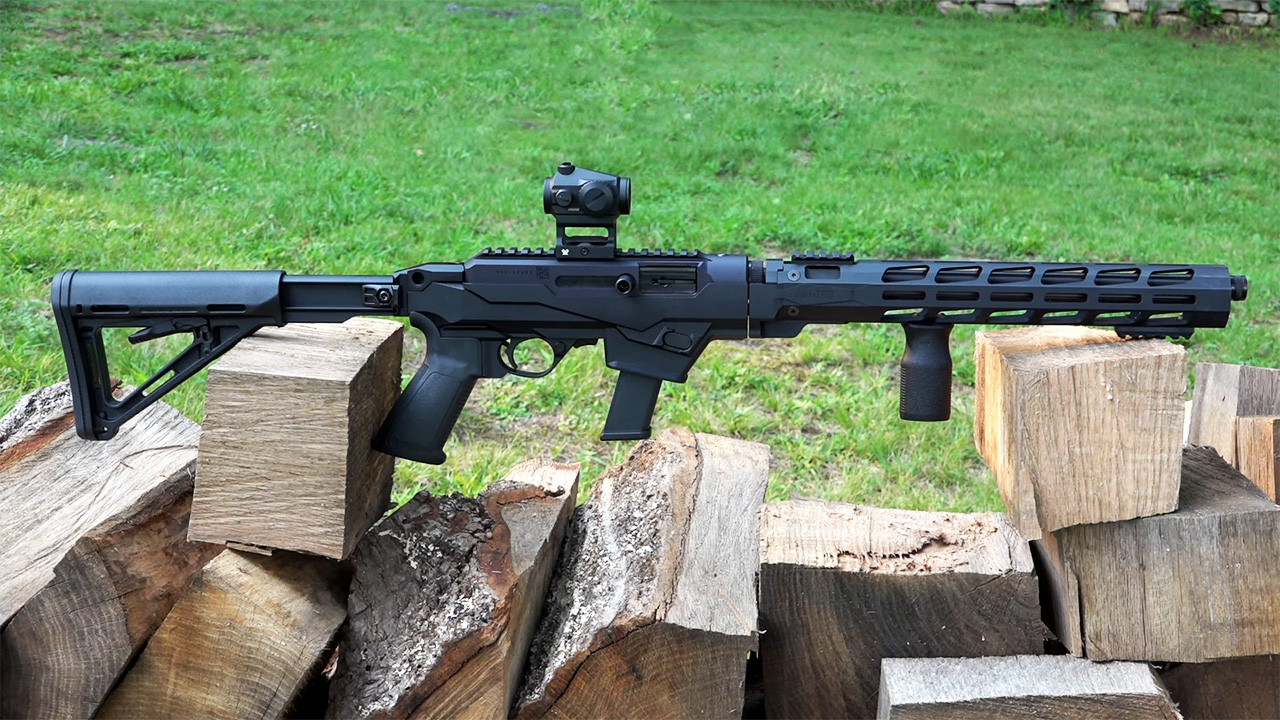
The Ruger PC Carbine earned loyalty by being practical in a way that made sense immediately. A takedown pistol-caliber carbine that can use Ruger magazines or Glock-pattern magazines with the right adapter gave shooters a flexible, fun, and useful platform. It wasn’t trying to be a battle rifle. It knew its lane.
Owners liked it because it was easy to shoot, affordable to feed compared with centerfire rifles, and useful for range work, home-defense setups, and general plinking. The takedown design made storage and transport easier, and the magazine compatibility was a major plus. The PC Carbine didn’t need a comeback. It earned loyalty by giving regular shooters something they could actually use often.
Springfield Armory TRP

The Springfield Armory TRP earned loyalty among 1911 shooters because it felt like a serious pistol without full custom pricing. It had the kind of features many shooters wanted: good sights, aggressive checkering, solid fit, and a duty-minded build. It wasn’t a basic starter 1911, and it wasn’t pretending to be a safe queen.
The TRP became trusted because it gave owners a pistol that felt ready for hard range use. It still needs the owner to understand the 1911 platform, but the foundation is strong. Many shooters who bought one didn’t feel the need to immediately chase another 1911. That’s loyalty earned the right way. The gun felt serious from the first range trip and kept proving it.
Franchi Instinct L
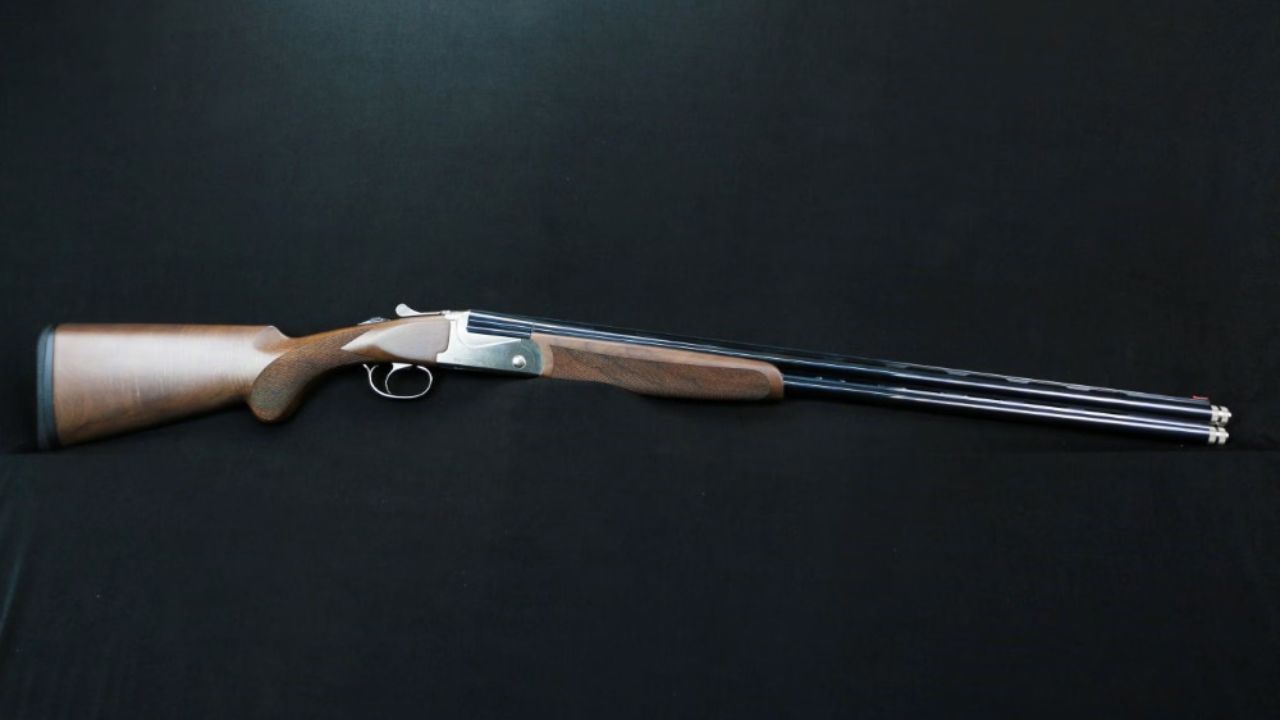
The Franchi Instinct L earned loyalty by giving bird hunters a light, attractive over-under that didn’t require premium Italian shotgun money. It wasn’t trying to compete with the highest-end doubles. It was trying to be a field gun that carried well and felt good enough to trust.
For upland hunters, carry weight and handling matter a lot. The Instinct L made sense because it was quick, clean, and pleasant in the field. It has enough style to feel like a proper bird gun without being so expensive that owners are afraid to use it. That’s how a shotgun earns loyalty. It doesn’t need to be famous forever. It needs to come up right when birds flush.
Smith & Wesson M&P22 Compact
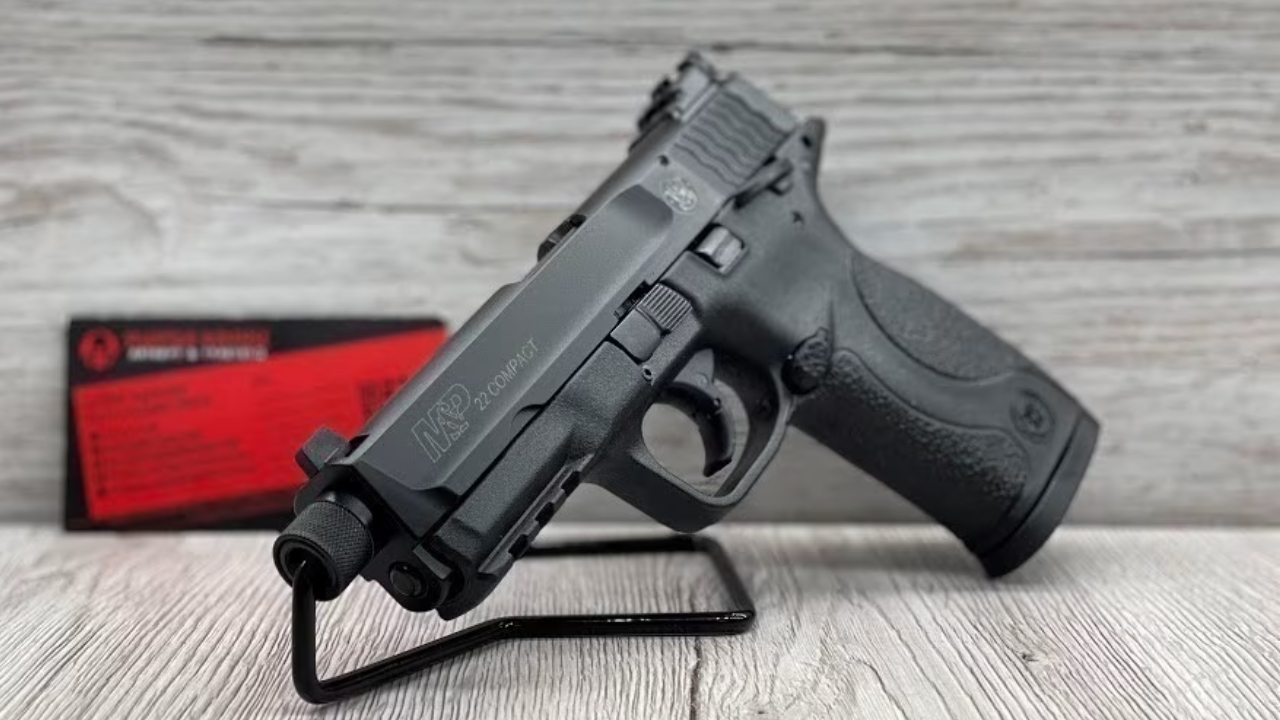
The M&P22 Compact earned loyalty by being one of those rimfire pistols that felt useful instead of toy-like. It gave shooters a compact training pistol with familiar controls, manageable size, and cheap practice appeal. For new shooters, casual range days, and defensive-pistol practice habits, that mattered.
Rimfire pistols can be frustrating if they’re picky or awkward. The M&P22 Compact gained fans because it was easy to handle and enjoyable to shoot. It isn’t a match pistol, and it isn’t trying to be. It’s a practical .22 that helps people get more trigger time. That kind of gun earns loyalty quietly because owners keep finding reasons to bring it to the range.
Bergara B-14 Hunter

The Bergara B-14 Hunter earned loyalty by giving regular hunters a rifle that felt accurate and serious without stepping into custom-rifle money. Bergara’s barrel reputation helped get attention, but the rifle kept owners interested by being a practical field gun with real accuracy potential.
It didn’t need a comeback story because it arrived with a clear purpose. The B-14 Hunter gave people a familiar Remington 700-style footprint, a good trigger, and a useful stock in a rifle that shot well for many owners. It wasn’t the cheapest option, but it often felt like money well spent. Hunters get loyal fast when a rifle groups well and holds confidence through the season.
Walther PDP F-Series

The Walther PDP F-Series earned loyalty by taking ergonomics seriously for shooters who didn’t always feel served by standard duty-size pistols. The reduced trigger reach, easier slide manipulation, and grip changes made it more than a cosmetic variant. It gave a lot of shooters a pistol that actually fit better.
That matters more than many spec-sheet arguments. A gun that fits the hand is easier to shoot well, easier to trust, and easier to practice with. The PDP F-Series still carries the strong trigger and grip texture that helped the PDP line get attention, but it adds real accessibility for smaller hands or anyone who struggled with larger frames. Loyalty comes fast when a pistol stops fighting the shooter.
Mossberg Patriot

The Mossberg Patriot earned loyalty by being a practical hunting rifle from a company many people still associate mostly with shotguns. It didn’t come in with old bolt-action prestige. It had to prove itself through price, features, and field use.
A lot of hunters found that the Patriot did more than expected. It offered useful chamberings, a workable trigger, decent accuracy potential, and enough configurations to suit deer, predators, and general hunting. It isn’t a premium rifle, and it doesn’t need to be. It earned loyalty by giving budget-minded hunters a rifle that could get the job done without feeling like a total gamble.
Colt Combat Commander
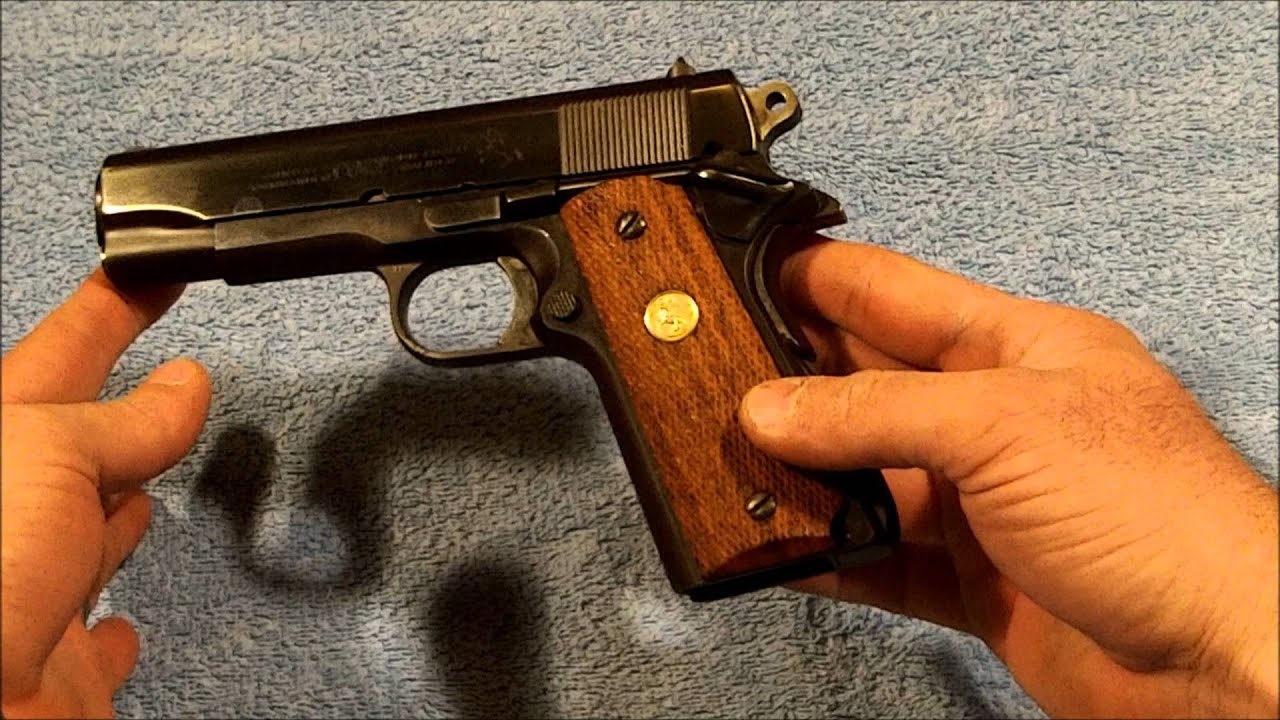
The Colt Combat Commander earned loyalty because it trimmed the 1911 into a more practical carry and field size without losing the heart of the platform. The shorter slide and steel frame gave it a different balance than the full-size Government Model, and plenty of shooters found that balance easy to like.
It’s not a modern high-capacity carry pistol, and it requires the same commitment any 1911 does. But for shooters who love the platform, the Combat Commander has long felt like one of the best compromises. It shoots well, carries better than a full-size steel 1911, and still feels like a real Colt. That kind of loyalty doesn’t need a comeback. It was earned across decades of use.
Like The Avid Outdoorsman’s content? Subscribe to our newsletter so you never miss an article.
Here’s more from us: