Photo credit: Hi-Lux Optics/YouTube
The Old West gets remembered as hats, dust, and big personalities—but what made those personalities matter was equipment that worked when things went sideways. When you read letters, look at period photos, or dig into museum collections, a pattern shows up fast: the “legendary” guns weren’t magic. They were practical tools that fit the job, the terrain, and the kind of trouble a person expected. Some were cutting-edge for their day, some were old even then, and a few got famous because the right person carried them long enough for history to notice.
What follows isn’t movie fantasy. These are specific firearm models that keep showing up around the biggest names—lawmen, scouts, showmen, outlaws, and hard-use hunters. If you want to understand why the West turned out the way it did, you start here: with the guns that people trusted when reputation, money, and survival were all on the line.
Colt 1851 Navy
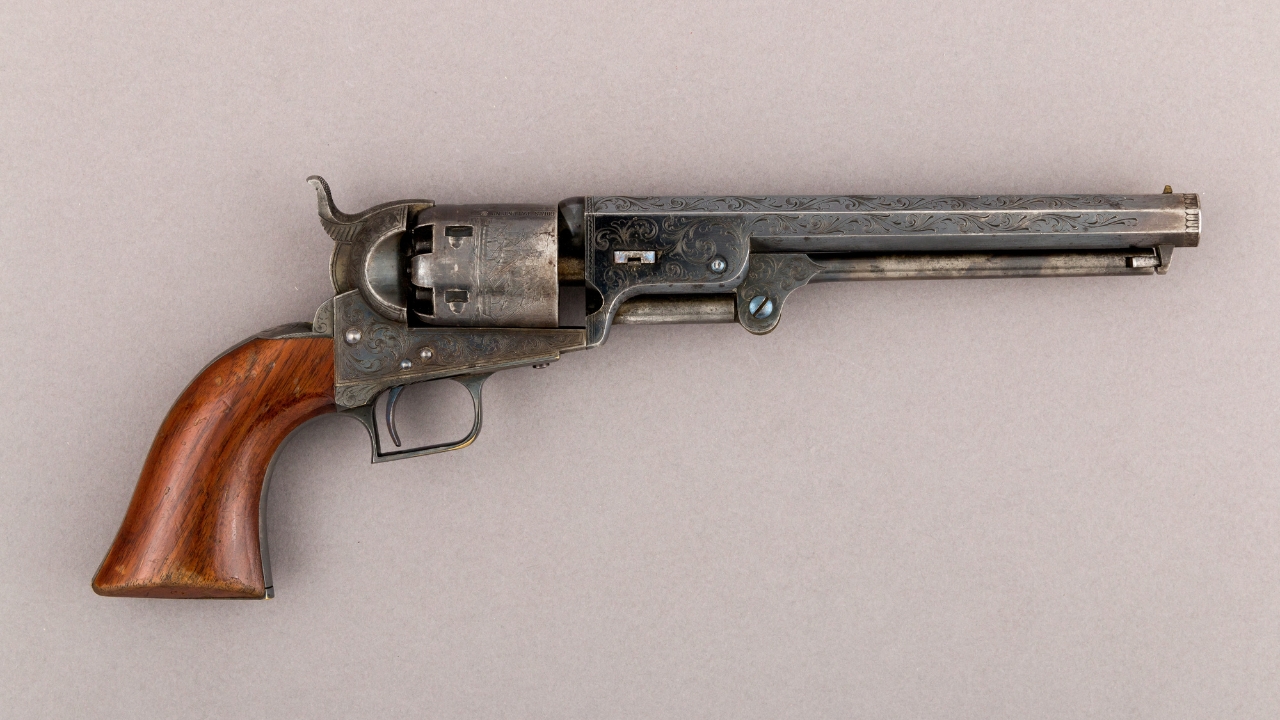
If you want one handgun that screams “working gun” in the pre-cartridge West, it’s the Colt 1851 Navy. You see it tied to Wild Bill Hickok for a reason—cap-and-ball revolvers like this were accurate enough for serious work and common enough that you could keep them running with skill and spare parts.
You also have to remember what the gun meant in a belt rig: a slim profile, a barrel long enough to point naturally, and a grip that didn’t punish you under recoil. With loose powder, ball, and caps, reliability depended on the shooter as much as the hardware, and the 1851 rewarded careful loading and clean handling. It wasn’t glamorous. It was dependable, and that’s what built reputations.
Colt Single Action Army (1873)

The Colt Single Action Army (1873) became the measuring stick because it landed at the right time: metallic cartridges were taking over, and people needed a sidearm that could ride hard and still come out ready. That’s why it’s tied to lawmen and gunfighters in the public memory—Wyatt Earp, Bat Masterson, and plenty of others who lived with a revolver on their hip.
What makes the SAA matter in real use is how straightforward it is under stress. You thumb the hammer, the trigger breaks clean, and the gun points like it wants to behave. It also handled rough ammunition and dusty carry better than many early cartridge designs. When you hear someone call it a “classic,” they’re usually talking about this: a design that kept working for people who could not afford failure.
Smith & Wesson Model 3
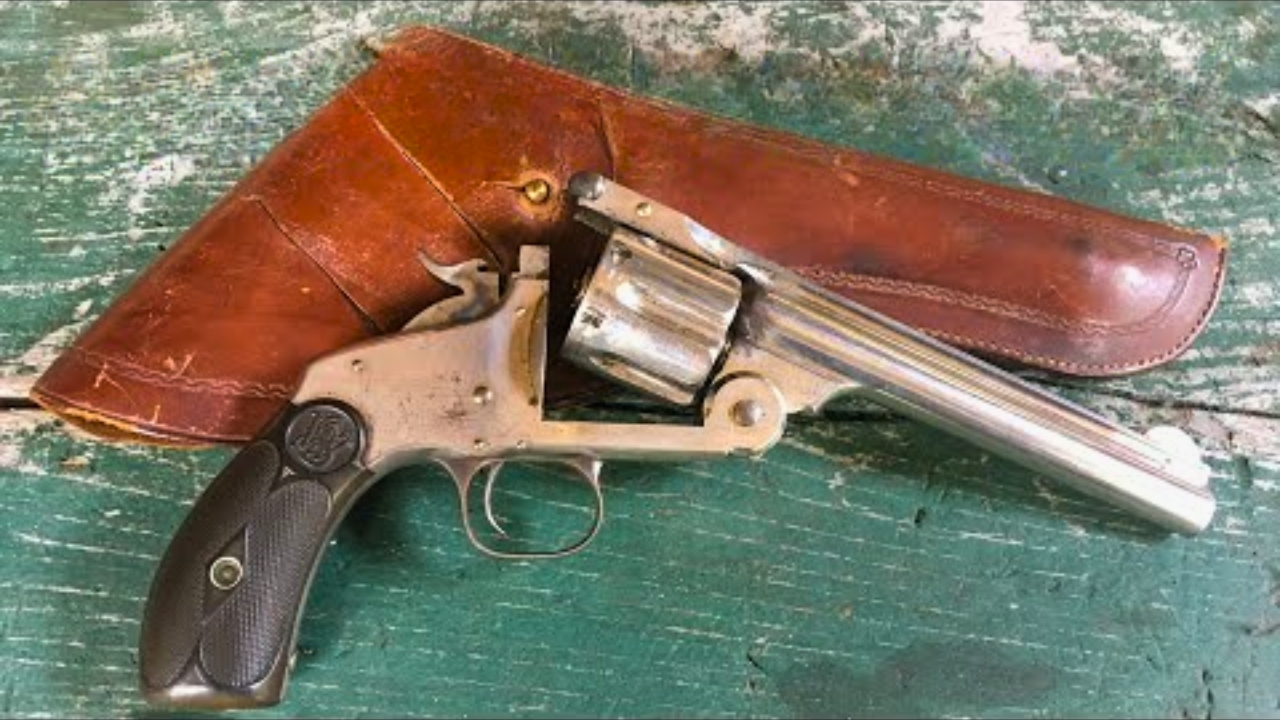
The Smith & Wesson Model 3 sits in a different lane than the Colt thumb-cock crowd, and that’s exactly why it mattered. A top-break revolver with an automatic extractor was a serious advantage when speed and reloading actually counted. This model shows up in the orbit of famous shooters and performers, including Annie Oakley, because it blended precision with fast handling.
What you feel when you run a Model 3 is efficiency. The latch pops, the cylinder tips, empties clear, and you’re back in business without digging at stuck cases. That system made sense for professionals—lawmen, scouts, and anyone who expected to fire more than a few rounds before the problem was finished. It’s an Old West gun that looks refined, but the appeal was practical: fast reloads, solid sights, and a design built around real-world use.
Colt 1860 Army

The Colt 1860 Army is a big reason the Civil War bled directly into the frontier era. When veterans headed west, they didn’t leave their familiarity behind, and a lot of men trusted what they already knew. That’s why you keep seeing the 1860 Army mentioned around outlaw stories, posses, and the rougher edges of Reconstruction moving toward the plains.
In your hands, it’s a larger cap-and-ball revolver that balances better than its size suggests. The grip shape is forgiving, and the gun can be shot well if you do your part. It also carries the reality of the era: you needed discipline to keep it clean, keep caps seated, and keep the chambers loaded right. When it ran, it ran. That reliability—earned through routine and experience—is what made it a serious sidearm before cartridges fully took over.
Remington New Model Army (1858)

If the Colt was the celebrity, the Remington New Model Army was the work boot. The solid top strap gave it a tougher feel than many open-top designs, and people valued that when conditions were ugly. That’s why this model stays tied to hard-use frontier carry and the kind of men who treated handguns as equipment, not decoration.
The Remington’s real advantage was consistency. The frame strength and cylinder fit helped it keep timing and lockup when a gun got dragged through dust, sweat, and bad weather. The sights were also more usable than many revolvers of the period, which mattered to anyone who actually practiced. When you hear old accounts praising “rugged,” this is the shape they’re describing. It wasn’t rare, and it wasn’t fragile. It was a revolver that tolerated the way the West treated gear.
Colt Model 1877 Lightning
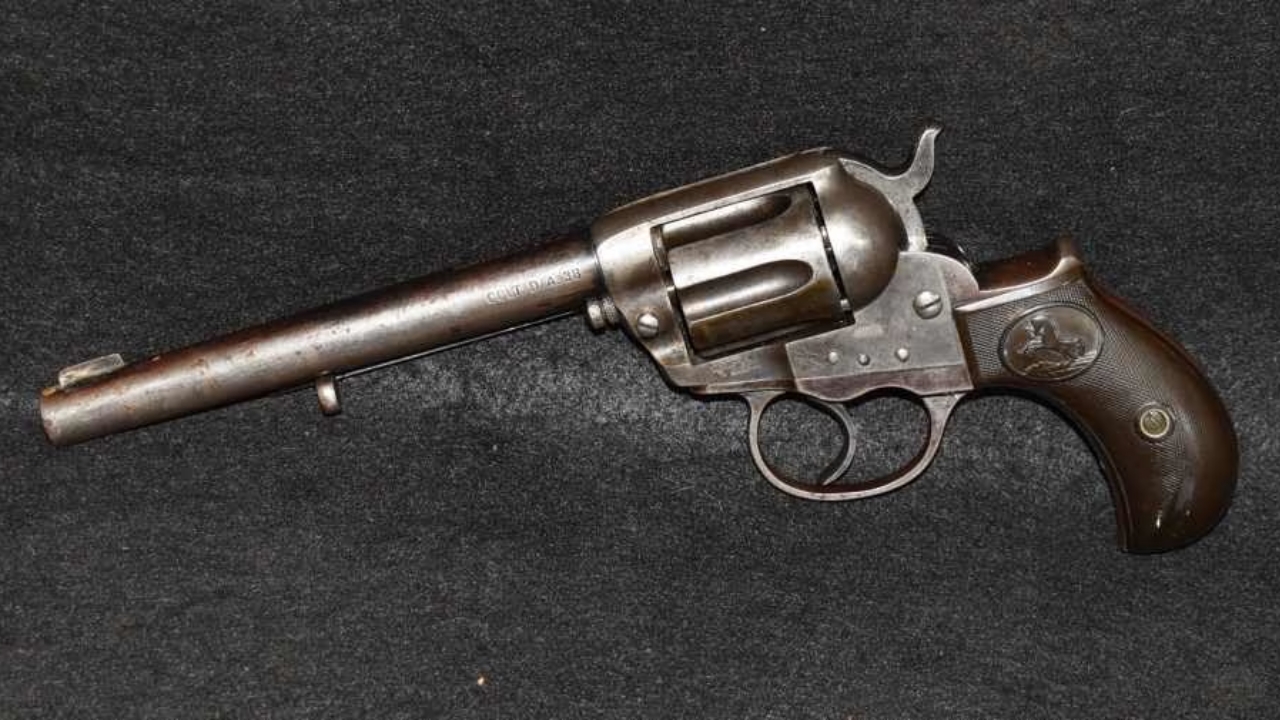
The Colt Model 1877 Lightning is one of those guns that makes sense when you stop thinking like a collector and start thinking like a man who carries daily. A double-action revolver gave you faster first-shot capability without changing your whole manual of arms, and that appealed to gamblers, lawmen, and anyone who lived close to trouble.
This is the kind of revolver that gets linked to saloons and hotel hallways, where fights happened at handshake distance. The Lightning also explains why “the gun behind the name” can be complicated: a famous figure might own several handguns, but a carry gun is the one that actually stays on the body. The 1877’s reputation for being a little more delicate than a single-action is real, so the men who carried them tended to be the type who maintained their gear and paid attention to timing.
Winchester Model 1866 “Yellow Boy”

The Winchester Model 1866 shows up wherever you see the West expanding into places that demanded a fast, repeating rifle. The “Yellow Boy” nickname comes from its brass receiver, and it’s easy to spot in photos and stories because it looked different than the darker iron guns around it.
What made it matter was volume of fire with manageable recoil. In a time when a missed shot could turn into a long, dangerous reload, a lever gun that could keep sending bullets changed how people fought and how they defended camps. It also fed a common cartridge that people could actually find, and that availability shaped what rode in saddle scabbards. When you think of settlers, ranch hands, and guards trying to hold ground, this is one of the rifles that helped them do it.
Winchester Model 1873
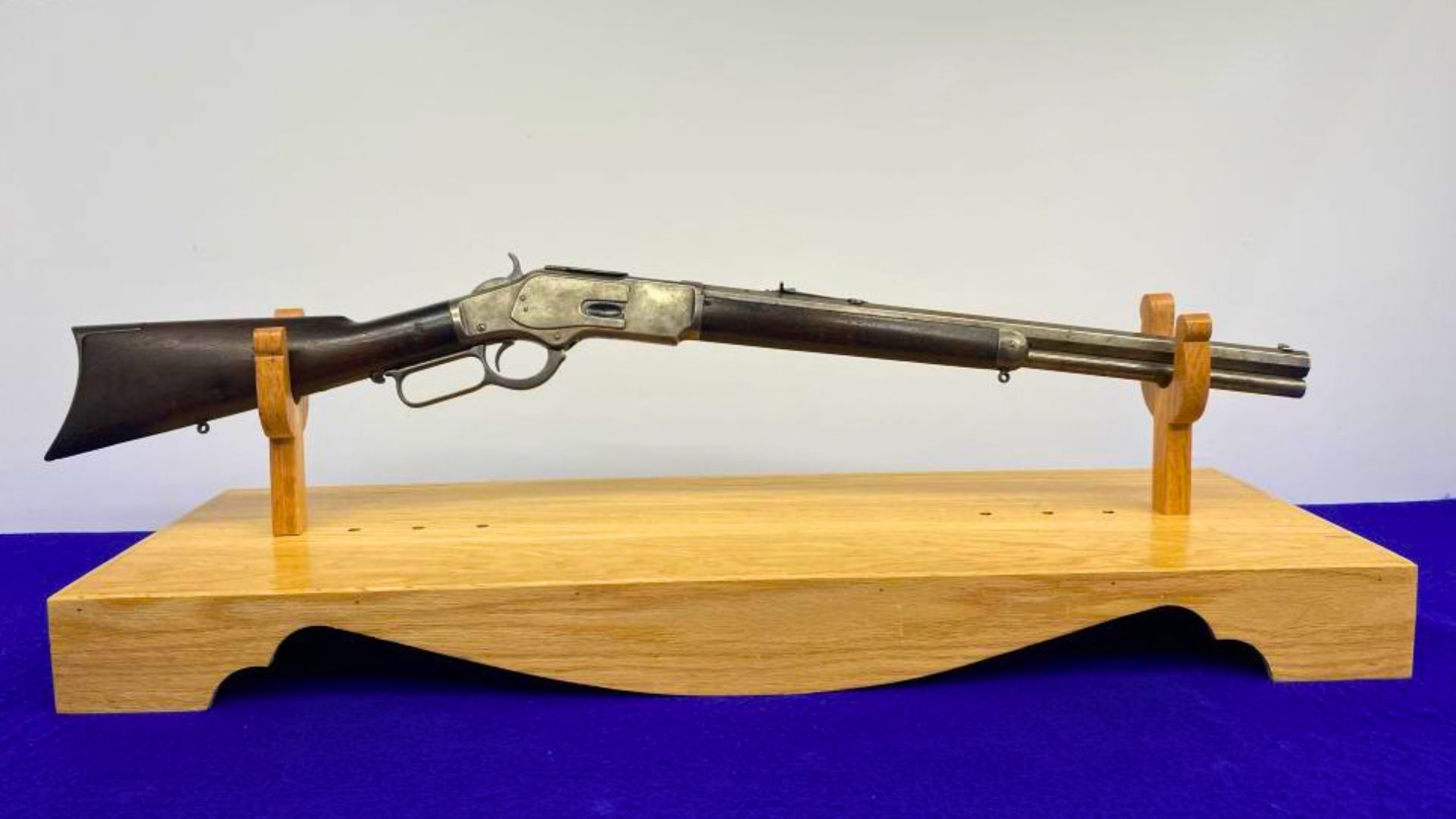
The Winchester Model 1873 earned its place because it fit the reality of the frontier better than most. It wasn’t built for extreme range or heavy bullets. It was built for real distances—across a street, a corral, a patch of timber—where fast follow-up shots solved problems.
This model gets tied to outlaw and lawman stories because it was everywhere, and because a rifle you could feed from a belt of common cartridges had a real advantage. A lot of men paired a revolver and a rifle that shared ammunition, and the 1873 played that role well. When you read about posses, stage routes, and ranch defense, the 1873 keeps showing up because it matched how people lived: close work, quick shots, and enough capacity to outlast a short fight.
Winchester Model 1892
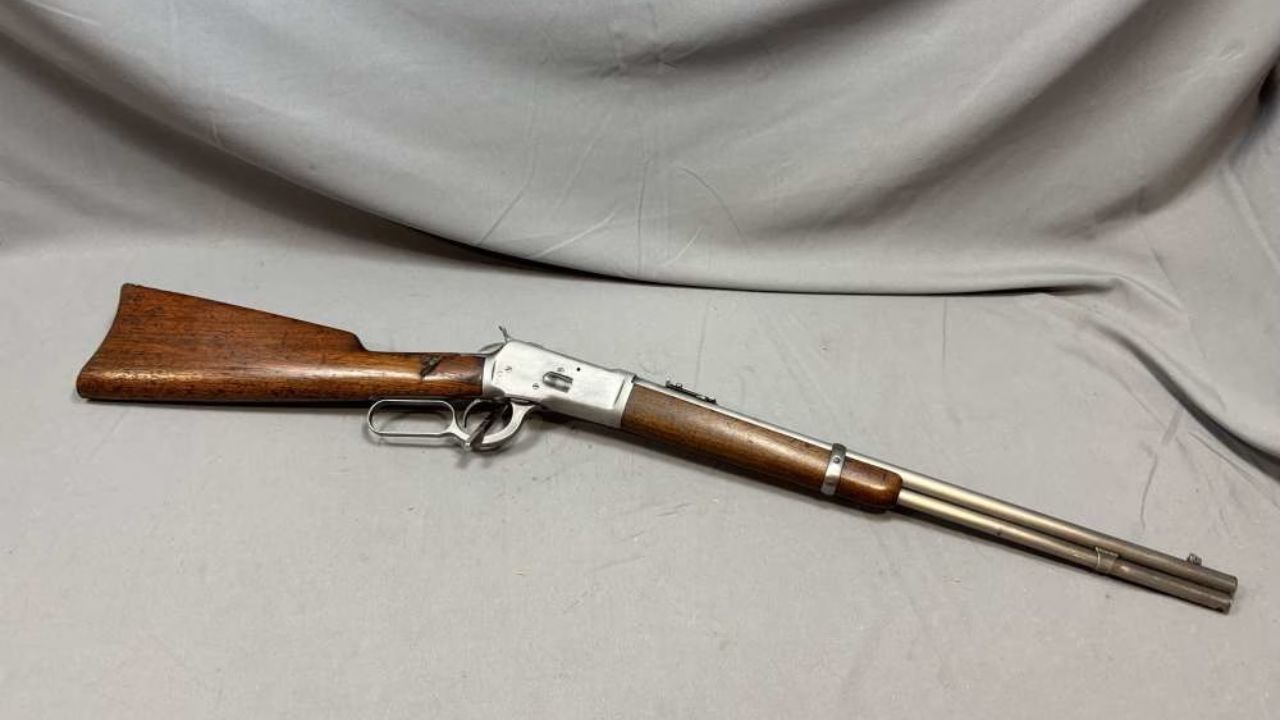
The Winchester Model 1892 is what happens when a lever gun design grows up. It’s slimmer, stronger, and smoother than many earlier rifles, and it handled pistol cartridges with a confidence that made it a favorite for practical carry. When the West is shifting from early frontier chaos into more settled towns, you see the ’92 show up as the rifle that still made sense on horseback and on foot.
This model matters because it cycles fast and carries well. In the hands of a working man, a rifle like this is less about romance and more about convenience—quick to mount, quick to run, and chambered in cartridges that were common in revolvers of the day. That overlap is the key. If you were living out of a belt and a scabbard, the ’92 was an easy rifle to keep fed, kept clean, and kept close.
Winchester Model 1894

The Winchester Model 1894 is where lever guns start leaning harder into hunting performance, not only defense or brawls. Chamberings like .30-30 turned it into a meat-and-hides rifle that could realistically reach farther and hit with more authority than the older pistol-cartridge lever guns.
This is one of the firearms that shaped the later image of the West—less gunfights in the street, more ranch life, more hunting, more seasons. If you want to understand how frontier living turned into deer camps and working ranch culture, the ’94 is part of the bridge. It’s light enough to carry all day, quick enough for snap shots, and accurate enough that a man who practiced could make clean kills without pretending every shot needed to be a long-range stunt.
Winchester Model 1876
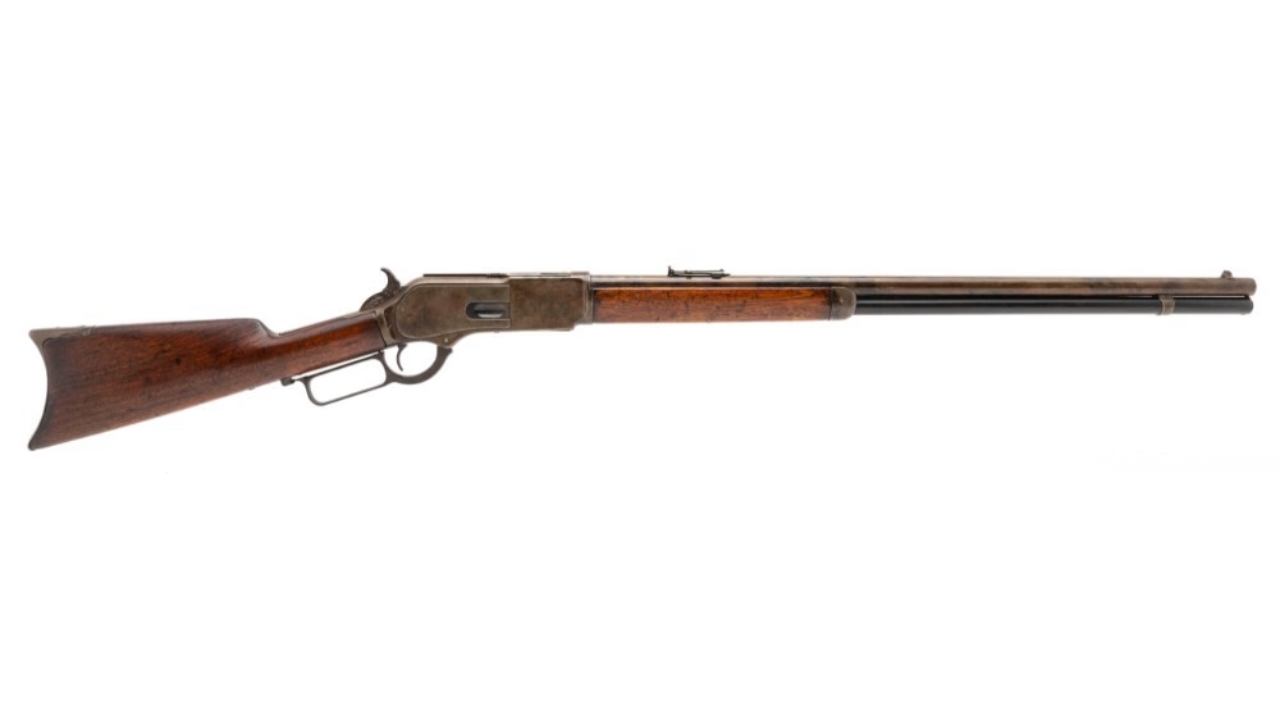
The Winchester Model 1876 sits in the “big lever gun” category that mattered to scouts and hunters who wanted more than a pistol cartridge could deliver. This is the model you see linked to Buffalo Bill Cody’s world because it matched the need: repeating rifle speed with a heavier punch, built for a man who made his living on horseback and in open country.
The appeal is how it balances power and handling for the era. It still runs like a lever gun—fast, familiar, easy to keep in a scabbard—but it points toward larger game and longer shots than the lighter Winchesters. It also represents status. When you carried something like a 1876, you were signaling that you expected serious work. That’s why it keeps showing up around famous scouts and showmen: it looked right, but more importantly, it worked.
Springfield Model 1873 “Trapdoor”

The Springfield Model 1873 Trapdoor is the military side of the Old West story, and you can’t separate that from the names people still argue about today. Soldiers, scouts, and contracted civilians carried these rifles across huge stretches of the frontier, and the gun’s presence shaped fights, hunting, and the everyday feel of the era.
What you get with the Trapdoor is reliability and authority, not speed. One well-placed shot with a full-power rifle cartridge could end a problem in a hurry, and that mattered in open country where cover was scarce. You also see why the rifle stuck around: it was issued, it was supported, and it taught generations of men what a “real” rifle felt like. When a frontier legend carried a single-shot rifle, it usually meant he trusted his first shot and lived by discipline.
Sharps Model 1874
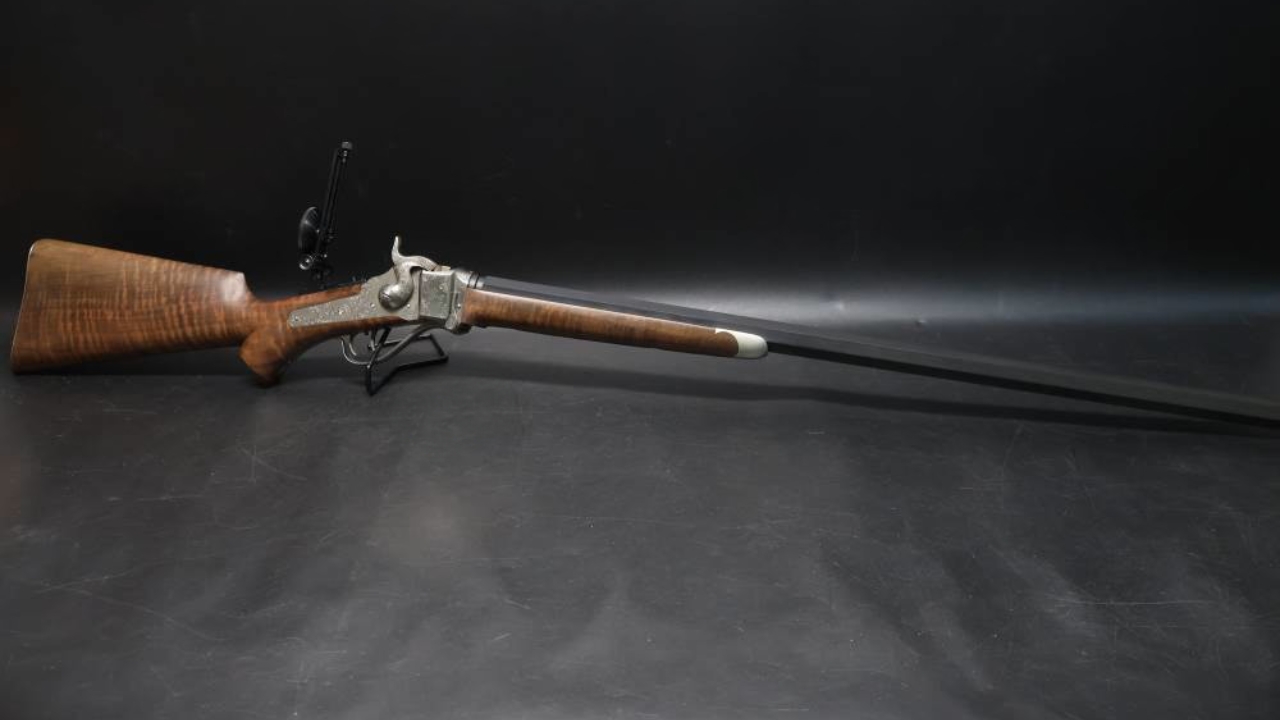
The Sharps Model 1874 is the rifle tied to the kind of marksmanship that created legends. When you read about Billy Dixon and the Adobe Walls shot, the Sharps is part of the reason the story still gets repeated. Big cartridges, heavy bullets, and enough accuracy to make long shots possible in a world without rangefinders and dialed turrets.
This model matters because it represents a different kind of frontier competence. A Sharps isn’t a fast rifle. It’s a deliberate rifle. You load it, you settle in, and you send a bullet that carries authority a long way. That combination was made for buffalo hunting, for open plains, and for moments when one hit mattered more than a dozen misses. The Sharps didn’t become famous through convenience. It became famous because it delivered when skill and distance were the whole game.
Spencer Model 1865 Carbine

The Spencer Model 1865 carbine is one of the quiet influences that pushed the West toward repeating arms. It’s tied to cavalry and the men who rode hard across big distances, and it shows how repeating fire started changing tactics before lever guns dominated the civilian market.
The Spencer’s feel is all business: compact, shoulder-friendly, and built for a rider who needed a gun that came up fast. The magazine system gave you multiple shots without the slow ritual of muzzleloading or single-shot reloads, and that was a real advantage when the fight was messy and moving. In frontier terms, this carbine represents transition—war technology turning into frontier reality. When a name from the era is linked to mounted action, you can picture a Spencer without forcing the story.
Winchester Model 1895
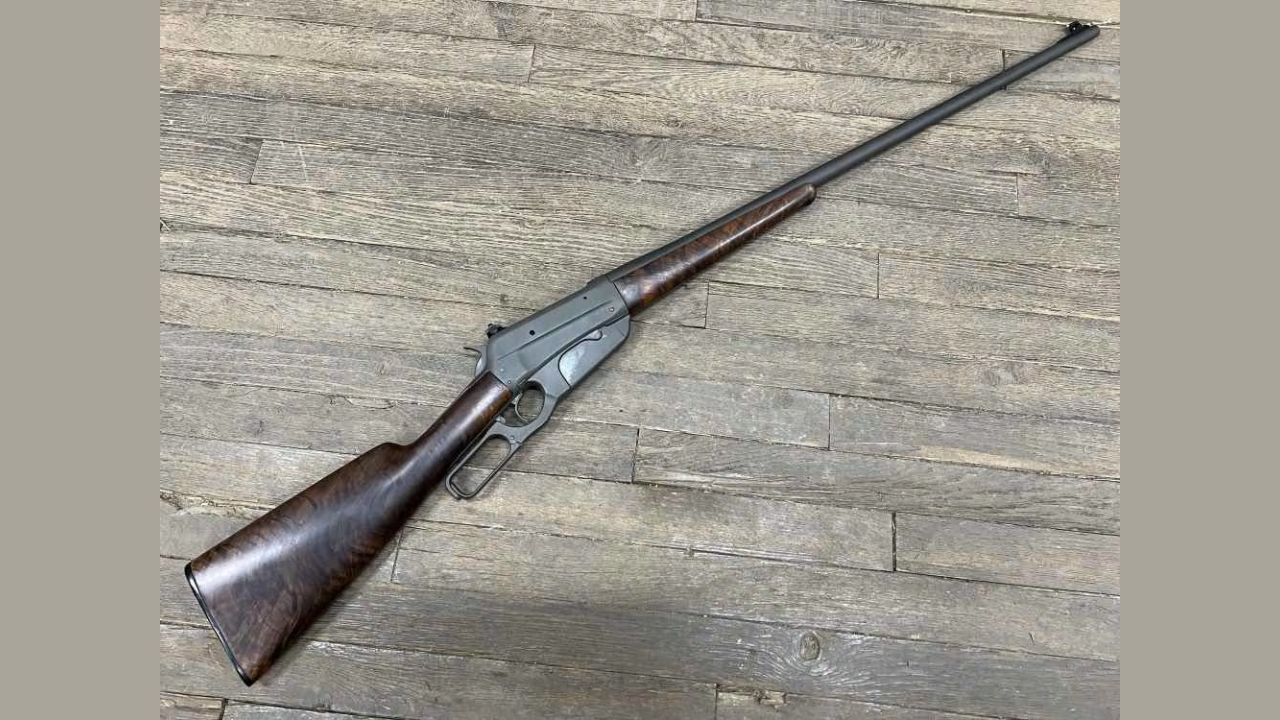
The Winchester Model 1895 is the late-frontier rifle that still carries the spirit of the earlier West: hard travel, big country, and a rifle expected to handle serious cartridges. This is the model tied to Theodore Roosevelt’s rifle lore because it fit his style—practical, powerful, and meant for real hunting, not decoration.
What makes the 1895 stand out is that it embraces modern rifle cartridges while keeping a lever-action format. That gave a shooter reach and punch that earlier tube-magazine lever guns couldn’t safely match with spitzer-style bullets. It’s a rifle that signals the West growing up: better ammunition, better reach, and a broader idea of what “frontier hunting” could be. If you want a firearm model that marks the shift from classic frontier to modern sporting rifle thinking, the 1895 belongs in the conversation.
Like The Avid Outdoorsman’s content? Subscribe to our newsletter so you never miss an article.
Here’s more from us: