Photo credit: Gun News & Reviews/YouTube
A lot of rifles got ignored for the same reason people miss all kinds of good buys. They were too common, too plain, too old-school, or too out of step with whatever the market was obsessing over at the time. Then supply tightened, collectors woke up, or shooters finally realized the rifle they kept passing over was a lot better than they gave it credit for.
That is when the pain starts. The same rifles people used to call boring, outdated, or not worth rushing over are now the ones getting tagged at prices that make buyers mutter under their breath and walk away. Here are 15 rifles that used to sit around and now hit a whole lot harder at the cash register.
Browning BLR

For a long time, the BLR lived in an awkward space. It was not the classic lever gun traditionalists wanted, and it was not the straightforward bolt gun most hunters defaulted to. That made it easy to admire and easy to leave behind, especially when there was always another one somewhere nearby.
That got a lot harder once shooters started appreciating what it actually offered. The detachable magazine, stronger chamberings, and fast-handling feel made it much more useful than the old “weird lever gun” label suggested. Clean older BLRs now tend to get snapped up much faster, and the prices reflect it.
Ruger Deerfield Carbine

The Deerfield was one of those rifles plenty of buyers liked without feeling any urgency to own. It had a loyal following, sure, but it never felt like the kind of gun people needed to grab immediately. It sat in that middle zone where shooters assumed they could always find one later.
Later got expensive. Once people started chasing handy traditional-stock semiautos again, the Deerfield stopped looking like a niche oddball and started looking like a smart rifle that disappeared too soon. That change in perspective did exactly what you would expect to prices.
Winchester 100

The Winchester 100 spent years being overshadowed by more famous Winchester rifles. It was not a Model 70, and it was not one of the lever guns people romanticized, so a lot of buyers treated it like a second-tier old hunting autoloader. That kept prices softer for longer than they should have been.
Now cleaner examples in desirable chamberings do not get shrugged off the same way. Once people started appreciating the rifle’s styling, handling, and place in the Winchester family, the easy bargains faded. It is one more case of buyers learning too late that “overlooked” does not stay cheap forever.
Browning Safari Grade bolt rifles
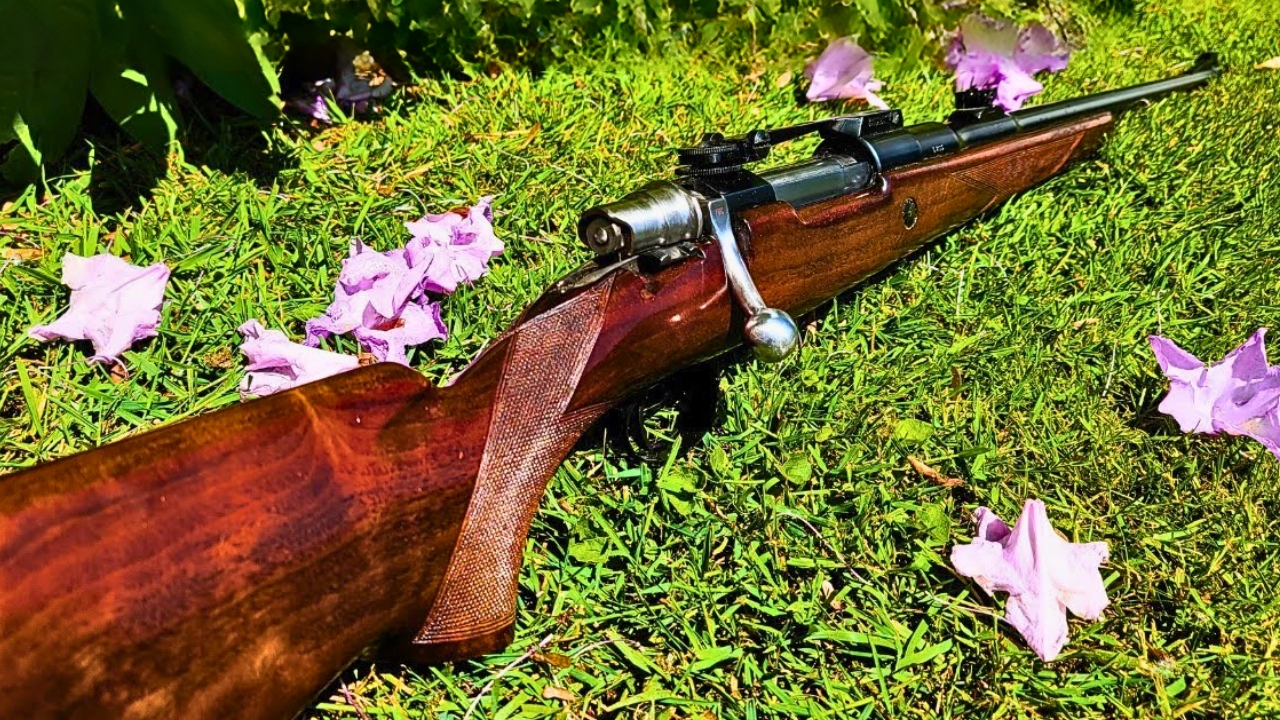
There was a time when these were respected but still not always chased aggressively unless the buyer was already deep into classic sporting rifles. Plenty of shooters looked at them, admired the wood, and then bought something cheaper, more modern, or simply more familiar.
That got harder once people realized how many truly attractive older Browning bolt guns had already slipped into collections. The better Safari Grades now land in a price bracket that feels very different from the days when they were just another nice used rifle on a rack.
Sako Forester

Sako rifles were never junk-shop trash, but there was a long period where a lot of buyers still did not move quickly enough on them. The Forester especially could sit because people recognized the quality without always feeling the pressure to buy on the spot. It was one of those “I’ll come back for it” rifles.
That kind of hesitation does not work well once the market catches on. Foresters now pull much stronger money because shooters finally stopped treating them like optional nice finds and started treating them like the real prizes they were. Once that switch flips, prices usually do not go backward.
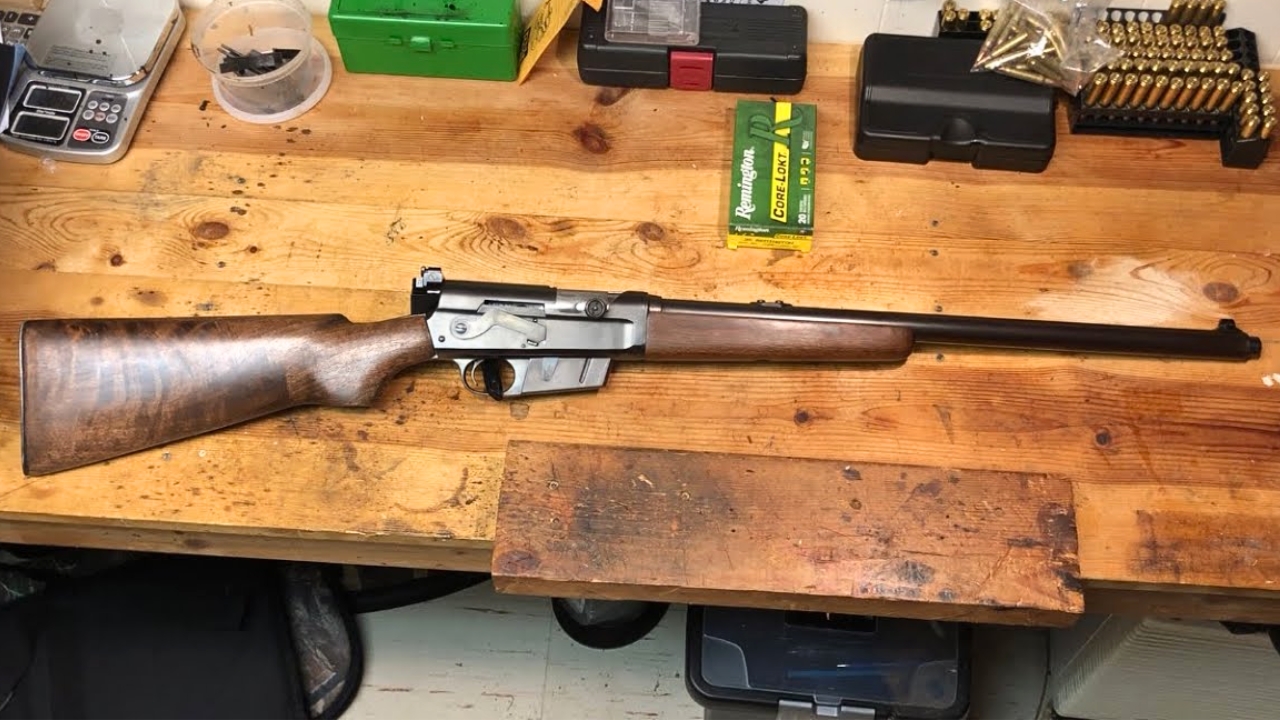
Remington Model 81

The Model 81 used to feel like old hardware for people who liked oddball American autoloaders. That meant plenty of buyers appreciated it in a casual way without seriously pursuing one. It was interesting, but not always urgent.
That changed once more collectors and shooters started looking for older sporting semiautos with real identity. Good Model 81s stopped being the kind of rifles you trip over cheaply. The old “neat but maybe not today” price tag is mostly gone.
Ruger 44 Carbine

The old Ruger .44 Carbine used to be one of those rifles people thought was cool without always paying accordingly. It had charm, but it also sat in a lane many buyers did not fully appreciate until pistol-caliber and woods-friendly carbines got hotter again.
Once the market started valuing handy traditional carbines more seriously, the Ruger 44 looked a lot smarter. Prices moved like they usually do when a rifle goes from “nice old thing” to “I’ve been looking for one of those for months.”
CZ 527
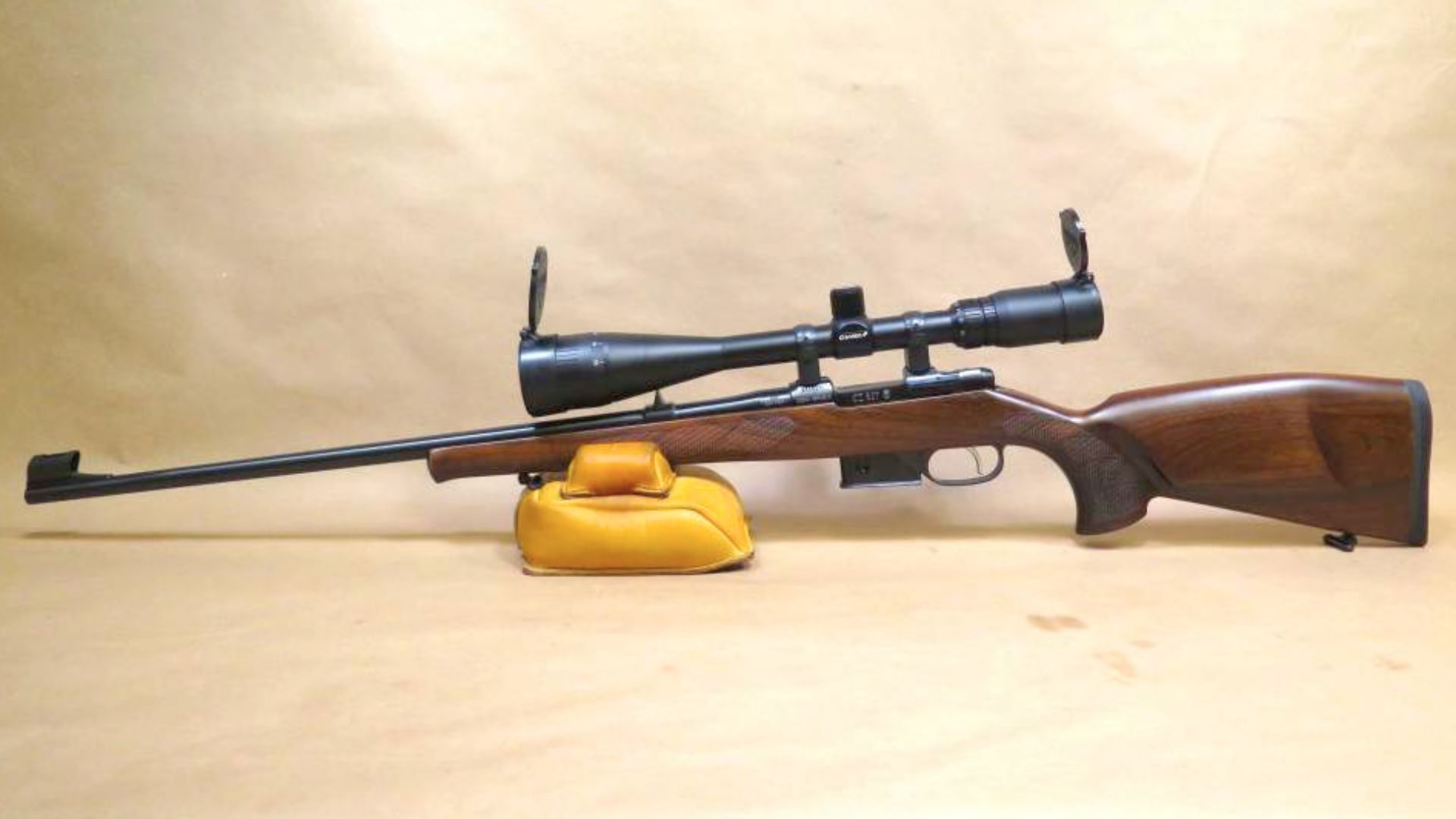
The 527 was loved by the people who knew, but that did not stop others from passing them over for louder, more mainstream bolt guns. They were often treated like slightly quirky small-action rifles with a loyal niche rather than as something people should grab while they still could.
Now a lot of buyers would love to have those old chances back. Once the 527 left the market, appreciation rose quickly. The rifles’ trim feel, quality, and chamberings started looking even better in hindsight, and the prices followed.
Remington 600 Mohawk / 600-series rifles

These rifles spent years being easy to mock. Too short, too odd-looking, too weird in profile for some buyers to take seriously. That weirdness kept them from being loved as broadly as more conventional rifles for a long time.
Then the same oddness started looking distinctive instead of awkward. Once collectors and hunters warmed up to their handling and personality, prices climbed fast. That is a common pattern: the rifles people used to laugh at are often the same ones they panic-buy later.
Browning B-78

The B-78 sat in that same single-shot lane as other classy rifles people liked in theory more than in practice. Buyers admired them, but many did not feel urgency because single-shots always seemed like something they could get around to later.
That kind of thinking got expensive. Once more buyers started wanting elegant single-shots with real quality behind them, the B-78 stopped being the rifle that waited around for a second glance. Good examples now hit much harder than they used to.
Savage 24

The Savage 24 used to be one of those practical oddballs people bought for utility, not prestige. A combo gun did not exactly scream collector gold, so a lot of them sat around as truck guns, camp guns, and “maybe I’ll grab that sometime” rifles.
Then people started realizing how much they liked practical, unusual guns with real outdoor usefulness. Clean Savage 24s became much harder to buy casually, especially in more desirable configurations. The same gun people once treated like a cheap backwoods tool now gets priced like something worth chasing.
Remington Model 8

For years, the Model 8 sat in the same underappreciated lane as other early sporting autoloaders. Interesting, yes. Important, yes. But not always something the average buyer felt they needed right now. That kept them from exploding sooner.
Those days are mostly gone. More collectors started valuing early autoloading history, and rifles with this much character did not stay soft forever. Once buyers started seeing the Model 8 as more than just a curiosity, the market got a lot less forgiving.
BSA Martini rimfires
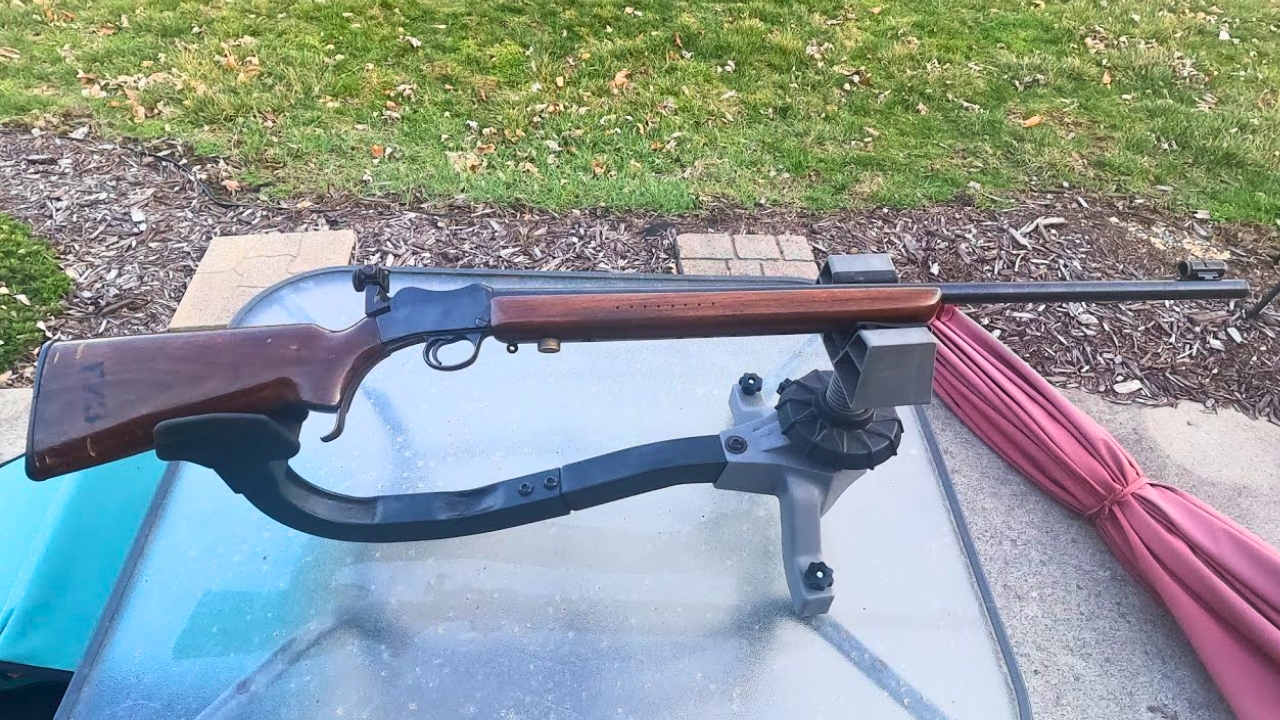
These used to be the kind of rifles only a certain type of shooter paid real attention to. Everybody else saw an old single-shot rimfire and moved on. That lack of urgency kept prices more manageable than they probably deserved to be.
Now a lot more buyers understand the appeal. Good old Martini-action trainers and sporting rimfires have a level of quality and charm that newer rifles usually do not touch. Once that appreciation spreads, the cheap ones disappear first.
Ruger M77 tang safety rifles

Older tang safety M77s used to be treated like solid used hunting rifles, not treasures. People liked them, but not always enough to buy them on sight. There was a long time when these could still sit while buyers debated other options.
That is much less true now. More shooters started preferring the older feel, older lines, and older Ruger personality over later production differences. Once buyers decide a certain era is “the one to get,” prices stop being friendly.
Anschütz sporter rimfires

For a long time, a lot of buyers knew these were good without realizing how much that goodness would cost later. Rimfires often get underestimated, and that gave Anschütz sporters a window where they were admired but still occasionally obtainable.
That window did not stay open. Once more buyers wanted truly high-quality sporting rimfires instead of throwaway plinkers, these rifles climbed hard. The people who once hesitated because “it’s just a .22” usually regret that logic now.
Mannlicher-stocked full-stock hunting rifles
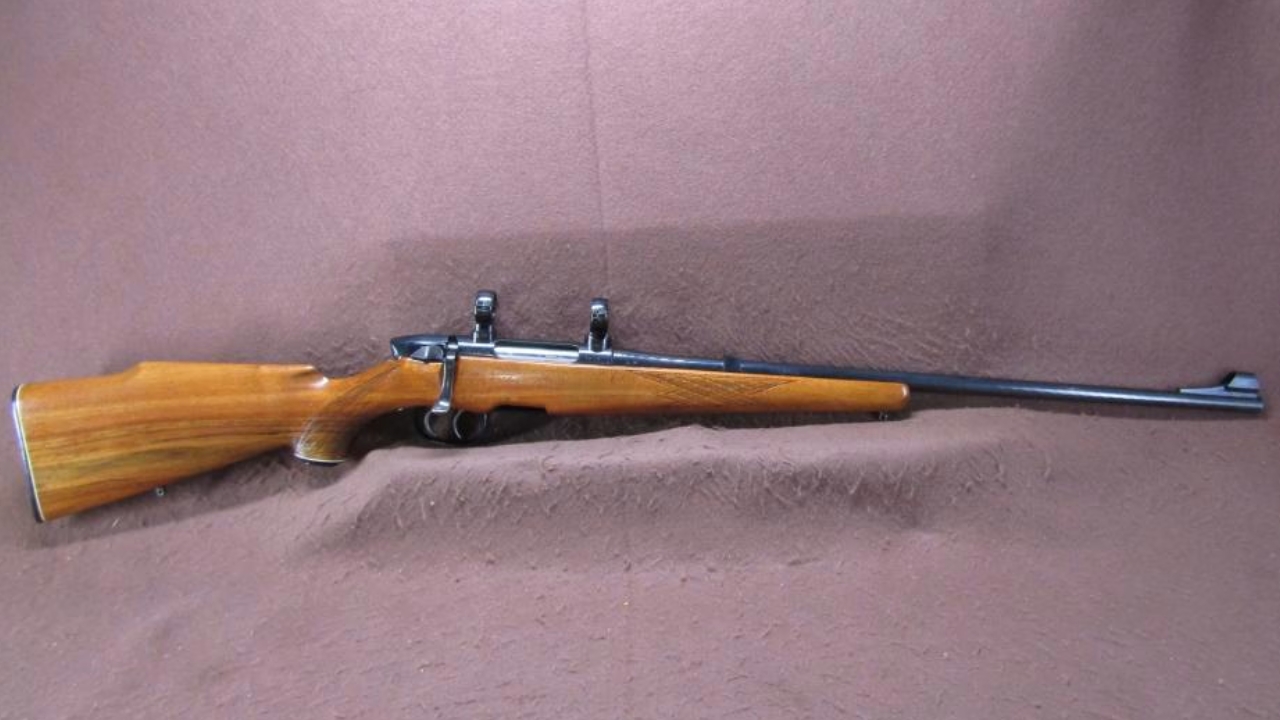
These sat for years because the market swung hard toward synthetic stocks, long-range setups, and practical-looking hunting rifles. Full-stocks were often treated like old-world vanity pieces for buyers more concerned with style than use.
Then the market remembered they were cool. Carbines with full-length stocks, especially from respected makers, started getting much more attention. Once enough buyers decided they wanted one after all, prices moved fast. That is usually how it goes when something unfashionable becomes desirable again.
Like The Avid Outdoorsman’s content? Subscribe to our newsletter so you never miss an article.
Here’s more from us: