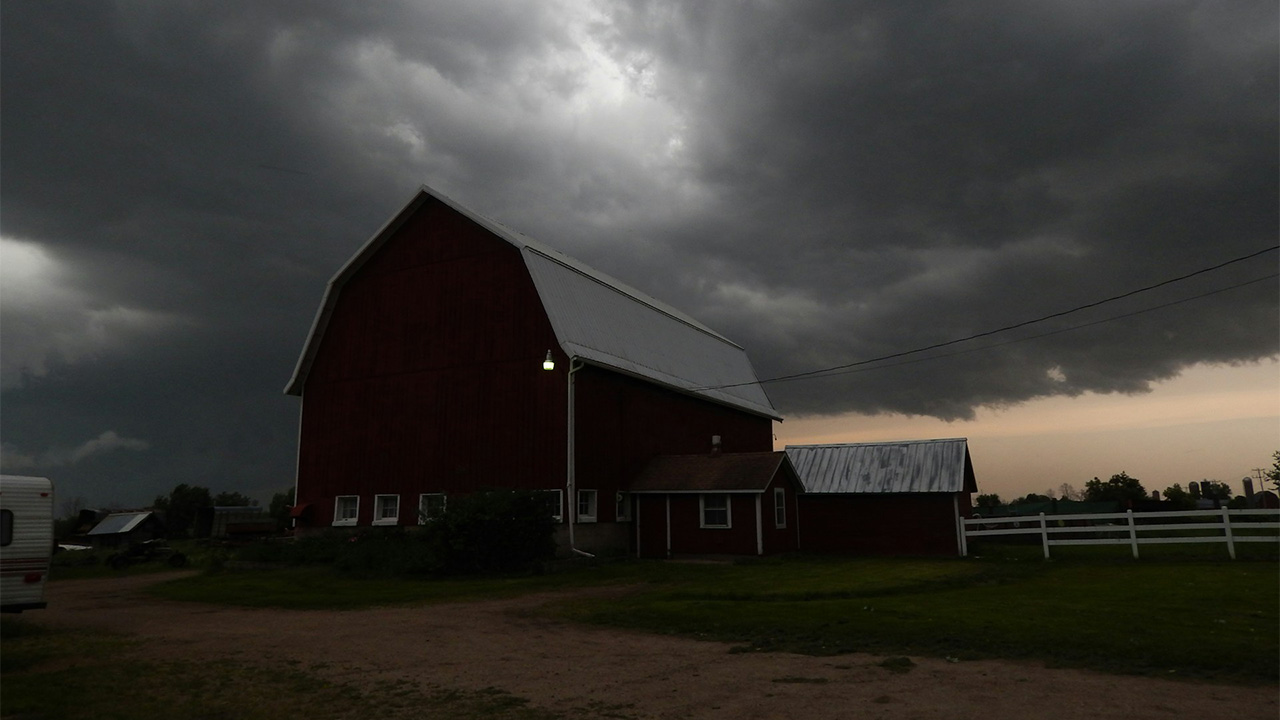
Photo credit: Josie Weiss/Unsplash.com
A lot of bad outdoor situations start with a sound somebody tries to explain away too quickly. At night, people hear something strange outside and tell themselves it is probably nothing. A branch. A cat. The wind. Maybe the trash can settling or some critter minding its own business. Sometimes that is true. But sometimes the sound means an animal is already closer, bolder, or more interested in your place than you want it to be. The trouble is that night changes how people judge things. Distance feels off. Size feels off. One soft sound can be a whole lot more serious than it seems.
That is why nighttime noises deserve more respect than they usually get, especially around rural property, barns, chicken coops, sheds, and homes near brush, timber, water, or open pasture. You do not need to panic every time something rustles. But there are certain sounds that ought to make you pay closer attention, because they often mean more than “something is out there.” They can mean testing, feeding, circling, climbing, pushing, or an animal that has already gotten too comfortable being near your space after dark. Here are 15 sounds outside at night that are worse than they seem.
Repeated light tapping on a coop or wall
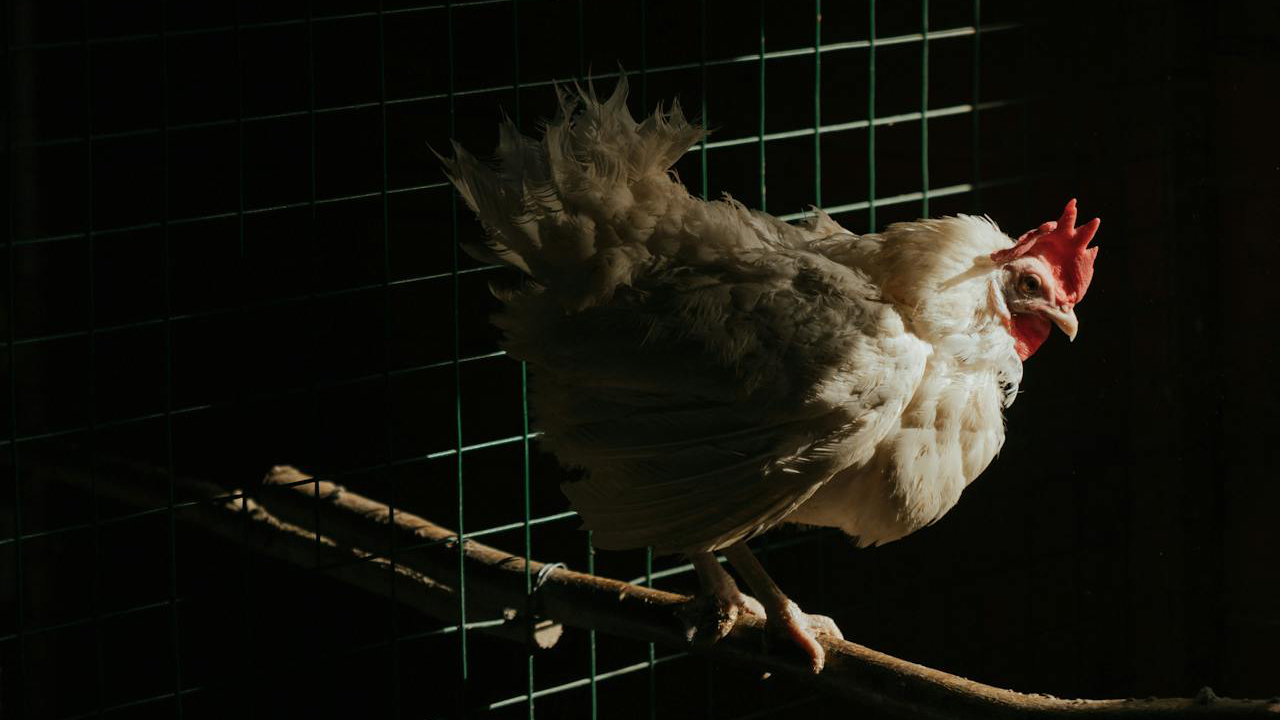
A soft tap on a coop, shed wall, or siding does not sound like much at first. People often assume it is a branch moving, loose metal shifting, or something settling. But repeated light tapping can mean an animal is testing the structure. Raccoons do this. So do rats, possums, and sometimes even predators checking for access points or weaknesses. It is not always a full attack. Sometimes it is just curiosity mixed with persistence, which is how a lot of real problems begin.
What makes it worse than it sounds is the repetition. Wind is sloppy. Animals are not. If the tapping comes in patterns, returns to the same spot, or happens more than once over several nights, that usually means something is actively checking the area. Around poultry, feed storage, and outbuildings, a quiet testing sound is often the early stage of a larger issue. By the time it becomes loud enough to feel obvious, the animal may already know exactly where your weak spots are.
Scratching under the floor or porch

A little scratching under a porch or floor can sound harmless, almost small enough to ignore. But under-structure noise at night often means something has moved in or is trying to. Rats, raccoons, skunks, opossums, and even snakes following rodents can start with that kind of subtle sound. If it is under the same spot every night, especially near feed, trash, pet food, or crawlspace access, that is not random movement. That is occupancy or at least repeated interest.
The reason it is worse than it seems is because those spaces give animals cover right next to human activity. Once something starts using the underside of a porch or floor as shelter, it gets harder to solve than a simple one-night pass-through. You are no longer dealing with an animal in the yard. You are dealing with one right under your feet, where it can breed, stash food, avoid weather, and keep coming back without showing itself much.
A dog bark that suddenly cuts off
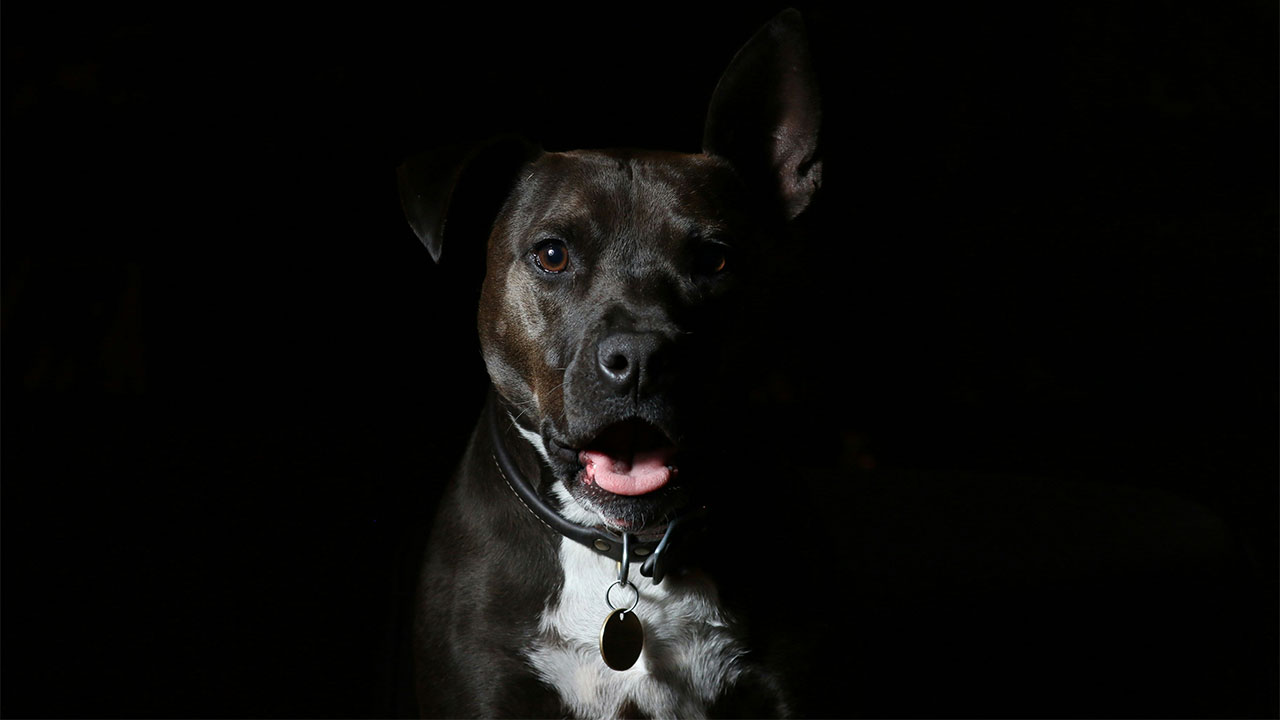
A dog barking at night is normal enough in a lot of places. A dog barking and then stopping all at once can mean something very different. Sometimes it is nothing more than the dog losing interest. But sometimes that sudden stop means the dog saw or scented something that moved out of sight, got too close, or changed the situation fast enough to make the dog switch from alarm to caution. Dogs often sound different when they are annoyed versus when they are genuinely unsure.
This matters most if it happens repeatedly around the same time or in the same direction. Coyotes, loose dogs, hogs, bears, and even people moving where they should not be can cause that shift. The bark-stop pattern can mean your dog realized the problem was real enough to stop advertising and start listening. That is a whole different category from ordinary noise barking, and it deserves more attention than people usually give it.
A chicken flock going silent all at once
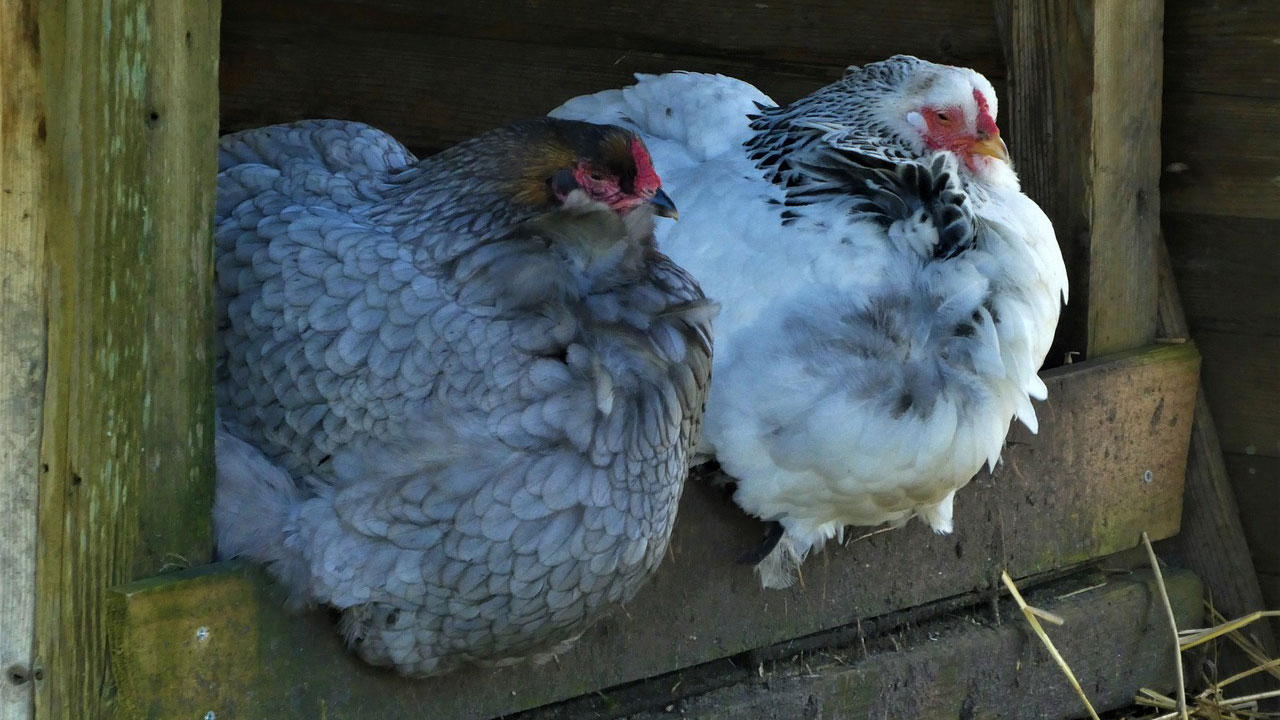
People expect panic noises from chickens when trouble shows up, and that does happen. But sometimes the more telling sound is the absence of sound. If a flock suddenly goes dead quiet at night, especially after a little restless murmuring or movement, that can mean a predator is nearby enough to freeze them up. Chickens do not need to be actively attacked to react. Sometimes they go still because something is close and they know it before you do.
This is worse than it seems because silence feels safer to people than noise does. But with poultry, unnatural silence can be just as important as thrashing and squawking. Owls, raccoons, foxes, snakes, and climbing predators can all create that kind of tension. If the coop or run has weak points, the quiet stage may be the last calm part before the real damage starts.
Snorting or blowing near the edge of the yard
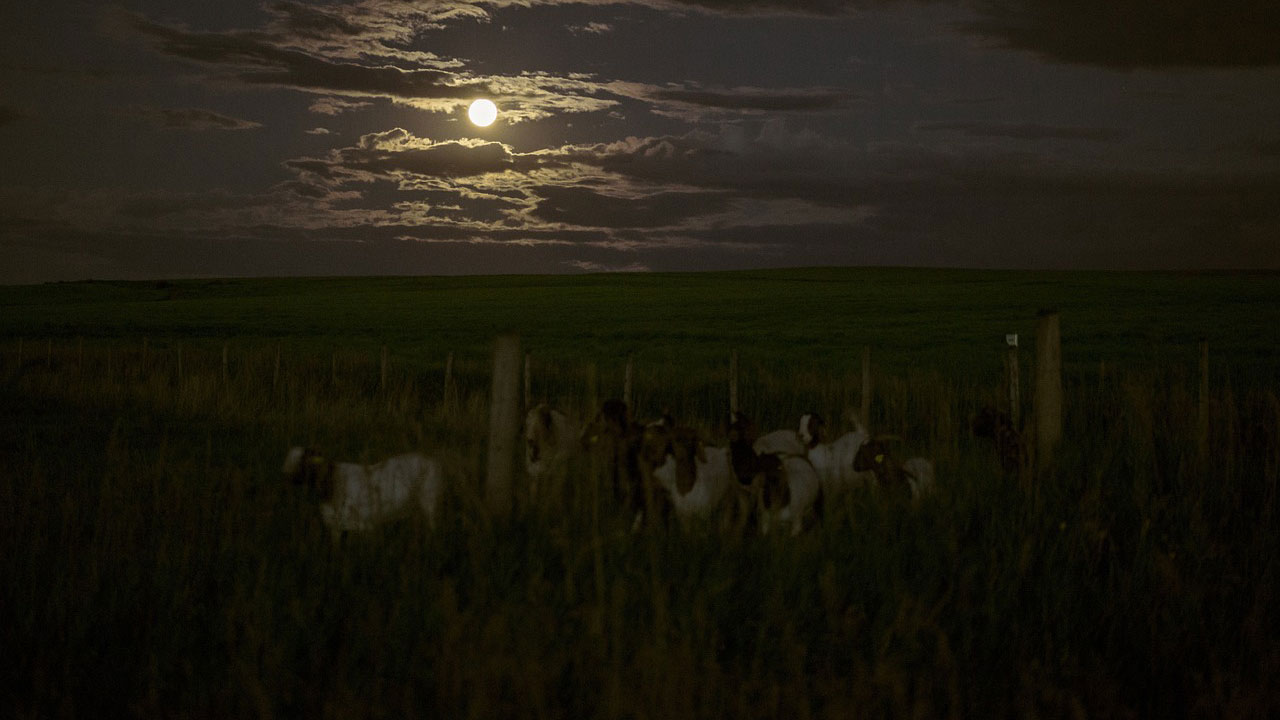
A quick snort or forceful blowing sound at night can be easy to brush off if you are not used to wildlife. But that sound often means a large animal is closer than you realized. Deer make it. So do hogs, bears, and other animals trying to warn, scent-check, or react to something they do not like. At night, when you cannot place distance well, one of those sounds can mean the animal is much nearer than your brain wants to believe.
The reason it matters is that big animals rarely make that kind of sound for no reason. They are responding to scent, movement, or discomfort. If you hear it near feeders, trash, pet enclosures, water sources, or along a treeline by the house, you are probably not just hearing something passing through. You are hearing an animal actively working out what your property is and whether it wants to stay a little longer.
Fast rustling that stops when you move

A quick burst of rustling in grass or leaves that stops cold the second you shift your weight can sound like a harmless critter. Sometimes it is. But that stop-on-stop behavior often means the animal knows you are there and is choosing stillness over retreat. Snakes, raccoons, foxes, bobcats, rats, and even bigger predators working low cover can all do this. The sudden silence is not comforting. It can mean the animal is now holding tight and letting you make the next mistake.
This is worse than it seems because people hear the movement stop and assume the problem is gone. In reality, it may just be paused. Around woodpiles, flower beds, barn edges, tall grass, and fence lines, this kind of sound pattern is often a sign that something is much closer to your feet than you thought. That matters a lot if dogs or kids are outside too.
Growling that seems too low to place

Low nighttime growling is never a sound to get casual about, especially when you cannot place it quickly. A deep growl from darkness can come from loose dogs, coyotes, hogs, big cats in rare cases, or animals in conflict near your property line. Sometimes it is directed at another animal. Sometimes it is directed at yours. Either way, if the sound is low enough that it feels more like pressure than noise, you are dealing with something that is close enough to matter.
What makes it worse is the uncertainty. People freeze because they cannot locate it well, and low-light sound tends to bounce. That can buy the animal more time to hold ground, circle, or remain unseen. If a growl comes from around livestock, the dog yard, a porch edge, or near trash and feed, that is not just spooky background noise. It often means an animal has already crossed into a level of comfort that deserves attention.
Something heavy brushing along the fence
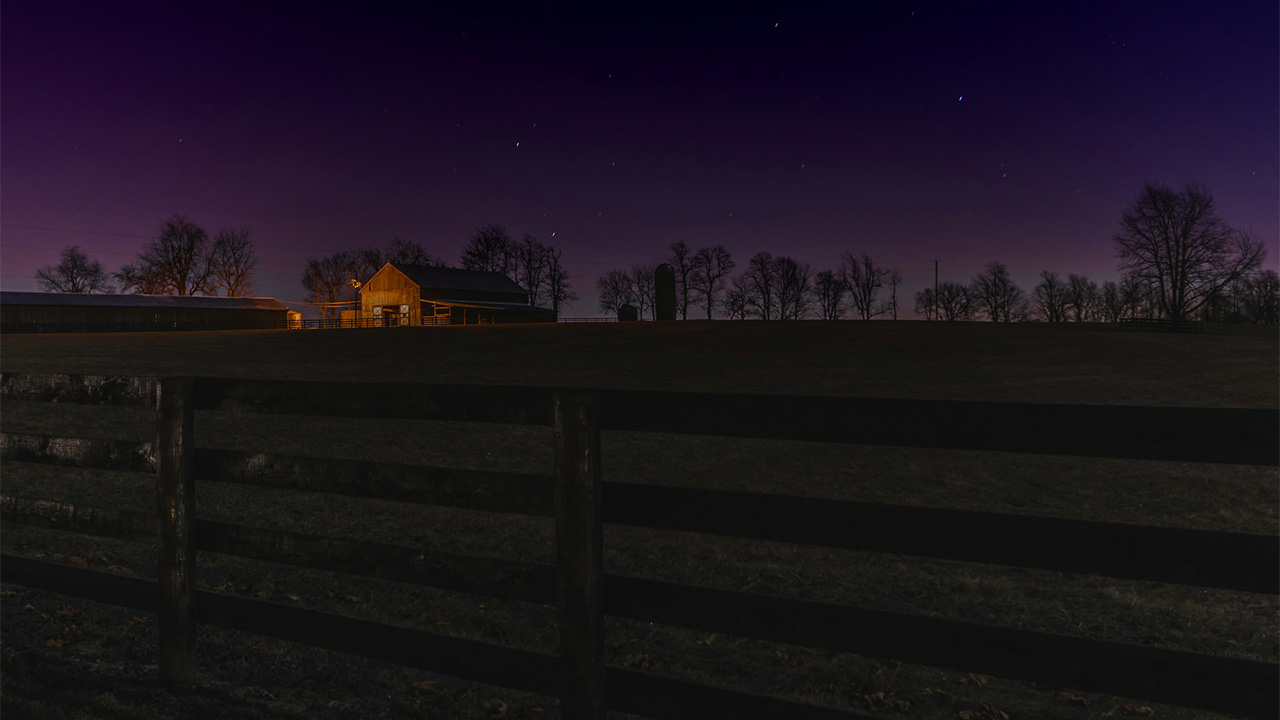
A fence rattle gets attention. A heavy brushing sound along a fence line often does not, because people mistake it for wind or overgrowth shifting. But a body moving along wire, wood, or brush at fence height usually means an animal is traveling the line with purpose. Coyotes do it. Hogs do it. Loose dogs, deer, and predators checking for gaps do it too. A fence is not just a boundary at night. It is a guide rail.
This matters because repeated movement along a fence means something is learning the layout. It may be looking for a way in, following scent from stock or pets, or simply incorporating your fence into a regular route. The sound itself may be soft, but the behavior behind it is not casual. Animals that start working fence lines after dark are often in the early stages of getting too familiar.
A cat making short, sharp distress sounds
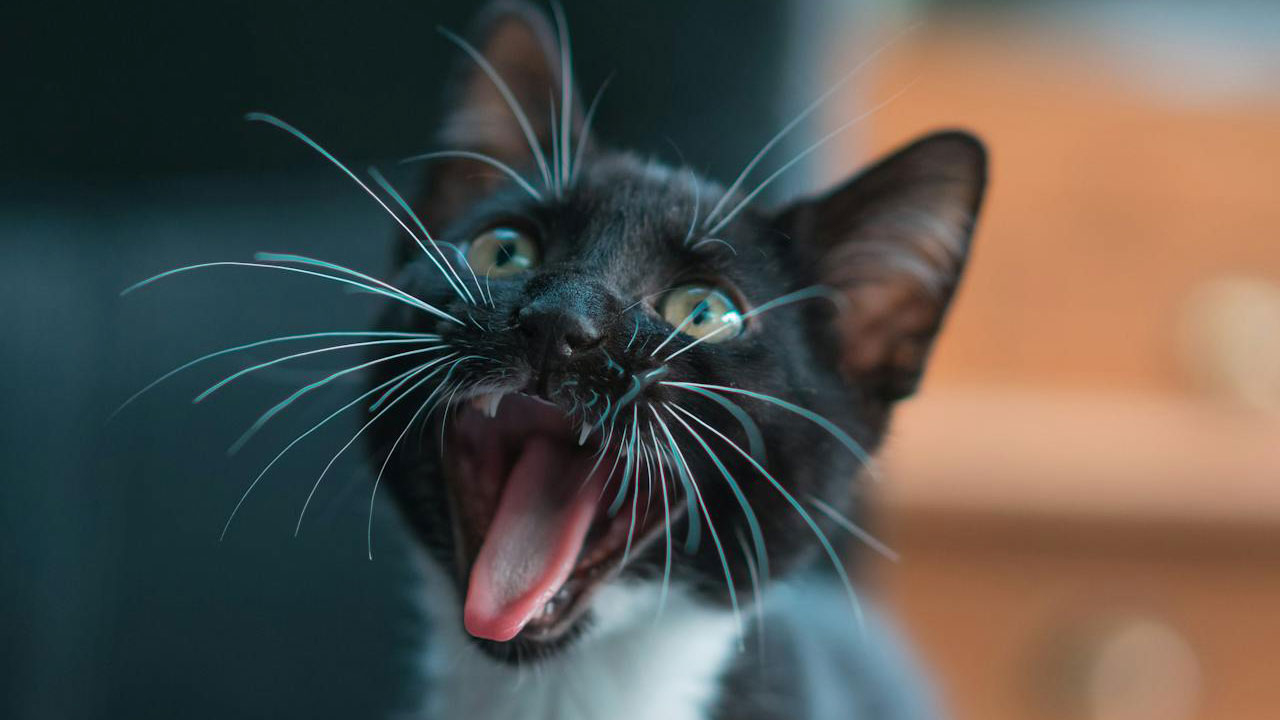
Cats make plenty of weird noises, but short, sharp distress sounds at night deserve more attention than people often give them. A sudden burst of yowling, choking-sounding cries, or clipped panic noises can mean a fight, a grab, or a predator encounter already underway. Coyotes, dogs, bobcats, owls, and other predators can hit so fast that the sound window is incredibly short. By the time someone gets to the door, the whole event may already be moving away.
That is why this sound is worse than it seems. It is often not the beginning of the problem. It is the middle of it. Outdoor cats are especially vulnerable because so many nighttime encounters happen quietly until the last second. If you hear that kind of sound more than once in an area, it usually means something there is hunting effectively.
Repeated movement around trash after the initial hit
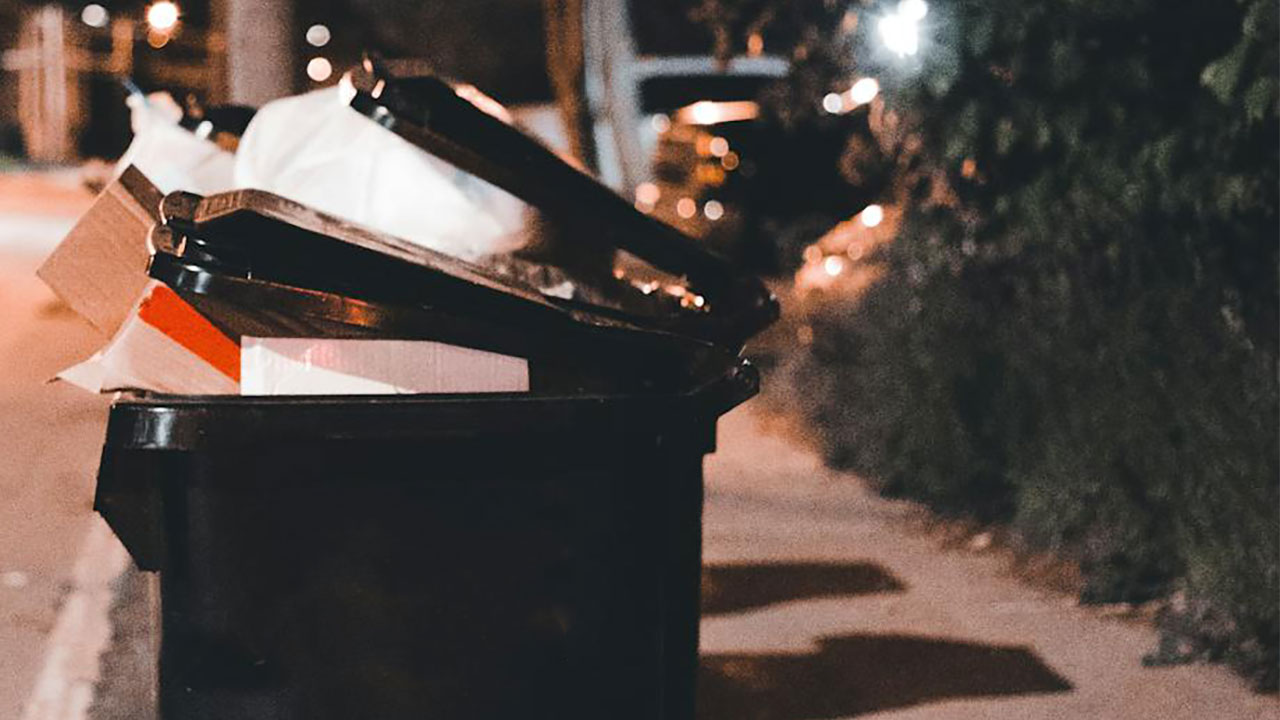
One loud bang at the trash cans can be a raccoon, possum, dog, or wind doing something messy. Repeated movement after that first bang is what changes the story. If you hear rummaging continue, lids shifting, containers nudging, or periodic thumps and scrapes, something is not just passing through. It has settled in and is actively feeding or working the area. That means it is comfortable enough to stay.
This matters because trash-fed animals get bold fast. Raccoons, bears, coyotes, and loose dogs all learn routines quickly when food is involved. The longer the sound continues, the more likely the animal sees your property as a dependable stop. A single mess is frustrating. A feeding pattern is the beginning of a bigger habit, and nighttime noise often reveals that before daylight does.
Wingbeats that sound too big and too close
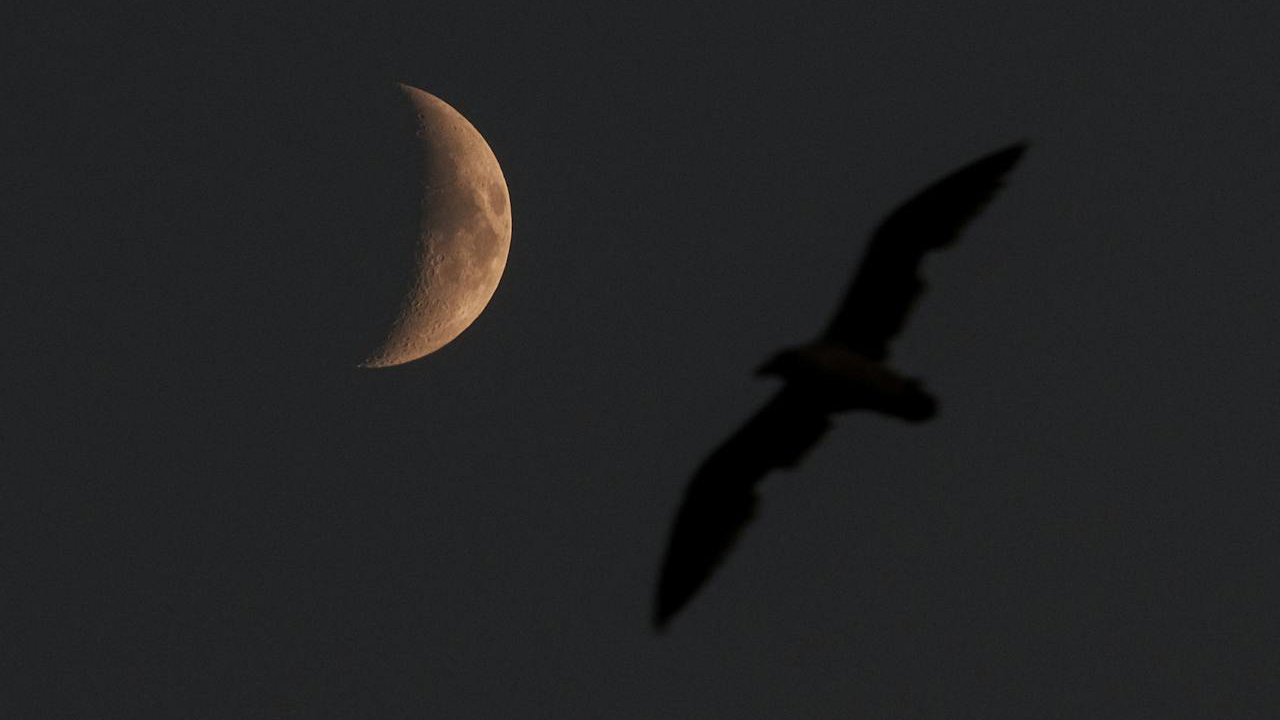
A sudden heavy wingbeat near a coop, small pet area, or yard can sound strange more than threatening. But big wings in the dark often mean an owl or other large bird has come in low, and that can be a real problem for tiny dogs, poultry, rabbits, and outdoor cats. People do not always think of wing sound as danger because it is over so quickly. But a large bird moving close enough for you to hear the weight of the beat usually is not far away.
This is worse than it seems because aerial predators leave less obvious evidence than land ones. A coyote might leave tracks. An owl may leave very little. If you hear heavy wingbeats more than once around the same area, especially at dawn, dusk, or full dark, you may already have a predator pattern forming above your yard rather than across it.
Brief squealing from the brush
A short squeal from the brush at night is easy to write off as “nature doing nature things,” and that is technically true. But it often means a hunt just happened or is happening right then. Rodents, rabbits, small birds, and even young animals give off brief distress sounds when caught. Foxes, coyotes, owls, bobcats, snakes, and other predators can all create that sound. It may last only a second or two, which is why people brush it off so easily.
The reason it matters is not just the kill itself. It tells you a predator is actively working that edge, and likely not for the first time. If the brush is near your barn, coop, woodline, feed room, or side yard, that means the hunting zone is already pressed up close to your daily space. That is worth noticing, even if the sound itself is over almost before you register it.
Pacing sounds around a barn or coop
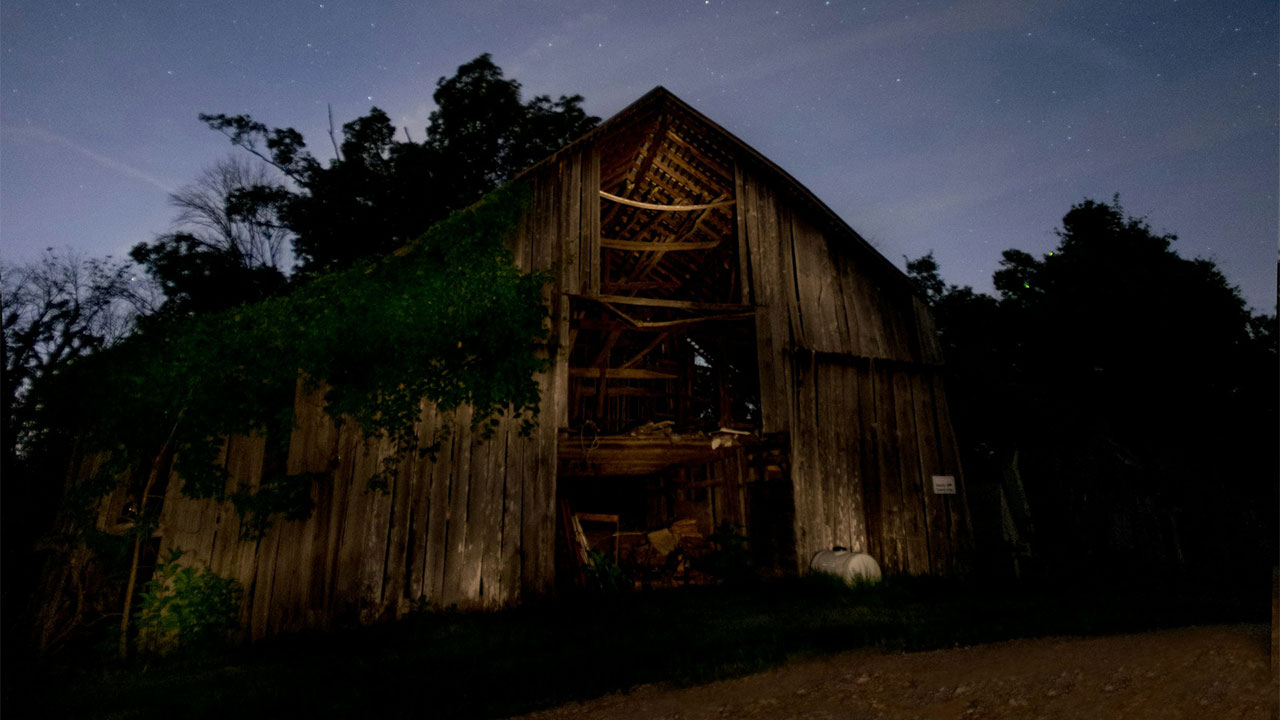
A soft crunch-crunch pause, then crunch-crunch pause around a barn, shed, or coop often means more than random wildlife movement. That pattern can be an animal circling, testing, scenting, and checking angles. Raccoons do it. Coyotes do it. Foxes and loose dogs do it too. The pacing sound is what matters. It suggests deliberate movement around a structure, not simple travel through the yard.
That is worse than it seems because circling is investigative behavior. Something is not just there. It is evaluating. If the same sound pattern shows up over multiple nights, it often means the animal is becoming more confident with the property and learning when people are least active. That is the kind of information you want before a loss happens, not after.
Loud chewing or crunching you can’t identify
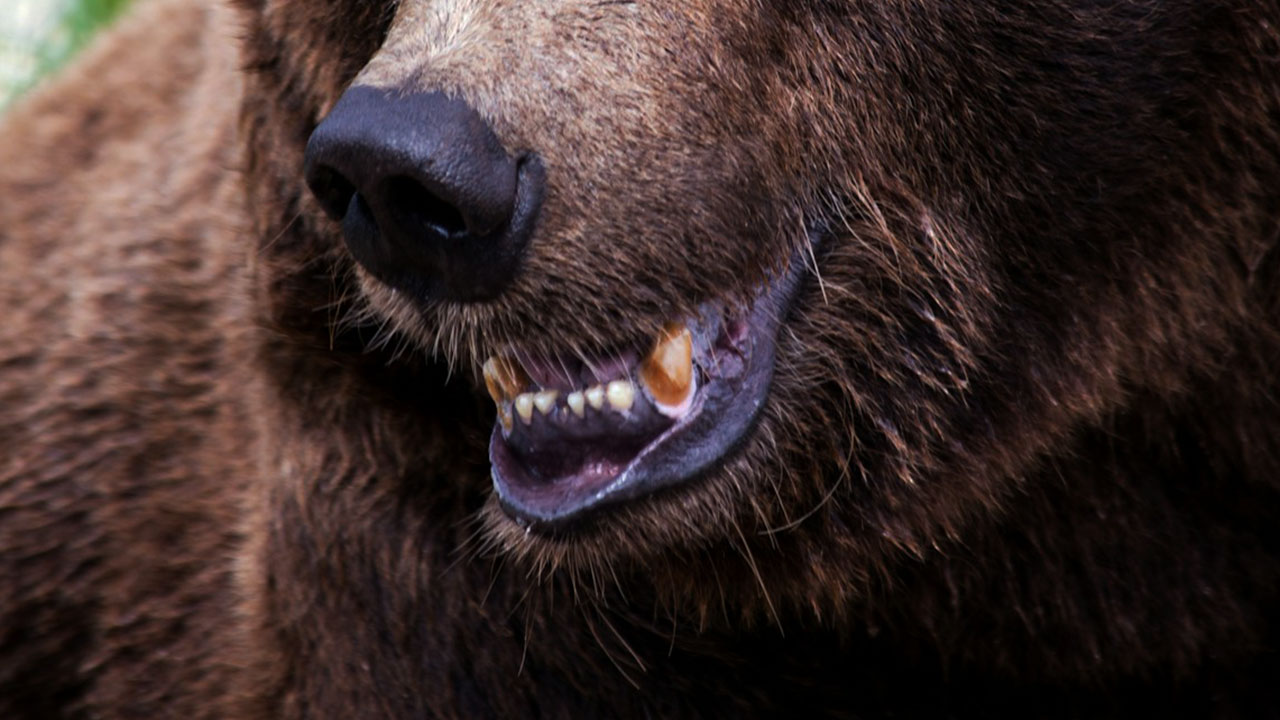
A weird crunching or chewing sound at night can be one of the most unsettling noises on a property, mostly because people cannot place it. Sometimes it is an animal in feed, sometimes bones, eggs, shells, or stored food, and sometimes it is a predator or scavenger working through something it already found. Raccoons, rats, opossums, and larger animals in some cases can all make sounds that seem oddly mechanical in the dark.
What makes it worse is that chewing means the animal is no longer investigating. It has already found what it wanted. If that noise is coming from a barn, tack room, feed area, coop, or under a porch, the problem is not hypothetical anymore. Something is feeding, and that almost always means it will remember the spot.
Silence after normal night noise
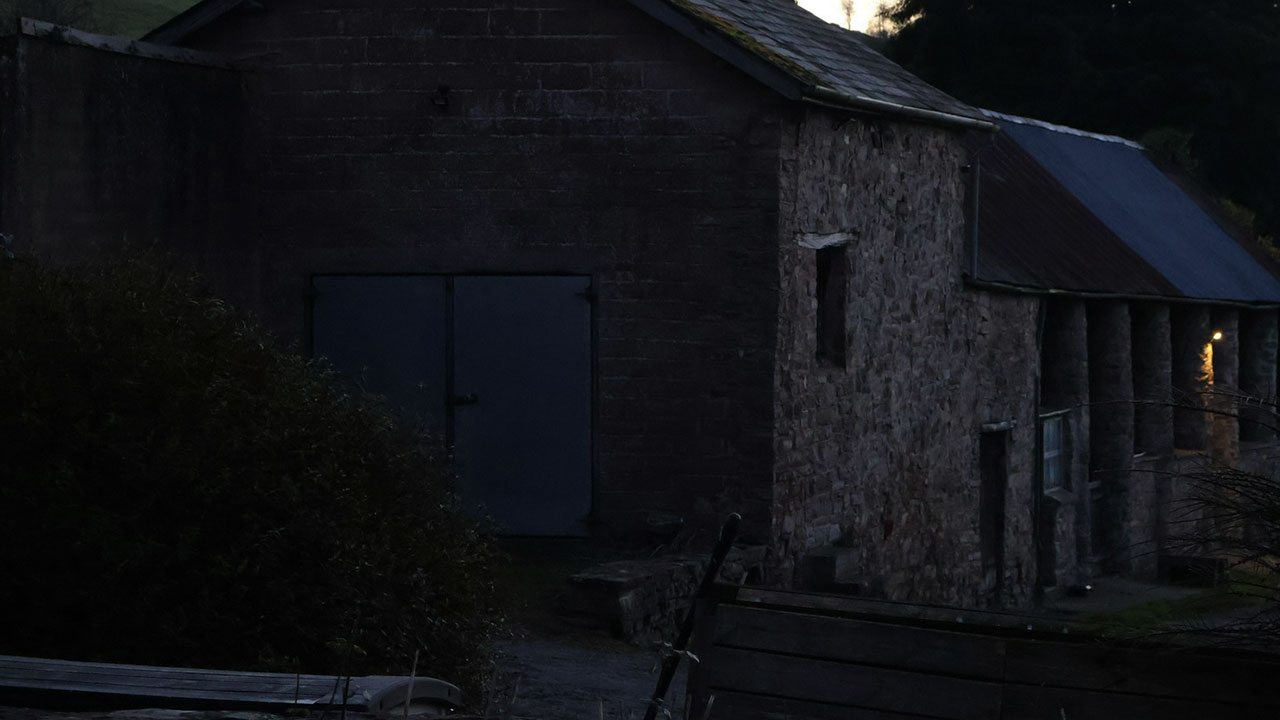
This one sounds backward, but it matters. When frogs, insects, night birds, or your usual background noise suddenly shut off in one area, that can mean a predator or other large disturbance has entered the scene. Wildlife often goes still before people understand why. The silence itself becomes the warning. It feels eerie because it is a change in the normal pattern, and in the outdoors, pattern changes usually mean something real.
This is worse than it seems because people are trained to notice noise, not its absence. But if the soundscape around a pond edge, tree line, coop, or barn drops out hard for no obvious reason, that is worth paying attention to. Sometimes the quiet is the loudest sign you get that something moved in close.
Like The Avid Outdoorsman’s content? Subscribe to our newsletter so you never miss an article.
Here’s more from us: