Photo credit: Booligan Shooting Sports/YouTube
Every rifle in a safe has a story, but the ones that really stick with you are the “almost perfect” rifles. They’re the ones you shoulder and think, “Yep, this would do it all,” and then you run into the one choice the maker made that turns a great idea into a gun you don’t quite trust, don’t quite love, or just don’t reach for.
Sometimes it’s a cost-cutting part. Sometimes it’s a proprietary magazine nobody keeps in stock. Sometimes it’s weight, or a gimmick, or a trigger nobody should have signed off on. Here are 20 rifles that would be slam-dunks in a serious safe if it wasn’t for that one decision that holds each one back.
1. Remington Model 770
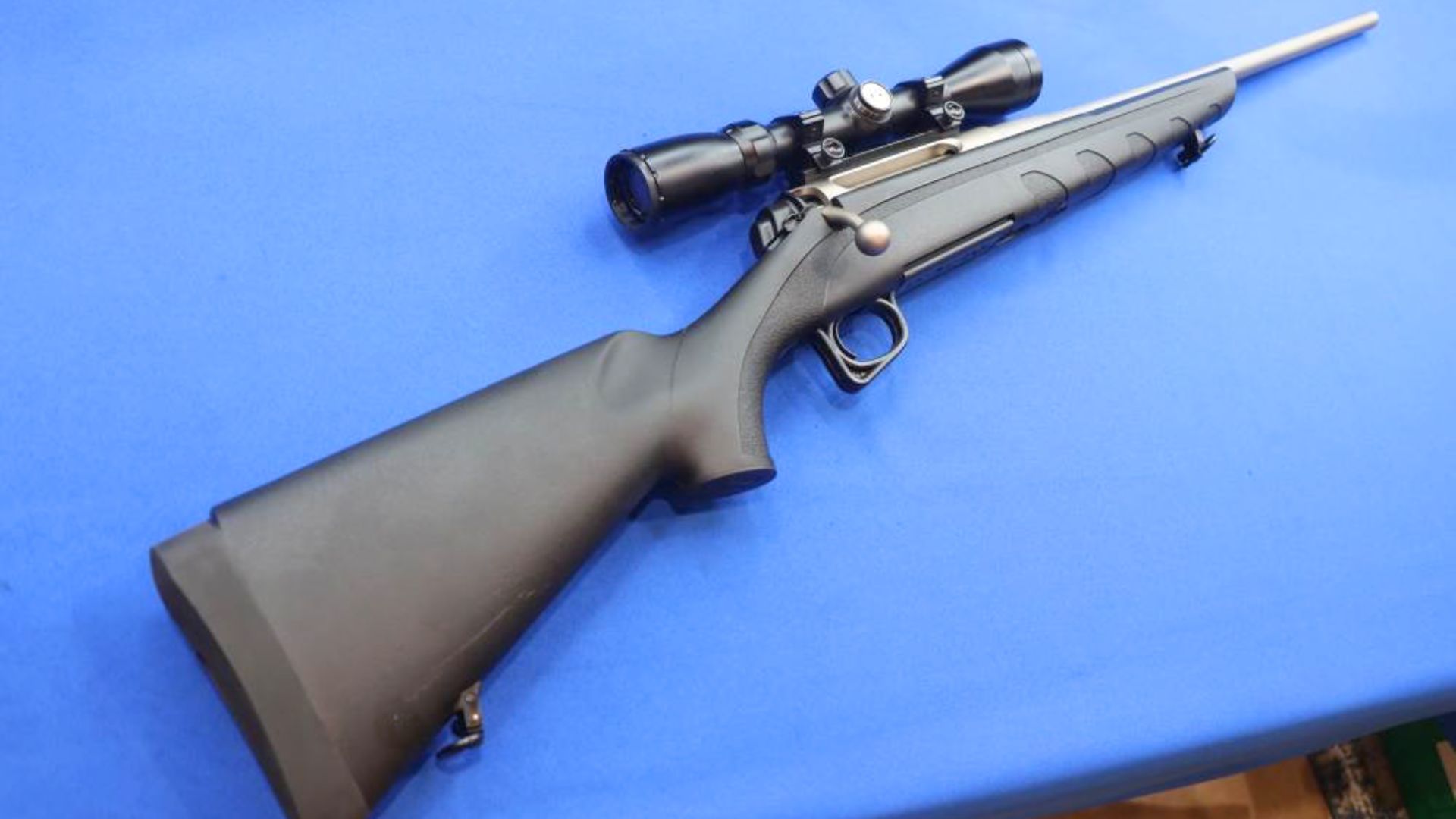
If you’ve ever helped a new hunter pick a first deer rifle, you’ve seen the appeal: affordable package gun, scope included, looks like a “real” bolt gun. The problem is the whole rifle feels like it was designed around a price tag instead of a lifetime of use.
The decision that hurts it is the economy construction and rough, inconsistent action. Some run fine, sure, but too many feel sticky, gritty, and cheap when the weather turns cold and you’re wearing gloves. A deer rifle should be boringly dependable, not something you’re hoping “happens to be a good one.”
2. Mossberg Patriot (factory trigger)

The Patriot carries nice and it points like a hunting rifle should. I like the lines, and Mossberg knows what hunters do with a rifle at dawn in November.
But the factory trigger has been the make-or-break point on a lot of them. Even when it’s safe, the feel can be spongy or heavy enough that it messes with practical accuracy from field positions. A rifle that otherwise has “truck, stand, and freezer” written all over it shouldn’t require you to immediately start thinking about a trigger swap.
3. Ruger American Rifle (rotary mag system on some versions)

I respect the Ruger American because it flat-out kills deer and shoots better than it has any right to for the money. Light, accurate, handy—what’s not to like?
The holdback is the magazine setup on certain models. Those rotary mags can be great when everything is lined up, but they’re not as universally available as AICS-pattern mags, and they don’t always play nice with how folks actually load and unload around trucks, blinds, and gates. “Works, but picky” is not what you want to say about the one part you handle constantly.
4. Savage Axis (factory stock flex)

The Axis is one of the best “meat rifle” values going, and I’ve seen them shoot honest groups with basic hunting ammo. Savage knows barrels, and it shows.
The decision that holds it back is the flimsy factory stock on many models. Rest it on a bag or a shooting rail wrong and you can get contact with the barrel, changing point of impact. That’s not the kind of surprise you want when you’re checking zero the night before opener.
5. Winchester XPR (bolt lift feel)
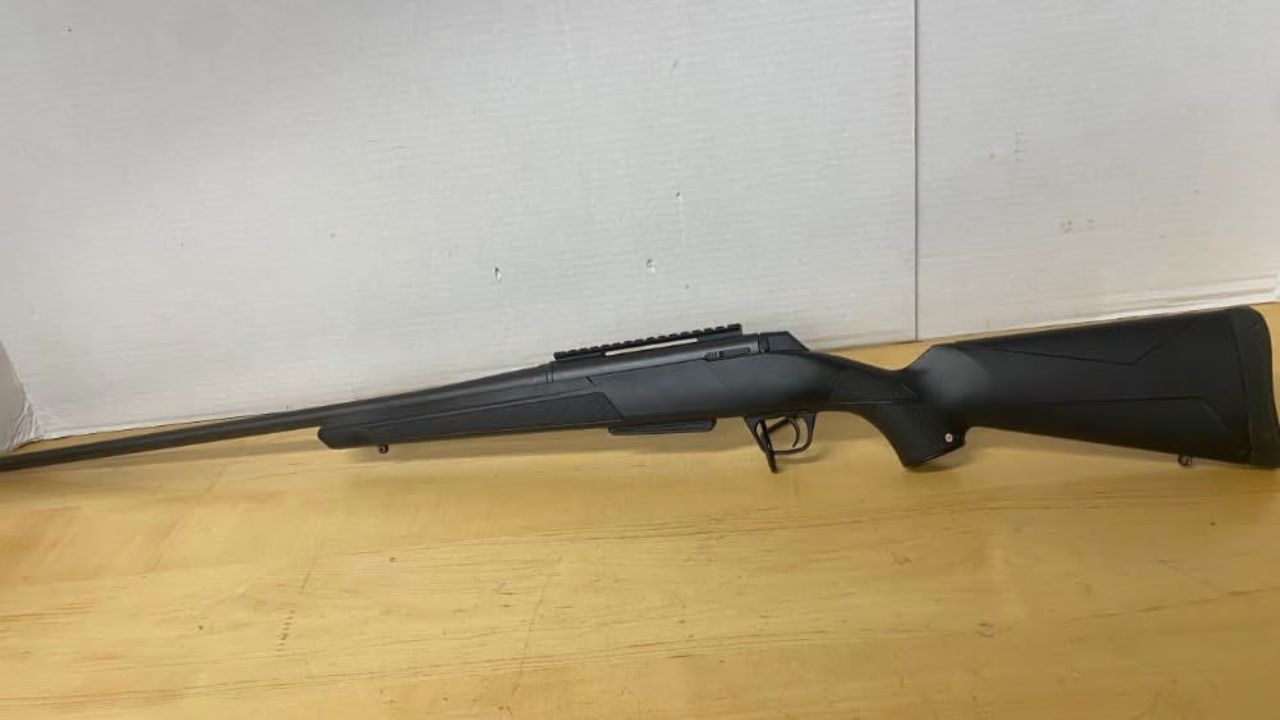
On paper, the XPR makes tons of sense: modern, accurate, usually priced right, and it has Winchester on the side. A lot of them do shoot very well.
The hang-up is the feel of the bolt on some rifles—more lift effort and less smoothness than it ought to have. I’m not talking about babying a rifle, either. In the field, fast follow-ups matter, and “clunky” is a trait you forgive on a surplus gun, not on a new hunting rifle.
6. Tikka T3x (polymer parts perception and magazine cost)
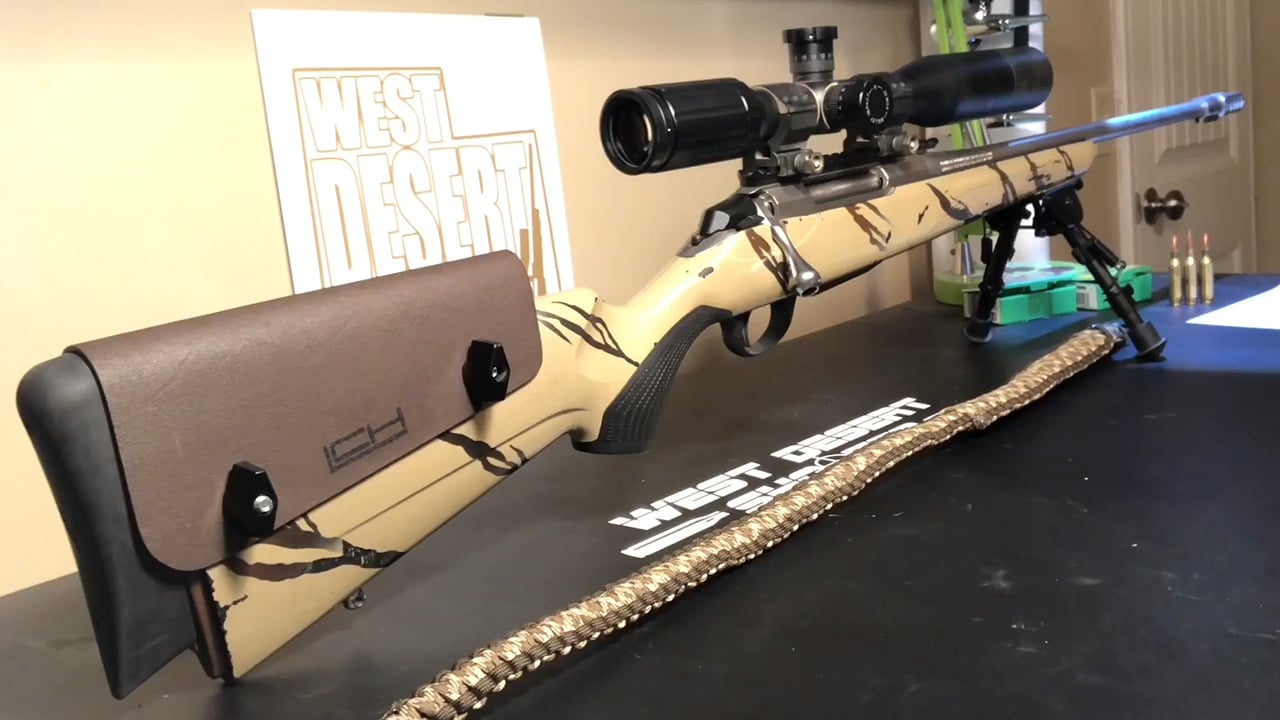
Tikkas are boring in the best way: smooth action, great barrels, consistent accuracy. If you hunt and also like to actually practice, they’re hard to beat.
The one decision that rubs folks wrong is the amount of polymer in places traditionalists expect steel, plus the price and availability of spare magazines. The rifle runs, no question, but when a spare mag costs what a whole old beater rifle magazine used to cost, you hesitate to set it up the way you’d like for hard use.
7. Browning X-Bolt (proprietary magazine)

I’ve carried an X-Bolt enough to appreciate what Browning got right: balance, fit, and that “nice gun” feel without being precious. They’re legitimate hunting rifles.
Then you meet the magazine. The proprietary rotary mags work fine, but they’re not cheap, not universal, and not always easy to find in a pinch. Lose one the week before season and you’ll understand why some guys stick with more common patterns.
8. Kimber Hunter (quality control reputation)

The idea is perfect: lightweight, good-looking, easy-carry mountain rifle that doesn’t beat you up on the hike. When they’re right, they’re really right.
The holdback is the spotty reputation for consistency across rifles. A serious safe is built on trust. If you’re standing at the counter thinking, “Hope I get a good one,” that’s a problem—especially at Kimber prices.
9. Christensen Arms Ridgeline (hit-or-miss early impressions)
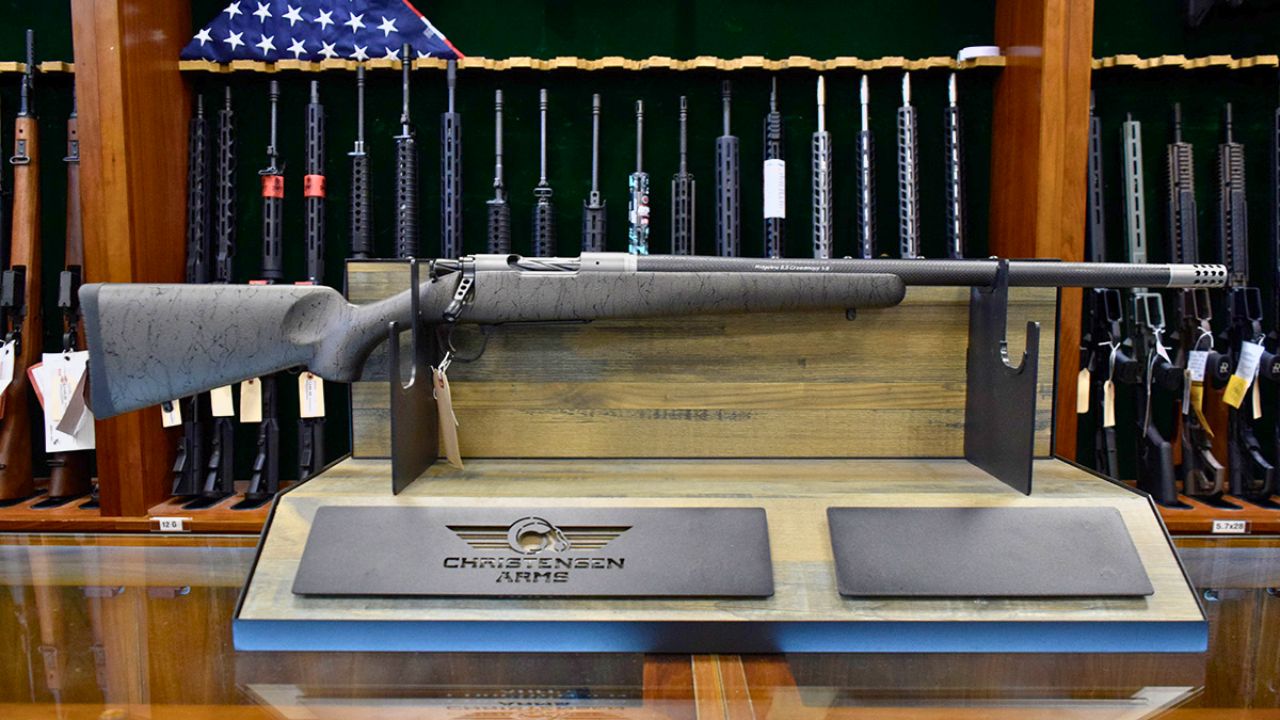
Carbon barrels and light rifles are useful if you actually cover ground. The Ridgeline concept fits the modern western-style hunt, even if you’re doing it in the timber back east.
The decision that haunts this one is that they chased “light and fast” with enough variation over the years that buyers got nervous. When a brand earns a “check it closely before you buy” reputation, it doesn’t matter how good the good ones are—you start thinking about downtime, warranty shipping, and missing a season.
10. Ruger Precision Rifle (weight)

If you want to ring steel far away, the Ruger Precision Rifle will get you there without taking out a second mortgage. It’s accurate, configurable, and it tamed long-range shooting for a lot of regular guys.
The one decision is obvious when you try to carry it anywhere: it’s heavy. That’s fine on a bench or a bipod. But plenty of folks bought one thinking it would double as a hunting rifle, and then it sat in the safe because dragging it up a ridge is a chore.
11. Springfield Armory M1A (accuracy per dollar)
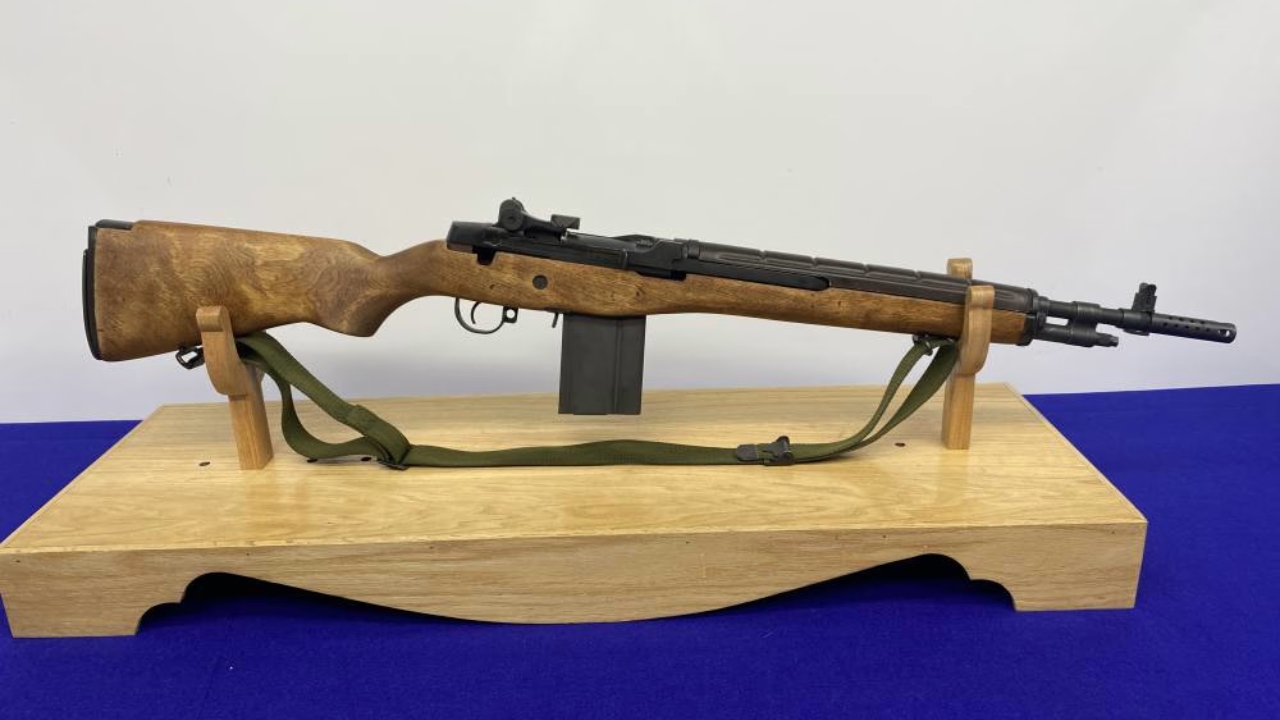
I love the look and feel of the M1A. It has that old-school battle rifle vibe, and it’s fun in a way plastic rifles aren’t.
The holdback is what it costs to make one shoot like people think it should shoot. You can have a reliable .308 that’s “good enough” with irons, or you can start chasing accuracy and mounting solutions and spend your way into a different rifle category. The decision to keep the platform close to its heritage is cool, but it’s also why it’s hard to justify as a practical workhorse today.
12. FN SCAR 17S (price and proprietary ecosystem)

The SCAR 17S is one of those rifles you pick up and instantly understand why it has fans. It’s light for a .308 semi-auto, soft shooting, and it runs.
The one decision that holds it back is the ecosystem cost—rifle price, parts, and the “SCAR tax” on anything you want to do to it. Serious safes are built around rifles you can feed, fix, and support without wincing every time you need a part.
13. Bushmaster Carbon 15 (polymer receiver gamble)

Lightweight ARs sound like a no-brainer, especially if you’re walking fencerows for coyotes or carrying all day at a class. Less weight is real comfort.
The decision to go heavy on polymer receivers turned into a trust issue for a lot of owners. Maybe yours runs fine. But when a rifle is built around a material choice that makes shooters wonder about longevity, heat, and hard-use durability, it’s hard for it to be a “forever rifle.”
14. DPMS Oracle (bare-bones setup)

The Oracle got a ton of folks into the AR world, and I’m not going to pretend that’s a bad thing. A basic AR that runs is still useful.
The holdback is how stripped-down some of them are out of the box—rough furniture, basic sights or none at all, and inconsistent assembly quality depending on the era. The decision to make it as cheap as possible means a lot of buyers end up spending the difference later, and they could’ve started with a better foundation.
15. Ruger Mini-14 (older thin-barrel models)
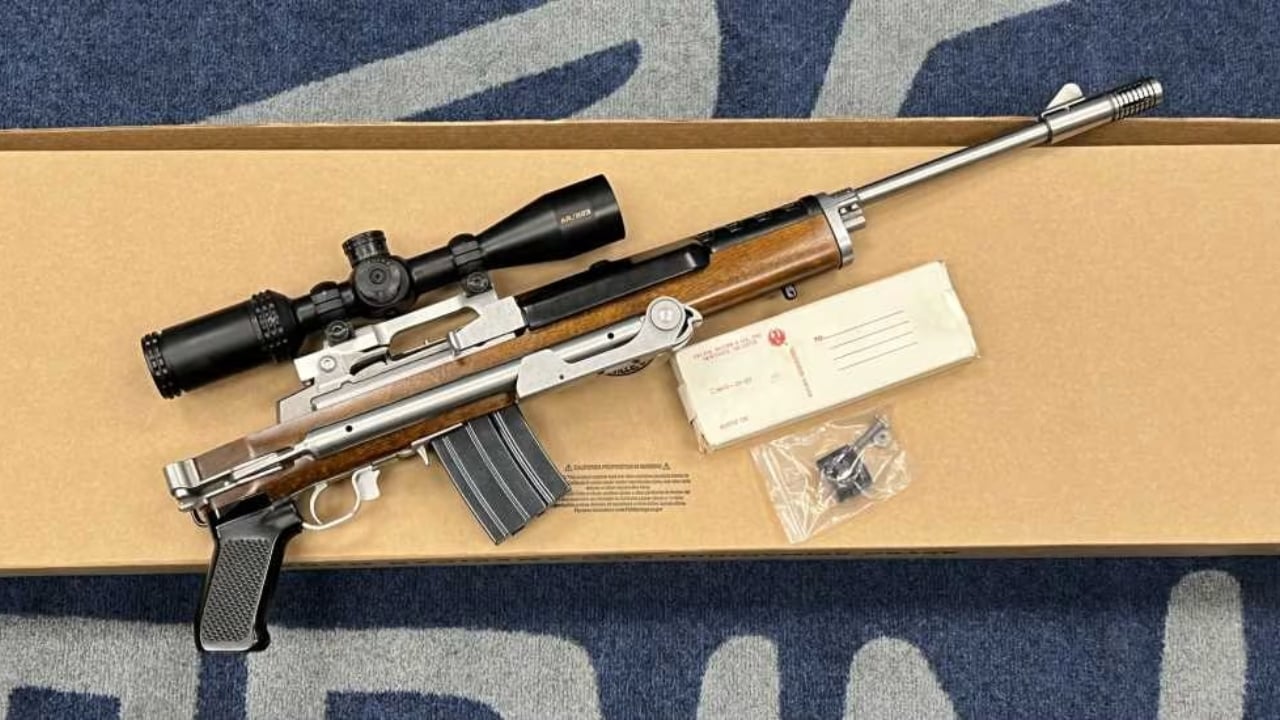
The Mini-14 carries like a dream and handles fast. It’s handy around a ranch, it rides in a truck well, and it has a classic look that doesn’t scream “tactical.”
The decision that held the older ones back was the thin barrel. Heat it up with a few quick strings and groups open up, sometimes dramatically. For a rifle that begs to be a practical do-everything .223, that limitation is frustrating.
16. IWI Tavor X95 (trigger feel)

Bullpups are attractive if you want a short overall package without giving up barrel length. The X95 is compact, balanced, and it’s built tough.
But the trigger is the decision that keeps it from being everybody’s go-to. Even improved over older bullpups, it’s still not what most shooters call “good,” and it affects real-world precision. For the money, folks expect a trigger that doesn’t feel like it’s fighting them.
17. Kel-Tec SU-16 (lightweight tradeoffs)

The SU-16 is clever. It’s light, it can fold, it takes AR mags, and it’s the kind of rifle you’d toss behind a seat for varmints or camp use without babying it.
The decision that limits it is the lightweight build and the way it feels under sustained shooting. Flex, heat, and overall “this is a compromise gun” vibes keep it from being a serious-safe staple. Neat concept, but it doesn’t inspire the same confidence as more robust rifles.
18. Henry Long Ranger (magazine choices vs. tradition)
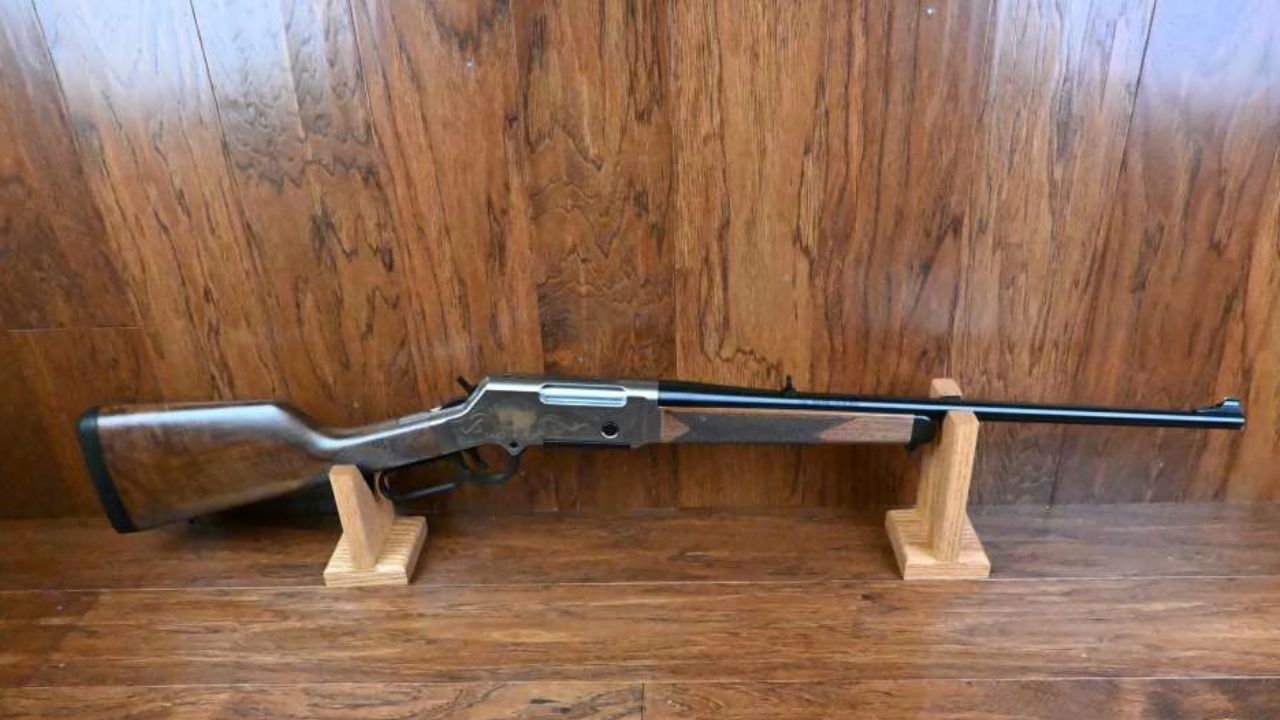
Henry makes rifles that make you want to go hunting just by handling them. The Long Ranger is accurate, smooth, and has that lever-gun feel without being stuck in the 1800s.
The holdback is the decision to use a detachable box magazine. Functionally, it’s fine—and it allows pointy bullets. But a lot of lever-gun guys don’t want another proprietary mag to keep up with, and the rifle lands in a weird spot between “classic” and “modern” that turns off both camps.
19. Marlin Model 60 (tube feed in a detachable-mag world)
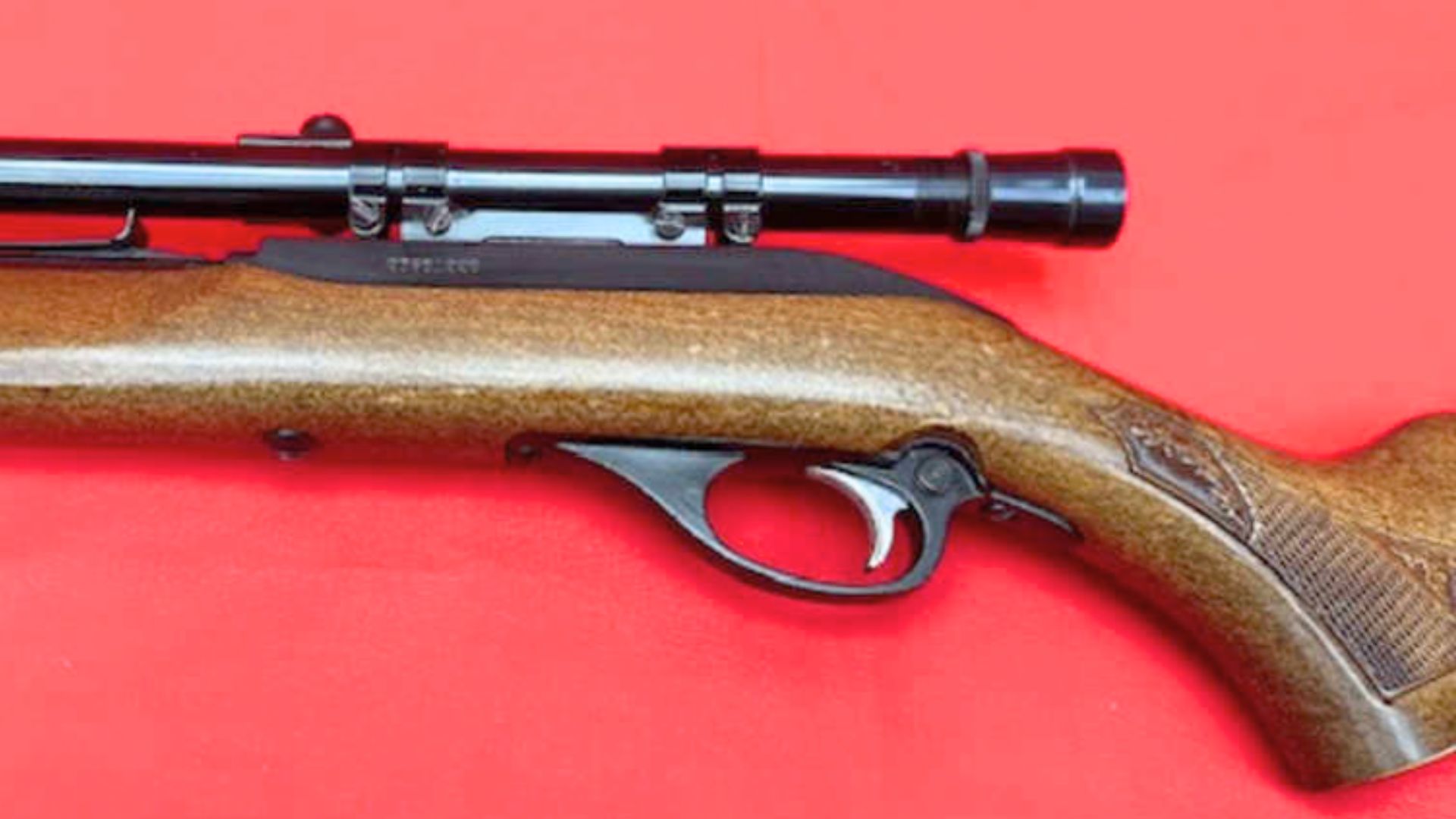
A good Model 60 is one of the best “walk the woods” .22s ever made. They can be shockingly accurate, and they’ve introduced more kids to squirrels and tin cans than most rifles ever will.
The decision that holds it back for some shooters is the tube magazine. It’s not unsafe or “bad,” but it’s slower to load, awkward in some hunting situations, and it doesn’t match how folks train with detachable mags now. A rifle can be great and still get left home because it’s just a little less convenient every single time.
20. Winchester Wildcat (polymer-heavy feel)
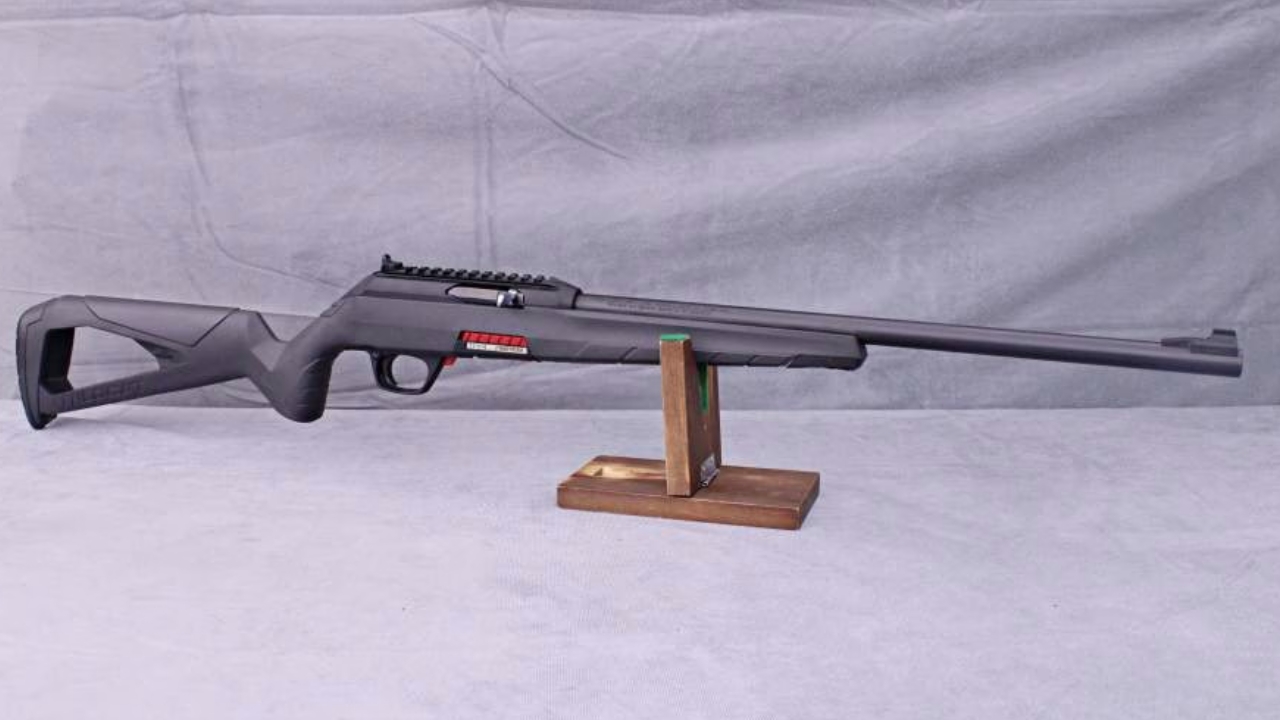
The Wildcat is a smart, modern rimfire with good features, easy takedown, and a price that doesn’t hurt. It’s also a rifle that a lot of new shooters can run comfortably.
The decision that keeps it from being an instant classic is how toy-like it can feel to traditional rifle folks. Polymer has its place, but rimfires already fight an uphill battle for “serious gun” status, and the Wildcat’s light, plasticky vibe makes it easier to dismiss—even when it runs great.
None of these rifles are automatic “don’t buy” guns. A few of them are genuinely excellent, and some just need you to be honest about what you’re asking them to do. But if you’re building a safe that’s supposed to cover real seasons, real weather, and real practice—not just impulse buys—those one-decision flaws matter. They’re the little things that turn into big annoyances after the new-gun excitement wears off. Ask me how I know.
Like The Avid Outdoorsman’s content? Subscribe to our newsletter so you never miss an article.
Here’s more from us: