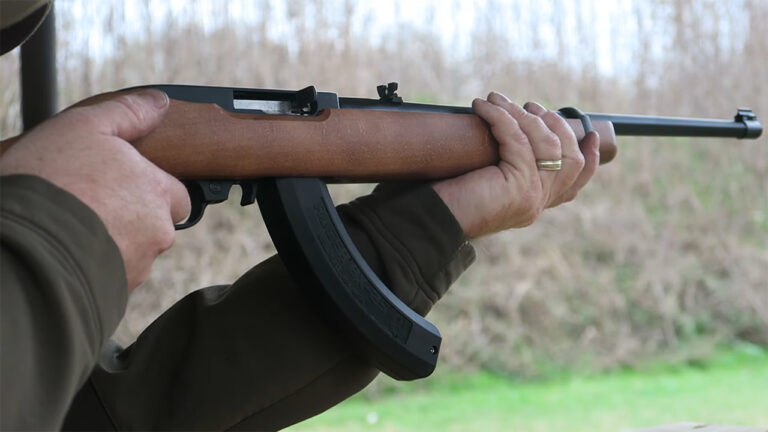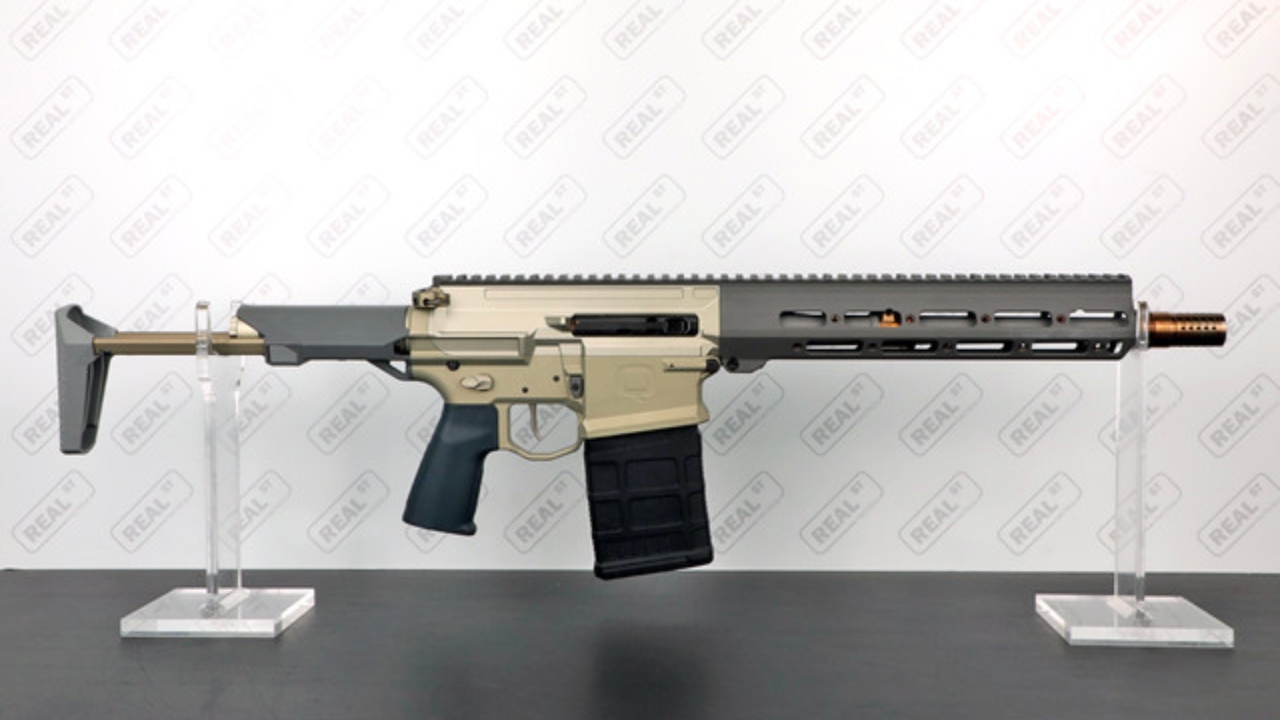
Photo credit: RealStreetTactical/GunBroker
The short barreled rifle boom that followed the pistol brace craze is colliding with a very different kind of cost curve. You are watching a category that just became cheaper on paper, yet more expensive in the ways that actually shape how you buy, store, and use your gear. The SBR trend is not going away, but the price you pay is shifting from a simple tax line item to a web of compliance, opportunity, and long‑term tradeoffs.
The $0 tax stamp that changed the SBR math
You used to factor a fixed federal surcharge into every decision to register a short barreled rifle, suppressor, or short barreled shotgun. That mental math has been upended by a political deal that took the transfer tax for these items to zero, removing the most visible cash barrier to entry. On its face, that looks like a pure win for you as a buyer, especially if you have been sitting on the fence about converting a favorite carbine into a registered SBR.
The shift came as part of H.R. 1, nicknamed One Big Beautiful Bill, which folded in the Hearing Protection Act and specific “Changes for Suppressors and” short barreled rifles. In that package, the transfer tax for silencers, SBRs, and SBSs was cut to $0, a change that directly affects how you register and transfer these items under the National Firearms Act. The law did not erase the NFA framework, but it did remove the historic $200 tax that had been in place for decades, which is why you now see so many shooters re‑running their spreadsheets on whether to file new Form 1s and Form 4s.
Why “cheaper” SBRs can still cost you more
Once the transfer tax dropped, you probably noticed a wave of celebratory posts about “free” tax stamps and “no more $200 hit” on every NFA purchase. That framing is only half right. You no longer write a check for the old tax, but you still pay in time, in paperwork, and in the way an NFA registration follows you and your rifle for as long as you own it. The financial cost has shifted from a single up‑front fee to a series of indirect expenses that are easier to underestimate.
According to one detailed breakdown of the new rules, the transfer tax for silencers, SBRs, and SBSs “Is Now” set at $0, yet every application still has to be processed and approved by the ATF before you can take possession or complete a build, which means you are trading cash for waiting periods and compliance risk. That same analysis notes that for decades Americans interested in owning these items accepted the $200 tax as the price of admission, so the sudden removal of that line item is pushing more people into the system at once. As volume rises, you may see longer queues, more scrutiny on forms, and a higher premium on getting every detail right the first time.
From pistol braces to registered SBRs: how you got here
The current SBR wave did not appear out of nowhere. You watched it build through the pistol brace era, when millions of AR‑15 pistols and braced large‑format pistols gave you rifle‑like performance without the NFA label. When regulators tightened their view of braces, many owners faced a choice between removing the brace, risking noncompliance, or embracing the paperwork and turning those guns into registered SBRs. The $0 transfer tax arrived just as that decision point was peaking, which is why the shift feels so dramatic.
In practical terms, that means a large pool of existing firearms is now being converted into SBRs instead of being sold off or left in legal limbo. The Hearing Protection Act language inside H.R. 1, described in the context of Changes for Suppressors and SBRs, effectively greased the skids for that conversion by removing the tax barrier while leaving the registration requirement intact. You are now in a landscape where the government has made it easier to say yes to NFA status, but that yes still carries long‑term strings that did not exist when you were simply running a braced pistol.
The hidden costs of NFA compliance
Even with a $0 tax stamp, you still pay in the form of compliance overhead. Every registered SBR adds another serial number to your personal NFA inventory, another entry you must track when you move, travel, or adjust your estate plan. If you like to take your rifles across state lines for training classes or hunting trips, you now have to factor in extra forms and lead time, which can quietly add travel costs, missed opportunities, or last‑minute rental fees when paperwork does not clear in time.
One video breakdown of what happens “With Suppressors & SBRs” after the tax change walks through how short barreled shotguns, suppressors, and short barreled rifles still live inside the same regulatory box as SBS and other NFA items. In that discussion, the host repeatedly refers to SBS rules to illustrate how similar the obligations remain even when the tax is gone. You are still responsible for secure storage, for keeping copies of your approved forms, and for understanding how local law interacts with federal registration, which can mean consulting an attorney or paying for specialized trust services instead of simply paying a one‑time tax.
How the $0 stamp reshapes the SBR market
On the retail side, the elimination of the transfer tax is already changing how shops and manufacturers pitch short barreled rifles. You are seeing more factory SBR configurations on the wall, more “ready to register” uppers and lowers marketed as ideal NFA hosts, and more bundle deals that pair a rifle with a suppressor now that both can be transferred without the old $200 hit. That shift encourages you to think of SBRs as a mainstream option rather than a niche indulgence.
At the same time, the market is quietly baking the new reality into its pricing. Dealers know you are no longer budgeting for a tax stamp, so they have more room to nudge up margins on high‑demand models, premium barrels, or proprietary folding stock systems that shine on a compact rifle. The broader H.R. 1 framework, including the Hearing Protection Act provisions described in the Hearing Protection Act coverage, has effectively shifted the conversation from “Can I afford the tax?” to “How far do I want to go with this build?” That is where the real spending starts to climb.
Gear creep: the accessories that make SBRs truly expensive
Once you commit to a short barreled rifle, you quickly discover that the base gun is only the beginning. To get the most out of a compact platform, you tend to invest in specialized muzzle devices, adjustable gas systems, low‑profile optics, and white lights that can handle the increased blast and flash of a shorter barrel. If you add a suppressor, you may need different handguards, mounts, and heat management gear, all of which stack costs far beyond what you saved on the tax stamp.
The same legal changes that cut the transfer tax to $0 for silencers and SBRs also made it more attractive to pair those items, which is why you see so many packages that combine a short rifle with a can. The analysis that explains how the transfer tax for silencers “Is Now” zero notes that every one of those items still requires an ATF approval, which means you are likely to plan your builds more carefully and buy higher quality parts up front to avoid redoing work later. That mindset encourages you to spend more on durable components, from bombproof mounts to premium optics like an Aimpoint Micro or Trijicon MRO, turning what looked like a budget‑friendly NFA entry into a multi‑thousand‑dollar project.
Time, travel, and training: the opportunity costs you feel later
Beyond hardware, the SBR path carries opportunity costs that do not show up on a receipt. If you travel frequently for work or training, you may find yourself leaving your favorite short rifle at home because you do not want to deal with interstate transport rules or the risk of a paperwork snag. That can push you to buy a second, non‑NFA rifle as a “travel gun,” effectively duplicating your investment so you can maintain flexibility.
Training is another area where the new rules can quietly raise your total spend. Many instructors and ranges welcome NFA items, but some impose extra safety protocols, limited firing positions, or specific class formats for SBRs and suppressors. You might pay more for courses that explicitly support NFA gear, or you might burn extra ammunition and range fees dialing in gas settings and recoil management on a short platform. The broader context of H.R. 1 and the Hearing Protection Act, framed in the One Big Beautiful Bill coverage, has made it easier to own these rifles, but it has also nudged you toward a style of shooting and training that tends to be more specialized and, over time, more expensive.
Legal risk and the price of getting it wrong
When you step into the NFA world, the cost of a mistake rises sharply. Misunderstanding barrel length rules, misplacing paperwork, or crossing a state line without the right form can turn a range toy into a legal liability. Even if you never face criminal charges, the stress and potential need for legal counsel can dwarf the $200 tax you no longer pay, which is why many owners now budget for legal advice or NFA trust services as part of their SBR journey.
The video that walks through what will happen “With Suppressors & SBRs” after the tax change uses the example of SBS and other NFA categories to underline how little the enforcement side has changed. You still operate under the same statutory definitions and the same ATF approval process, which the analysis of the transfer tax reduction notes must still be completed before you can take possession. That means the real savings are limited to the tax itself, while the potential penalties for missteps remain fully intact, a mismatch that should push you to invest in education, documentation, and perhaps professional guidance.
How to navigate the new SBR landscape without overspending
If you want to take advantage of the new rules without letting costs spiral, you need a deliberate plan. Start by deciding what role a short barreled rifle will play in your life: home defense, range fun, competition, or a suppressed hunting rig. That purpose should drive your barrel length, caliber, and accessory choices, which in turn helps you avoid buying parts twice. It also gives you a clear sense of whether the added compliance burden is worth it compared with a pinned‑and‑welded 16 inch rifle or a non‑NFA pistol caliber carbine.
Next, treat the $0 tax stamp as a chance to reallocate, not eliminate, your budget. The detailed explanation of how the transfer tax for silencers, SBRs, and SBSs “Is Now” zero makes it clear that the ATF approval process still exists, so you can think of the saved $200 as seed money for better training, a higher quality optic, or a consultation with an attorney about setting up an NFA trust. By investing that margin in areas that reduce risk and increase capability, you turn a political win into a practical advantage instead of letting it lure you into a string of impulse buys that leave you with more registered guns than you can realistically shoot, maintain, or legally manage.
Like The Avid Outdoorsman’s content? Be sure to follow us.
Here’s more from us: