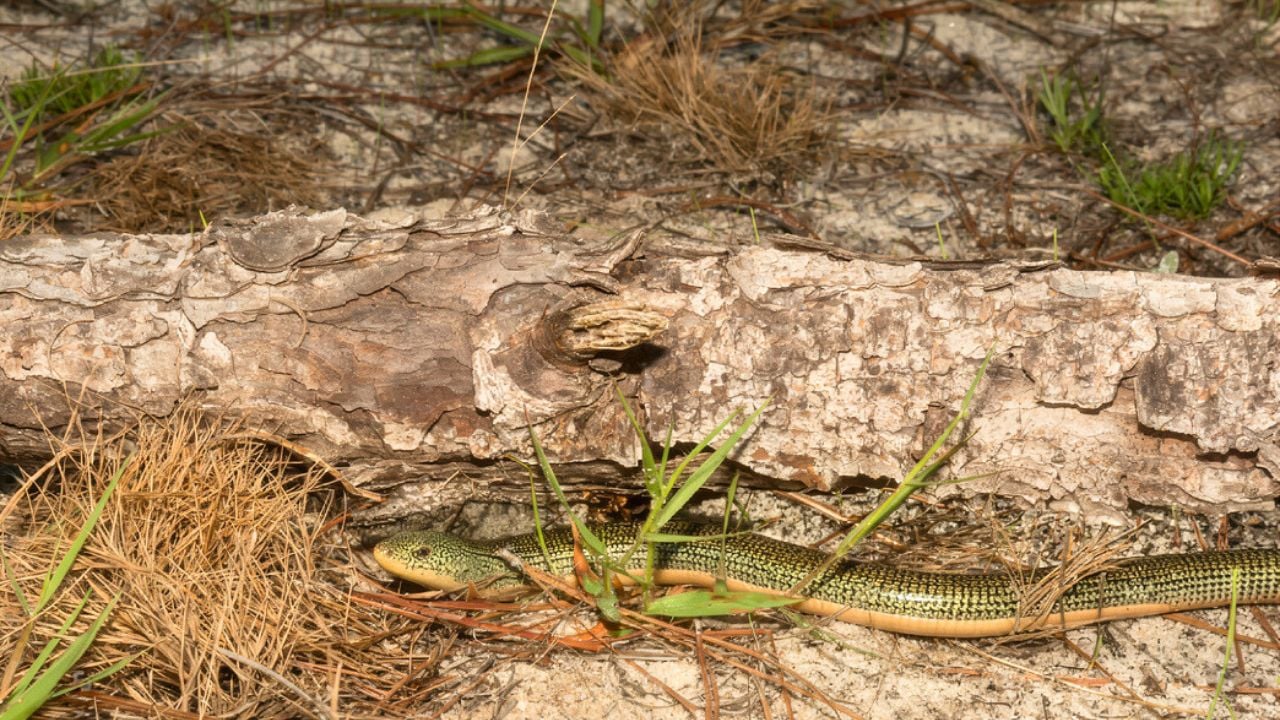
Photo credit: Jay Ondreicka/shutterstock.om
A brush pile can be great wildlife habitat, but that is exactly why it can also draw snakes. Texas Parks and Wildlife says snakes are attracted to loose rock piles, large brush piles, hollow dead logs, and places where leaf litter has built up, and it also notes that brush piles provide shelter for reptiles and small mammals. That matters because a brush pile does not just hide a snake. It can also hide the food and cool cover that make the spot worth returning to. In other words, if a snake is using your brush pile, the pile is usually offering more than one benefit at the same time.
That is also why people miss the signs. Most of the clues do not look dramatic. It is usually not a snake stretched across the top in perfect daylight. It is a pile that stays undisturbed, holds moisture, attracts rodents, creates shaded voids underneath, and starts feeling like the kind of place you instinctively do not want to put your hands. Texas Parks and Wildlife specifically warns that brush, wood, rock, and debris piles make great hiding places for snakes and their prey. Once you understand that, the warning signs start making a lot more sense.
The pile has everything a snake wants
The first sign is simple: the brush pile looks like ideal snake shelter. Texas Parks and Wildlife says snakes are attracted to loose rock piles, large brush piles, hollow dead logs, and leaf-littered cover, which tells you the structure itself can be the clue. A pile with air gaps, shade, low disturbance, and protection from wind and sun is already halfway to being snake habitat.
That becomes even more likely if the pile sits near a fence line, a barn, tall grass, a pond, or any place with extra cover and prey movement. A brush pile out in the open is one thing. A brush pile tucked into the kind of corner that stays cool and quiet all day is another. When the location and the pile both work in the snake’s favor, it is not hard to see why the spot starts getting used.
You are seeing rodents, lizards, or other prey around it
A snake using a brush pile is often there for the same reason everything else is. Food. Texas Parks and Wildlife says controlling insect and rodent populations helps discourage snakes by eliminating their food supply, and it specifically notes that rat snakes and similar species are attracted where mice, rats, and other small rodents are abundant. That means rodent sign around a brush pile is not just a rodent problem. It can also be a snake clue.
If the pile has chew marks nearby, droppings, little runs through the grass, or obvious lizard activity, the pile may be functioning like a small wildlife hub. That is exactly the kind of place a snake can use without needing to travel far for its next meal. People sometimes focus only on whether they have seen the snake itself, but the prey base around the pile often tells the story first.
The pile stays cool, dark, and undisturbed underneath
Snakes do not need a fancy setup. They need cover that helps them stay hidden and regulate temperature. Texas Parks and Wildlife says snakes sometimes enter buildings because they are drawn to cool, damp, dark shelter, and the same basic idea applies to what happens under a neglected brush pile. If the underside stays shaded, slightly moist, and protected from traffic, it starts acting like good snake real estate.
That is especially true when nobody has disturbed the pile in a while. A pile that sits for months without being moved becomes more than yard debris. It becomes stable habitat. The longer it stays settled, the more likely it is to support small prey and create the kind of hidden gaps snakes use for cover.
You notice shed skin or a sudden rustle deep in the pile
This is one of the more obvious signs, but people still miss it because they assume the sound came from a lizard, mouse, or bird. Shed snake skin near or partly inside the pile is a strong clue, and so is that quick dry movement you hear deeper in the brush when you get close. Texas Parks and Wildlife says most snakes try to get out of the way and hide in brush or rock piles, which fits exactly with the kind of brief rustling people hear and then shrug off.
The important part is not to investigate with your hands. TPWD repeatedly warns people not to put arms or legs where they cannot see the bottom and to use extra caution around brush, wood, and debris piles. If the pile gives you one small sign that something living is tucked into it, that is enough reason to treat it seriously.
The area around the pile has tall grass, boards, or extra junk
A brush pile by itself can attract snakes. A brush pile surrounded by more hiding places is even better snake habitat. Texas Parks and Wildlife says removing brush piles, rock piles, and tall grass is one of the most effective ways to discourage snakes, and it also advises storing lumber, wood piles, and other debris at least 18 inches off the ground. That tells you clutter around the pile matters almost as much as the pile itself.
So if the brush pile is backed up against tall weeds, old boards, sheet metal, a feed room, or scattered debris, the odds go up that a snake can move in and out without being exposed much at all. At that point, the pile is not just cover. It is part of a whole protected zone.
You only ever notice activity at dusk, dawn, or during cleanup
A lot of people figure out a brush pile is holding a snake only when they start moving things around. TPWD has warned during debris-cleanup situations that snakes and other wildlife may seek shelter in debris piles and that caution should be used during cleanup work. That lines up with how a lot of encounters happen in the real world: not while casually looking at the pile, but while grabbing a limb, lifting a tarp, or cleaning up after a storm.
Low-light hours matter too. At dawn and dusk, activity around a brush pile may be easier to miss, especially if the snake is slipping in or out while the yard is quiet. If the pile is in a shady edge where you already have less visibility, that makes the setup even easier for a snake to use without being noticed.
What to do if you think the pile is being used
If you suspect a snake is using your brush pile, the safest response is not to start tearing into it bare-handed. Texas Parks and Wildlife says to remove brush, wood, rock, or debris piles from around the residence when possible, keep lawns trimmed low, and never put your hands where you cannot see. It also says wood piles and similar materials should be kept away from the residence and handled with caution.
If you need to move the pile, do it carefully, with tools, gloves, boots, and a clear view of what you are disturbing. And if there is any chance the snake is venomous or the pile is close to the home, it is smarter to call animal control or a licensed snake-removal expert than to turn the cleanup into a close-range surprise. TPWD notes that a snake in the yard is not a cause for panic, but it also says caution is important around debris piles and cleanup work.
The main thing to remember is that a brush pile does not have to look “snaky” to be used by one. If it offers cover, prey, shade, and low disturbance, it can become the kind of shelter a snake uses without leaving much obvious evidence. Most of the warning signs are really signs that the habitat is right. And once the habitat is right, it usually pays to assume something may already be making use of it.
Like The Avid Outdoorsman’s content? Be sure to follow us.
Here’s more from us: