Photo credit: Pete Nuij/Unsplash.com
Bear conflicts are not spread evenly across the map. They tend to pile up where you get three things at once: a healthy or growing bear population, lots of people living or recreating in bear country, and easy food around homes, campgrounds, garbage sites, bird feeders, livestock setups, or backyard chickens. State agencies from Connecticut to Colorado keep repeating the same basic message in different words: when bears learn people mean food, conflicts climb fast. Connecticut’s 2024 bear report says thousands of human-black bear conflicts are reported each year and that serious conflicts are rising, while Colorado reported 4,644 bear reports between Jan. 1 and Nov. 1, 2024, above its six-year average.
So this list is not “the 15 states with the most dangerous bears.” It is the 15 states where bear-human conflict appears to be most common, most visible, or most consistently on the wildlife-agency radar right now. In some of these states the issue is mostly black bears getting into garbage and structures. In others it is neighborhood sightings, campground problems, or damage around livestock and beehives. Either way, these are the states where bear conflict feels most baked into everyday wildlife management.
Connecticut
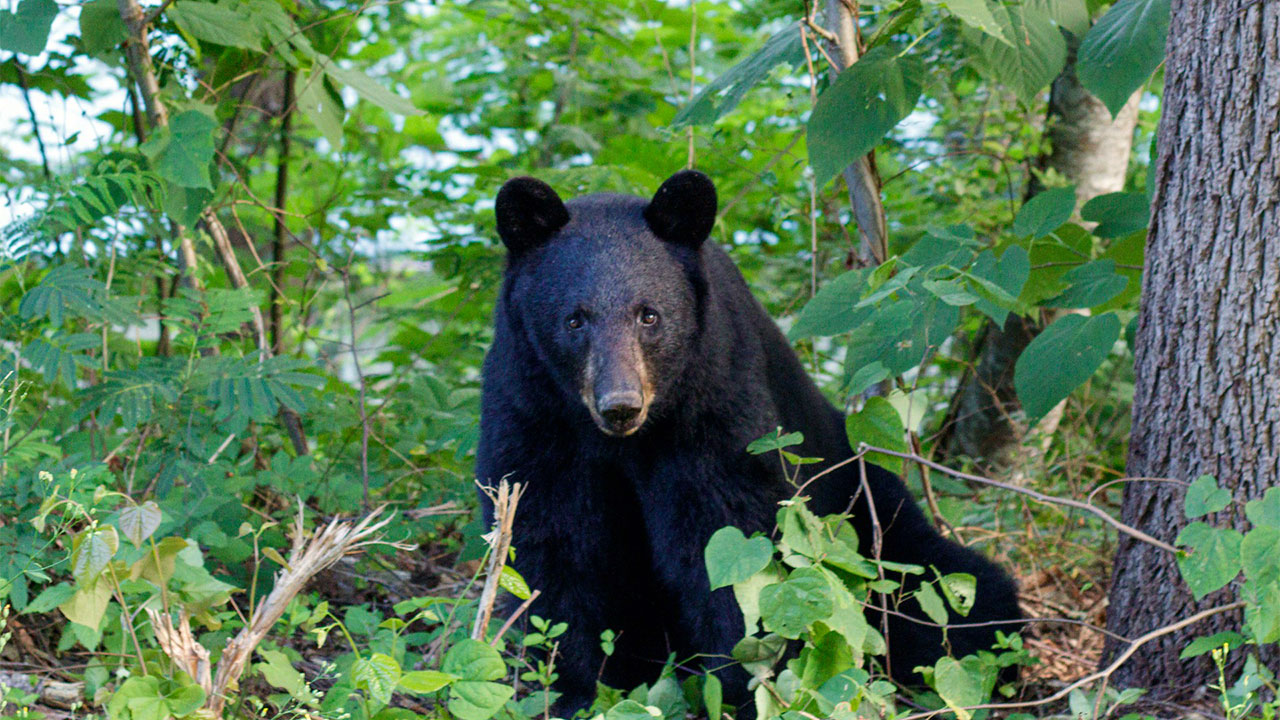
Connecticut has to be near the top because the state’s own reporting is unusually blunt. DEEP’s 2024 “State of the Bears” says thousands of human-black bear conflicts are reported each year, that they follow a long-term increasing trend, and that serious conflicts like home entries, livestock attacks, structure damage, and altercations with pets and people are also trending upward. The report also says bears have been spotted in every town over time.
That is what puts Connecticut in a different category from states that simply “have bears.” In Connecticut, the conflict story is not occasional. It is broad, recurring, and statewide enough that the agency is tracking home entries and attack incidents closely. When a relatively small state is dealing with that kind of spread, it belongs high on this list.
Colorado
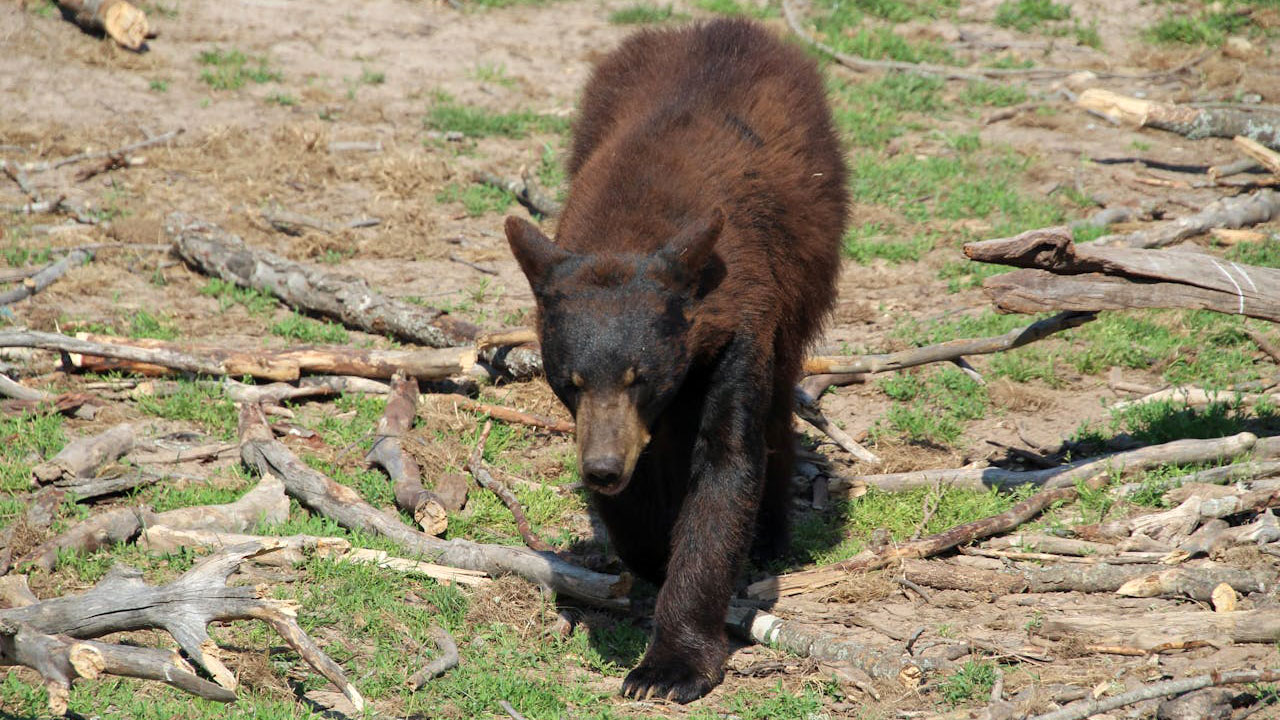
Colorado is another easy top-tier state. Colorado Parks and Wildlife said it received 4,644 bear reports between Jan. 1 and Nov. 1, 2024, a major jump from the same period in 2023 and above the six-year average. CPW also said most reports involved bears trying to access human food sources.
That fits the state perfectly. Colorado has a big black bear population, lots of mountain-town growth, heavy recreation, and tons of seasonal food-conditioning opportunities around homes and camps. When a state is putting out full annual bear-conflict summaries and repeatedly reminding residents to pull attractants, it is because the problem is common enough to be routine.
Florida
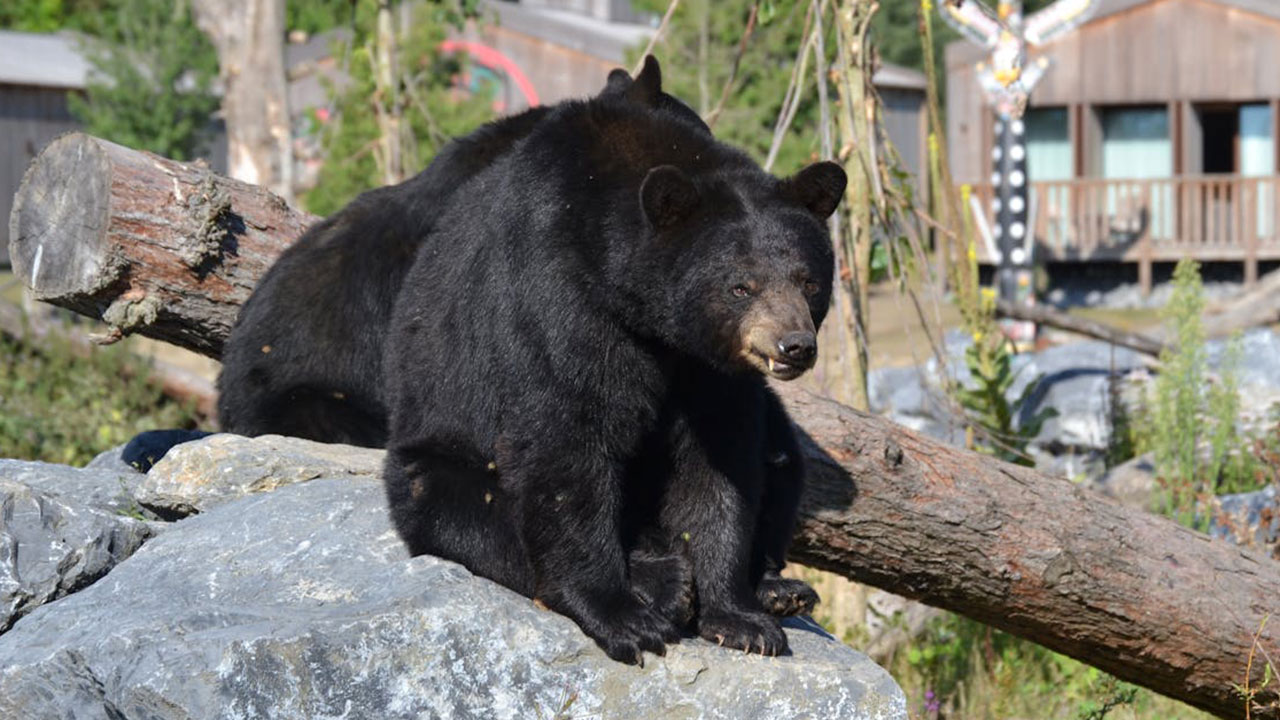
Florida belongs very high because FWC has one of the clearest long-term public datasets anywhere. Its statewide bear page says the agency received 101,956 bear-related calls from 2006 to 2025, with garbage, property damage, animal encounters, and structure issues all part of the mix. Its regional numbers are especially telling, with the Northeast Region alone totaling 26,594 bear calls from 2016 to 2025 and the Northwest Region totaling 21,729 in that same span.
That is a massive call burden, and it reflects what Florida really is now: a state where black bears and expanding neighborhoods overlap constantly. The conflict may not always look like mountain-state bear trouble, but it is common, chronic, and thoroughly documented. Florida is one of the clearest “for a reason” states on this whole list.
Tennessee
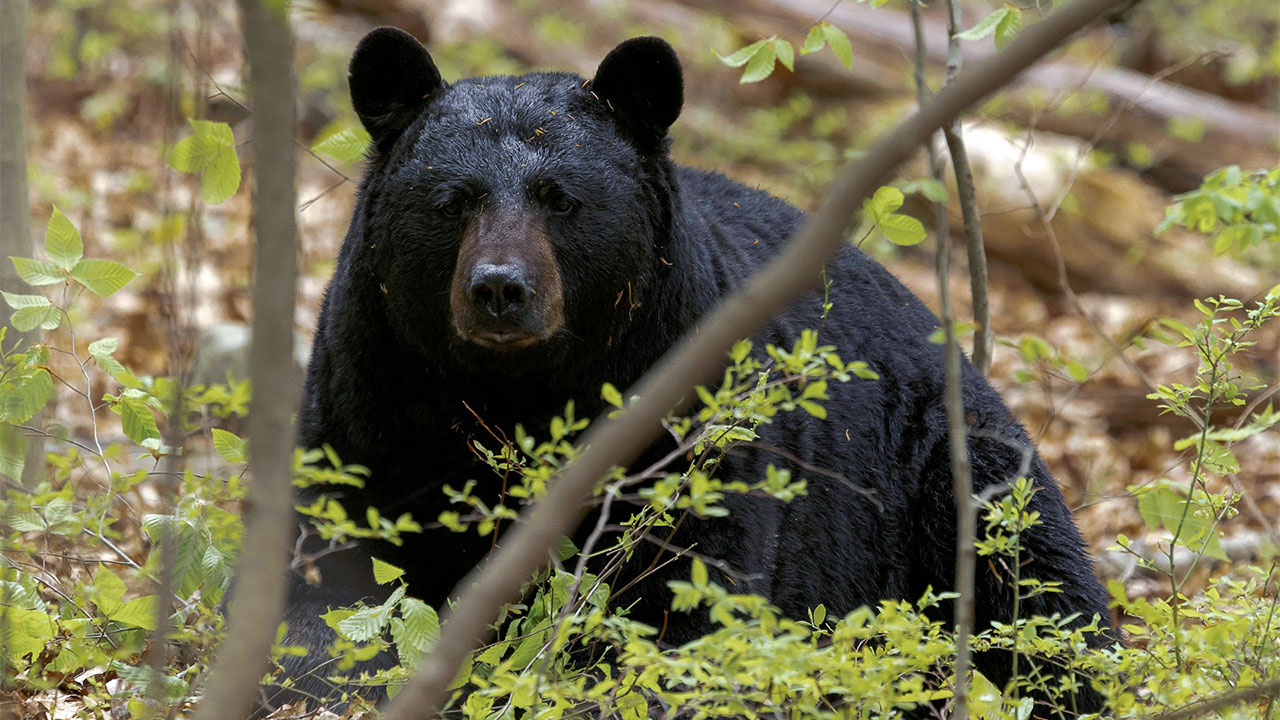
Tennessee absolutely belongs because TWRA says its five-year average is 1,215 bear calls, with 2024 setting the high mark at 1,770 calls. That is a serious statewide workload, and it tracks with what anyone around East Tennessee and the Smokies already knows.
Tennessee has the perfect mix for recurring conflict: strong bear country, fast-growing communities in and around mountain habitat, and tons of tourism and cabin development. Once you add unsecured trash and people who still treat bears like a novelty, conflicts become normal agency business.
New Jersey

New Jersey has to be in this conversation because the state tracks bear sightings, nuisance reports, and damage reports in annual activity summaries, and the DEP activity-reports page is built specifically around those incident categories. Even the year-end 2024 report snippet shows statewide totals for sightings, damage and nuisance, agriculture, and more, which tells you this is a well-established reporting pipeline rather than a rare-event issue.
That is what makes New Jersey stand out. It is not just that the state has bears. It is that it has bears in a densely populated state where nuisance and damage reports are common enough to generate recurring annual summaries and policy fights almost every year. New Jersey bear conflict is not a backwoods problem. It is a suburban and exurban management problem too.
Pennsylvania

Pennsylvania belongs because it has a large black bear population and a regulatory setup that openly addresses conflict bears. The Game Commission’s public bear page notes that intentionally laying food that causes bears to congregate or habituate an area is unlawful, and it specifically says wardens can halt feeding activity if it is drawing in conflict bears.
That may sound like a small point, but it tells you something important: the state deals with enough recurring neighborhood-style bear trouble that attractant management is a central part of the public guidance. Pennsylvania’s combination of lots of bears, lots of hunters, lots of rural housing, and growing exurban overlap keeps it near the top tier.
North Carolina

North Carolina is a strong fit because it has both major bear populations and major human overlap in mountain and coastal bear country. The Wildlife Resources Commission said in October 2024 that it was receiving reports of an increase in human-black bear interactions in Asheville and Buncombe County after Hurricane Helene.
That is not just a storm story. It is a reminder that North Carolina already has enough regular bear contact that any disruption in natural foods or habitat quickly shows up in neighborhoods. Between western mountain towns and the state’s long-running coastal black bear presence, North Carolina sees enough recurring conflict to deserve a place on this list.
Massachusetts

Massachusetts makes sense because MassWildlife has been very direct that black bears are now a normal part of life in more of the state, and its 2024 messaging said that killing chickens and damaging coops is becoming the number one human-bear conflict in Massachusetts.
That line matters because it shows the conflict is not just “people saw a bear.” It is property damage and backyard-agriculture trouble in settled country. Massachusetts is one of those states where growing bear range and growing suburban/exurban living have started colliding in very practical ways.
New York

New York belongs because DEC’s bear-management pages are built around both management and conflict avoidance, and its BearWise page specifically references a Black Bear Response Manual for handling different human-bear conflicts. DEC also plainly says relocated bears often return or seek out new human food sources, which is the kind of guidance you only emphasize when nuisance-bear issues are routine.
New York is a good example of a state where the conflict burden is spread across several very different landscapes: the Adirondacks, Catskills, Southern Tier, and bear-occupied edges of more populated areas. It may not always get the same headlines as Connecticut or New Jersey, but it is absolutely one of the states where wildlife managers regularly have to think in terms of black bear conflict, not just black bear presence.
New Hampshire

New Hampshire is another state where the agency messaging makes it obvious the problem is common enough to be seasonal routine. Fish and Game regularly reminds people to remove attractants and has specific conflict-prevention messaging every spring and late summer, warning that unsecured garbage, bird feeders, poultry, and campground handouts keep conflict going.
That alone does not make it top-three, but it does put New Hampshire solidly in the recurring-conflict category. Bears and people overlap heavily there, and the state’s long-running public education around nuisance behavior exists because bear problems are common enough to stay front and center every year.
South Carolina

South Carolina is easy to overlook until you look at the state’s own bear-contact table. SCDNR’s statewide “Black Bear / Human Contacts” page lists 532 statewide nuisance complaints in 2024, up from 414 in 2023 and 231 in 2022. That is a real jump, and it is coming from both mountain and coastal bear country.
That makes South Carolina one of the more quietly important states in this conversation. It may not have the same national reputation for bear trouble as Colorado or New Jersey, but a state posting more than 500 nuisance complaints in a year is clearly dealing with regular conflict.
Wisconsin

Wisconsin belongs because its DNR still issues regular nuisance-bear guidance and public warnings about attractants and recurring issues. Just this week, the agency reminded residents not to intervene in pet-bear conflicts and noted that recurring nuisance issues should go through Wildlife Services. That is not the kind of messaging a state uses if conflict is rare.
Wisconsin’s overall profile fits too: lots of black bear range, lots of cabins and seasonal recreation, and plenty of rural attractants. It may not publish the same flashy conflict totals Connecticut does, but it is clearly one of the states where nuisance bears are a normal part of wildlife management.
Georgia

Georgia fits because DNR has active BearWise-style public outreach and regular seasonal reminders tied to black bear appearances around people. The state’s 2024 “If You Know, You Know” bearwise piece is basically a public-conflict-prevention push, which tells you the agency sees human-bear interaction as a recurring issue worth statewide messaging.
Georgia is not as conflict-heavy as Connecticut or Florida, but the mix of mountain bears, growing development, and expanding public familiarity with bears puts it squarely in the “common enough to matter” category. It is a state where bear presence is increasingly not just a backcountry story.
California
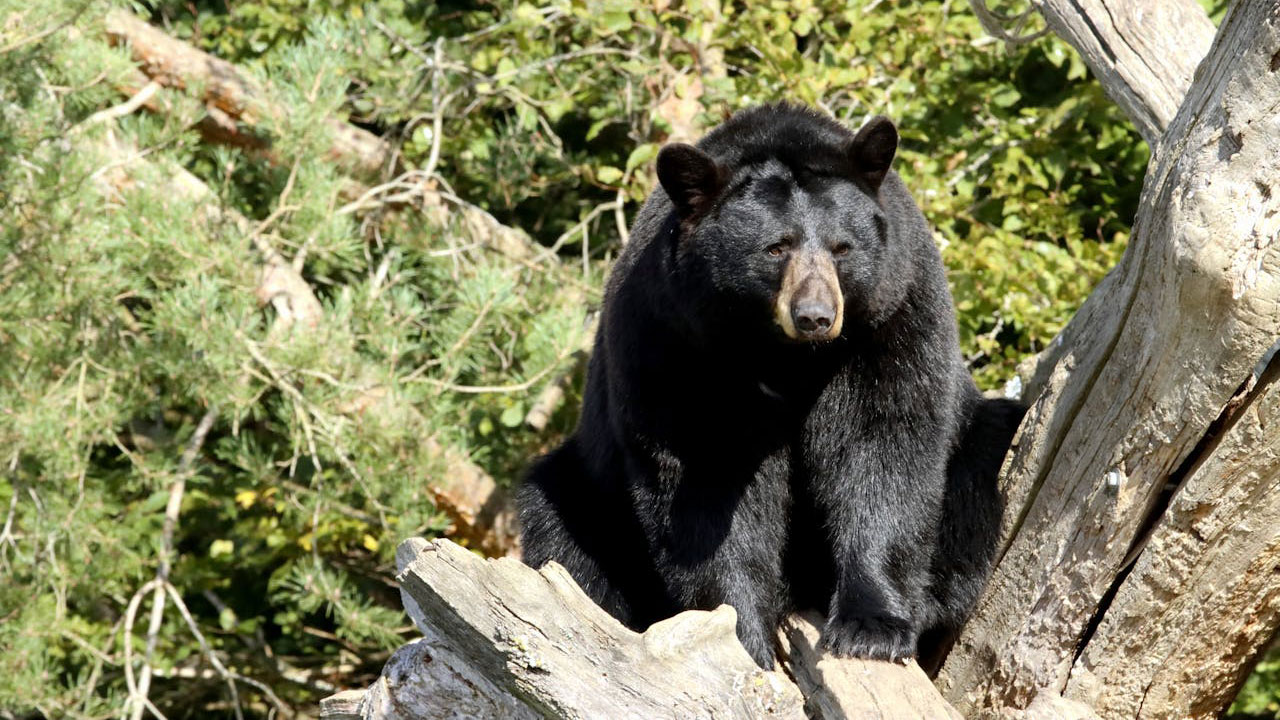
California belongs because it has a large black bear population and an active state black bear program, and the conflict side of that equation is built into CDFW management. The department’s bear program exists not just for research and monitoring, but also for species management and public information in a state where bears and people overlap across a lot of mountain, foothill, and recreation-heavy ground.
I would not rank California at the very top for documented nuisance totals based on what I found, but it is too big a bear state with too much human overlap to leave off. Bears getting into neighborhoods, cabins, cars, and campgrounds is a familiar California story for a reason.
Montana
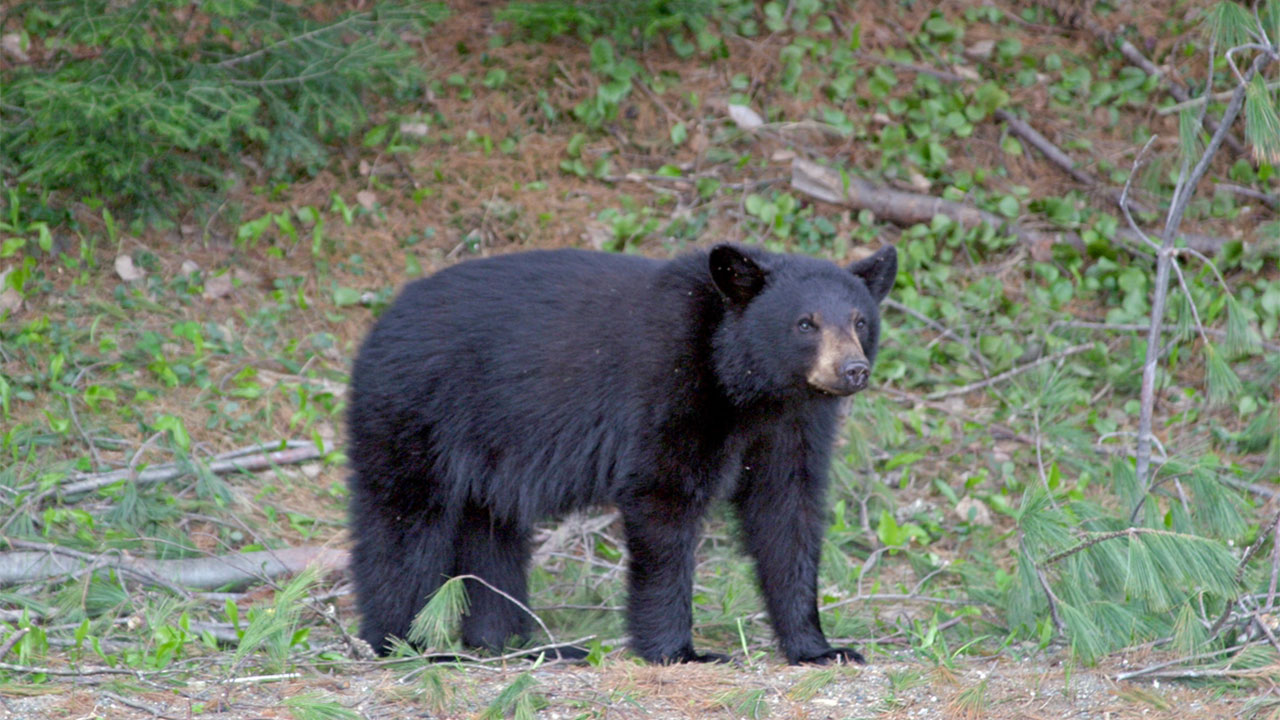
Montana makes the list partly because of black bear trouble and partly because some regions deal with black bears and grizzlies in the same broad human-bear conflict framework. FWP’s 2024 Region 1 annual report says its human-bear conflict reporting includes livestock depredation, building damage, home entry, and bears accessing or attempting to access attractants on public and private land.
That is enough to keep Montana in the conversation even though the state’s bear-conflict story is a little different from the dense East Coast model. In Montana, conflict is often tied to ranches, attractants, cabins, and serious bear country rather than just suburban overflow. But it is common enough that the agency is documenting it carefully.
Like The Avid Outdoorsman’s content? Subscribe to our newsletter so you never miss an article.
Here’s more from us: