Photo credit: Arthit Pornpikanet/stock.com
Some defensive calibers never disappear because caliber debates usually confuse “most argued about” with “most useful to the most people.” That is not the same thing. The FBI’s long-standing handgun testing framework centered on adequate penetration, and once a cartridge can meet that baseline with modern defensive loads, the argument shifts away from raw internet drama and back toward things like recoil, carry size, capacity, ammo cost, gun availability, and what people actually shoot well. That is why rounds people keep trying to bury never really go away. They keep solving real problems for real carriers.
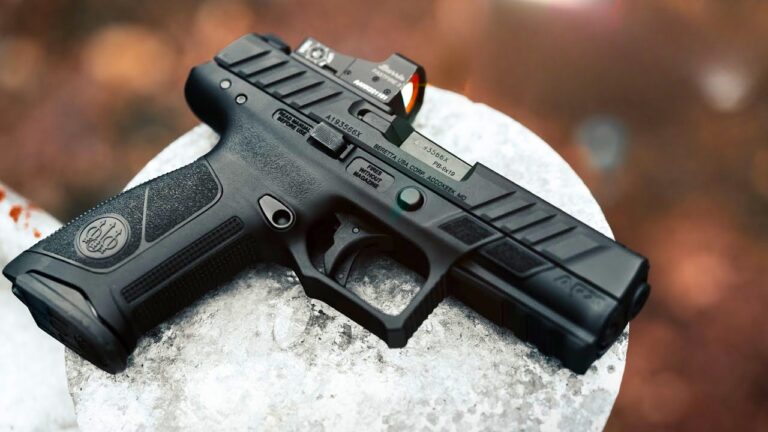
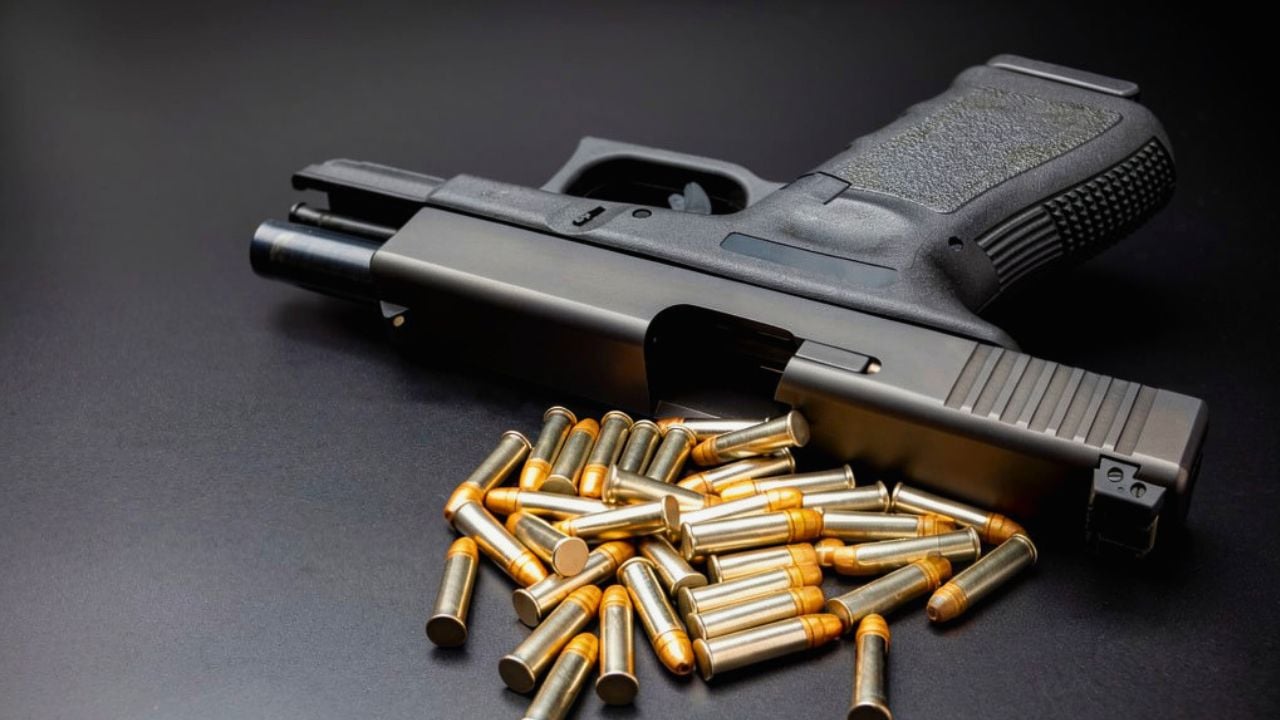
Take 9mm. People have argued over it for decades, yet it still sits right in the middle of the market because it gives shooters a blend that is hard to beat: manageable recoil, broad handgun support, strong modern hollow-point performance, and easy availability across the industry. Federal still markets 9mm HST as a law-enforcement-proven defensive load, and Speer still positions Gold Dot 9mm the same way. A caliber does not stay that entrenched by accident. It stays because it is controllable enough for fast follow-up shots, common enough to keep prices and supply reasonable, and effective enough that most shooters do not feel badly served by it.
The same thing happens with .38 Special +P. Every few years somebody talks like it is outdated, and every few years it keeps hanging around because compact revolvers are still relevant to a certain slice of carriers. Speer still offers its 135-grain Gold Dot Short Barrel load specifically for short guns, and it is designed around reliable expansion and penetration from barrels as short as 1.9 inches. That tells you why the caliber survives. It fits a platform people still trust, especially those who want simplicity, pocketability, or a revolver they can carry without much fuss. Old does not mean useless. Sometimes it just means proven.
That is really the broader pattern. Defensive calibers do not stick around because the internet finally agreed they were “best.” They stick around because manufacturers keep supporting them, shooters keep buying them, and they continue to meet the practical needs of different guns and different users. SAAMI’s standards exist to support safety, reliability, and interchangeability across commercial firearms and ammunition, which is another way of saying the market keeps mature, widely used calibers alive because there is real infrastructure behind them. Once a round has broad platform support, strong ammo development, and a big installed base of shooters, it becomes very hard to kill off through argument alone.
That is why the caliber arguments never really end. People are often arguing from identity, preference, or edge cases, while the calibers that survive are surviving on something more boring and more important: they work, they are available, and they fit a lot of ordinary defensive use. A round does not have to win every comparison to stay relevant. It just has to keep making sense once the talk is over and the gun goes on the belt.
Like The Avid Outdoorsman’s content? Be sure to follow us.
Here’s more from us: