Photo credit: Irm Sad/Shutterstock.com
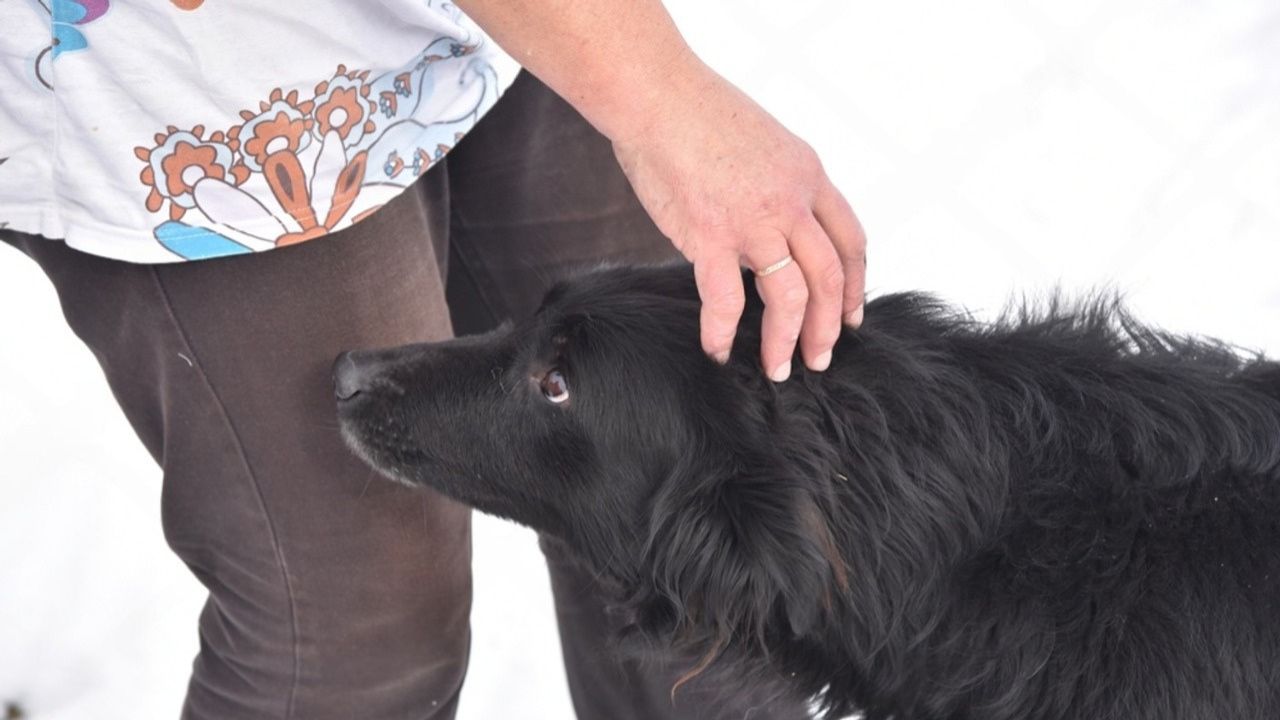
A nose nudge might seem small, but for dogs it’s one of the clearest ways to communicate without barking or jumping. Dogs don’t have hands, so they use their nose to point, push, and guide attention. When your dog nudges your arm, leg, or side, they’re rarely being random. They’re usually trying to move you toward something — an action, a place, or a response.
Sometimes the message is simple. A nudge while you’re sitting quietly often means, “Pet me,” or “Notice me.” If it happens near the door, it may mean they want to go outside. If they nudge you while you’re working or focused on your phone, they might be asking you to re-engage with them. It’s their polite way of saying, “Don’t forget about me.”
What they may be guiding you toward
Dogs often nudge when they want you to follow. You’ll see this when they nudge and then step away, glance back, and repeat the behavior. They may be leading you to their food bowl, the door, a favorite toy, or even a spot where they want you to sit.
Some dogs use nudging to interrupt situations too. If voices rise, tension builds, or your attention is locked elsewhere, a dog may nudge as a way to break the moment and bring things back to normal. It’s not manipulation — it’s a learned social tool that keeps the environment predictable.
In multi-dog homes, nudging can also be about space. A dog might nudge you to shift so they can settle beside you, or to signal that they want access to the couch or bed.
When nudging becomes a habit
Because nudging often works, dogs repeat it. If every nudge leads to petting, conversation, or movement, it becomes their default request behavior. Over time, what started as occasional communication can turn into frequent prompting.
This isn’t misbehavior. It’s reinforcement in action. Your dog is using the strategy that consistently gets results.
How to respond without encouraging pushiness
If you like the communication, respond calmly when the request is appropriate. Pet them or follow them if it’s time for the thing they’re asking for. If it’s not, you can acknowledge the nudge and then guide them to an alternative behavior like sitting or going to a mat.
Teaching clear request behaviors — such as sitting at the door to go out — helps reduce constant nudging. When your dog learns that calm signals work better than repeated pushes, the communication becomes smoother.
A nose nudge is rarely random. It’s your dog’s quiet way of saying, “Come with me,” or “Pay attention.” Understanding what they’re pointing toward helps you respond in a way that keeps both of you comfortable.
Like The Avid Outdoorsman’s content? Subscribe to our newsletter so you never miss an article.
Here’s more from us: