Photo credit: Susana Miranda/Shutterstock.com
Deer hits aren’t rare fluke accidents anymore; in some states, they’re a normal part of fall driving. Insurance data now pegs deer and other large animals at over 1.5–2.1 million collisions a year, with billions in damage, hundreds of deaths, and tens of thousands of injuries. State Farm and other carriers keep putting out the same story: a handful of states carry a huge chunk of the risk and claim volume. Here’s a look at 15 states where the odds and raw numbers both say deer are a serious part of the traffic picture.
West Virginia
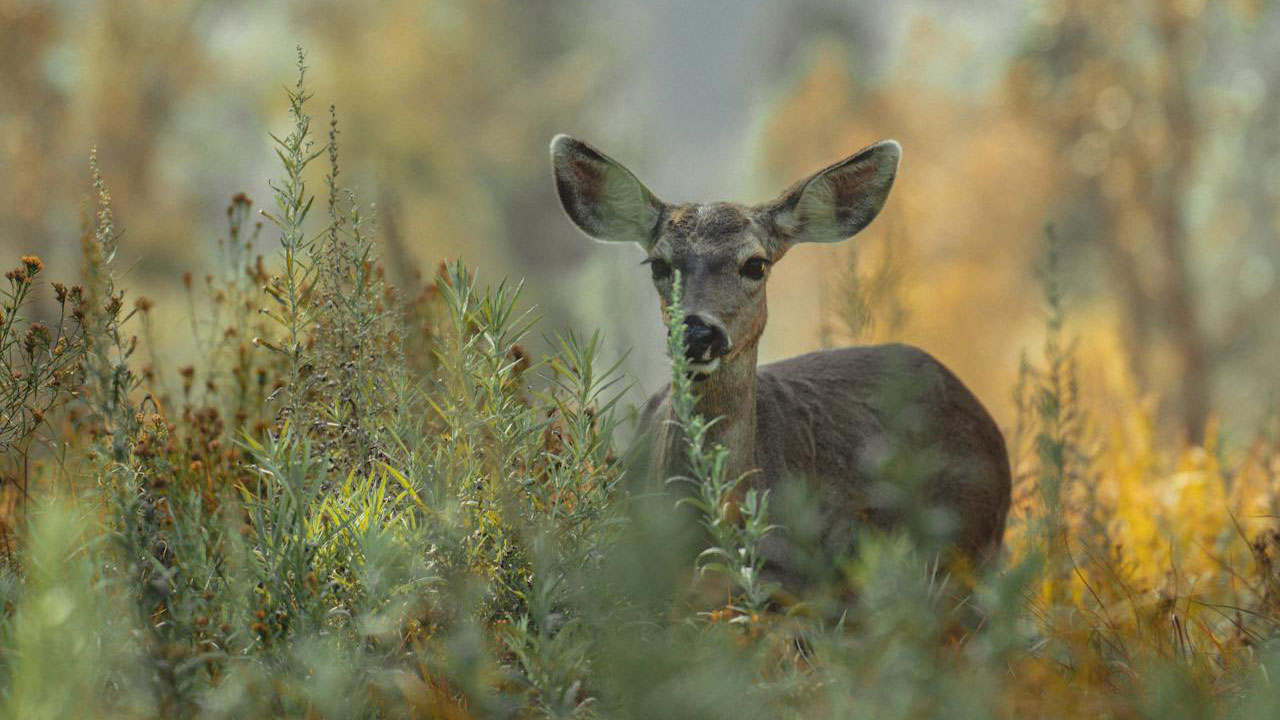
West Virginia is still the king of deer collisions. State Farm’s latest numbers show it as the riskiest state in the country, with odds around 1 in 40 that a driver files an animal-collision claim in a given year, and it has held that top spot for more than a decade. Most of those animals are deer. Mix narrow, winding roads, heavy deer densities, and a lot of nighttime rural driving and you get a state where “watch for deer” isn’t a suggestion—it’s a survival skill, especially in October and November.
Pennsylvania

Pennsylvania doesn’t always sit at the top for risk per driver, but it leads the country in sheer number of claims. Recent State Farm data puts it at roughly 147,000–148,000 animal-collision claims a year, mostly deer. That lines up with state reports and news coverage calling Pennsylvania No. 1 for deer and animal crashes. Thick whitetail numbers, busy highways, and a culture that spends a lot of time on the road in rural areas all stack the deck. If you hunt or commute here, you already know the routine: dawn and dusk in the rut are when the odds really go sideways.
Michigan

/Pexels.com
Michigan doesn’t lag far behind. Estimates put annual deer/animal collision claims in the 125,000–131,000 range, with about 58,800 documented deer–vehicle crashes in 2023 alone, causing 1,700+ injuries and 19 fatalities. The state usually lands in the top five for both risk and raw claim count, with odds for hitting an animal around 1 in 59–61 depending on the year. With roughly 1.7 million deer on the landscape, you’re basically driving through whitetail habitat every time you leave town, and both fall rut and spring green-up see spikes in collisions.
Wisconsin

Wisconsin has quietly become one of the highest-risk states too. State Farm’s most recent odds put it around 1 in 58 for an animal collision, which lands it in the top three to five depending on the year. Insurance and wildlife reports both point out that deer are the main culprit. Rural highways, farm country, and big forest blocks sit right on top of strong whitetail numbers. For hunters, that’s great in November. For drivers heading to work before sunrise, it’s a good reason to ease off the throttle and scan the ditch lines instead of the phone.
Montana

Montana is always near the top of these lists. State Farm and related summaries consistently show it in the top two for risk, with odds recently around 1 in 53–54 for an animal collision. Those “animals” are mostly deer and elk, and a lot of those hits happen on two-lane roads where speed limits are high, lighting is poor, and shoulders are narrow. If you’re driving before daylight in mule deer or whitetail country out here, you’re sharing the right-of-way with animals that cross in groups and don’t care what a centerline means.
South Dakota
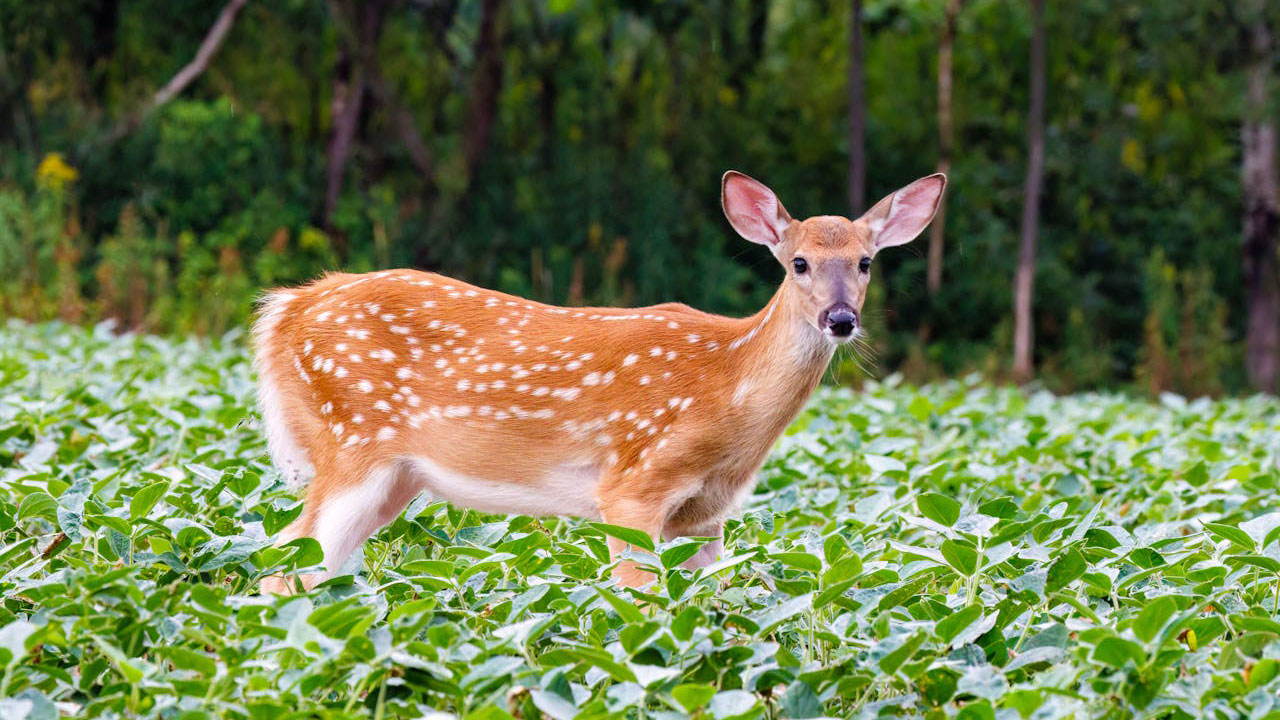
South Dakota doesn’t always make headlines, but it’s consistently in the top ten for collision risk, with recent odds around 1 in the mid-70s according to State Farm’s ranking. Deer densities are strong in both farm and prairie country, and a lot of driving happens on rural highways with limited lighting and long sightlines that encourage speed. When herds start moving during the rut or late-season weather, those open sections turn into prime collision corridors. Hunters and locals both know the “slow down when you see one” rule, because there’s usually another two or three right behind it.
Iowa

Iowa pairs big whitetail numbers with plenty of traffic, and it shows. Historical lists put Iowa solidly in the top ten for deer-collision odds, usually with risk in the 1 in 55–76 range depending on the year. Corn-and-bean country grows more deer than most people realize, and those deer treat field edges and road ditches like one big travel corridor. Add in heavy truck and commuter traffic between small towns and larger cities, and you’ve got a state where hitting a deer isn’t some freak deal—it’s something many families can count at least one story about.
Mississippi

Mississippi is another one that doesn’t always get talked about but still shows up on the high-risk lists. State Farm and other summaries have put its odds in the top ten, with previous rankings listing it alongside Wyoming and Minnesota for higher-than-average collision risk. Thick cover, long growing seasons, and rural roads that cut right through good deer habitat keep the numbers up. Much of the traffic is pickup-and-tractor country, and when rut activity ramps up along pine edges and creek bottoms, it’s easy to round a curve and find a deer standing on the centerline.
Wyoming

Wyoming’s problem isn’t just deer; pronghorn and elk factor in too. But deer still drive a big share of the crash numbers, and the state regularly lands in the top ten for animal-collision odds. Long stretches of highway run right through migration routes and winter range, with speed limits that give drivers very little time to react when animals step out of the borrow pit. That’s why you’re seeing more talk about wildlife crossings, lower night speeds in some corridors, and hunter-based projects that try to keep deer numbers in check along the worst stretches.
Virginia

Virginia has spent years in the “top 15” discussion. State and local safety campaigns emphasize that it’s consistently one of the worst states for deer-related crashes, and state sources have said Virginia ranks among the top 15 nationally for deer–vehicle collisions. Suburban sprawl, strong deer populations, and heavy commuter traffic all pile into the same space. That’s why fall PSAs about deer are standard, and some counties are experimenting with targeted culls and driver-warning tech on specific hot stretches.
North Carolina
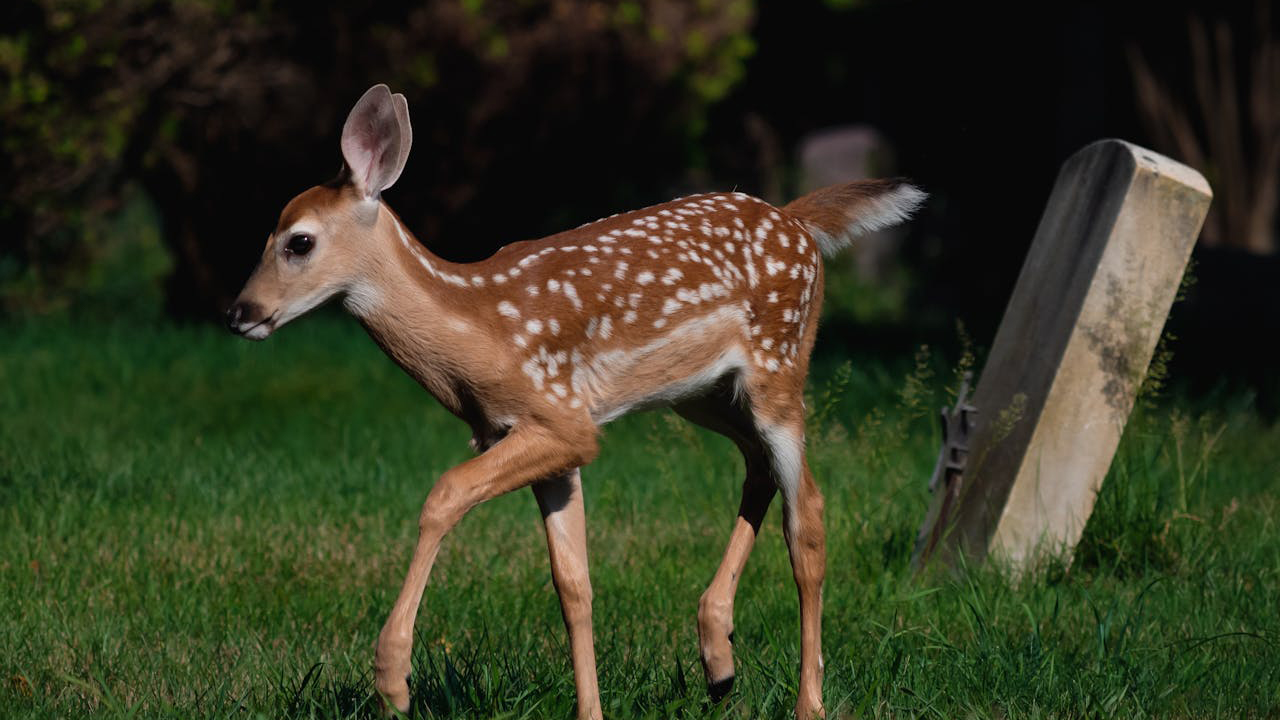
Insurance data puts North Carolina high on the “by the numbers” list even if its per-driver odds aren’t quite as bad as some northern states. Recent State Farm estimates show it with around 88,000–98,000 animal-collision claims a year, behind only Pennsylvania and Michigan in volume and in the top handful for claim count. Most of those animals are deer. The worst of it hits in the Piedmont and foothill counties where fast four-lanes cut through hardwood draws, but coastal and mountain regions see their share of fender-bent whitetails too.
Texas

Texas has a lot of road miles and a lot of deer, and that combination adds up. Recent State Farm numbers put it around 86,000–92,500 animal-collision claims a year, placing it in the national top five for total claims. Collision risk per driver is lower than in West Virginia or Montana, but the sheer volume of traffic means a ton of hits. Hill Country, brush country, pine country—there’s no shortage of whitetails. Nighttime highway runs between small towns and metro areas are where you really see how often deer step out right at the edge of headlight reach.
Ohio

Ohio rounds out the “big claim count” group. State Farm’s latest breakdown shows about 80,500 animal-collision claims a year, again mainly deer, putting Ohio right behind Texas in volume. Suburban sprawl into former farm ground, plenty of woods and creekbottoms, and a ton of daily commuter miles give deer all the opportunity they need. Deer numbers are strong across much of the state, and drivers that spend time on two-lane blacktop in the rut know that any open field or narrow woodlot can turn into a crossing point without warning.
Missouri

Missouri’s own highway patrol and insurance regulators say the quiet part out loud: the state consistently ranks in the national top 15 for deer-related collisions. In 2023, one state report counted nearly 3,600 deer crashes, roughly one every couple of hours. That’s just documented police-reported wrecks, not every bent bumper. With strong whitetail numbers and a lot of rolling, wooded terrain laced with two-lane highways, the picture is familiar—October and November bring more deer on the move and more drivers getting unexpected bodywork.
Minnesota
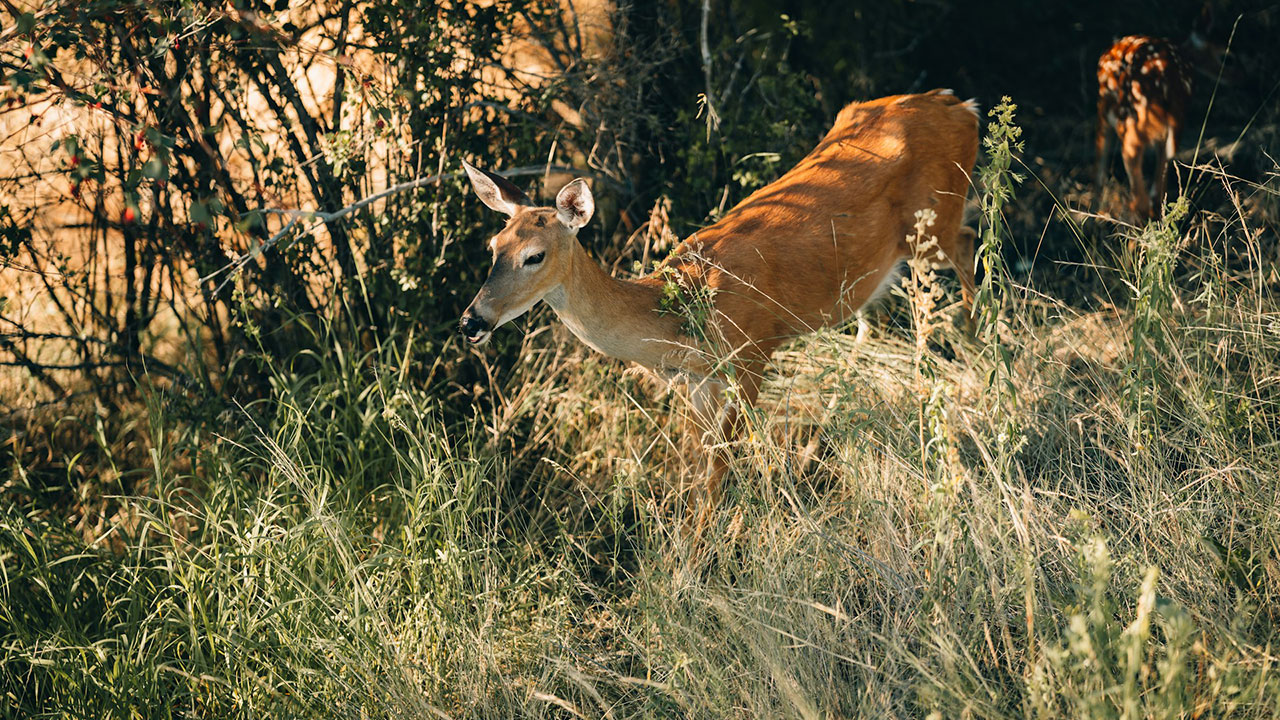
Minnesota has bounced around in the top-ten lists over the years, often showing odds in the 1 in low-60s range for animal collisions and ranking alongside states like Mississippi and Wyoming. White-tailed deer are thick across big parts of the state, and long winter nights, snowbanks, and busy commuter routes stack the risk. In the northern forest counties, deer share the road with logging and resort traffic; in farm country, they use section lines and drainage ditches as travel routes. Drivers see the same pattern hunters see—once animals start shifting out of winter cover or chasing does in the rut, the odds of meeting one at bumper height go way up.
Like The Avid Outdoorsman’s content? Subscribe to our newsletter so you never miss an article.
Here’s more from us: