Photo credit: Nancy Bourque/Pexels.com
Nuisance wildlife complaints don’t climb because animals suddenly “get mean.” They climb because people spread into wildlife habitat, food sources get easier to access, and some species adapt better than anyone wants to admit. Trash cans, backyard chickens, bird feeders, ornamental ponds, and even pet food left on a porch can turn into a steady food pipeline. Add drought, mild winters, or a boom in certain populations, and wildlife starts showing up where people aren’t used to dealing with it. These are states where the combination of growth, habitat change, and adaptable species is pushing complaint calls up and keeping wildlife agencies busy.
Florida

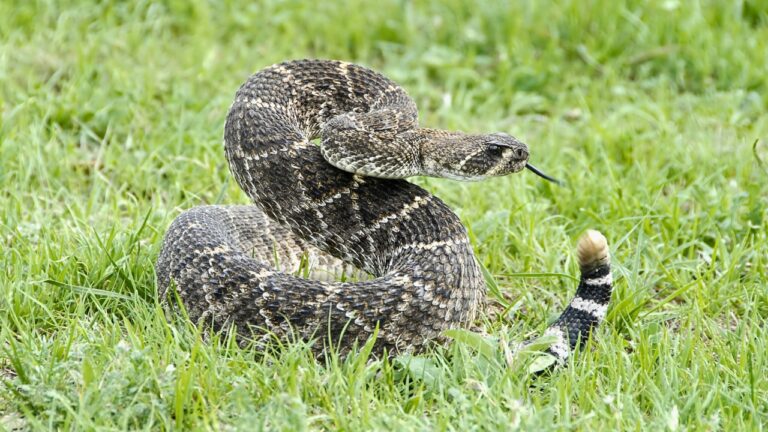
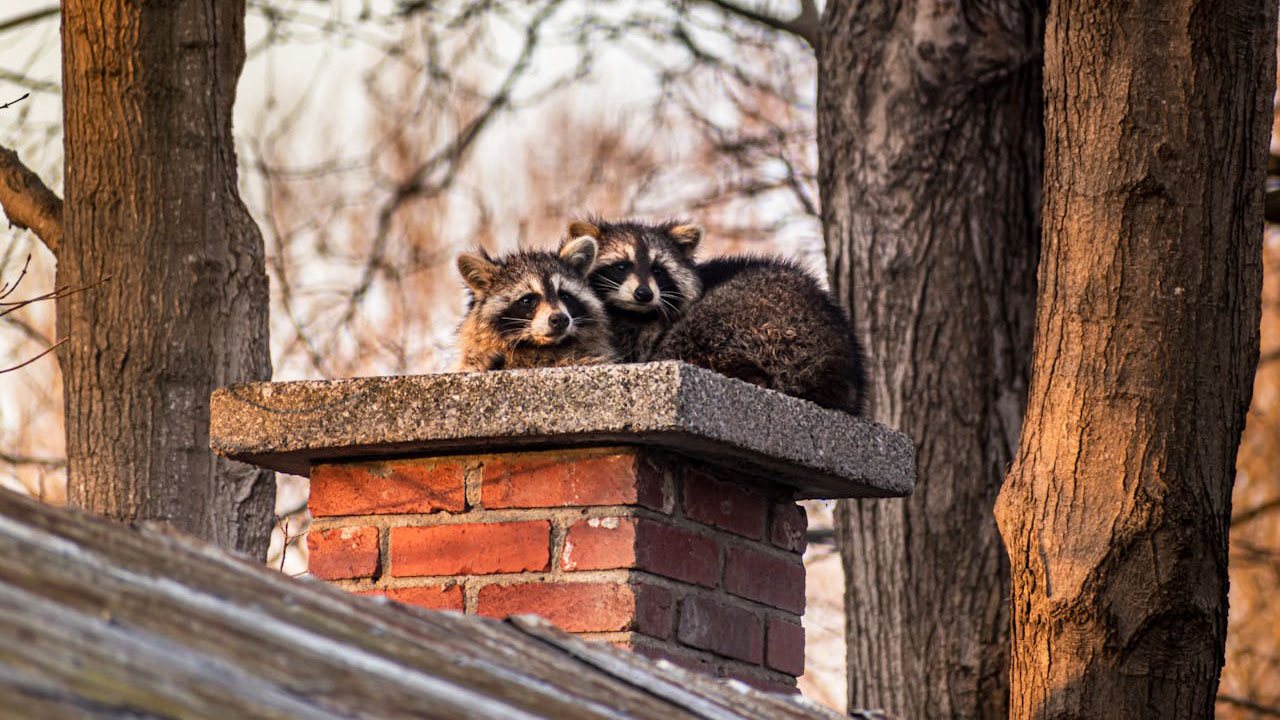
Florida is always near the top when it comes to nuisance wildlife because the state is basically a year-round buffet. Between urban sprawl, warm weather, and constant water sources, animals don’t have much reason to stay “wild.” Raccoons, coyotes, iguanas, snakes, and even bears in some regions are regular complaint drivers, and more people moving into Florida keeps that pressure climbing.
A lot of Florida issues aren’t about one species, but about frequency. You’ll get repeat calls from the same neighborhoods because the food sources never go away. People feed wildlife on purpose, leave trash unsecured, and keep backyard animals in areas predators already use. That creates a cycle where nuisance animals get bold fast, and agencies get hammered with the same types of calls all year.
Texas

Texas sees nuisance complaints climb because it has everything: rapid growth, big suburban expansion, and huge wildlife populations that thrive around people. Hogs are a major driver in rural and semi-rural areas, but raccoons, coyotes, bobcats, and even deer-related issues add to the load. As more subdivisions push into ranchland edges, those “normal” wildlife interactions become complaint calls.
A big part of the Texas problem is property size and access. Animals have room to move, and they learn fast which neighborhoods have easy food. Add drought years, and wildlife comes into yards looking for water. A pond, a leaking spigot, or a dog bowl can pull animals in nightly. People don’t realize how small the “reward” can be before it becomes a habit.
California

California nuisance complaints rise for a mix of reasons: dense population, strict wildlife rules, and animals that have learned to live in suburbs. Coyotes are a constant issue in many regions, and bears in certain areas have become extremely skilled at getting into garbage, sheds, and even vehicles. When people feel like they can’t do much legally, they tend to call agencies more often.
The other factor is fire and habitat disruption. When fires push wildlife into new zones, you see a spike in human-wildlife contact. That can become permanent if food is easier near people. Once a bear or coyote learns where the easy calories are, it may keep returning even after habitat recovers, which keeps complaint numbers elevated year after year.
Colorado

Colorado’s front range growth has created a major nuisance wildlife pipeline. Mountain towns and suburban edges blend right into habitat for bears, mountain lions, and coyotes, and when people move in, the animals don’t move out. Bears especially become a complaint driver when garbage rules aren’t enforced or people don’t lock down attractants.
Colorado also has a strong outdoor culture, which means more people recreating in wildlife spaces. That increases encounters and reports. A bear in a neighborhood used to be a rare event. Now in some areas it’s a weekly occurrence during certain seasons, and as more housing pushes into foothill zones, complaints tend to climb with it.
North Carolina

North Carolina’s fast growth, especially around metro areas with green space, has pushed nuisance complaints up. Coyotes, raccoons, and bears in the western part of the state are common issues, and suburban expansion means more people seeing animals on property lines that used to be wooded buffers.
North Carolina also has plenty of water, mild winters, and food sources everywhere, which helps wildlife populations stay steady. When animals don’t get knocked back by hard winters, nuisance behavior can build over time. It starts as a raccoon in the trash and ends up as repeated property damage complaints, especially in neighborhoods where people aren’t securing trash and outdoor feed.
Georgia

Georgia’s suburban sprawl and dense wooded corridors make it a prime state for wildlife to live right alongside people. Deer in residential zones drive a ton of complaints, but so do coyotes, raccoons, and feral hogs in some areas. When a state has long growing seasons and plenty of cover, animals can keep reproducing and expanding.
Georgia also sees a lot of “attractant” issues. People keep outdoor pet food, don’t secure trash, and set up backyard chickens without predator-proofing. That draws in raccoons and coyotes fast. Once predators learn a neighborhood is an easy buffet, they’ll keep working it, and complaint calls rise because the encounters become frequent and predictable.
Arizona
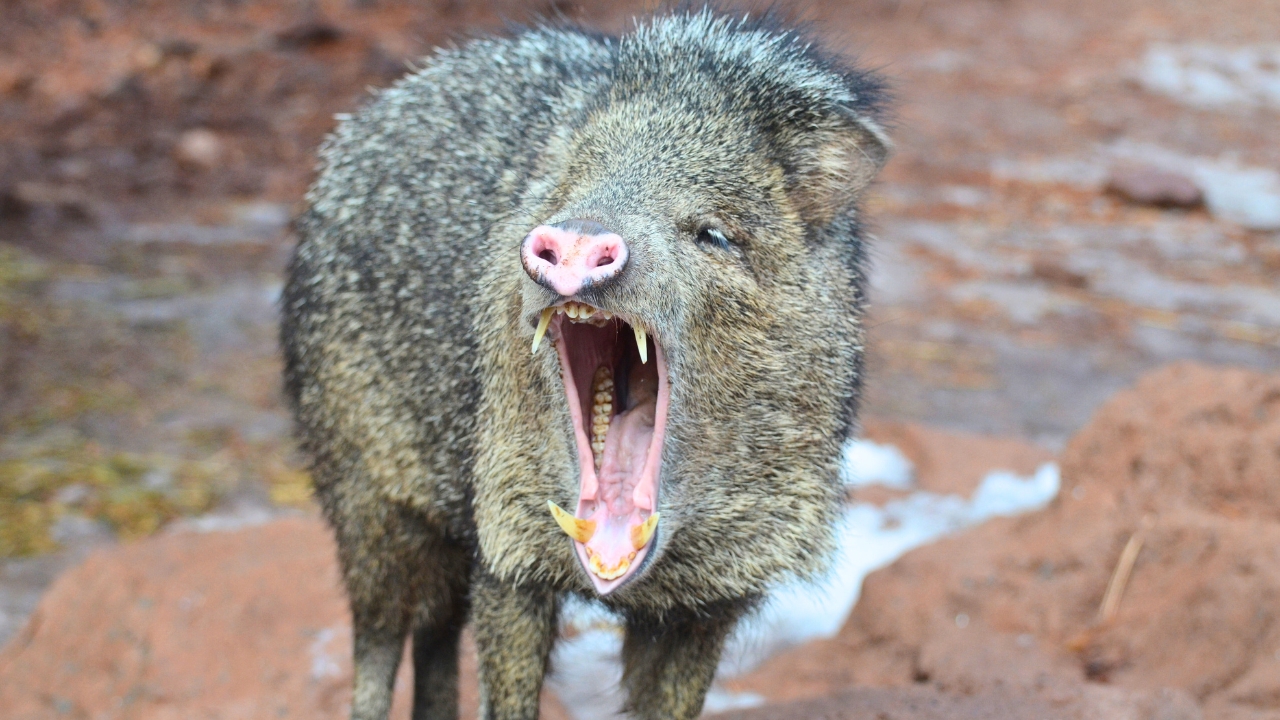
Arizona’s nuisance wildlife complaints climb when drought and heat pressure push animals into developed areas. Coyotes are the usual headline, but javelina, snakes, and other species become common conflict drivers when water and food are limited. In desert neighborhoods, a green yard and a water source can be a magnet.
The other issue is that animals use washes and desert corridors that run right behind neighborhoods. People think they’re “in town,” but the wildlife travel lanes never went away. That creates repeated interactions, especially at dawn and dusk. Arizona also has a lot of seasonal residents, and many don’t understand how fast leaving food or water out can create a problem.
Washington

Washington has a strong mix of urban expansion and wildlife habitat, especially around forest edges and water. Coyotes show up in city environments, bears create issues in rural communities, and raccoons and other opportunists thrive anywhere people leave out food. Complaint calls rise when humans and wildlife share the same space without clear boundaries.
The Pacific Northwest also has long periods where food availability shifts, especially with changes in natural forage. When berry crops are poor, bears look for calories elsewhere, and neighborhoods provide them. Once animals learn that pattern, it can become a yearly problem. Washington agencies deal with repeated seasonal spikes that have become more common in many regions.
Oregon
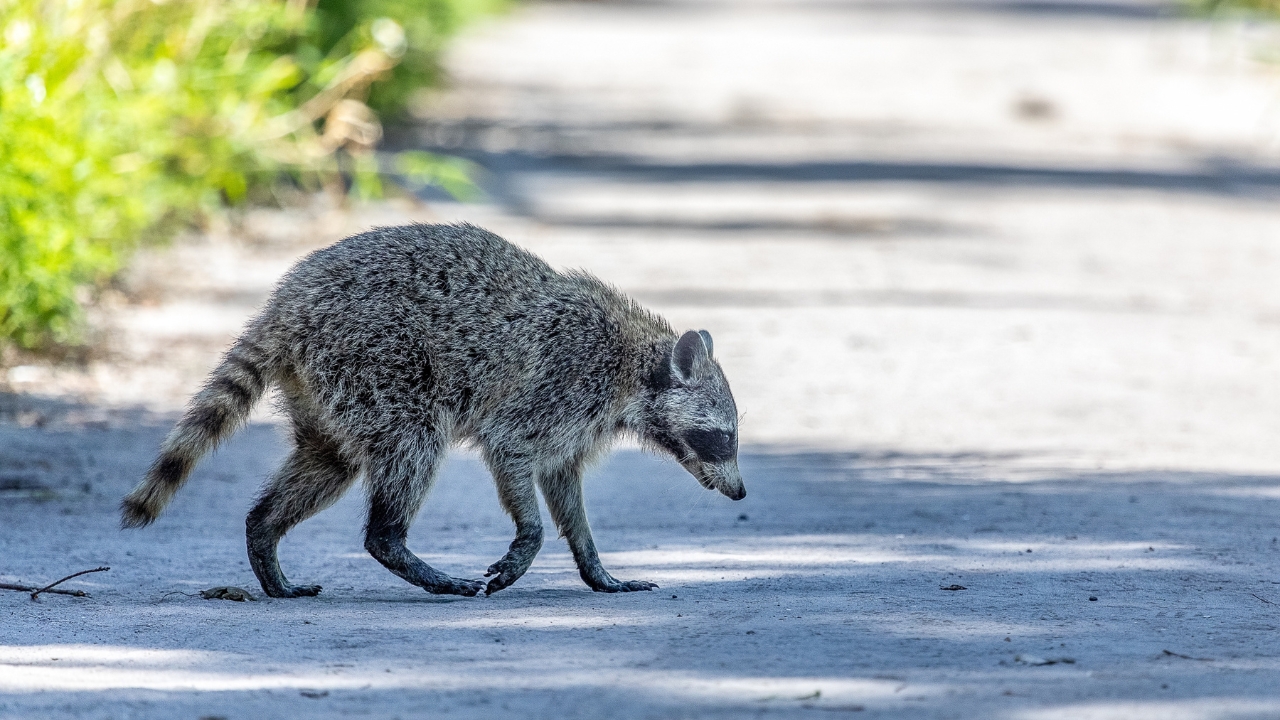
Oregon’s nuisance wildlife complaints mirror Washington in a lot of ways, especially in the Willamette Valley and around expanding suburbs. Coyotes and raccoons are constant issues, while bears in some areas become a regular problem when natural food sources vary year to year.
Oregon also has strong backyard lifestyle culture—composting, chickens, outdoor pets, and gardens. Those are basically magnets for nuisance wildlife if they aren’t secured. Many conflicts aren’t about aggressive animals, but about animals that learned they can reliably get food from human property. That’s when a one-time sighting turns into a pattern of damage complaints.
Tennessee
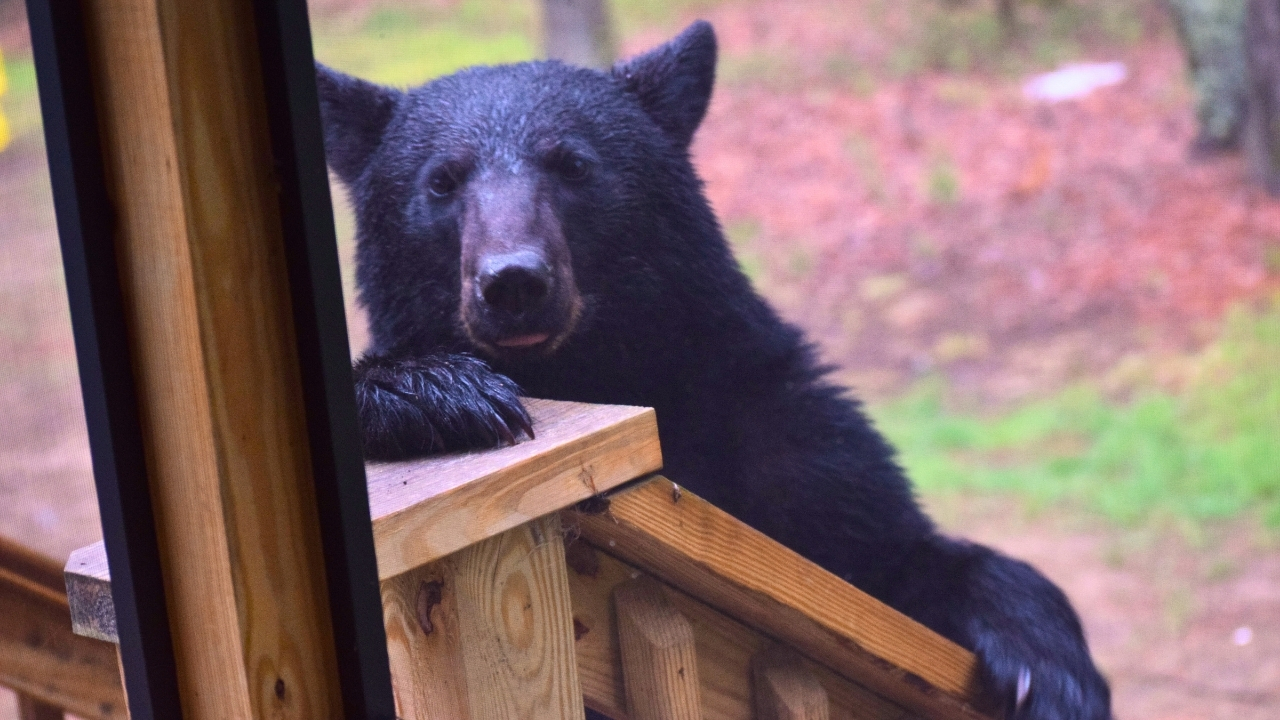
Tennessee has seen growth and development spread into areas that used to be mostly rural. That shifts wildlife into closer contact with people. Coyotes, raccoons, and bears in certain regions become common complaint drivers. When housing spreads along ridges and wooded valleys, it creates perfect travel corridors for animals to move right behind neighborhoods.
Another factor is small livestock and backyard setups. Chickens, goats, and hobby farms are everywhere, and predators learn those patterns. If people aren’t using proper fencing and night enclosures, nuisance calls rise quickly because losses pile up. Tennessee also has plenty of cover and food resources, which keeps predator populations healthy.
Virginia
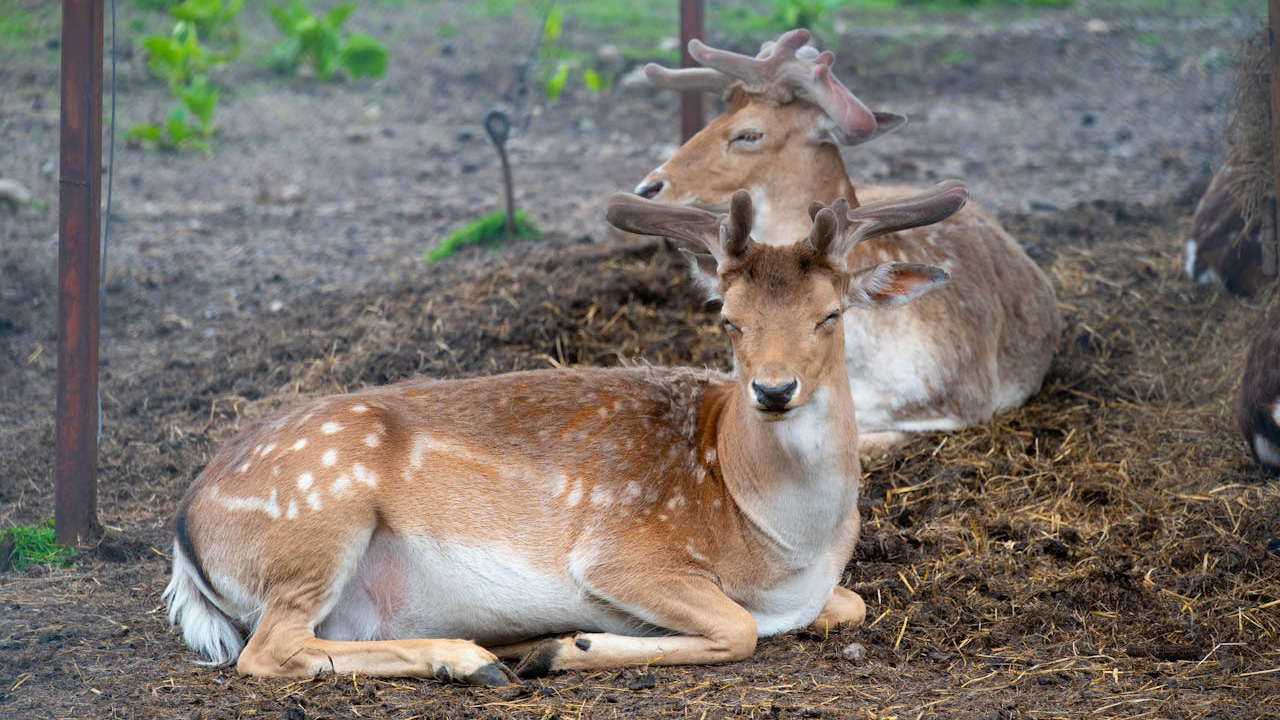
Virginia combines strong suburban growth with heavy wooded cover, which makes it easy for wildlife to live near people. Deer complaints are big in many areas, and coyotes and raccoons fill the gap. In some regions, bears are becoming more common around neighborhoods as their range and comfort around people expands.
Virginia’s issue is often proximity. People live on the edge of habitat without realizing it. A greenbelt, a creek corridor, or a wooded buffer can carry wildlife right into subdivisions. When you stack that with unsecured trash, outdoor feed, and backyard animals, you get repeat complaint patterns that are hard to break without changing homeowner behavior.
New Jersey
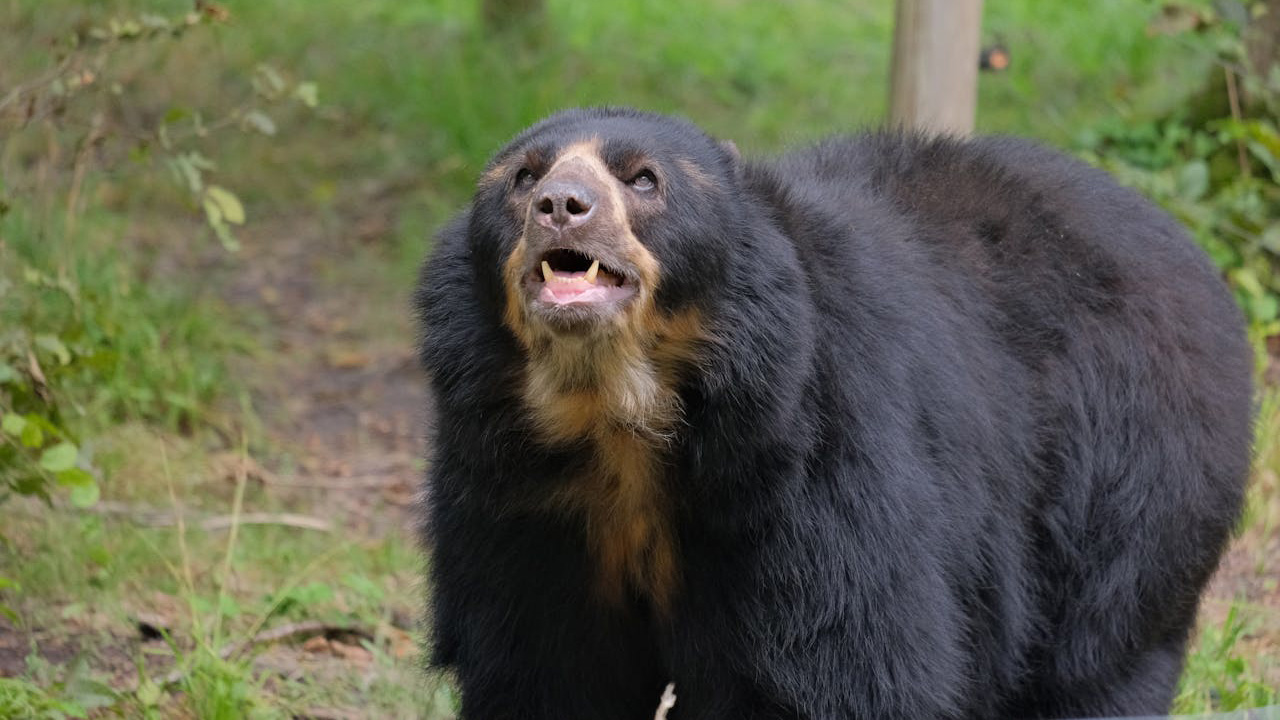
New Jersey is one of those states where nuisance wildlife complaints climb because people are packed in and wildlife has adapted. Bears, deer, and raccoons cause problems in many regions, and when you’ve got dense communities next to wooded areas, the conflict doesn’t take much to trigger.
Another factor is that nuisance issues become political fast. When residents can’t or won’t address animals directly, they call agencies. That pushes complaint numbers higher. In states with dense populations, one problem bear can generate a huge volume of calls in a short period, especially if it’s hitting trash in multiple neighborhoods.
Pennsylvania

Pennsylvania’s mix of woods, water, and suburban expansion keeps nuisance complaints trending up in many areas. Deer are a constant issue, but bears and coyotes create seasonal spikes. In some communities, bears have learned to raid trash and bird feeders with almost zero fear of humans.
The Northeast also has a strong “backyard habitat” culture—feeders, compost, gardens, and outdoor pets. That can be great until it creates an attractant loop. Once a bear learns a neighborhood is easy calories, it may return every season. That turns a rare issue into a recurring complaint cycle, and agencies end up managing the same problems repeatedly.
Ohio

Ohio nuisance wildlife complaints rise with suburban growth and a lot of green space woven into development. Raccoons, coyotes, and deer are common drivers, and in many areas, wildlife can move through creek corridors and wooded strips that run right through neighborhoods.
Ohio also has plenty of agriculture near suburbs, which creates a strong food base for wildlife. That can support higher populations, and higher populations create more conflicts. Many nuisance calls aren’t dramatic, but they pile up: trash raids, pet conflicts, property damage, and repeated sightings that make residents nervous, especially when they aren’t used to living near wildlife.
Illinois

Illinois sees rising nuisance complaints around the edges of metro areas and in communities near farmland and wooded corridors. Coyotes in suburban zones are a major issue, and raccoons are basically everywhere. Deer and geese also drive complaint volume in many parts of the state.
Illinois has a lot of habitat fragments—small woods, creeks, rail corridors—that wildlife uses like highways. That’s why people in neighborhoods can suddenly see a coyote in broad daylight and panic. It’s not always a population explosion. It’s often just animals using the same travel routes they always used, but now people are living right on top of them.
Like The Avid Outdoorsman’s content? Subscribe to our newsletter so you never miss an article.
Here’s more from us: