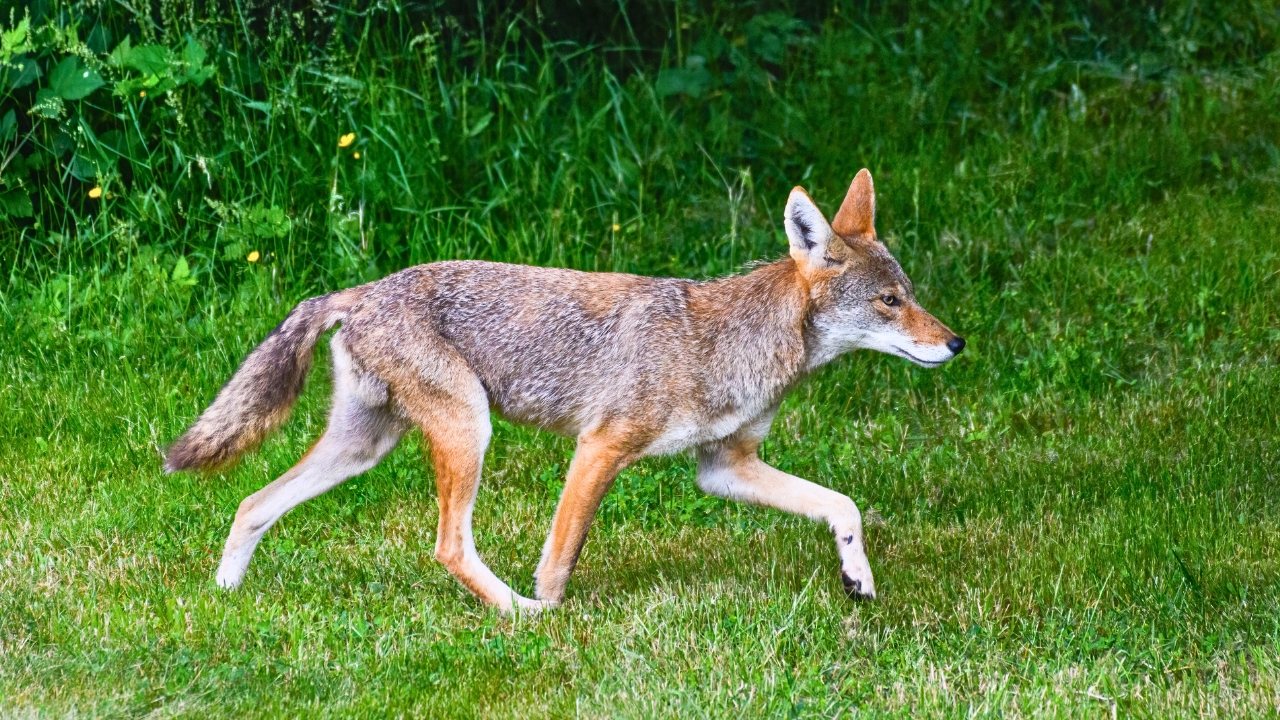
Photo credit: DustyR/Pixabay.com
Coyotes are pretty much everywhere now. Biologists say they’re in every state except Hawaii and they’re just as comfortable behind subdivisions and golf courses as they are on open range. But some states clearly carry more than their share of the load. A recent breakdown of estimated minimum populations pulled from wildlife reports and research puts a handful of states way out in front on raw coyote numbers.
This list leans on that 2026 dataset and sticks to places where the estimates run into the tens or hundreds of thousands. The numbers aren’t perfect—this is a wild predator, not a tagged cattle herd—but they give you a solid picture of which states are crawling with coyotes and why hunters, trappers and ranchers there talk about them like a weather pattern.
Texas

Texas sits in first place by a mile, with an estimated 859,510 coyotes on the landscape. From mesquite flats and Hill Country draws to wheat fields and Panhandle canyons, there’s almost no habitat they won’t use. They shadow cattle, work fencelines, follow hog sign and hang around deer country year-round. If you spend any time calling predators, you already know Texas is where you can burn a lot of ammo in a weekend and still barely make a dent.
They’re not just a “ranch” problem either. Urban and suburban coyotes are baked into life around Dallas–Fort Worth, San Antonio, Austin and Houston. They work drainage creeks, park belts and subdivision edges, picking up everything from rabbits to pet food. That’s why Texas keeps coyote hunting open year-round and leans on aerial control and trapping in places where fawn recruitment and livestock losses really start to hurt.
California
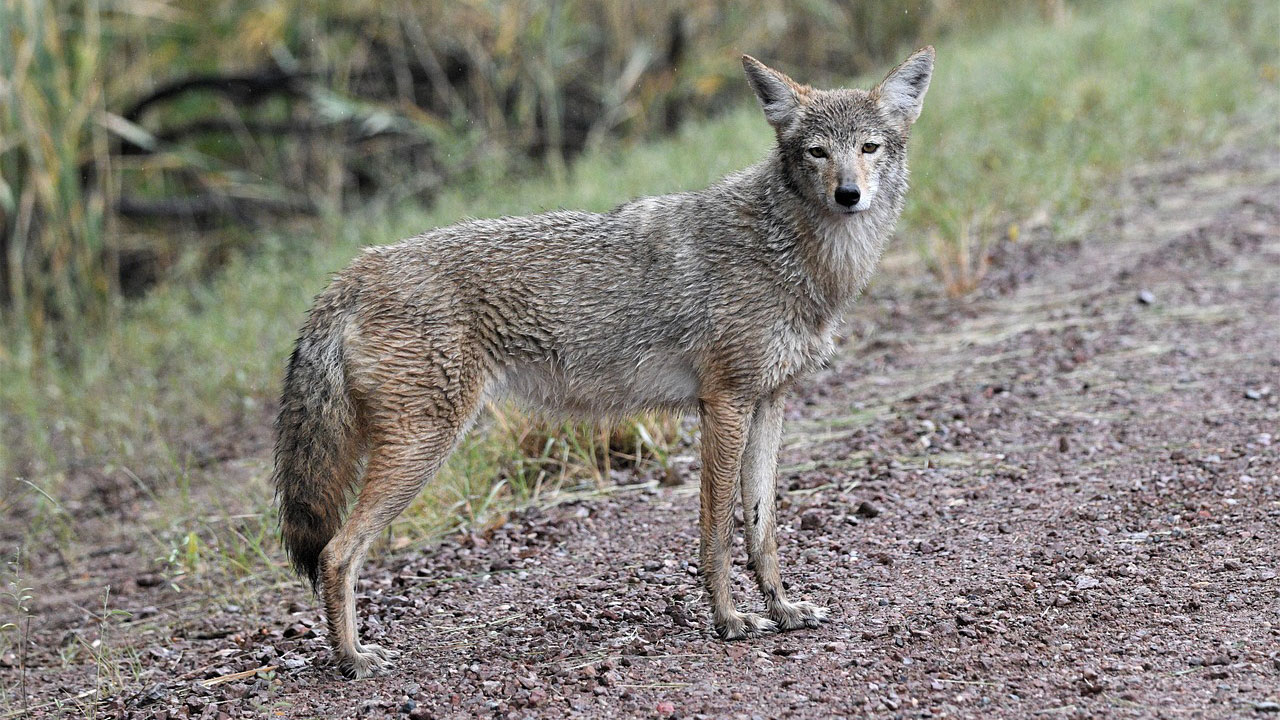
California’s estimated minimum sits at 250,000 coyotes, with some sources suggesting the real number could be higher. They’re woven into just about every habitat in the state—coastal scrub, ag valleys, desert basins, oak foothills and even big-city park systems. If you’ve glassed pigs in the foothills or hunted blacktail near vineyards, you’ve probably had coyotes cut through your setup like they own the place.
Urban coyotes are a whole separate chapter. Los Angeles, San Diego and the Bay Area all deal with coyotes cruising alleys and greenbelts, and that’s on top of the cattle and sheep operators getting hit out in open country. With that much overlap between people, pets, produce fields and wild ground, California’s numbers explain why you hear more talk every year about non-lethal tools, better trash control and night calling where it’s allowed.
Arizona

Arizona is listed at 200,000 coyotes minimum, and anyone who’s called a wash at daybreak would believe it. They’re at home in everything from Sonoran desert and grasslands to pine country up on the Mogollon Rim. They run washes, hit calving grounds and follow quail hunters like they’re running a shadow hunt of their own.
Predator callers love Arizona because you can drive a couple hours and swap terrain types completely, but ranchers and deer hunters see the other side of that coin. Lambs, fawns and even older calves get hit hard in some areas. With that many coyotes on the ground, year-round hunting and seasonal trapping aren’t a luxury—they’re basic management so the rest of the wildlife plan doesn’t get pushed off balance.
Kansas

Kansas shows an estimated 150,000 coyotes, with a maximum projection around 300,000. They live in the same hedgerows, creekbottoms and shelterbelts that make the state such a strong deer and pheasant producer. If you sit on a cut-corn edge long enough, you’ll see coyotes treating those fields like one big cafeteria—mice, birds, gut piles and afterbirth all in the same square mile.
Because the ground is relatively open, a lot of calling and rifle work happens across big fields and pastures. That visibility makes it easy to see just how many coyotes are using the same farms season after season. Between fawn predation and calf losses, Kansas stockmen and deer managers keep coyotes on the radar all year, not just when fur prices look good.
New Mexico

New Mexico’s minimum estimate sits at 125,000 coyotes. Desert basins, piñon-juniper hills, high plains—there isn’t much country they haven’t figured out. They run with pronghorn, haunt prairie dog towns and circle calving grounds in the same wide-open terrain where deer and elk hunters pick their glassing knobs.
Because the state mixes big public tracts, working ranches and tribal land, you see every side of coyote management here: aerial control, long-range calling, night hunting where it’s legal and plenty of casual shooting from folks who just don’t want them near calves or goat pens. That combination of room to roam and constant human activity is exactly why New Mexico ends up near the top of the population chart.
Arkansas

Arkansas is estimated at 106,360 coyotes, with a possible ceiling over 200,000. They tuck into river bottoms, pine plantations and cattle country, using the same cover whitetails and turkeys rely on. Sit on a cutover or hayfield edge and you’ll watch them run fence lines and creek crossings like they’ve done it their whole lives—which they have.
Because Arkansas still has a lot of small farms and mixed timber, coyotes bump into people constantly without necessarily being seen. They work chicken houses, hit fawns in thick understory and cruise roadkill corridors at night. That’s why the state allows year-round hunting and longer windows on wildlife management areas: you’re not trying to wipe them out, but you are trying to keep a very busy predator from getting a free pass.
Pennsylvania
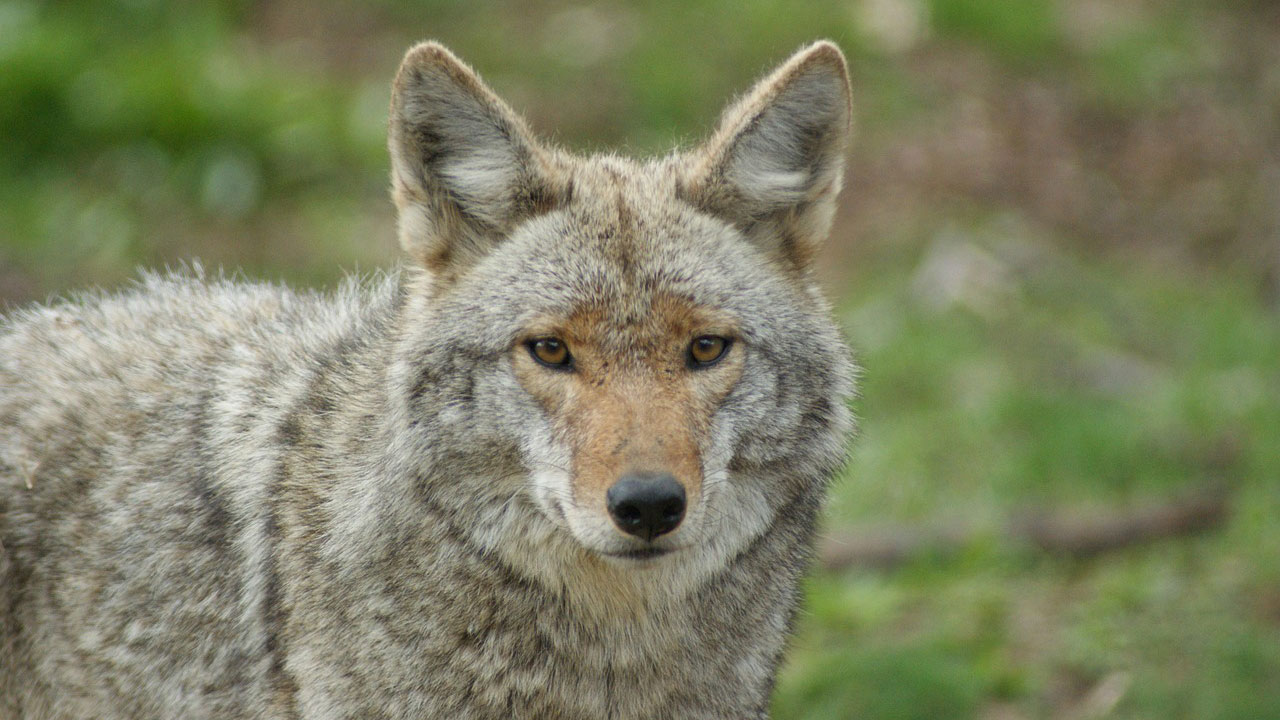
Pennsylvania’s estimate comes in at 100,000 coyotes—and that’s in a state already packed with people and deer. They use the same ridges and cutovers that make the deer hunting so good, and they’ve spread into farm country and suburbs without losing a step. Nighttime trail cam pictures of coyotes behind houses and around food plots are standard now.
Predator hunters here often talk about hearing multiple packs in one evening, especially in the northern and central counties. With this many coyotes around, fawn recruitment and small-game numbers are always part of the conversation. Pennsylvania keeps seasons generous and lets hunters target them while they’re already in the woods for deer, because pretending those 100,000 coyotes don’t exist isn’t an option.
Georgia

Georgia’s minimum estimate sits at 90,000 coyotes. They’re thread through pine plantations, hardwood drains, cattle ground and sprawling suburbs from the mountains to the coastal plain. If you run hogs or watch trail cams on a deer lease, you’ve probably seen coyotes grabbing piglets, working feeders or cruising edges right at last light.
On a lot of Georgia properties, they’re the main four-legged predator that shows up consistently. That’s why you see so many landowners adding predator control to their deer and turkey plan—trapping, calling, night work where it’s legal. With that many coyotes on the ground, you can’t expect fawns or turkey nests to get a free ride without some pushback.
Wyoming

Wyoming is listed at 86,000 coyotes minimum. They live from high sage and prairie to foothills and broken timber, often in the same basins where you glass antelope and mule deer all day. Ranchers have been fighting them for generations; lambs and calves are a big target when wild prey is thin or winter bites down.
Because so much of the state is wide, open country, coyotes cover miles every night. That mobility is why you can shoot a few off a calving pasture and still see fresh tracks the next week. A mix of federal and state control work, private trappers and predator hunters is the only thing keeping those numbers from climbing even higher.
Oregon

Oregon’s minimum estimate is 83,695 coyotes. They work everything from high desert and sage to Coast Range timber and valley ag ground. Watch a clearcut or pivot field long enough and you’ll usually spot one trotting along a fenceline or sitting on a knob listening for squeaks.
The state’s mix of public and private ground means coyotes bounce between cattle pastures, big timber tracts and BLM hills without ever being out of cover. They’re on the same winter ranges elk and deer use, and they’re on the same river bottoms where bird hunters and hikers like to spend time. That kind of footprint is exactly what you’d expect from a predator strong enough to justify a slot on this list.
Colorado

Colorado is estimated at 78,252 coyotes minimum, with some wiggle room higher. From prairie dog towns on the plains to sage hills and foothill subdivisions, they’re built into the scenery. If you’ve glassed mule deer or pronghorn in eastern or western Colorado, odds are you’ve scoped a coyote or two on the same hillside without even trying.
They also do well in that band where towns meet public land—exactly the same spots where bears and lions have been causing trouble. Calving grounds, hobby farms and big-game winter range all get their attention. That’s why Colorado treats coyotes as a year-round opportunity species and why predator hunters can stay busy in almost any unit they pick.
Nebraska

Nebraska shows 77,345 coyotes as a minimum estimate. They’re right at home in sandhills, crop country and river corridors that also hold strong deer and turkey numbers. Coyotes work pivot corners, shelterbelts and creekbottoms for everything from mice and rabbits to fawns and gut piles.
Because so much of the state is private ag land, a lot of the real interaction happens between landowners and local callers or trappers. Ranchers and farmers see coyotes hit calves, sheep and even irrigation berms where burrowing critters draw them in. With that many on the landscape, Nebraska’s year-round season and generous access for predator control are more about keeping balance than chasing pelts.
South Dakota
South Dakota’s estimated minimum is 70,000 coyotes. They live in the same wide prairies, coulees and shelterbelts that make the state a strong pheasant and deer producer. Coyotes trail cattle, hunt prairie dog towns and work fencelines hard in winter when snow exposes mice and rabbits on stubble fields.
This is also a state where fur and calling culture run deep. Hunters and trappers hit coyotes hard every season, but the numbers stay strong because the habitat is built for them and prey isn’t hard to find. You’ll see them on snow-covered section roads, in cattail sloughs and crossing big pastures in the middle of the day like they own it—because in a lot of ways, they do.
Nevada

Nevada’s minimum estimate sits at 55,000 coyotes, with a projected max around 110,000. Empty country, big basins and sagebrush hillsides give them all the space they need. They work water sources, follow jackrabbits and ground-nesting birds, and hang around calving and lambing operations whenever they can get away with it.
Because Nevada has so much BLM and other public land, there’s a long history of calling contests, predator control flights and serious long-range shooting. Even with that pressure, coyotes stay thick on many ranges. That’s why you can spot them while glassing deer, bighorns or antelope from miles away—there are plenty to go around.
Alabama

Alabama closes out the top 15 with an estimated 52,400 coyotes and a staggering maximum projection over 700,000 based on density models. They’ve filled in pine country, hardwood bottoms and cattle ground from one end of the state to the other. Turkeys, fawns, small livestock and even backyard chickens all end up on the menu.
Because so much of Alabama is a patchwork of small parcels and timber leases, coyotes can slide between properties without anyone feeling like they’ve got the full picture. Nighttime howls echoing across cutovers have become normal background noise. That’s why the state allows year-round hunting and broad night options—to give landowners and hunters some leverage in a place where coyotes clearly aren’t struggling.
Like The Avid Outdoorsman’s content? Be sure to follow us.
Here’s more from us: