Photo credit: Slatan/Shutterstock.com
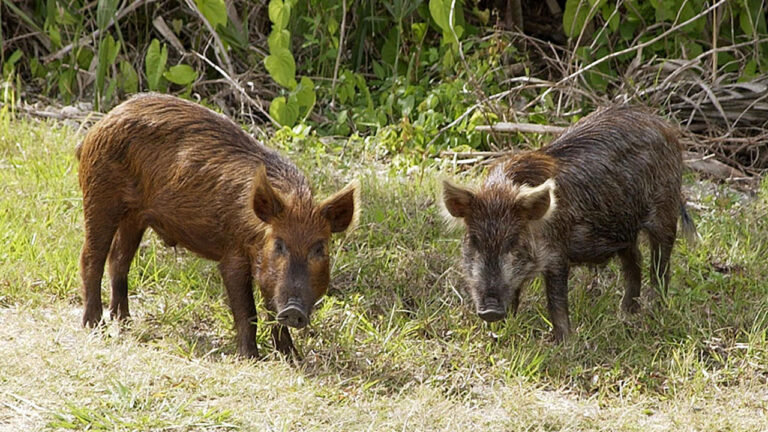
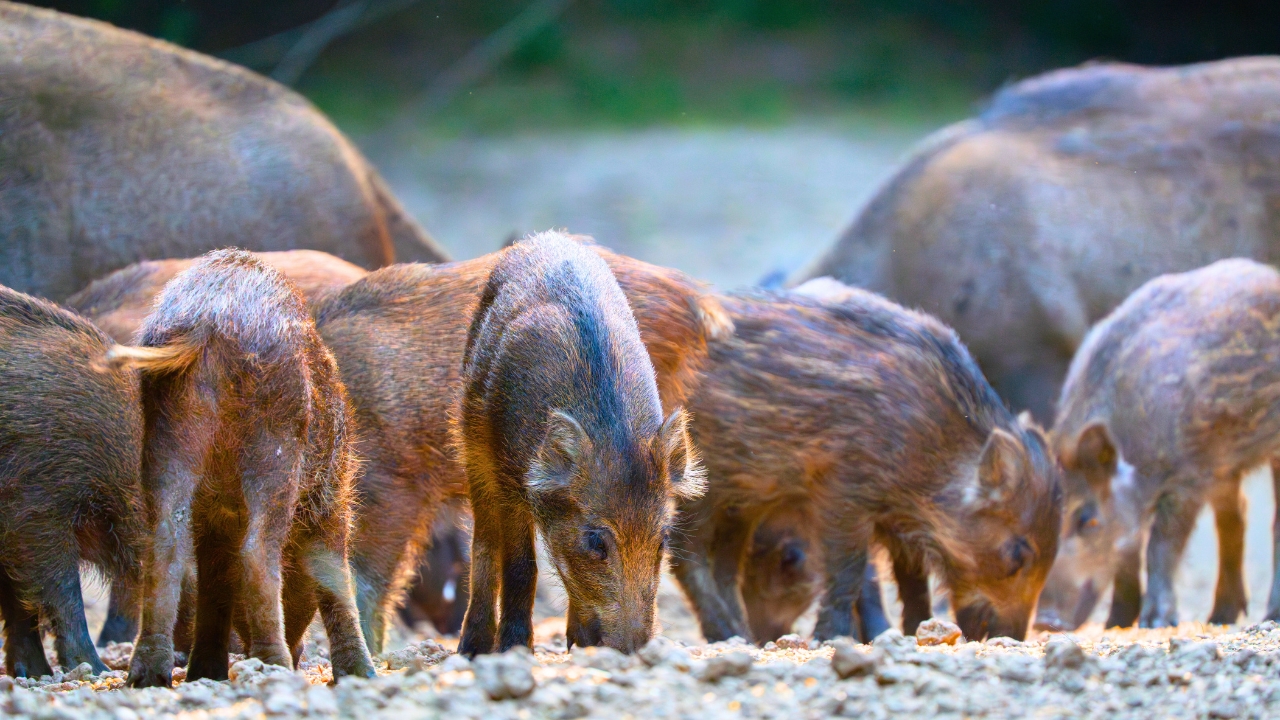
Feral hogs aren’t a “bonus target.” They’re a full-blown invasive mess that tears up crops, pasture, timber, and native habitat day and night. Nationwide, we’re looking at roughly 6–7 million wild pigs across at least 35 states, with total damage and control costs in the billions of dollars every year. When you zoom in, though, the pain isn’t spread evenly. A handful of states carry most of the load.
Researchers have shown that about 99% of U.S. wild pigs live in a tight cluster of Southern and coastal states, and those same states show up in USDA damage surveys and farm-loss reports over and over again. Add in newer estimates of wild hog population size and dollar losses and you get a pretty clear short list. These are the states where hogs aren’t a side story anymore—they’re one of the main characters.
Texas
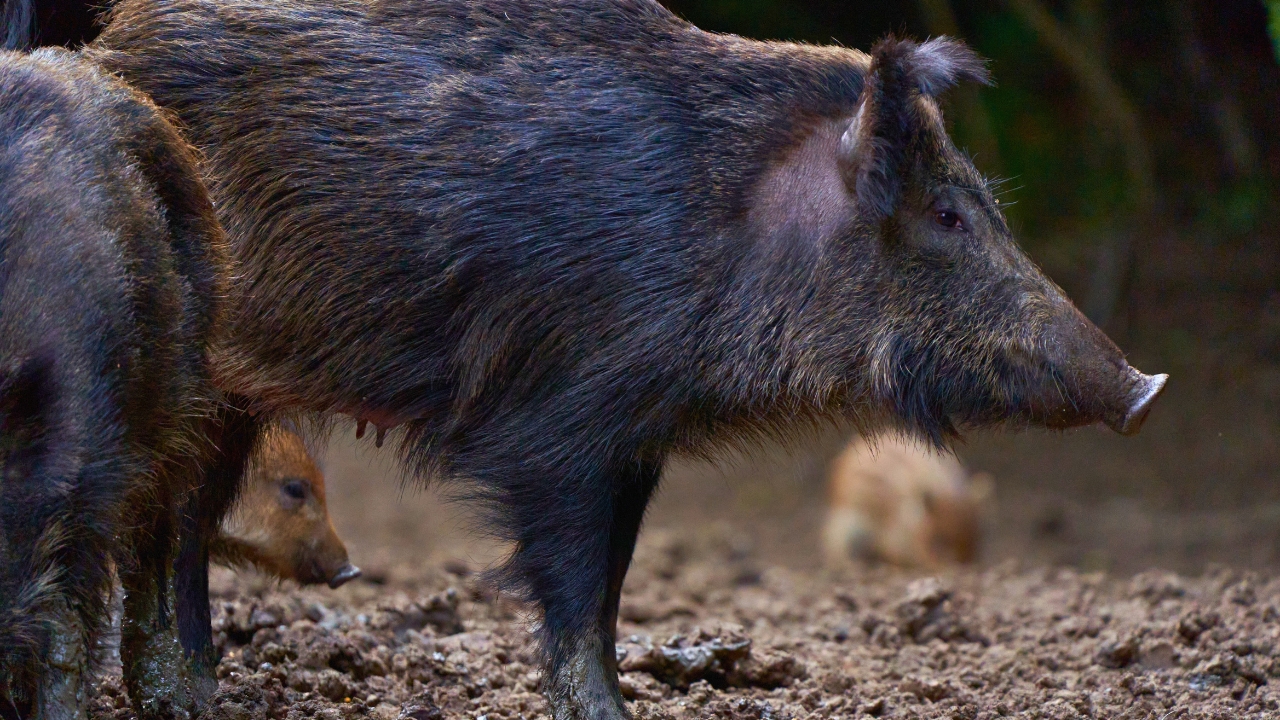
Texas is still hog ground zero. USDA and follow-up analyses point out that roughly 30–40% of all U.S. wild pigs live in Texas alone, with estimates around 3 million feral hogs roaming the state. The Farm Bureau’s latest look at agricultural losses pegs Texas farmers and ranchers with around $871 million a year in hog-related damage, more than any other state by a long shot.
They’re in all but a handful of counties and they’re hitting everything—corn, wheat, peanuts, pastures, fences, and even national parks. The National Park Service now ranks feral swine among its top five invasive species and is piloting a new control framework in Texas parks because the problem has gotten that big. If you want to see what an uncontrolled hog situation looks like, Texas is the case study.
Oklahoma
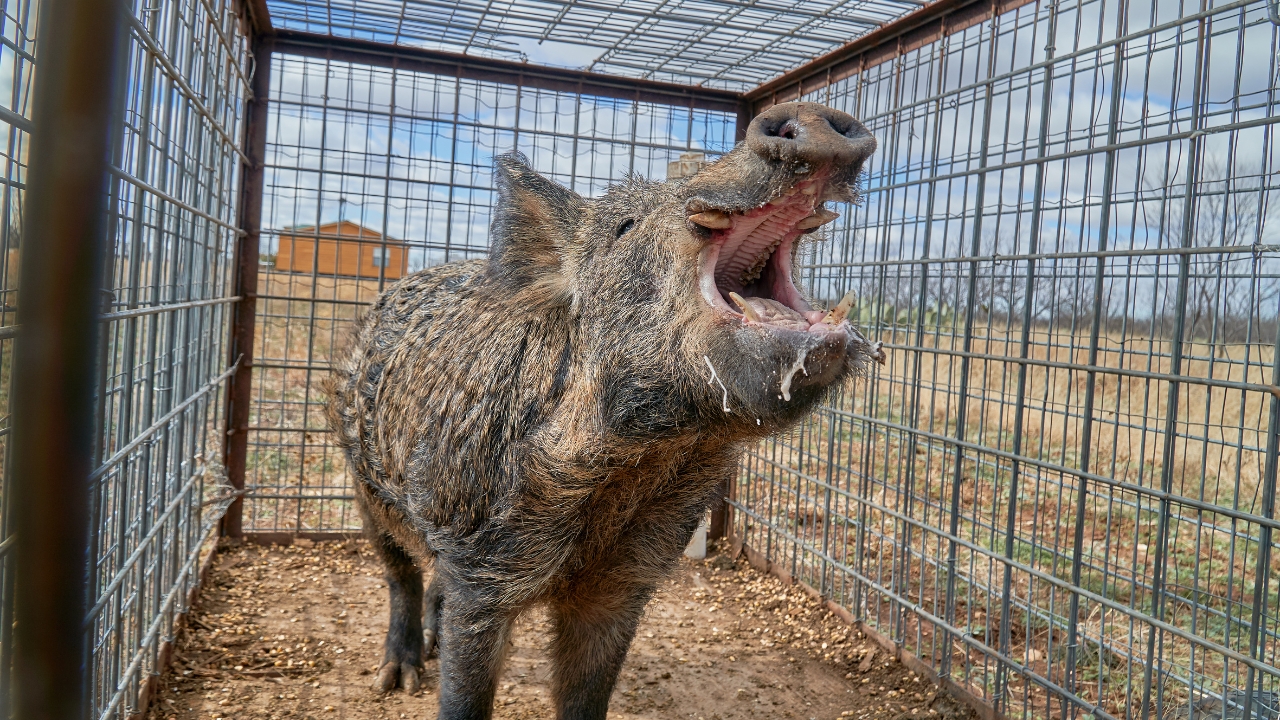
Oklahoma sits on the same hog belt as Texas and shares a long, leaky border with it. Newer population estimates put Oklahoma’s feral hog numbers around 1.5 million, second only to Texas in raw headcount. USDA damage surveys show Oklahoma in the top tier for both crop losses and livestock impacts, with annual agricultural damage estimated well over $100 million in recent Farm Bureau work.
The state has taken a more aggressive, Kansas-style stance in some areas, discouraging casual sport hunting so professionals can trap entire sounders instead of educating them. But that doesn’t change the fact that big swaths of southern and western Oklahoma are now hog country. When biologists talk about hog “source” populations on the Plains, Texas and Oklahoma are the pair they point to.
Louisiana

Louisiana sits in the middle of prime hog habitat—warm, wet, with plenty of crops, marsh, and timber. Population estimates put roughly three-quarters of a million feral hogs in the state, and they’re hitting both row crops and sensitive wetlands. USDA’s crop-damage work includes Louisiana among the 12 worst states, with producers reporting significant hog damage to hay, pecans, melons, and other “second-tier” crops on top of the big commodity losses.
It’s not just about broken levees and rooted rice fields, either. Hogs chew up coastal restoration projects, flood-control structures, and waterfowl impoundments that cost serious money to build. By the time you factor in crop loss, property damage, and the disease risk to both domestic pigs and deer, Louisiana is firmly in the “worst of the worst” category.
Georgia

Georgia shows up on every hog-problem data set: high pig numbers, big ag losses, and wide distribution. One recent ranking put Georgia’s feral hog population around 600,000 animals, and USDA crop-loss work has Georgia near the top for hog damage to both high-value and secondary crops. A 2025 Farm Bureau analysis estimated about $152 million per year in agricultural losses from hogs in Georgia alone.
Hogs now occupy much of rural Georgia, hitting peanuts, cotton, corn, hay fields, and pecans, then retreating into river bottoms and pine plantations. The damage isn’t just a few rooted rows; farmers report significant replanting, erosion, and equipment costs tied directly to hog-damaged ground. When the ag economists start ranking “worst impact” states, Georgia is consistently in the top three or four.
Florida

Florida’s mix of row crops, pasture, wetlands, and public land gives hogs everything they need. Population estimates sit around half a million feral hogs, and they’re spread across most of the peninsula and panhandle. USDA’s economic studies list Florida as one of the 12 states with the highest hog-related crop losses, especially in hay, melons, and other high-value specialty crops.
In practice, that means rooted citrus groves, torn-up ranchland, and big hits to conservation projects when hogs destroy wetland restoration, burn lines, or water-control structures. The damage runs from cattle country to suburban edges, and managers treat hogs here as one of the primary invasive species they’re forced to deal with year-round.
Alabama

Alabama’s hog problem is heavy enough that researchers use it as a textbook case. Wild pigs now occupy 64 of 67 counties, and survey work shows that roughly a third of crop producers and a third of landowners report hog damage in a given year, plus about one in five timber producers seeing damage in young stands. Population estimates peg Alabama around 225,000 wild hogs, and that’s likely conservative when you account for private timber and swamp country.
Economists describe total losses in Alabama as “tens of millions of dollars annually” once you stack crop damage, property damage, and control costs. From peanuts and hay to pine plantations, hogs are now part of the operating budget for a lot of landowners here—and not in a good way.
Arkansas

Arkansas lives in the same wild pig neighborhood as Texas, Louisiana, and Mississippi, and it shows. It’s one of the core states in USDA’s hog-damage studies, with producers surveyed about crop losses and control costs specifically tied to wild pigs. Hogs show up in rice country, timber, and cattle ground, tearing up levees, young trees, and field edges, then retreating into swampy cover that’s hard to access.
While you don’t see a neat “official” headcount, Arkansas is consistently grouped with the worst hog states in both population and damage, and it sits in the 11-state block that researchers point to as having the highest introduced wild pig populations in the country. When scientists talk about the “wild pig problem in the Southeast,” Arkansas is absolutely in that picture.
Mississippi

Mississippi is another hog-belt state that doesn’t get as many headlines as Texas but absolutely belongs on a “worst” list. USDA’s crop-damage work includes Mississippi among the 11 states with the highest wild pig populations, and producers in the state reported significant damage across multiple crops in the 2014 and 2018 survey years.
Hogs hit row crops along the Delta, roll up pastures and food plots, and chew on levees and timber projects. When economists tallied hog impacts across the Southeast, Mississippi was part of the core region driving that $272 million in crop losses across 12 states—and that number doesn’t even include property damage, erosion, or extra fuel and time at harvest.
Missouri

Missouri’s hog problem got bad enough that the state effectively banned hog hunting on most public land so professionals could focus on eradicating entire populations instead of educating them. USDA and academic work both flag Missouri as one of the states with high wild pig numbers and significant crop and pasture damage, especially in the Ozarks and southern counties.
Even so, private land and border areas still see hog pressure, and the state shows up in livestock-damage studies as part of the 13-state block where pigs are hitting both crops and animals. When you see a state change its public-land hunting strategy because hog control isn’t working, that’s your sign the problem has gone from “annoying” to “serious.”
North Carolina

North Carolina doesn’t get as much hog hype as Texas or Georgia, but it’s right in the middle of the USDA “worst hog states” set. It’s one of the 11 states with the highest introduced wild pig populations and one of the 12 where researchers formally surveyed producers about hog damage and control costs.
Pigs here hit both the coastal plain and the piedmont—corn, peanuts, soybeans, and hay—as well as marsh and wetland areas where they tear up waterfowl habitat and restoration projects. Because they’re spread across public and private land, the damage isn’t limited to a single sector. When economists talk about wild pig damage to agriculture in the Southeast and California, North Carolina is always on the list.
South Carolina

South Carolina has been dealing with wild pigs long enough that some of the classic hog-biology work was done along the Savannah River. Modern surveys still put it among the states with the highest wild pig populations and heavy agricultural damage. A more recent population estimate pegs South Carolina’s hog numbers somewhere around 450,000 animals, and they’re not staying in one corner of the state.
Producers report damage to hay, row crops, and timber, and the state shows up alongside Texas, Georgia, Florida, and others in both crop-loss and livestock-loss economic studies. You see that same pattern on the ground: rooted pastures, chewed levees, and hog sign in almost every bottom or cutover that holds water.
California

California lives in that awkward space where you’ve got big agriculture and big wildland, and hogs are happy to live in both. USDA work identifies California as one of the states with the highest introduced wild pig populations, and newer rankings put its feral hog population around 400,000 animals.
They cause problems in vineyards, orchards, rangeland, and forest, and APHIS and the National Invasive Species Information Center both list California as a major wild-pig damage state inside a 35-state national footprint. Add erosion, water-quality issues, and competition with native wildlife to the bill, and California ends up being one of the worst hog states in terms of both numbers and impact.
New Mexico

New Mexico doesn’t always make the first page in hog discussions, but when you look at population estimates, it absolutely belongs in the “worst” column. A recent compilation of wild hog numbers lists about 500,000 feral hogs in New Mexico, putting it on par with Florida in total headcount.
Most of the national economic studies have focused on the Southeast and California, so New Mexico isn’t as heavily modeled on the dollar side yet. But in terms of raw animals on the ground and the potential for crop, rangeland, and riparian damage, it’s one of the biggest emerging hot spots west of the core Southeastern hog belt. The numbers alone earn it a place on this list.
Hawaii

Hawaii’s hog problem looks different, but by the numbers it’s brutal. Population estimates put around 400,000 feral pigs on the islands—huge when you consider the land area—and researchers describe them as a major threat to native forests, watersheds, and endemic species. They’re tied to erosion, water contamination, and the spread of invasive plants, and managers have been fencing and eradicating pigs from sensitive areas for decades.
Economically, the damage shows up in lost forest productivity, water-supply protection costs, and harm to conservation projects more than in corn or cotton, but it’s still significant. When you look at pigs per acre and ecological impact per animal, Hawaii might be one of the worst hog states of all.
Tennessee
Tennessee rounds out the list as part of the 13-state block where USDA explicitly quantified both crop and livestock losses from wild pigs. Pigs here are clustered in certain regions, but where they’re established, they chew up pasture, food plots, and row crops, then dive back into timber and hollows that make trapping tough.
USDA economists found that across those 13 states—including Tennessee—wild pigs cause tens of millions of dollars in livestock predation and disease costs, on top of hundreds of millions in crop damage. Tennessee may not have Texas-level numbers, but when you look at the combination of established populations, terrain, and economic impact, it’s clearly in the “worst problem” club.
Like The Avid Outdoorsman’s content? Subscribe to our newsletter so you never miss an article.
Here’s more from us: