Photo credit: daschorsch
A whole lot of people grow up thinking danger in the wild always comes with noise first. They expect a warning growl, a hiss, a rattle, a snort, or some big obvious sign that tells them what is coming. Sometimes that happens. A lot of times it does not. Some animals do the exact opposite when things are about to get serious. They stop making noise, stop fidgeting, stop bluffing, and settle into a kind of stillness that should make the hair on your neck stand up. That quiet is not calm. A lot of the time, it is commitment.
That is what catches people off guard. They mistake silence for the problem passing instead of the animal shifting gears. In reality, plenty of dangerous animals get quieter when they are locking in, judging distance, or deciding the next move is physical instead of vocal. If you know what to watch for, that silence can tell you more than any sound ever will. These are some of the animals most likely to go quiet right before they attack, and understanding that pattern can keep you from reading the situation all wrong.
Mountain lions

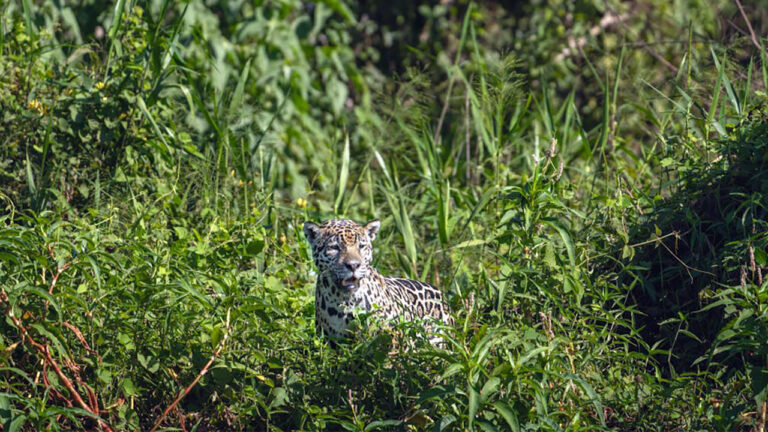
Mountain lions are one of the clearest examples of an animal that often gets dead quiet when things turn dangerous. They are built for stealth, and noise works against everything they do well. If a lion has made up its mind to close distance, test you, or move into position, you usually are not getting a bunch of obvious sound to go with it. That is part of what makes them so unnerving. They can be there, focused, and active without giving you the kind of warning people expect from a serious predator.
When lions do make noise, it tends to be during very specific situations, not as some dependable lead-up to an attack. If one is stalking, tracking, or watching, silence is often the whole point. People get in trouble because they think no noise means no problem. But in lion country, quiet can mean an animal is doing exactly what it was built to do. If birds go still, the woods feel wrong, or you get that sense something is tracking without showing itself, that is not the time to relax. It is the time to get bigger, gather kids, leash the dog, and pay attention fast.
Bears

A bear that is blowing, huffing, popping its jaw, or woofing is at least telling you something. The problem is that people hear all that and think if the sound stops, the danger must be fading. Sometimes the opposite is true. A bear can go silent right before it commits to a charge, especially if it has already decided bluffing is not moving you the way it wants. That silence can come with a fixed stare, lowered head, ears changing position, and a kind of gathered tension that says the talking part is over.
This matters most with bears protecting cubs, carcasses, food sources, or personal space at close range. A lot of folks only prepare themselves for the loud version of danger. They hear one vocalize, then when it stops, they assume they have a second to breathe. That can be the exact second the bear is loading up to come in hard. Silence in a bear encounter is not always good news. If the body language stays serious and the sound cuts off, that can mean the animal has moved past warning you and into acting. That is not subtle, but people miss it all the time.
Moose

Moose are big, emotional, and not nearly as predictable as people want them to be. They may grunt, stomp, toss their head, pin their ears back, or pace when they are worked up, but one of the worst mistakes you can make is assuming all that noise or movement will keep building before a charge. A moose can go still and quiet in a hurry right before coming at you. That pause is not the animal calming down. A lot of times it is the last little reset before it explodes forward.
People read silence wrong because moose do not look like classic predators. They look awkward until they move, and then you remember how much size and power is packed into that body. A cow with a calf or a bull during the rut can switch from obvious agitation to quiet focus fast. If the ears go back, the head lowers, and that animal suddenly looks locked in on you with very little extra movement, do not stand there admiring how peaceful it got. That quiet can be the moment right before it decides to run you out of there the hard way.
Feral hogs

Feral hogs can make plenty of noise when they are feeding, squabbling, moving through brush, or grunting back and forth in a group. That noise fools people into thinking the dangerous moment will sound just as obvious. But when a hog is cornered, wounded, or seriously agitated, things can go quiet in a hurry. A boar especially may stop all the extra noise once it decides on a line and gets ready to come. The brush may stop shaking, the grunting may cut off, and for one second everything feels too still.
That stillness is exactly what should put you on alert. Hogs are fast at short range, low to the ground, and hard to read if you have not spent much time around them. People think the danger is in the noise and chaos, but the worst second can be that quiet pause before the burst. If one has been pressured by dogs, surprised in thick cover, or pushed with nowhere to go, that silent lock-in may be the clearest signal you will get. By the time it starts moving, your reaction window is already getting short.
Dogs on the verge of biting
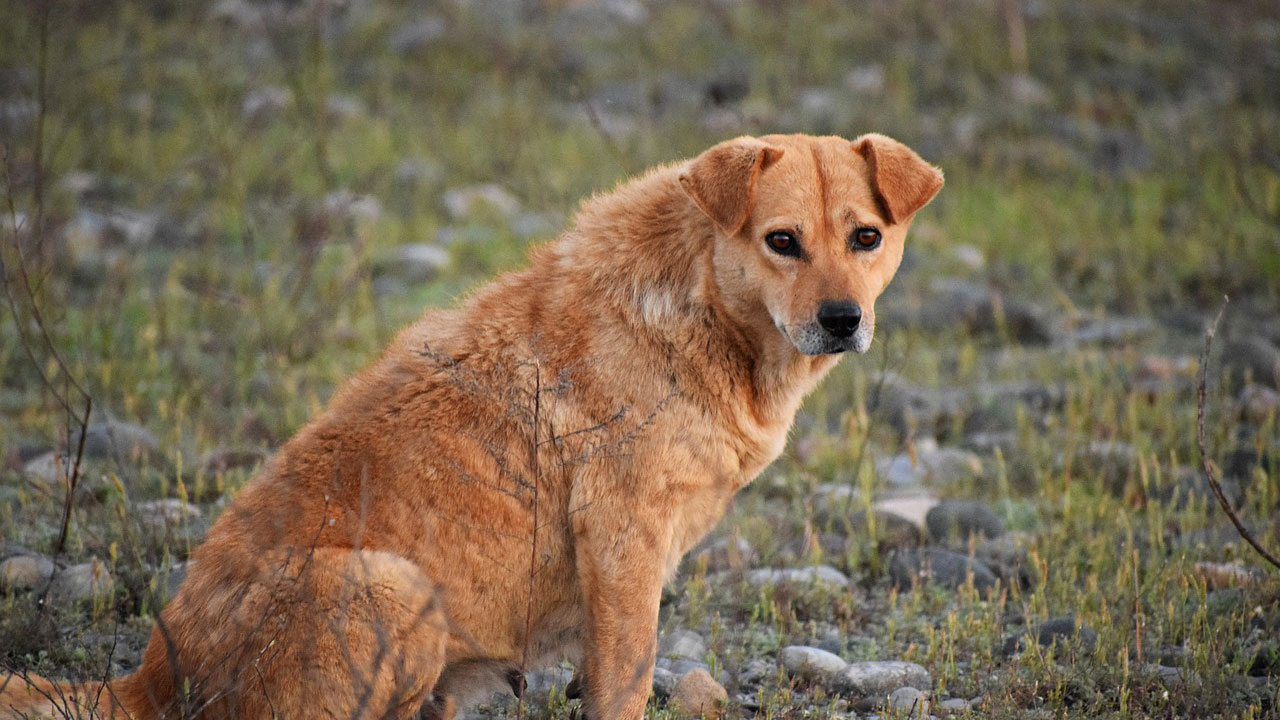
People talk a lot about barking dogs, growling dogs, and snarling dogs, and fair enough, those are obvious warnings. But one of the biggest mistakes around dogs is assuming the loud dog is always the most dangerous one. A dog that is truly about to bite often gets very still and very quiet. The barking may stop. The growl may cut off. The mouth may close. The body tightens, the stare hardens, and suddenly the whole animal looks less noisy and more deliberate. That is not improvement. That is escalation.
This matters even more because people are used to thinking sound equals aggression and silence equals calming down. A dog that has shifted into that focused, quiet state may be much closer to biting than the dog making a whole scene from farther back. You see it with resource guarding, fear bites, redirected aggression, or dogs that have already decided they are done negotiating. If the tail gets stiff, the body freezes, and the face goes still, do not take comfort in the silence. A quiet dog can be seconds from making contact, and a lot of bites happen right after someone assumes the situation just got better.
Cats, especially big cats and feral cats

Cats are built around controlled motion, and that makes their silence easy to underestimate. A feral cat cornered in a garage or a big cat in the wild may hiss or vocalize at first, but when things move toward actual contact, the noise often drops off. They get lower, tighter, and more exact. The sound was warning. The silence is positioning. Even domestic cats do this. They may yowl, spit, or complain on the front end, then go dead quiet right before they launch claws-first into your hand or face.
With bigger cats, that shift matters even more because their whole advantage is built on quiet action. A cat that is done talking usually is not becoming reasonable. It is judging distance. People get fooled because they relax the instant the noise stops. They think the animal gave up, backed down, or lost interest. But cats often go silent right before the explosive part. In a yard, barn, trail, or camp, if a cat looks compressed, fixed on you, and suddenly quiet after showing agitation, that is not the green light people sometimes think it is.
Snakes
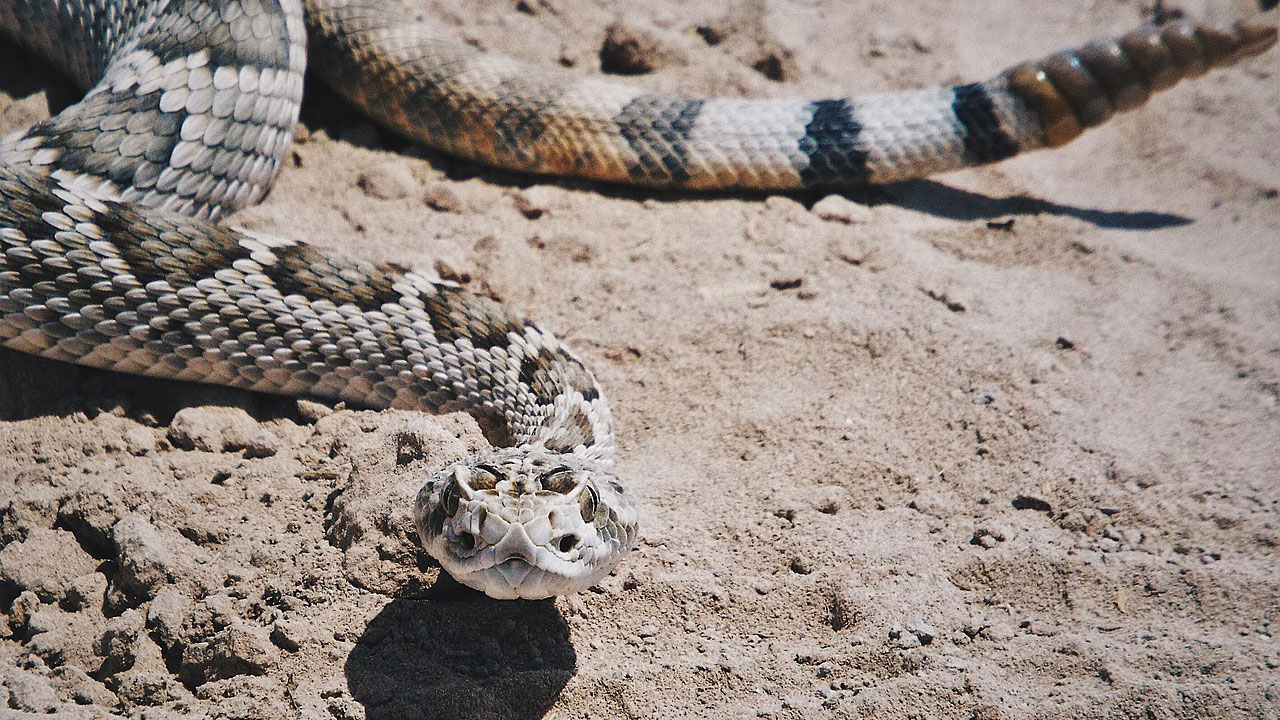
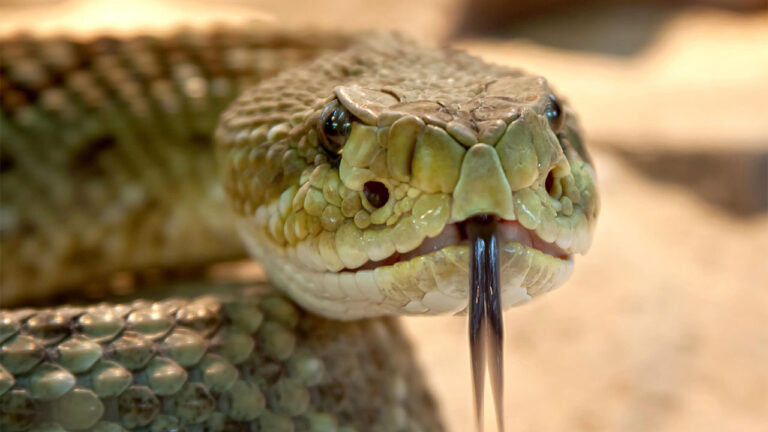
Snakes do not all give warning sounds in the first place, but the ones that do can still trick people with silence. A rattlesnake may buzz to tell you that you are too close, but it does not owe you constant updates after that. Sometimes the rattle stops because the snake is moving, adjusting, or simply deciding it does not need to keep announcing itself. That silence leads people to think the danger has passed when really the snake may still be in striking range, still keyed up, and still fully capable of tagging them if they make one more bad move.
The bigger issue is that people rely too much on sound from animals that are mostly telling the truth through position. Coiled body, tucked neck, fixed orientation, and tension matter more than whether the rattle, hiss, or rustling keeps going. Plenty of people get bit because they assume a silent snake is a calmer snake. That is not how it works. If a venomous snake was warning a second ago and now you cannot hear it, that should not make you bolder. It should make you more careful, because you may have just lost the sound cue while the actual danger stayed right where it was.
Alligators

Alligators are not loud animals to begin with in most close-range danger situations, which is exactly why people misread them. They can hiss or vocalize, especially in certain contexts, but when an alligator is lining something up, the approach is usually quiet. That is the whole design. Low in the water, little splash, almost no wasted motion. If one is moving toward a bank, a pet, a fish stringer, or a person who got too comfortable at the edge, you are not likely to hear some dramatic warning sequence first. The silence is part of the problem.
This gets worse around familiar water. People fish the same pond, walk the same shoreline, or let the dog splash in the same canal until it all starts feeling normal. Then one day there is a gator holding still like driftwood or moving just enough to close distance without notice. The lack of noise makes people think nothing is happening. But with alligators, serious movement often happens without sound until the situation is already on top of you. Quiet water does not mean safe water, and a silent gator is still a gator making decisions.
Wolves and coyotes in predatory mode

Coyotes and wolves can howl, bark, yip, and make all kinds of noise, especially for communication. That makes people think they will hear danger coming if one gets too interested. But when a canine predator is in actual predatory mode, especially up close, things often get much quieter. The chatter is for the pack, the territory, the regrouping. The approach itself can be silent, controlled, and hard to catch until the animal is much closer than you thought. Coyotes testing pets or shadowing a person with a small dog often do not announce that with noise.
This matters because people build the wrong mental picture from the sounds they hear at night. They assume if coyotes are close and dangerous, they will be yapping up a storm. Not necessarily. If one is trying to close distance, use cover, or draw a dog’s attention, the whole situation may go oddly quiet right before the dangerous part. Same idea with wolves in the rare situations where people get too close to denning, food, or highly stressed animals. Silence can mean focus. If the woods go still and the movement feels intentional, that matters more than whether you heard a howl first.
Raptors
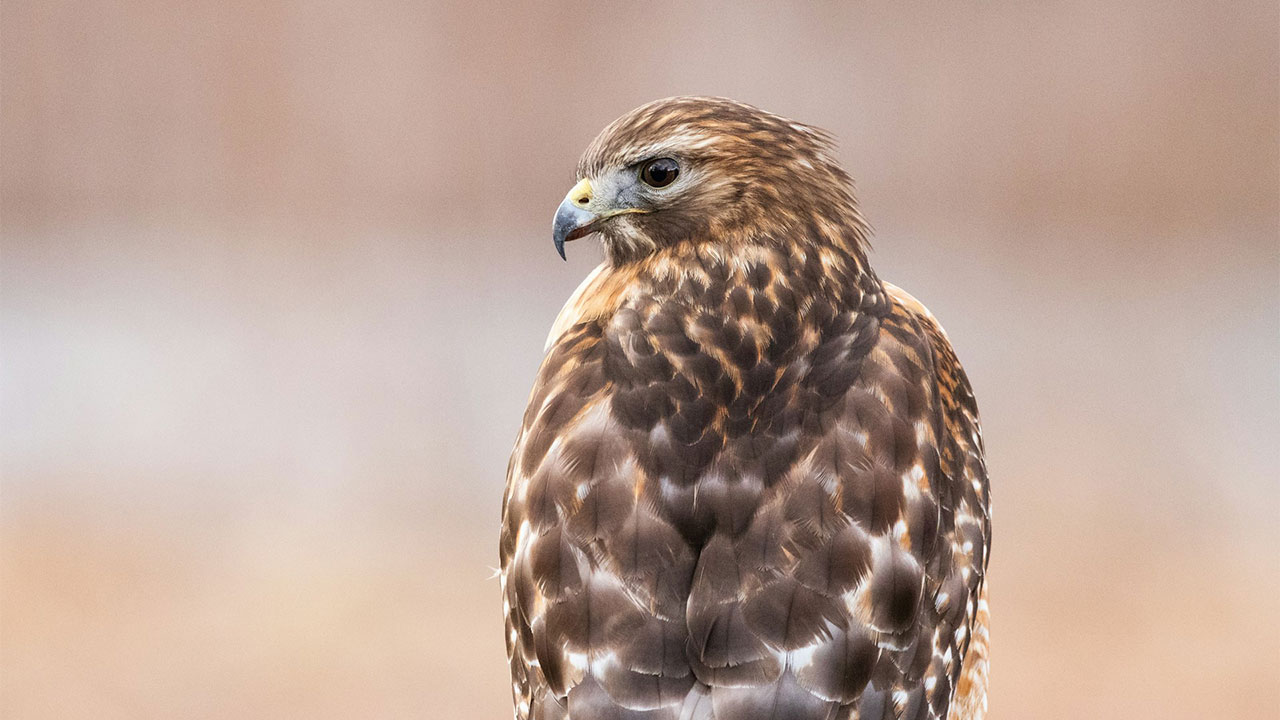
Birds of prey are not usually part of how people picture “attack warnings,” but when a hawk, owl, or eagle decides to hit, it is often quiet until the last second. You are not getting some dramatic buildup. A nesting hawk that has had enough of your presence, a great horned owl defending young, or an eagle committed to a strike usually comes in with speed and precision, not noise. The sound may come after, with wingbeats, impact, or vocalizing once the move has already started. By then the warning part is over.
This is worth understanding because people often miss the setup. A hawk may stop calling. The area may feel still. The bird may hold one perch and watch. Then it comes. Nest defense especially can flip fast from noise to silent action once the bird decides you did not take the earlier hint. If you are getting buzzed, shadowed, or stared at by a raptor near a nest area and then the bird goes quiet, do not assume it lost interest. It may be lining up a cleaner pass. Silence from a raptor often means the approach is already underway.
Primates
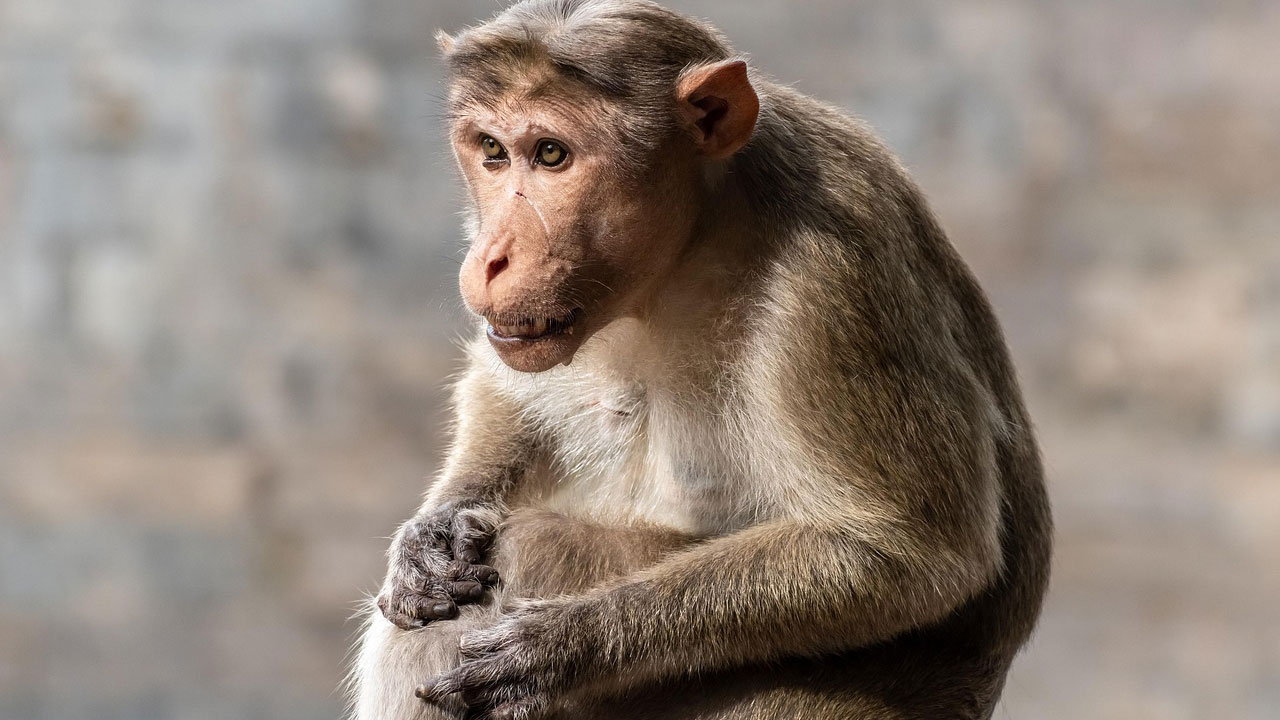
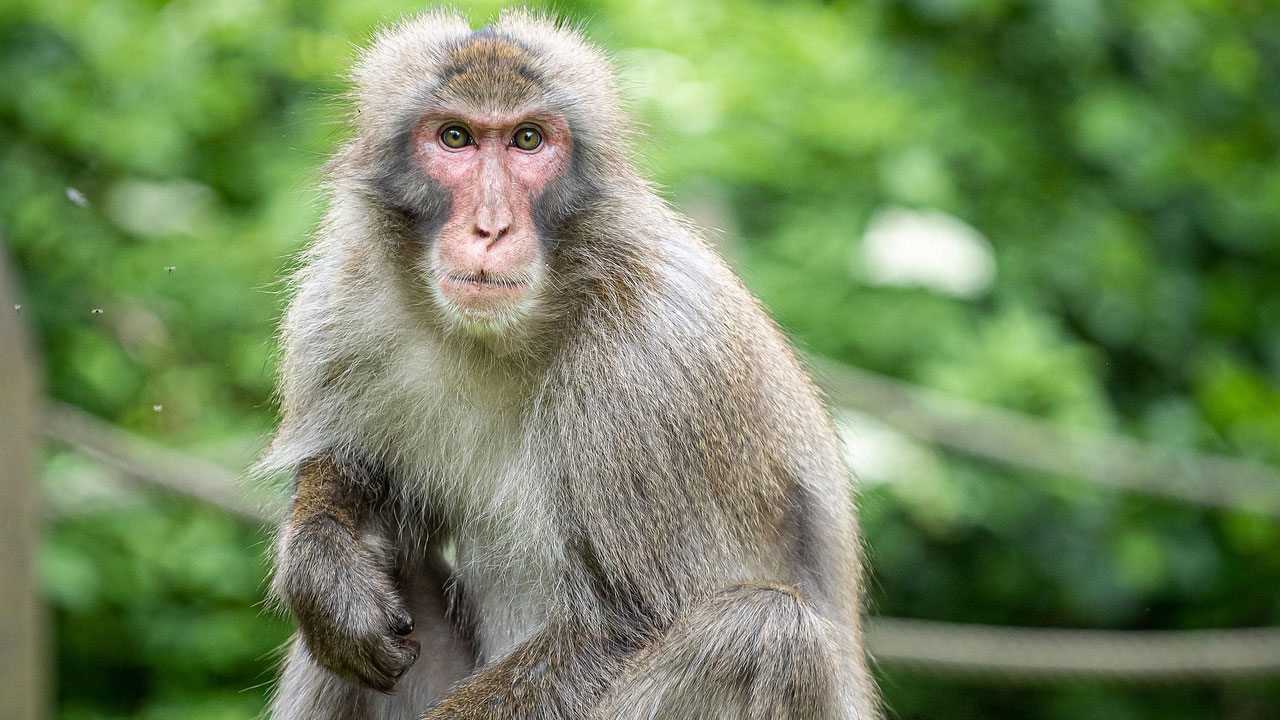
People do not spend much time around wild primates in North America, but where they do exist, or in captive situations gone wrong, primates can show this pattern hard. A monkey or ape that is screaming, slapping the ground, or showing obvious agitation is at least readable to a point. But once some of them decide physical contact is next, the noise can stop. They get fixed, rigid, and direct. That shift can happen so fast people mistake it for the animal settling down when it is actually preparing to lunge or grab.
The same principle shows up in all kinds of aggressive mammals, but primates deserve mention because humans tend to overread their expressions and underread their commitment. Folks see a pause and think they can talk their way through it, ease forward, or keep filming. That is backward. A primate going quiet after obvious agitation is not necessarily decompressing. It may simply be done signaling and ready to act. The moment looks calmer on the surface, but in real terms it can be the most dangerous second in the encounter.
Cattle, especially bulls and protective cows

Most people do not think of cattle when they think of animals that “attack,” but people get hurt by them all the time, and the quiet-before-impact pattern is a big reason why. A bull may paw, snort, or posture a little, sure, but plenty of cattle go strangely quiet right before they commit. Same with a cow protecting a calf. The head comes down, the stare locks in, the body squares, and all that extra movement may disappear. To somebody inexperienced, it can look like the animal simply stopped fussing. In reality, it just made up its mind.
Farm folks tend to read this better because they know not every warning is loud. But visitors, hikers crossing pasture, and people moving around livestock with dogs often get fooled. They expect a dramatic buildup and miss the way serious intent looks when it gets still. Quiet cattle are not always safe cattle. If the body language stays hard and the motion gets more direct, that matters more than whether the animal is making noise. Some of the worst hits happen right after a person thinks things are cooling off.
Moose cows with calves
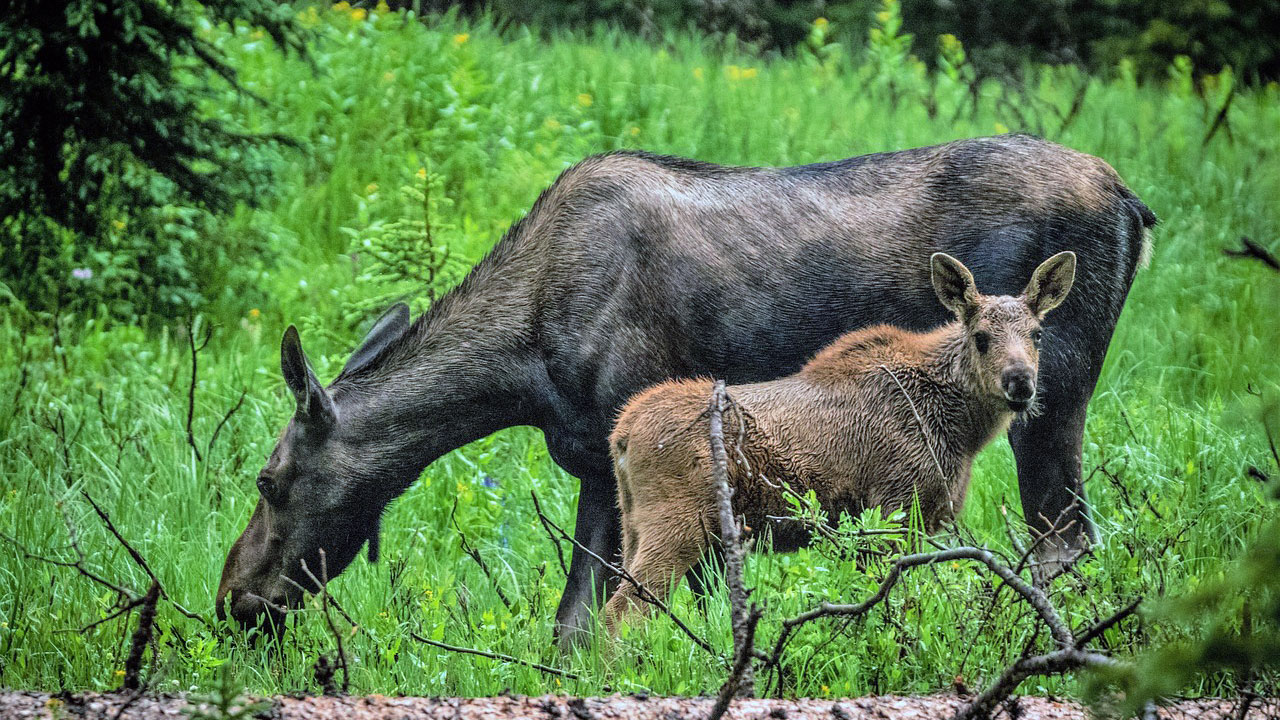
Moose deserve a second mention here because cows with calves are some of the clearest examples of noise giving way to silent commitment. A cow may grunt, move around, toss her head, or otherwise show she is unhappy. Then all at once she can go very quiet, pin that attention on you, and come. That pause gets mistaken for hesitation when it is often just the last piece of the decision. People who do not know moose well think the danger is in the obvious agitation and miss how bad the silent focus is.
The reason this matters so much is that people keep doing the exact wrong thing when they see calves. They stop, watch, and linger. They try to move slowly and not “spook” the moose, which sounds smart until the cow decides your continued presence is the problem. A moose cow going quiet while holding that line on you is not relaxing. She may be deciding the next move is to drive you completely out of the area. Once that starts, you do not have many good options except cover, distance, and luck.
Crocodiles and caimans

Like alligators, crocodilians live in that quiet space where danger often comes with almost no sound at all. A crocodile or caiman may vocalize in certain settings, especially around territory or young, but if one is making a real predatory approach, silence is usually part of the whole system. The water stays flat, the body stays low, and then the attack happens with shocking speed. People want warning sounds from animals like this because it would feel fair. But that is not how these animals work.
That silence becomes even more dangerous because people normalize stillness. They see a log-looking shape that has not moved and decide it is inactive. Or they hear nothing and assume nothing is happening. With crocodilians, the quiet can be the setup, not the absence of a threat. If you are near water in croc country and something feels off, trust that. Predators that hunt from ambush are often at their most dangerous when the world seems calmest. Silence is not mercy from an animal like that. It is the method.
Like The Avid Outdoorsman’s content? Subscribe to our newsletter so you never miss an article.
Here’s more from us: