Photo credit: Tactical Considerations/YouTube
Limp-wristing is real—especially with light polymer guns and soft practice ammo. You let the gun move too much under recoil, the slide doesn’t get a solid base to work against, and suddenly you’re clearing stovepipes instead of shooting. No pistol is totally immune, but some designs are a lot more forgiving than others.
These are the guns that tend to keep chugging even when grip isn’t perfect—because they’ve got enough slide mass, spring tuning, and overall margin to power through less-than-ideal technique.
Beretta PX4 Storm Compact
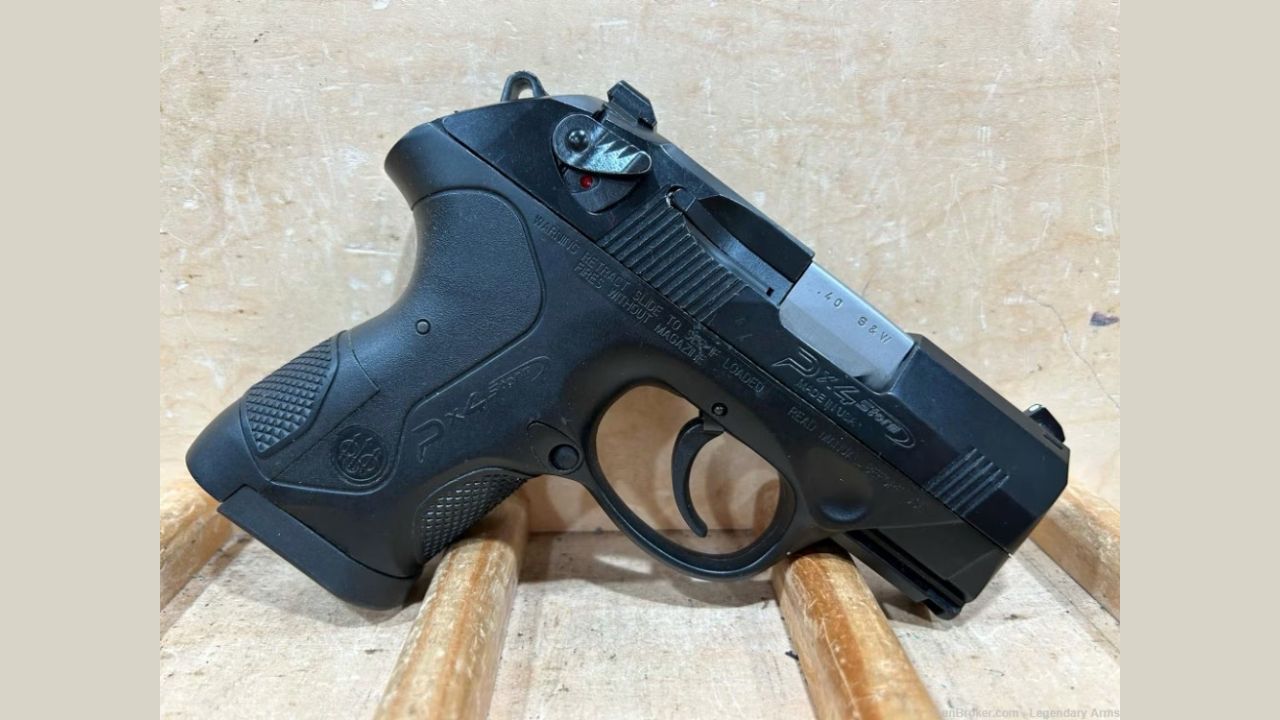
The PX4 Compact is one of the more forgiving modern pistols when it comes to grip issues. The rotating barrel system soaks up recoil and keeps the slide motion a little flatter, which helps it keep cycling when a newer shooter isn’t locking their wrists perfectly. Shooters who’ve tried to force limp-wrist malfunctions with the PX4 note it’s harder to choke than a lot of polymer guns in the same size bracket.
You can still make it fail if you’re really sloppy, but compared to some striker guns that punish any grip issue, the PX4 gives you a wider comfort zone. For teaching new shooters or running mixed-skill family range days, that extra forgiveness is worth a lot.
HK P30
HK’s P30 line has a track record built on big round counts and boring reliability. It’s not unusual to see reports of P30s pushing past tens of thousands of rounds while eating every kind of factory 9mm without drama. That kind of service history usually correlates with a gun that can tolerate a little slop in the shooter’s grip before it throws a fit.
Between the hammer-fired action, solid slide mass, and well-designed recoil system, the P30 tends to keep cycling even when shooters are tired or shooting one-handed. If there’s a malfunction, ammo or a filthy gun is more likely than “this thing’s super limp-wrist sensitive.”
SIG Sauer P229

The P229 is a chunky little tank, and that works in your favor when grip isn’t perfect. You’ve got a metal frame, plenty of slide mass, and a recoil system tuned around full-power duty ammo. That combination gives the gun extra inertia to work with when the shooter is less than locked-in on the gun.
If you watch how the P229 shows up in agency duty holsters and high-round-count training environments, it’s not because it’s trendy—it’s because it runs. When newer shooters short-arm the gun or shoot from awkward positions, the 229 is one of the DA/SA pistols that’s least likely to immediately punish them with a stoppage.
CZ 75B

The CZ 75B has earned its reputation the hard way: by running for decades in police holsters, competitions, and training classes worldwide. Stories of 75Bs crossing 20,000, 40,000, even 75,000 rounds before major parts give up aren’t hard to find, with very few reliability complaints in between.
That kind of “it just runs” track record usually goes hand-in-hand with forgiving behavior when technique slips. The all-steel frame and rail-inside-frame slide give the gun a smooth recoil cycle that isn’t easily thrown off by a less-than-perfect grip. If you want a metal gun that shrugs off both bad ammo and mediocre form, the 75B is high on the list.
CZ Shadow 2
The Shadow 2 is built for competition, but the design side effect is a gun that’s very hard to choke with grip alone. It’s heavy, it has a long slide, and it’s tuned to run minor-power 9mm reliably while shooters are hammering through stages at speed. That means there’s plenty of slide travel and spring margin to work with.
When people talk about guns that “feel like they’re on rails,” the Shadow 2 is what they have in mind. That smooth, consistent cycle helps keep it running even when you’re shooting one-handed around a barricade or your support-hand grip isn’t as strong as you’d like.
Walther PPQ M2

The PPQ lives in the PDP’s shadow now, but it’s still one of the better-shooting striker pistols out there. Reviews on the PPQ series highlight excellent reliability and a strong tendency to eat any factory ammo you feed it, with only occasional issues tied back to shooter input like limp-wristing on a bench or odd positions.
In a normal two-handed grip, even when people get a little lazy on the gun, the PPQ usually keeps cycling. It’s not as overbuilt as some all-steel options on this list, but as far as polymer strikers go, it gives you more forgiveness than a lot of micro-compacts and ultra-light carry guns.
Springfield XD-M Elite (9mm)

The XD-M Elite series was built to take high round counts in competition and duty roles, and reliability testing backs that up. Long-term users and reviewers talk about thousands of rounds with no malfunctions, including endurance tests that passed 10,000 rounds with only routine spring changes and lube.
That kind of margin translates into a gun that doesn’t instantly choke when your grip isn’t textbook-perfect. It still benefits from a solid wrist like any semi-auto, but compared to ultra-small carry pieces, the full-size XD-M Elite tends to keep cycling when shooters loosen up a bit or start shooting faster than their fundamentals really support.
Ruger Security-9

The Security-9 is Ruger’s budget workhorse, and despite the price tag, it’s proved to be a decently robust, reliable pistol. Multiple reviews call it a “reliable and accurate” gun that functions perfectly on the range, even when shot as a high-value beater rather than a pampered safe queen.
It’s not as overbuilt as a duty gun from HK or SIG, but the hammer-fired system and moderate slide weight help it tolerate less-than-ideal technique better than most tiny carry guns. For new shooters who are still learning to lock out their wrists, the Security-9 is more forgiving than its price would suggest.
Taurus G3

Taurus had to claw its way back from a rough reputation, and the G3 is one of the pistols that’s helping them do it. A surprising number of reviewers and owners describe the G3 as solid, accurate, and “100% reliable,” even across large round counts and mixed ammo types.
Because it’s a mid-size gun with decent slide mass and a dual recoil spring setup, it tends to keep running when shooters are a little loose on the gun or shooting at odd angles. It’s still a budget pistol, but in terms of forgiving cycling and overall reliability margin, the G3 has earned more respect than its sticker price would suggest.
Beretta APX A1 (full-size and compact)

The APX A1 didn’t make the same splash as some competitors, but people who actually shoot them tend to come away impressed with how reliably they run. Reviews point to “solid reliability” and 100% function through several hundred to a thousand rounds with a variety of ammo.
That tells you the recoil system and feeding geometry have enough margin that slightly soft ammo or a less-than-perfect grip doesn’t shut the gun down immediately. For a shooter who wants something that feels different than the usual Glock/M&P but still behaves well when technique isn’t perfect, the APX A1 is worth a look.
SIG Sauer P365XL

Most micro-compacts are more sensitive to limp-wristing, not less, but the P365 family has built a reputation as one of the more reliable guns in its size bracket. A lot of that comes down to careful recoil tuning and a slide mass that’s just enough to keep things under control instead of chasing the lightest possible build.
Is it as forgiving as a steel duty gun? No. But compared to many similarly small pistols, the P365XL holds up better when shooters are still figuring out how to lock their wrists or shoot one-handed. If you need a small gun and still want a fighting chance when your grip isn’t ideal, the 365 line is one of the safer bets.
HK P30SK

Take the P30’s internals and reliability pedigree, shrink it, and you’ve basically got the P30SK. There are real-world reports of P30 variants going 10,000–90,000 rounds with minimal issues beyond routine maintenance, including classes that involved dirt, mud, and mixed ammo types.
Any small gun will be more sensitive to limp-wristing than its full-size parent, but the P30SK starts from such a high reliability baseline that it still behaves better than most subcompacts when shooters are tired or shooting out of position. If you want a small gun with big-gun reliability DNA, this one qualifies.
Springfield XD-M Elite 10mm (as a control check)
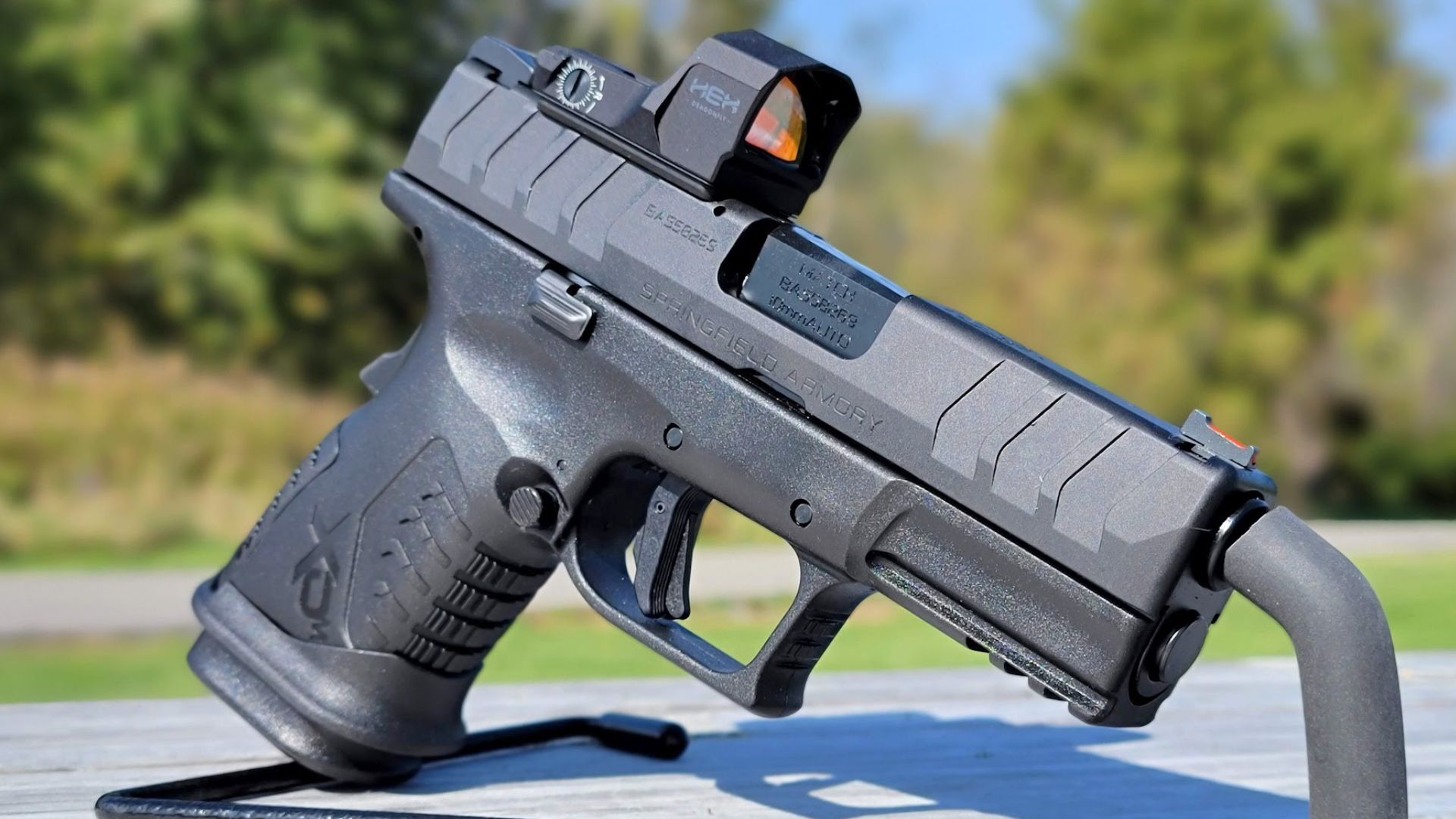
The 10mm XD-M Elites have been hammered hard in endurance tests, including documented 10,000-round runs with no failures when lubed and maintained on schedule. That tells you a lot about how much headroom Springfield built into the design for slide speed, spring rates, and extraction.
All that margin makes the 9mm versions more forgiving, too. When a platform is built to handle hot 10mm loads without beating itself to death, the 9mm variants usually have an easier time shrugging off less-than-perfect grip before malfunctions show up. It’s not magic—but it does widen your buffer.
Tanfoglio / EAA Witness (steel-frame models)

The steel-frame Witness pistols borrow heavily from the CZ 75 pattern, and the good ones are praised for being “handsome, solid, and reliable,” running thousands of rounds with no malfunctions when fed decent ammo and maintained. Heavy frames and slides, plus DA/SA operation, tend to make them less finicky about grip than micro-compacts.
The caveat is that brand QC has been a bit more hit-or-miss than the big names. When you get a solid sample and good mags, they’re very forgiving pistols that don’t instantly punish a soft grip. When you don’t, most “problems” show up as mag or ammo issues rather than limp-wrist sensitivity alone.
Smith & Wesson 686

Revolvers aren’t immune to everything, but they simply don’t care about limp-wristing in the way semi-autos do. The 686 is a classic example: a stainless L-frame .357 designed to live on a diet of Magnum loads, with a reputation for being “classy, rugged and reliable,” capable of tens of thousands of rounds.
Your grip can be loose, your wrists can be tired, and the cylinder is still going to rotate and lock up as long as you pull the trigger. If you’re working with newer shooters or someone who really struggles with slide manipulation and recoil management, a 686 on .38s is about as limp-wrist-proof as a serious handgun gets.
Ruger SP101

The SP101 is the “little tank” in Ruger’s lineup. It’s a compact .357 built stout enough that people routinely run Magnum loads through it without worry, and Ruger revolvers in general have strong reputations for durability and reliability. That overbuilt nature means it simply doesn’t care what your wrists are doing when the hammer falls.
From a limp-wrist standpoint, the only thing that matters is that the shooter completes the trigger stroke. There’s no slide to cycle and no magazine to rely on. That makes the SP101 a solid option for folks who want something smaller than a 686 but still want a platform that’s almost impossible to choke with grip alone.
Colt King Cobra

Colt’s modern King Cobra brings a beefy, mid-size .357 back into play. It’s built around handling full-house Magnum loads while staying controllable, which means the lockwork and cylinder timing are robust and forgiving. Like the other revolvers on this list, its behavior has nothing to do with how firm your wrist is under recoil.
If the shooter can keep the gun pointed somewhere reasonable and pull through the trigger, the King Cobra will do its job. For hunters and woods carry, that freedom from semi-auto cycling issues is reason enough for a lot of people to go with a revolver when they know their grip might not be perfect in a real fight.
Kimber K6s
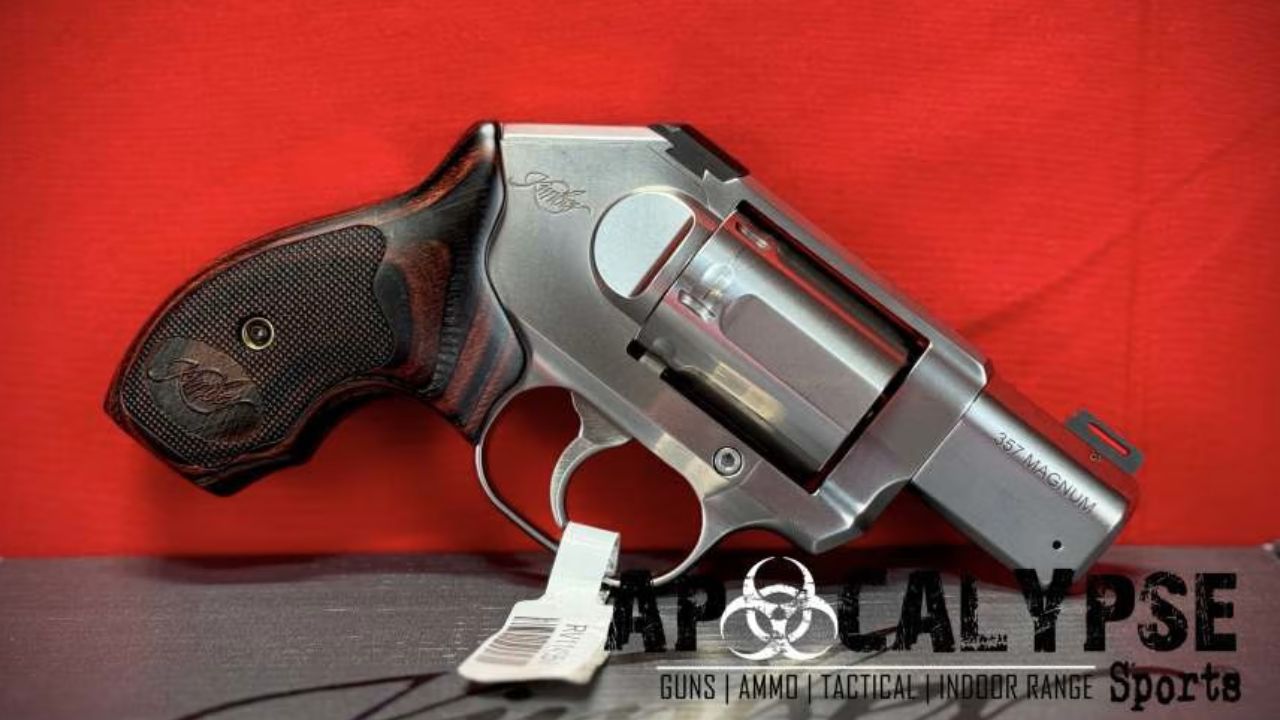
Kimber’s K6s is one of the better-made small .357s on the market right now. Reviews point to excellent reliability, with some owners clearing 2,000+ rounds of mixed .38 and .357 “without a single issue,” and multiple tests calling it a solid, accurate defensive revolver.
Like every other wheelgun here, limp-wristing just isn’t part of the equation. The main limit is how well the shooter can hang onto it and manage the trigger, not whether the gun will cycle. For someone who wants a small carry gun but is worried about semi-auto grip sensitivity, the K6s is one of the stronger “set it and forget it” options.
Like The Avid Outdoorsman’s content? Subscribe to our newsletter so you never miss an article.
Here’s more from us: