Photo credit: Hunting life/YouTube
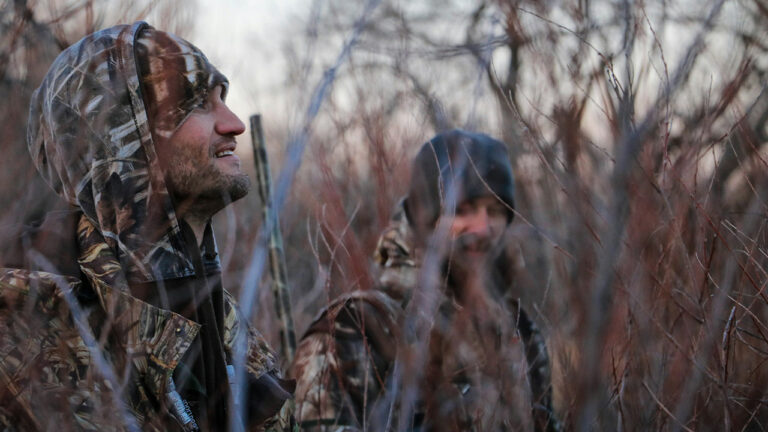
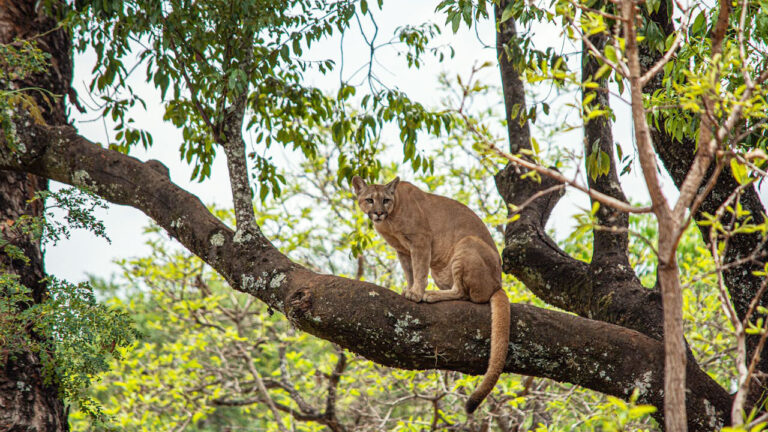
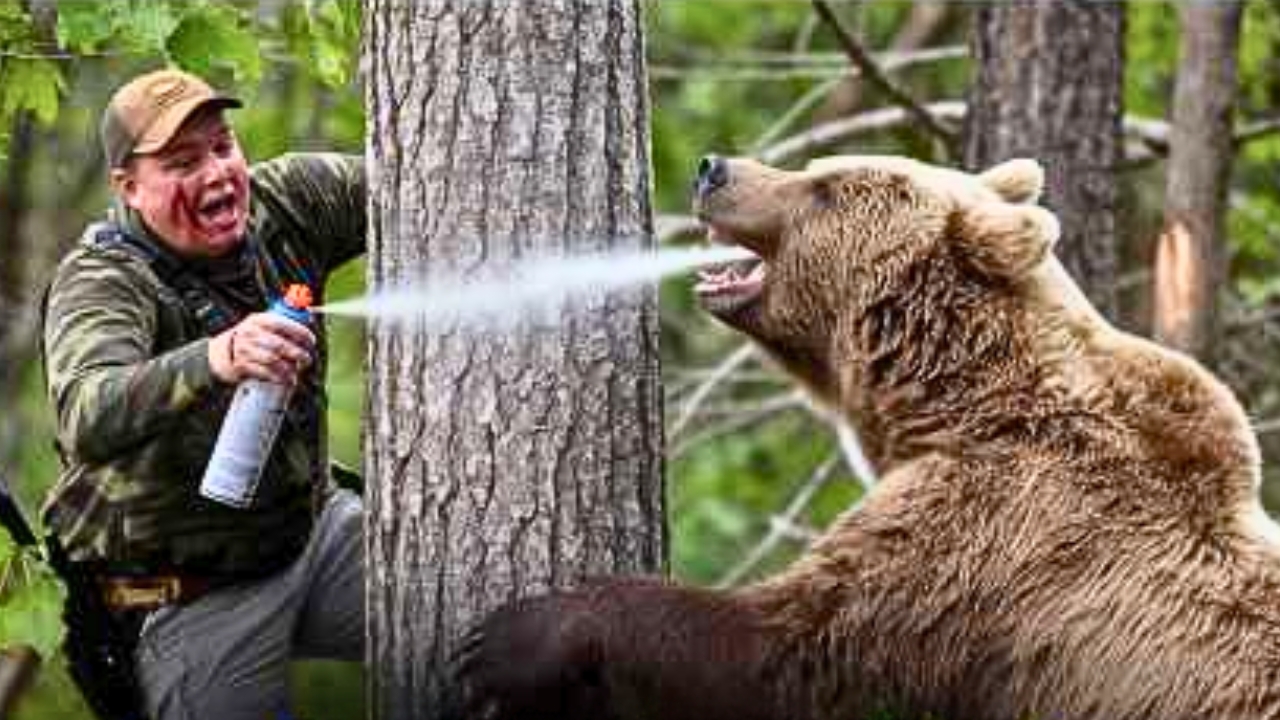
For most guys, “large predators” means bears, big cats, wolves, and in some parts of the country, alligators. Actual attacks are rare, but if you hunt where they live and work remote ground on foot, your odds of running into one are a lot higher than the national average. Bear attacks in North America have totaled around 180 fatalities since the 1700s, and fatal mountain lion incidents sit under 30 since the 1800s, which is tiny against all the time people spend outside.
Still, some places pile on all the ingredients: dense predator numbers, lots of hunters, long walks in low-visibility cover, and slow response times if something does go wrong. Those are the spots worth treating like full-time predator country every time you leave the truck.
Alaska
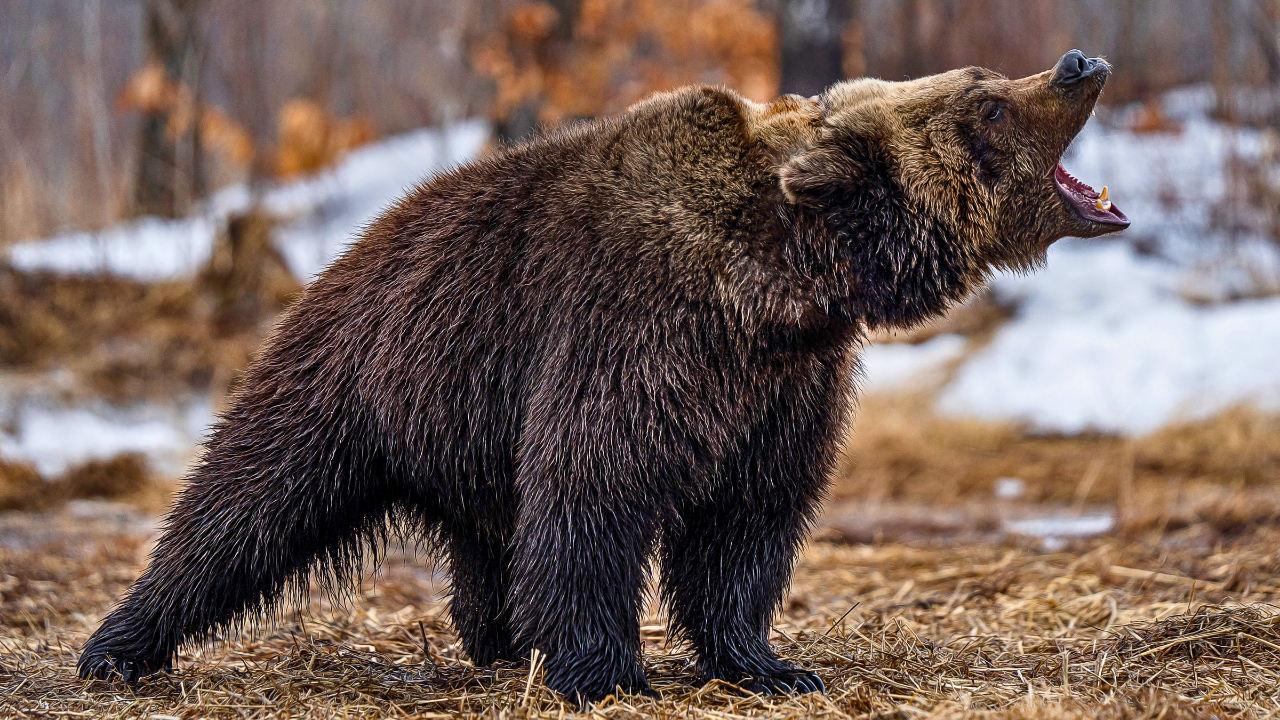
If you want the highest odds of sharing a ridgeline with a big predator, Alaska is still the top of the food chain. It holds roughly 30,000 brown/grizzly bears—by far the largest population in North America—and well over 100,000 black bears by some estimates. Newsweek’s breakdown of fatal bear attacks puts Alaska at the top of the U.S. list, accounting for nearly a third of U.S. bear-death cases.
Add moose, wolves, and in a few areas polar bears, and you’ve got a state where predators are part of almost every backcountry hunt. Most interactions are standoffs at distance or bears hitting carcasses, not full-blown charges. But if you’re packing meat in salmon country, glassing berry slopes, or hiking brushy river bottoms, you plan around bears the same way you plan around weather.
Montana

Montana sits at the center of modern grizzly country in the Lower 48, with an estimated 1,800–2,000 brown bears anchored in the Northern Continental Divide and Greater Yellowstone ecosystems. Glacier National Park alone has recorded multiple fatal grizzly attacks, and the country around it doesn’t get any gentler once you cross a boundary sign.
Whitetail, elk, and bear hunters work right through prime grizzly terrain every fall. You’re also sharing ground with black bears, mountain lions, and wolves. Most days you’ll never see them, but you’ll see tracks, scat, and ripped-up logs. In practice, that means bear spray on your belt, strict carcass discipline, and the assumption that every thick draw on the Front or in the Bob could hold more than the elk you’re chasing.
Wyoming

Wyoming’s northwest corner is one of the most famous predator zones on the planet. Yellowstone and the surrounding national forests have seen multiple fatal grizzly encounters over the last few decades, and state-level summaries put the region near the top of U.S. bear-fatality hotspots.
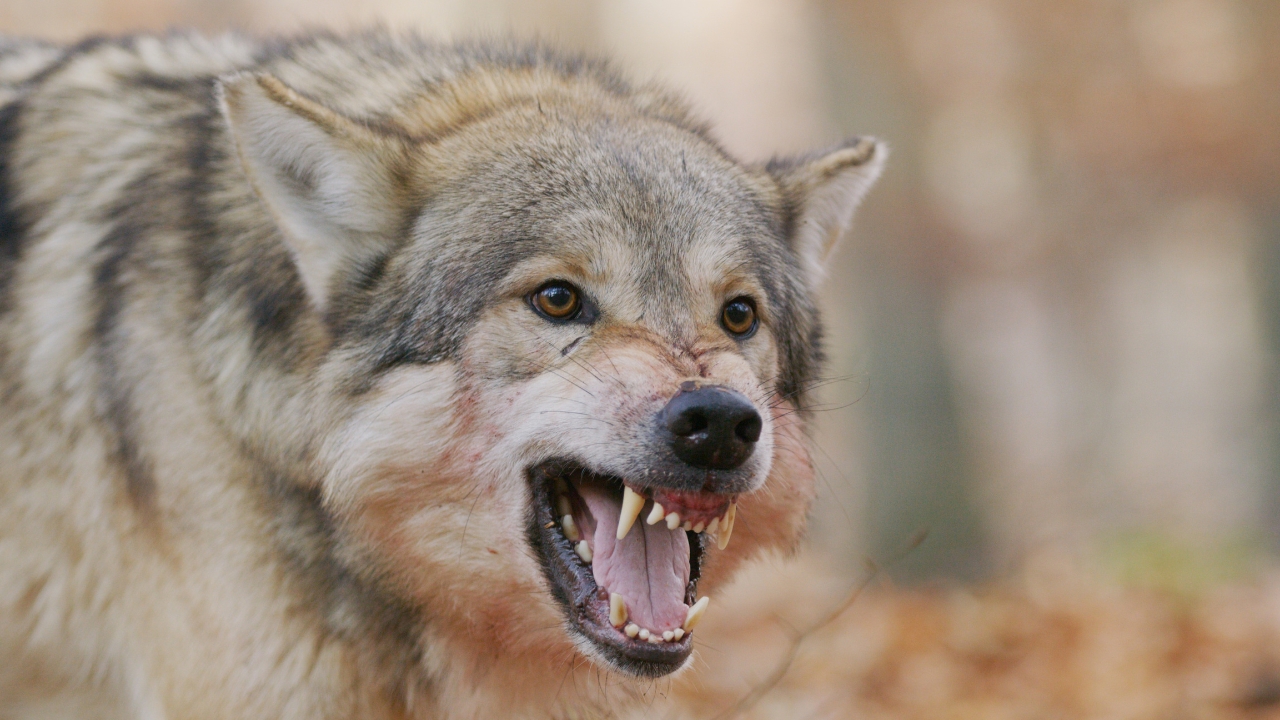
On top of grizzlies, you’ve got a full cast of black bears, wolves, and mountain lions working the same drainages as elk and deer hunters. Wolf-attack risk on humans stays extremely low according to long-term reviews, but packing out meat in the dark knowing wolves and bears are in earshot changes how you move. In this state, you hunt like something bigger than you might be watching—and most days, something is.
Idaho

Idaho is where big-country elk and deer hunting overlaps with multiple predator layers. The state carries a small but growing grizzly population in its northern recovery areas, plenty of black bears in the Panhandle and central mountains, healthy wolf numbers, and a solid lion base.
Documented wolf attacks on people in North America are rare, and the overall risk is still very low. What hunters feel more is the indirect effect: elk and deer that move differently, and the reality that gut piles and quarter bags ring the dinner bell. Long, steep pack-outs, dark timber, and limited visibility in brushy creek bottoms make this one of those states where you respect what’s on four legs as much as the terrain.
Washington

Washington quietly checks a lot of predator boxes. It’s one of the five Lower 48 states with grizzlies in designated recovery zones, it holds a solid black bear population across the Cascades and Olympics, and it has an established mountain lion population that’s produced several documented attacks.
Most hunters working steep rainforest ridges or east-side canyons will never see a cat, but they’ll see their kills dragged or cached if they leave them unwatched too long. The combination of heavy timber, brush you can’t see through, and predators that use the same game trails you do puts Washington near the top for “you’ll never know how many watched you walk past.”
Oregon

Oregon shares a lot of Washington’s profile: black bears, lions, wolves starting to re-establish, and thick cover that swallows sound and sight lines. Long-term lists of mountain lion attacks in North America show Oregon among the states with confirmed human incidents.
Western Oregon’s coast range and Cascades put black bears and cougars in the same clearcuts and timber patches where blacktail hunters sit. On the east side, big canyons and rimrock hold lions and bears above mule deer country. For most of the state, carrying a predator tag when you’re after deer or elk isn’t overkill—it’s acknowledging you’re in their house.
Colorado

Colorado doesn’t have grizzlies anymore, but it more than makes up for it with black bears and mountain lions. Colorado Parks and Wildlife logged over 5,000 bear sightings and conflicts between January and December 2025—its highest total since 2019—and that’s on top of long-standing cat country in the foothills and canyon systems.
For hunters, that plays out as lions watching wintering deer and elk from cliff bands, and bears working oakbrush, berries, and carcasses in the fall. Most encounters are non-lethal, but they’re close enough to spike your heart rate. Running hounds, glassing brush breaks, or tracking a blood trail into dark timber without thinking about predators here is wishful thinking.
California

California may have the biggest black bear population of any contiguous state, with state and independent estimates ranging from around 25,000–35,000 to as high as 60,000–70,000 bears as numbers have grown in recent decades. A new state bear plan notes thousands of bear–human conflicts in recent years and even the state’s first recorded fatal black bear attack.
Layer mountain lions on top of that—California has a long history of documented cougar attacks and sightings in both rural and exurban country—and you’ve got a state where deer, bear, and pig hunters work shoulder to shoulder with big predators. The overlap is especially strong in Sierra foothills, oak country, and coastal ranges where thick cover and private land pinch animals into narrow travel corridors.
Arizona

Arizona’s canyon and rim country is classic big-cat habitat. Long-term records of mountain lion incidents list Arizona among the states with documented attacks, and it also carries a decent black bear population in high country and forested ranges.
Cougars here live exactly where a lot of hunters and backpackers like to go: broken rimrock, steep draws, and remote watering holes. Most lions are ghosts you’ll never see, but lion-killed deer and elk turn up often enough that you know you’re sharing the grocery store. Add rugged ground, long drags, and low-light hikes, and Arizona earns its spot on the predator-encounter shortlist.
New Mexico

New Mexico gives you a three-species mix: mountain lions, black bears, and a small but important population of Mexican gray wolves in and around the Gila and other recovery areas. Wolf-attack risk on humans stays low, but their presence means more carcass competition and more nighttime eyes around bait and kill sites.
The state has recorded at least one fatal cougar incident in modern times, and lions are regular players in deer, elk, and bighorn country. Thick piñon–juniper, cliffs, and brushy creek bottoms make visibility lousy and give predators plenty of cover on travel routes that hunters also use. If you’re calling coyotes, glassing for elk, or trailing a hit, you act like something else could be working that same sign.
Minnesota

Minnesota is home to an estimated 2,700–2,900 wolves—roughly half of the entire wolf population in the contiguous U.S.—plus a solid black bear population in the north. Formal reviews of wolf–human risk still say the odds of a wolf attacking a person are extremely low, but wolves absolutely shape how deer and moose move and where hunters bump into predators and scavengers.
Up north, deer and wolf sign often go hand in hand, and bear baits bring bruins, wolves, and sometimes other opportunists into tight quarters. Most predator “encounters” here are tracks on the road, eyes at the edge of bait sites, and howls at night—but that’s still a lot more contact than most states see, and enough to keep your head on a swivel in the dark woods.
Wisconsin
Wisconsin shares the Great Lakes predator situation: wolves, bears, and plenty of deer. Policy papers on the region note roughly 4,000 wolves across Minnesota, Wisconsin, and Michigan combined, with rising conflicts involving hunting dogs and pets in Wisconsin and Michigan as wolves recovered.
Bear hunting with hounds, bird dogs in grouse cover, and baited sites all bring domestic dogs into wolf and bear country, which is where a lot of close-contact problems show up. On top of that, you’ve got black bears working the same berry patches and oak ridges deer hunters love. The real risk here is less about straight-on attacks and more about surprise run-ins over food, carcasses, or dogs.
Michigan

Michigan rounds out the Great Lakes predator triangle. Northern Michigan and the U.P. hold both black bears and wolves, and state and regional documents describe growing wolf populations and ongoing debates over deer survival and predator balance in areas with dense wolf packs.
For hunters, that shows up as wolves shadowing gut piles, tracks on logging roads, and howls close enough to feel in your chest. Bears are common enough that baiting and hound hunting are big parts of the culture. Again, direct attacks are rare—but when you’re walking into a bait site or dragging a deer through thick cedar swamps, you operate like something bigger might cut your trail.
Great Smoky Mountains (North Carolina & Tennessee)

The Smokies and surrounding Appalachians pack a lot of black bears into a relatively small area. Black bear range maps and tourism-facing safety pages highlight the region as one of the country’s bear hot zones, with robust populations and frequent human–bear encounters around parks, cabins, and campgrounds.
For hunters, hikers, and cabin owners, that means bears can be part of your day even if you never leave a gravel road. Trash, bird feeders, grills, and game coolers all act like magnets. Add steep terrain, heavy leaf litter, and dense rhododendron, and you’ve got country where you often hear a bear before you see it—and sometimes only see where it was after it crashes away.
Florida

Florida is where the predator story tilts toward reptiles and recovering bears. State data show over 450 documented alligator bites on people since 1948, with about 30 of them fatal, and 2023 logged a recent high of 23 attacks in a single year. On top of that, Florida’s black bear population has rebounded to around 4,000 animals, enough that the state has approved a tightly controlled bear hunt again after its first fatal black bear attack.
For hunters and anglers, that adds up to real encounter potential in swamps, lakes, and palmetto flats. You boat and wade assuming gators are present, and you camp and store food assuming bears and smaller predators are working the same edges. Most trips end with nothing more dramatic than glowing eyes at the edge of your headlamp—but this is one of the few places where a “large predator” might come from under the water as easily as out of the brush.
Like The Avid Outdoorsman’s content? Subscribe to our newsletter so you never miss an article.
Here’s more from us: